

Uruguay is easy to overlook when it sits between two of South America's biggest travel destinations. I nearly made that mistake myself.
What I found was a country that felt wonderfully easy to explore, with historic cities, laid-back beach towns, rolling wine country, and a beautiful coastline.
I loved the slower pace too, whether I was eating steak in Montevideo, drinking Tannat at a winery, or watching the sunset by the water.
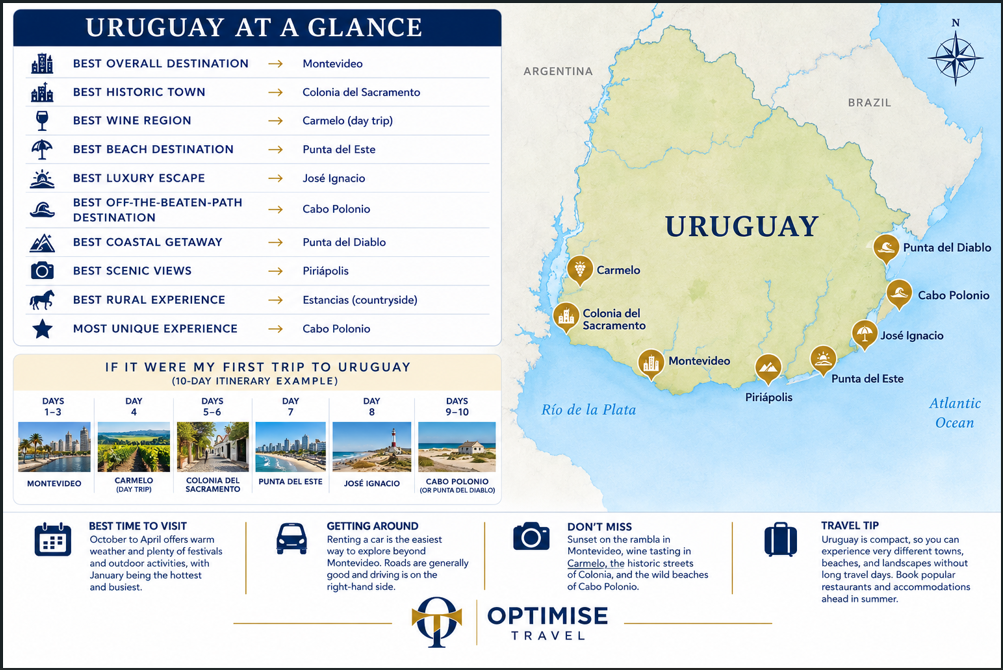
These are the 10 places in Uruguay I'd recommend seeing at least once.
Have You Seen Our Travel Concierge Service?
Your trip, planned by local experts
We are not a travel agent - we design custom itineraries around your budget and style, without receiving commissions or booking fees.
Custom itinerary
Built around your dates, budget, and travel style.
Local expert knowledge
Recommendations from people on the ground, not review sites.
Travel smarter, spend less
We optimise for your budget to make your money go further.
Salto
(pronounced: SAL-toh)
Salto at a glance
Northwestern Uruguay, on the Uruguay River
Thermal springs, relaxation, and countryside
2 nights
Couples, wellness travelers, road-trippers, slow travelers
Relaxed, local, and unpretentious
June to August
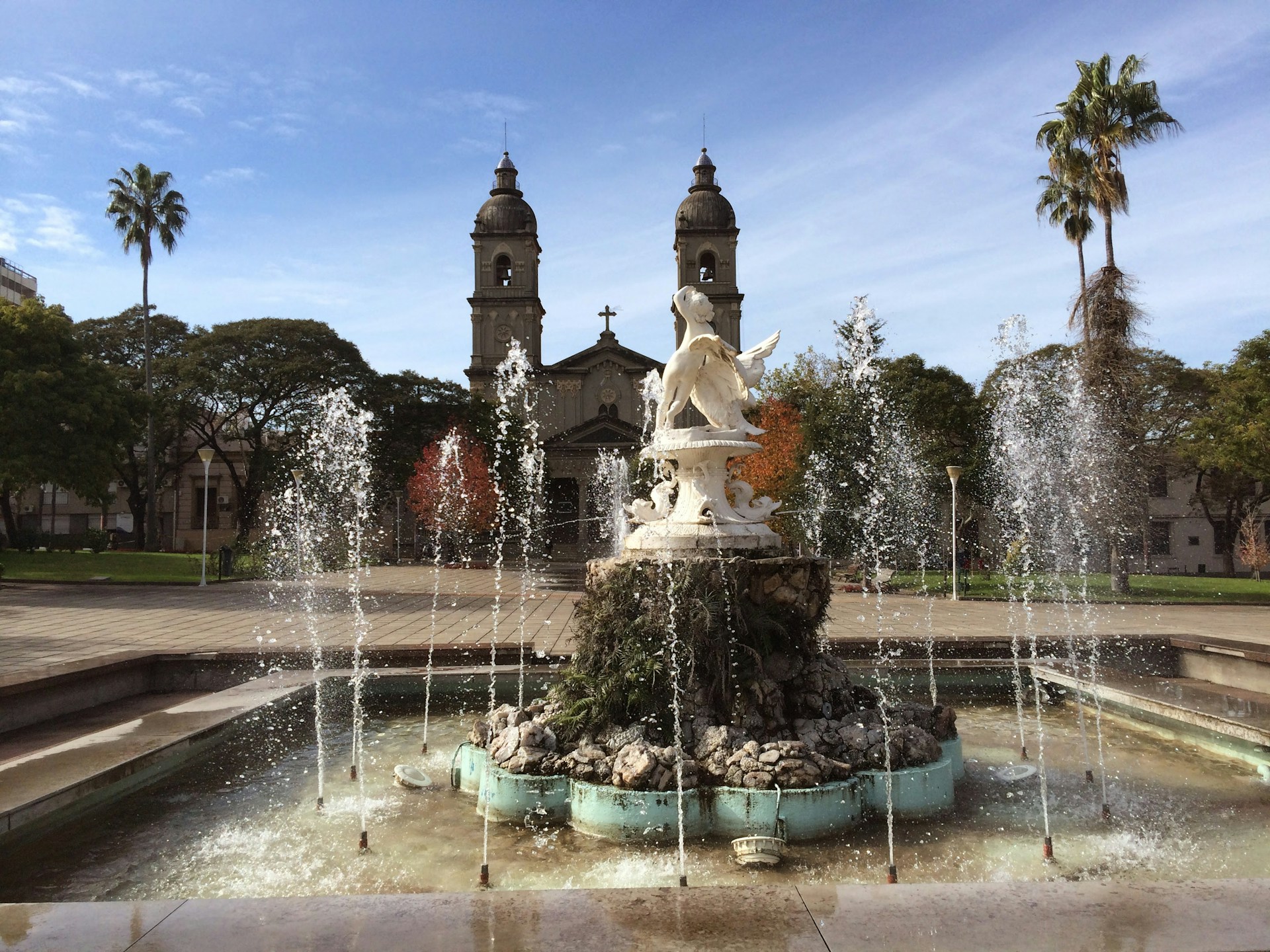
Salto gave me a good excuse to slow down for a couple of days. Up in northwestern Uruguay, the landscape is dominated by open farmland, citrus groves, and the Uruguay River, but the real reason I came here was the thermal water.
And I wasn’t limited to just one or two springs. The region has several thermal complexes, so I could choose between different pools and settings rather than treating the experience as a single attraction.
Termas del Daymán is the best-known option close to Salto, while Termas del Arapey is farther north and works well if you want to make the thermal springs a bigger part of your trip.
I particularly liked visiting in cooler weather (I went in July). Sitting outside in steaming thermal water when the air was chilly made considerably more sense to me than doing the same thing in the middle of a hot Uruguayan summer.
Salto itself is pleasantly low-key, and I wouldn't come expecting a packed sightseeing itinerary. That was part of the appeal for me.
This was somewhere to eat well, enjoy the river, soak in the thermal pools, and give myself permission to do very little for a day or two.
How Salto fits into your Uruguay itinerary
Salto works best as a two-night northern stop, particularly if you're traveling in winter. It's around six hours from Montevideo by road, and its position near the Argentine border also makes it useful if you're continuing your trip into Argentina.
Don't assume Salto's thermal experience begins and ends at Daymán.
There are several thermal areas across this part of Uruguay, so I'd compare them before your trip and choose the one that best matches whether you want a simple day soak or more of a thermal-resort stay.
Tacuarembó
(pronounced: ta-kwa-rem-BOH)
Tacuarembó at a glance
Northern interior of Uruguay
Horseback riding, gaucho culture, estancia stays, countryside
2-3 nights
Outdoor travellers, horse riders, and families
Rural, traditional, peaceful, and down-to-earth
March to May and September to November
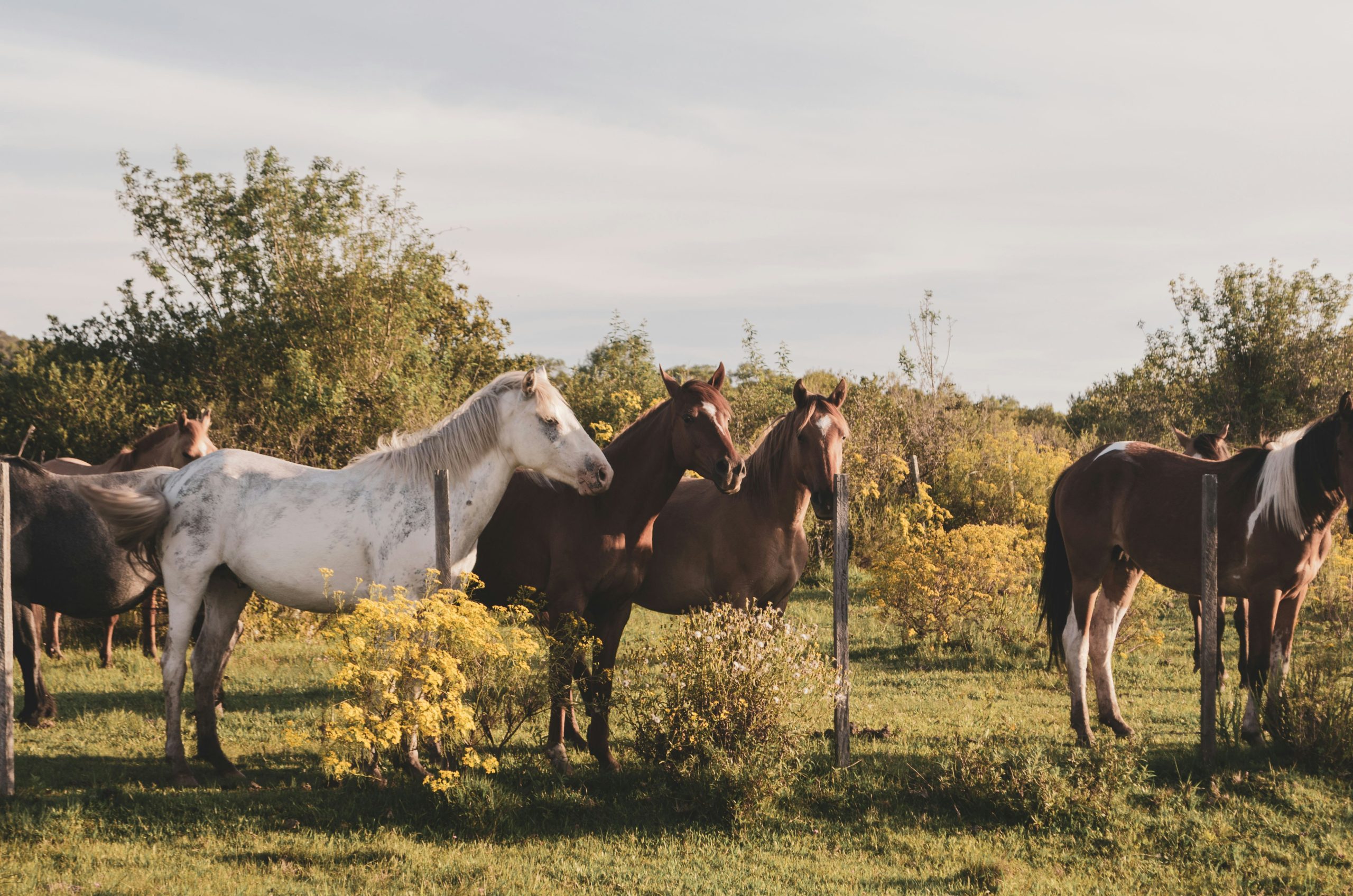
Tacuarembó was where I got to experience Uruguay's gaucho traditions properly. This is cattle country, with rolling grassland, working estancias, horses, and a rural culture that remains an important part of Uruguayan identity.
I stayed long enough to get out into the countryside, and one of my favorite experiences was a guided horseback riding excursion.
Riding across the open grassland gave me a much better appreciation for the scale of the landscape, but I also loved learning about the cowboy traditions that have shaped life here for generations.
A stay on a working estancia is the way I'd experience Tacuarembó. Days can involve riding, seeing how cattle are managed, or simply spending time around the property, followed by an asado cooked slowly over an open fire in the evening.
I really appreciated that the gaucho culture here didn't feel like something being recreated solely for visitors.
Horses, cattle, traditional skills, and life on the land are still part of the region's identity, and spending a few days around them gave me much more context than I would have gained from simply passing through.
If your dates are flexible, March is particularly interesting because Tacuarembó hosts the Fiesta de la Patria Gaucha, when riders and traditional groups arrive from across the region for one of Uruguay's biggest celebrations of gaucho culture.
How Tacuarembó fits into your Uruguay itinerary
Tacuarembó works best as a two or three-night detour into Uruguay's interior. I'd include it between Montevideo and the north if you want your trip to cover more than the country's cities, wineries, and coastline.
Stay at an estancia that offers guided horseback riding, even if you're relatively inexperienced. I'd ask about the length and difficulty of the rides beforehand so you can choose one suited to your comfort level.
Piriápolis
(pronounced: peer-ee-AH-poh-lees)
Piriápolis at a glance
Southern Uruguay, between Montevideo and Punta del Este
Beaches, coastal walks, viewpoints, and old-school seaside charm
2 nights
Couples, families, and road-trippers
Nostalgic, relaxed, and slightly quirky
December to March
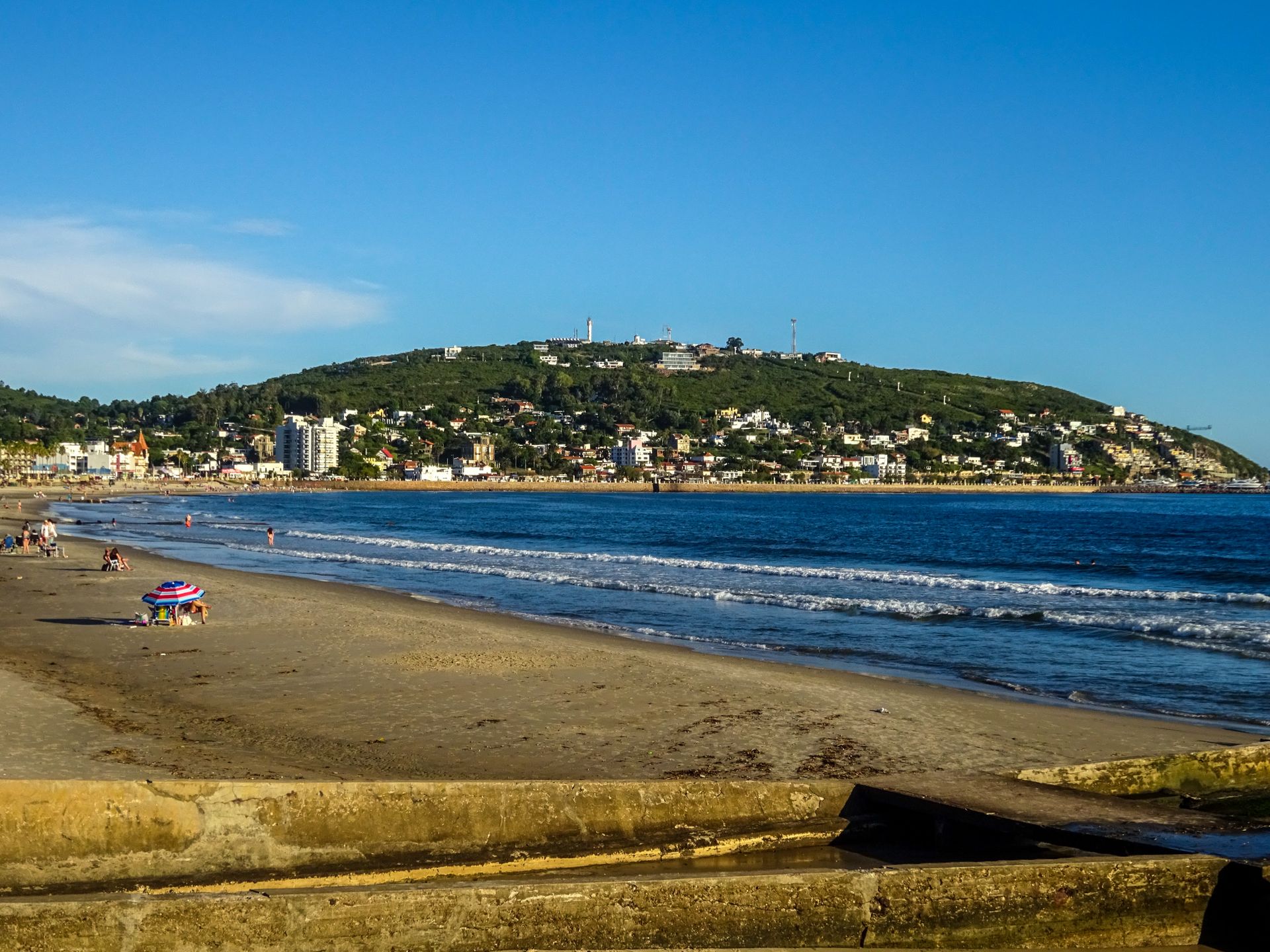
Piriápolis had the kind of old-fashioned seaside atmosphere that made me want to slow down and wander rather than work through a sightseeing checklist.
Uruguay's first purpose-built beach resort was developed in the early 20th century by Francisco Piria, who envisioned a European-style resort on the coast.
I could still see traces of that ambition along the waterfront, particularly in the enormous Argentino Hotel overlooking the beach.
One of my favorite things to do was head up Cerro San Antonio. You can reach the top by road or take the chairlift, and the view back over the curved bay, town, and coastline was easily worth the trip up.
Afterward, I enjoyed simply walking the waterfront promenade as the beach started to quiet down toward evening.
I also appreciated that Piriápolis felt a little more understated than nearby Punta del Este. It still had plenty of life during the summer, but I found it easier to settle into the slower beach-town rhythm here.
Two nights felt about right. That gave me time for the beach and Cerro San Antonio without turning what should be a relaxing stop into another packed itinerary.
How Piriápolis fits into your Uruguay itinerary
Piriápolis is an easy two-night stop on a coastal road trip from Montevideo toward Punta del Este and Uruguay's eastern beaches. It's also close enough to the capital to work as a short seaside escape if you don't have time for a longer coastal route.
Head up Cerro San Antonio later in the afternoon, then come back down for an evening walk along the promenade. I found this one of the nicest times to see the bay.
Carmelo
(pronounced: kar-MEH-loh)
Carmelo at a glance
Southwestern Uruguay, on the Río de la Plata
Wineries, Tannat, river scenery, cycling, and food
2 nights
Wine lovers, couples, foodies, and road-trippers
Intimate, understated, and welcoming
March to May and September to November
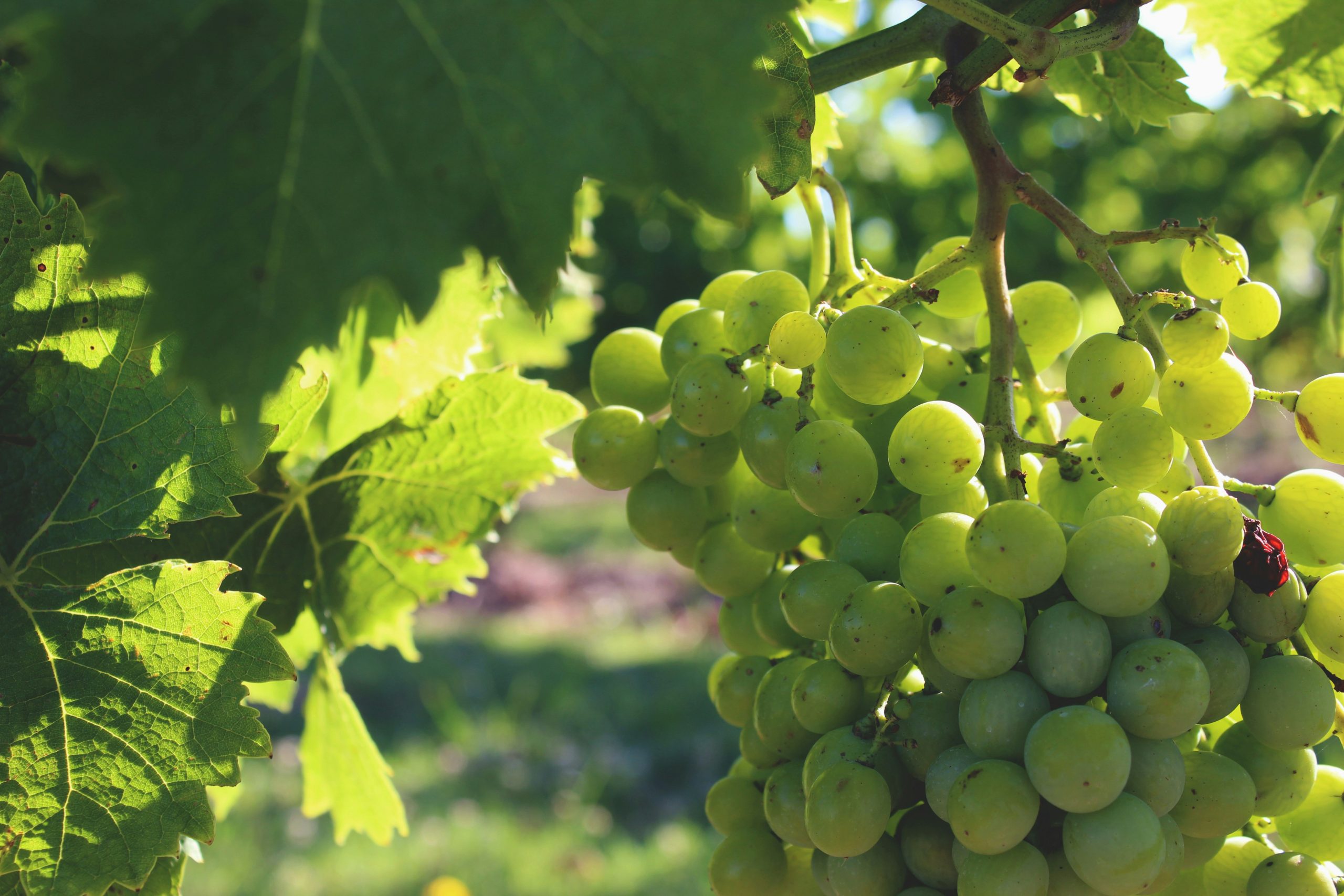
Carmelo was one of my favorite places to experience Uruguay's wine culture. The town sits beside the Río de la Plata, surrounded by vineyards and small wineries that feel a world away from the large commercial estates I’ve visited in other wine regions.
Tannat is the grape to know here. It produces deep, full-bodied red wines, typically with plenty of dark fruit and tannin, and Uruguay has made the variety very much its own.
I particularly enjoyed being able to taste it close to where the grapes were grown and compare how different producers approached the same variety.
The wineries were a big part of Carmelo's appeal for me. Many are small and family-run, and tastings often felt personal rather than polished or overly formal.
I could talk to the people producing the wine, learn about their vineyards, and pair a tasting with local cheeses, meats, or a long lunch.
There's plenty to enjoy between tastings too. The surrounding countryside is great for cycling, while the river gives Carmelo another dimension entirely.
I loved ending the day beside the water as the light changed over the Río de la Plata and the small boats returned to shore.
How Carmelo fits into your Uruguay itinerary
Carmelo fits naturally into a southwestern Uruguay route alongside Colonia del Sacramento. I'd spend two nights here, which gives you enough time to visit a few wineries without packing them all into a single day.
Book your winery visits ahead rather than simply turning up. Many of Carmelo's smaller producers offer more personal tastings and meals by appointment, so a little planning can make a big difference.
Punta del Diablo
(pronounced: POON-ta del dee-AH-bloh)
Punta del Diablo at a glance
Rocha, on Uruguay's far eastern Atlantic coast
Beaches, surfing, wildlife, and beach-town atmosphere
3 nights
Beach lovers, surfers, backpackers, nature lovers
Bohemian, beachy, lively, and slightly scruffy
December to March for beach weather, July to October for whale watching
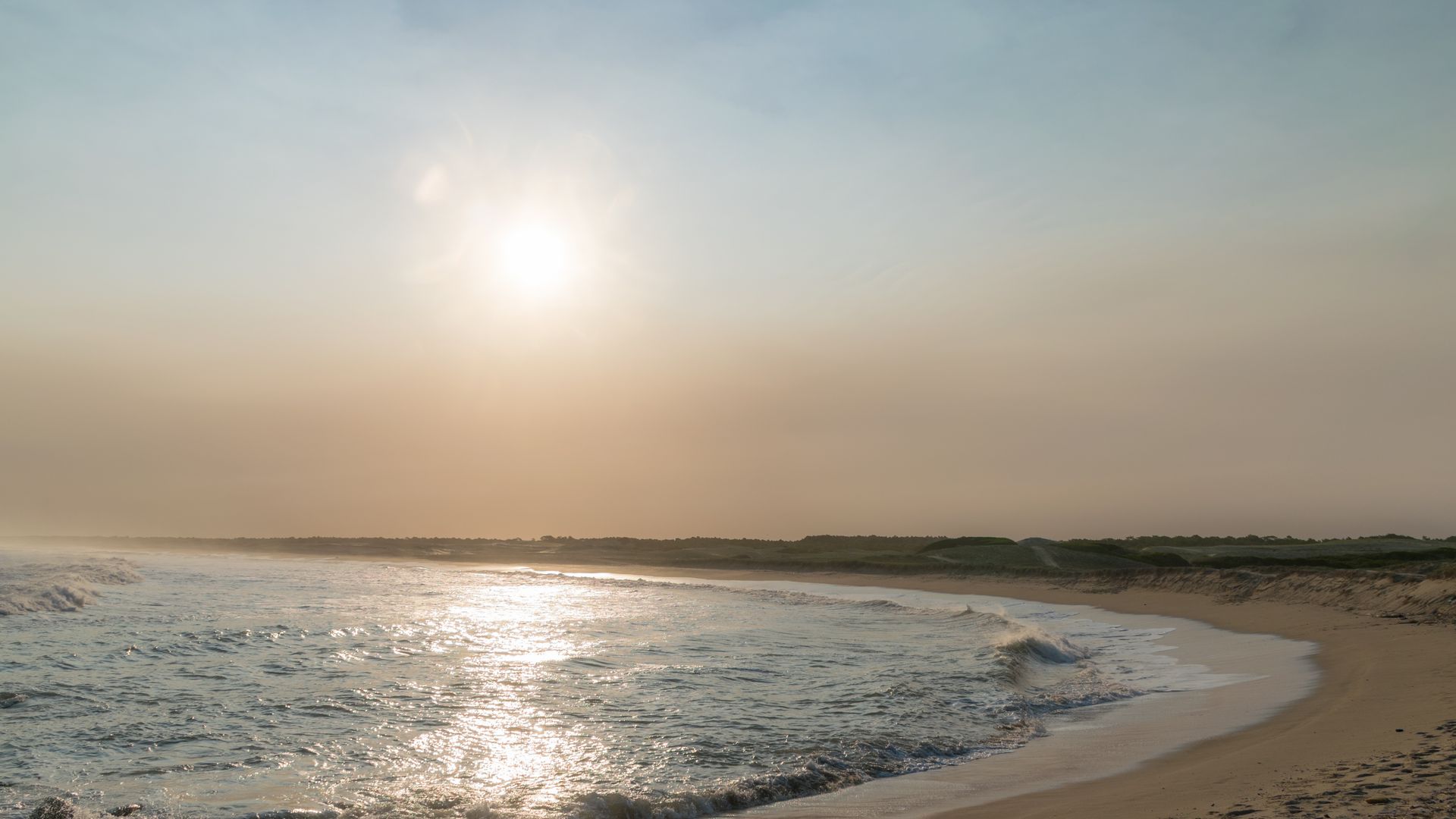
The beaches were the reason I came to Punta del Diablo, and I liked that they didn't all offer the same experience.
Some were busy and full of energy, with rows of restaurants, ice cream stalls, souvenir shops, and people wandering between the village and the sand.
Others required more effort to reach, but those were often the beaches I enjoyed most. Walking a little farther could lead to long stretches of sand with far fewer people and a much wilder Atlantic feel.
That contrast made it worth exploring beyond whichever beach happened to be closest to my accommodation.
Just north of town, Santa Teresa National Park added even more coastline. The park has around 12 kilometres of beaches, including quieter stretches such as Playa del Barco, along with forest trails and the historic Fortaleza de Santa Teresa.
There's also a good reason to visit outside the traditional summer season. Between July and October, southern right whales migrate along the Rocha coast, and Punta del Diablo is one of the places where they can sometimes be spotted directly from shore.
Bottlenose dolphins can be seen in the region throughout the year too.
Back in the village, fishing boats pulled onto the sand and simple cabins among the dunes still gave me glimpses of the fishing community Punta del Diablo grew from, even when summer was in full swing.
How Punta del Diablo fits into your Uruguay itinerary
Punta del Diablo makes a great three-night stop on an eastern Uruguay road trip. December to March is best if beaches and swimming are your priority, while July to October gives you the added possibility of spotting migrating whales from the coast.
Don't judge Punta del Diablo by its busiest beach. I'd walk farther along the coast or head into Santa Teresa National Park, where the beaches become much less developed and the walk itself is part of the experience.
Punta del Este
(pronounced: POON-ta del ESS-teh)
Punta del Este at a glance
Maldonado, southeastern Uruguay
Beaches, restaurants, nightlife, art, and coastal scenery
3 nights
Beach lovers, couples, foodies, and nightlife seekers
Polished, energetic, fashionable, and summery
December and March
Punta del Este is Uruguay's most famous resort town, and I could immediately see why it has attracted summer visitors from Argentina, Brazil, and farther afield for generations.
What I liked about the peninsula was having two very different coastlines within easy reach. Playa Mansa faces the calmer waters of the Río de la Plata, while Playa Brava faces the Atlantic and has bigger waves and a much wilder feel.
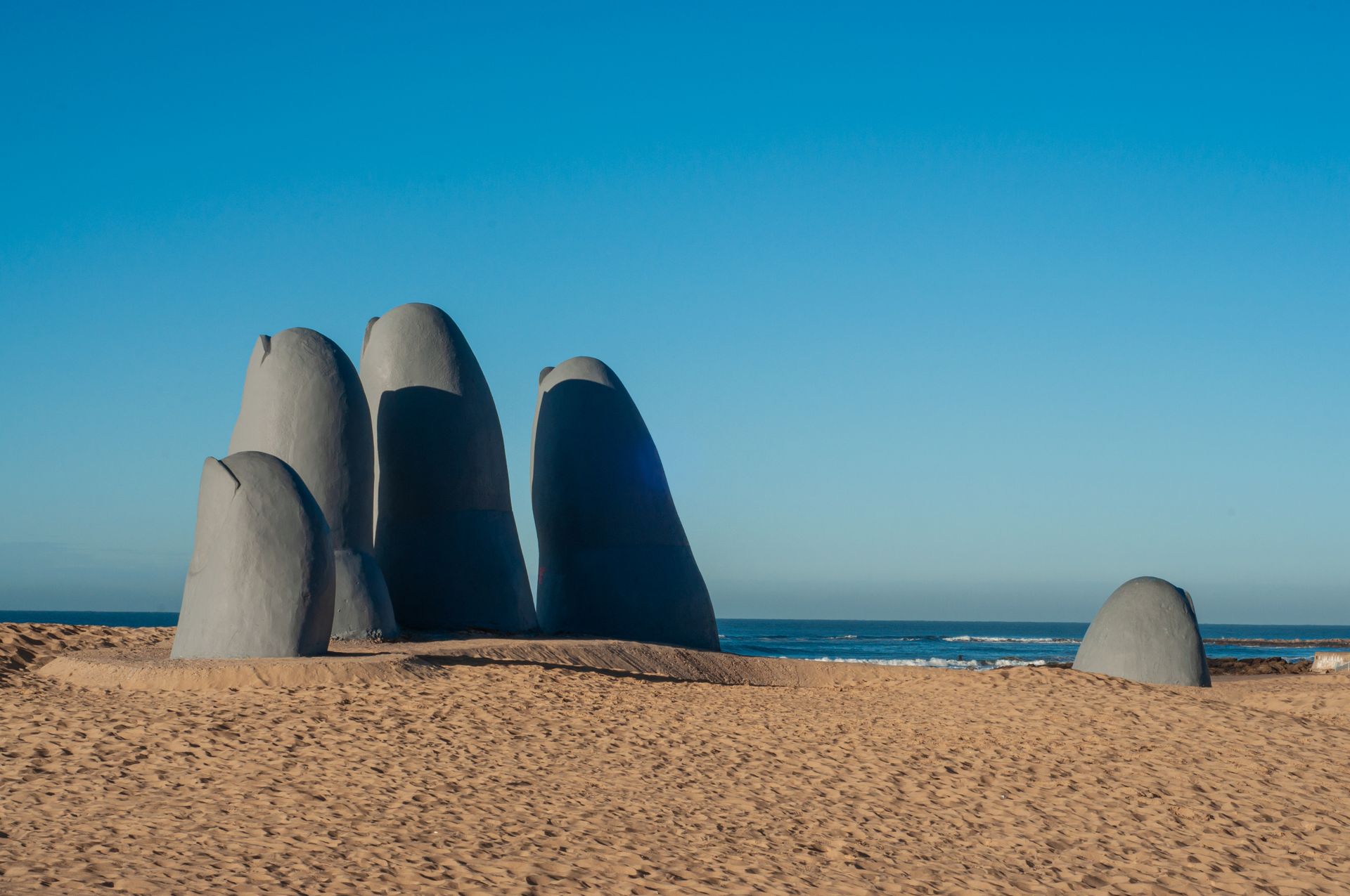
Brava is also where I went to see La Mano, the enormous fingers emerging from the sand that have become one of Uruguay's most recognizable landmarks. It's photographed constantly, but I still thought it was worth seeing for myself.
I also made time for Casapueblo, just along the coast at Punta Ballena. Created by Uruguayan artist Carlos Páez Vilaró, the sprawling white building almost looks sculpted into the hillside.
I timed my visit for late afternoon and stayed for sunset over the water, which is exactly when I'd recommend going.
Back in Punta del Este, I enjoyed walking around the marina in the evening, when the restaurants filled up and boats returned to the harbor.
This is definitely one of Uruguay's more glamorous destinations, and during the height of summer it can become extremely busy.
That's why I'd choose my dates carefully. I would happily trade the January social scene for fewer crowds and better prices in December or March.
How Punta del Este fits into your Uruguay itinerary
Punta del Este is an easy three-night addition to a coastal Uruguay itinerary.
It fits naturally between Piriápolis and the wilder beaches farther east, including Punta del Diablo, giving you a good contrast between Uruguay's polished resort coast and its more laid-back beach towns.
If you're coming for the beaches rather than the nightlife and social scene, I'd also avoid January, when Punta del Este is at its busiest and most expensive.
José Ignacio
(pronounced: hoh-SEH ig-NAH-see-oh)
José Ignacio at a glance
Maldonado, about 40 minutes east of Punta del Este
Beaches, food, sunsets, and coastal escapes
3 nights
Couples, beach lovers, and travellers looking for a quieter alternative to Punta del Este
Stylish, understated, intimate, and beachy
December and March
José Ignacio has become one of South America's most fashionable beach destinations, but I loved that the village itself still felt remarkably small.
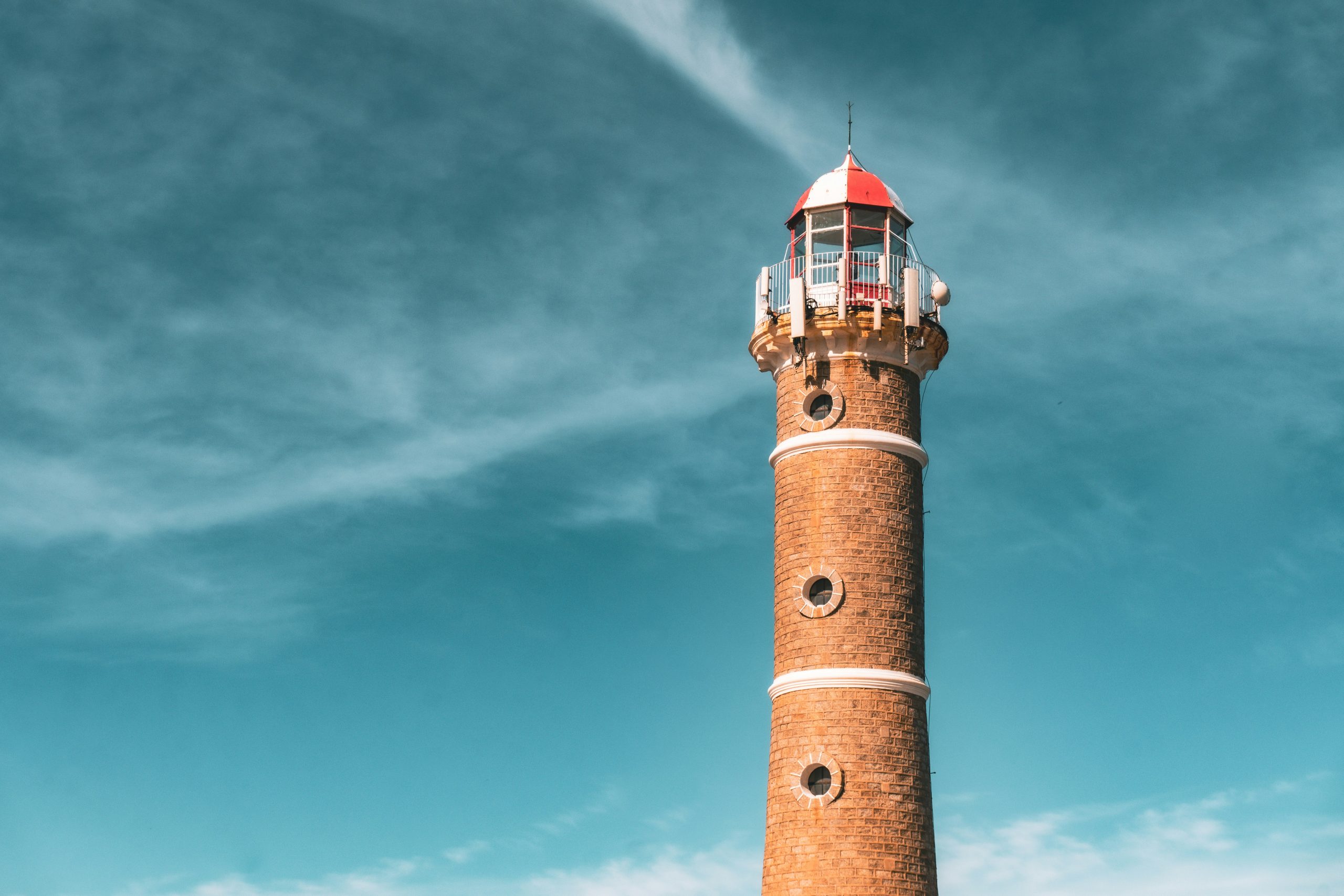
There are no high-rises dominating the coast, just low houses, sandy streets, a lighthouse, and two beaches on either side of the peninsula.
The beaches have very different personalities. Playa Mansa has calmer water and long stretches of sand backed by dunes, while Playa Brava faces the Atlantic and picks up considerably more surf.
I liked being able to walk between the two depending on what I felt like doing that day.
Food is a major part of the experience here. José Ignacio has attracted some exceptional restaurants, but the setting is often as memorable as the meal itself. Fresh fish, seafood, and beef are cooked over open flames, with some tables sitting right beside the sand.
My favorite evening was also one of the simplest. I had a long dinner by the beach as the sun went down, with my feet in the sand and nowhere else I needed to be.
It was one of those meals where I stopped paying attention to the time entirely, and it's probably the memory I associate most with José Ignacio.
I'd choose December or March if possible. You'll still get the summer atmosphere without quite the intensity of January, when this tiny village becomes one of the most sought-after destinations on the Uruguayan coast.
How José Ignacio fits into your Uruguay itinerary
José Ignacio pairs naturally with Punta del Este but offers a very different style of stay. I'd give it three nights before continuing east toward Rocha and Punta del Diablo, particularly if food and beaches are priorities for your Uruguay trip.
Rent a bike while you're here. José Ignacio is compact enough to explore on two wheels, and it's an easy way to get between the village, lighthouse, beaches, and quieter surrounding roads without constantly getting back in the car.
Cabo Polonio
(pronounced: KA-boh poh-LOH-nee-oh)
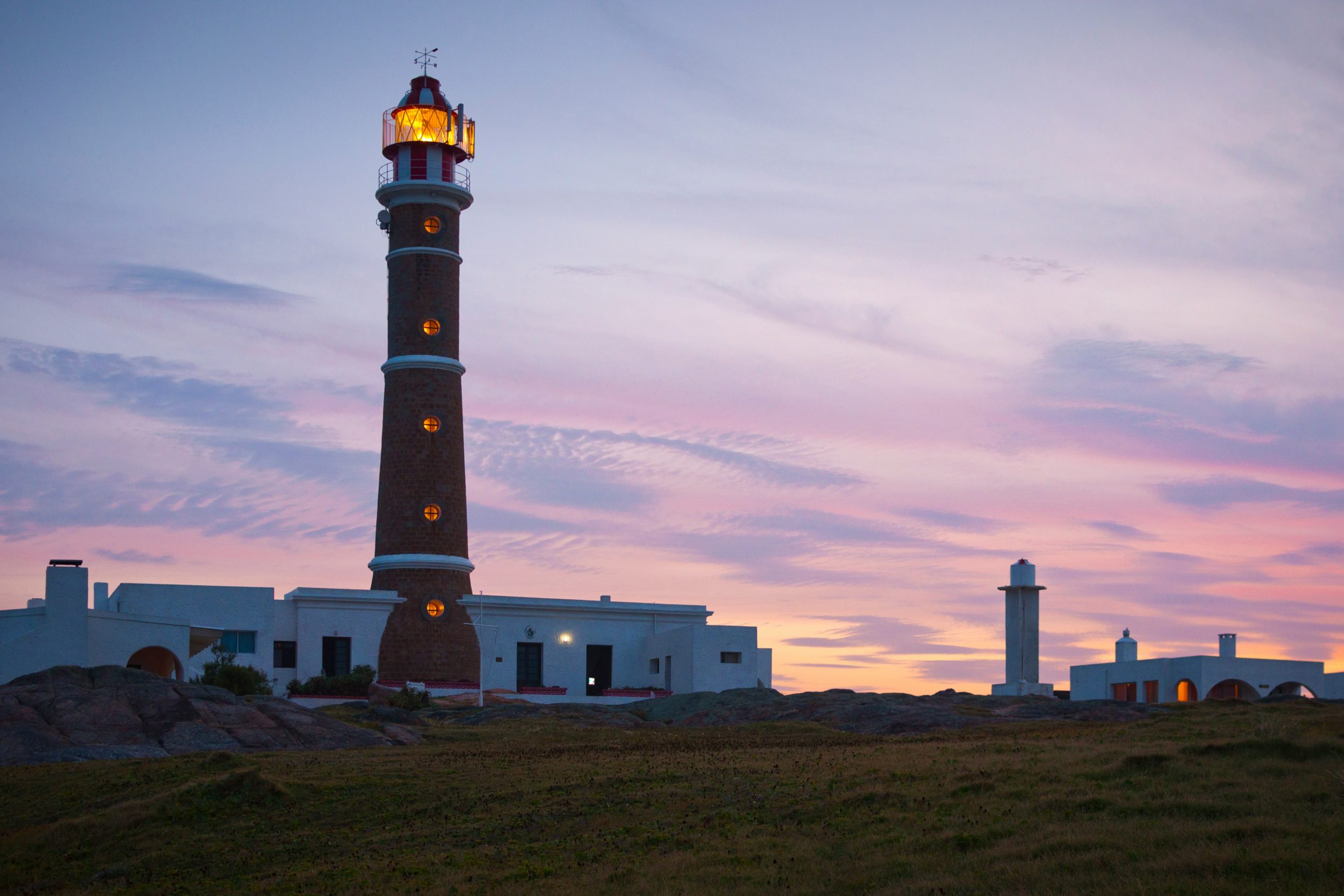
Cabo Polonio at a glance
Rocha, on Uruguay's Atlantic coast
Wild beaches, sea lions, stargazing, and dunes
2-3 nights
Nature lovers, adventurous travelers, and couples
Remote, rustic, wild, and wonderfully unconventional
November to March
Getting to Cabo Polonio was part of the experience before I'd even seen the village.
There is no normal road in, so I left the car behind at the national park entrance and climbed aboard one of the huge 4x4 trucks that carry visitors across several kilometres of sand and shifting dunes.
Eventually, the little collection of houses appeared beside the Atlantic, and I understood why Cabo Polonio has managed to retain so much of its character.
There are no paved streets or streetlights, and many properties operate with limited electricity and water. Accommodation tends to be simple too, with cabins, hostels, and small guesthouses rather than big resorts.
The lighthouse became one of my favorite places to walk. Just below the rocky point is a large colony of South American sea lions, and I could hear them before I was close enough to properly see them.
Watching them sprawled across the rocks with the Atlantic crashing behind them was easily one of my highlights here.
But Cabo Polonio became even more memorable after dark. With so little artificial lighting, the stars felt incredibly bright, and walking outside at night gave me one of the best night skies I experienced in Uruguay.
Days here were refreshingly uncomplicated. I walked the beaches, explored the dunes, watched the sea lions, and generally let the setting provide the entertainment.
Two or three nights was enough for me to experience that without making Cabo Polonio just a quick day trip.
How Cabo Polonio fits into your Uruguay itinerary
Cabo Polonio fits perfectly into an eastern coastal route between José Ignacio and Punta del Diablo. I'd give it two or three nights, especially if you want your Uruguay itinerary to include somewhere much wilder than the resort towns farther west.
Pack lighter than you normally would for a beach stay. You'll be transferring your luggage onto the 4x4 for the journey across the dunes, so a smaller bag is much easier to manage than hauling a large suitcase into Cabo Polonio.
Also bring enough cash for your stay, since you shouldn't rely on finding an ATM once you're there.
Colonia del Sacramento
(pronounced: koh-LOH-nee-ah del sa-kra-MEN-toh)
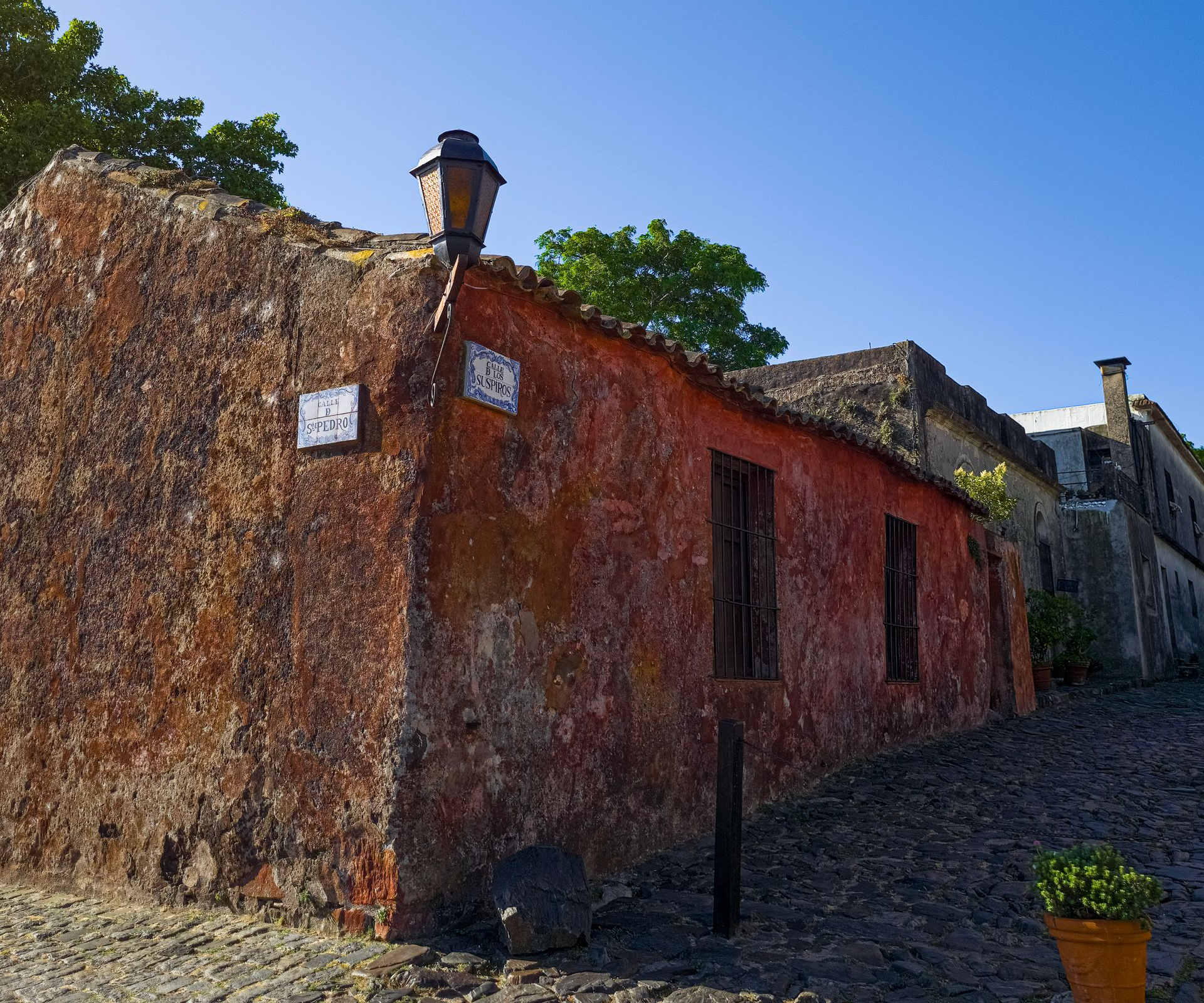
Colonia del Sacramento at a glance
Southwestern Uruguay, on the Río de la Plata
Colonial history, architecture, and sunsets
1-2 nights
History lovers, couples, photographers, and slow travellers
Historic, romantic, leafy, and atmospheric
March to May and September to November
Colonia del Sacramento was one of those places I was glad I didn't treat as a quick day trip. The historic quarter is small, but I found myself wandering through the same streets several times and noticing something different on each pass.
The Portuguese founded Colonia in the 17th century, and control repeatedly shifted between Portugal and Spain.
I could still see that complicated history in the old town, where Portuguese and Spanish architecture, street layouts, and paving styles sit side by side.
Calle de los Suspiros is the street everyone photographs, and I certainly wasn't immune. The uneven cobbles, colorful colonial houses, and view toward the river made it one of my favorite corners of the old town.
I also climbed the lighthouse for a different perspective over the rooftops and Río de la Plata.
What I enjoyed most, though, was how lived-in the historic quarter still felt. Vintage cars sat beneath enormous trees, restaurants spilled into little squares, and ordinary homes were mixed among the historic buildings.
It never felt like I'd walked into an open-air museum.
I made sure I was by the waterfront for sunset. The Río de la Plata is so broad here that it can feel more like looking across the sea, and watching the sun disappear over the water was a wonderful way to end the day.
Many visitors arrive on the morning ferry from Buenos Aires and leave again that afternoon. I was glad I stayed. Once the day-trippers headed back across the river, I had a much quieter version of Colonia to explore in the evening.
How Colonia del Sacramento fits into your Uruguay itinerary
Colonia is an excellent first or final stop if you're combining Uruguay with Argentina, thanks to the direct ferry connection with Buenos Aires. I'd spend at least one night here, or two if you want time to explore beyond the UNESCO-listed historic quarter.
Rent a bike if you're staying for a second day. The historic quarter itself is best explored on foot, but a bike makes it easy to get beyond the old town and see more of Colonia's waterfront and surrounding area.
Montevideo
(pronounced: mon-teh-vee-DEH-oh)
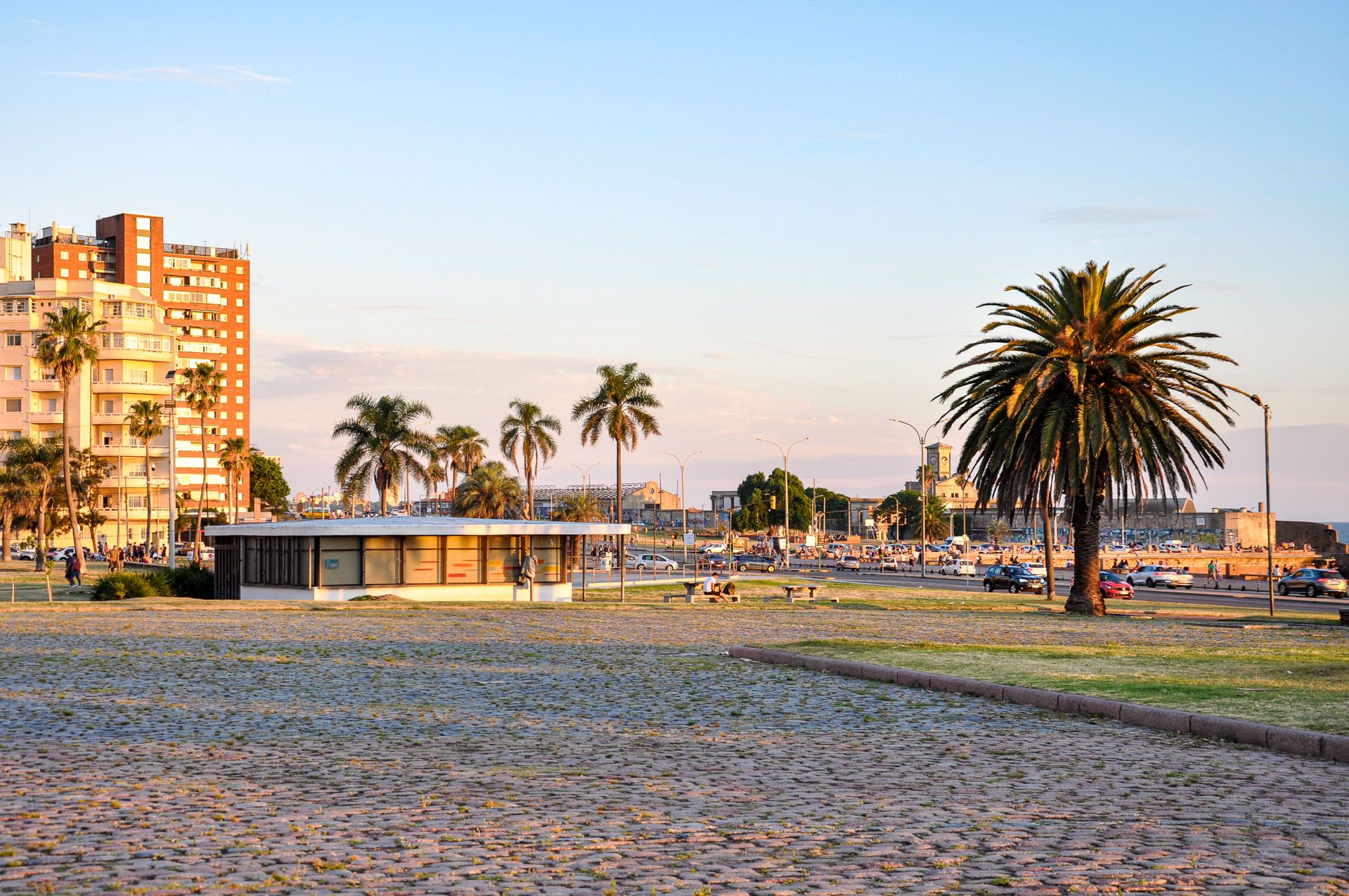
Montevideo at a glance
Southern Uruguay, on the Río de la Plata
Food, culture, architecture, beaches, and local life
3-4 nights
Foodies, culture lovers, couples, and first-time visitors
Easygoing, coastal, and lived-in
October to April
Montevideo felt surprisingly manageable for a capital city. Nearly half of Uruguay's population lives in the metropolitan area, yet I never felt swallowed up by the city in the way I have in some other South American capitals.
I spent plenty of time in Ciudad Vieja, where colonial buildings sit alongside some fantastic Art Deco architecture. The Mercado del Puerto was an obvious stop for me too.
The smoke from the parrilla grills fills the market, and I loved sitting at the counter watching enormous cuts of beef being cooked over wood right in front of me.
But the rambla was where I really started to understand Montevideo. The waterfront promenade runs for more than 20 kilometres, and toward the end of the day it seemed like half the city migrated toward it.
People were cycling, fishing, exercising, or simply sitting along the sea wall drinking mate from a gourd with a thermos close at hand.
One of my favorite experiences happened when I wasn't looking for it at all. I heard drums coming from farther down a street and eventually found a candombe group moving through the neighborhood.
Candombe grew from Uruguay's Afro-Uruguayan communities, and watching the drummers pass with people following behind felt completely different from attending a performance arranged for visitors.
I'd give Montevideo at least three nights. There are museums and landmarks worth seeing, but I found the city's everyday rituals just as memorable as its conventional attractions.
How Montevideo fits into your Uruguay itinerary
Montevideo is the natural starting point for most Uruguay itineraries. Three or four nights gives you time to explore the city before continuing west toward Colonia and Carmelo or east along the coast toward Piriápolis, Punta del Este, José Ignacio, and Rocha.
If you're here on a Sunday, head to Feria de Tristán Narvaja.
This enormous street market spreads through the Cordón neighborhood and is a fun place to browse everything from antiques and books to food and wonderfully random secondhand finds.
Uruguay is relatively compact, but I still wouldn't try to cover the entire country in a short trip. With five days, I'd concentrate on Montevideo and the southwest.
With 10 days, I'd add the Atlantic coast for a much broader look at the country.
Uruguay itinerary: 5 days
For a 5-day Uruguay itinerary, I'd combine Montevideo with Colonia del Sacramento. The journey between them is easy, and you get a good mix of city life, food, history, and waterfront scenery without spending too much of your trip in transit.
Route: Montevideo → Colonia del Sacramento
| Days 1-3 | Day 4 | Day 5 |
|---|---|---|---|
Destination | Montevideo | Travel to Colonia del Sacramento | Carmelo |
Overnight | Montevideo | Colonia del Sacramento | Colonia del Sacramento or departure |
Why this route? Montevideo gives you Uruguay's food, culture, candombe, and coastal lifestyle, while Colonia adds a completely different experience with its UNESCO-listed historic quarter and Portuguese and Spanish heritage.
Uruguay itinerary: 10 days
With 10 days, I'd turn this into a road trip and head east from Montevideo. This route combines the capital with some of my favorite beach towns and the wilder coastline of Rocha.
Route: Montevideo → Piriápolis → Punta del Este → José Ignacio → Cabo Polonio → Punta del Diablo
| Days 1-2 | Day 3 | Days | Days 6 | Days | Days |
|---|---|---|---|---|---|---|
Destination | Montevideo | Piriápolis | Punta del Este | José Ignacio | Cabo Polonio | Punta del Diablo |
Overnight | Montevideo | Piriápolis | Punta del Este | José Ignacio | Cabo Polonio | Punta del Diablo |
Why this route? This itinerary follows Uruguay's coast from its capital toward the Brazilian border, gradually moving from established resort towns to smaller villages, dunes, national parks, and wild Atlantic beaches.
*I'd rent a car for this version, although you'll need to leave it at the entrance to Cabo Polonio and take the 4x4 transport across the dunes.
Why Uruguay deserves a trip beyond Montevideo
Montevideo is the natural starting point for a trip to Uruguay, but some of my favorite experiences happened once I ventured beyond the capital.
I loved how much variety I found, from tasting Tannat at small wineries around Carmelo and horseback riding through gaucho country to exploring Colonia's cobbled streets and discovering the beaches, dunes, and fishing villages along the Atlantic coast.
What stood out to me was how manageable it all felt. Uruguay is compact enough that I could experience wine country, historic towns, rural traditions, and completely different stretches of coastline without spending days traveling between them.
If you're planning your first trip to Uruguay, I wouldn't make Montevideo your only stop. Give yourself time to explore at least one other part of the country, because that's where I really started to appreciate what makes Uruguay worth visiting.
FAQs about traveling to Uruguay
The currency in Uruguay is the Uruguayan peso (UYU), and credit and debit cards are widely accepted in cities and popular tourist destinations.
Visa requirements depend on your nationality, but travelers from many countries, including the United States, United Kingdom, Australia, Canada, and EU countries, can visit Uruguay visa-free for short tourist stays.
Uruguay is generally an easy country to explore by car, with traffic driving on the right-hand side of the road and good highways connecting most major destinations.
Uruguay is generally considered one of the safer destinations in South America, although normal precautions against theft and other petty crime are still recommended, particularly in Montevideo.
Uruguay primarily uses Type C, F, and L electrical plugs with a 230V, 50Hz supply, so many international travelers will need a plug adapter.
Spanish is the official and most widely spoken language in Uruguay, with Uruguayan Spanish sharing many characteristics with the Spanish spoken across the Río de la Plata in Argentina.
Ready to explore Uruguay? Optimise Travel is here to help
Uruguay may be relatively compact, but deciding how to divide your time between its historic cities, wine regions, countryside, beach towns, and Atlantic coastline can still take some planning.
At Optimise Travel, we create personalized travel itineraries based on your interests, travel style, and budget.
Whether you're dreaming of exploring Montevideo, wandering the cobbled streets of Colonia del Sacramento, tasting Tannat around Carmelo, horseback riding through gaucho country, relaxing on the beaches of José Ignacio, or heading across the dunes to Cabo Polonio, we'll help you build an itinerary that makes the most of your time.
If you'd like help planning your trip to Uruguay, click here to learn more about our concierge travel services.