

Venezuela has some of the most dramatic landscapes I've experienced anywhere in South America.
I found enormous waterfalls disappearing into the jungle, strange tabletop mountains rising above the clouds, Caribbean islands with turquoise water, wildlife-filled wetlands, and a side of the Andes I hadn't expected to find here.
Angel Falls was every bit as spectacular as I'd imagined, but Venezuela gave me plenty of other moments that stayed with me.
These are the 10 best places to visit in Venezuela I'd make room for on your trip.
Have You Seen Our Travel Concierge Service?
Your trip, planned by local experts
We are not a travel agent - we design custom itineraries around your budget and style, without receiving commissions or booking fees.
Custom itinerary
Built around your dates, budget, and travel style.
Local expert knowledge
Recommendations from people on the ground, not review sites.
Travel smarter, spend less
We optimise for your budget to make your money go further.
Coro and Los Médanos
(pronounced: KOH-roh / lohs MEH-da-nohs)
Coro and Los Médanos at a glance
Northwestern Venezuela, near the Paraguaná Peninsula
Colonial architecture, sand dunes, and sunsets
1-2 nights
History lovers, photographers, and adventurous travellers
Colourful, unusual, and desert-like
January to March
Coro gave me one of the strangest combinations of landscapes I encountered in Venezuela.
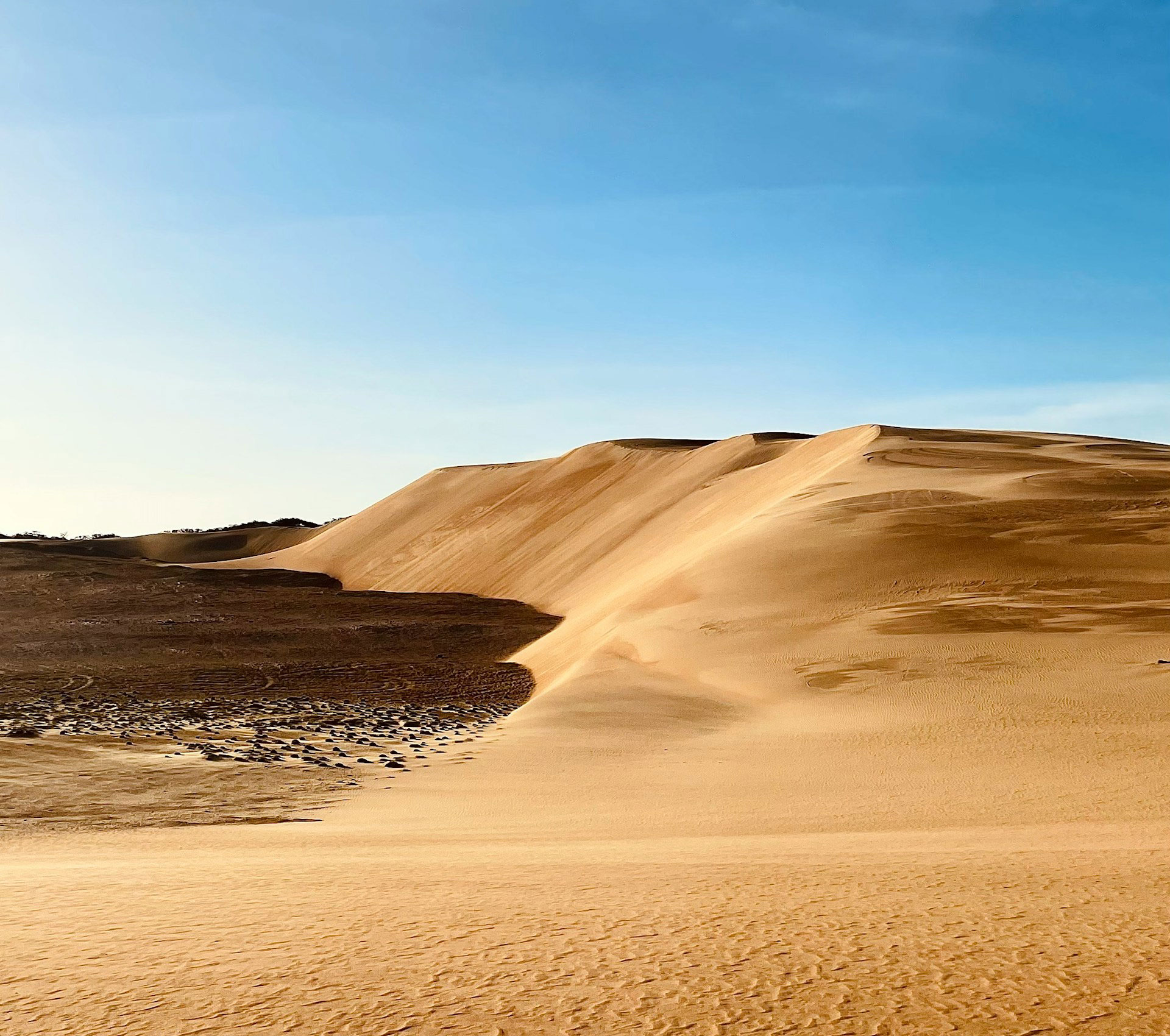
I could wander through a historic colonial centre filled with colourful buildings and churches, then travel just beyond the city and suddenly find myself surrounded by enormous rolling sand dunes.
I enjoyed exploring Coro itself first. As one of Venezuela's oldest cities, its historic centre has a completely different character from the country's modern cities, with traditional architecture and quiet streets that were easy to explore on foot.
Los Médanos was the real surprise for me, though. Walking out onto the dunes felt almost surreal, particularly as the city disappeared behind the sand.
The wind constantly reshapes the landscape, and staying until later in the day gave me the chance to watch the colours change as the sun dropped.
For something a little more adventurous, you can also rent sandboards (in certain places) and ride down the dunes. Even if you don't try it, watching people attempt the steeper slopes adds some fun to the experience.
I'd spend one or two nights here so there was enough time for both Coro's historic centre and a proper sunset visit to the dunes.
How Coro and Los Médanos fit into your Venezuela itinerary
I'd combine Coro and Los Médanos as one stop when exploring northwestern Venezuela. One or two nights gives you enough time to experience the colonial city and dunes before continuing towards the Paraguaná Peninsula and Caribbean coast.
I'd save Los Médanos for late afternoon rather than visiting in the middle of the day. The temperatures are more comfortable, the light across the dunes is much better for photos, and you can stay for sunset.
Morrocoy National Park
(pronounced: moh-roh-KOY)
Morrocoy National Park at a glance
Northwestern Caribbean coast, Falcón State
Island hopping, snorkelling, beaches, and boating
2 nights
Beach lovers, couples, families, and nature lovers
Tropical, relaxed, colourful, and Caribbean
December to April
I loved exploring Morrocoy National Park. After spending time around Coro and the desert landscapes of Los Médanos, arriving on this stretch of the Caribbean coast felt like another complete change of scenery.
The best part for me was getting out on the water.
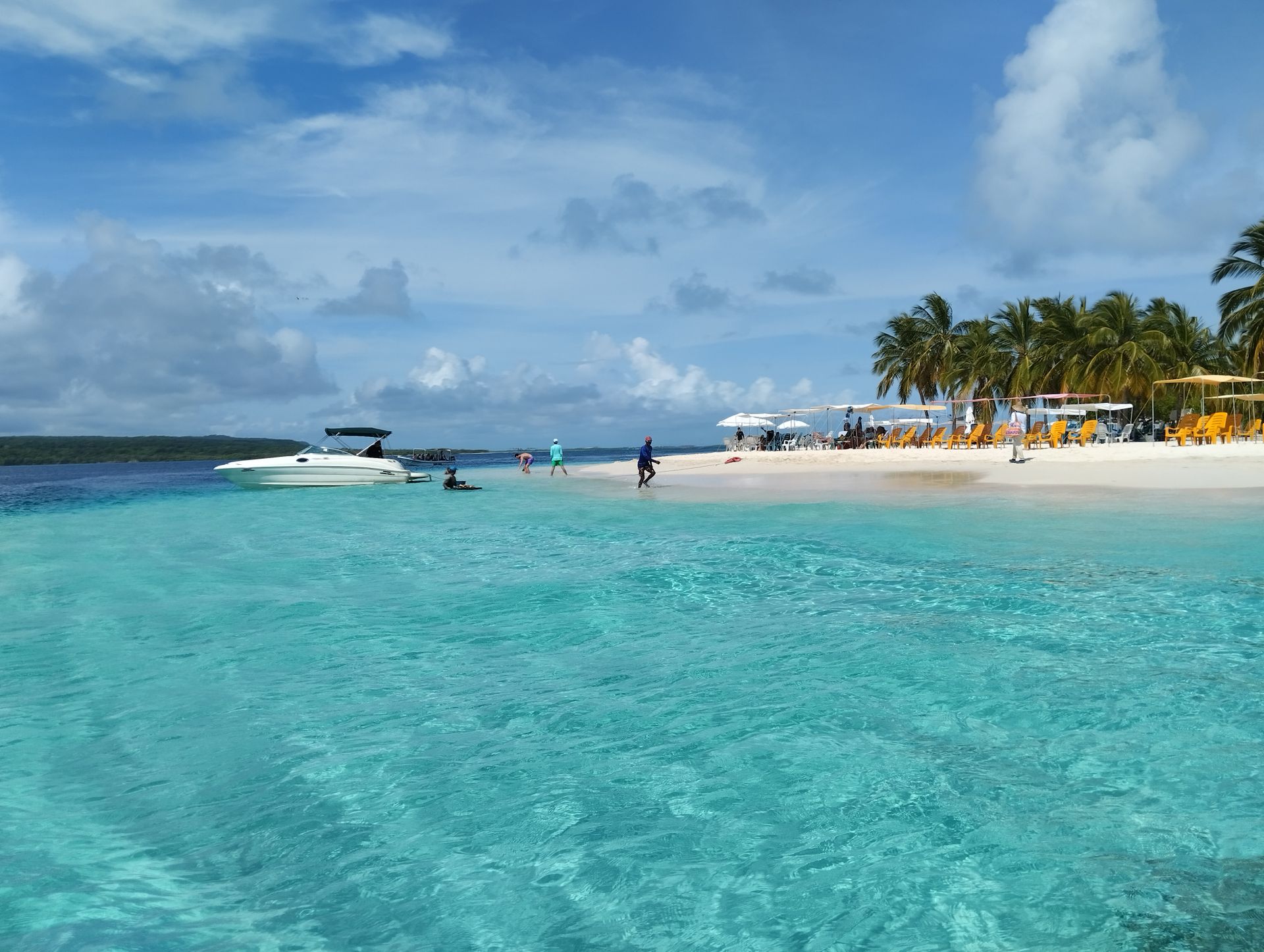
Morrocoy is scattered with small offshore cays surrounded by incredibly clear, shallow turquoise water, and travelling between them by boat meant I could experience several different beaches rather than settling in one place for the day.
Some had stretches of soft white sand and palms that looked almost impossibly Caribbean, while others were better for jumping straight into the water with a snorkel.
I especially enjoyed exploring beneath the surface, where reefs and coral added another side to the park beyond its beaches.
The mangroves were another highlight. Passing through their sheltered waterways felt completely different from being out among the exposed cays and made the boat trips themselves part of the experience.
I'd stay for two nights and devote at least one full day to boating, swimming and snorkelling. Morrocoy was somewhere I was very happy to spend most of my time outdoors.
How Morrocoy National Park fits into your Venezuela itinerary
Morrocoy fits naturally into a northwestern Venezuela route with Coro and Los Médanos. I'd spend two nights here before or after Coro, giving the trip a great contrast between colonial streets, desert dunes and the Caribbean coast.
I'd visit during the week if possible. Morrocoy is popular with Venezuelans, so avoiding weekends and major local holidays can make the cays considerably quieter.
Choroní
(pronounced: choh-roh-NEE)
Choroni at a glance
Central Caribbean coast, Aragua State
Beaches, colonial charm, nature, and scenic drives
2 nights
Beach lovers, culture seekers, couples, and nature lovers
Laid-back-tropical, and traditional
December to April
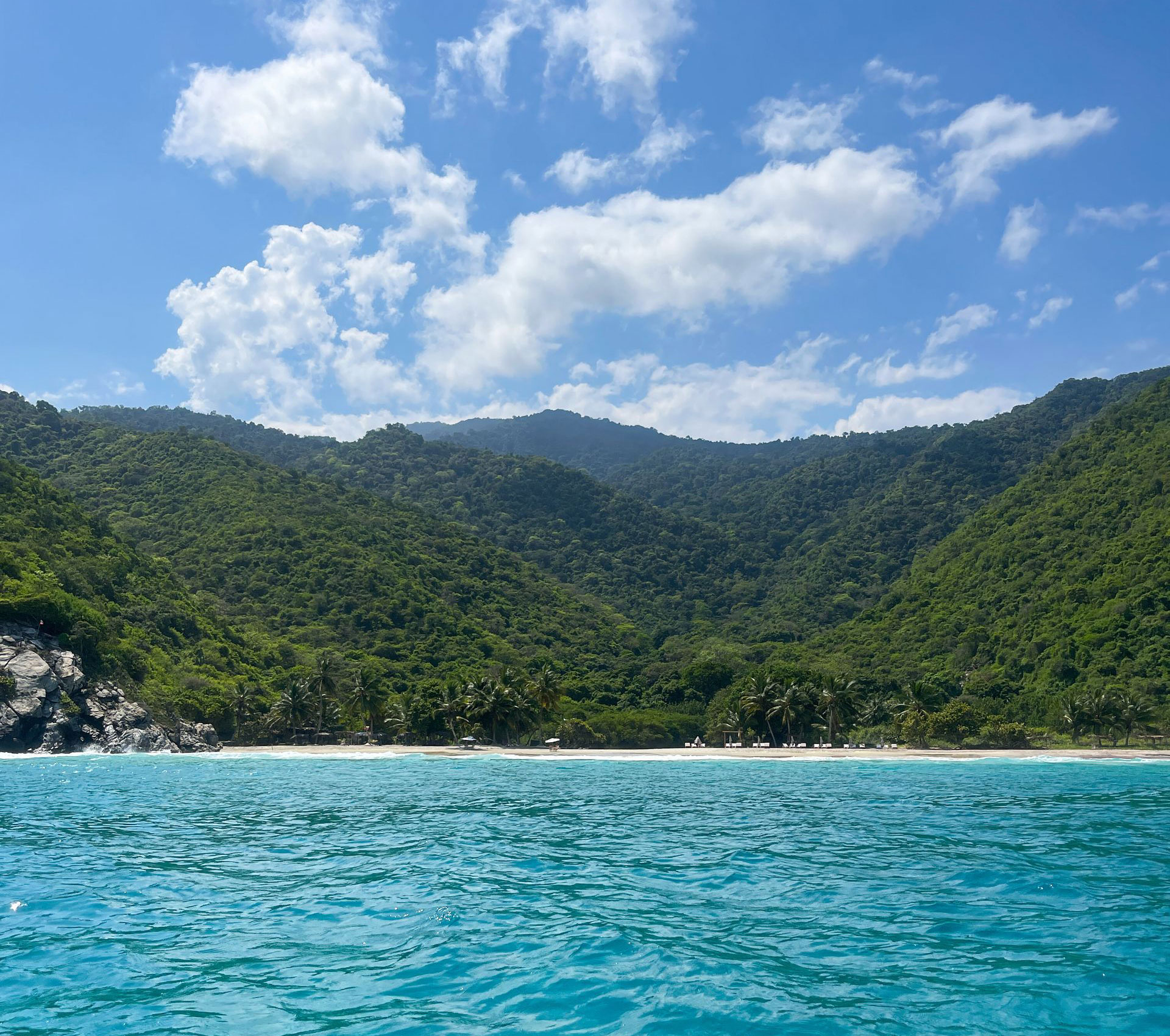
Getting to Choroní was one of those journeys where the trip itself became part of the experience. The road crosses the mountains of Henri Pittier National Park, twisting through thick cloud forest before eventually dropping towards the Caribbean coast.
I loved watching the landscape change along the way. Dense green forest gradually gave way to glimpses of the sea, and on the other side I found a small colonial village backed by mountains and surrounded by tropical vegetation.
Choroní had a slower pace than many of the coastal destinations I visited in Venezuela.
I spent time wandering around the village, but the beaches were the biggest draw for me. Playa Grande was particularly memorable, with palms behind the sand and steep green mountains creating a dramatic backdrop.
What also made Choroní stand out was its Afro-Venezuelan heritage. Traditional drumming is an important part of the local culture, and hearing that music gave the village an identity that went far beyond being another pretty Caribbean beach town.
I stayed for two nights, which gave me time to enjoy both the coastline and Choroní itself without rushing straight back over the mountains.
How Choroní fits into your Venezuela itinerary
Choroní works particularly well as a two-night coastal escape from the Caracas and Maracay area.
I'd combine it with Henri Pittier National Park, turning the journey over the mountains into part of the experience rather than treating Choroní as a standalone beach stop.
I'd avoid driving the mountain road after dark. It's narrow and extremely winding in places, so travelling during daylight also means you get to enjoy the spectacular scenery along the way.
The Orinoco Delta
(pronounced: oh-ree-NOH-koh)
The Orinoco Delta at a glance
Northeastern Venezuela, where the Orinoco River meets the Atlantic
Wildlife, boat trips, and rainforest exploring
2-3 nights
Wildlife lovers, photographers, and adventurous travellers
Remote, wild, humid, and immersive
January to April
Exploring the Orinoco Delta gave me a completely different perspective on Venezuela.
There are few roads once you get deep into the delta, so boats become the main way of getting around, and I loved heading out from the lodge each day to explore its maze of rivers and narrow jungle channels.
Wildlife was the biggest highlight for me. I kept watching the trees and water as we travelled, spotting monkeys moving through the forest, colourful birds overhead and caimans lurking close to the banks.
Seeing river dolphins surface near the boat was one of those moments that made me realise just how wild this part of the country still is.
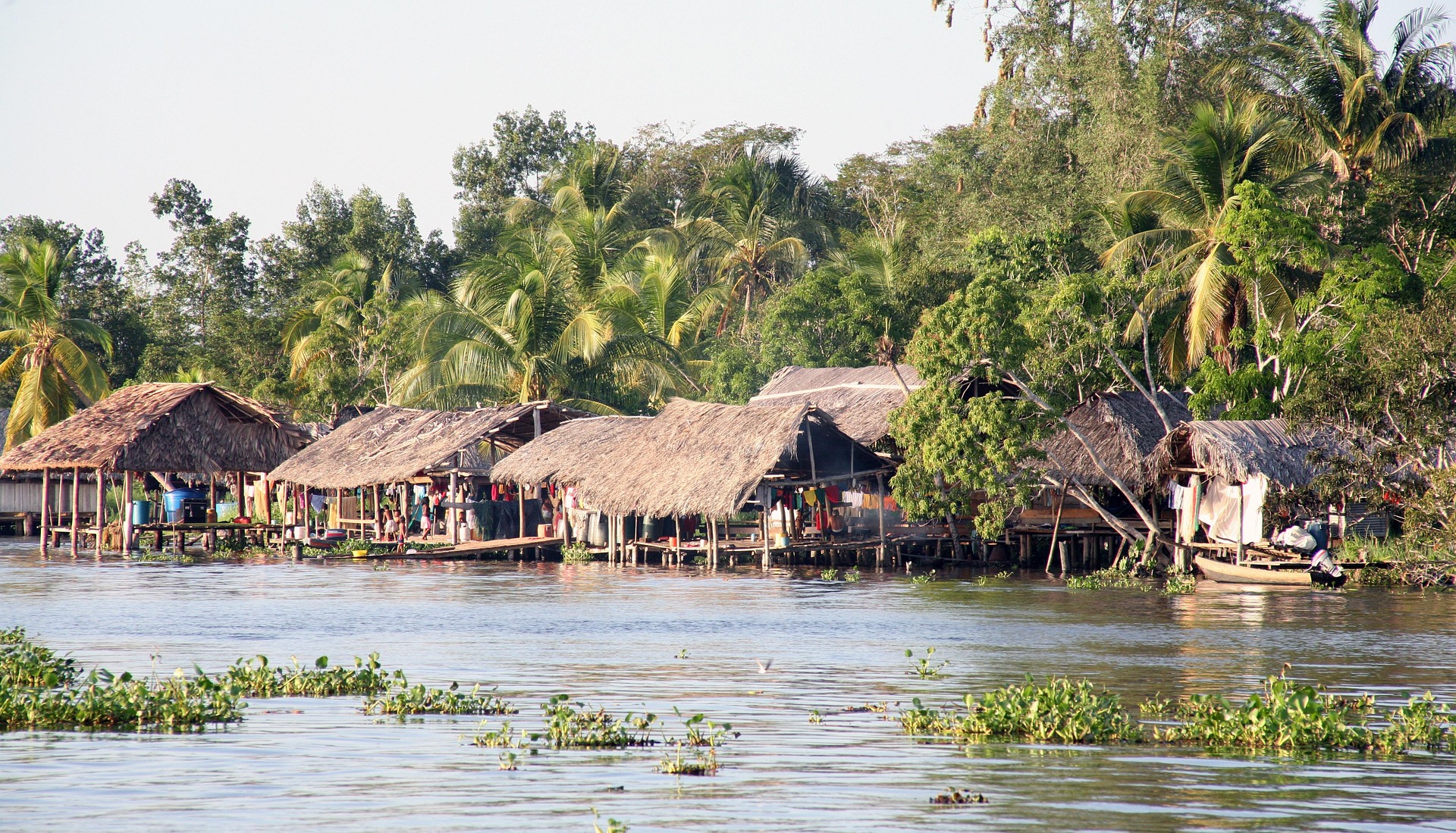
I also found the Warao communities fascinating. The Warao have lived throughout the delta for generations, with many communities built directly along the waterways.
Seeing their stilt houses and learning more about how closely daily life remains connected to the river added an important cultural dimension to the trip.
Conditions were hot, humid and wonderfully tropical, and this wasn't somewhere I wanted to rush. I'd stay at a jungle lodge for at least two or three nights so there was time for several boat excursions at different times of day.
How the Orinoco Delta fits into your Venezuela itinerary
I'd treat the Orinoco Delta as a dedicated two- or three-night nature experience rather than trying to squeeze it between other stops.
Its remote location in northeastern Venezuela means the journey takes some planning, but that isolation was a huge part of what made the experience memorable.
I'd pack lightweight long sleeves, insect repellent and a waterproof dry bag. Between the humidity, insects and regular boat trips, all three were far more useful here than conventional sightseeing gear.
Isla Margarita
(pronounced: EES-la mar-ga-REE-ta)
Isla Margarita at a glance
Caribbean Sea, off Venezuela's northeastern coast
Beaches, island hopping, and water sports
3 nights
Beach lovers, couples, families, and water-sports enthusiasts
Sunny, relaxed, lively, and distinctly Caribbean
December to April
Isla Margarita gave me a chance to slow things down after some of Venezuela's more adventurous destinations. I loved having a few days where the biggest decision was which part of the island I wanted to explore next.
The beaches were naturally the main attraction for me, and I found plenty of variety.
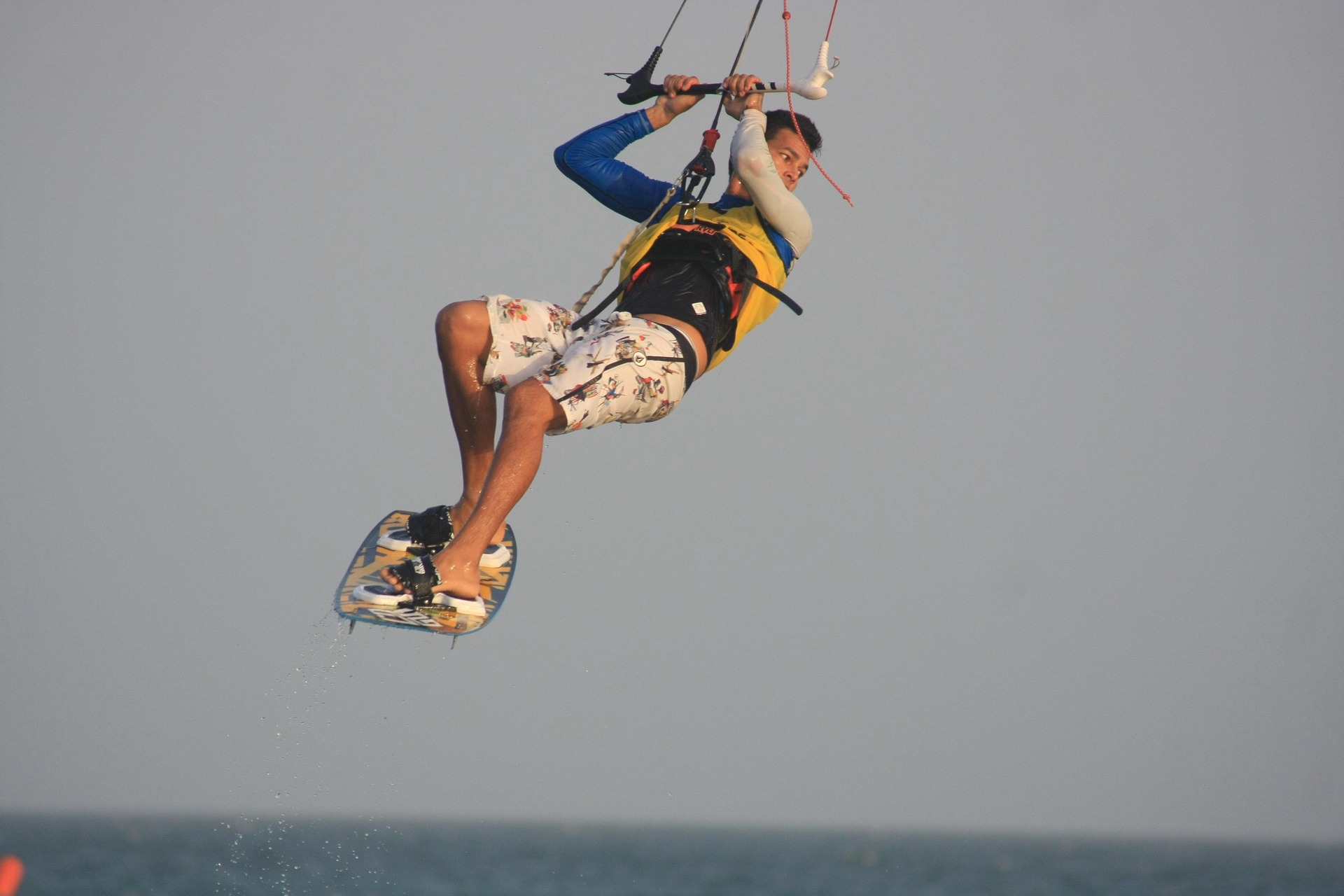
Some stretches were calm and suited to swimming, while others were much windier, with kitesurfers racing across the water. Playa El Yaque was particularly fun to visit because of its windsurfing and kitesurfing scene, even if you're happier watching from the sand.
I also enjoyed discovering that Margarita had much more to it than resorts.
Exploring the historic streets around La Asunción and visiting the island's old Spanish fortifications added some history between beach days, while the mangrove lagoons offered another completely different landscape to explore.
What I liked most was being able to mix those experiences without travelling huge distances. One morning could be spent exploring a colonial town and the afternoon swimming in warm Caribbean water.
I'd give Isla Margarita at least three nights, so there's enough time to explore several beaches rather than spending the entire stay around one resort area.
How Isla Margarita fits into your Venezuela itinerary
I'd use Isla Margarita as a three-night Caribbean break within a longer Venezuela trip. Its northeastern location also makes it a logical destination to combine with the Orinoco Delta if you want to experience two very different sides of eastern Venezuela.
I'd rent a car or arrange a driver for at least one day. Margarita is larger than it first appears, and having your own transport makes it much easier to explore beaches and historic sites beyond the main resort areas.
Mérida and the Andes
(pronounced: MEH-ree-da)
Mérida and the Andes at a glance
Western Venezuela, in the Venezuelan Andes
Mountain scenery, hiking, cable car rides, and paragliding
3 nights
Hikers, adventure travellers, photographers, and nature lovers
Mountainous, adventurous, youthful, refreshing
December to April
Mérida showed me a side of Venezuela that felt completely removed from the tropical coastlines I'd been exploring elsewhere.
I loved the cooler mountain air, the youthful energy of the university city, and having the Andes surrounding me almost everywhere I looked.
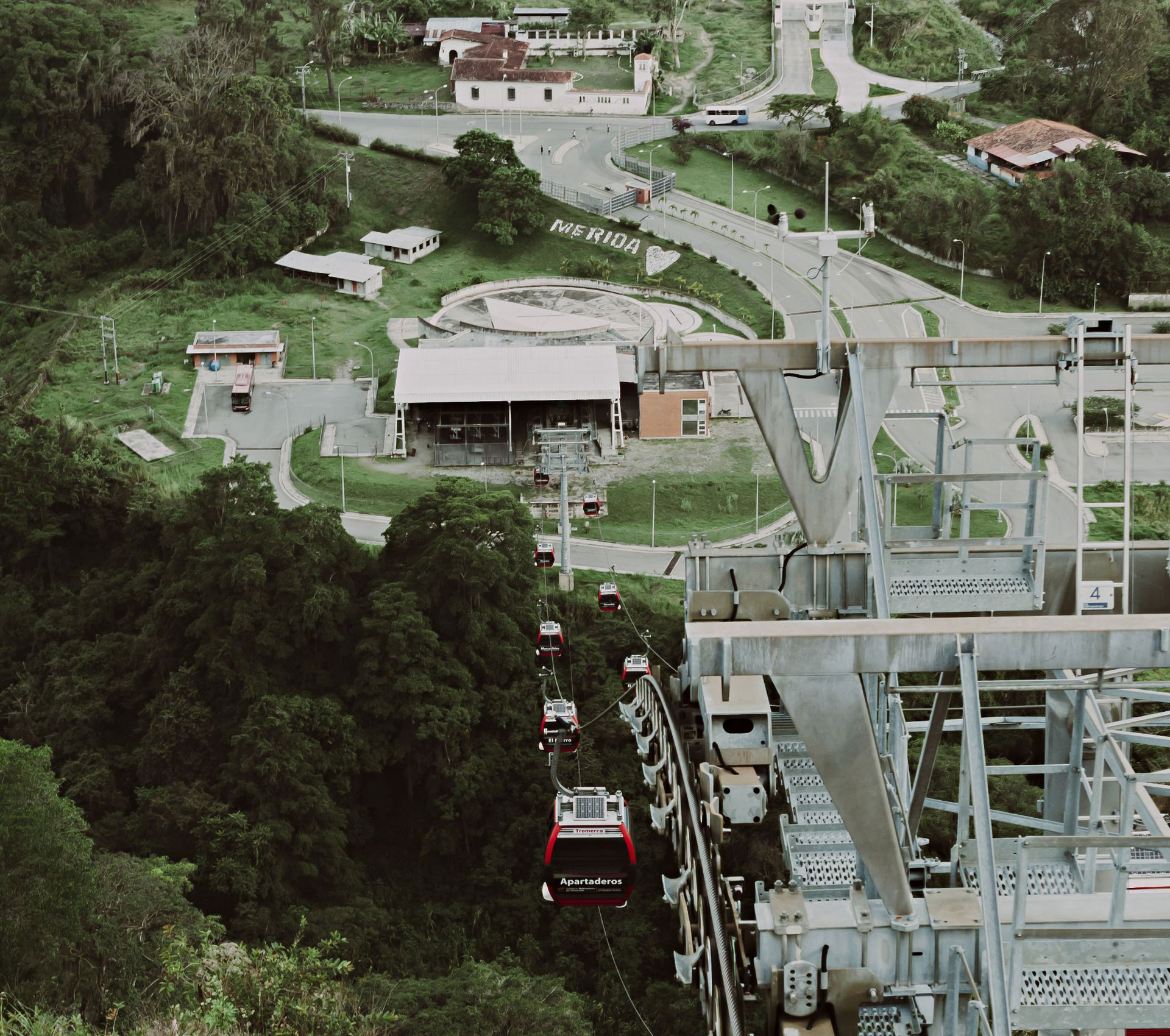
The experience I was most excited about was riding the Mukumbarí cable car. It climbs from Mérida into the Sierra Nevada, eventually reaching Pico Espejo at more than 4,700 metres.
Watching the landscape change as I climbed was spectacular, with the city gradually disappearing below and the rugged Andean peaks taking over.
But I wouldn't come here solely for the cable car. Mérida was also a great base for getting farther into the mountains.
I enjoyed exploring the surrounding countryside and smaller Andean communities, where winding roads passed through high valleys and dramatically different scenery.
There's plenty here for more adventurous travellers too. Hiking is an obvious draw, while paragliding over the valleys offers an entirely different perspective on the Andes.
I'd spend at least three nights in Mérida. That gave me enough time to experience the city, ride into the high mountains and dedicate another day to exploring beyond it.
How Mérida and the Andes fit into your Venezuela itinerary
Mérida deserves at least three nights as the main stop on a western Venezuela route.
I'd give it its own section of the trip rather than trying to squeeze it between coastal destinations, particularly if hiking or exploring the surrounding Andean villages is a priority.
I'd keep the first day relatively easy before heading to the highest cable-car stations. Pico Espejo sits above 4,700 metres, so the altitude can be noticeable even if you're only visiting for a few hours.
Los Roques
(pronounced: lohs ROH-kes)
Los Roques at a glance
Caribbean Sea, around 160 km north of Caracas
Island hopping, snorkelling, diving, beaches, and fishing
3-4 nights
Beach lovers, divers, couples, and photographers
Remote, pristine, peaceful, and barefoot
February to May for calmer conditions
Flying into Los Roques was one of the most memorable arrivals I had in Venezuela.
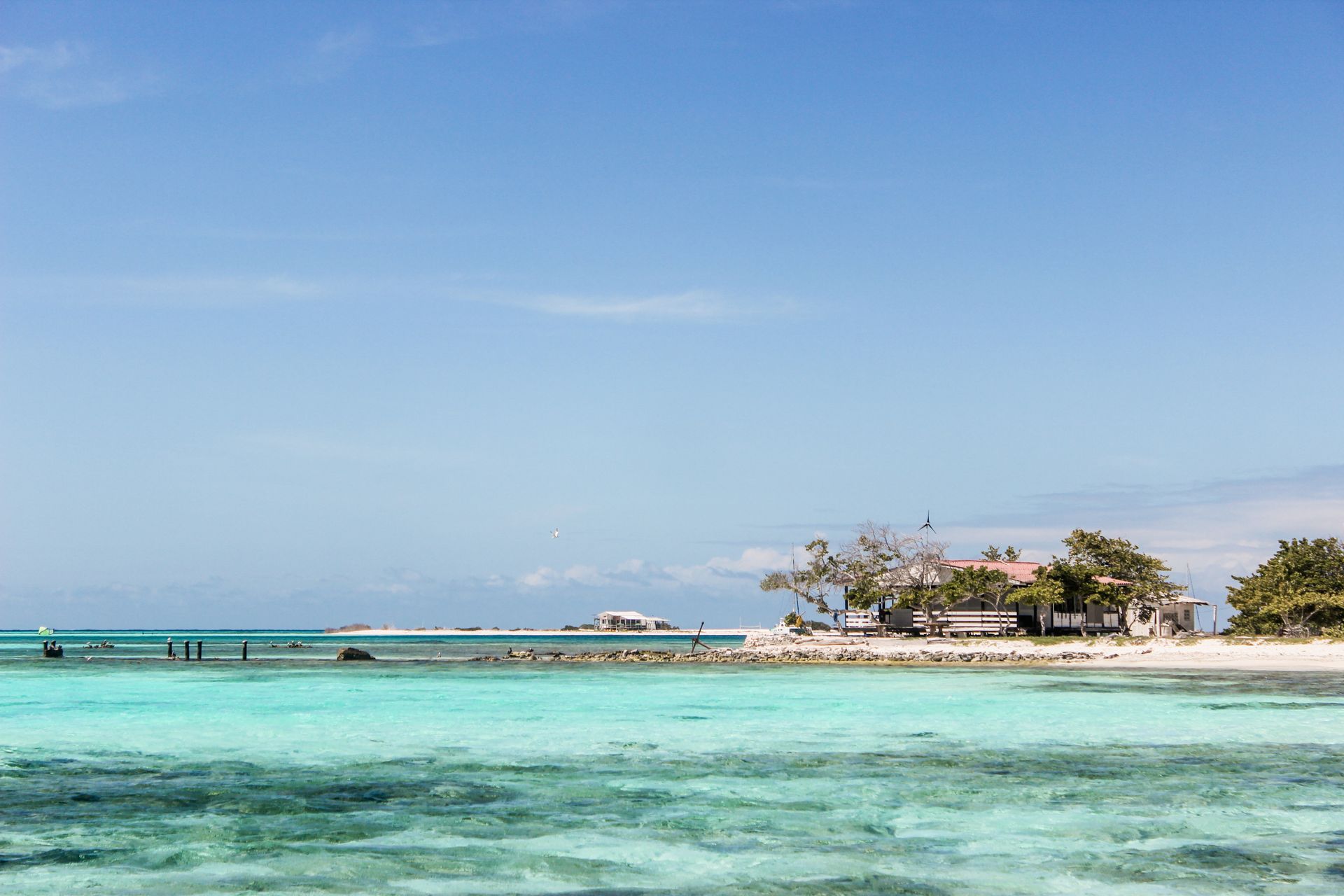
Looking down from the small plane, I could see tiny strips of white sand scattered across unbelievably clear shades of turquoise and blue. I already knew this would be somewhere special.
I loved that the experience stayed relatively simple once I arrived. Gran Roque is the main inhabited island, with colourful streets and small posadas rather than sprawling resorts.
From there, my days revolved around getting into a boat and heading out to explore a different cay, reef or sandbar.
Some of my favourite moments were also the simplest. I could swim in incredibly clear shallows, snorkel around the reefs and then spend hours on a stretch of sand with almost nothing around me except the Caribbean.
That lack of large-scale development was a huge part of the appeal for me. Los Roques felt like somewhere I'd come specifically to disconnect, spend as much time as possible on the water and forget about sightseeing schedules altogether.
I'd stay for at least three nights, although this is one destination where I could very easily justify four or five.
How Los Roques fits into your Venezuela itinerary
I'd make Los Roques a dedicated three- or four-night Caribbean escape, ideally connected with Caracas because that's the main gateway for flights.
It also works beautifully near the end of a Venezuela itinerary when a few slow days of swimming, snorkelling and island hopping are exactly what you want.
I'd pack reef-safe sun protection and anything else you consider essential before flying from the mainland. Gran Roque has basic shops, but choices are naturally much more limited than in Caracas.
The Gran Sabana
(pronounced: gran sa-BA-na)
The Gran Sabana at a glance
Southeastern Venezuela, in the Guiana Highlands near the Brazilian border
Tepuis, waterfalls, road trips, hiking, and Indigenous culture
3-4 nights
Adventure travellers, nature lovers, and road trippers
Vast, ancient, remote, otherworldly
December to April
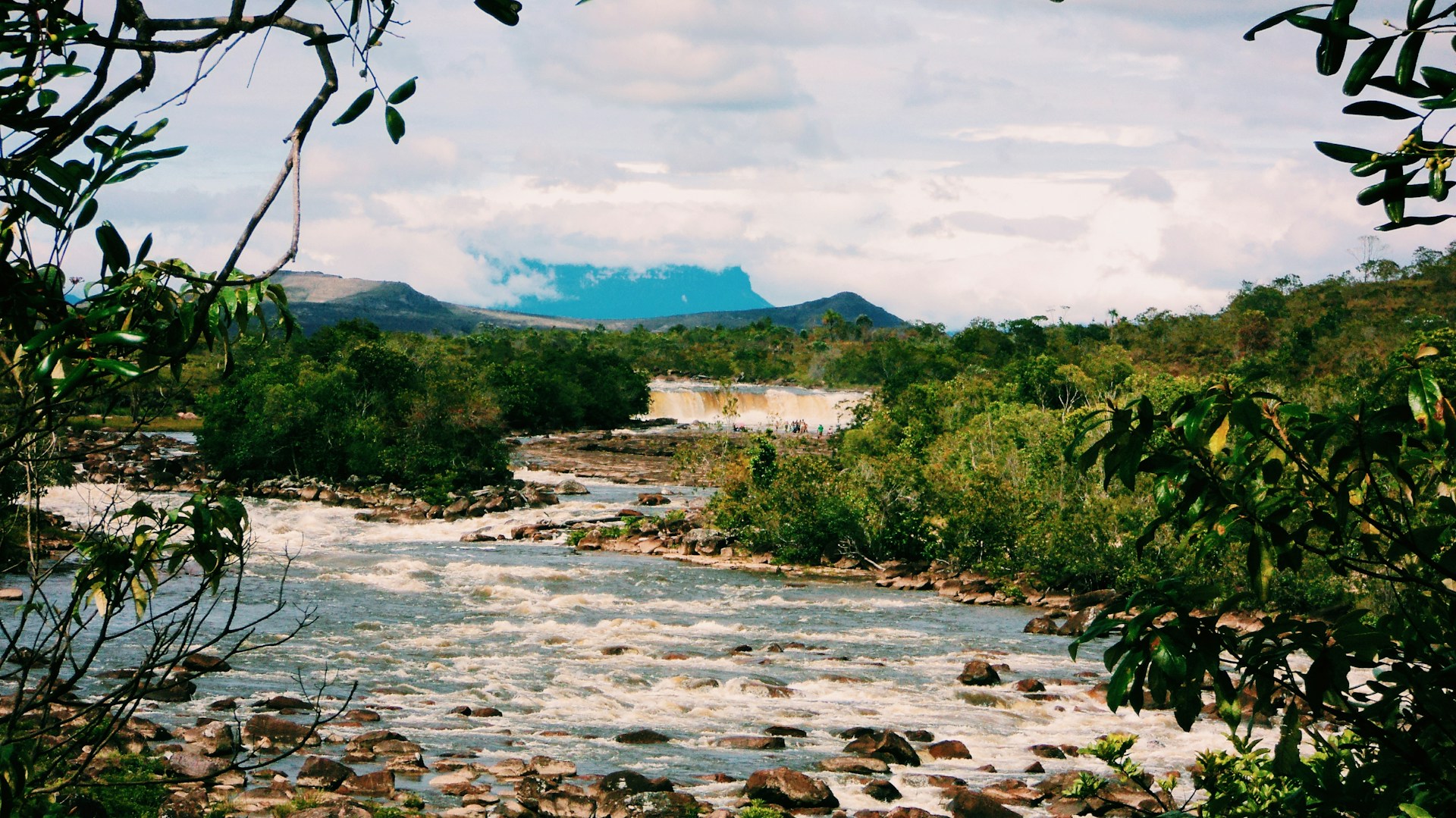
The Gran Sabana was one of those places where I kept wanting to stop the car just to take in the view.
I loved the sheer scale of the landscape, with open grasslands stretching towards the horizon and enormous flat-topped tepuis rising almost vertically in the distance.
Driving through the region was a huge part of the experience for me. The main highway crosses the savanna towards the Brazilian border, and I stopped along the way at viewpoints, waterfalls, and swimming spots.
With so much empty space between them, even getting from one place to another felt like part of the adventure.
The tepuis fascinated me most. These isolated table mountains are remnants of extremely ancient sandstone formations, and their sheer cliffs and cloud-covered summits make the landscape look almost prehistoric.
It's easy to understand why this region became associated with Arthur Conan Doyle's The Lost World.
I also valued spending time around Pemón communities and learning a little about their connection to this landscape, which extends back long before travellers began coming here.
Of all the places I explored in Venezuela, the Gran Sabana gave me perhaps the strongest sense of just how ancient and enormous the country's wilderness can feel.
How the Gran Sabana fits into your Venezuela itinerary
I'd dedicate at least three or four nights to the Gran Sabana and treat it as the centrepiece of a southeastern Venezuela itinerary.
It's also the natural region to combine with Canaima National Park and Angel Falls, although reaching different parts of this remote corner of Venezuela requires careful transport planning.
I'd allow more driving time than the distances suggest. Waterfalls and viewpoints constantly tempted me to stop, and rushing through the Gran Sabana would miss much of what makes the journey special.
Mount Roraima
(pronounced: roh-RY-ma)
Mount Roraima at a glance
Southeastern Venezuela, near the borders with Brazil and Guyana
Multi-day trekking, tepui landscapes, and unique flora and geology
6 days for the classic trek
Experienced hikers, adventure travellers, and nature lovers
Otherworldly, challenging, remote, and unforgettable
December to April
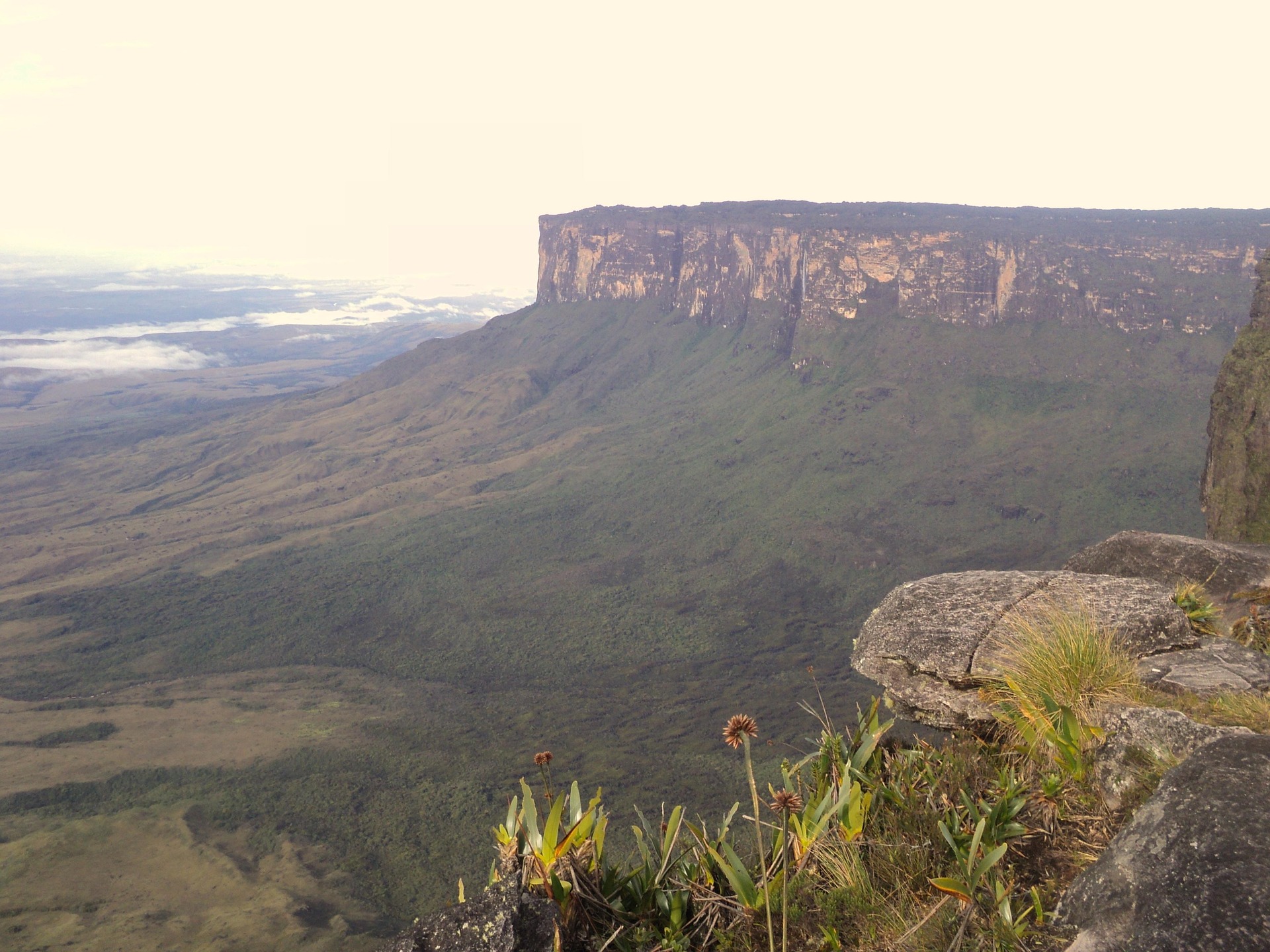
Climbing Mount Roraima was one of the most extraordinary adventures I had in Venezuela. I'd already seen tepuis rising above the Gran Sabana, but actually setting out across the savanna towards the enormous cliffs of Roraima was something else entirely.
The trek took several days, and I loved how dramatically the landscape changed along the way.
I crossed open grassland before climbing the natural ramp through increasingly steep, wet, and misty terrain. Eventually I emerged onto a summit that barely resembled the world below.
That was the moment I'd been waiting for. Standing on top of Roraima above the clouds genuinely felt like a once-in-a-lifetime experience.
I spent time exploring strange black rock formations, crystal-clear pools, and tiny plants adapted to life on this isolated plateau. Mist could roll across the summit incredibly quickly, occasionally clearing to reveal enormous views beyond the cliffs.
It was physically demanding, but that effort made reaching the top even more rewarding for me. This wasn't somewhere I simply arrived, photographed and left.
I'd allow at least six days for a guided expedition. Roraima deserves the time, preparation and respect that a remote mountain trek requires.
How Mount Roraima fits into your Venezuela itinerary
Mount Roraima fits naturally into a longer Gran Sabana trip, but I'd treat the six-day trek as a separate expedition rather than another sightseeing stop. I'd leave additional time on either side for transport and recovery before continuing through southeastern Venezuela.
I'd bring waterproof protection even during the drier season. Conditions on the summit can be wet, misty and changeable, so December to April certainly doesn't guarantee dry weather on Roraima.
Angel Falls and Canaima
(pronounced: SAL-toh AN-hel / ka-NY-ma)
Angel Falls and Canaima at a glance
Canaima National Park, southeastern Venezuela
Waterfalls, jungle adventures, and spectacular scenergy
3 nights
Adventure travellers, nature lovers, and bucket-list travellers
Epic, remote, wild, and unforgettable
June to November for higher water levels and easier river access to Angel Falls
Seeing Angel Falls was the experience I'd been waiting for throughout my travels in Venezuela, and somehow the journey there made it even better.
I first flew into Canaima, where I found a beautiful lagoon edged by palms and several powerful waterfalls.
I loved exploring the lagoon and getting close enough to the falls to feel the spray, but knowing what was still ahead made Canaima feel like the beginning of a much bigger adventure.
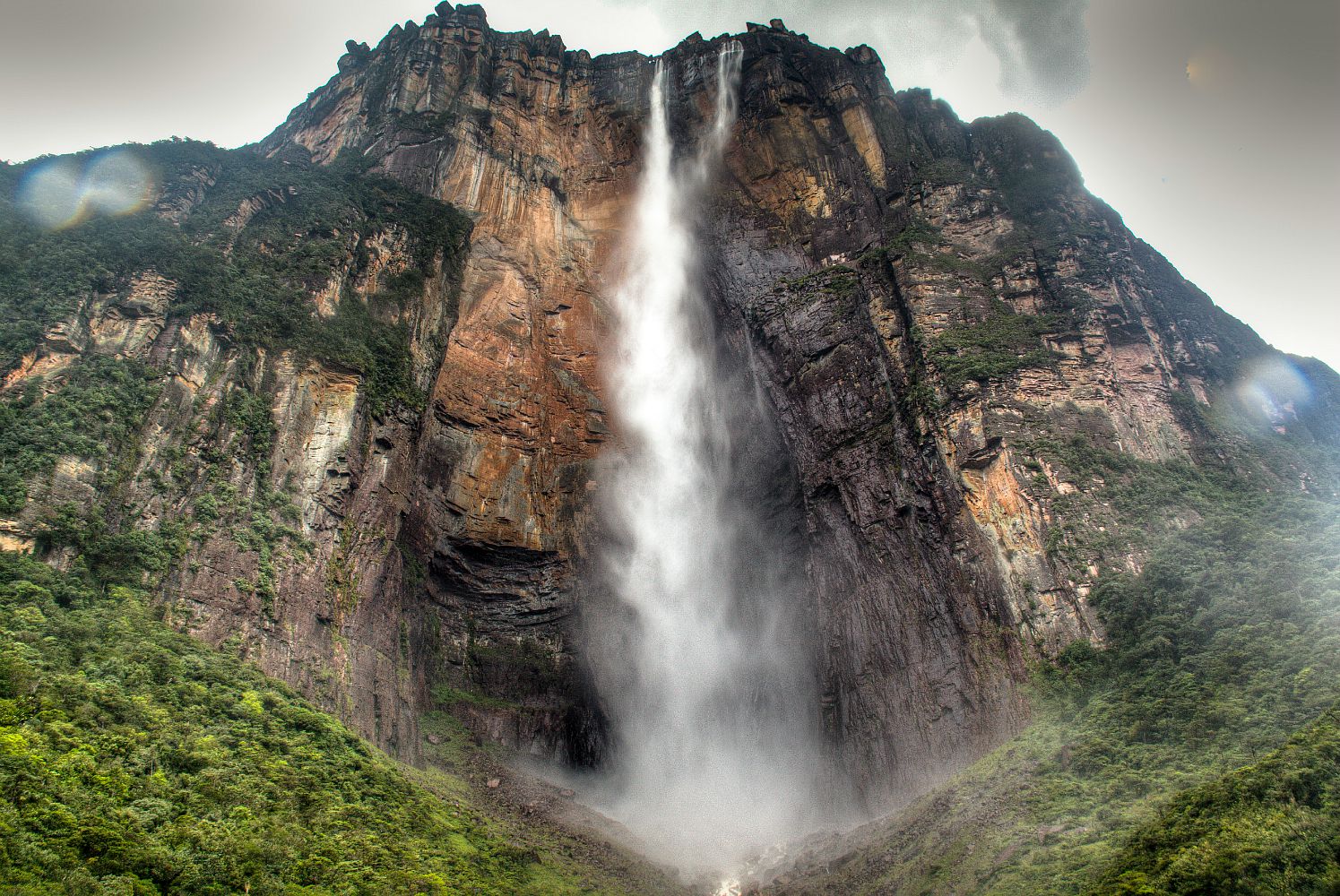
From there, I travelled upriver by motorised canoe through increasingly remote jungle. Eventually, Auyán-tepui appeared above the forest, and seeing Angel Falls plunge from its summit was difficult to put into perspective.
The water drops almost a kilometre, with much of it turning into mist before reaching the jungle below.
What stayed with me was the entire experience rather than simply seeing the waterfall. Flying into the wilderness, travelling along jungle rivers and sleeping in a hammock surrounded by rainforest made reaching Angel Falls feel genuinely earned.
I'd give Canaima and Angel Falls at least three days. This is one place where getting there is every bit as memorable as the destination itself.
How Angel Falls and Canaima fit into your Venezuela itinerary
I'd save Canaima and Angel Falls for the final three or four nights of a Venezuela itinerary. After seeing the Andes, Caribbean coast and Gran Sabana, finishing beneath the world's highest uninterrupted waterfall would be very difficult to top.
I'd prioritise the June to November period if Angel Falls is the main reason for your trip. Higher river levels generally make the traditional canoe journey more practical, while the waterfall itself is far more powerful than during the driest part of the year.
Venezuela itinerary ideas
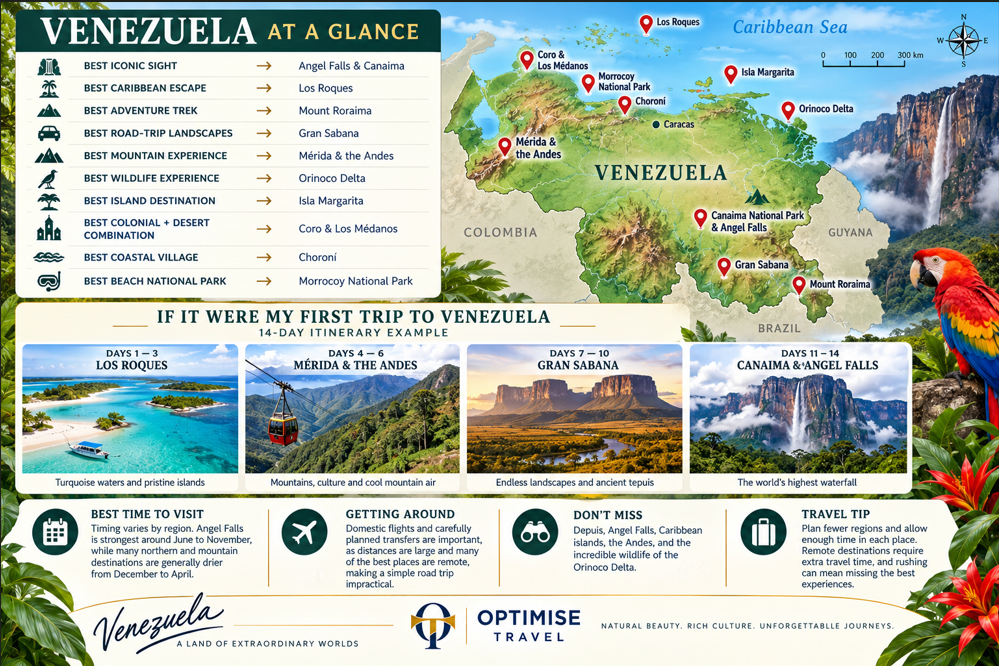
Venezuela is a country where I wouldn't try to see everything in one trip. The distances are substantial, and places such as Canaima, Los Roques and the Orinoco Delta require flights or dedicated excursions rather than simply joining them together by road.
For a first visit, I'd concentrate on a few completely different landscapes and leave enough time to actually experience each one. With two weeks, I'd combine the Caribbean, the Andes, and the extraordinary wilderness of southeastern Venezuela.
Venezuela itinerary: 2 weeks
Route: Caracas → Los Roques → Mérida & the Andes → Gran Sabana → Canaima & Angel Falls
| Days 1-3 | Day 4-6 | Day 7-10 | Days 11-14 |
|---|---|---|---|---|
Destination | Los Roques | Mérida & the Andes | Gran Sabana | Canaima & Angel Falls |
Overnight | Los Roques | Mérida | Gran Sabana | Canaima |
Why this route? For my first two weeks in Venezuela, I'd want to experience just how dramatically the country changes from one region to another.
Los Roques gives you a few days of Caribbean beaches and snorkelling before heading into the cooler Andes around Mérida.
From there, the second half becomes much more adventurous, with the ancient tepui landscapes and waterfalls of the Gran Sabana followed by Canaima and Angel Falls as the finale.
*This itinerary requires domestic flights and carefully planned transfers, particularly between western Venezuela and the remote southeast. I'd deliberately leave Mount Roraima out of a two-week trip because its six-day trek deserves to be treated as a separate expedition rather than squeezed between other destinations.
Why Venezuela deserves more than a Caribbean holiday
Venezuela's Caribbean beaches are spectacular, but some of my favourite experiences happened once I travelled into the mountains, savannas and rainforest.
I loved how dramatically the landscape changed, from riding high into the Andes around Mérida and road-tripping across the ancient Gran Sabana to climbing Mount Roraima and travelling by canoe through the jungle to Angel Falls.
The sheer variety was what made Venezuela so memorable for me. Caribbean islands, enormous waterfalls, tepuis, cloud-covered mountains, desert dunes and wildlife-filled river deltas could all feel like completely different trips.
If you're visiting Venezuela for the first time, I'd absolutely make time for the Caribbean, but I wouldn't spend the entire trip on the coast. Heading inland was when I really began to appreciate just how extraordinary the country's landscapes are.
FAQs about travelling to Venezuela
The official currency is the Venezuelan bolívar (VES), although US dollars are also widely used in everyday transactions.
Visa requirements for Venezuela depend on your nationality, so I'd check the current rules before booking. Requirements can differ significantly by passport, and some nationalities require a tourist visa in advance.
Driving is possible, but I wouldn't approach a Venezuelan road trip in the same way as one through a country with more predictable tourist infrastructure. Road conditions, fuel availability and services can vary, while remote routes may require careful planning.
Venezuela requires considerably more caution than many of the travel destinations. I'd check the latest advice issued by your own government before travelling, research each region individually, and use experienced local operators for remote destinations.
Venezuela uses Type A and B plugs, the same styles commonly used in the United States and Canada.
Spanish is the main language spoken throughout Venezuela. Numerous Indigenous languages are also spoken, particularly within Indigenous communities, including Pemón in the Gran Sabana region and Warao in the Orinoco Delta. English is not as widely spoken as it is in some major Latin American tourist destinations, so knowing some basic Spanish can be particularly useful.
Ready to explore Venezuela? Optimise Travel is here to help
Venezuela is incredibly diverse, but deciding how to connect its Caribbean islands, Andes, vast savannas, remote tepuis, rainforest, and waterfalls can make planning a trip particularly challenging.
At Optimise Travel, we create personalized travel itineraries based on your interests, travel style, and budget.
Whether you're dreaming of snorkelling around Los Roques, exploring the Andes around Mérida, trekking to the summit of Mount Roraima, travelling across the Gran Sabana, or making the journey through Canaima National Park to Angel Falls, we'll help you build an itinerary that makes the most of your time.
If you'd like help planning your trip to Venezuela, click here to learn more about our concierge travel services.