
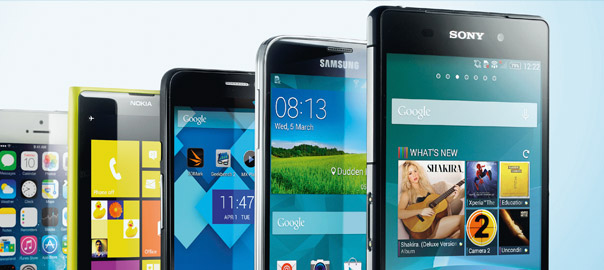
Travelling Abroad requires a lot of planning. Making smart and informed choices regarding your mobile phone is essential. Buying a prepaid sim card for overseas use will definitely save you money while making your daily communication easier with friends, loved ones, and business associates. There are many options available and we have researched and outlined the most popular choices of prepaid sim cards in Australia. Click on the Brands below to visit their website.
It is also important to note that at times it may be easier to simply purchase a prepaid sim card from one of the local mobile carriers in the country that you are visiting. This will likely cut down on costs.
However, if you do not want to lose the practical advantages of having your Australian Prepaid Sim Card with you, then our list below showcases the top mobile carriers and what they have to offer. It is also wise to remember that if your Smartphone is locked to one network it is likely that it will need to be unlocked to use most of these prepaid sims.
Mobile Phone Options for Travelling Abroad – Prepaid Sims
1) Vodafone
5 AUD daily plan For people headed overseas, there is little that could beat the amazing 5 dollars a day roaming plan that Vodafone has. This deal is available on all postpaid plans, including the month to month deals that it offers in Australia. This plan will let you use your plan’s data, voice and text allowance for a flat 5 dollars every day in close to 46 countries all over the world. Examples of countries covered include: New Zealand, The United States, The United Kingdom and other countries in Europe and Asia.
You will also get access to unlimited standard calls to the motherland as well as in the country that you are currently visiting. You will also enjoy free text messages.
For countries that are not in the 5 dollars a day flat rate, you will be charged a flat rate of 1$ per minute for all calls made and 1$ for every megabyte used on the internet. These plans are great for short trips up to 2 weeks. Travelling for long periods can get expensive on these plans if overused.

2) The Optus 10$ per day Travel Packs
Optus also has great travel packs that will make international roaming hassle free. For example, you will have access to unlimited standard calls and international calls and texts together with 50 MB of data for a flat rate of 10$ every day when in the following areas: New Zealand, The UK, The US, Canada, Asia and Europe.
When your travel pack runs out, charges will be as follows: 1$ per minute for calls, 50 cents for each SMS sent and 50 cents for data. These plans are great for short trips up to 2 weeks. Travelling for long periods can get expensive on these plans if overused.

3) Telstra Data Packs
Telstra has the reputation for having the greatest coverage and least black holes in Australia.However, its international roaming rates are not particularly good. For example, Telstra offers 100MB of data at 29$, 85$ for 300 MB and 600 MB for 160$ before topping out at 1GB for 350$. Each data pack is valid for 30 days from the day of activation and can be used in about 50 countries from New Zealand to Canada, Europe, Asia and The US. These plans are designed for longer term travel. When travelling for a minumum of 2-4 weeks these bundle packs become moreappealing and better value as they last for 30 days.

4) Truphone: Local Anywhere
Truphone adds a spanner to the works by allowing an Aussie traveler to view most of the world as a single roaming zone, all while using their local phone numbers. The Truphone World ‘300, plan features 300 voice minutes, 300 SMS and 300MB for 55$ every month. There are similar plans such as 500 plan, 1000 and 2000 plans that are priced at 71.50$, 104.50$ and 159.50$ per month respectively. Truphone is excellent for people who tend to travel to many countries all year round and especially business travelers as it offers local rates and phone numbers to users all on the one sim.

5) Woolworth’s Global Roaming Sim Card
For only 29$, you can get the Woolworth global roaming sim card, together with 10$ credit for making phone calls and purchasing data. The sim card is active in over 180 countries, and the fact that you can recharge online is a huge plus for weary travelers who would not want to start looking for scratch cards in the middle of the night. The company also has a page dedicated to comparing rates among all the major sim card companies offering global roaming sim card. As such, you can exercise your judgment in choosing the best card for your purposes. The global data only bundles are also competitive, with 250 MB going for 40$ with a 7-day expiry date, 500 MB for 60$ and 1GB for 90$ both with a 30-day expiry date. Despite being a well recognised brand in Australia and offering good rates there are many stories of the Woolies Sim card not working or being extremely difficult for travelers. Please post your experiences with all Sim cards in the comments below.

6) Gosim International Sim Card
Get the Gosim international sim card at only 19$ to have access to the following benefits:
a) Calls from 15 cents per minute
b) Have access to more than 195 countries worldwide
c) 10$ credit included, further reducing the cost of acquiring a sim card
d) Enjoy having no connection fees
e) Send text messages at 15 cents per text message
Data rates are competitively priced, starting from 35 cents per MB depending on the country that you are visiting. The company also offers bonus data depending on the type of bundle that you subscribe to. For example, the lite data bundle costing 49$ will give you 65$ value, while the medium data bundle going for 69$ gives you 140$ value and the heavy data bundle pack for 119$ unlocks 360$ worth of data bundles. This represents a credit bonus of 30%, 100% and 200% respectively.

7) Australia Post Prepaid Travel Sim
For 24.95$, the Australia Post Prepaid Travel sim will unlock the following for you:
a) One contact number to use in over 190 countries
b) No contract, no minimum spend requirements and no hidden charges
c) Unlimited free web-based SMS to your travel sim
d) 5$ call credit when you buy your travel sim
e) 0.50$ per MB while in Europe
f) 24/7 personal assistant services when you encounter difficulties
g) Loyalty program for airlines and hotels that rewards you with 1 mile for every minute
called.
My girlfriend and I used the option when travelling to America previously. It was easy to reload and reliable to use but the rates for calls, texts and data were not as competitive as other options.

8) TravelSIM
TravelSIM is a roaming service that will give you access to over 190 countries. It is interesting to note that with this sim card, your friends and family will be able to call you toll-free and also send you web-based SMSs. There are no hidden charges, connection charges and flag falls with the TravelSIM. The sim card is prepaid, meaning that you will not see any surprise bills at your front door at the end of the month.
There is a personal assistant service on standby 24/7 that you can call when you experience difficulties. The official website for TravelSIM has a page for frequent travelers to calculate and compare rates while using the prepaid sim card for overseas travel.
The TravelSIM starter pack goes for 49.95$, though it includes a 20$ call credit, which means that its true cost is about 29.95$.

9) Aussie Sim
The Aussie sim is for travelers visiting popular hotspots such as the UK, Europe, Indonesia, Thailand and Malaysia. The company also claims to have rates that are 95% cheaper than using your Australian mobile phone. It will cost you approximately 24.95$-39.95$ to purchase an Aussie sim card for global travel. This offer comes with free shipping. Being primarily focused on South East Asian countries and Europe this option is aimed at backpackers
The sim card will give you coverage in over 175 countries. The company has an interactive web page where you can calculate call, text and data rates in the country of your choice.

Please Share your tips, tricks, and stories in the comments section so that others can benefit on their travels!
*We aim to provide up to date content and information but care should always be taken when purchasing products from retailers. If any information provided is no longer correct then please email us at optimisetravelaustralia@gmail.com or post in the comments section


