

Two weeks still did not make Australia feel small.
What it did change was how much time I could give to very different landscapes without every destination becoming an airport stop.
For this kind of first trip, the combination that makes sense to me is the Blue Mountains → Uluru and Kata Tjuta → Great Barrier Reef → Daintree Rainforest → Whitsundays.
The route is still ambitious. Australia simply does not allow these places to sit neatly beside one another.
But compared with a ten-day highlights trip, the extra four days create something I value much more: time for the mountains, a proper Red Centre stay, some weather flexibility around the reef and a slower finish among the Whitsundays.
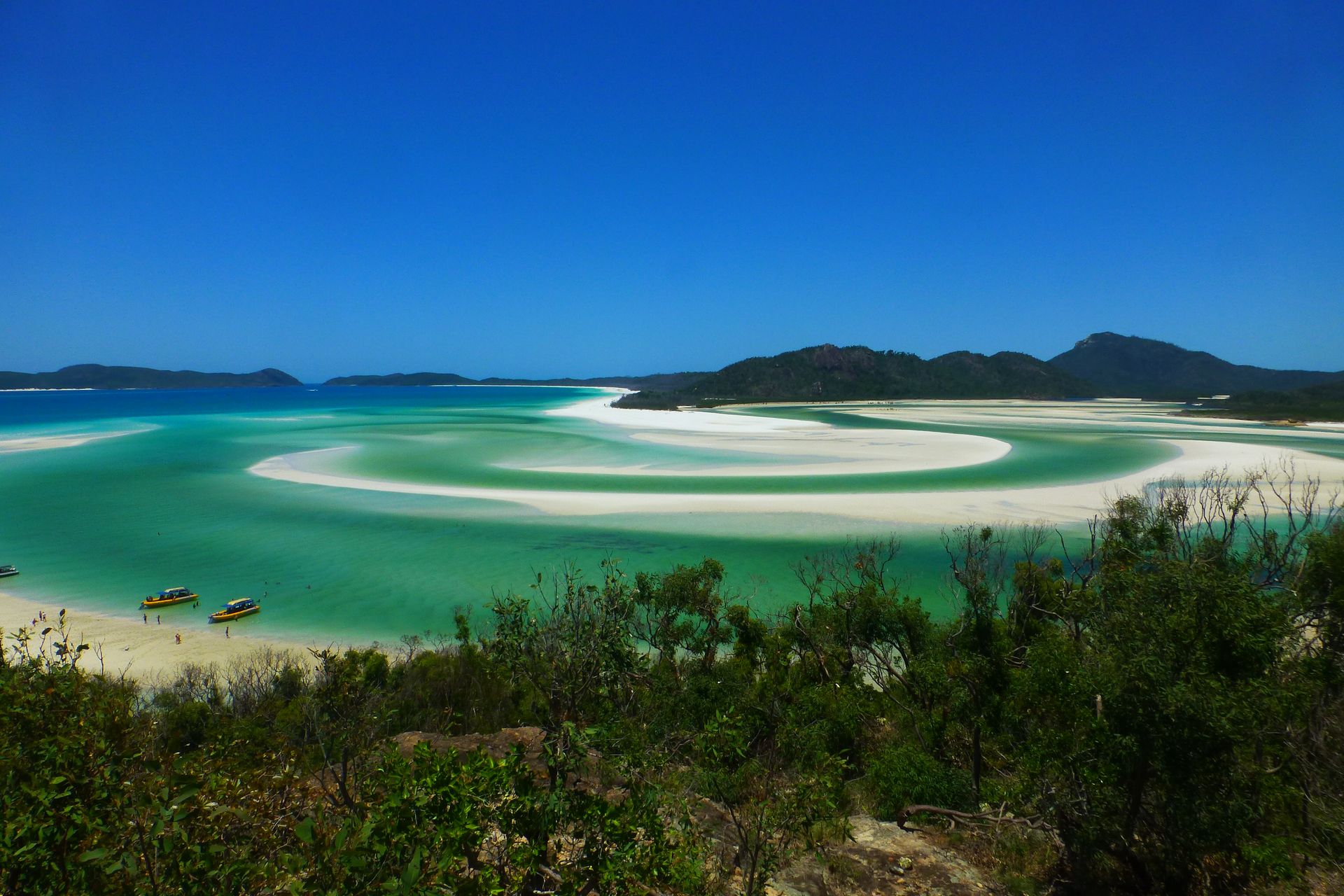
Aerial view of Whitehaven Beach with turquoise waters and white sands in Whitsunday Islands, Australia
My 14-day Australia itinerary at a glance
Overview
Day | Route | Overnight |
|---|---|---|
1 | Sydney → Blue Mountains | Katoomba/Leura |
2 | Blue Mountains | Katoomba/Leura |
3 | Blue Mountains → Sydney → Uluru | Yulara |
4 | Uluru | Yulara |
5 | Kata Tjuta | Yulara |
6 | Fly Uluru → Cairns | Cairns/Port Douglas |
7 | Great Barrier Reef | Cairns/Port Douglas |
8 | Great Barrier Reef / Far North Queensland | Cairns/Port Douglas |
9 | Daintree Rainforest | Daintree/Cape Tribulation |
10 | Daintree Rainforest | Daintree/Cape Tribulation or Cairns |
11 | Cairns → Whitsundays | Airlie Beach/Whitsundays |
12 | Whitsundays | Whitsundays |
13 | Whitsundays | Whitsundays |
14 | Whitsundays | Departure |
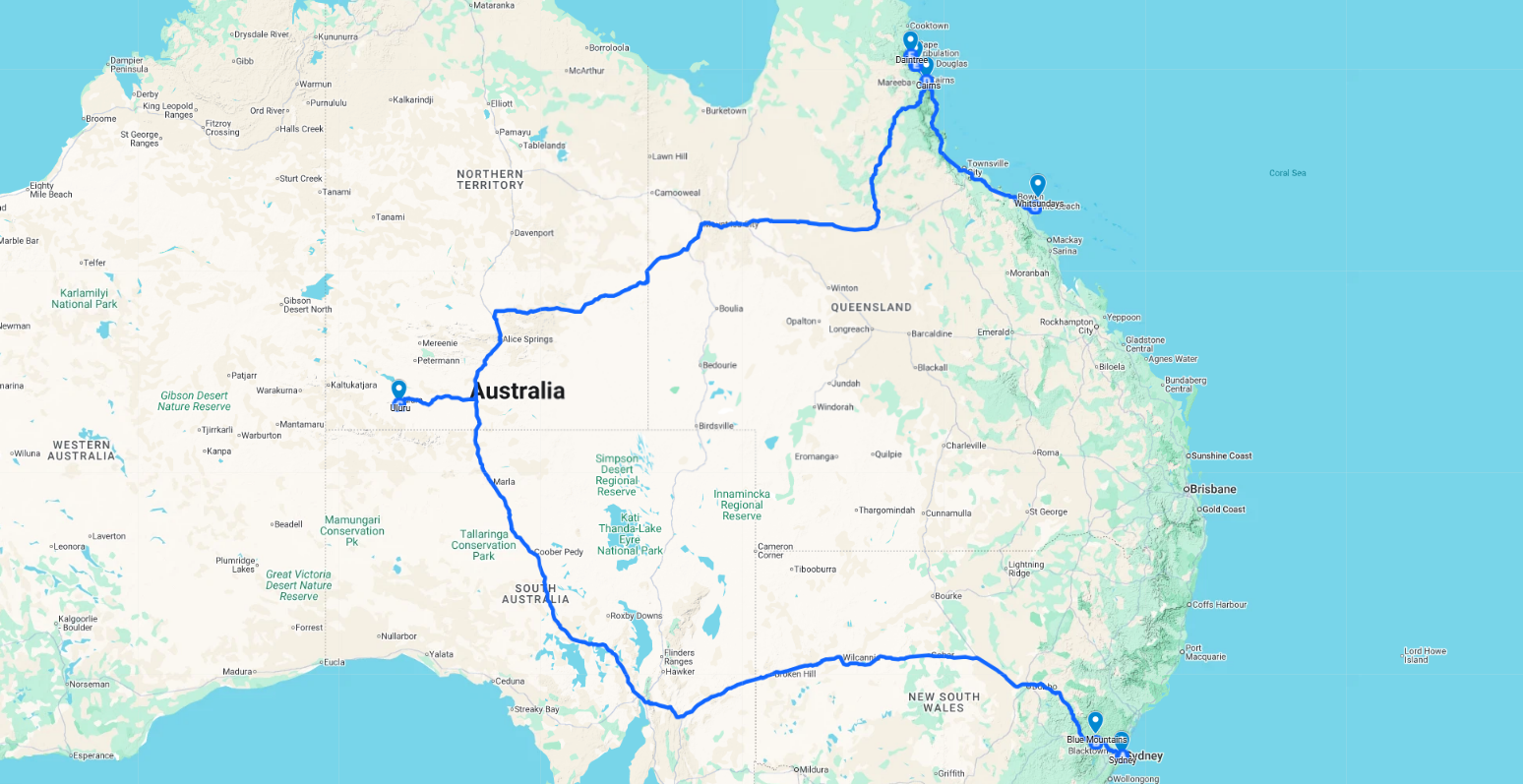
14-day Australia itinerary route
Why two weeks changed the route for me
The ten-day version of this trip already connects several of Australia's most distinctive natural landscapes.
With another four days, I find the extra time more valuable when it deepens the route rather than simply adding more cities.
The Blue Mountains bring in a completely different landscape at the beginning.
Uluru and Kata Tjuta get three days rather than feeling attached to a flight.
Far North Queensland gains some protection against reef weather.
And the Whitsundays become somewhere to slow down at the end rather than another quick excursion.
There are still several domestic flights.
One of the biggest practical lessons from travelling around Australia is that flight schedules can matter more than the apparently logical order on a map.
The seasonal direct Uluru–Cairns service is particularly important. When it operates, the route becomes much cleaner. Outside those dates, a connection can consume far more of the day.
That is why I see the sequence below as a framework shaped by real flight availability rather than a rigid order.
Days 1–2: Blue Mountains
The Blue Mountains create an immediate contrast with the rest of the trip.
Sandstone cliffs, eucalyptus forest, waterfalls and cooler mountain towns feel far removed from the tropical north and Red Centre that follow.
They are also close enough to Sydney to work without adding another flight.
Day 1: Sydney to the Blue Mountains
Katoomba sits roughly 1.5–2 hours from Sydney by car depending on traffic, while regular trains from Central take around two hours.
I like Katoomba as more than a place to sleep between viewpoints.
Once many day visitors begin returning toward Sydney, the cafés, older buildings and mountain-town atmosphere become part of the experience.
Echo Point and the Three Sisters provide the obvious first sense of scale.
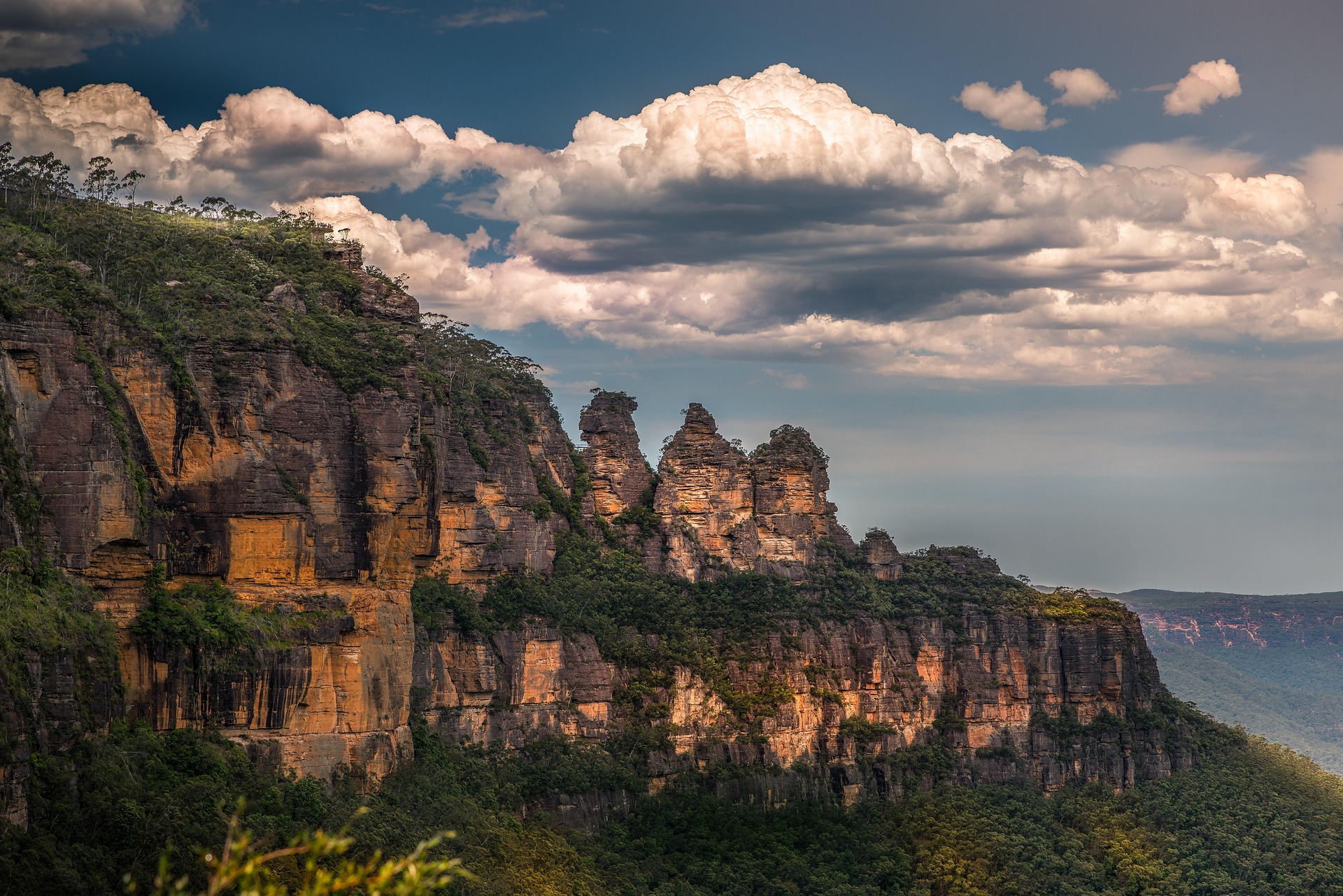
Sandstone cliffs and forested valley in Australia's Blue Mountains
What I remember more strongly, though, is how quickly the landscape changed once I moved away from the main lookout.
Cliff-top walks, quieter viewpoints and nearby Leura made the first afternoon feel much less like a single famous photo stop.
Stay: Katoomba or Leura.
Day 2: What walking changed in the Blue Mountains
Staying overnight gave the mountains time to become more than a series of lookouts.
From above, the eucalyptus-filled valleys seem to run almost indefinitely.
Once I started walking below the cliff line, the landscape felt much more enclosed and wild.
That shift in perspective was what made the Blue Mountains memorable for me.
A substantial walk can fill much of the day, although the exact trail depends heavily on weather, closures and fitness.
NSW National Parks alerts matter here. Fire danger, weather and maintenance can temporarily change access to tracks and areas.
That uncertainty is another reason I prefer having a full day rather than trying to attach the mountains to a hurried Sydney sightseeing schedule.
Stay: Katoomba or Leura.
Days 3–5: Uluru and Kata Tjuta
Three days in the Red Centre is one of the biggest differences between this itinerary and a compressed Australia highlights trip.
Uluru never felt like somewhere that made sense as a photograph between flights.
The closer I got to it, the less the familiar distant image seemed to explain the place.
Day 3: Blue Mountains to Uluru
Returning from Katoomba toward Sydney and then flying to Ayers Rock Airport makes this a genuine travel day.
Direct Sydney–Uluru flights take roughly 3 hr 35 min when operating, before the road or rail journey back from the mountains and normal airport time are added.
That combination is why I do not attach an important Red Centre experience to a tight arrival schedule.
On dates where the flight pattern is awkward, a night in Sydney or a different route order can make more sense.
When arrival times line up, sunset provides a striking first introduction to Uluru.
Stay: Yulara.
Day 4: What changed when I saw Uluru up close
Before my first visit, I had seen Uluru in photographs so many times that I assumed the experience would be predictable.
It wasn't.
Standing close to the rock completely changed my sense of its scale.

Uluru, Australia's iconic rock formation, at sunrise in the Outback
I was also surprised by how much its appearance changed with the light.
The familiar deep red sunset colour is only one version. Morning can look muted, the afternoon much brighter, and the surface changes again as shadows move across it.
Walking near the base brought out details that disappear in the classic distant photographs: waterholes, folds and rock formations.
Learning about the Anangu relationship with the landscape changed the experience again.
Uluru is not simply a geological landmark, and the cultural guidance, sensitive-site photography restrictions and information provided by Anangu Traditional Owners and Parks Australia are part of understanding the place.
The climb is permanently closed.
Watching sunset more than once never felt repetitive to me because the light and conditions were never exactly the same.
Stay: Yulara.
Day 5: Why Kata Tjuta deserved its own day
Kata Tjuta entered my trip with far fewer expectations than Uluru.
That may be part of why it impressed me so much.
The 36 enormous domes sit roughly 50 kilometres from Uluru, but walking between them created a completely different sense of the Red Centre.
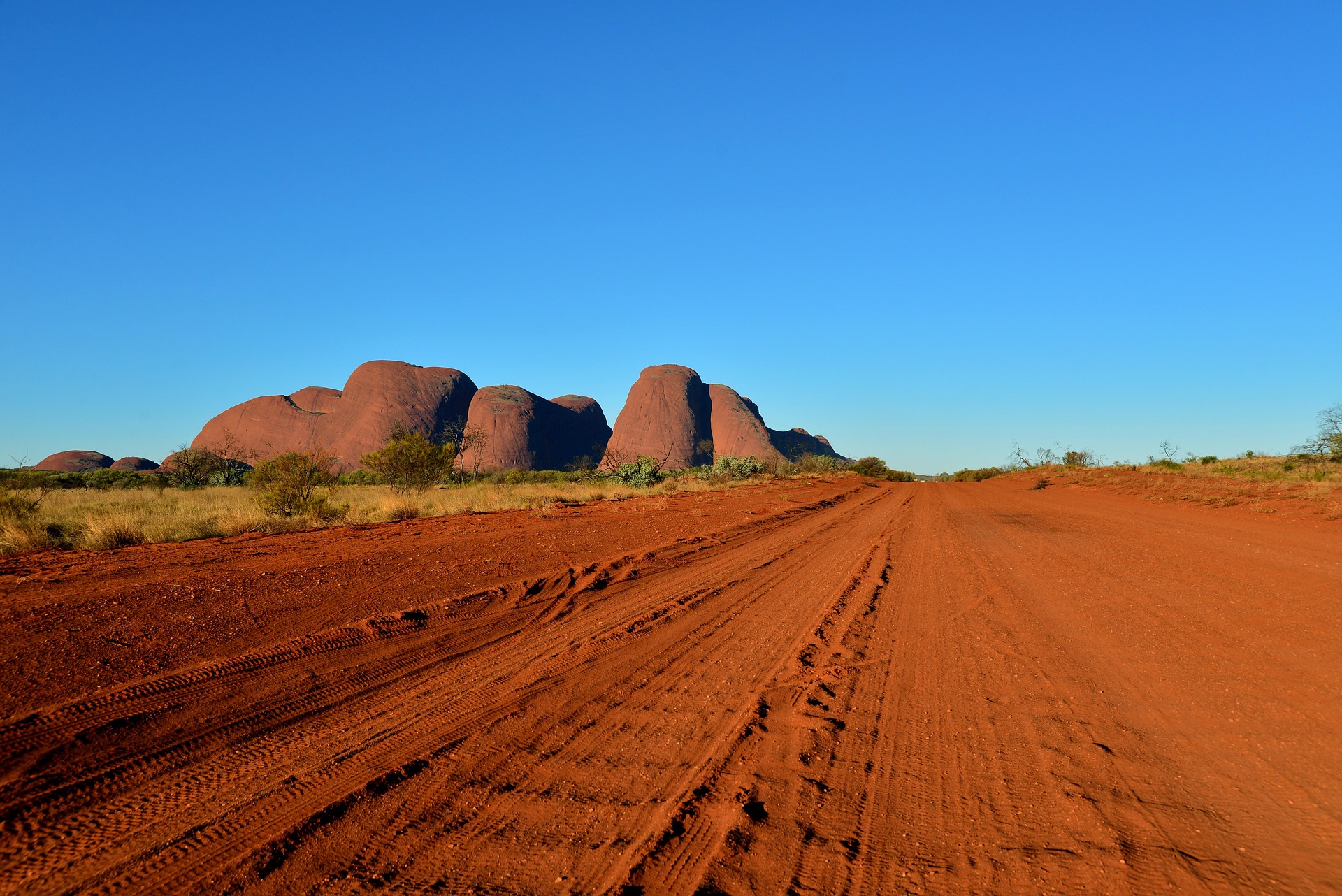
A red track leading to the domes of Kata Tjuta in the Australian outback
The Valley of the Winds is one of the main walking experiences.
Heat can affect trail access, particularly in warmer months, and summer temperatures can be extreme.
What stayed with me was the scale of the domes once I was among them.
Giving Kata Tjuta its own day meant it never felt like the secondary attraction attached to Uluru.
Current Uluru–Kata Tjuta National Park alerts remain important because weather, maintenance and cultural reasons can temporarily affect access.
Stay: Yulara.
Days 6–8: Great Barrier Reef and Far North Queensland
The journey from the Red Centre to tropical Queensland is one of the biggest environmental changes in the itinerary.
The direct Uluru–Cairns flight is what makes that transition particularly elegant when it operates.
Day 6: Uluru to Cairns
Qantas currently lists Cairns as a seasonal direct route from Ayers Rock Airport.
When that service lines up with the trip, the move from desert to tropical north becomes surprisingly efficient.
When it does not, a connection can take a much larger part of the day.
That single flight is important enough that I see it as something that can determine the route order.
Cairns and Port Douglas then offer two slightly different bases.
Cairns is the larger transport and tour hub. Port Douglas feels more like a holiday town and sits closer to the Daintree.
Stay: Cairns or Port Douglas.
Day 7: The Great Barrier Reef underwater
The Great Barrier Reef is one of the few famous places where my expectations were actually too low.
Its scale is difficult to understand from land.
Once I was in the water, the experience became immediate.
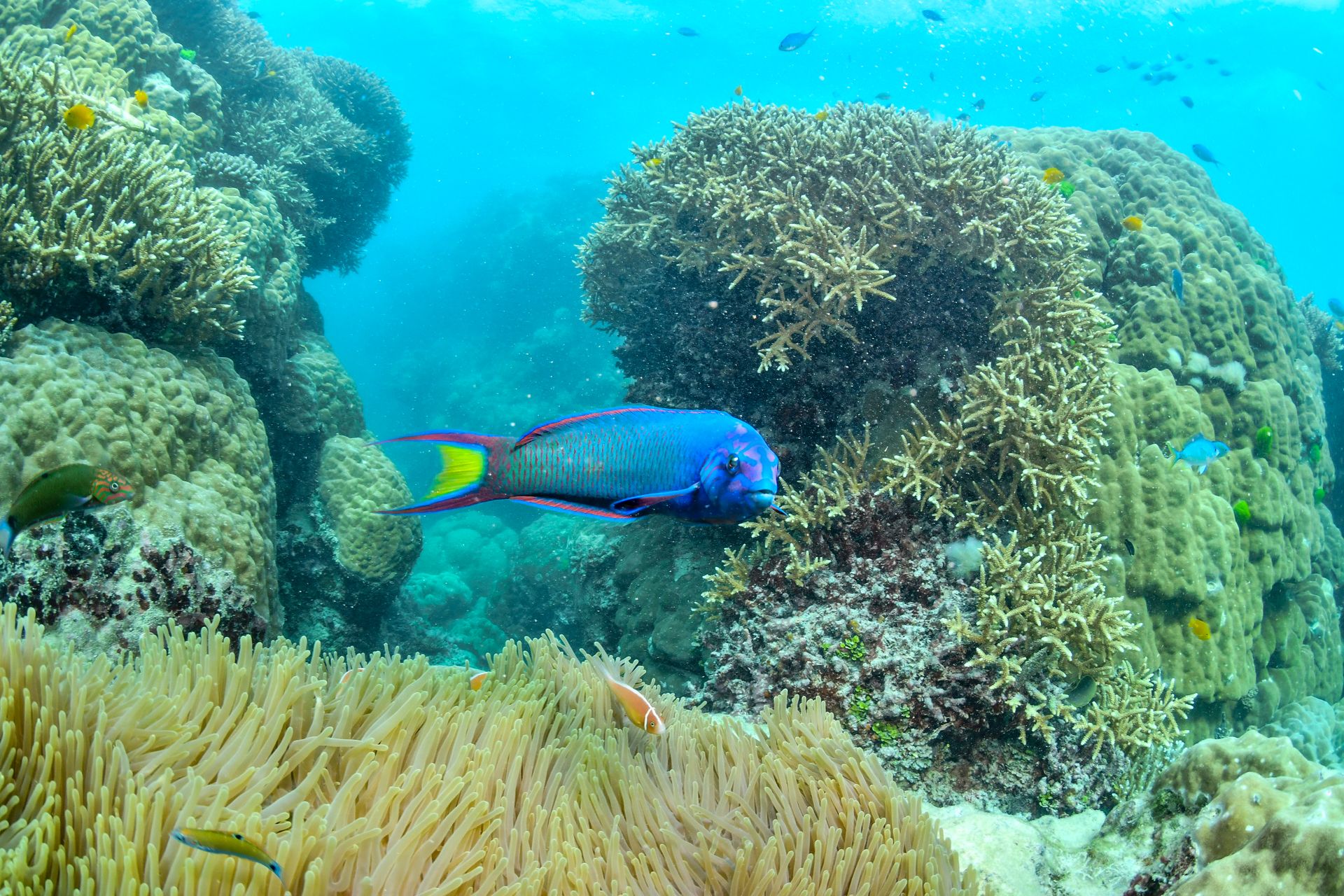
Parrotfish amidst diverse coral formations in Australia's Great Barrier Reef
Coral gardens stretched around me, tropical fish moved through the reef in colours that looked almost exaggerated, and sea turtles seemed completely indifferent to the fact that I was swimming nearby.
The world below the surface felt almost disconnected from the boat above it.
Different reef trips create genuinely different experiences.
Snorkellers, certified divers, families and people prone to seasickness may all find different boats or reef sites better suited to them.
Within this route, a full-day outer-reef trip gave the reef enough time without consuming the wider Queensland section.
Stay: Cairns or Port Douglas.
Day 8: Why I left room for the reef weather
One of the luxuries of the 14-day route is not needing Day 7 to be the only possible reef day.
Sea and weather conditions can change the experience significantly.
Keeping another day in Far North Queensland means a poor forecast does not automatically undermine one of the main reasons for coming.
When conditions cooperate on the first attempt, the extra day becomes useful in a completely different way.
Port Douglas, another marine activity, beach time or simply a slower day all fit without adding another destination.
That spare capacity is one of the clearest ways the 14-day itinerary feels better to me than the ten-day version.
Stay: Cairns or Port Douglas.
Days 9–10: Daintree Rainforest
The Daintree is close enough to Cairns and Port Douglas to be visited quickly.
My memories of it are exactly why I am glad I experienced it more slowly.
Ancient rainforest, clear water, tropical beaches and the Coral Sea sit remarkably close together.
Day 9: Crossing into the Daintree
The drive north changes gradually.
Mossman Gorge introduces the forest, but crossing the Daintree River was where the region started to feel genuinely different to me.
The road became quieter, mobile coverage less reliable and the rainforest seemed to close in around everything.
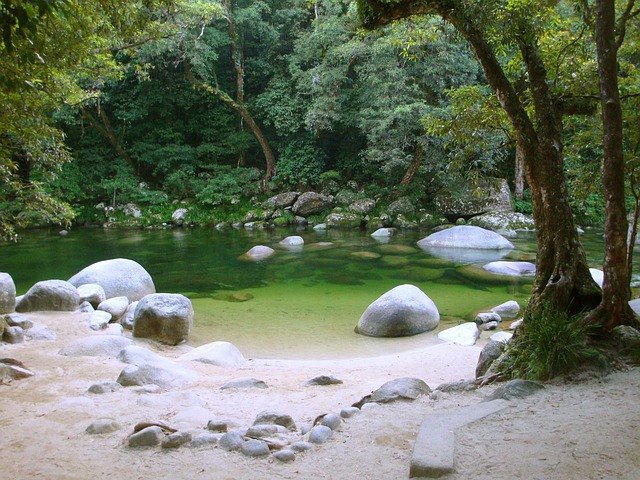
Mossman Gorge — Natural swimming pool
Some of my favourite memories were simple: swimming in the clear water around Mossman Gorge, walking through dense forest filled with unfamiliar sounds and standing on the beach at Cape Tribulation with rainforest-covered mountains behind me.
From Cairns, the drive to Cape Tribulation can take roughly 2.5–3 hours without substantial stops; from Port Douglas it is considerably shorter.
In reality, the stops were the point for me.
Stay: Daintree or Cape Tribulation.
Day 10: The Daintree after dark
The rainforest felt different once the day visitors had gone.
Hearing it after dark and waking beneath the canopy became part of what I remember most.
That atmosphere is difficult to experience when the Daintree is compressed into a few hours from Cairns.
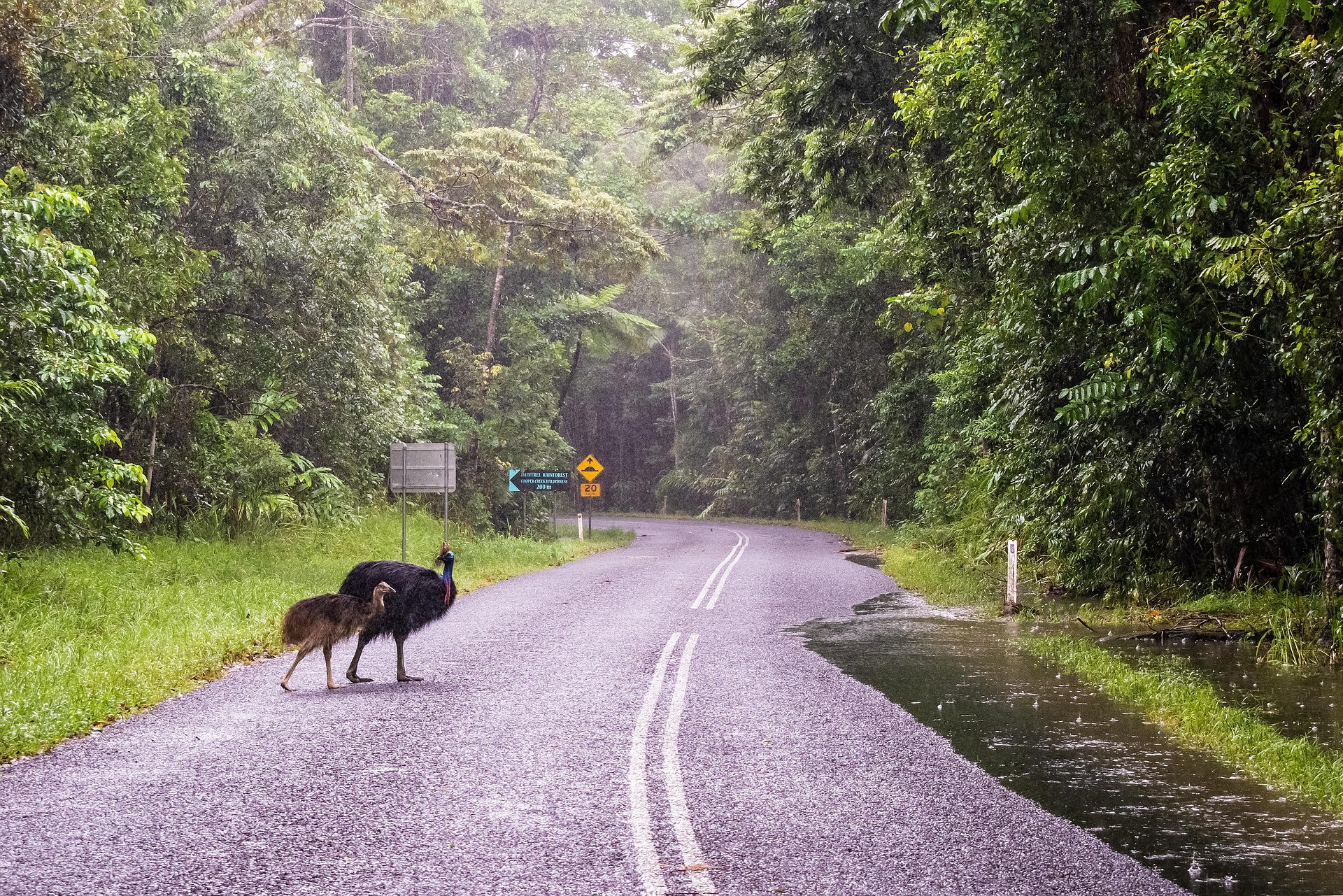
Cassowary crossing a wet road in Australia's tropical rainforest
Boardwalks, beaches, wildlife and Indigenous cultural experiences can all shape the second day.
I found the simple fact of having more time in the forest just as valuable.
The following flight south is the practical constraint.
An early departure can make a return toward Cairns sensible on the second evening; a later one leaves room for another night in the rainforest.
Stay: Daintree/Cape Tribulation or Cairns, depending on the following flight.
Days 11–14: Whitsunday Islands
Four days around the Whitsundays is deliberately generous.
By this stage, the itinerary has already included road travel and several flights.
Ending somewhere where the pace can fall away changed the character of the final days.
Day 11: Cairns to the Whitsundays
Direct Cairns–Proserpine flights operate on selected days rather than necessarily every day.
When the service lines up, the transfer is relatively easy.
When it does not, the overland journey is long enough to consume most of a day.
That is another example of why I treat the exact itinerary order as flexible.
A one-day shift can be more useful than forcing the destinations to match a published sequence.
Proserpine connects onward to Airlie Beach, with additional boat or resort transfers for island stays.
Stay: Airlie Beach or Whitsunday Islands.
Day 12: Whitehaven Beach and Hill Inlet
Whitehaven Beach deserves the attention it gets.
I have visited a lot of beaches around the world, but the combination of bright white sand and water changing between turquoise and deeper blue genuinely stands apart.
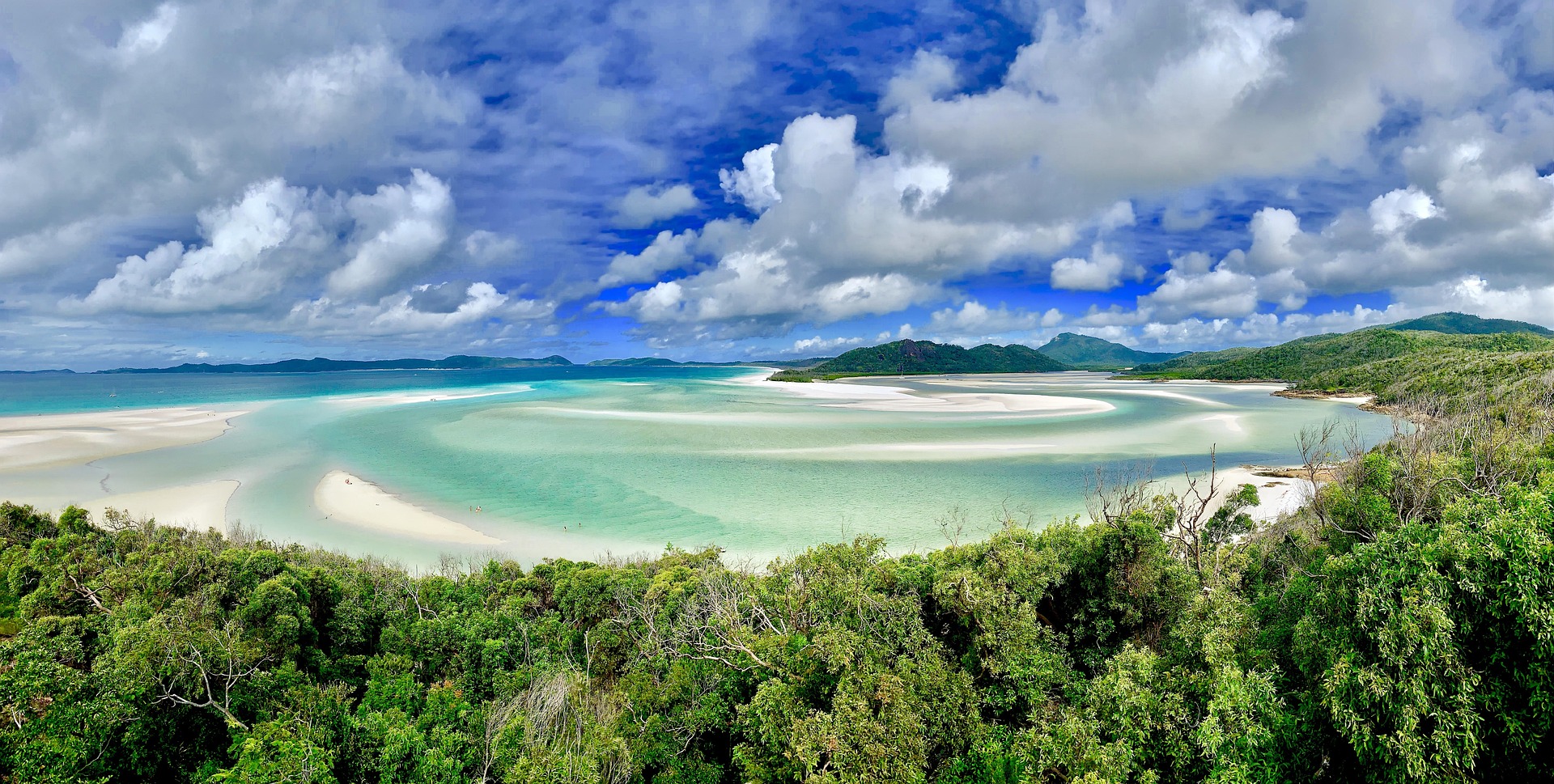
Whitehaven Beach, with white sandbars and turquoise water in Queensland
Hill Inlet added another dimension.
The tidal patterns shift through the sand and water, so the famous view is never completely fixed.
What made Whitehaven memorable for me was having enough time for it to feel like a beach rather than a photography stop.
Stay: Whitsundays.
Day 13: The Whitsundays from the water
Some of what I enjoyed most in the Whitsundays happened between the famous places.
Sailing between islands, anchoring in quieter bays and snorkelling directly from the boat made the journey itself part of the experience.
That is why the islands worked better for me once I stopped thinking of them as a list of attractions.
An overnight on the water or on an island changes the atmosphere again.
Waking inside the landscape felt completely different from commuting into it from Airlie Beach each morning.
Stay: Whitsundays.
Day 14: Why the final day stays loose
After nearly two weeks of moving between very different parts of Australia, an unstructured final morning did not feel like wasted itinerary space.
Breakfast, swimming, walking or a few more hours on the water all made sense depending on the departure time.
The important practical issue is the onward flight.
International departures through Sydney, Brisbane or Melbourne can introduce substantial domestic backtracking.
Where the ticket allows it, an open-jaw or multi-city international journey can remove some of that repetition.
Where Sydney fits
Sydney is absent from the main route because this particular itinerary is built around Australia's natural landscapes.
That is a route choice rather than a judgment on the city.
For someone whose first Australia trip would feel incomplete without the harbour, the simplest variation is:
That exchange reduces the slower Blue Mountains experience but introduces Circular Quay, the harbour and the Opera House without adding another flight.
Trying to fit Sydney, Melbourne, the Blue Mountains and every destination in the main route into the same two weeks changes the balance completely.
At that point, the extra days disappear into transfers rather than creating more experience.
How much travel is involved?
The exact number of hours matters less than the pattern.
Australia taught me to treat flight schedules as part of route design rather than something checked after the hotels were chosen.
What having a car changed
A single rental car never made sense for this trip because the regions are separated by enormous distances.
In the Blue Mountains, a car adds flexibility, although Katoomba and Leura are accessible by train from Sydney.
In the Daintree, having a car mattered much more to my experience because it allowed the drive, gorge, river crossing, forest and beaches to unfold at their own pace.
Around Uluru, tours, local transport or a short rental can all work depending on how independently the area is being explored.
The useful pattern is local car hire where it changes the experience, rather than carrying one rental across a fly-heavy itinerary.
When this route works best
There is no month when every destination has perfect weather because the itinerary crosses several climate zones.
Broadly, May through September creates one of the easier overlaps between the Red Centre and tropical north.
Uluru is more comfortable outside the extreme summer heat, while Far North Queensland is generally drier through the cooler part of the year.
That overlap is also popular.
Flights, Yulara accommodation, reef trips and Whitsunday stays can book well ahead.
The Blue Mountains work year-round, but bushwalking conditions can change quickly and fire danger matters in warmer periods.
Current national park alerts, tropical weather, reef conditions, road access and flight schedules remain more useful than assuming the season guarantees a particular experience.
Is this route too rushed?
The route is active, but 14 days is where this style of Australia trip begins to feel much more convincing to me.
The destinations themselves have room:
That is very different from changing hotels every night.
The trade-off is the flying.
Someone who dislikes airports would probably get much more from a single-region road trip — Sydney to the Sunshine Coast, Tasmania or a focused Queensland journey are completely different ways to use the same two weeks.
Have You Seen Our Travel Concierge Service?
Your trip, planned by local experts
We are not a travel agent - we design custom itineraries around your budget and style, without receiving commissions or booking fees.
Custom itinerary
Built around your dates, budget, and travel style.
Local expert knowledge
Recommendations from people on the ground, not review sites.
Travel smarter, spend less
We optimise for your budget to make your money go further.
What 14 days in Australia felt like
Two weeks was enough for an excellent trip.
It was nowhere near enough for Australia as a whole.
That distinction became easier to accept the more I travelled around the country.
The Blue Mountains, Uluru, Kata Tjuta, Great Barrier Reef, Daintree and Whitsundays did not feel like variations on the same Australian landscape.
They felt like completely different journeys connected by flights.
That variety is the reason this route works for me.
The extra days are valuable not because they make room for more pins on the map, but because they allow the places already in the itinerary to become more than the famous image I had seen before arriving.