

I drove Iceland’s Ring Road in a campervan, travelling from Reykjavík through the Golden Circle and South Coast before continuing north to Mývatn and Akureyri. You can cover a huge amount of Iceland in seven days.
But having done it, I wouldn’t recommend the same route for a first one-week trip.
If I had seven days in Iceland again, I’d spend more time exploring the south. You’ll still see waterfalls, glaciers, black-sand beaches and some of Iceland’s best hiking, but without spending such a large part of your trip trying to reach the next stop.
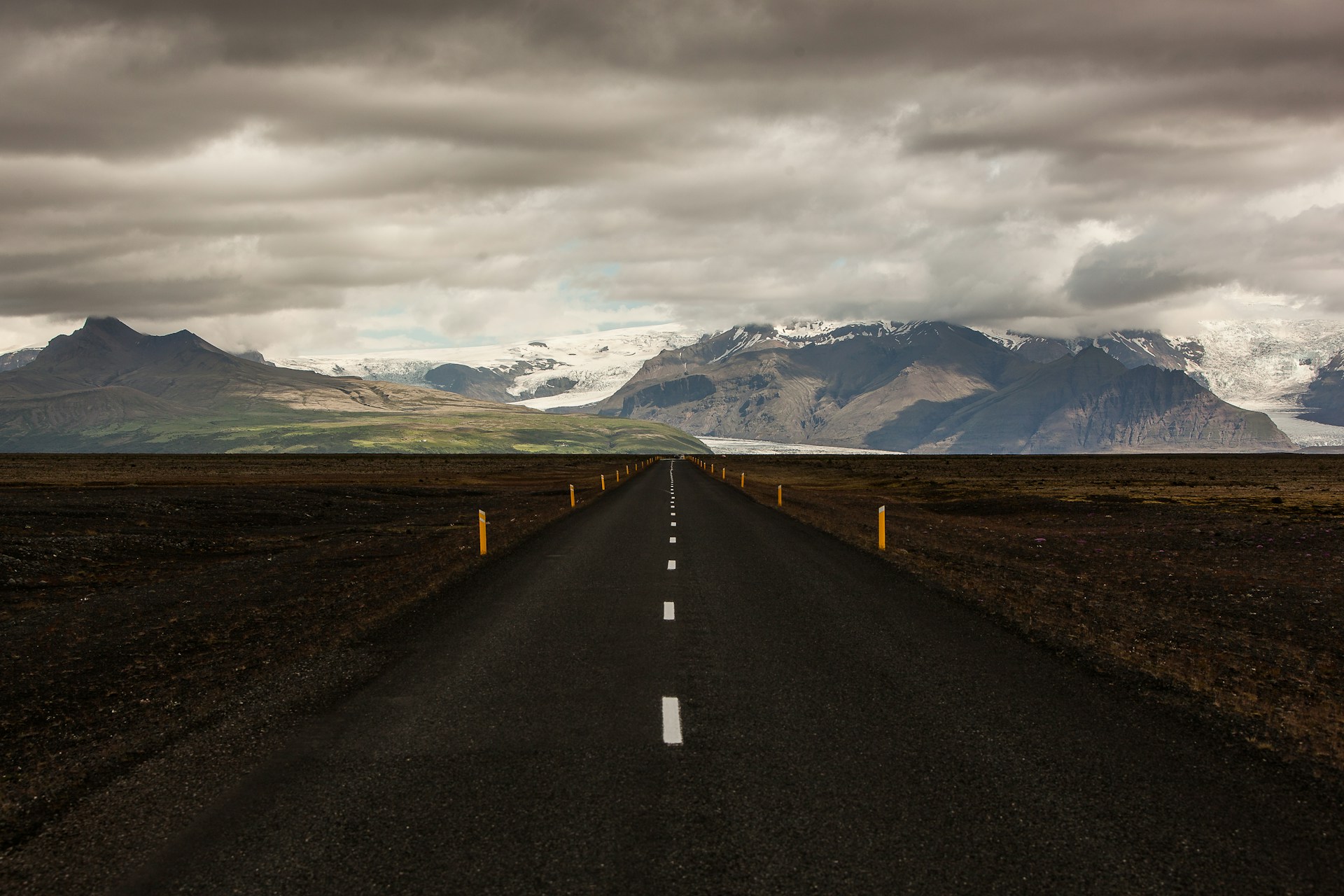
Road to Vatnajökull Glacier
My 7-Day Iceland Itinerary at a Glance
Route: Reykjavík → Golden Circle → Vík → Skaftafell → Jökulsárlón → Vík → Selfoss → Reykjavík
Day | Route | Overnight |
|---|---|---|
1 | Reykjavík | Reykjavík |
2 | Golden Circle → South Iceland | Hella / Hvolsvöllur area |
3 | South Coast → Vík | Vík |
4 | Vík → Skaftafell → Jökulsárlón | Southeast Iceland |
5 | Jökulsárlón / Southeast Iceland → Vík | Vík |
6 | Vík → South Coast → Selfoss | Selfoss / Reykjavík |
7 | Reykjavík → Keflavík Airport | Departure |
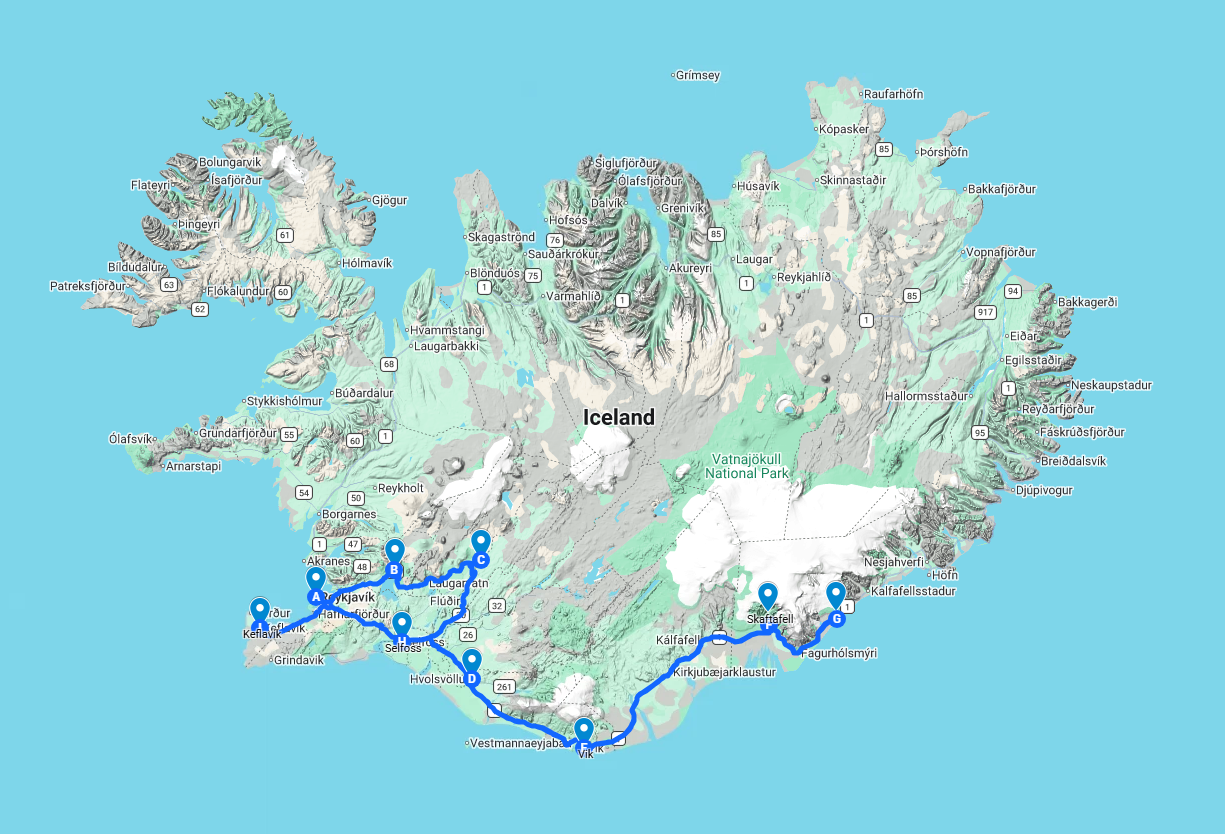
7-Day Iceland Itinerary Final Route
I’m not skipping Reykjavík, but I also wouldn’t give it two full days on a seven-day trip. For me, Iceland’s biggest appeal is what happens once you leave the capital.
I like hiking and generally don’t spend long in the towns I pass through. This itinerary reflects that.
It’s also deliberately not a checklist of every attraction you can technically squeeze into seven days. I’ve driven the more ambitious version of this trip. Slowing down is what I’d change.
Day 1: Reykjavík
I’d keep your first day fairly simple, particularly if you’re arriving after an early flight.
Reykjavík is small enough that you don’t need to devote a huge portion of a seven-day trip to it, but I wouldn’t skip it altogether.
I enjoyed walking around the centre, visiting Hallgrímskirkja and Harpa, but one of my favourite experiences was considerably less touristy: going to a local geothermal swimming pool.
My partner and I ended up loving Reykjavík’s neighbourhood pools. Sitting in hot geothermal water alongside locals felt much more connected to everyday Icelandic life than visiting one of the expensive spas aimed predominantly at tourists.
Hallgrímskirkja Church in Reykjavík
City streets and rooftops of Central Reykjavík
If you’re travelling by campervan, this is also the day to get organised. Pick up the van, buy groceries and make sure you’ve got everything you need before heading farther from Reykjavík.
I wouldn’t over-plan today. The landscapes outside the capital are where I’d spend most of my time.
My priorities for Day 1
Stay: Reykjavík
Day 2: Drive the Golden Circle
The Golden Circle gets dismissed sometimes because it’s Iceland’s most obvious tourist route.
I wouldn’t skip it.
I’ve been to plenty of heavily promoted attractions that don’t live up to the hype, but I thought the Golden Circle did.
The three major stops are Þingvellir National Park, the Geysir geothermal area and Gullfoss.
Þingvellir was the one that stayed with me most. This is where you can see the effects of the North American and Eurasian tectonic plates moving apart, in a place that also has enormous importance in Icelandic history.
At Geysir, it’s Strokkur you’ll probably spend most of your time watching. It erupts frequently, so you normally don’t have to wait particularly long to see it.
Then there’s Gullfoss. It’s one of Iceland’s most famous waterfalls and, in this case, I think the popularity is justified.
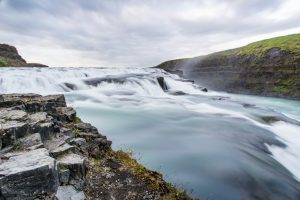
Waterfall and mossy rocks in Þingvellir National Park
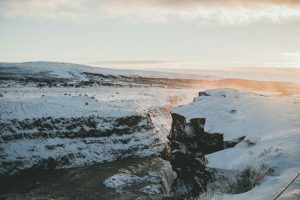
Golden Circle Landmark - Gullfoss
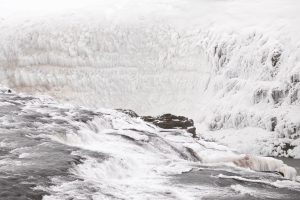
Frozen winter landscape of Gullfoss
If daylight and conditions allow, I’d start early. It gives you more time at the stops and gets you moving before many of the day trips coming from Reykjavík.
More importantly, don’t drive back to Reykjavík afterwards.
Continue south and stay around Hella or Hvolsvöllur. That puts you in a much better position for tomorrow and avoids wasting part of your seven days retracing the same road.
Stay: Hella / Hvolsvöllur area.
Day 3: The South Coast to Vík
This is where the trip starts to feel much more like the Iceland I came for.
I’d work east along the South Coast and concentrate on a handful of worthwhile stops rather than stopping every time you see a waterfall from the road.
Seljalandsfoss
Seljalandsfoss is unusual because, when the path and conditions allow, you can walk behind the waterfall.
It’s a popular stop, but that’s not a reason to skip it. Some of Iceland’s most visited places are famous for good reason.
Skógafoss
Next I’d continue to Skógafoss.
If you enjoy hiking, don’t just photograph the waterfall from the bottom and leave.
The staircase beside Skógafoss takes you above the falls, and the trail continues inland along the Skógá River past more waterfalls.
You don’t have to turn this into an enormous hike. Walk for as long as you want and turn around when you’ve had enough.
That’s much more appealing to me than trying to add another two or three roadside attractions to the day.
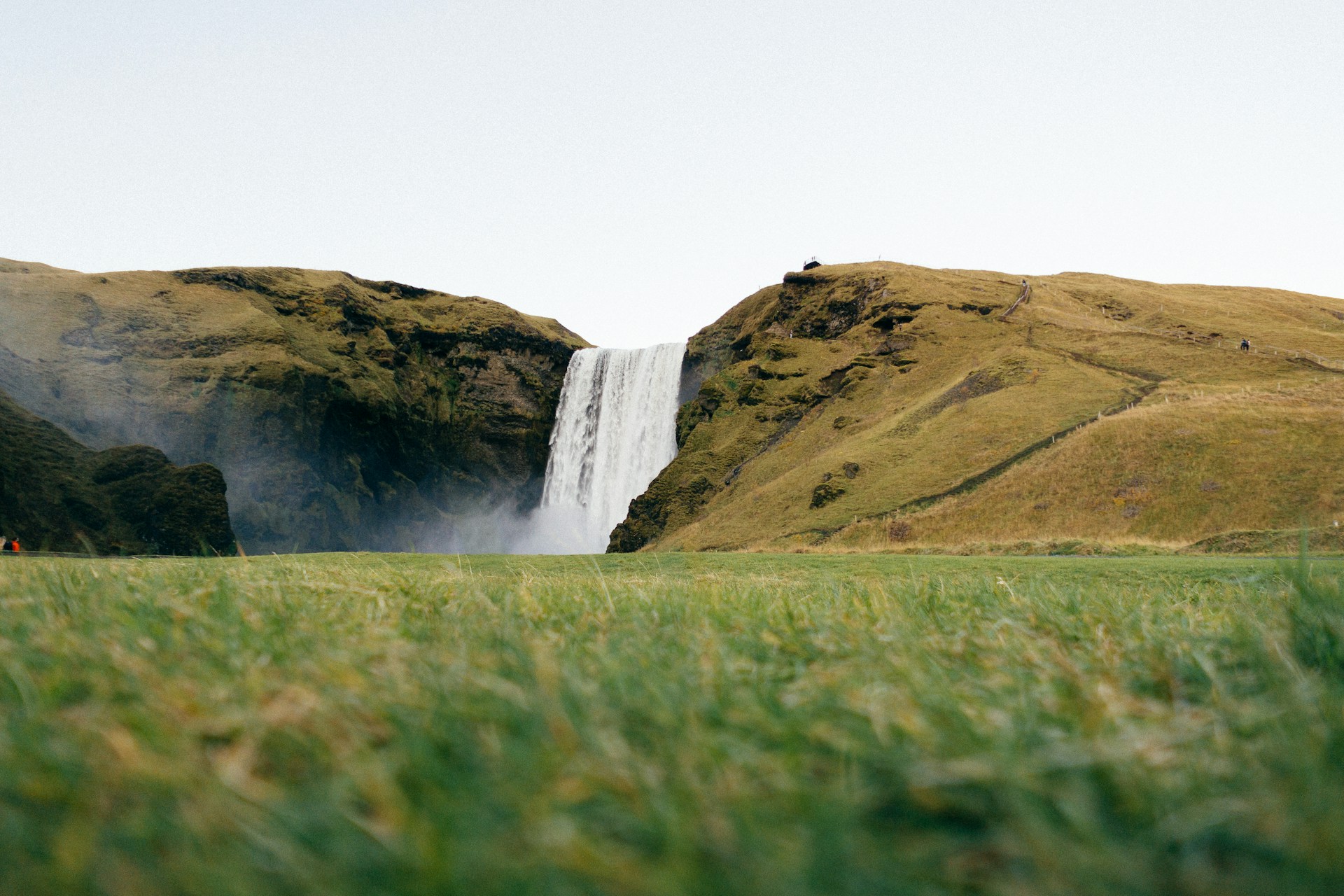
Skogafoss Waterfall and hiking trail under white sky
Dyrhólaey and Reynisfjara
Continue toward Vík, with Dyrhólaey and Reynisfjara as the obvious coastal stops.
Reynisfjara’s basalt columns and black sand make it one of Iceland’s most distinctive beaches, but this isn’t somewhere to treat the ocean casually.
Don’t approach the water just to get a photograph. Sneaker waves can travel much farther up the beach than visitors expect, so pay attention to the warning system and keep well back from the sea.
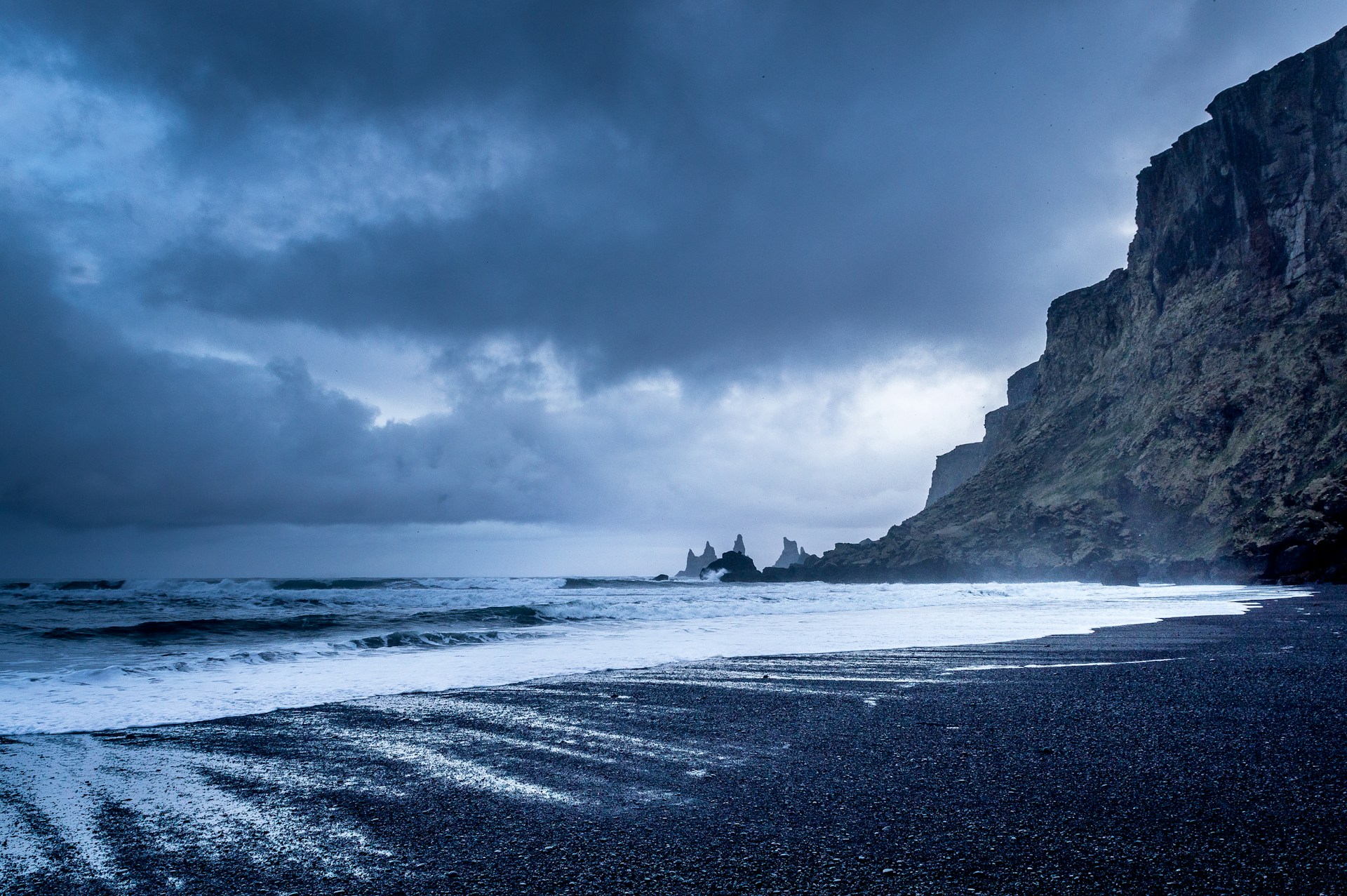
Black Sand coastline in Reynisdrangar
Finish in or around Vík.
I specifically recommend staying here rather than trying to push farther east. Seven days might look short on paper, but continually extending every driving day is exactly how an Iceland itinerary becomes exhausting.
Stay: Vík.
Day 4: Vík to Skaftafell and Jökulsárlón
Leave Vík and continue east toward Vatnajökull and its outlet glaciers.
I’d make Skaftafell the main stop on the way to Jökulsárlón.
One of the best-known shorter hikes is to Svartifoss, where the waterfall drops in front of dark basalt columns. A standard circuit takes roughly two hours, so this is something I’d actually allow time for rather than treating it as a quick roadside stop.
If you want to do a substantially longer hike around Skaftafell, I’d make that the main activity of the day and reduce what you try to do elsewhere.
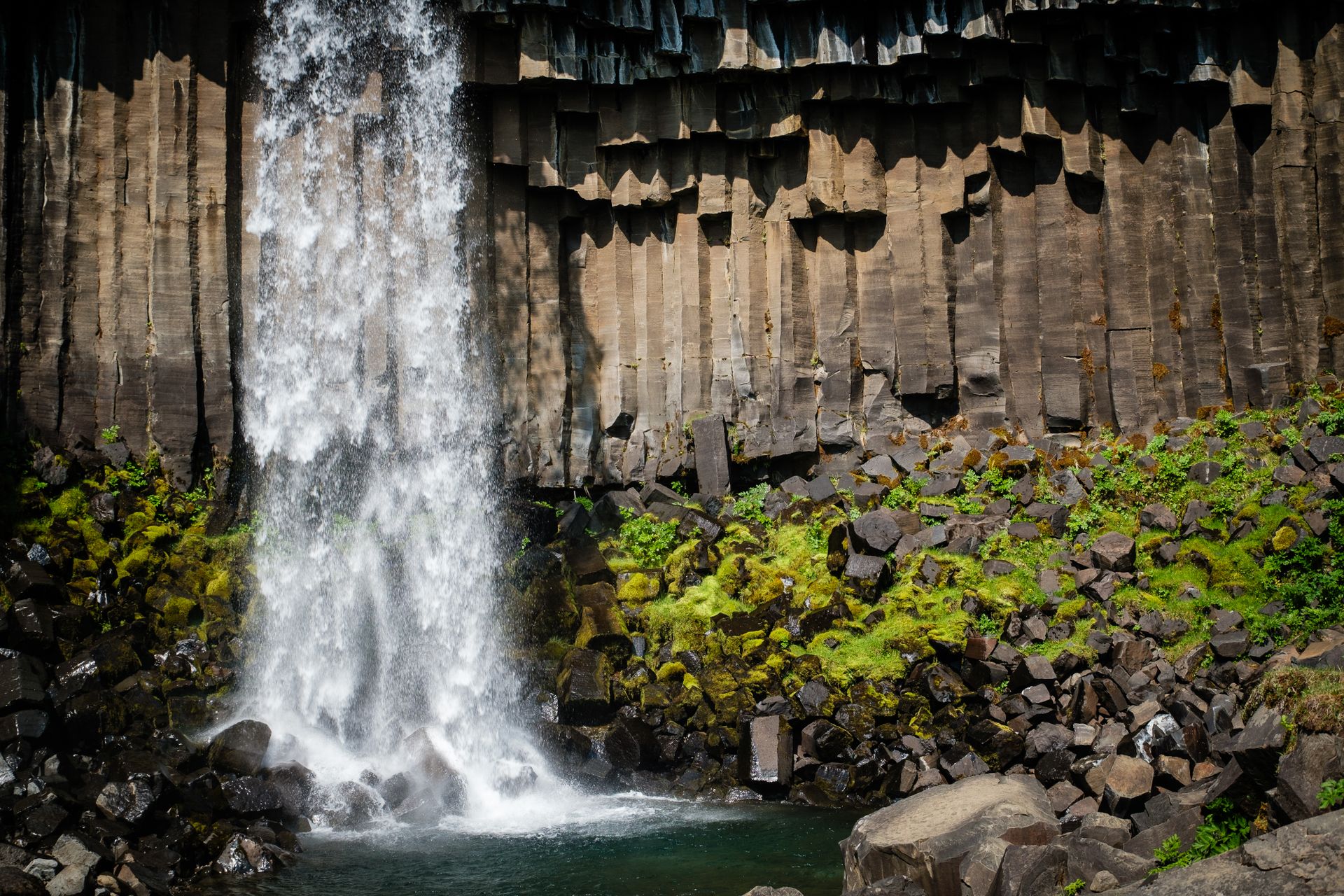
Scenic view of Svartifoss waterfall
Then continue east toward Jökulsárlón Glacier Lagoon.
This is one place I wouldn’t rush.
Ice breaks away from the Breiðamerkurjökull glacier and drifts through the lagoon toward the Atlantic. Across the road, pieces of ice can wash onto the black volcanic shoreline of Diamond Beach.
Conditions constantly change, which is part of what makes it interesting.
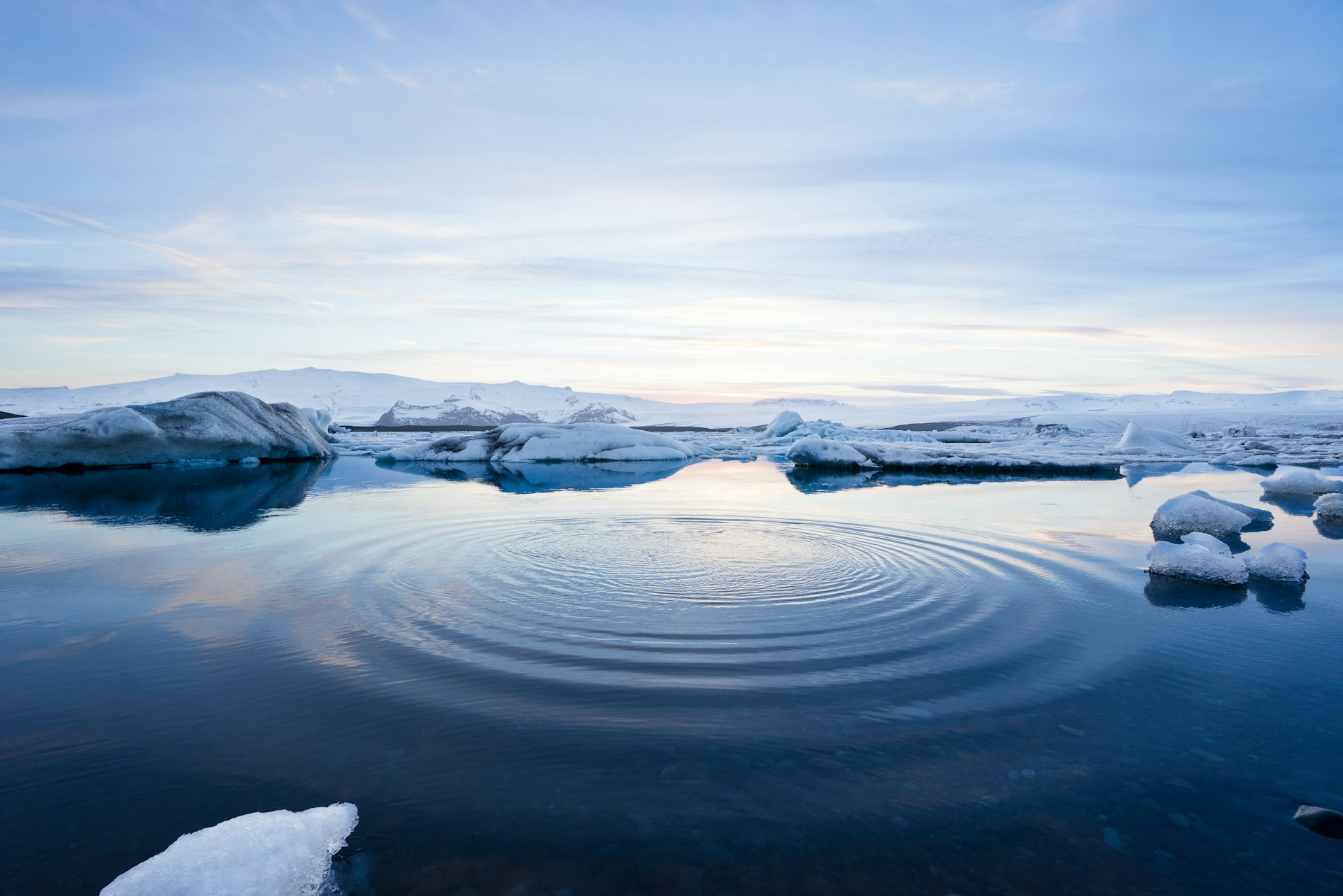
Jökulsárlón Glacier Lagoon in Iceland
Stay somewhere in Southeast Iceland rather than seeing the lagoon and immediately starting the drive back west.
Stay: Jökulsárlón / Southeast Iceland area.
Day 5: Jökulsárlón and Southeast Iceland, Then Back to Vík
This extra time in Southeast Iceland is one of the biggest differences between this itinerary and the seven-day route I originally drove.
And it’s intentional.
Instead of waking up and beginning the long journey north toward Mývatn, you’ve got time for an activity or hike that actually lets you experience the landscape.
Depending on the season and conditions, that might be a glacier hike with a qualified operator, a seasonal boat trip on a glacier lagoon, another hike in the area or simply returning to Jökulsárlón if the weather wasn’t on your side yesterday.
Exactly what I’d choose would depend heavily on conditions.
That’s another reason I don’t like itineraries that prescribe an attraction for every hour of every day in Iceland.
The weather doesn’t care about your spreadsheet.
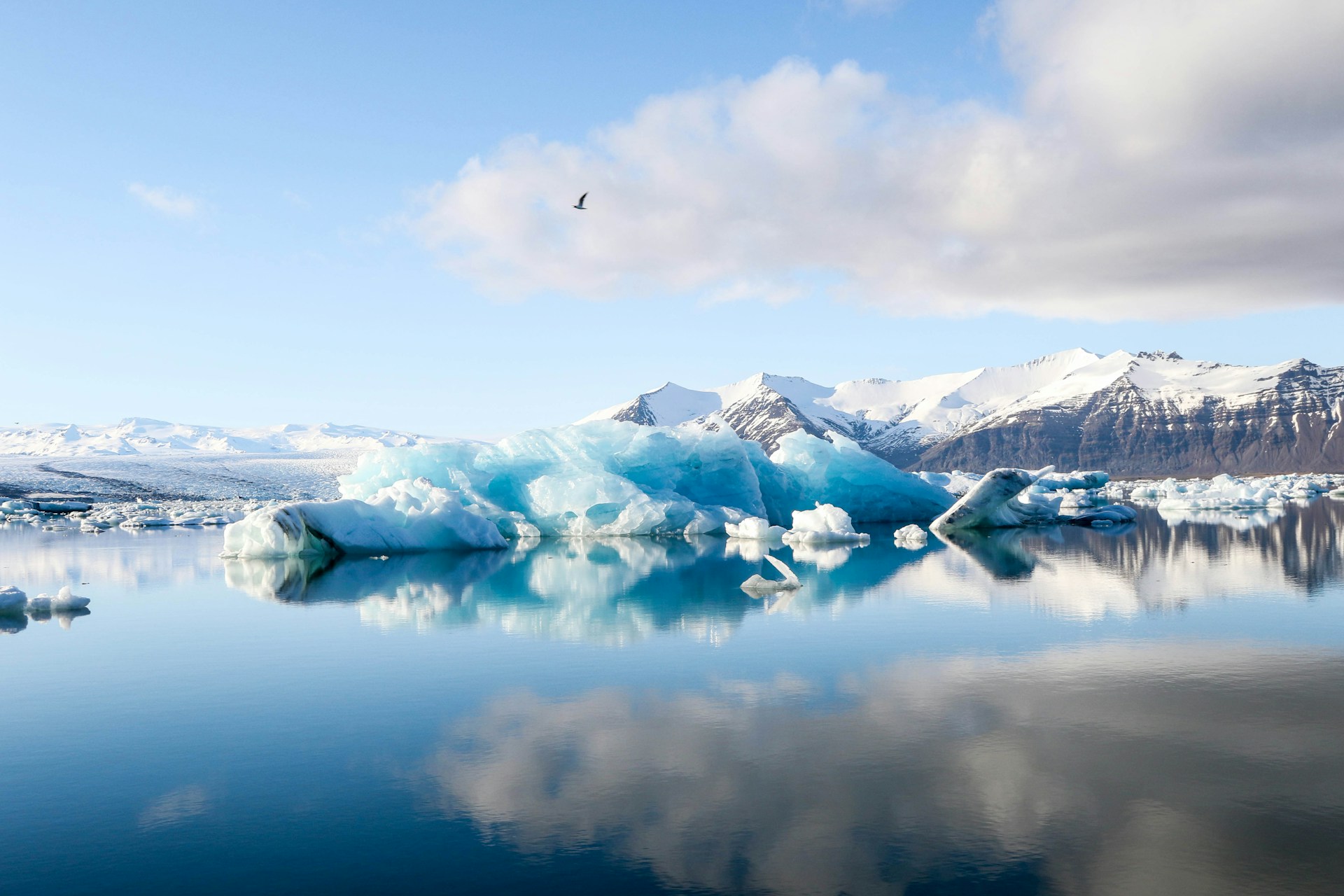
Large turquoise icebergs, snow-covered mountains, and the glaciers in Jökulsárlón
Later in the day, start driving back west and return to Vík.
Yes, you’re travelling along the same road again.
I still prefer that to spending the day pushing north just so you can say you’ve covered more of the country.
Stay: Vík.
Day 6: Vík to Selfoss — Use the Extra Time Properly
Today gives you something that’s often missing from seven-day Iceland itineraries: spare capacity.
Rather than filling the day with another mandatory list of attractions, use it for something you couldn’t fit comfortably into the outward journey.
That might mean spending longer hiking above Skógafoss, stopping somewhere you skipped because the weather was poor, adding another South Coast activity or simply taking more time whenever you find somewhere interesting.
This is where travelling back along the same road actually becomes useful.
I found the actual driving in Iceland relatively easy compared with many other European countries. The roads themselves weren’t what made the trip difficult for me.
But that’s very different from saying driving conditions in Iceland are always easy. Wind, snow, ice and rapidly changing weather can completely change the situation, particularly outside summer.
The other issue is that there is constantly something that makes you want to stop.
A waterfall appears. The landscape changes. You see a trail. The weather clears.
That’s why I’d rather leave room for those moments than spend Day 6 racing toward another region because an itinerary says I need to reach it.
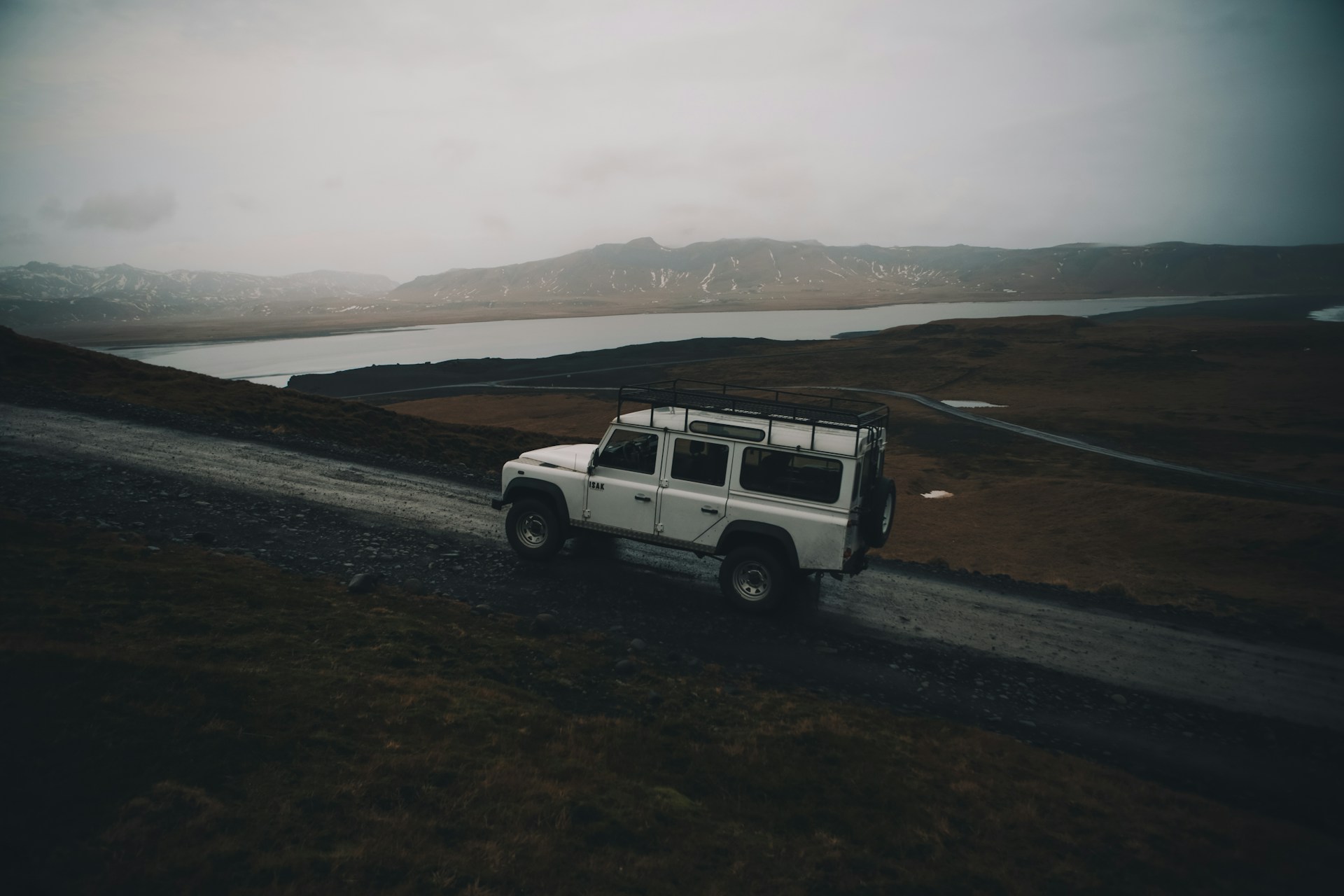
Driving up a winding dirt road through Iceland's rugged mountainous countryside
Continue west and stay around Selfoss, or continue to Reykjavík if that works better for your final day.
Stay: Selfoss / Reykjavík.
Day 7: Reykjavík to Keflavík Airport
How much you can do today depends on your flight time.
If you’re leaving late and barely explored Reykjavík on Day 1, use the remaining time here.
If you’ve already seen enough of the city, I wouldn’t add a major detour simply to fill the itinerary.
One thing I definitely wouldn’t do is schedule an important experience several hours away immediately before your flight.
Iceland’s weather and road conditions can change quickly. Leave a comfortable buffer for returning your rental vehicle and reaching Keflavík Airport.
Stay: Reykjavík → Keflavík Airport.
Can You Drive Iceland’s Ring Road in 7 Days?
Yes.
I did it.
My original route was:
Reykjavík → Golden Circle → South Coast → Jökulsárlón → Mývatn → Akureyri → Reykjavík
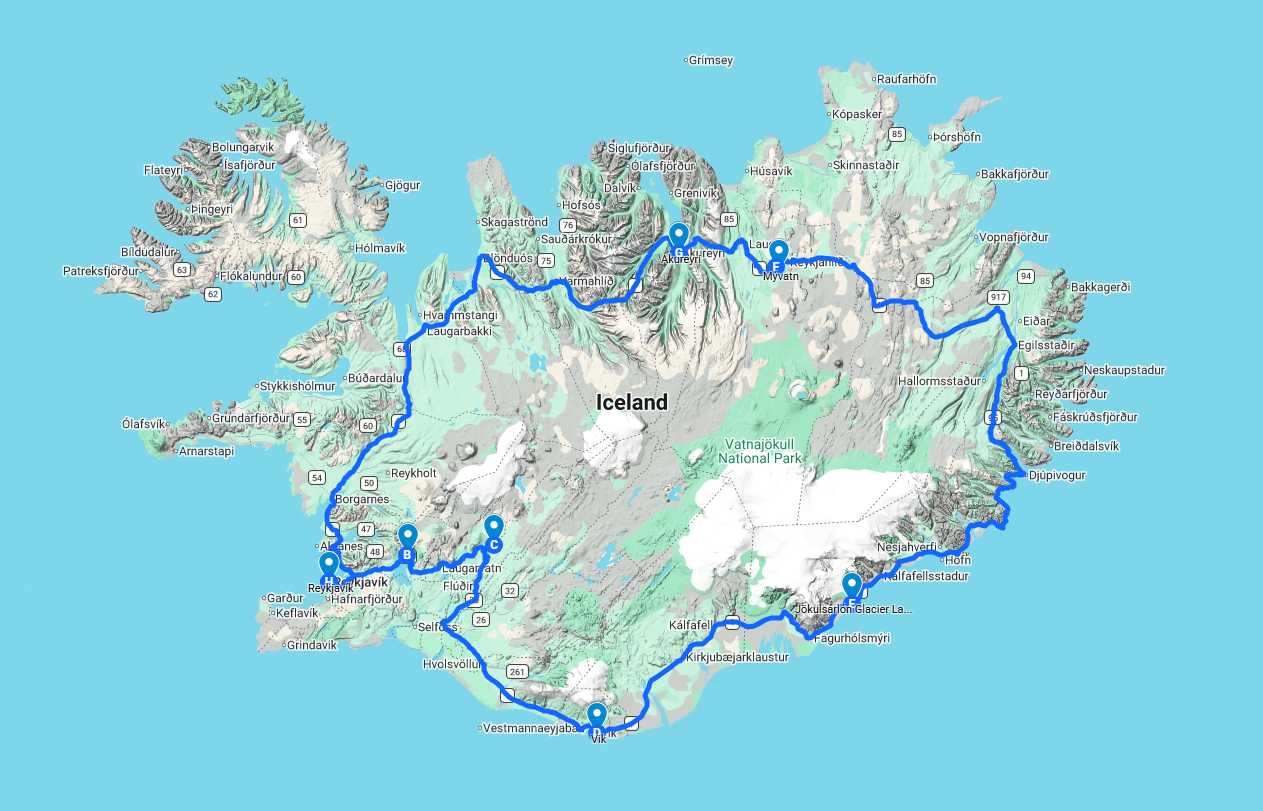
7-Day Iceland Itinerary Original Route
I travelled by campervan in spring and found the driving itself relatively easy compared with driving in many other European countries.
So this isn’t me saying that a seven-day Ring Road trip is impossible.
The problem is what you’re giving up.
Once you continue from Southeast Iceland toward Mývatn, you’re committing a significant part of a short trip to covering distance. Then you still need to get from North Iceland back toward Reykjavík.
Mývatn and Akureyri are worth visiting. I particularly liked the Mývatn area, and Akureyri was one of my favourite surprises in Iceland.
I just wouldn’t squeeze them into this trip.
Norther Lights over Lake Mývatn
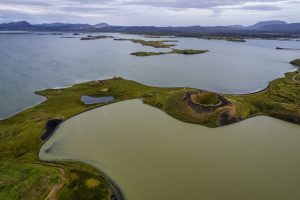
Volcanic landscape of Lake Mývatn
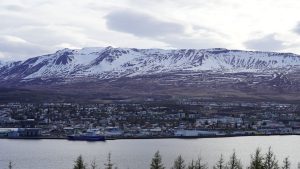
Snow capped Akureyri Fjord and Town
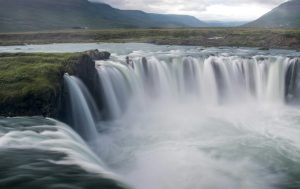
With more time, the calculation changes.
With seven days, I’d rather hike for a few hours, spend longer around the glaciers and have the freedom to stop somewhere unexpectedly than continually think about how far I still need to drive.
If your objective is specifically to complete the Ring Road, you can do it.
If your objective is to make the most of seven days, I’d choose the slower route.
Should You Rent a Campervan?
I travelled around Iceland in a campervan and think it suits this type of trip extremely well.
It gives you flexibility, which is valuable when your trip revolves around landscapes, hiking and weather rather than cities.
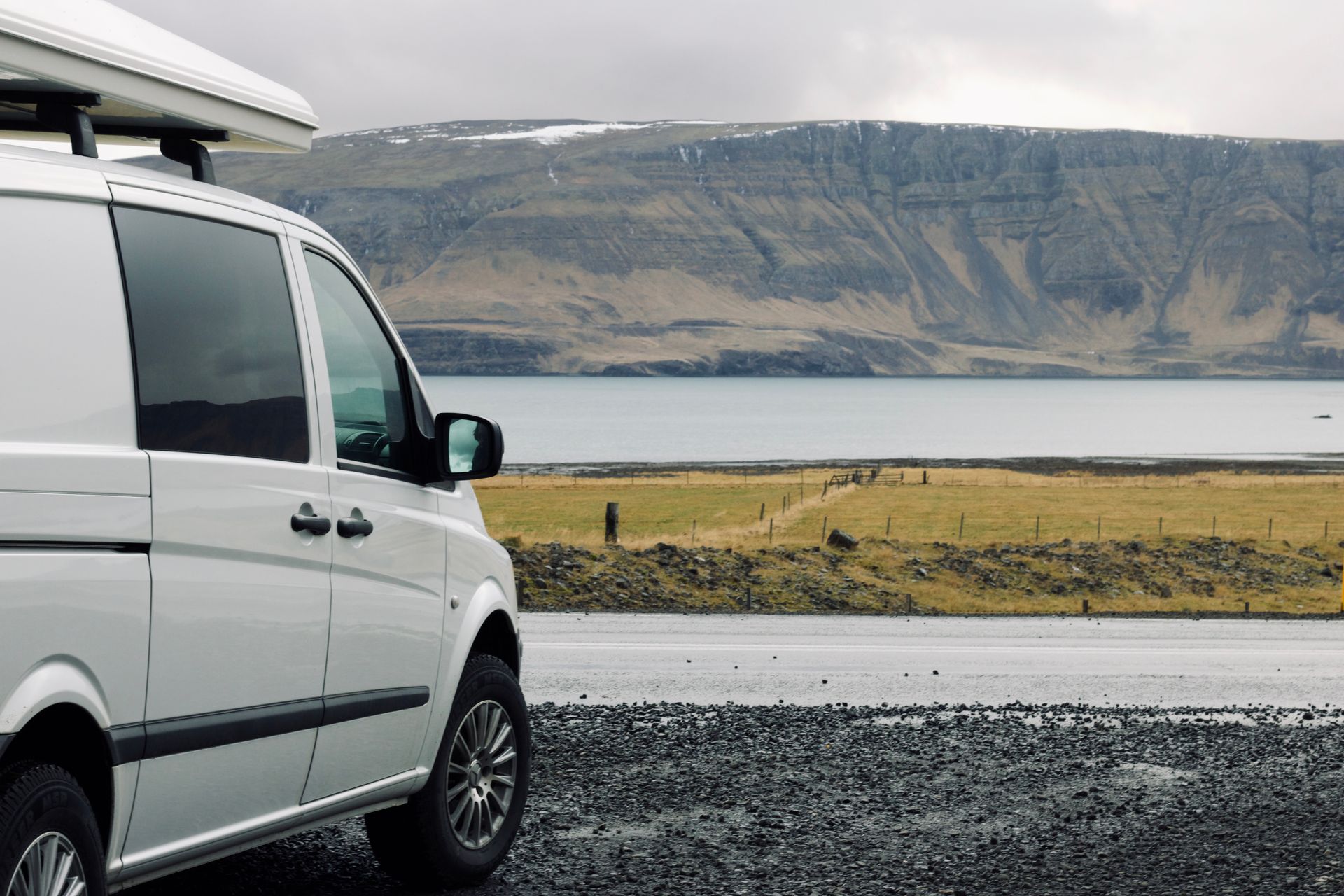
Road trip with a captivating lake view in Iceland
But campervan flexibility doesn’t mean you can simply pull over somewhere scenic and sleep there.
In general, campervans and similar vehicles need to use organised campsites unless you have permission from the landowner. You should also check which campsites are operating during your travel dates, particularly outside the main summer season.
I travelled in spring, but that doesn’t mean every hike mentioned in this itinerary will be accessible throughout spring.
Snow, mud and thaw conditions can make trails inaccessible or lead to temporary closures, sometimes well into the season. Check current trail conditions before deciding what you’re going to hike.
The same applies to driving.
Before setting out each day, check current weather and road conditions rather than assuming they’ll match what you planned before arriving.
How Much Should You Plan in Advance?
I’d plan the route carefully and the individual stops more loosely.
Know roughly:
Then leave room around it.
One of the easiest ways to ruin an Iceland road trip is trying to fit every waterfall, canyon, beach and viewpoint you’ve saved on Google Maps into the itinerary.
You don’t need to.
I’d rather properly explore Skaftafell or spend a couple of hours hiking than stop at five additional places for 15 minutes each.
Iceland rewards stopping when something looks interesting.
Give yourself enough time to do that.
Have You Seen Our Travel Concierge Service?
Your trip, planned by local experts
We are not a travel agent - we design custom itineraries around your budget and style, without receiving commissions or booking fees.
Custom itinerary
Built around your dates, budget, and travel style.
Local expert knowledge
Recommendations from people on the ground, not review sites.
Travel smarter, spend less
We optimise for your budget to make your money go further.
Is This 7-Day Iceland Itinerary Suitable Year-Round?
Not exactly.
I did my campervan trip in spring, but conditions in Iceland can vary considerably even within the same season.
The basic Reykjavík–Golden Circle–South Coast route can be useful at different times of year, but you shouldn’t blindly follow the same day-by-day plan in every season.
Daylight hours, snow, wind, ice, road conditions and trail accessibility all affect what’s realistic.
That’s particularly important for the hiking suggestions in this itinerary. Some Skaftafell trails can be inaccessible or closed during spring thaw, while winter conditions can make a driving day very different from the same route in summer.
Check current road, weather and trail information before travelling and be prepared to change the itinerary if conditions require it.
Who I’d Recommend This Itinerary For
I’d choose this route if you:
I wouldn’t choose it if you’re primarily looking for city life, nightlife or a holiday built around urban experiences.
And if you’re the type of traveller who wants to say you’ve driven the entire Ring Road?
You can.
I’ve done it.
I just think seven days are better spent slowing down.