

I still cringe thinking about the time I accidentally offended someone. I had no idea until the room went quiet.
Most travel etiquette advice doesn't help; it's too vague or just a random list with no logic to it.
After years of getting this wrong myself, I've found the mistakes that matter come down to a short list, almost all about context, not bad intentions.
So here's etiquette organised by the situation you're in, not a list to skim and forget.
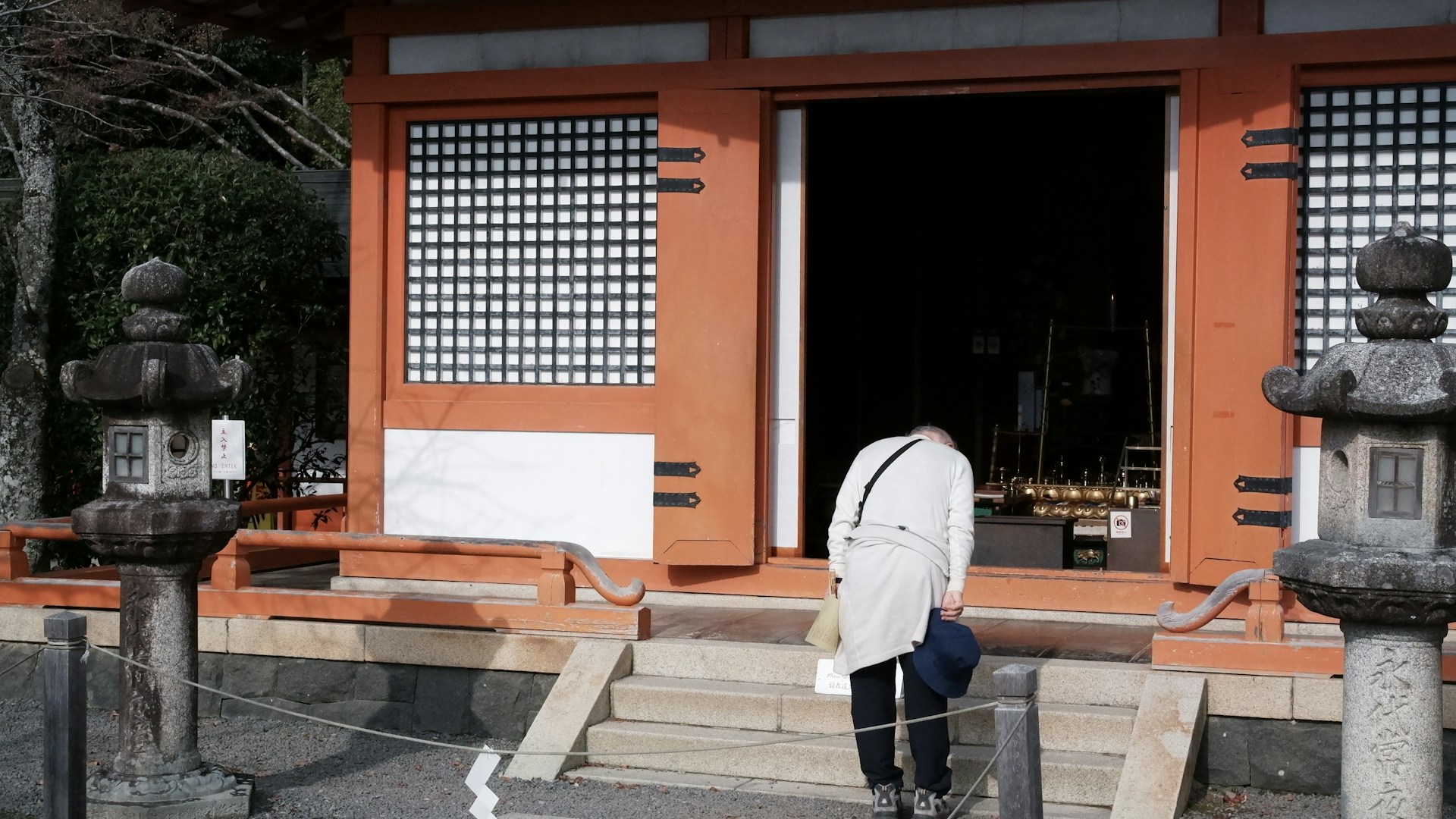
Why most travel etiquette advice misses the point
A flat list of twenty tips is hard to actually remember once you're standing somewhere unfamiliar trying to work out what to do.
And "be respectful" isn't really actionable, everyone already intends to be. What actually helps is knowing the specific norm for the specific situation you're in.
So that's how this is organised, by moment rather than by country or category. Before you go, in transit, at a sacred site, at a meal, tipping, and behind a camera. Skip to whichever one is relevant to what you're actually about to do.
Before you even leave
A bit of homework before you go prevents most etiquette mistakes before they happen. Look into the basic dress norms and customs for where you're headed specifically, since what's fine in one country can be genuinely inappropriate a short flight away.
Definitely learn this handful of key phrases in the language of the country you’re visiting:
Honestly, even a clumsy attempt in the local language tends to land better than fluent English delivered a bit too casually.
If you'll be visiting someone's home, check the local gift-giving customs beforehand.
In some cultures, a specific gift or gesture is expected. In others, certain gifts, like clocks in Chinese culture (which carry associations with death), are best avoided entirely.
It's also worth understanding any specific taboos for the destination, particular gestures, topics that are sensitive to bring up, or norms around physical contact between strangers.
A few minutes of research here saves a genuinely awkward moment later.
Greetings are worth a specific mention, since they're the very first interaction you'll have and the easiest thing to get subtly wrong.
A handshake is safe in plenty of places, but a slight bow suits much of East Asia better, and a cheek kiss or two is the norm across a lot of Europe and Latin America. Watching what the other person initiates is usually the safest approach if you're not certain.
In transit, without the drama
Good flight etiquette isn't complicated, but it's worth a reminder. Be mindful of your seat and armrest space, especially in economy, and let people board and disembark in order rather than crowding the aisle.
Keep an eye on children and try to settle them before things escalate, and go easy on alcohol: turbulence and altitude affect it more than you'd think. If you're reclining your seat, a quick glance behind you first goes a long way.
At religious and sacred sites
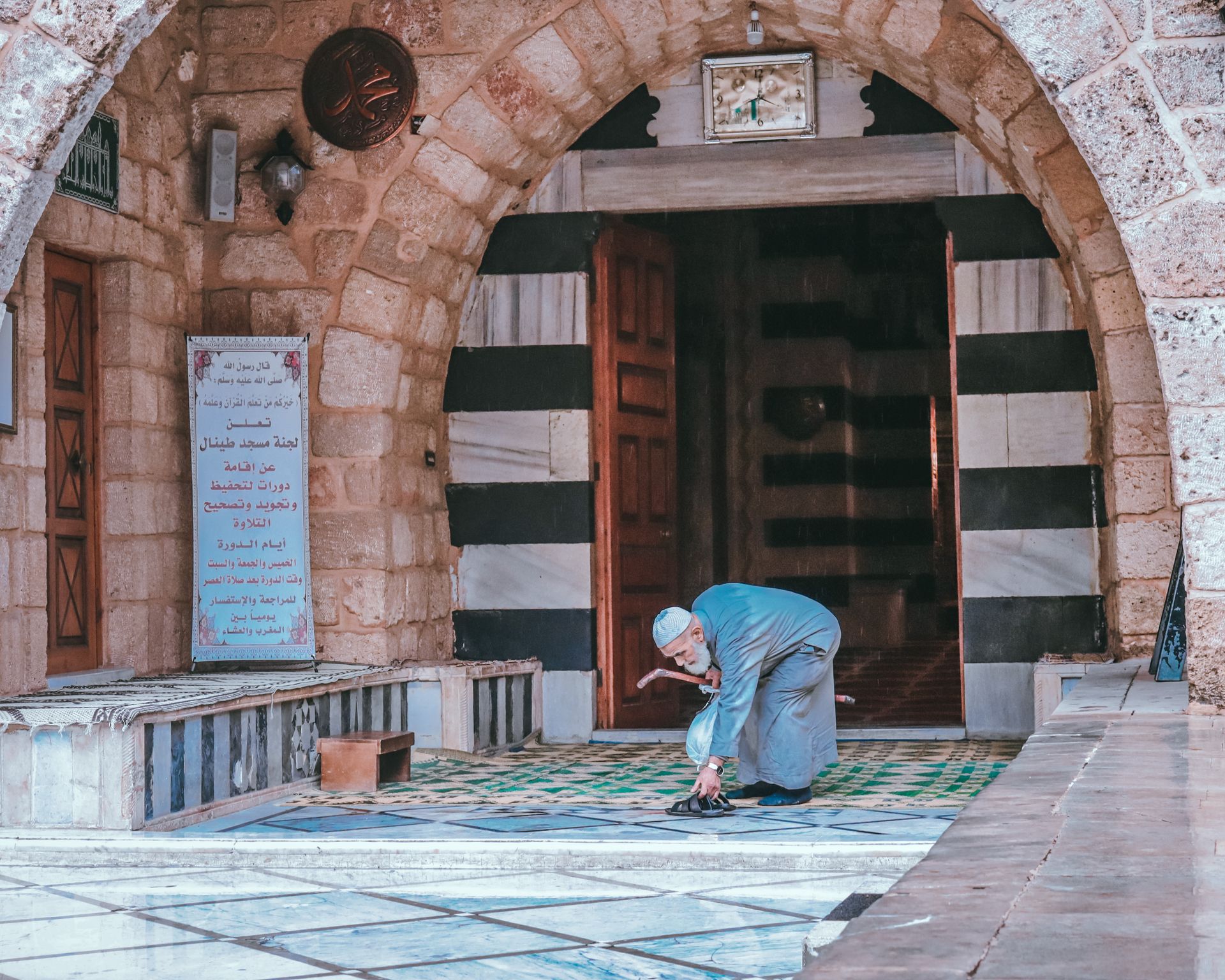
Dress codes matter more here than almost anywhere else, and I think this is where travellers get caught out most often, usually because it's easy to forget once you're deep into a hot, casual trip. The essentials:
If you're unsure whether something is appropriate in the moment, it usually isn't.
At the table
Table manners vary more than most people expect. In some cultures, the host insists on paying, and it's genuinely rude to argue over the bill. In others, splitting evenly is completely normal. It's worth reading the room rather than assuming either way.
Whether you should finish everything on your plate depends on where you are, too. In some cultures, leaving your plate empty signals you're still hungry. In others, finishing everything is the polite signal that you're satisfied.
Hand use conventions matter in places where the left hand is considered unclean for eating, so pay attention to what's around you.
Honestly, the biggest one is just trying the local dishes graciously, even the ones that don't immediately appeal. A polite decline is fine. A visible grimace isn't.
Tipping around the world
Tipping causes more confusion than almost any other travel etiquette question, mostly because there's no single global rule. Here's roughly how it breaks down by region:
Check the specific norm for your destination before you go, rather than applying a habit from home somewhere it doesn't translate.
Behind the camera
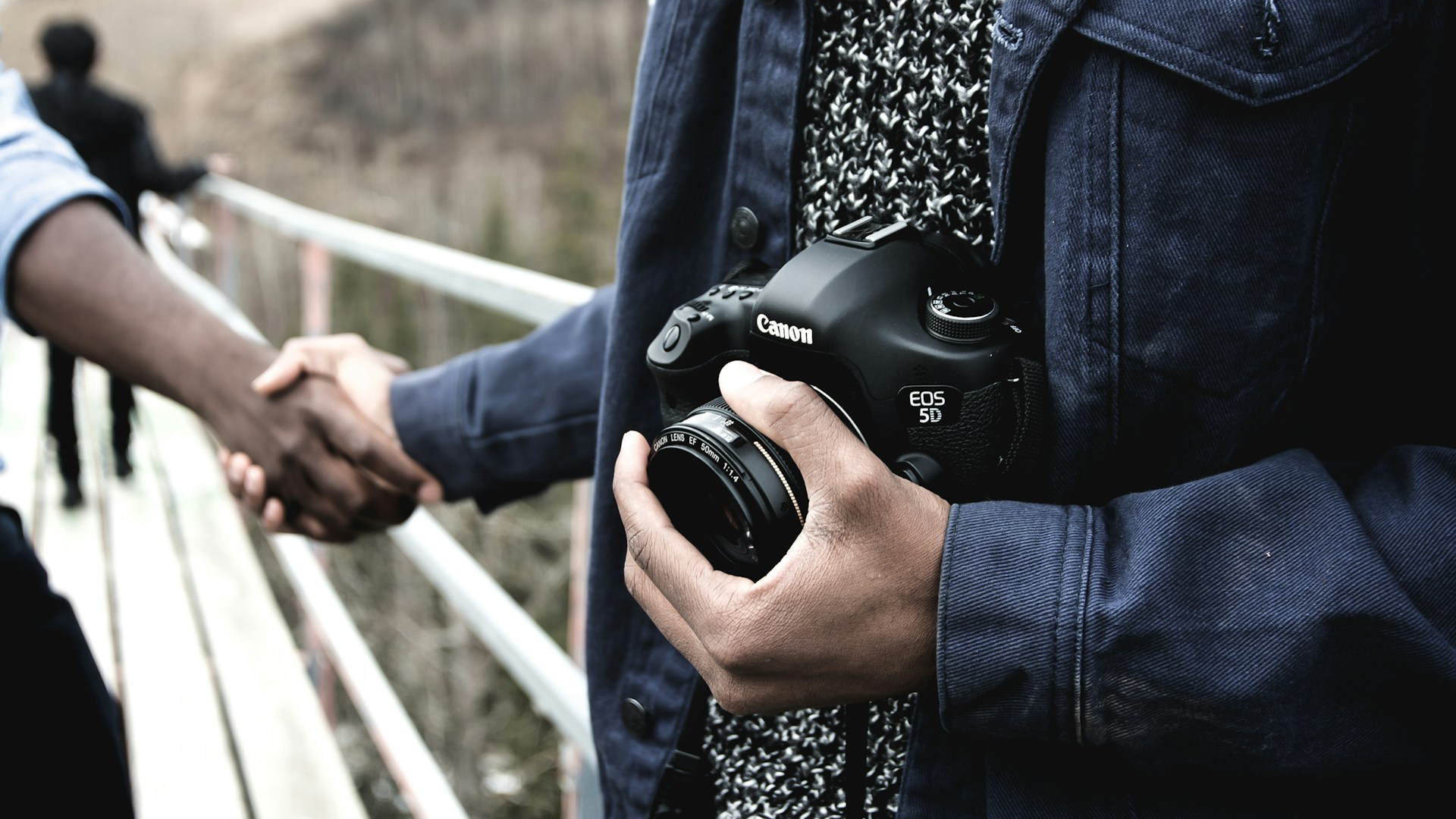
Ask before photographing individuals, particularly in more conservative regions or when photographing someone going about their daily life rather than posing for tourists.
A smile and a gesture toward your camera usually gets a clear answer either way, and it's a small habit that costs you almost nothing.
Some religious and cultural sites prohibit photography entirely, and it's worth respecting that even when nobody's actively enforcing it.
I think it's also worth being thoughtful about photographing poverty or hardship as a backdrop for your own travel photos. It can read as exploitative even when that's not the intention.
Social media adds another layer worth considering. Geotagging a fragile or little-known location can send a wave of visitors somewhere that genuinely can't handle it, so think before you tag the exact spot.
When you get it wrong anyway
You will get something wrong at some point, and that's genuinely fine. Mistakes made in good faith and corrected with a simple, sincere apology are almost always forgiven. Most people can tell the difference between carelessness and not knowing.
When you're genuinely unsure what to do in a moment, watching and mirroring the people around you is a reliable fallback. It won't always be perfect, but it'll rarely be wrong enough to matter.
I think the bigger mistake is the one that never gets corrected. Doubling down, getting defensive, or pretending not to notice tends to land far worse than a quick, genuine "sorry, I didn't realise" ever does.
Most people, in my experience, are more forgiving than travellers expect them to be.
Get the etiquette right without having to research it all yourself
Most of travel etiquette comes down to paying attention to the situation you're actually in, rather than memorising a long list of rules.
Get the big, situational things right: dress, greetings, tipping, sacred spaces, and the smaller stuff tends to sort itself out along the way.
Honestly, that's most of what separates a traveller who blends in comfortably from one who's constantly, visibly working it out. It's less about rules and more about paying attention.
That kind of destination-specific judgment is exactly what a good travel planner already has. Our personalised travel planning service is built around knowing these norms for the places we plan, so you don't have to research all of this yourself before every trip.
Frequently asked questions
No, in fact it can be the opposite. In places like Japan, offering a tip can come across as awkward or even mildly insulting rather than generous.
Covering your shoulders and knees is a safe default at most religious sites worldwide. Pack something easy to layer on, since dress requirements are often stricter than everyday clothing allows.
Assuming the casual, relaxed norms from home translate everywhere. What reads as friendly and easygoing in Australia can come across as overly familiar or underdressed in more formal cultures.
No, but assuming everyone speaks English can come across as inconsiderate. Learning a few basic phrases and asking politely whether someone speaks English usually makes the interaction much friendlier.
It depends on the destination and setting. Bargaining is expected in many markets and souks, but trying to negotiate prices in fixed-price shops, restaurants, or places where haggling isn't customary can come across as rude.