

Bolivia gave me some of the most dramatic scenery I experienced in South America.
I found enormous salt flats, colorful lagoons, soaring Andean peaks, historic cities, and landscapes that seemed to change completely from one journey to the next.
But what stayed with me just as much was the country's strong Indigenous culture and how present it felt in everyday life.
If you're planning your first trip, these are the 10 places in Bolivia I'd make room for on your itinerary.
Have You Seen Our Travel Concierge Service?
Your trip, planned by local experts
We are not a travel agent - we design custom itineraries around your budget and style, without receiving commissions or booking fees.
Custom itinerary
Built around your dates, budget, and travel style.
Local expert knowledge
Recommendations from people on the ground, not review sites.
Travel smarter, spend less
We optimise for your budget to make your money go further.
Tarija
(pronounced: ta-REE-ha)
Tarija at a glance
Southern Bolivia, near the Argentine border
Wine, food, vineyards, singani, relaxed city breaks
2 nights
Wine lovers, foodies, and couples
Sunny, green, easygoing, and distinctly local
February to March for harvest season, April to October for drier weather
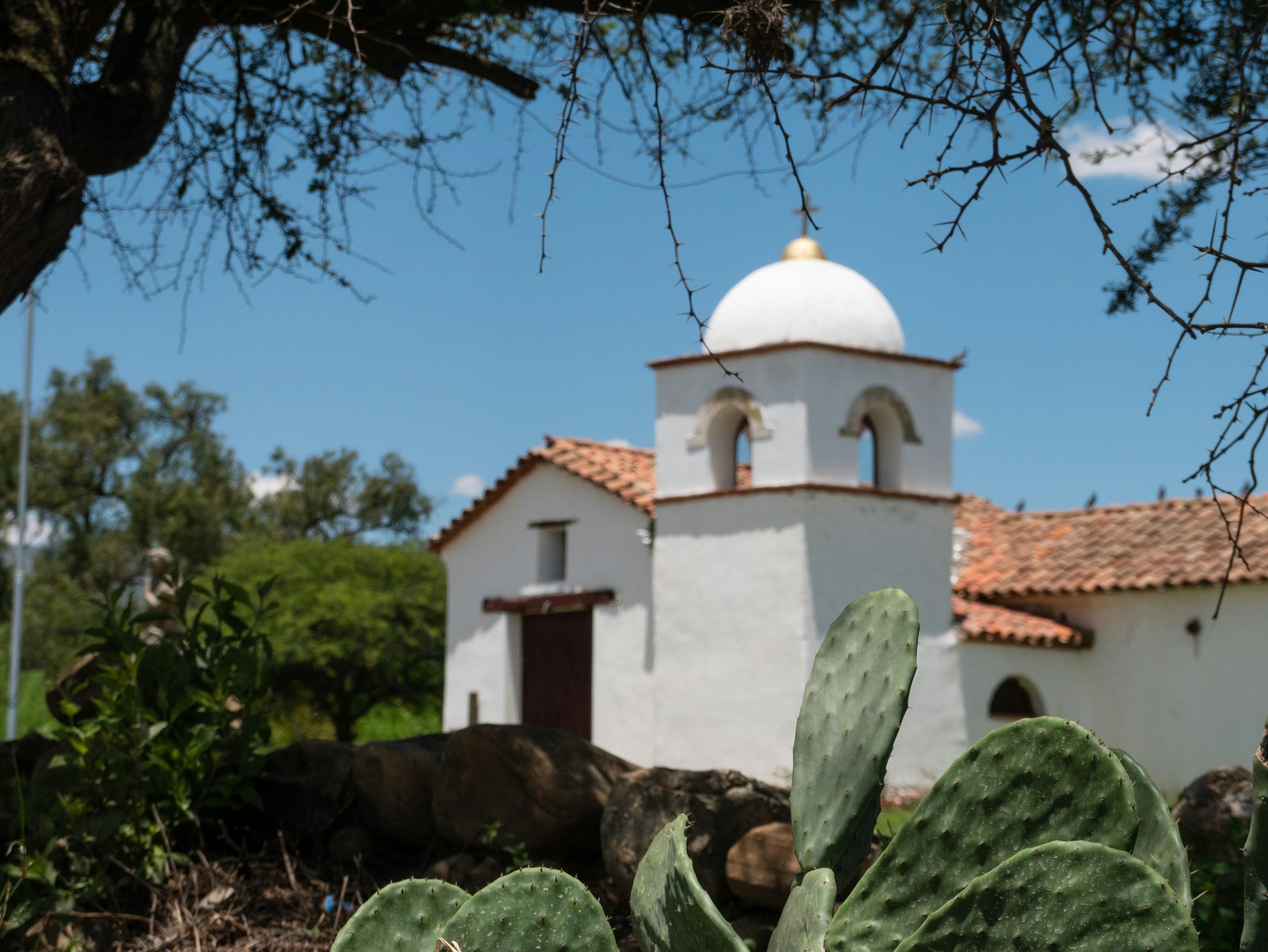
After spending time at Bolivia's higher elevations, I really enjoyed arriving in Tarija and finding myself surrounded by green vineyards and warmer valley scenery.
Wine was naturally my focus here. Tarija is the center of Bolivia's wine industry, and many of the vineyards sit at roughly 1,600–2,000 meters above sea level.
I spent a day visiting bodegas outside the city, and I loved how informal the experience felt. Tastings weren't something to rush through. There was time to talk about the wines, learn about high-altitude growing, and enjoy the countryside between stops.
Tannat and Syrah were two reds I particularly enjoyed, but Tarija also properly introduced me to singani, Bolivia's distinctive grape spirit. I found it surprisingly aromatic compared with many stronger spirits I've tried.
Back in town, I enjoyed wandering around the leafy plazas and stopping for food without having a packed sightseeing schedule to work through.
Tarija isn't really about major landmarks for me. The vineyards, local flavors, warm weather, and easy rhythm of the city were the experience.
How Tarija fits into your Bolivia itinerary
Tarija works best as a dedicated southern stop, particularly if you're also visiting Sucre or continuing toward Argentina. Because of the distances involved, I'd fly rather than try to squeeze it into an already busy overland route.
Consider booking a winery tour rather than driving yourself. It makes visiting several vineyards much easier, particularly if you want to properly enjoy the tastings.
Cochabamba
(pronounced: koh-cha-BAM-ba)
Cochabamba at a glance
Central Bolivia
Bolivian food, markets, local culture, and valley scenery
2 nights
Food lovers, and travellers interested in everyday Bolivian life
Lively, local, and unpretentious
Year-round, with May to October generally drier
I came to Cochabamba hungry, which turned out to be exactly the right approach.
The city has a serious reputation for food, but what I liked was how little ceremony seemed to surround it. Eating well here could mean pulling up a chair at a simple local restaurant or ordering something from a busy market stall.
One dish I particularly enjoyed was silpancho, a Cochabamba specialty that arrives as an enormous plate of rice and potatoes topped with a thin, breaded piece of beef, fried egg, and a fresh tomato and onion salsa.
It wasn't delicate, but after a morning of exploring, it was exactly the kind of filling Bolivian lunch I wanted.
I also spent time wandering through La Cancha, where seemingly endless stalls sold everything from fruit and spices to clothing and household goods. It gave me a much better glimpse of everyday life in the city than ticking off conventional attractions.
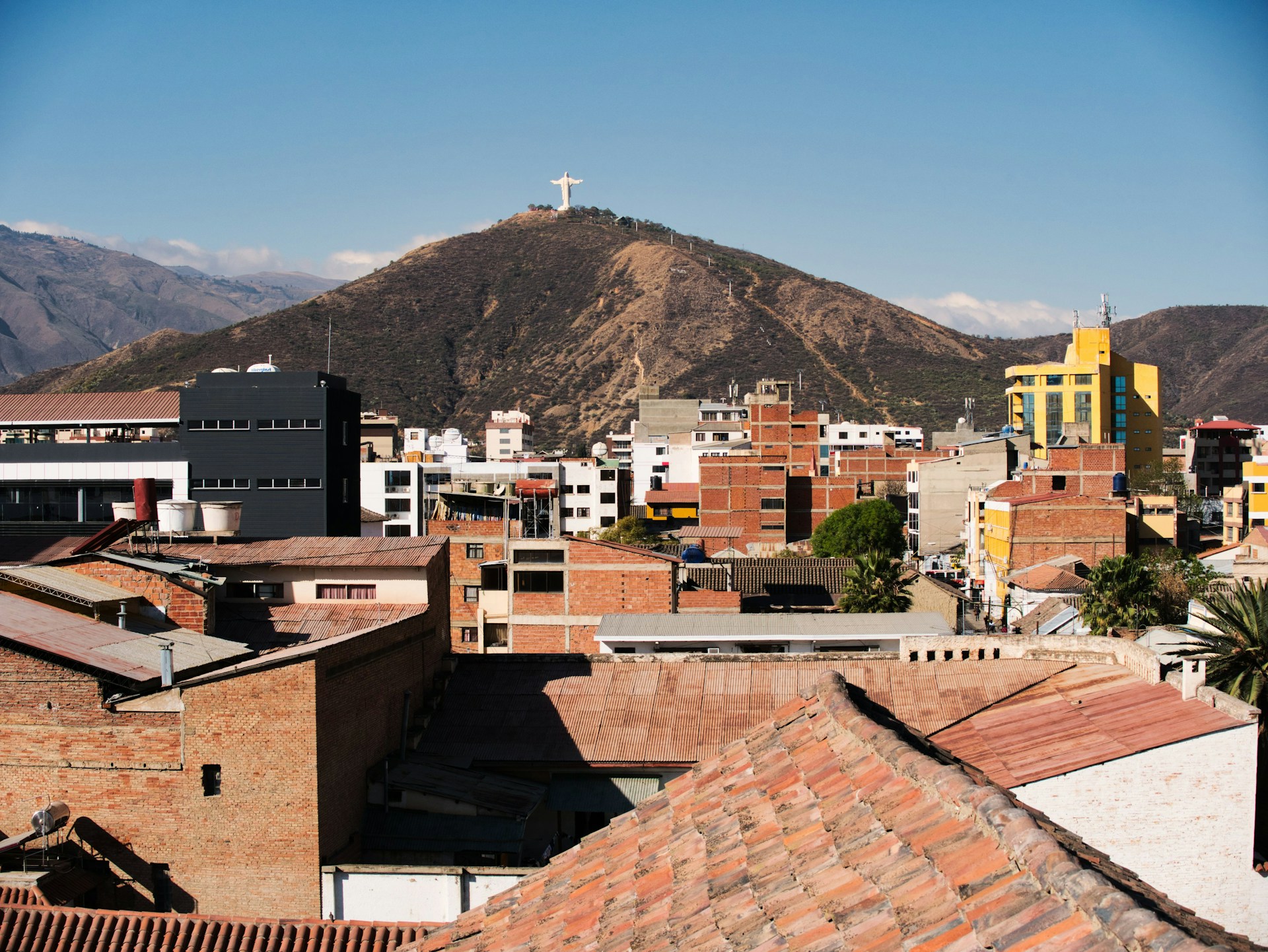
For the big view, I headed up to Cristo de la Concordia, which overlooks Cochabamba and the surrounding green valley. But food was still the part I remembered most.
How Cochabamba fits into your Bolivia itinerary
Cochabamba sits naturally between La Paz and Sucre and works well as a two-night stop while traveling through central Bolivia. I'd include it particularly if food and local markets are a priority.
Lunch is the meal I'd plan around here. Look for a busy local restaurant serving a set almuerzo, which is often an inexpensive way to try several traditional dishes.
Santa Cruz
(pronounced: SAN-ta KROOS)
Santa Cruz at a glance
Eastern Bolivia
Lowland culture, tropical scenery, and Samaipata
2 nights
Culture seekers, road trippers, and nature lovers
Tropical, energetic, modern, and green
May to October
Santa Cruz gave me a chance to experience Bolivia without constantly thinking about altitude. After time in the Andes, I immediately noticed the heat, humidity, palm trees, and much flatter landscape.
I started around Plaza 24 de Septiembre, where the cathedral and older buildings preserve some of the city's historic character despite the huge modern metropolis that has grown around them.
I enjoyed grabbing a cold drink and sitting in the shade here, watching the plaza rather than rushing off to another attraction.
But I found the surrounding region more interesting than Santa Cruz's city sights.
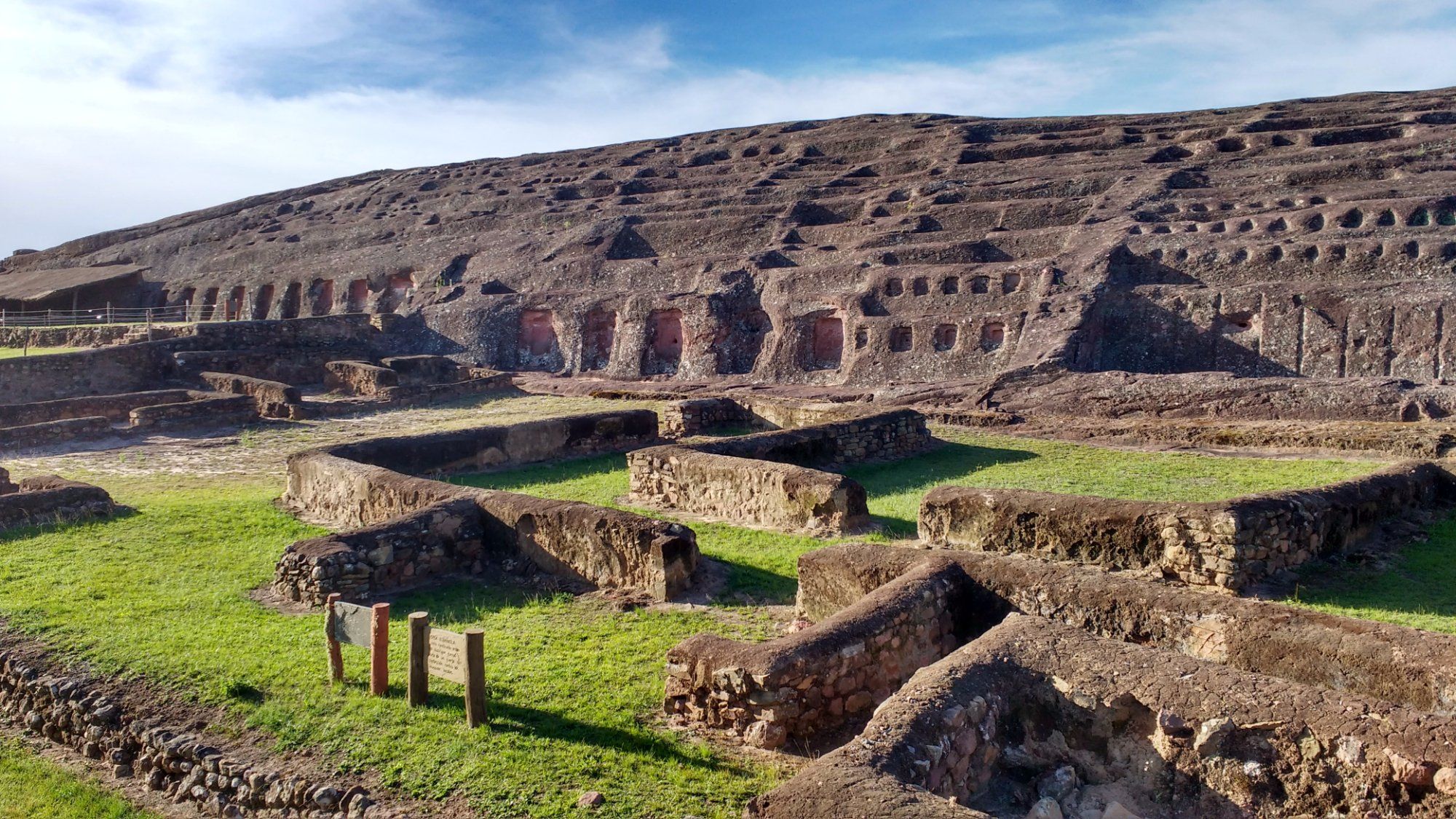
I took a trip toward Samaipata, where El Fuerte sits on a hilltop overlooking the eastern foothills of the Andes. The enormous carved rock has a complicated history, with the site occupied by different cultures before eventually becoming an Inca settlement.
The journey there was part of what I enjoyed. Leaving the hot lowlands and climbing into greener, hillier countryside showed me just how quickly Bolivia's geography can change.
I'd use Santa Cruz primarily as a comfortable gateway to exploring this part of the country.
How Santa Cruz fits into your Bolivia itinerary
Santa Cruz works well at the beginning or end of an eastern Bolivia route, particularly if you're flying domestically. From here, I'd continue toward Samaipata or use the city as a gateway to Bolivia's lowland national parks.
If Samaipata particularly interests you, consider staying there overnight instead of doing a long return day trip. You'll have more time for the archaeological site and surrounding countryside.
Tiwanaku
(pronounced: tee-wa-NA-koo)
Tiwanaku at a glance
Bolivian Altiplano, west of La Paz
Archaeology, pre-Inca history, ancient architecture, Altiplano scenery
Half-day trip
History lovers, archaeology enthusiasts, curious first-time visitors
Ancient, windswept, mysterious, thought-provoking
May–October for generally clearer, drier conditions
I knew Bolivia's Inca history before my trip, but Tiwanaku took me much further back.
This civilization flourished around Lake Titicaca centuries before the Inca Empire, and knowing that changed how I looked at the ruins as I walked around them.
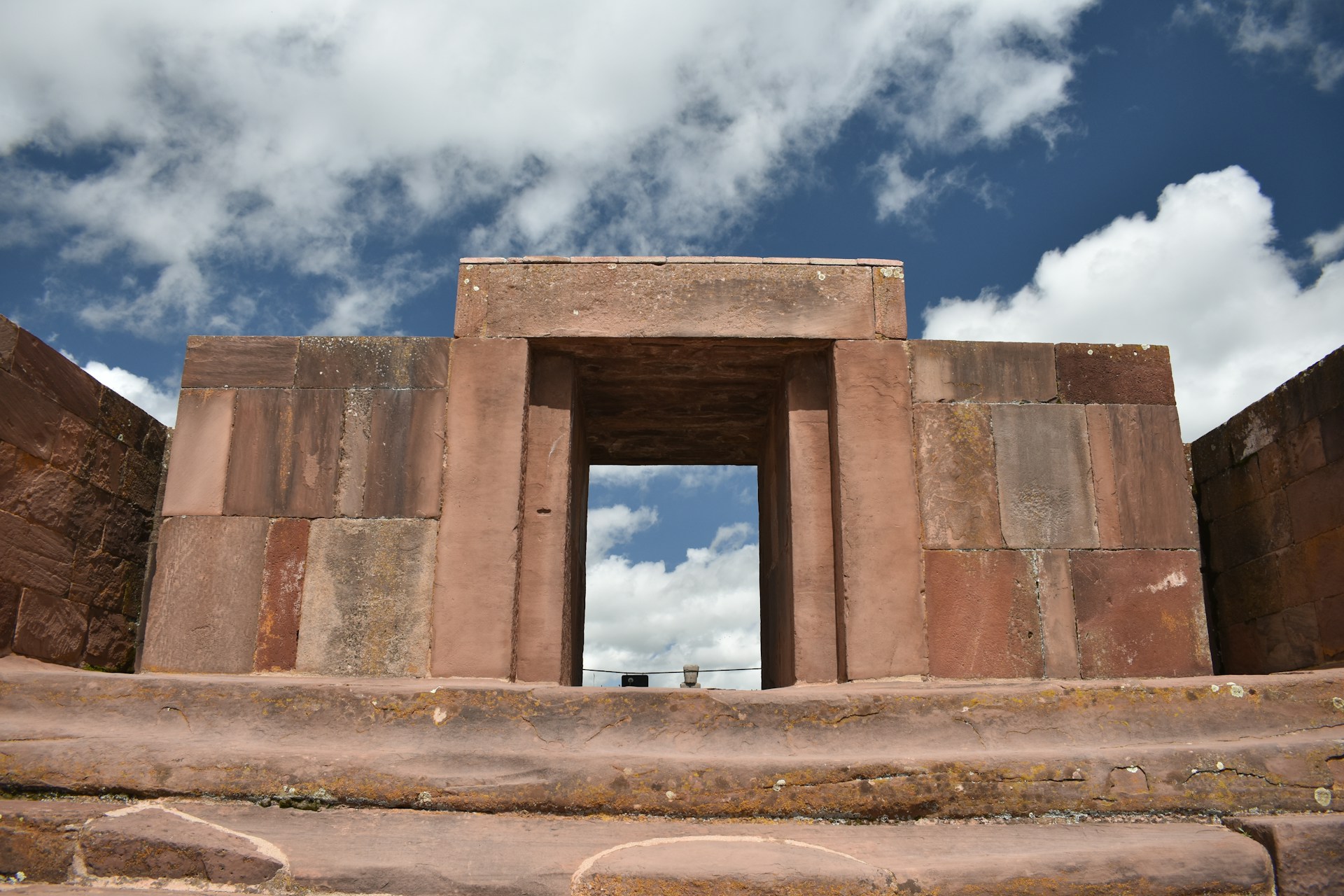
The Gate of the Sun was the monument I most wanted to see, but I spent longer at the Semi-Subterranean Temple.
Its stone walls are embedded with dozens of carved heads, each with slightly different features, and I found myself walking slowly around, trying to pick out the individual faces.
Enormous stone blocks and monoliths hinted at how sophisticated Tiwanaku once was. Much of the original city has disappeared, so I found that understanding what I was looking at required a little imagination.
Having someone explain the site's history made a huge difference.
The Altiplano setting added to the experience. The landscape stretched away almost completely flat, with that intense high-altitude light making the ruins feel remarkably exposed.
Tiwanaku wasn't about grand scale for me. I enjoyed it because it added an entirely different chapter to my understanding of Bolivia.
How Tiwanaku fits into your Bolivia itinerary
Tiwanaku is an easy day or half-day trip from La Paz. It also fits naturally into the journey west toward Lake Titicaca, so I'd combine the two rather than treating it as a separate detour.
Visit with a knowledgeable guide if you can. Many of the most interesting details aren't immediately obvious from looking at the stones alone.
Rurrenabaque and the Amazon
(pronounced: roo-reh-na-BA-keh)
Rurrenabaque and the Amazon at a glance
Northern Bolivia, Amazon Basin
Wildlife, rainforest, river trips, and jungle lodges
3-4 nights
Wildlife lovers, photographers, and adventure travellers
Wild, humid, remote, and adventurous
May to October
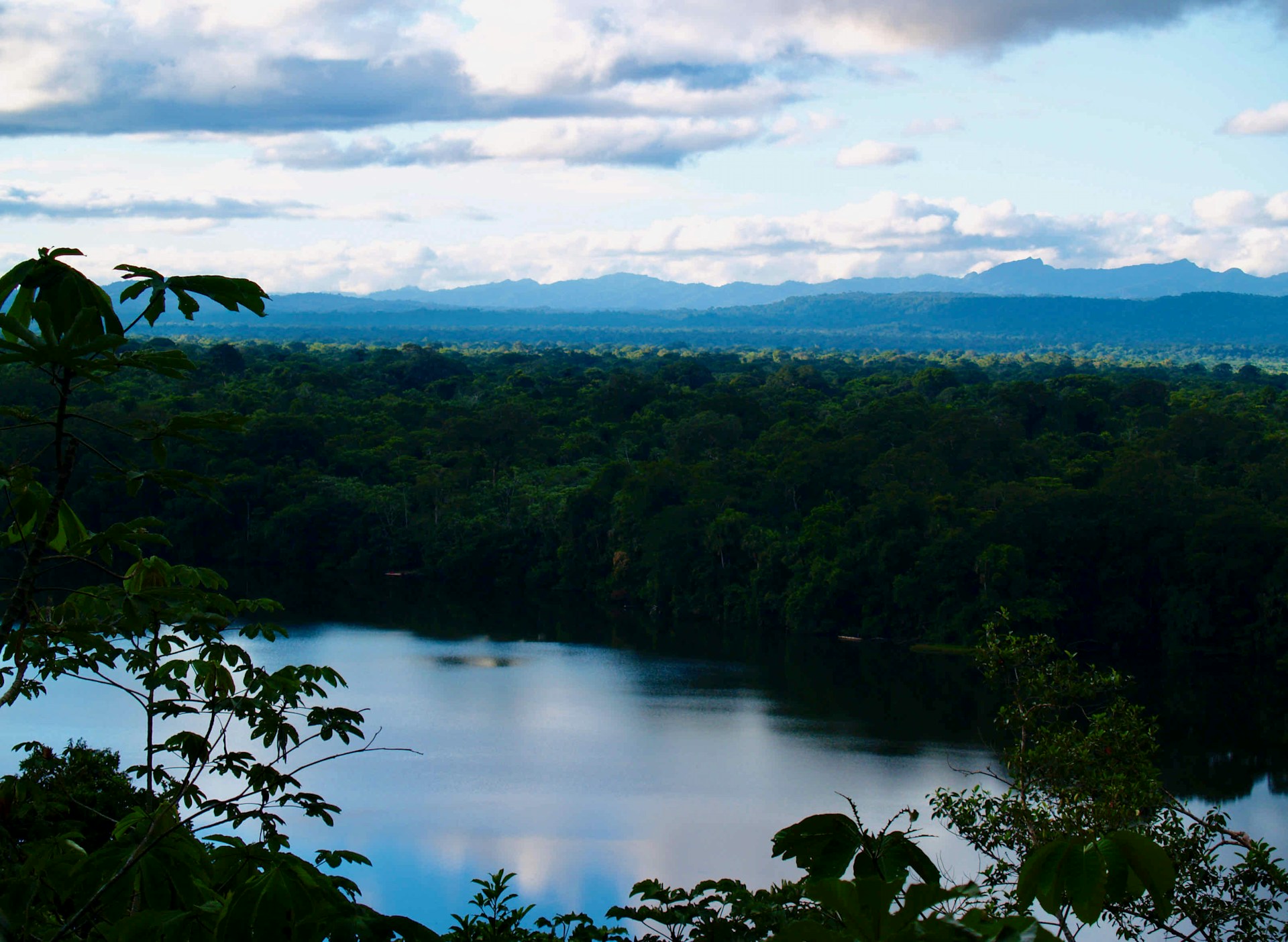
Flying into Rurrenabaque was one of those journeys where I spent most of the flight looking out the window.
Leaving the mountains behind and watching the landscape turn into seemingly endless green rainforest gave me a completely different perspective on Bolivia.
From Rurrenabaque, I explored two sides of the Amazon. Madidi National Park was the classic jungle experience I had imagined, with dense vegetation, enormous trees, noisy insects, and boat journeys along brown rivers.
I loved how much of the wildlife there was heard before it was actually seen.
The pampas were almost the opposite. The open wetlands made wildlife much easier to spot, and I saw capybaras, caimans, monkeys, and an incredible variety of birds from the boat. Seeing pink river dolphins surface nearby was my favorite moment.
What stayed with me most, though, was being on the river around dusk. As the light faded, the jungle seemed to get louder rather than quieter.
For me, Rurrenabaque was less about ticking off individual animals and more about spending several days completely immersed in the Amazon environment.
How Rurrenabaque fits into your Bolivia itinerary
Rurrenabaque pairs naturally with La Paz, with flights making the transition from the Altiplano to the Amazon surprisingly quick. I'd allow at least three nights so the journey feels like a proper Amazon experience rather than a rushed excursion.
Pack a lightweight long-sleeved shirt, long trousers, and plenty of insect repellent. Mosquito protection matters far more here than having a wardrobe full of different outfits.
Potosí
(pronounced: poh-toh-SEE)
Potosí at a glance
Southern highlands of Bolivia
Colonial and mining history, architecture, and museums
2 nights
History lovers, cultural travellers, and those comfortable with high altitude
Historic, intense, atmospheric, and thought-provoking
May to October
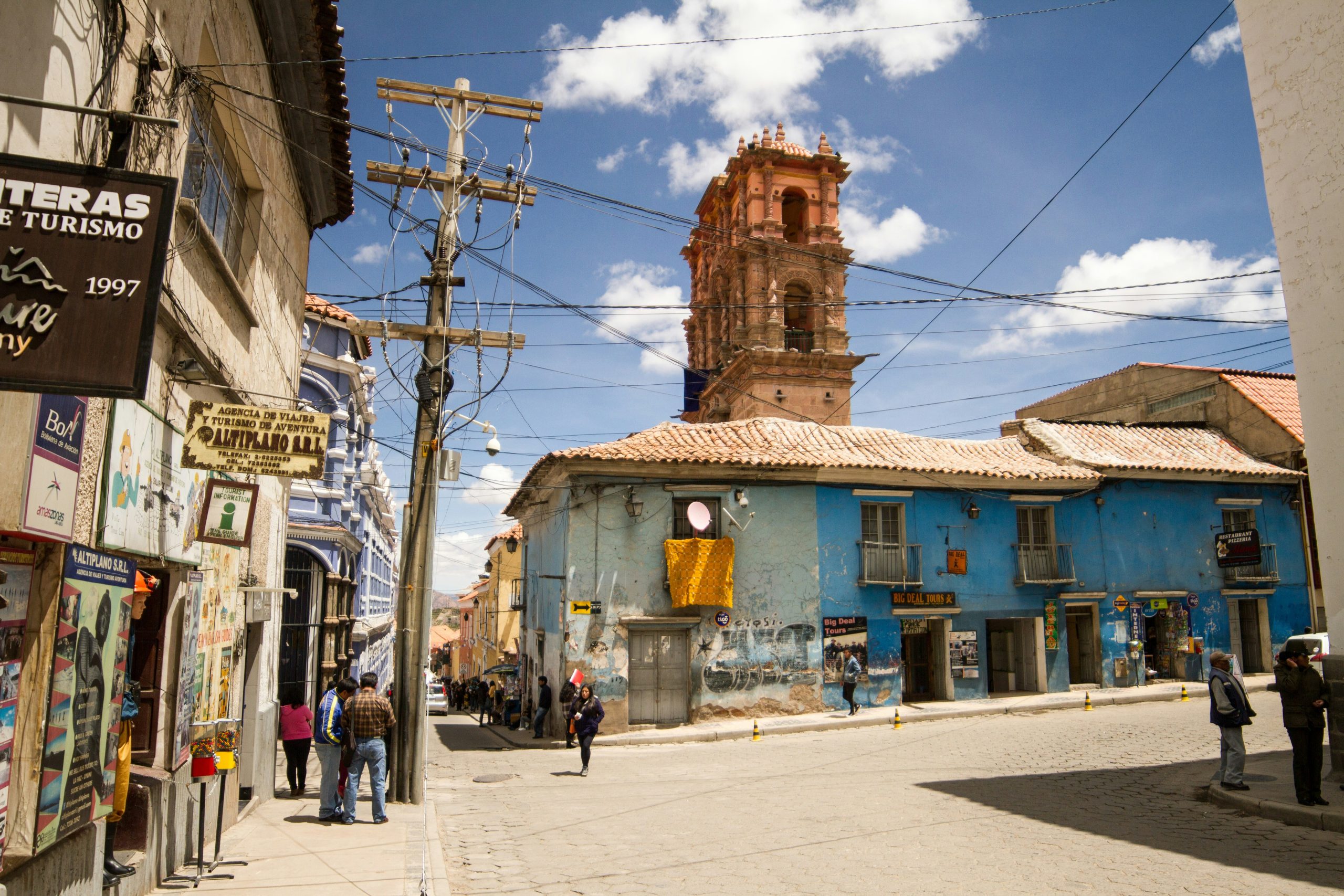
Potosí was one of the places in Bolivia where I found the history impossible to separate from what I was seeing around me.
Cerro Rico looms over the city, and knowing how much silver was extracted from that mountain made the grand churches and colonial buildings below feel very different.
At its height, Potosí became enormously wealthy under Spanish rule, but that wealth came at a devastating human cost for Indigenous and enslaved workers. I found that contrast particularly striking while walking through the historic center.
The Casa Nacional de la Moneda helped put much of that history into context. This former royal mint once processed silver from Cerro Rico, and I enjoyed seeing the old machinery, coins, and enormous wooden mechanisms that remain inside.
Visiting the mines was much harder. They're still active workplaces, and the cramped tunnels and difficult conditions made the experience uncomfortable in a way I think it should be.
I left with far more respect for the people who continue to make their living inside the mountain.
Potosí wasn't my easiest stop in Bolivia, physically or emotionally, but it was one of the most meaningful.
How Potosí fits into your Bolivia itinerary
Potosí fits particularly well between Sucre and Uyuni, making it a useful historical stop before heading toward the salt flats. I'd spend two nights rather than rushing straight through.
Don't make Potosí your first high-altitude destination. At over 4,000 meters, I would acclimatize somewhere lower first and keep my first day deliberately easy.
Lake Titicaca and Isla del Sol
(pronounced: tee-tee-KA-ka)
Lake Titicaca and Isla del Sol at a glance
Western Bolivia, on the border with Peru
Island walks, Inca history, and lake scenery
2 nights
Hikers, photographers, history lovers, and slow travellers
Peaceful, remote, traditional, spectacular
May to October
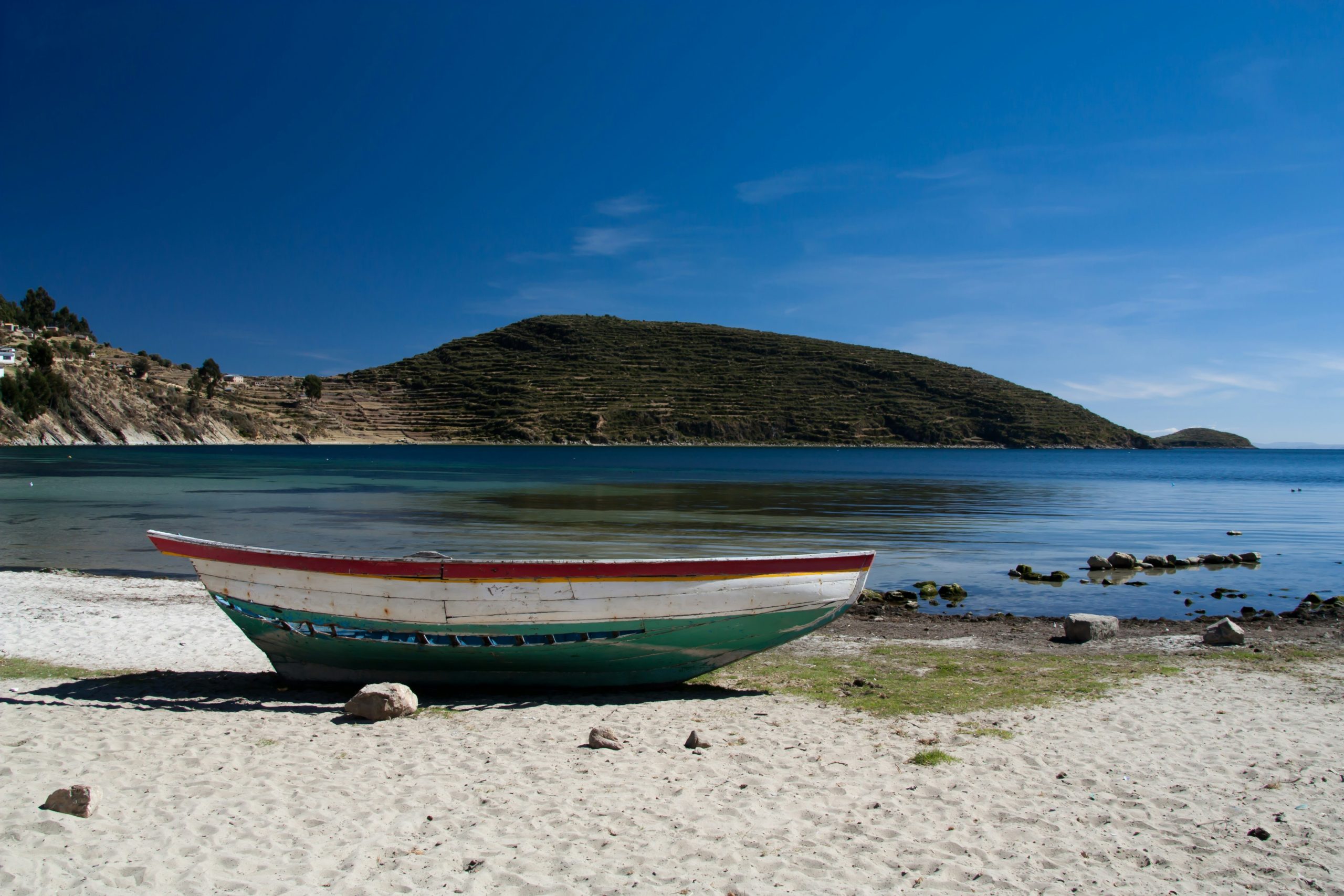
Lake Titicaca was even bluer than I expected. I got my first proper sense of its scale around Copacabana, but Isla del Sol was where I really understood why this lake plays such an important role in Andean history and mythology.
Once I arrived on the island, everything became wonderfully simple. There are no cars, so I explored on foot along stone paths that climbed between small communities, old Inca sites, agricultural terraces, and viewpoints over the water.
Walking high along the island was my favourite experience. The lake seemed to stretch forever, and on a clear day I could see the snowy Cordillera Real rising in the distance.
I stopped constantly, partly to admire the view and partly because walking uphill at around 4,000 metres demanded a slower pace.
I was glad I stayed overnight rather than catching a boat straight back. After the day visitors left, Isla del Sol became much quieter.
Watching the light change across Lake Titicaca that evening was one of those simple travel moments I didn't need to fill with anything else.
For me, the island deserved time rather than a rushed sightseeing visit.
How Lake Titicaca and Isla del Sol fit into your Bolivia itinerary
I'd visit Lake Titicaca from La Paz, spending a night in Copacabana or continuing directly to Isla del Sol. It's also a natural stop if you're travelling overland between Bolivia and Peru.
Pack lightly if you're staying overnight. Reaching some accommodation involves climbing steep stone paths at high altitude, and I wouldn't want to tackle them with a heavy suitcase.
Sucre
(pronounced: SOO-kreh)
Sucre at a glance
Southern highlands of Bolivia
Colonial architecture, Spanish lessons, and dinosaur tracks
3 nights
Culture lovers, history enthusiasts, and slow travellers
Elegant, youthful, relaxed, and historic
April to October
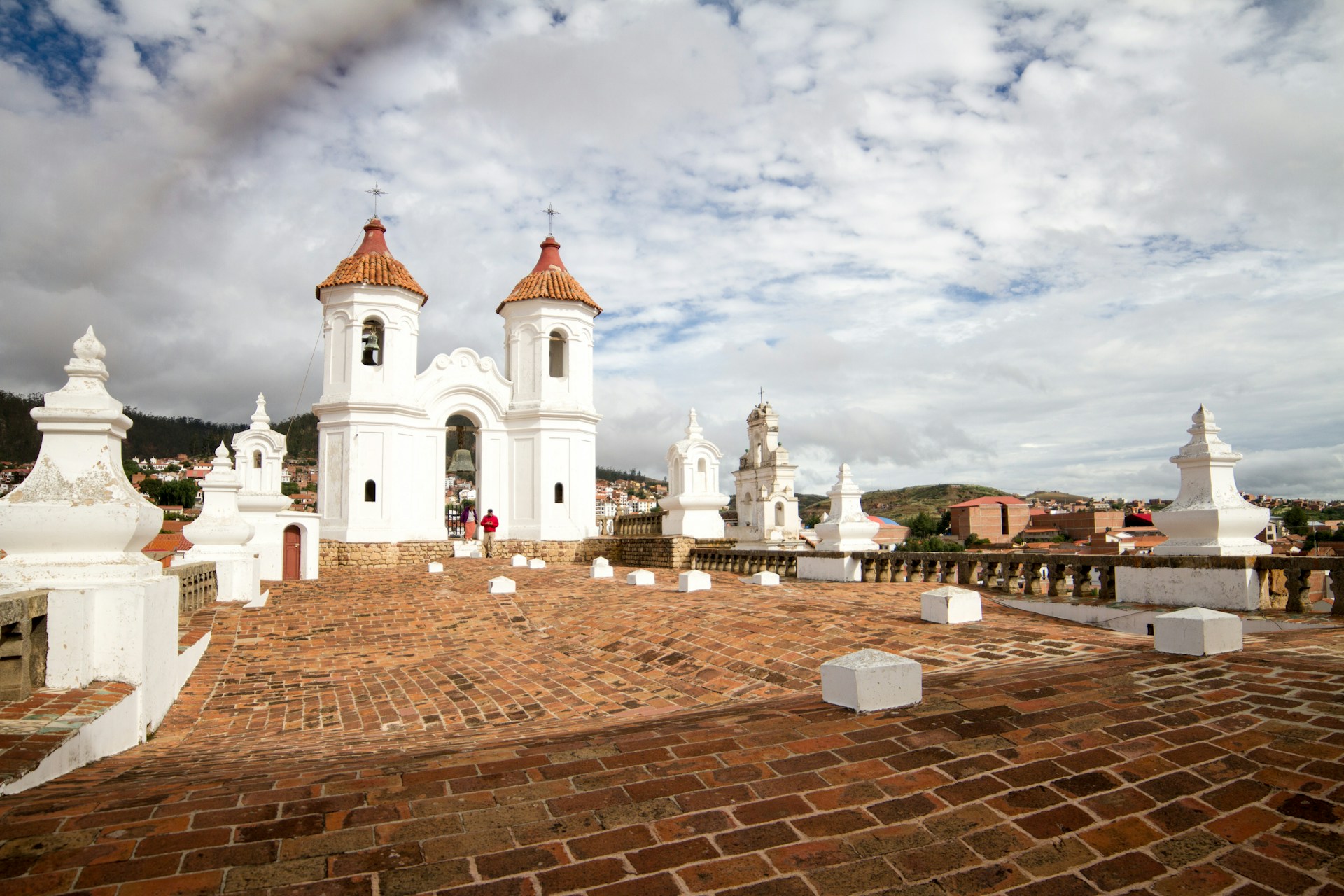
Sucre was my favourite city in Bolivia to explore on foot. After some of the country's harsher high-altitude landscapes, I loved being somewhere greener and gentler, where I could spend an afternoon wandering without every outing feeling like an expedition.
The historic centre is beautifully cohesive, with whitewashed buildings, tiled roofs, churches, courtyards, and leafy plazas appearing around almost every corner.
I particularly enjoyed finding viewpoints above the city, where the white buildings and red roofs spread across the valley below.
Sucre also felt young and lived-in rather than preserved purely for visitors. Its universities bring plenty of energy to the centre, while markets and small restaurants made it easy for me to fill the gaps between sightseeing.
The strangest excursion was Cal Orck'o. Thousands of dinosaur footprints run across a huge limestone wall that now sits almost vertically, and seeing recognizable tracks climbing what looks like a cliff took my brain a moment to process.
I also enjoyed getting outside the city to experience the surrounding Indigenous communities and markets. Together, those experiences gave Sucre far more variety than I initially expected from such a beautiful colonial city.
How Sucre fits into your Bolivia itinerary
Sucre fits perfectly between central Bolivia and Potosí, with Uyuni a logical next stop after that. I'd give Sucre three nights, especially if you want a slightly slower break between Bolivia's more demanding destinations.
If you're interested in Tarabuco's famous market, try to arrange your Sucre stay around a Sunday. That's when the town's weekly market takes place.
La Paz
(pronounced: la PAHS)
La Paz at a glance
Western Bolivia
Markets, cable cars, Andean culture, and dramatic city views
3 nights
Culture seekers, food lovers, and urban explorers
Chaotic, colourful, energetic, and unmistakably Andean
May to October
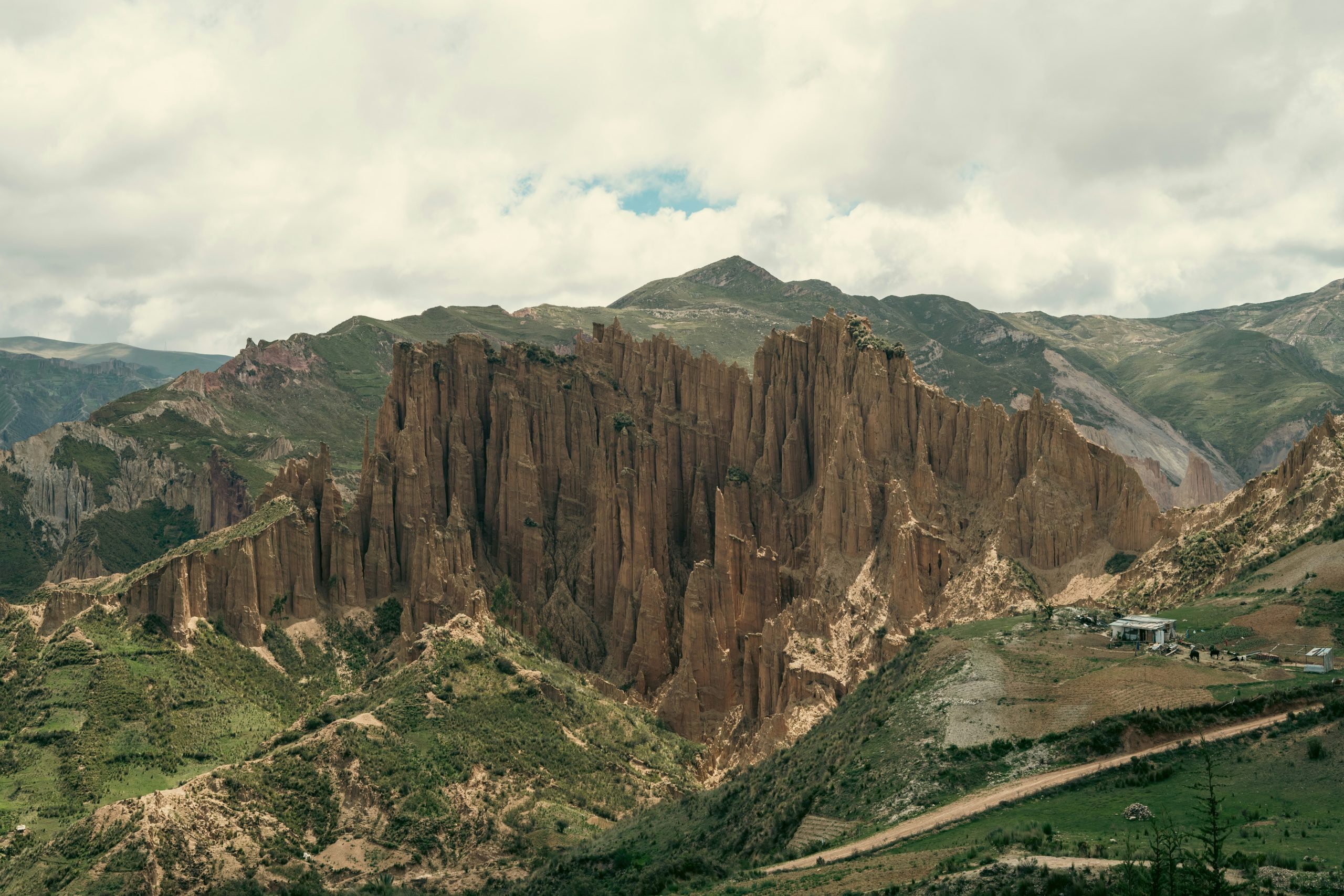
I don't think any other city in Bolivia made quite the same first impression on me as La Paz. Seeing thousands of buildings packed into a huge canyon, with El Alto sprawling across the rim above, immediately made me want to understand how this city worked.
Mi Teleférico gave me the answer better than any viewpoint could. I rode the cable cars across different parts of La Paz, watching neighbourhoods, markets, steep streets, and seemingly endless rooftops pass underneath.
The fact that something so scenic is simply part of the daily commute here made me love it even more. I particularly enjoyed riding around sunset, when the surrounding mountains began catching the last light.
At street level, La Paz felt completely different.
I wandered through busy markets, tried street food, and explored the Witches' Market, where stalls selling medicinal plants and traditional Andean offerings provided a fascinating glimpse into beliefs that remain part of life here.
I also made time for Valle de la Luna, where narrow walking trails weave through strange eroded rock formations just outside the urban centre.
La Paz was intense, but that energy became one of my favourite things about it.
How La Paz fits into your Bolivia itinerary
La Paz is one of Bolivia's best bases, with Tiwanaku and Lake Titicaca both fitting naturally around a stay here. It's also the easiest jumping-off point for flying north to Rurrenabaque and the Amazon.
Give yourself a deliberately quiet first day. La Paz sits at around 3,650 metres, and I found it much more enjoyable once I'd allowed my body some time to adjust.
Salar de Uyuni
(pronounced: sa-LAR deh oo-YOO-nee)
Salar de Uyuni at a glance
Southwestern Bolivia
Salt flats, Altiplano landscapes, flamingos, and 4x4 adventures
3 nights
Photographers, nature lovers, adventure travellers, and first-time visitors
Otherworldly, vast, remote, and adventurous
May to October for dry salt flats, January to March for mirror conditions
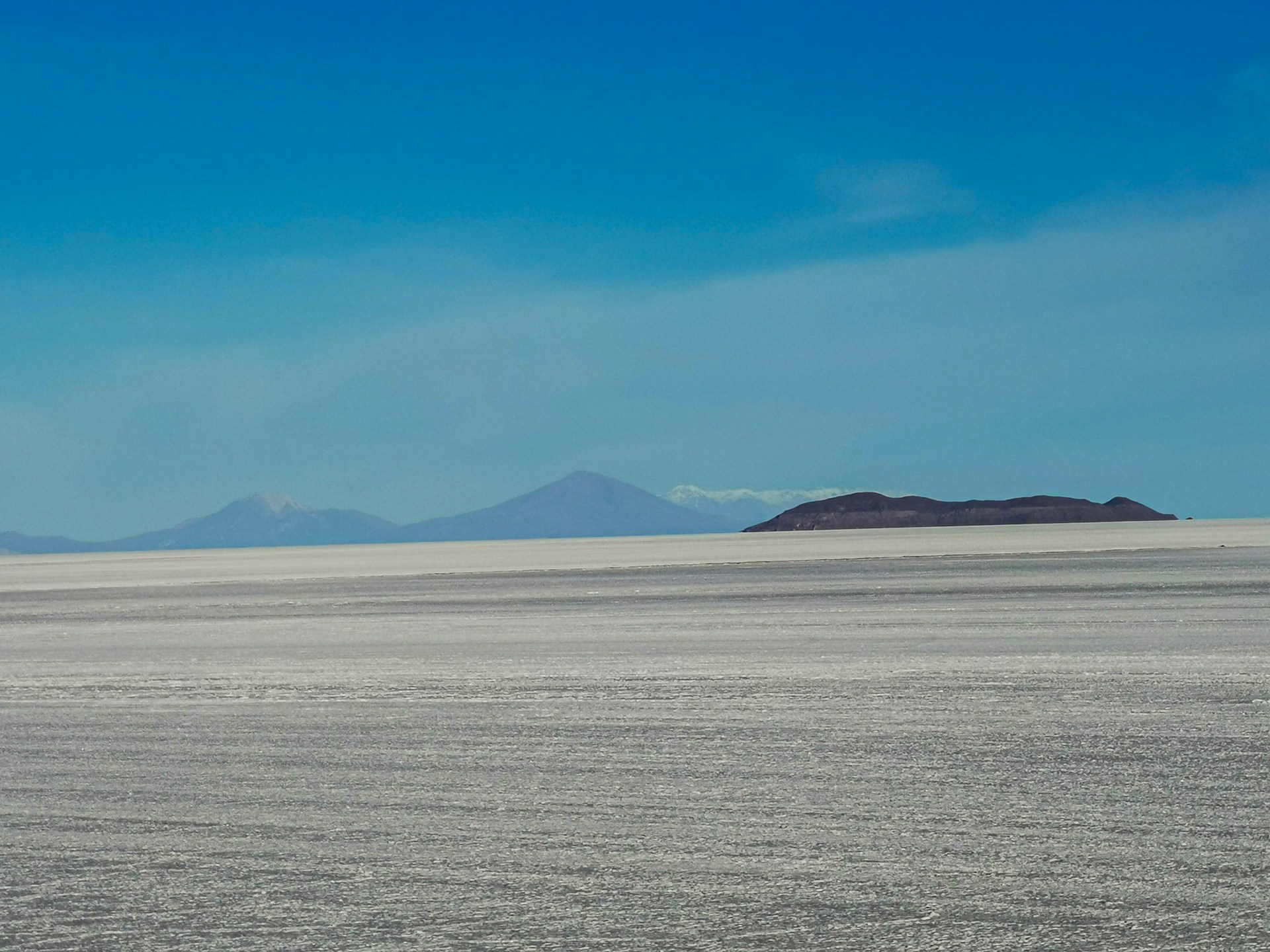
Nothing prepared me for how enormous Salar de Uyuni looked once I was actually standing on it. In the dry season, the white salt crust stretched to the horizon in every direction, with almost nothing to give me a sense of distance or scale.
I had far too much fun taking the ridiculous perspective photos that everyone comes home with.
But Uyuni became much more than the salt flat once I continued south on a three-day 4x4 tour.
Each day seemed to bring a completely different landscape, from cactus-covered Incahuasi to barren desert, steaming geothermal areas, and brilliantly coloured lagoons.
Laguna Colorada was one of my favourite stops. Seeing flamingos feeding in that rusty-red water, surrounded by an almost empty Altiplano landscape, was one of those scenes that looked slightly unreal even while I was standing there.
The long drives were part of the experience too. Hours passed with barely another building or vehicle in sight.
I came away thinking the classic three-day trip was absolutely worth the extra time. The salt flat gets the attention, but southwestern Bolivia beyond it was just as memorable.
How Salar de Uyuni fits into your Bolivia itinerary
Uyuni fits naturally after Sucre and Potosí, creating an excellent route through southern Bolivia. If you're continuing into Chile, I'd take the three-day tour that finishes near the border and continue onward to San Pedro de Atacama.
Choose your tour operator carefully rather than simply booking the cheapest option in Uyuni. You'll spend several days in remote terrain, so vehicle condition, an experienced driver, accommodation, and emergency preparation matter.
Bolivia's distances, altitude, and dramatic changes in landscape make it a country where I think the route matters almost as much as the destinations themselves.
With one week, I'd concentrate on the highlands rather than spend too much time flying around. With two weeks, you can add the Amazon and see just how different Bolivia becomes once you leave the Andes.
Bolivia itinerary: 7 days
Route: La Paz → Lake Titicaca → Sucre → Potosí → Salar de Uyuni
| Days 1-2 | Day 3 | Days 4 | Days 5 | Days 6-7 |
|---|---|---|---|---|---|
Destination | La Paz | Lake Titicaca & Copacabana | Sucre | Potosí | Salar de Uyuni |
Overnight | La Paz | Copacabana | Sucre | Potosí | Uyuni or departure |
Why this route? For a Bolivia itinerary of 7 days, I'd focus on the country's strongest highland experiences.
You get La Paz and its markets and cable cars, Lake Titicaca, the colonial history of Sucre and Potosí, and finish with Bolivia's most famous landscape at Salar de Uyuni.
*This is a fairly fast itinerary, so I'd use a domestic flight where it saves significant travel time. If you prefer slower travel, I'd skip either Lake Titicaca or Potosí and give Sucre an extra night.
Bolivia itinerary: 2 weeks
Route: La Paz → Lake Titicaca → Rurrenabaque & Amazon → Sucre → Potosí → Salar de Uyuni
Week 1 | Days 1-3 | Days 4-5 | Days 6-8 |
|---|---|---|---|
Destination | La Paz, including Tiwanaku | Lake Titicaca & Isla del Sol | Rurrenabaque & Amazon |
Overnight | La Paz | Isla del Sol / Copacabana | Jungle / pampas lodge |
Week 2 | Days 9-10 | Days 11 | Days 12-14 |
|---|---|---|---|
Destination | Sucre | Potosí | Salar de Uyuni & southwest Altiplano |
Overnight | Sucre | Potosí | Salar de Uyuni |
Why this route? With a Bolivia itinerary of 2 weeks, I'd still resist trying to cover every corner of the country.
This route combines the Andes, Indigenous and colonial history, Lake Titicaca, the Amazon, and the extraordinary landscapes around Uyuni without turning the entire trip into a race between airports and bus stations.
*The biggest contrast for me would be flying between La Paz and Rurrenabaque. In less than an hour, you go from the high, dry Altiplano to tropical Amazonian greenery. I'd then finish with the three-day Uyuni tour, which gives the trip a spectacular final stretch through the salt flats, lagoons, deserts, and geothermal landscapes of southwestern Bolivia.
Why Bolivia deserves more than a stopover
Bolivia is the kind of country where I think a longer visit completely changes the experience. The salt flats might be what first gets people here, but they ended up being only one part of what I loved about travelling through the country.
Some of my favourite experiences couldn't have been more different, from riding the cable cars above La Paz and walking across Isla del Sol to spotting wildlife in the Amazon and exploring the white streets of Sucre.
I also loved how quickly the landscape changed. I went from cold, high-altitude cities and enormous salt flats to green valleys, vineyards, wetlands, and tropical rainforest, often within the same trip.
If you're visiting Bolivia for the first time, I'd resist treating Uyuni as a quick stop between Peru and Chile. Give yourself at least a week if you can, choose a few different regions, and you'll see a side of Bolivia that a salt-flat stopover alone simply can't show you.
FAQs about visiting Bolivia
Bolivia uses the Bolivian boliviano (BOB). Cards are accepted at many hotels and larger businesses, but I would still carry cash for markets, smaller restaurants, rural areas, and local transport.
Visa requirements for Bolivia depend on your nationality. Travellers from many countries can enter visa-free for short stays, while others need to obtain a visa before travelling or on arrival. Entry conditions and permitted stays vary by passport, so check Bolivia's current requirements for your nationality before your trip.
For most travellers, May to October is the easiest period, with drier weather and clearer skies across much of the highlands. If seeing Salar de Uyuni's famous mirror effect is a priority, January to March is usually the better window.
Most travellers visit Bolivia without serious problems, but petty theft, demonstrations, roadblocks, and transport disruption can occur. Check current travel advisories before your trip, particularly if travelling overland, as conditions can change quickly.
Spanish is the most widely used language, alongside numerous Indigenous languages including Quechua, Aymara, and Guaraní. I found that learning a few basic Spanish phrases made everyday travel considerably easier.
Bolivia commonly uses Type A and Type C electrical plugs. Electricity is generally 230V at 50Hz, although travellers may encounter variations, so I'd check that chargers and appliances support the local voltage and pack a universal travel adapter.
Driving in Bolivia can be challenging, particularly outside the major cities. Road quality varies considerably, mountain routes can be narrow and poorly maintained, and conditions become more difficult during the rainy season. For most first-time visitors, I'd use buses, domestic flights, organised tours, and private transfers rather than renting a car for the entire trip.
Ready to explore Bolivia? Optimise Travel is here to help
Bolivia packs an extraordinary amount into one country, and deciding how to divide your time between its high-altitude cities, salt flats, Amazon rainforest, historic towns, lakes, and remote landscapes can be surprisingly difficult.
At Optimise Travel, we create personalized travel itineraries based on your interests, travel style, and budget.
Whether you're dreaming of crossing Salar de Uyuni, riding the cable cars above La Paz, walking across Isla del Sol, exploring the white streets of Sucre, discovering the history of Potosí, or heading into the Amazon from Rurrenabaque, we'll help you build an itinerary that makes the most of your time.
If you'd like help planning your trip to Bolivia, click here to learn more about our concierge travel services.