

Paraguay feels like one of South America's best-kept secrets.
I found Jesuit ruins, enormous rivers, red-earth landscapes, wildlife-filled wetlands, and cities where Guaraní culture remained part of everyday life.
What I enjoyed most, though, was travelling somewhere that didn't seem shaped around tourism. I rarely felt like I was following a well-worn itinerary.
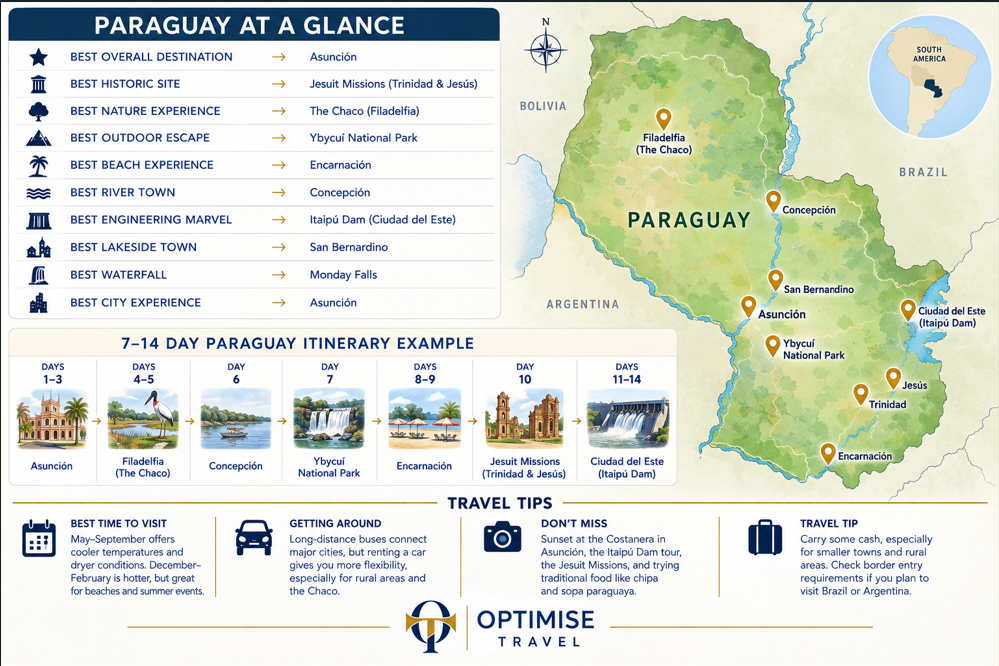
If you're curious about one of the continent's least-visited countries, these are the 10 places in Paraguay I'd make room for on your trip.
Have You Seen Our Travel Concierge Service?
Your trip, planned by local experts
We are not a travel agent - we design custom itineraries around your budget and style, without receiving commissions or booking fees.
Custom itinerary
Built around your dates, budget, and travel style.
Local expert knowledge
Recommendations from people on the ground, not review sites.
Travel smarter, spend less
We optimise for your budget to make your money go further.
Filadelfia and the Chaco
(pronounced: fee-la-DEL-fya / CHA-koh)
Filadelfia and the Chaco at a glance
Northwestern Paraguay
Wildlife, birdwatching, wilderness, Mennonite culture
2-3 nights
Outdoor enthusiasts, photographers, and adventure travellers
Remote, wild, dusty, and expansive
May to September
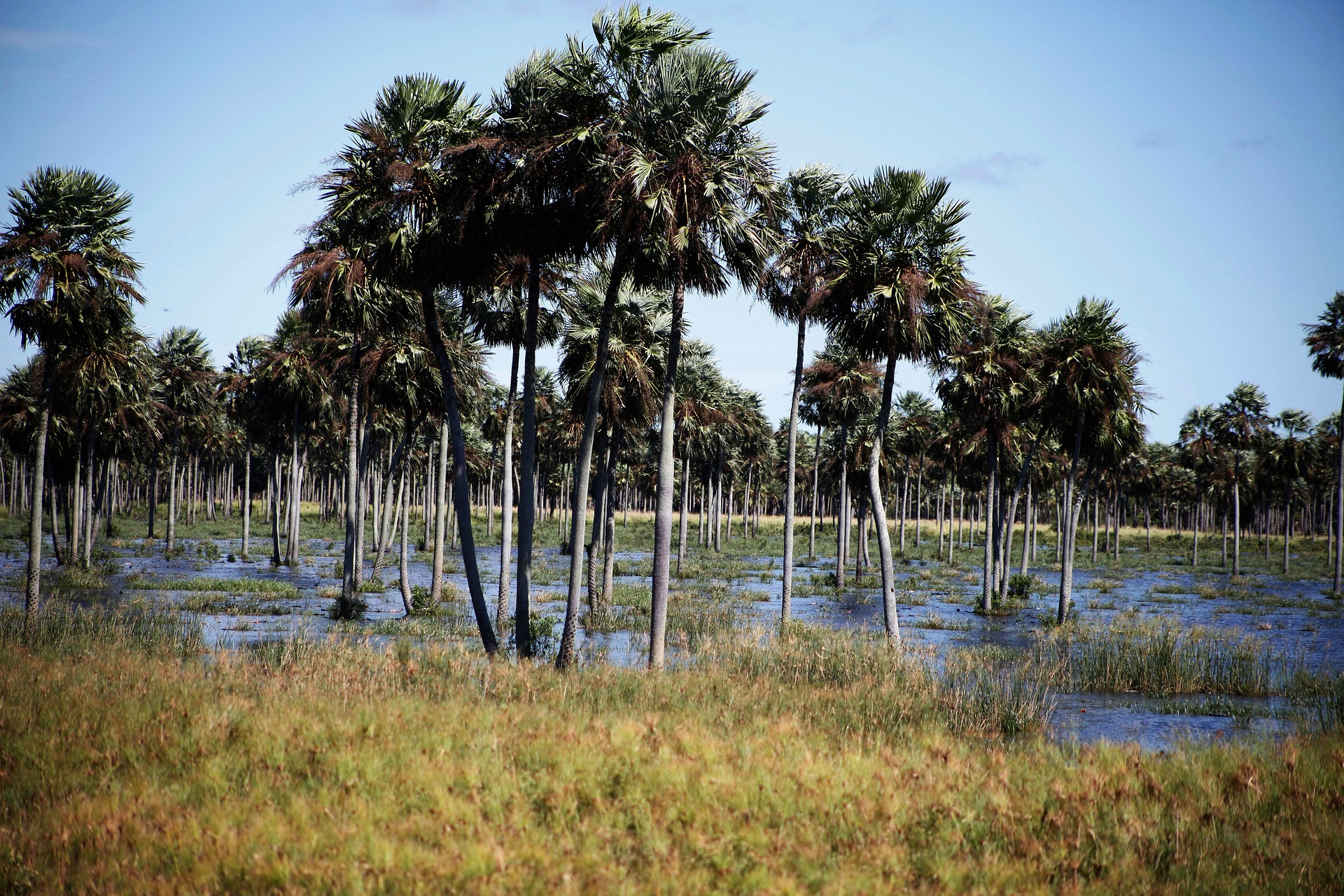
The Chaco gave me a completely different experience of Paraguay.
The landscape was vast and incredibly flat, with dusty roads running through scrub, grassland, and wetlands that seemed to continue indefinitely.
Some of the best birdwatching I've done anywhere was here. I saw greater rheas striding through the open landscape and colourful toco toucans, along with so many other species that I quickly stopped putting my camera away between sightings.
Mammals are harder to spot, but armadillos, peccaries, giant anteaters, and even jaguars live within the wider Chaco.
I based myself around Filadelfia, which was fascinating in its own right.
The orderly Mennonite town felt almost improbable surrounded by so much wilderness, and learning how these communities adapted to such a harsh environment added another dimension to my visit.
You can explore parts of the Chaco on guided wildlife safaris or take a self-drive safari if you're comfortable with remote roads and long distances.
I preferred having a guide for wildlife spotting, especially because experienced local eyes picked out things I would have driven straight past.
For me, this was Paraguay at its wildest.
How Filadelfia and the Chaco fit into your Paraguay itinerary
The Chaco is a substantial detour from Paraguay's more conventional eastern route, so I'd treat it as a dedicated 2–3-night trip from Asunción rather than squeezing it between other stops. It's particularly worth the journey if wildlife and birdwatching are priorities.
Start wildlife outings early. Temperatures are cooler, animals and birds are generally more active, and the light across the Chaco is much better for photography.
Concepción
(pronounced: kon-sep-see-OHN)
Concepción at a glance
Northern Paraguay, on the Río Paraguay
River trips, sportfishing, local culture, architecture
2 nights
Slow travellers, anglers, and photographers
Sleepy, historic, and unhurried
May to September
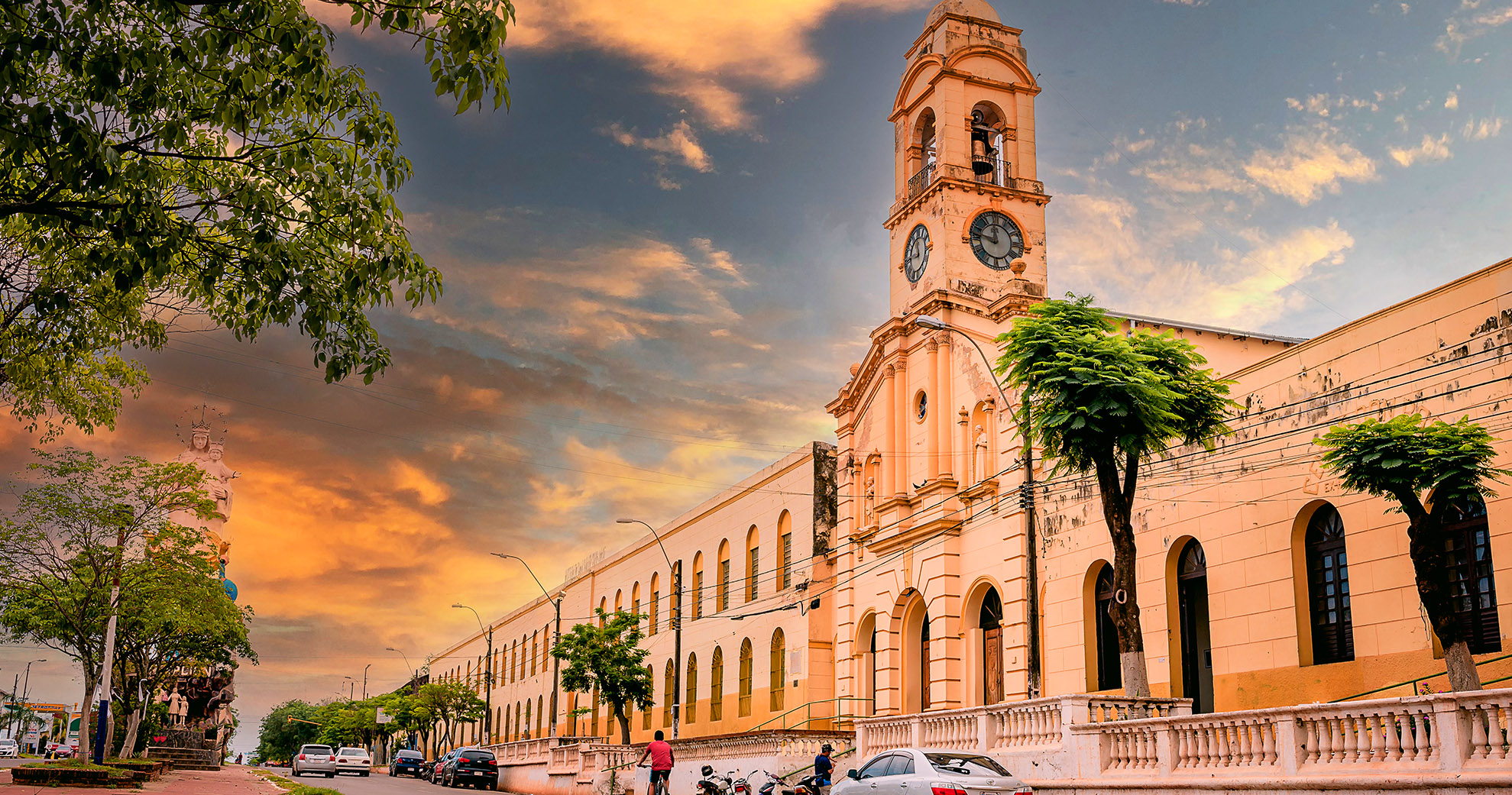
Concepción was one of those places where I enjoyed having very little on my schedule. Once an important river port, the city still had colourful old buildings and busy local streets, but life seemed to revolve around the wide Río Paraguay.
Walking along the riverfront was lovely, particularly later in the day when the temperature dropped and boats moved slowly across the brown water.
We also took a boat tour, which ended up being my favourite way to experience the area. From the water, I got a much better sense of just how important the river still is for communities throughout northern Paraguay.
I also hadn't realised how big sportfishing was here until I arrived. There were plenty of fishing charters heading out onto the river, with anglers coming in search of species such as dorado and surubí.
Even though fishing wasn't the main reason for my visit, it was interesting seeing that side of Concepción.
Between the river, older architecture, markets, and relaxed pace, I found it an easy place to spend a couple of nights before continuing north.
How Concepción fits into your Paraguay itinerary
Concepción makes the most sense as a northern stop after Asunción and can also be used as a jumping-off point for journeys farther up the Río Paraguay. It pairs particularly well with a longer itinerary exploring Paraguay's more remote northern regions.
If you're booking a river excursion or fishing charter, arrange it before arriving and confirm what's included. Trip lengths and how far boats travel from Concepción can vary considerably.
Ybycuí National Park
(pronounced: ee-bee-KWEE)
Ybycuí National Park at a glance
Paraguarí Department, southeastern Paraguay
Hiking, waterfalls, Atlantic Forest, wildlife
Full day
Hikers, nature lovers, birdwatchers, active travellers
Lush, peaceful, and adventurous
May to September
Ybycuí National Park gave me one of my favourite hiking days in Paraguay. After spending so much time travelling through open landscapes and cities, I loved getting beneath the canopy and properly exploring on foot.
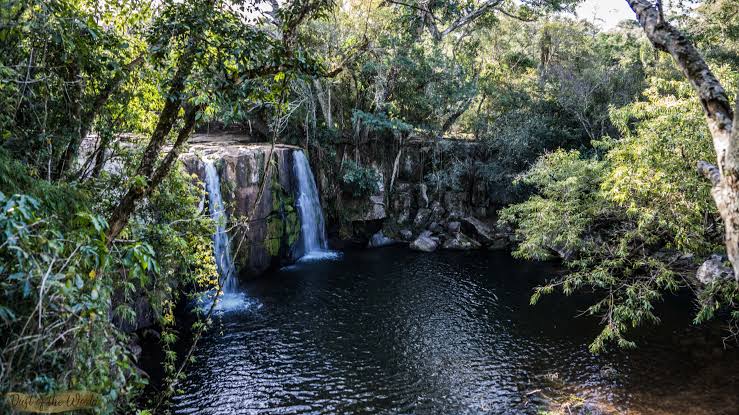
The trails took me through dense Atlantic Forest, with enormous trees overhead, birds calling from the canopy, and butterflies appearing along the more open sections.
It was warm and humid enough that I worked up a sweat fairly quickly, but the waterfalls scattered through the park gave me plenty of excuses to stop.
What I particularly enjoyed was that the hiking wasn't about reaching one enormous viewpoint. Instead, the scenery kept changing as I followed forest paths between streams, rocky sections, waterfalls, and natural swimming holes.
It made the whole day feel like an exploration rather than a march towards a single destination.
I also passed the ruins of La Rosada, an old ironworks hidden among the greenery. It was an unexpected bit of Paraguayan history in the middle of a hiking day, but for me, the forest and waterfalls were still the real highlights.
How Ybycuí National Park fits into your Paraguay itinerary
Ybycuí is roughly a three-hour drive from Asunción, making it possible as a long day trip. I'd include it between the capital and southern Paraguay if you're continuing towards Encarnación and the Jesuit missions.
Wear proper hiking shoes with decent grip. Trails around the streams and waterfalls can become slippery, particularly after rain.
Villarrica
(pronounced: vee-ya-REE-ka)
Villarrica at a glance
Guairá Department, southern Paraguay
Rural culture, yerba mate, historic streets, relaxed travel
1–2 nights
Slow travellers, culture lovers, couples, road trippers
Leafy, relaxed, traditional, welcoming
April–October
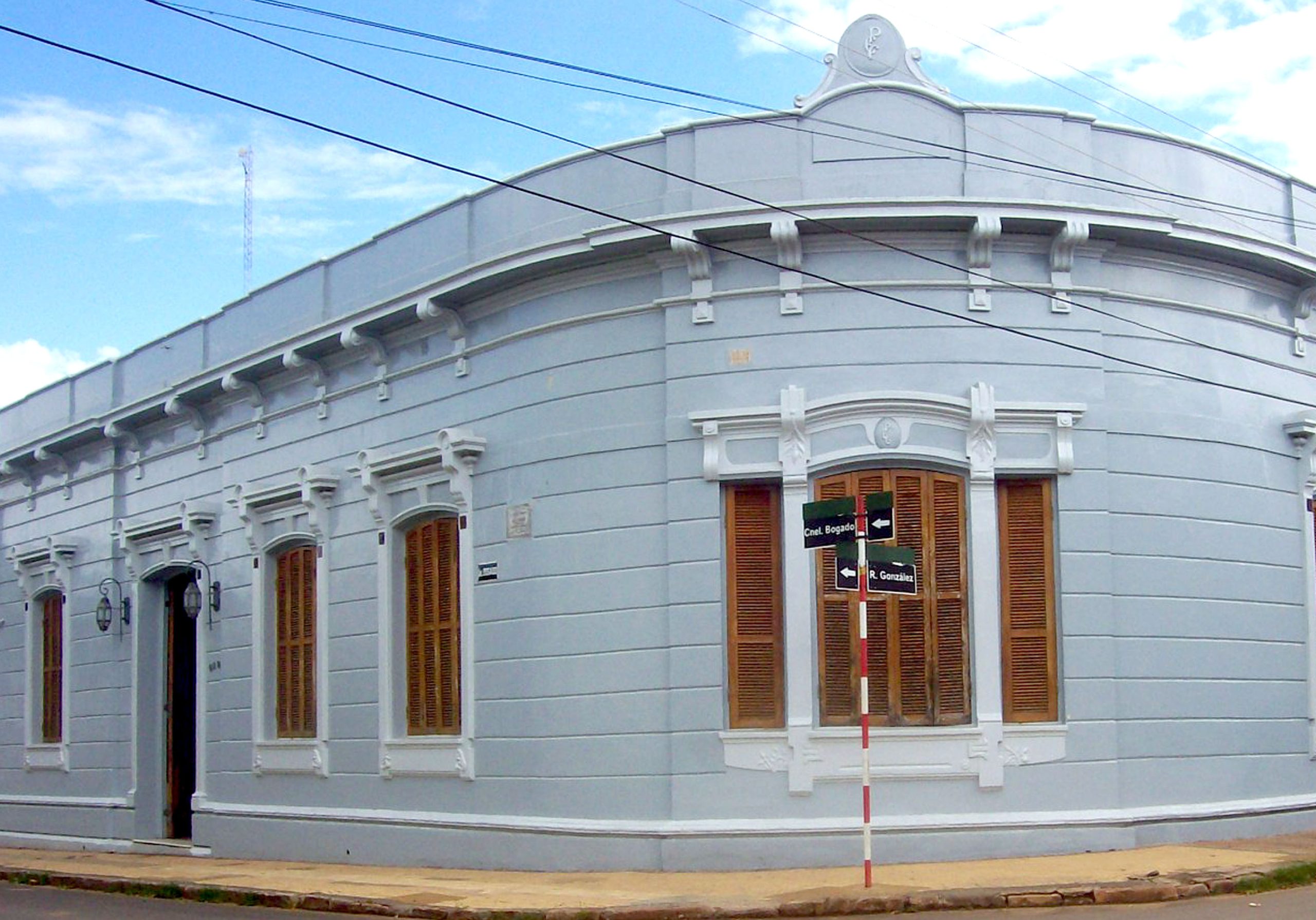
Villarrica was one of the quieter stops on my Paraguay trip, and I thought that suited it perfectly. I didn't come here looking for major attractions.
I came to experience a smaller Paraguayan city and see a little more of the countryside away from the usual travel route.
I spent time wandering around the leafy centre, passing the cathedral and older buildings before stopping around the main plaza.
The pace was noticeably gentler than Asunción, and sitting in the shade with a cold tereré felt like a very appropriate way to spend part of the afternoon.
The countryside surrounding Villarrica was just as enjoyable. Rolling green farmland replaced the flatter landscapes I'd seen elsewhere, and this is an important yerba mate-growing region.
Seeing where something I'd encountered constantly throughout Paraguay was actually grown gave me a much better appreciation for how deeply mate and tereré are woven into everyday life here.
There wasn't one blockbuster sight that defined Villarrica for me. Instead, I enjoyed the combination of rural scenery, local culture, and having enough time to wander without feeling like I needed to rush anywhere.
How Villarrica fits into your Paraguay itinerary
Villarrica works nicely as an overnight stop while travelling south from Asunción towards Encarnación. It can also be paired with nearby Independencia and the surrounding Guairá countryside if you want to spend longer exploring rural Paraguay.
If you're interested in yerba mate, look for a plantation or producer visit around Villarrica rather than only buying it in town. Seeing how the leaves are grown and processed adds much more context.
Areguá
(pronounced: a-reh-GWA)
Areguá at a glance
Central Department, about 30 km east of Asunción
Ceramics, art, colonial streets, Lake Ypacaraí, strawberries
Half day–1 night
Art lovers, photographers, couples, day trippers
Creative, colourful, relaxed, bohemian
September to November
Areguá was one of the easiest escapes I made from Asunción, but within a short time I felt much farther from the capital.
I spent most of my visit simply wandering, which worked particularly well here.
Ceramics were everywhere. Shops and roadside stalls spilled over with colourful pots, bowls, figures, and decorative pieces, and I enjoyed browsing them almost as much as the galleries tucked inside some of the town's older buildings.
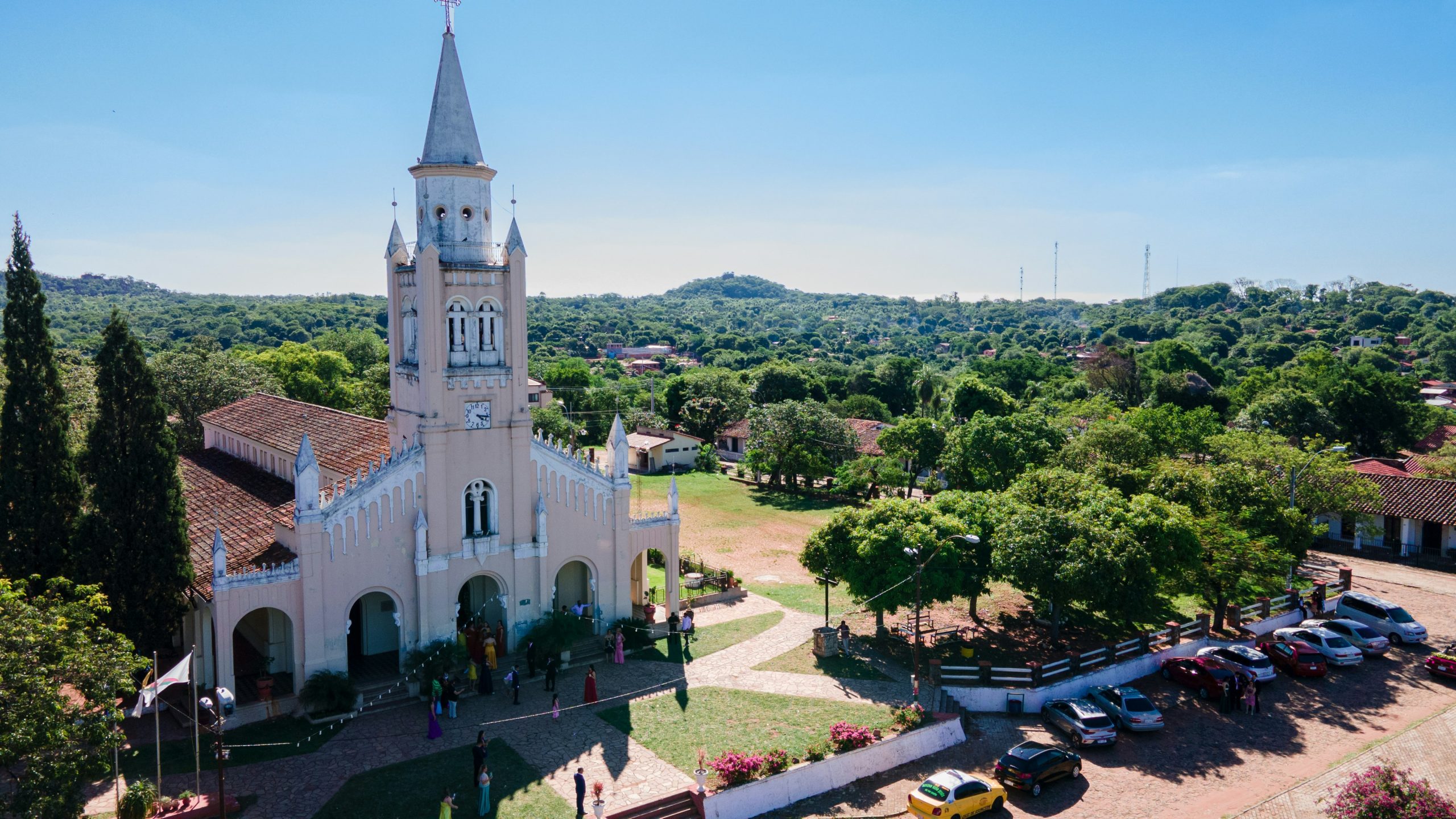
The cobbled streets and colonial architecture gave the centre plenty of character, especially around the historic church overlooking the town.
I also walked down towards Lake Ypacaraí, where the pace became even quieter. The combination of lake views, old streets, and small workshops made Areguá feel quite different from anywhere else I'd visited in Paraguay.
I was especially glad to visit during strawberry season. Vendors were selling strawberries and strawberry-based treats throughout town, so naturally I had to try a few.
Between those and the ceramics, I left Areguá with considerably more than I arrived with.
How Areguá fits into your Paraguay itinerary
Areguá is an easy half-day or full-day trip from Asunción and doesn't require rearranging your wider Paraguay itinerary. You can also combine it with other towns around Lake Ypacaraí for a longer escape from the capital.
Bring some cash if you plan to shop. Many of the smaller ceramics stalls and local vendors are easier to buy from with Paraguayan guaraníes.
San Bernardino
(pronounced: san ber-nar-DEE-noh)
San Bernardino at a glance
Central Paraguay, on Lake Ypacaraí
Lake views, watersports, nightlife, summer atmosphere
1-2 nights
Couples, groups of friends, watersports lovers, relaxed travellers
Summery, social, leafy, and laid-back
December to February
San Bernardino showed me a much more playful side of Paraguay. Known locally as San Ber, this lakeside town has been a summer escape from Asunción for generations, and I could understand the appeal almost immediately.
I enjoyed walking through the leafy streets and spotting some of the older summer homes, many of which reflect the town's German heritage.
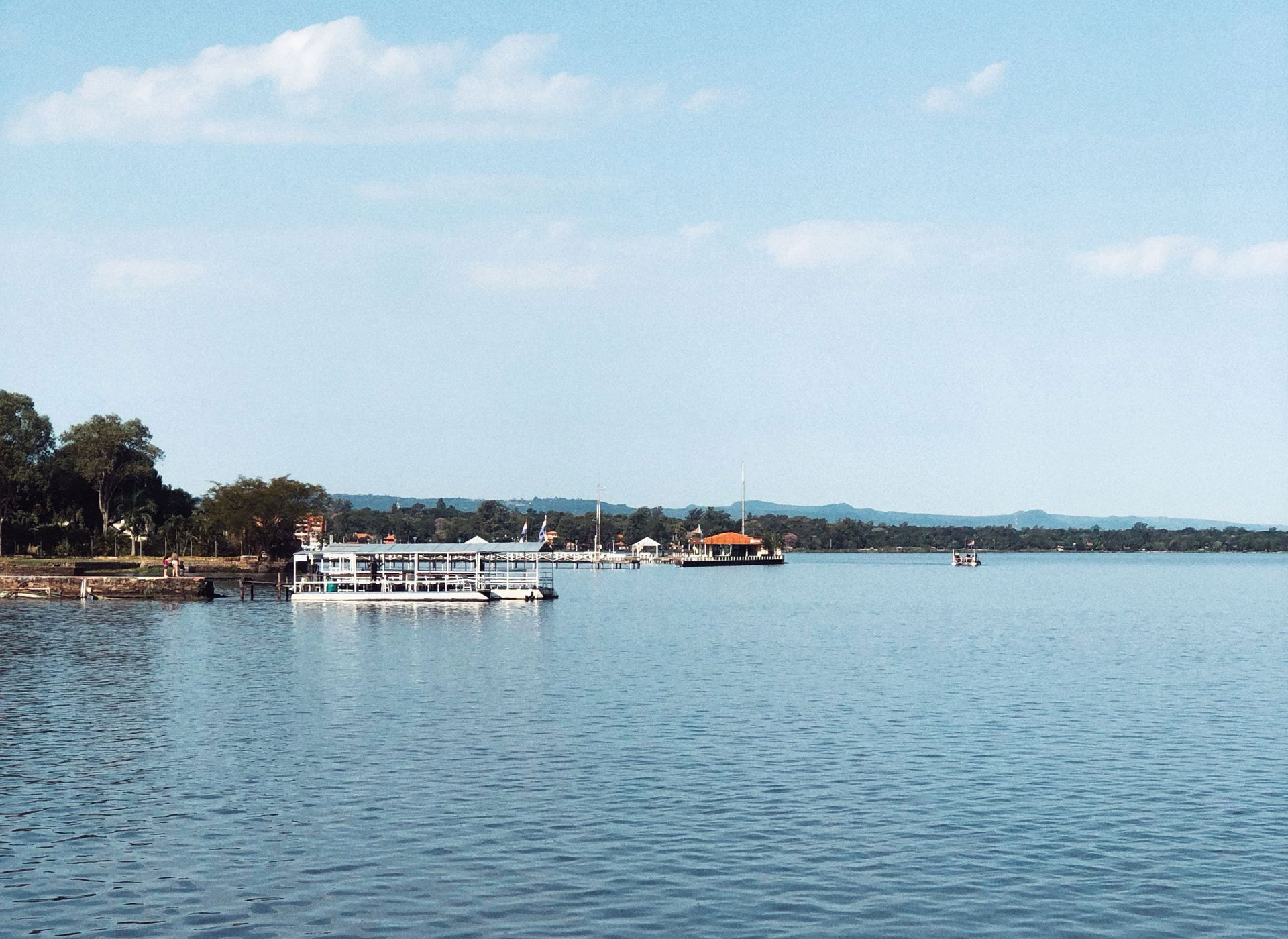
But most of my time naturally gravitated towards Lake Ypacaraí. The waterfront was the place to be, particularly towards the end of the day when the temperature eased, and more people came out.
There's plenty to do on the water, with boats, jet skis, and other watersports adding to the holiday atmosphere.
I was equally happy simply walking along the lakeside and finding somewhere to sit with a drink. Sunset was my favourite time here, when the lake caught the changing light and San Ber really started coming alive.
I visited for the atmosphere rather than sightseeing, and that was exactly what made it fun. It gave me a chance to see how Paraguayans themselves enjoy their summer holidays.
How San Bernardino fits into your Paraguay itinerary
San Bernardino is only about an hour from Asunción and pairs particularly well with nearby Areguá for a Lake Ypacaraí trip. I'd stay overnight in San Ber during summer if you want to experience the evening atmosphere rather than returning straight to the capital.
If you want the lively version of San Bernardino, visit during the Paraguayan summer but avoid arriving without accommodation booked on a busy weekend. The town can become much busier when people arrive from Asunción.
Ciudad del Este and Itaipú
(pronounced: see-oo-DAD del ESS-teh / eye-tah-EE-poo)
Ciudad del Este and Itaipú at a glance
Eastern Paraguay, on the borders with Brazil and Argentina
Itaipú Dam, waterfalls, engineering, cross-border travel
1-2 nights
Road trippers, engineering enthusiasts, waterfall lovers, multi-country travellers
Chaotic, energetic, commercial, international
Year-round
Ciudad del Este was easily one of the most hectic places I visited in Paraguay.
The streets around the commercial centre were packed with shops, traffic, vendors, and people crossing between Paraguay and Brazil, and it was a huge contrast to the quieter towns I'd visited elsewhere in the country.
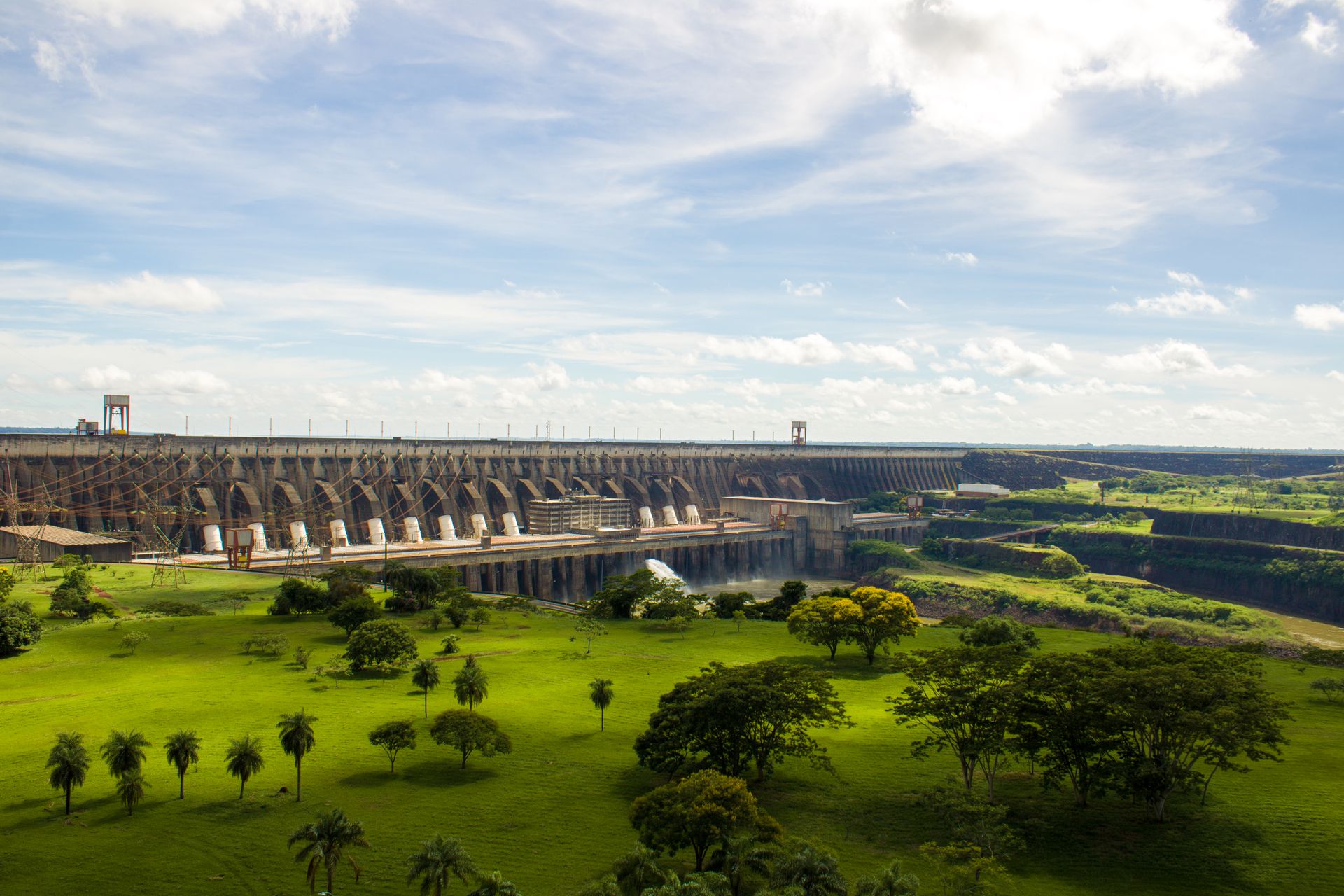
My main reason for coming, though, was Itaipú Dam. I'd seen the statistics beforehand, but they didn't prepare me for the sheer scale of it.
Touring the complex and looking across this enormous structure spanning the Paraná River made it much easier to appreciate what an extraordinary engineering project it was.
I also made time for Monday Falls, just outside Ciudad del Este.
The waterfalls tumble through a surprisingly green setting, and I enjoyed seeing one of Paraguay's own major waterfalls rather than immediately crossing the border for its much more famous neighbour.
That border location is a big part of Ciudad del Este's appeal. Brazil is directly across the Paraná, Argentina is nearby, and Iguazú Falls is within easy reach. I found the city less about slowing down and more about using its energy and location to explore.
How Ciudad del Este and Itaipú fit into your Paraguay itinerary
Ciudad del Este works particularly well near the beginning or end of a southern Paraguay route, especially if you're combining Paraguay with Brazil or Argentina.
I'd allow at least one night for Itaipú and Monday Falls, then continue across the border if Iguazú Falls is part of your wider South America itinerary.
If you're planning to cross into Brazil or Argentina, check the entry requirements for your nationality beforehand. A quick sightseeing trip across the border is still an international border crossing.
Encarnación
(pronounced: en-kar-na-see-OHN)
Encarnación at a glance
Southern Paraguay, on the Río Paraná
Beaches, carnival, riverfront walks, Jesuit missions
2-3 nights
Beach and culture lovers, families, nightlife seekers
Summery, lively, modern, and laid-back
December to February
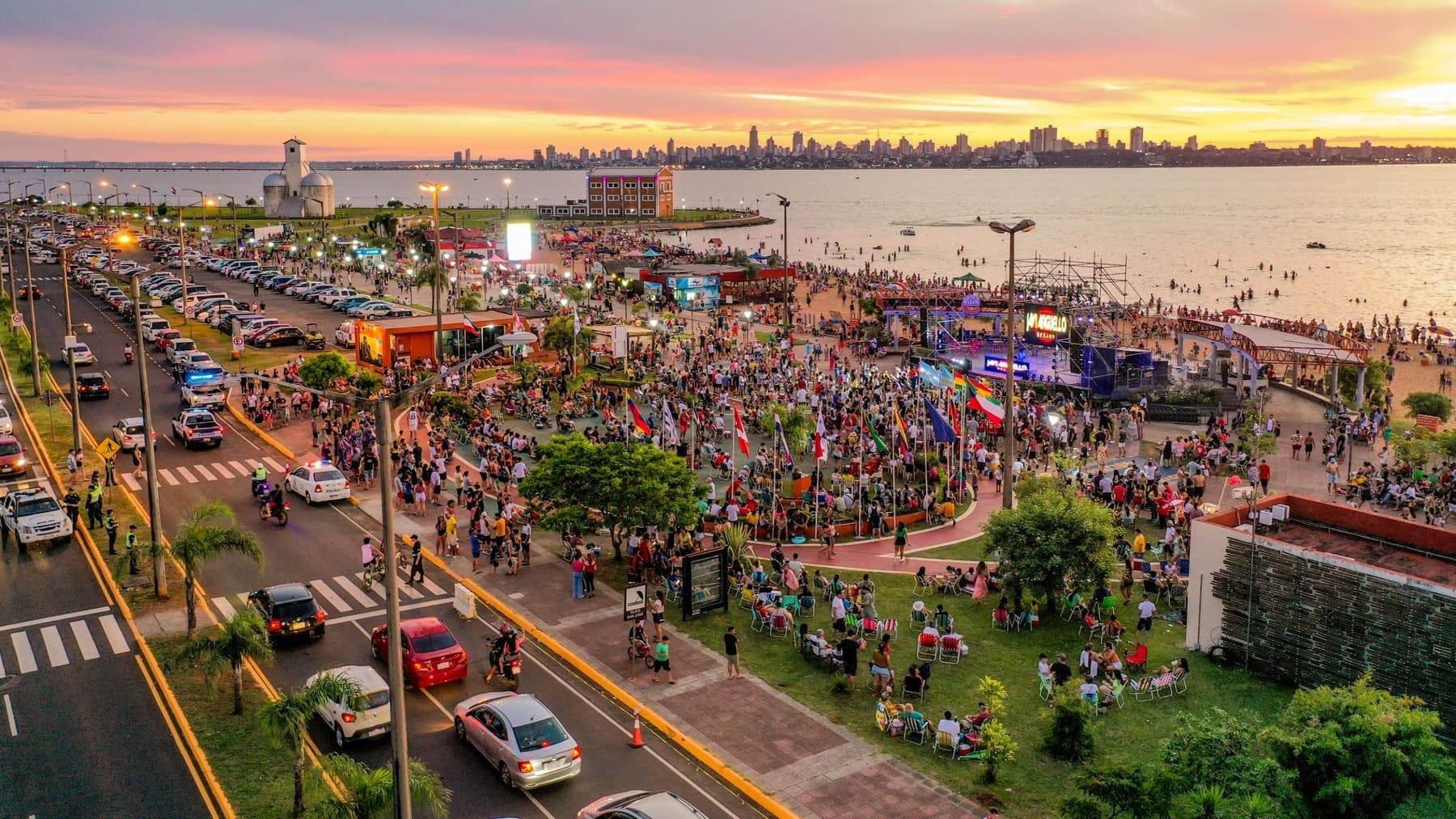
I hadn't expected one of my favourite beach days in Paraguay to happen in a country without a coastline, but Encarnación delivered exactly that.
The city sits beside the broad Paraná River, with sandy urban beaches that become gathering places as soon as the temperature climbs.
I spent a lazy afternoon around Playa San José, alternating between the sand and walks along the modern Costanera. Cafés lined the shore, people swam and sunbathed, and views stretched across the water toward Argentina.
By early evening, I understood why Encarnación has become such a popular summer escape.
The city gets even livelier during carnival season. Encarnación hosts Paraguay's biggest carnival, with elaborate costumes, dancing, drums, and huge parades filling the Sambódromo.
I loved that it felt like a celebration rooted in the city rather than an event staged primarily for tourists.
What made Encarnación especially useful was the combination. I could enjoy the beaches and nightlife while also having some of Paraguay's most important historic sites within easy reach.
How Encarnación fits into your Paraguay itinerary
Encarnación is the ideal base for visiting the nearby Jesuit missions of Trinidad and Jesús and fits naturally into a southern Paraguay road trip. It's also directly connected with Posadas in Argentina, making it an easy place to continue a multi-country itinerary.
If you want to experience carnival, check the parade dates before booking. Events take place on selected nights rather than continuously throughout the season, and accommodation can fill quickly.
The Jesuit Missions
(pronounced: treeh-nee-DAD / heh-SOOS)
The Jesuit Missions at a glance
Southern Paraguay, near Encarnación
History, architecture, UNESCO sites, and photography
Full day
History and architecture enthusiasts, cultural travellers
Atmospheric, peaceful, historic, evocative
Year-round, particularly late afternoon
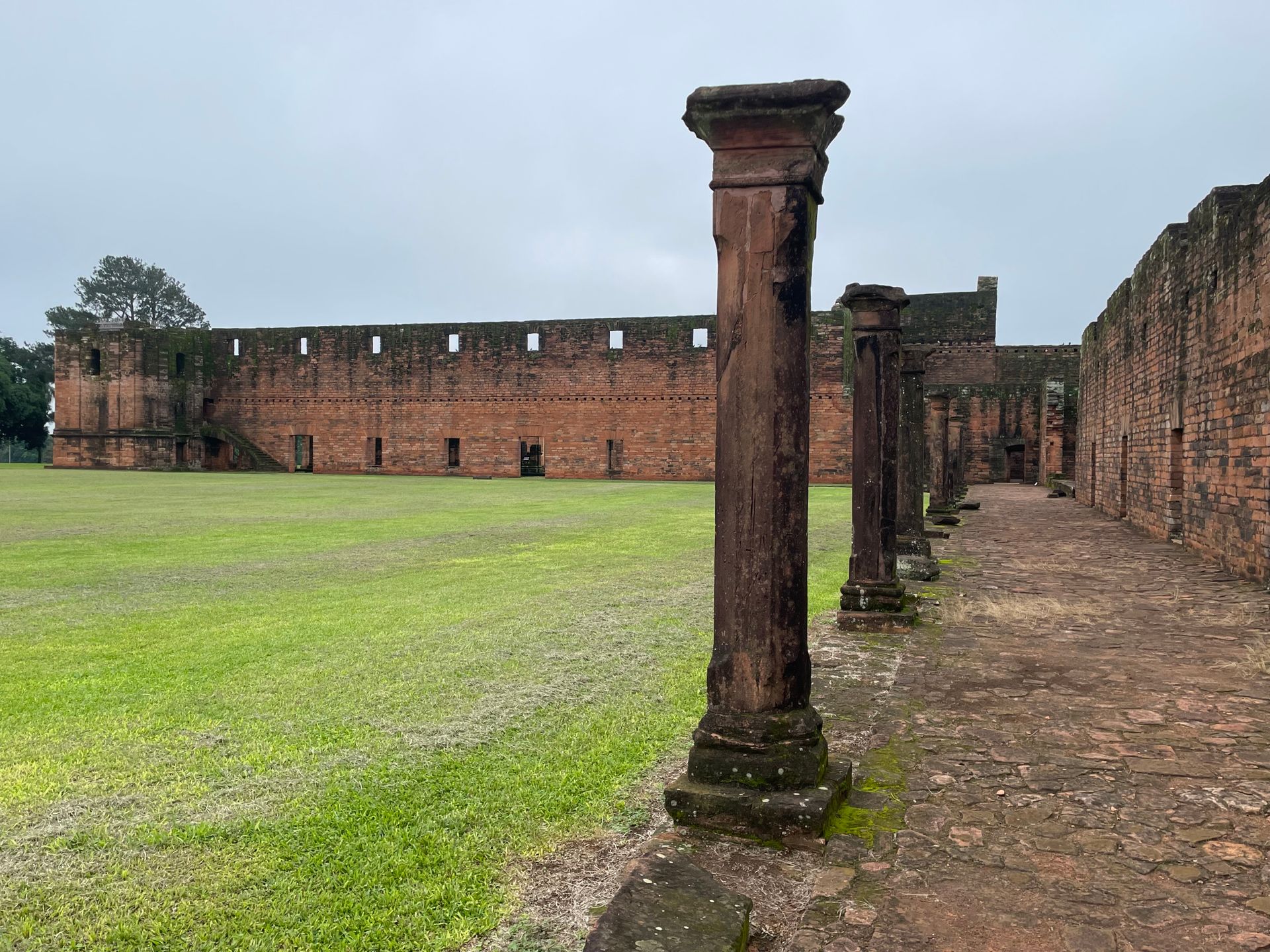
The Jesuit Missions were some of the most memorable historic sites I visited in Paraguay. Trinidad and Jesús sit among green countryside, and I loved the contrast between the deep red stone of the ruins and the landscape surrounding them.
Trinidad was the more impressive of the two in scale. I wandered through the remains of the enormous church, plazas, living quarters, and workshops, but it was the details that kept catching my attention.
Carved angels, fragments of decorative stonework, and other surviving features made it much easier to imagine the craftsmanship that once went into the mission.
Jesús had a different atmosphere. The mission was never completed, and walking through its huge roofless church felt quieter and more haunting.
Visiting both helped me understand the scale of the Jesuit-Guaraní mission system and the communities that developed here during the 17th and 18th centuries.
I stayed for Trinidad's evening sound-and-light experience, and I'm glad I did. Seeing the ruins illuminated after dark completely changed their atmosphere and was a brilliant way to finish the day.
How the Jesuit Missions fit into your Paraguay itinerary
Trinidad and Jesús are roughly 30 minutes from Encarnación, so I'd use the city as a base and dedicate a full day to the missions. They fit naturally into a southern Paraguay route before continuing east towards Ciudad del Este or back north towards Asunción.
Visit Jesús first and Trinidad later in the afternoon. That puts you at Trinidad as the light softens over the red stone and makes it easier to stay for the evening show without backtracking.
Asunción
(pronounced: a-soon-see-OHN)
Asunción at a glance
Southwestern Paraguay, on the Río Paraguay
Markets, history, Paraguayan food, and music
3 nights
Culture lovers, foodies, and urban explorers
Lively, historic, unpolished, and distinctly Paraguayan
May to September
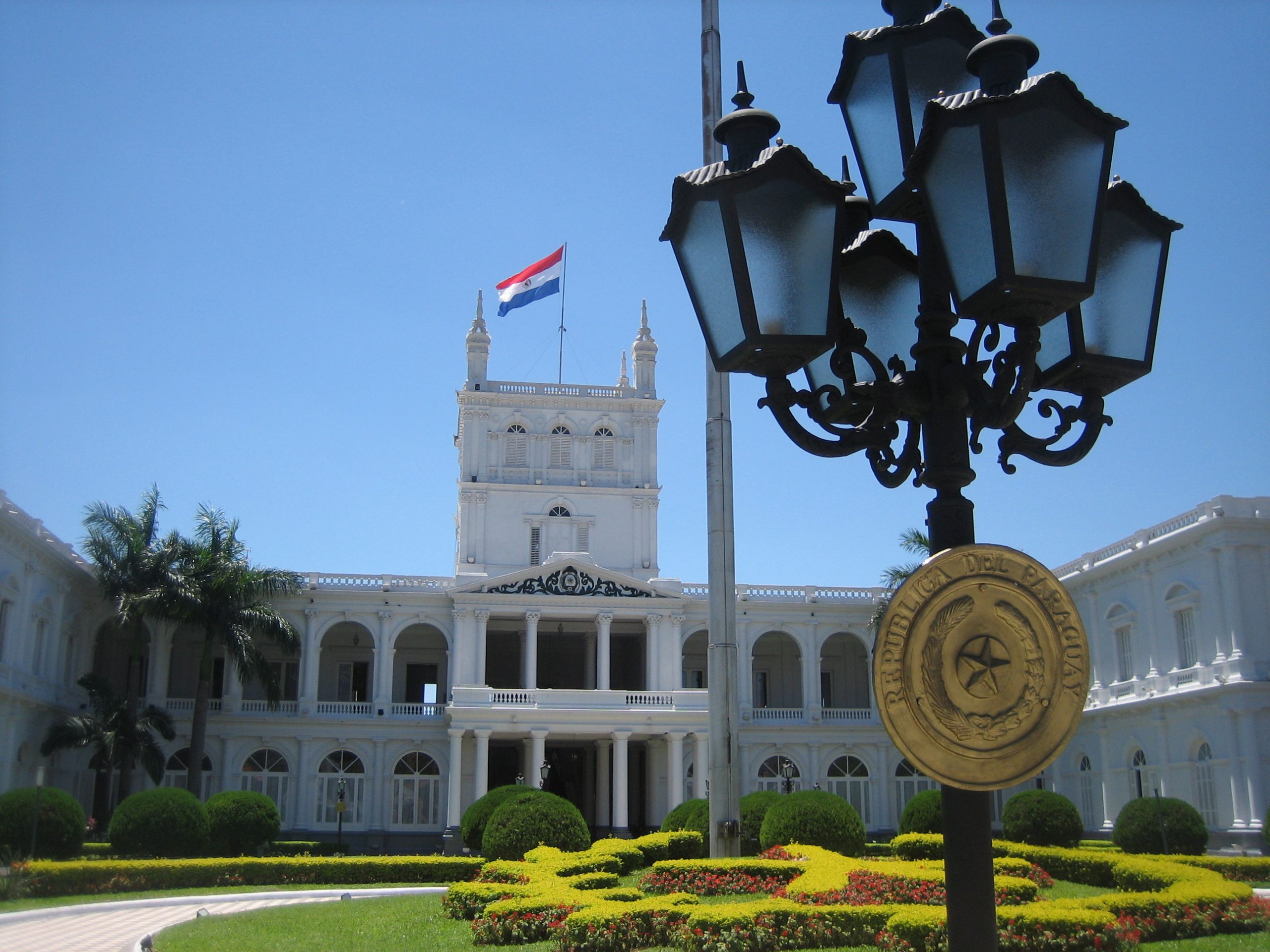
Asunción was where Paraguay really came together for me. The city wasn't polished in the way some South American capitals are, but that became part of what I enjoyed about it.
Elegant old buildings sat beside colourful street art, modern cafés, and faded mansions, while the Río Paraguay was never far away.
I spent time exploring the historic centre and walking along the Costanera, with the pink Palacio de los López one of the city's standout landmarks. Mercado Cuatro was a completely different experience.
It was busy, noisy, and packed with everything from food and clothing to household goods, and I loved simply wandering through it.
Food and music ended up being just as memorable. I tried chipa, the wonderfully chewy cheese bread I kept encountering throughout Paraguay, along with sopa paraguaya, which amusingly isn't a soup at all but a dense corn and cheese bread.
One evening, I listened to live Paraguayan harp music while people around me shared food and drank tereré. It was such a simple experience, but it became one of my favourite memories of Asunción.
How Asunción fits into your Paraguay itinerary
Asunción is the natural starting point for most Paraguay itineraries and has good connections to destinations throughout the country.
I'd spend a few days here before heading south towards Villarrica and Encarnación, east towards Ciudad del Este, or north into the Chaco.
Don't try to explore the entire historic centre during the hottest part of the afternoon. I found mornings and evenings much more enjoyable for walking, particularly if you're visiting outside the cooler winter months.
Paraguay is relatively compact compared with some of its South American neighbours, but I found that the distances between its main regions still deserved some thought.
Paraguay itinerary: 3 days
Route: Asunción → Areguá → San Bernardino
| Days 1-2 | Day 3 |
|---|---|---|
Destination | Asunción | Areguá & San Bernardino |
Overnight | Asunción | Asunción |
Why this route? If Paraguay is one stop on a larger South American trip, this is where I'd spend three days.
Two days gives you time for Asunción's historic centre, Mercado Cuatro, Costanera, food, and nightlife, while the final day offers an easy trip to Areguá and San Bernardino around Lake Ypacaraí.
You'll get a taste of Paraguay without spending a large part of your limited time travelling between regions.
*If your wider South America itinerary takes you through southern Brazil or northern Argentina instead, Encarnación and the Jesuit Missions could make a good alternative three-day introduction to Paraguay.
Paraguay itinerary: 2 weeks
Route: Asunción → Filadelfia & the Chaco → Concepción → Villarrica → Encarnación → Jesuit Missions → Ciudad del Este & Itaipú
Week 1 | Days 1-3 | Days 4-6 | Days 7-8 |
|
|---|---|---|---|---|
Destination | Asunción, including a day trip to Areguá & San Bernardino | Filadelfia & the Chaco | Concepción |
|
Overnight | Asunción | Filadelfia | Concepción |
|
Week 2 | Days 9 | Days 10-11 | Days 12 | Day 13-14 |
|---|---|---|---|---|
Destination | Villarrica | Encarnación | Trinidad & Jesús Jesuit Missions | Ciudad del Este, Itaipú & Monday Falls |
Overnight | Villarrica | Encarnación | Encarnación | Ciudad del Este |
Why this route? Two weeks gave me enough time to see how varied Paraguay really is.
This route combines Asunción and the Lake Ypacaraí area with wildlife and birdwatching in the Chaco, river life in Concepción, rural southern Paraguay, the beaches of Encarnación, the UNESCO-listed Jesuit Missions, and the enormous Itaipú Dam.
*I haven't included Ybycuí National Park in the core route because fitting all 10 places into two weeks would start to make the trip feel rushed. If hiking is a priority, I'd swap Concepción or one of the Chaco nights for a full day at Ybycuí while travelling south from Asunción.
Why Paraguay deserves more than a quick stop
Paraguay was one of those countries where I found the more time I gave it, the more interesting it became.
Some of my favourite experiences happened in completely different corners of the country, from birdwatching in the Chaco and boating along the Río Paraguay to hiking through Ybycuí National Park and exploring the Jesuit Missions near Encarnación.
What I enjoyed was seeing how much existed beyond Asunción. I found quiet country towns, lakeside resorts, sandy river beaches, enormous wilderness, waterfalls, and places where Guaraní culture remained a visible part of everyday life.
If Paraguay is part of a larger South American trip, a few days can give you a good introduction. But if you have the time, I'd stay longer and explore beyond the capital. This was a country that rewarded me for not rushing through it.
FAQs about visiting Paraguay
Paraguay uses the Paraguayan guaraní (PYG). Cards are widely accepted in Asunción and larger cities, but I found cash useful for markets, smaller businesses, rural areas, and some roadside stops.
Visa requirements depend on your nationality. Travellers from many countries, including the UK, US, Canada, Australia and numerous European and South American countries, can currently visit Paraguay without a tourist visa, often for stays of up to 90 days. Requirements vary by passport, so check Paraguay's official immigration information before travelling.
Paraguay is generally manageable for independent travellers, but normal precautions are important, particularly against pickpocketing and theft in busy urban areas and around transport hubs. I'd also check your government's latest travel advice before visiting, especially if you're travelling into remote areas.
Long-distance buses connect most major cities, while renting a car gives you considerably more freedom for rural destinations and national parks.
Spanish and Guaraní are Paraguay's official languages, and I heard both regularly while travelling. Guaraní is particularly important to Paraguayan identity, and you'll often hear people switching between the two languages in everyday conversation.
Paraguay primarily uses Type C electrical plugs, with a 220V, 50Hz supply. Travellers from countries using different plugs should bring a suitable travel adapter, and it's worth checking that devices support 220V before plugging them in.
Ready to explore Paraguay? Optimise Travel is here to help
Paraguay may receive fewer visitors than its South American neighbours, but deciding how to combine its cities, historic missions, rivers, national parks, lakeside towns, and remote wilderness still takes some careful planning.
At Optimise Travel, we create personalized travel itineraries based on your interests, travel style, and budget.
Whether you're dreaming of exploring Asunción, birdwatching in the Chaco, hiking through Ybycuí National Park, relaxing beside Lake Ypacaraí, discovering the Jesuit Missions, or experiencing river life in Encarnación and Concepción, we'll help you build an itinerary that makes the most of your time.
If you'd like help planning your trip to Paraguay, click here to learn more about our concierge travel services.