

Chile made its scale obvious to me very quickly.
Some of my favourite experiences there happened thousands of kilometres apart: cycling through Santiago, hiking beneath the granite towers of Torres del Paine, driving the Carretera Austral and looking at the stars in Atacama.
Seven days is not enough to connect those experiences without turning the trip into a sequence of airports.
That is why this route makes one deliberate choice: Santiago → Puerto Natales → Torres del Paine.
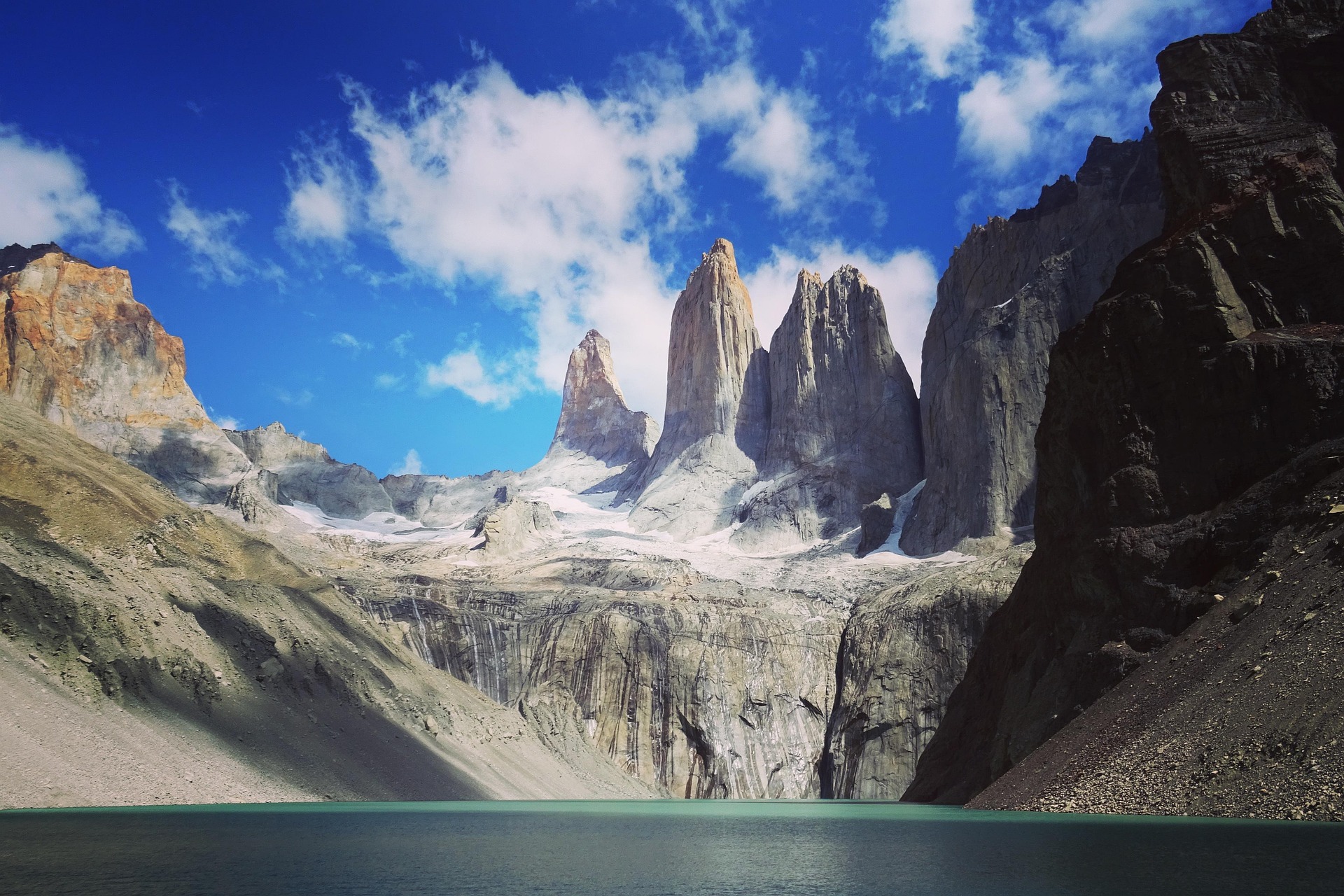
Granite towers of Torres del Paine rise above a glacial lake
My 7-day Chile itinerary at a glance
Overview
Day | Route | Overnight |
|---|---|---|
1 | Santiago | Santiago |
2 | Santiago | Santiago |
3 | Fly Santiago → Puerto Natales | Puerto Natales |
4 | Torres del Paine | in/near the park or Puerto Natales |
5 | Torres del Paine | in/near the park or Puerto Natales |
6 | Torres del Paine | in/near the park or Puerto Natales |
7 | Return toward Santiago | Departure |
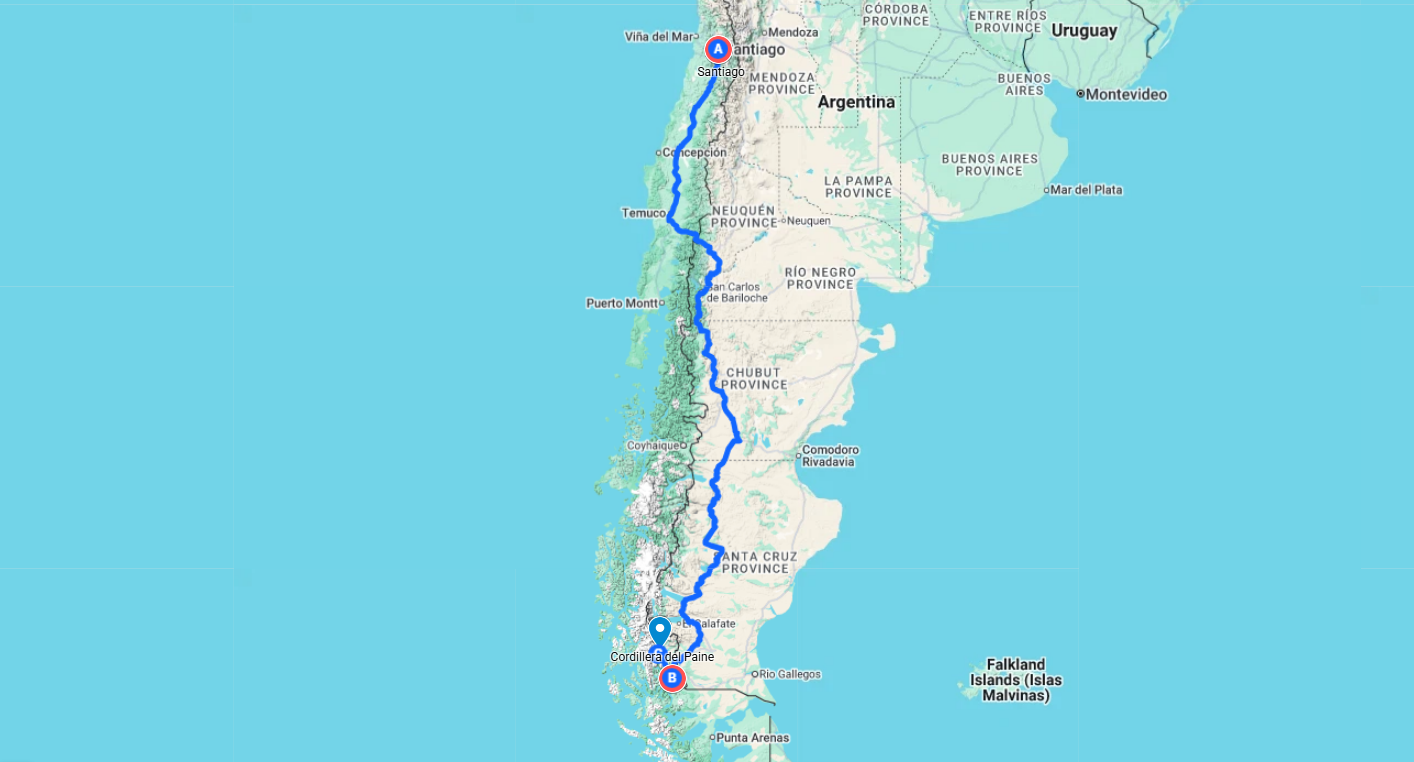
7-day Chile itinerary route
Why Patagonia became the centre of this week
An older Optimise Travel route combined Santiago, Valparaíso and Atacama.
That creates more geographical variety.
My own experience left me more interested in giving Torres del Paine enough time to deal with Patagonia on its own terms.
Weather can change quickly, the park is large and the landscape was one of the strongest experiences I had anywhere in Chile.
That makes this a deliberately outdoors-focused week.
Someone travelling primarily for desert landscapes, food or cities is looking at a different version of Chile rather than a worse one.
Days 1–2: Santiago
Santiago was my introduction to Chile.
One of the first things that struck me was the setting.
When the air was clear, the Andes seemed to rise almost directly behind the city, giving Santiago a backdrop unlike most large capitals I had visited.
Day 1: Santiago beneath the Andes
The historic centre, Plaza de Armas, Lastarria and Bellavista reveal several sides of the city without requiring long transfers.
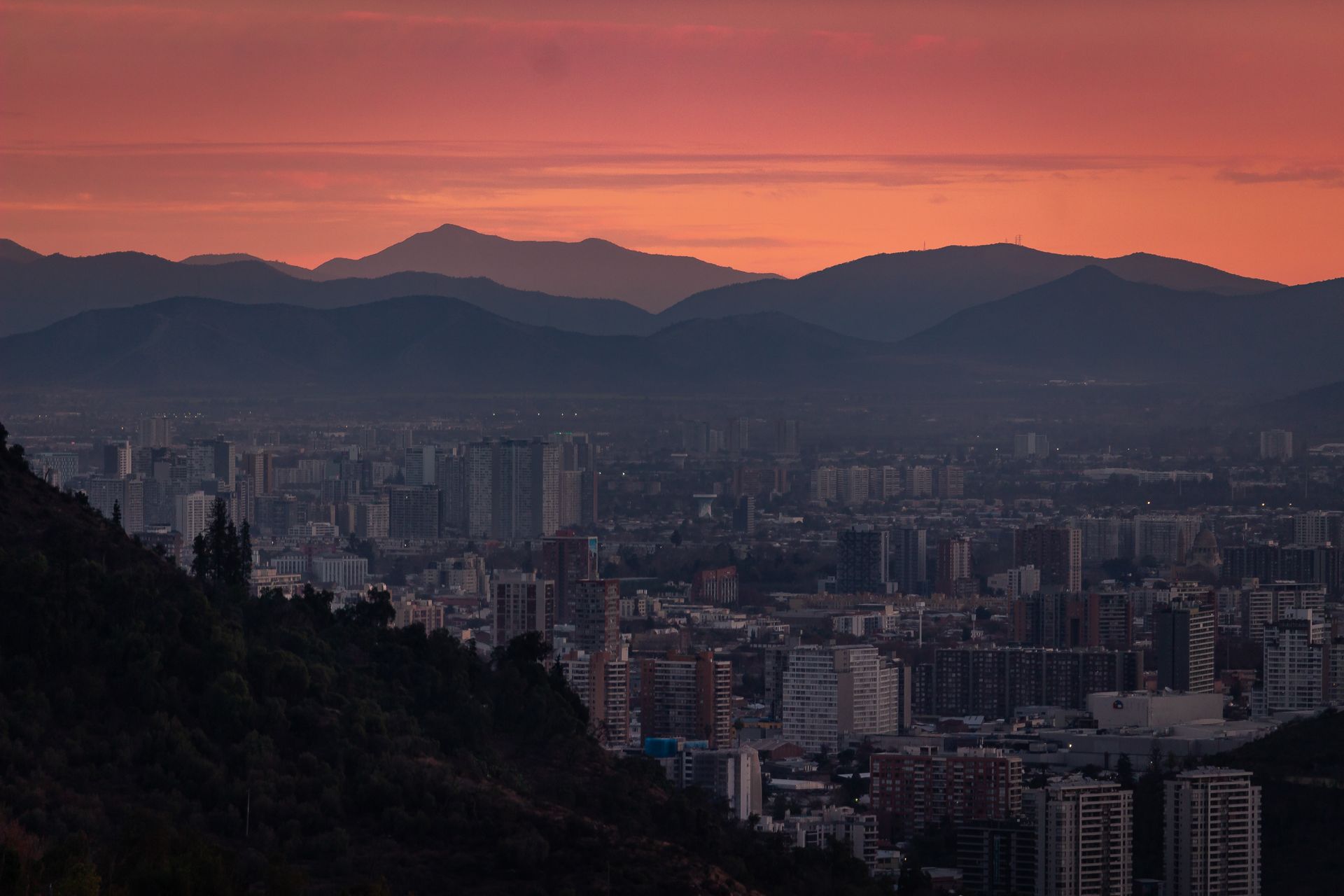
Santiago's skyline with Andes mountains backdrop
Cerro San Cristóbal made the most sense to me when the air was clear.
After rain or on a particularly good visibility day, the Andes view can be dramatically stronger than it is through haze.
That taught me something useful about Santiago: conditions sometimes mattered more than the order I had imagined for the day.
Lastarria later brought cafés, galleries and a more relaxed atmosphere after the historic centre.
Stay: Santiago.
Day 2: Seeing Santiago by bicycle
One of my favourite things we did in Santiago was rent bicycles.
We covered far more ground than we would have on foot but could still stop whenever a park, café or neighbourhood caught our attention.
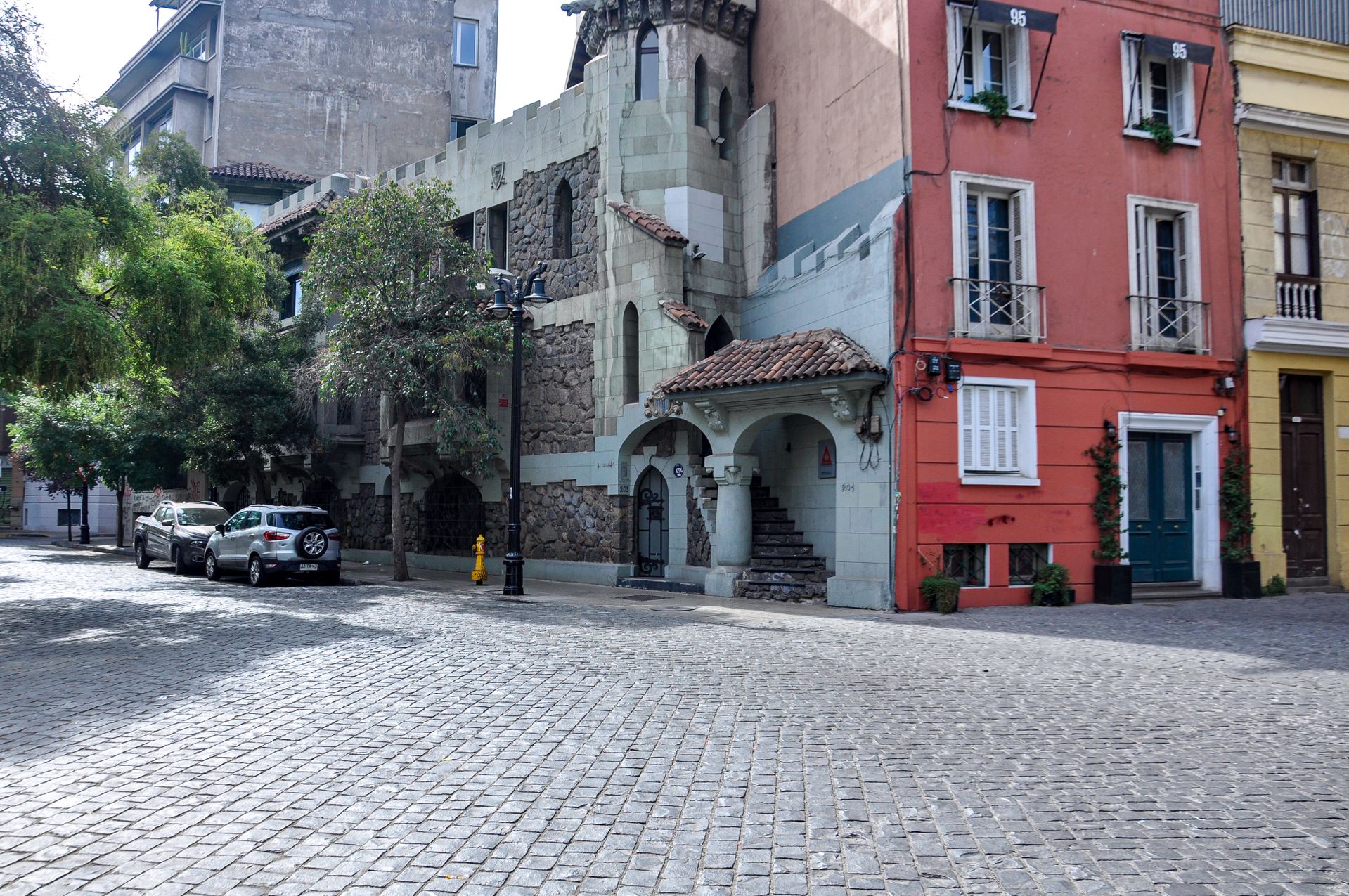
Cobblestone street and colorful architecture in Santiago, Chile
More importantly, cycling helped me understand how different parts of the city connected.
That experience stayed with me more than trying to assemble another compulsory list of sights.
Food, museums, markets and neighbourhoods can all fill the rest of the day depending on interests.
Mercado Central and the areas around Bellavista and Lastarria fit naturally into that looser approach.
Valparaíso is possible as a day trip from Santiago.
For this particular week, I found the extra transfer less valuable than keeping the first two days grounded in Santiago before flying south.
Stay: Santiago.
Day 3: Santiago to Puerto Natales
This is where Chile's geography takes over the itinerary.
Direct Santiago–Puerto Natales flights are seasonal, particularly around the main Patagonia travel period.
When they operate, the journey south becomes much cleaner.
When they do not, Punta Arenas is the common alternative, followed by roughly three hours overland to Puerto Natales.
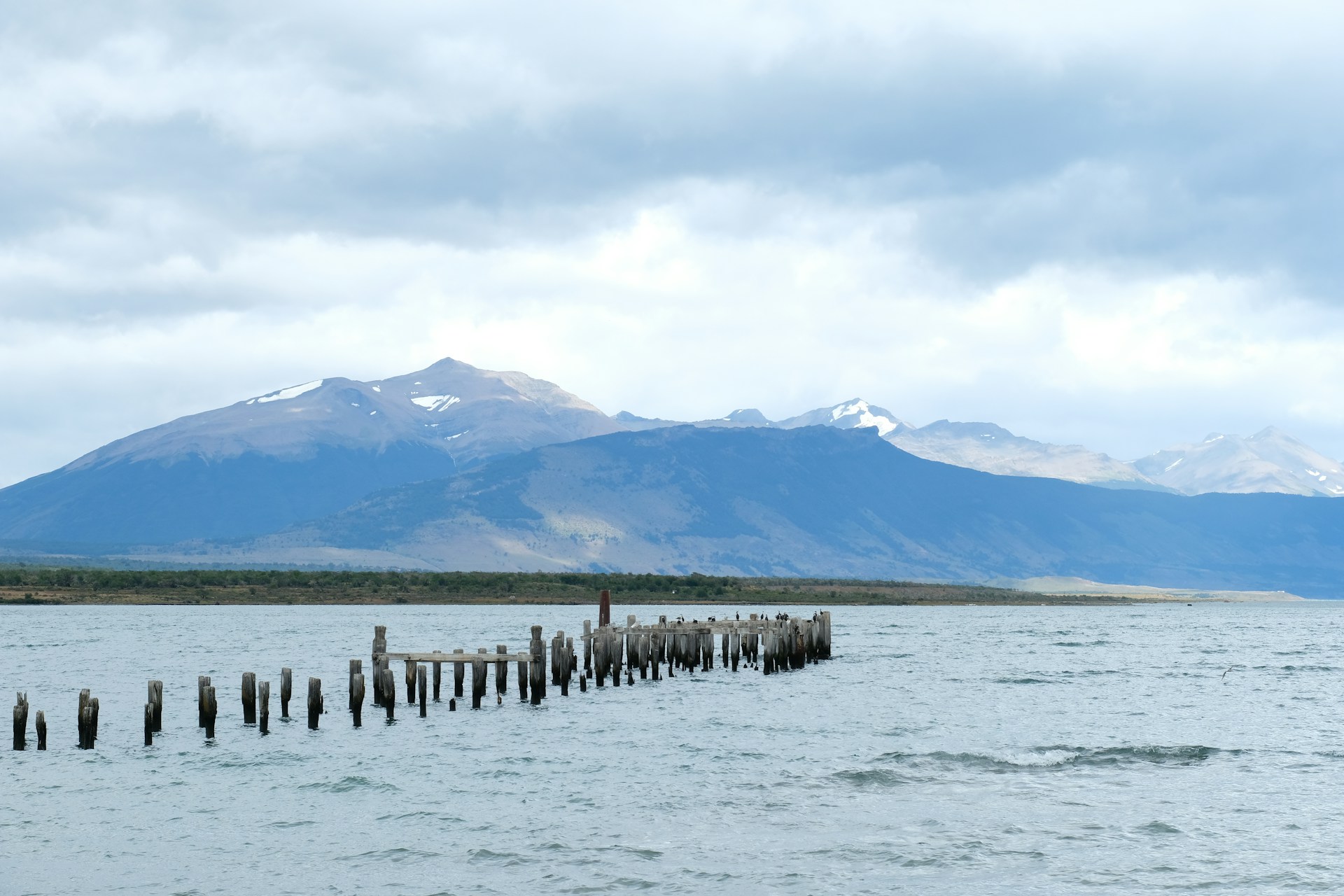
Puerto Natales waterfront in Chile
Puerto Natales functions as the practical gateway to Torres del Paine.
After a flight and possible road transfer, I prefer the fact that this day does not depend on a major hike.
It creates room for food, transport and park logistics before the landscape becomes the focus.
Stay: Puerto Natales.
Days 4–6: What Torres del Paine taught me about itinerary planning
Torres del Paine is the reason this route gives Patagonia three full days.
The park taught me very quickly that an itinerary does not always get the final say.
I experienced strong sun, rain, brutal wind and blue sky remarkably close together.
Proper layers stopped feeling like generic hiking advice and became part of simply being able to enjoy the day.
Puerto Natales sits roughly 80–115 km from the main park access points depending on route and entrance, with buses generally taking around 1.5–2 hours.
Staying inside or close to the park can therefore change how much of each day is actually spent in the landscape.
Day 4: Letting the weather shape the first park day
I am glad my experience of Torres del Paine was not reduced to one famous hike.
Shorter walks, viewpoints and time simply moving through the park gave me a sense of its scale before any major trail.
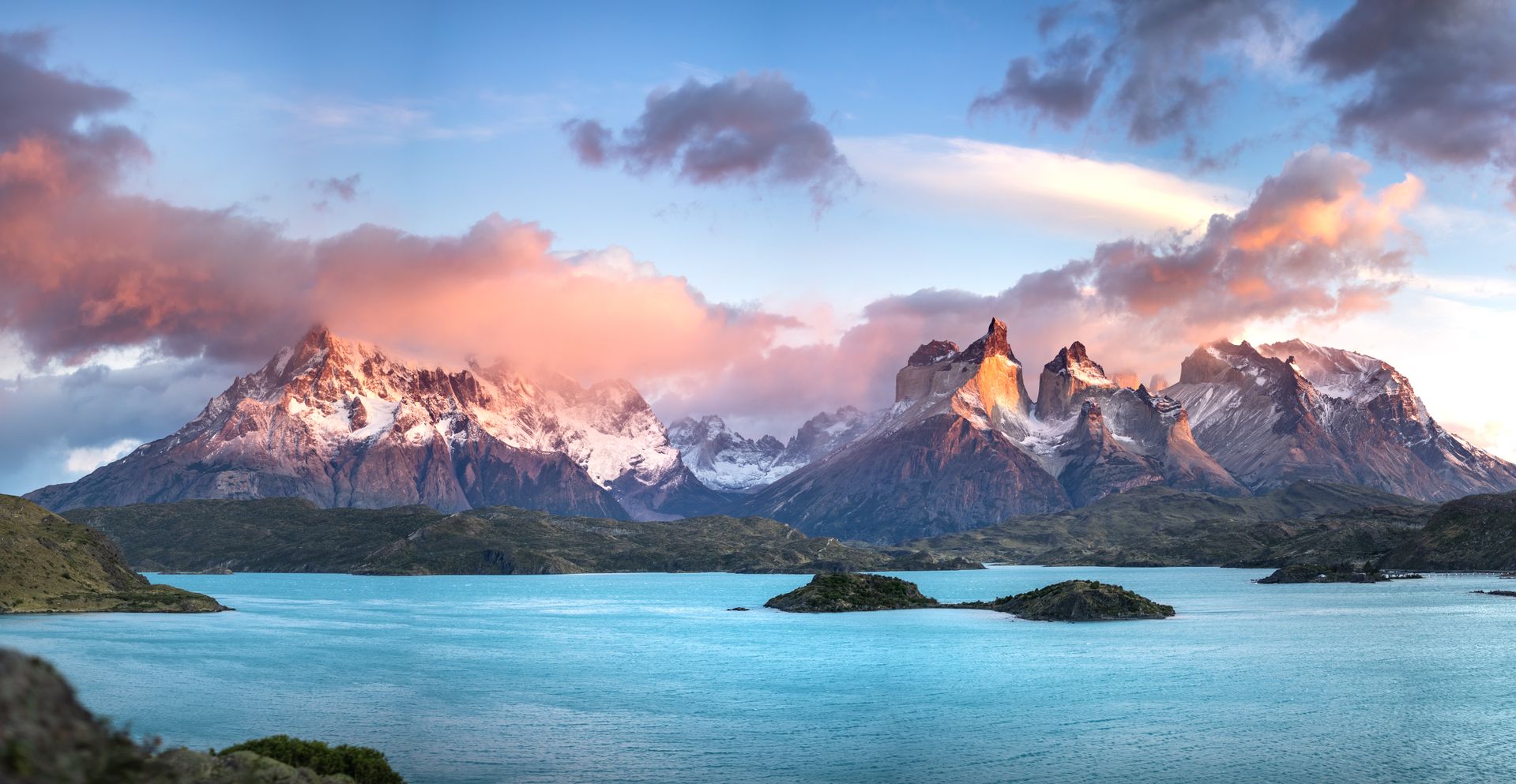
Torres del Paine mountains with a vibrant sky at sunset over a calm lake
Guanacos are one of the wildlife encounters I remember most.
Seeing them spread across the open steppe with mountains behind them made the park feel much wilder than moving between famous viewpoints alone.
The rapidly changing weather also made flexibility feel valuable rather than indecisive.
A shorter first day can become a major hiking day when conditions are excellent; a poor forecast can push the bigger walk later.
That freedom is part of why three days in the park works so much better for me than one.
Stay: Torres del Paine area or Puerto Natales.
Day 5: Base Torres and the landscape behind the famous image
Base Torres is the classic hike to the turquoise glacial lake beneath the three granite towers.
It is demanding, climbing through the Ascencio Valley, forest and a steep final rocky section.
The view is famous for a reason.
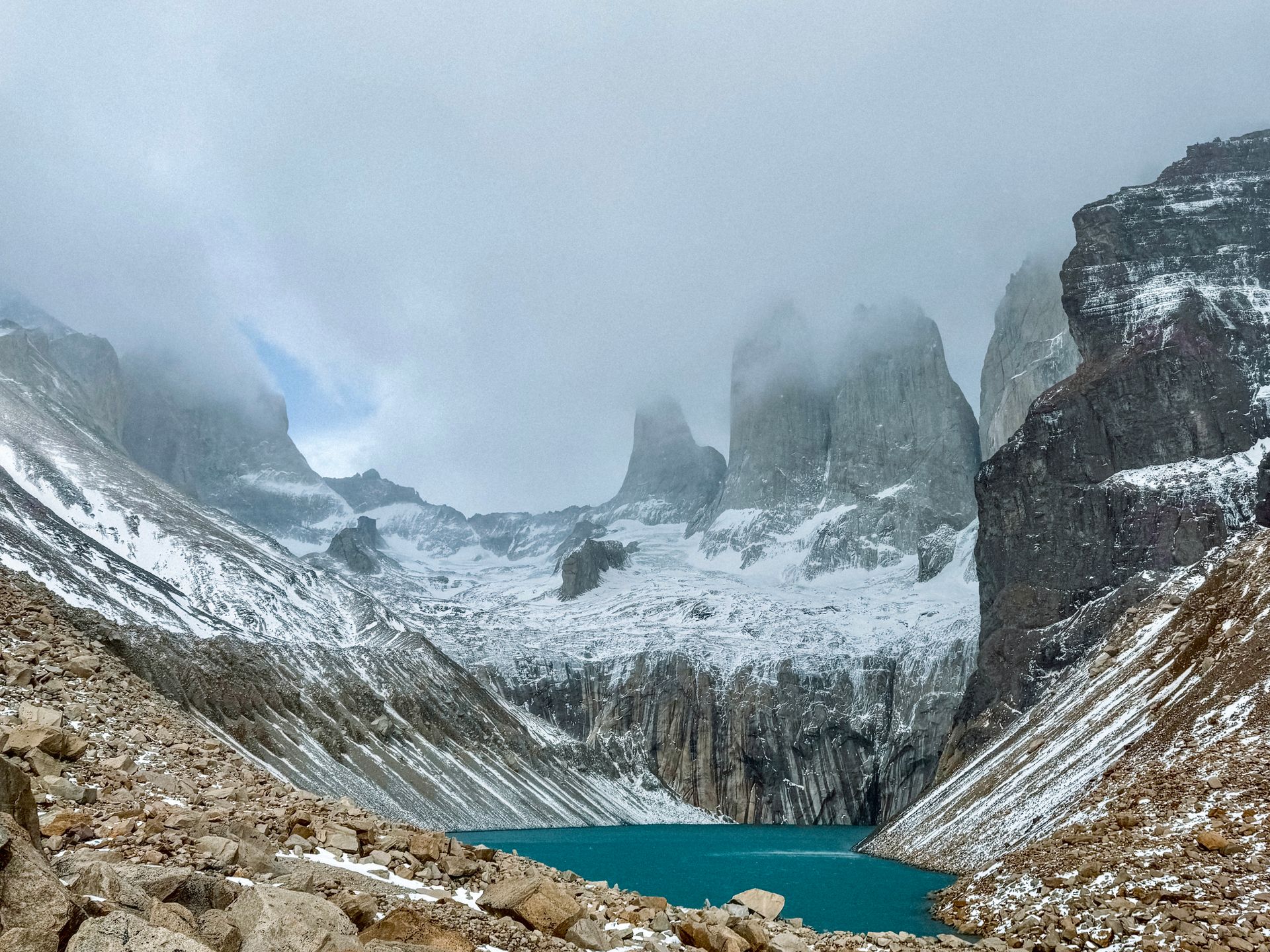
Snow-covered Torres del Paine peaks with a glacial lake in Chilean Patagonia
Photographs capture the towers.
What they never fully captured for me was the landscape around them: the scale, wind, open valleys and granite rising almost vertically above the lake.
That is what made the hike memorable rather than simply reaching a famous viewpoint.
Conditions determine whether the experience is available in the form many travellers expect.
Current park rules change seasonally. In 2026, CONAF required an authorised guide for Base Torres during the winter period from late April through mid-September, with possible extensions depending on conditions.
Footwear, waterproof and windproof layers, food, water and enough daylight all become practical necessities on a day like this.
Cloud can also erase the view entirely.
Having several park days meant I did not need one particular date to cooperate.
Stay: Torres del Paine area or Puerto Natales.
Day 6: Another side of Torres del Paine
A second major park day became more interesting when it showed me something different.
Grey Glacier and the French Valley area create alternatives to repeating the same terrain and viewpoints.
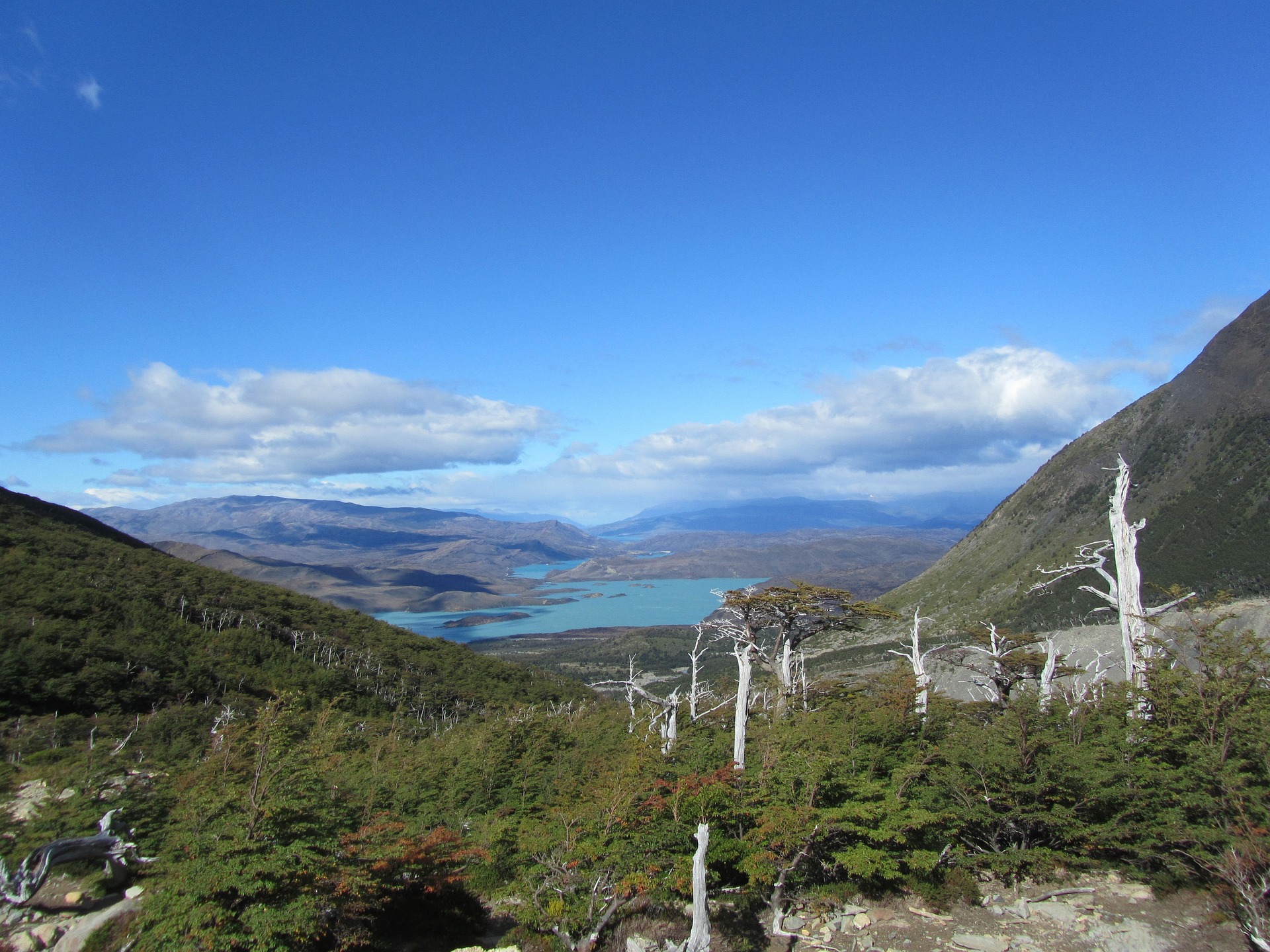
Panoramic view of French Valley in Torres del Paine, Chile
The classic W Trek normally deserves around four or five days, while the O Circuit takes considerably longer.
Trying to compress either into this itinerary would change the entire week.
What worked better for me was thinking in terms of three strong days in the park rather than completing a named trek.
That could mean another substantial hike, a boat experience around Grey, shorter walks or road viewpoints depending on weather, fitness and accommodation.
The landscape remains the point rather than the label attached to the route.
Stay: Torres del Paine area or Puerto Natales.
Day 7: Leaving Patagonia with some margin
The final day depends heavily on the flight schedule.
A direct Puerto Natales–Santiago service creates the simplest return when it operates.
Otherwise, Punta Arenas can become part of the journey again.
Patagonia is one of the last places where I want the end of a trip to depend on a tight chain of park transfer → domestic flight → long-haul departure.
Weather and transport introduce too many variables.
That is why the final day functions partly as travel and partly as protection for the international journey.
Where staying in the park changed the experience
Puerto Natales has more accommodation and restaurants and makes arrival and departure straightforward.
The cost is the repeated journey into Torres del Paine, often around 1.5–2 hours each way depending on the entrance and service.
Staying inside or immediately around the park changes that equation.
More of the morning and evening belongs to Patagonia rather than the transfer.
For a short trip, that time difference can be substantial.
The right base still depends on budget and the exact trails or sectors involved, but the geography became much clearer to me once I stopped thinking of Puerto Natales and Torres del Paine as the same location.
What transport felt like
Santiago never gave me a reason to have a car.
Around Puerto Natales and Torres del Paine, buses, transfers and organised excursions can cover the route.
A rental car changes the amount of independence between park sectors and viewpoints, particularly when accommodation is awkward for public transport.
The park is large, some roads are gravel and strong winds can make driving more demanding than the map suggests.
For this route, flight + bus/transfer + walking can cover the core experience without a week-long rental.
How much travel is involved?
Paragraph_on_this_topic
These are planning estimates. Patagonia's weather and seasonal schedules can change them quickly.
When this Patagonia route works best
Roughly November to March brings longer daylight and the broadest access to hiking infrastructure.
It is also the busiest period, so accommodation, refugios, campsites and transport can require advance booking.
Shoulder months can still work but bring more restrictive weather and reduced services.
Winter is a different experience entirely.
Torres del Paine remains open, but snow and ice change trail access and hiking requirements, while current CONAF rules can require authorised guides and technical equipment on routes normally self-guided in summer.
Current park information matters much more than assuming advice from another season still applies.
Why Atacama is another Chile trip for me
Atacama is extraordinary and remains one of my favourite places in Chile.
Valle de la Luna, El Tatio, high-altitude lagoons, flamingos and the night sky all justify travelling north.
The problem is not whether Atacama belongs in Chile's highlights.
It is that San Pedro de Atacama and Torres del Paine sit at opposite ends of an exceptionally long country.
Combining them in seven days would turn several of my favourite Chile experiences into airport stops.
A Santiago + San Pedro de Atacama week is therefore a genuine alternative to this itinerary.
With around 14 days, combining northern and southern Chile starts to become much more convincing.
Where Valparaíso fits
I loved Valparaíso's street art, hillside neighbourhoods and old funiculars.
Those memories are exactly why I do not see it as a disposable half-day addition to this week.
Adding another overnight destination would take time from either Santiago or Torres del Paine.
For this Patagonia-focused route, I value the extra time in the south more.
The same principle applies to Chiloé, Pucón, the Carretera Austral and Easter Island.
Each deserves enough time to become more than a stop between flights.
Have You Seen Our Travel Concierge Service?
Your trip, planned by local experts
We are not a travel agent - we design custom itineraries around your budget and style, without receiving commissions or booking fees.
Custom itinerary
Built around your dates, budget, and travel style.
Local expert knowledge
Recommendations from people on the ground, not review sites.
Travel smarter, spend less
We optimise for your budget to make your money go further.
What seven days in Chile felt like
Seven days was enough for one very good version of Chile.
It was nowhere near enough for the country as a whole.
That became obvious while travelling there.
Cycling through Santiago, hiking beneath the granite towers of Torres del Paine, driving the Carretera Austral and looking at the stars in Atacama all belong to my memories of Chile, but the distances between them are enormous.
The week became stronger once I stopped treating that variety as something that needed to fit into a single trip.
Santiago → Puerto Natales → Torres del Paine gives Patagonia enough room to be the experience I remember rather than another famous landscape reached between flights.