

Chile is one of the most geographically extraordinary countries I've explored.
Stretching more than 4,300 kilometres from the Atacama Desert to Patagonia, it packs an almost ridiculous variety of landscapes into one long, narrow country.
I've found everything from volcanoes and ancient forests to glaciers, colorful cities, and remote Pacific islands here.
These are the 10 places I think deserve a spot on your Chile itinerary, including a few experiences that surprised me along the way.
Have You Seen Our Travel Concierge Service?
Your trip, planned by local experts
We are not a travel agent - we design custom itineraries around your budget and style, without receiving commissions or booking fees.
Custom itinerary
Built around your dates, budget, and travel style.
Local expert knowledge
Recommendations from people on the ground, not review sites.
Travel smarter, spend less
We optimise for your budget to make your money go further.
Santiago
(pronounced: san-tee-AH-goh)
Santiago at a glance
Central Chile, in the Santiago Basin
City exploring, food, culture, cycling, mountain views, and wine day trips
2–3 nights
City lovers, foodies, cyclists, culture lovers, and first-time visitors
Energetic, modern, colorful, and surprisingly outdoorsy
September to November and March to May
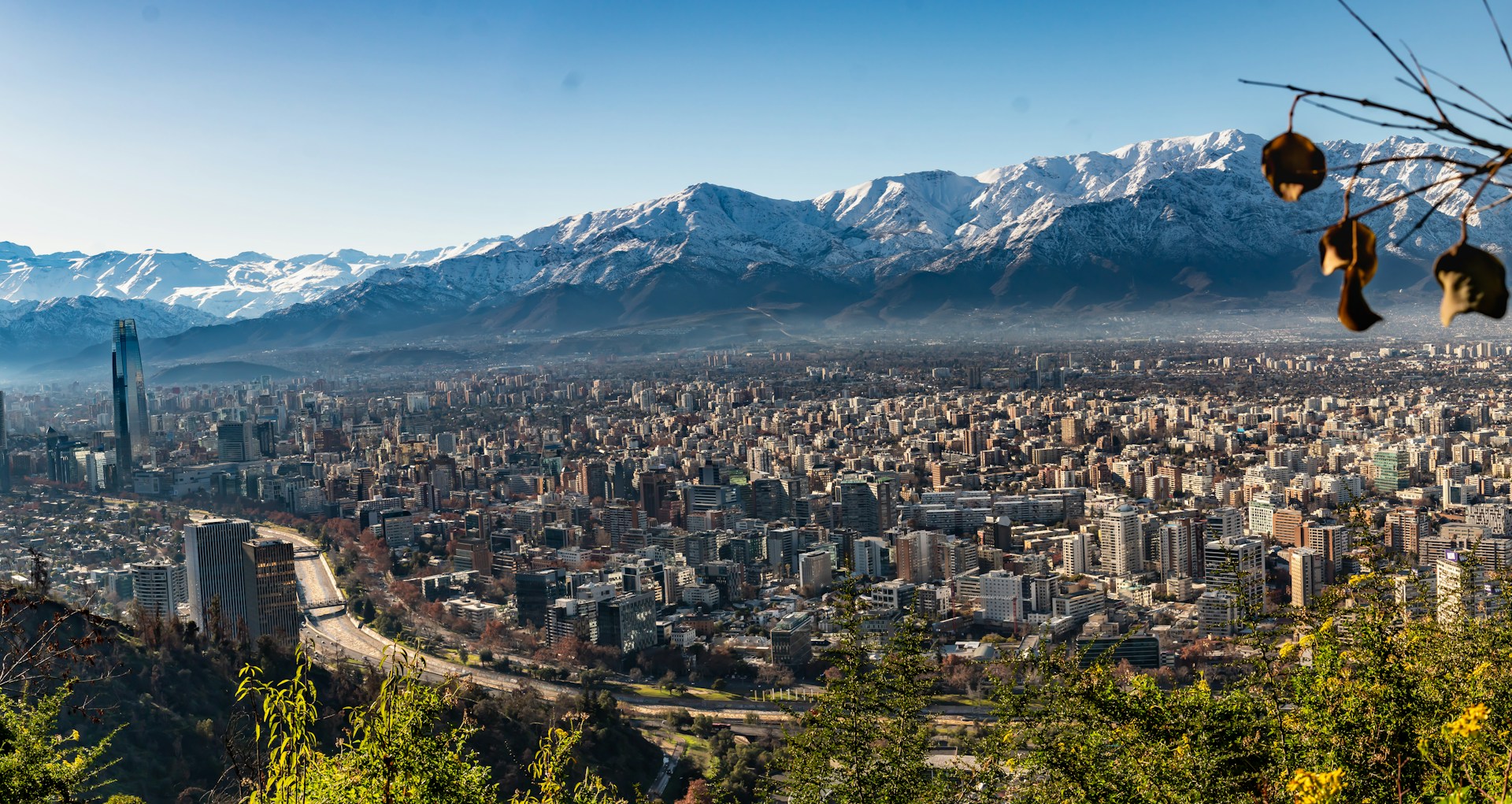
Santiago was my introduction to Chile, and one of the first things that struck me was its setting.
When the air was clear, the Andes seemed to rise almost directly behind the city, creating a backdrop that made even an ordinary walk through the streets feel distinctly Chilean.
One of my favorite things we did was rent bicycles and explore the city on two wheels. I really enjoyed seeing Santiago this way.
We could cover much more ground than we would on foot while still stopping whenever a neighborhood, park, café, or interesting building caught our attention. It also gave me a much better sense of how the different parts of the city fit together.
I'd make time for Mercado Central and the historic center before heading toward neighborhoods like Lastarria and Bellavista, where Santiago felt younger, livelier, and much more colorful.
Cerro San Cristóbal was another highlight, particularly when the skies were clear enough to see the Andes beyond the city.
Santiago also makes an excellent base for exploring beyond the capital. The Maipo and Casablanca wine valleys are both within easy reach, so you can be tasting Chilean wine among the vineyards without completely relocating your trip.
How Santiago fits into your Chile itinerary
Santiago is the natural starting point for a Chile itinerary. I'd spend two or three nights here before flying or driving onward, with an extra day if you want to visit one of the nearby wine valleys.
Chiloé
(pronounced: chee-loh-EH)
Chiloé at a glance
Los Lagos Region, southern Chile
Local culture, traditional food, architecture, folklore, and coastal scenery
3 nights
Culture lovers, foodies, photographers, and slow travelers
Misty, traditional, colorful, and wonderfully quirky
December to March
Chiloé felt noticeably different from mainland Chile almost as soon as I arrived.
Everything seemed greener, wetter, and a little more mysterious, which somehow suited an island where stories about ghost ships and forest spirits are still very much part of the local culture.
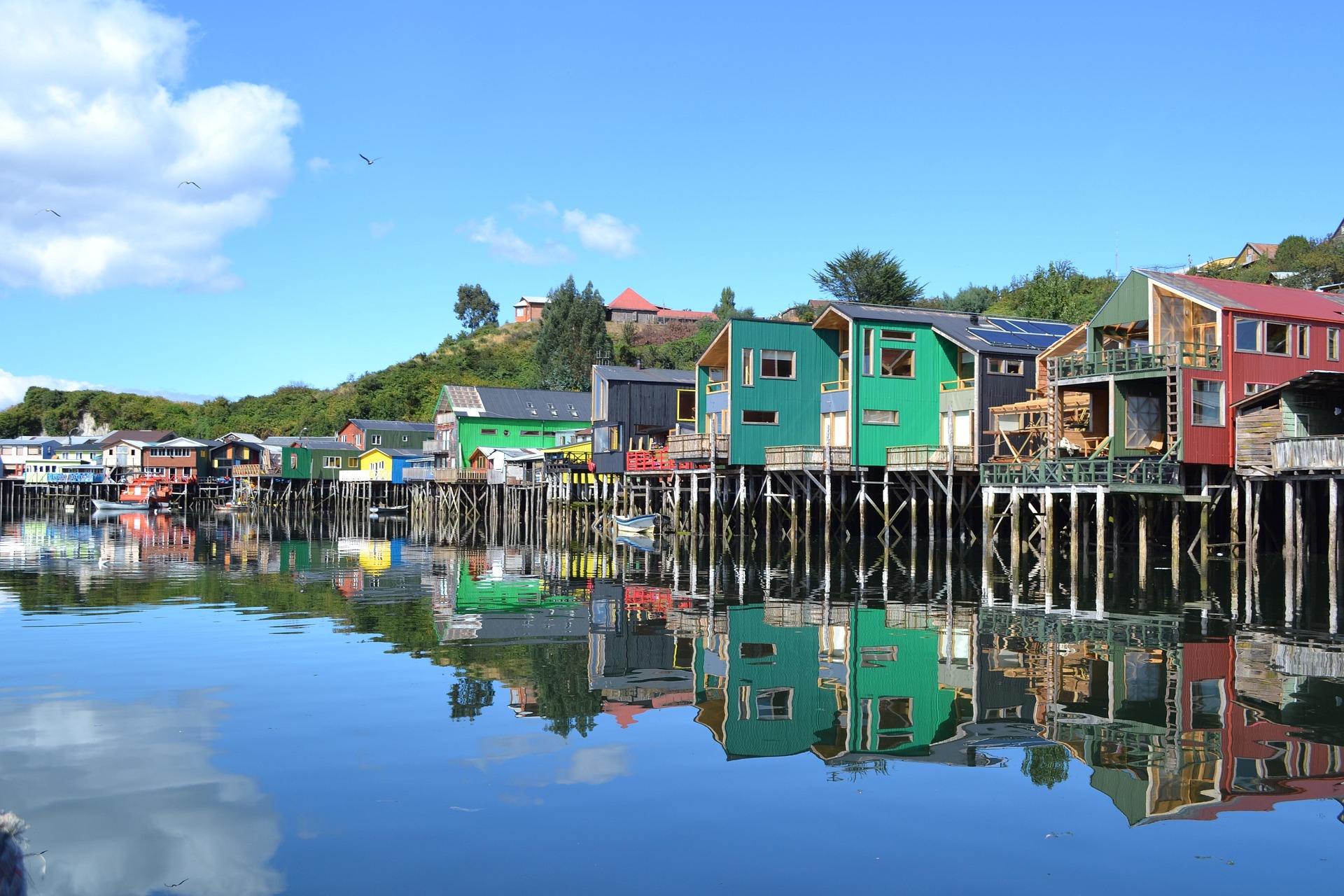
Castro was my natural starting point. I loved seeing the brightly painted palafitos lining the waterfront, their wooden stilts exposed or submerged depending on the tide.
But some of my favorite discoveries came once I traveled farther around the island through rolling farmland, fishing villages, and stretches of rugged coastline.
I also made a point of visiting some of Chiloé's famous wooden churches. They're built using traditional timber construction, and their colorful exteriors and beautifully crafted interiors felt completely at home in the landscape.
Then there was the food. Chiloé has its own culinary identity, and I'd definitely recommend trying curanto while you're here.
This traditional feast combines shellfish, meat, potatoes, and other ingredients that are traditionally layered over heated stones and cooked underground. It was hearty, smoky, and exactly the kind of meal I wanted after a day exploring the island.
What I liked most about Chiloé was that it never felt like somewhere I could understand by visiting one attraction. The culture, food, architecture, landscape, and folklore all seemed connected.
How Chiloé fits into your Chile itinerary
Chiloé combines naturally with Puerto Montt and Chile's Lake District, giving you a slower cultural and coastal stop before continuing farther south into Patagonia.
Valle de Elqui
(pronounced: EL-kee)
Valle de Elqui at a glance
Coquimbo Region, northern Chile
Stargazing, desert landscapes, and relaxing
2 nights
Stargazers, couples, photographers, and slow travelers
Peaceful, otherworldly, and laid-back
March to November, ideally around a new moon
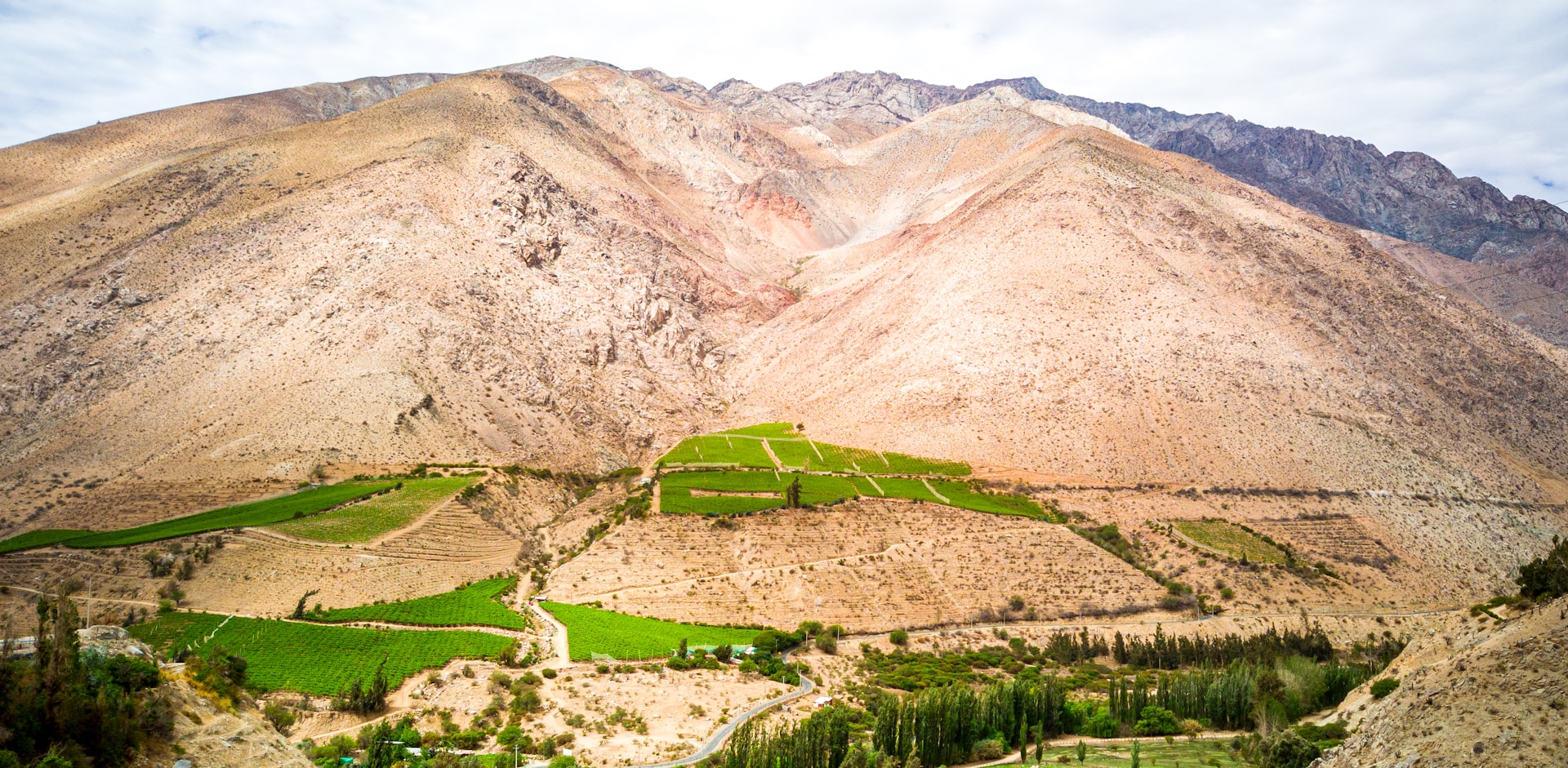
Valle de Elqui was one of those places where the landscape seemed almost impossible at first. A ribbon of green vineyards and small villages runs through a valley surrounded by dry, almost completely bare mountains.
During the day, I loved simply exploring the valley. Pisco Elqui made a good base, and the vineyards and pisco distilleries gave me plenty of excuses to stop as I traveled between the little communities scattered along the river.
But the real reason I'd come here is what happens after sunset.
Northern Chile has some of the clearest skies on Earth, and Valle de Elqui takes full advantage of them. I joined one of the nighttime stargazing experiences, and once my eyes adjusted to the darkness, the sheer number of stars was extraordinary.
Seeing the Milky Way stretched clearly across the sky made me realize how rarely I experience truly dark skies at home.
Several observatories offer public tours, where guides help identify planets, constellations, and distant objects through telescopes. I thought having someone explain what I was looking at made the experience even better.
The combination of pisco, quiet villages, desert mountains, and an extraordinary night sky made Valle de Elqui feel like somewhere worth slowing down for.
How Valle de Elqui fits into your Chile itinerary
Valle de Elqui pairs naturally with La Serena and makes a great two-night detour when traveling between Santiago and the Atacama Desert.
Pucón and the Lake District
(pronounced: poo-KOHN)
Pucón and the Lake District at a glance
Araucanía Region, southern Chile
Volcanoes, hiking, hot springs, lakes, and outdoor adventures
3-4 nights
Hikers, adventure travelers, and couples
Outdoorsy, lush, and energetic
December to March
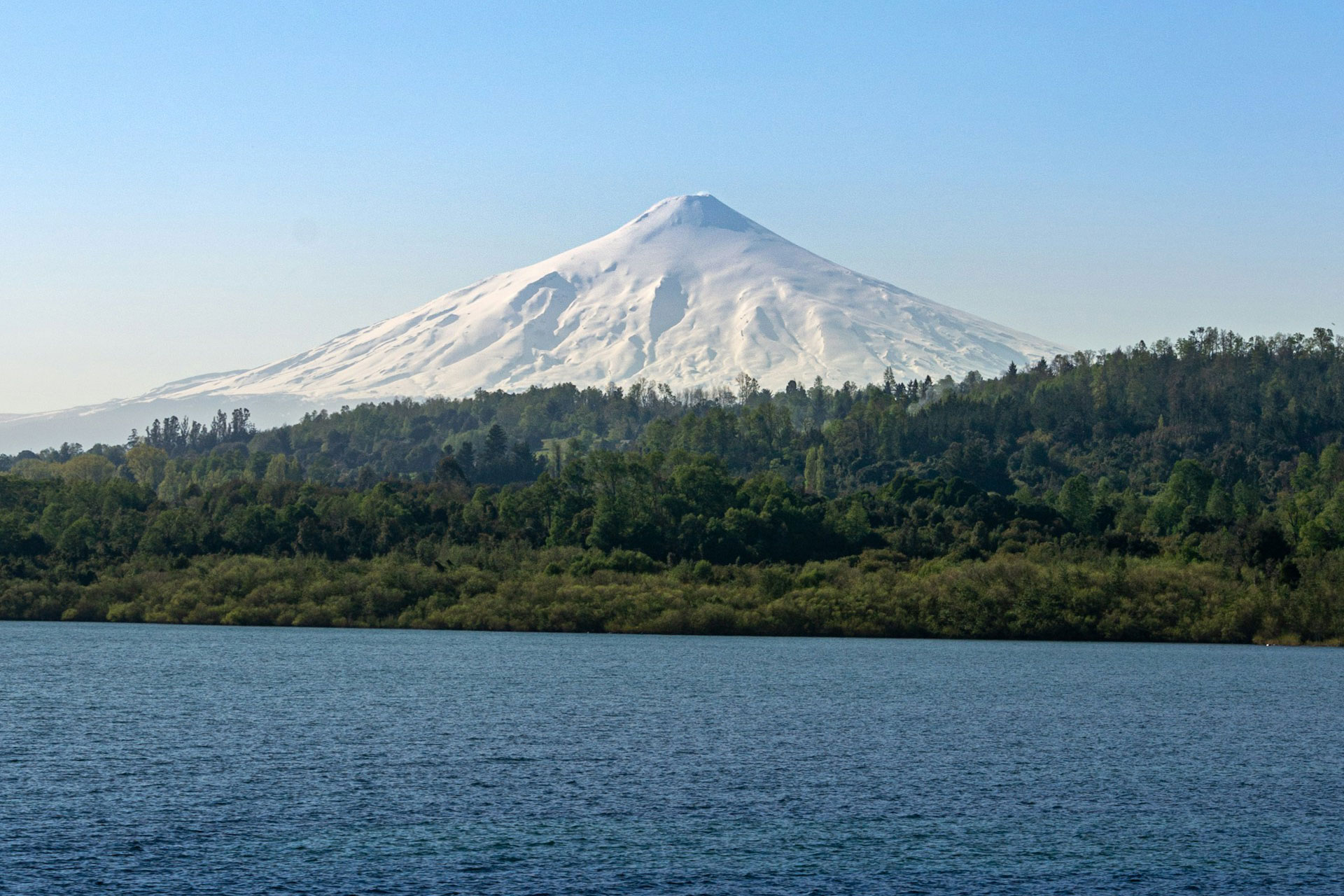
Pucón was one of those places where the landscape constantly reminded me that Chile is still geologically very much alive.
Villarrica Volcano rises almost perfectly behind the town, its snow-covered cone visible from seemingly everywhere, and knowing that it's an active volcano made the view even more impressive.
The big adventure here is climbing Villarrica. It's a demanding guided ascent involving crampons, an ice axe, and several hours on the mountain, but reaching the upper slopes with the Chilean Lake District spreading out below is an incredible experience.
Conditions determine whether summit attempts can go ahead, so I quickly learned that the volcano gets the final say.
What I particularly liked about Pucón was how many other outdoor activities surrounded it.
I could hike through forests filled with distinctive araucaria trees, spend time around the lakes, or head onto the rivers for whitewater rafting.
And after an active day, the thermal springs were exactly what I wanted (and needed). Sitting in naturally heated water surrounded by dense forest felt wonderfully indulgent after spending hours hiking.
Pucón definitely caters to adventure travelers, but I found it equally easy to slow everything down and simply enjoy the lake, forests, and mountain scenery.
How Pucón and the Lake District fit into your Chile itinerary
Pucón makes an excellent stop between Santiago and southern Chile, and I'd allow at least three nights before continuing toward Puerto Montt, Chiloé, or farther into Patagonia.
Valparaíso
(pronounced: val-pa-rah-EE-soh)
Valparaíso at a glance
Central Chile, about 90 minutes northwest of Santiago
Street art, surfing, and creative culture
1-2 nights
Art lovers, photographers, surfers, couples, and curious explorers
Colorful, bohemian, gritty, and wonderfully chaotic
October to April
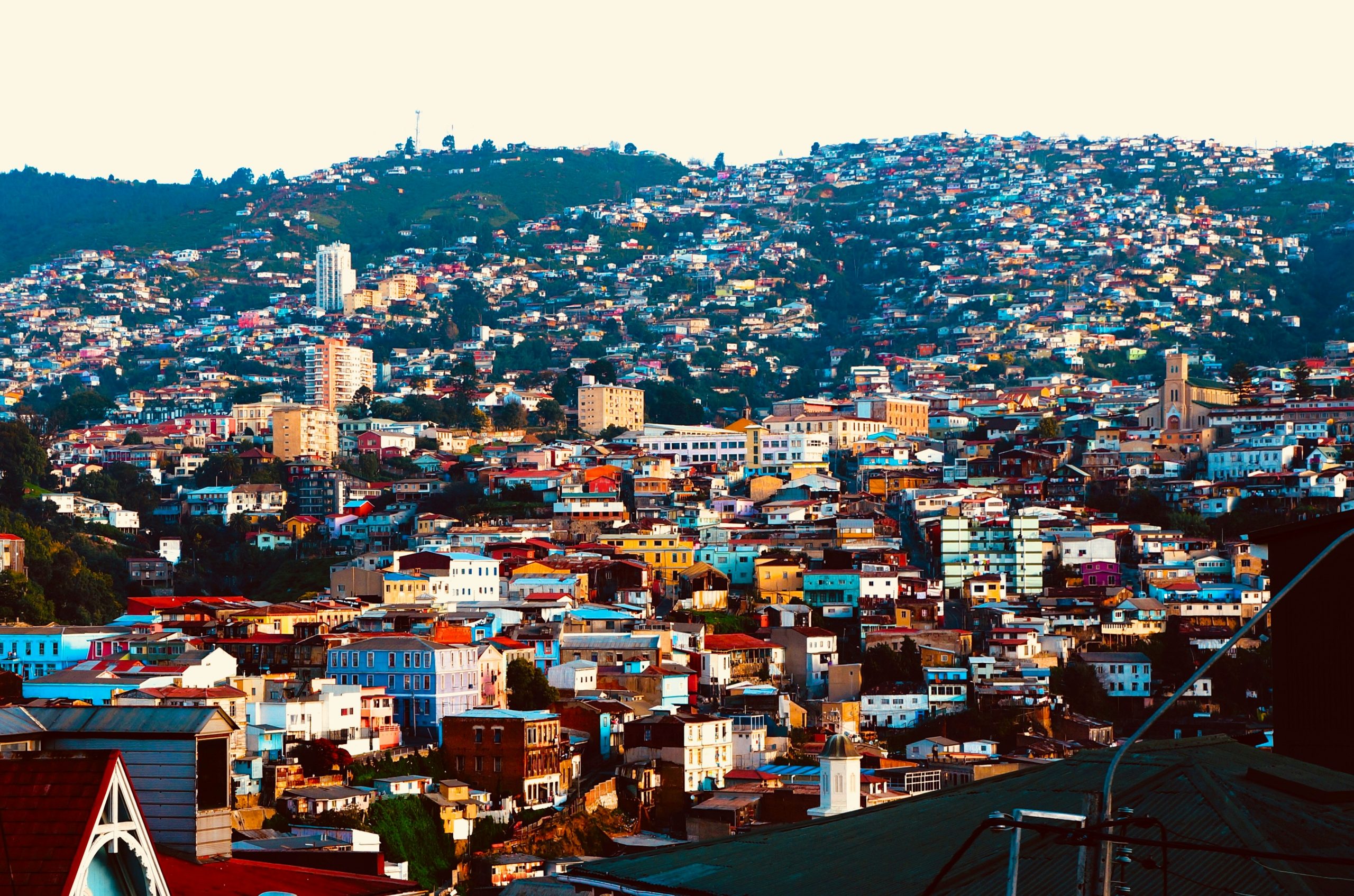
Valparaíso was easily one of the most colorful places I visited in Chile. Bright houses seemed to tumble down the hills toward the port, staircases disappeared between buildings, and enormous murals transformed entire walls into works of art.
I loved the street art so much that we actually booked a guided walking tour dedicated to it.
It ended up being one of my favorite ways to experience the city because I learned more about the artists, stories, and political and cultural ideas behind murals I otherwise would have simply photographed and walked past.
We also went on a surfing and sandboarding tour, which gave us a completely different experience beyond the city streets. Going from surfing along the Pacific coast to racing down enormous sand dunes made for a pretty memorable day.
Back in Valparaíso, I spent plenty of time around Cerro Alegre and Cerro Concepción, riding the old funiculars and following whichever colorful staircase or narrow alley caught my attention.
I also visited La Sebastiana, Pablo Neruda's wonderfully eccentric hillside home overlooking the bay.
Valparaíso wasn't polished, and I wouldn't have wanted it to be. The color, street art, steep hills, aging buildings, and working port were all part of what made the city so memorable for me.
How Valparaíso fits into your Chile itinerary
Valparaíso is an easy trip from Santiago and deserves at least one overnight, particularly if you want to experience the colorful hills after the day-trippers leave.
Carretera Austral
(pronounced: ka-reh-TEH-ra ows-TRAL)
Carretera Austral at a glance
Chilean Patagonia, from Puerto Montt south toward Villa O'Higgins
Road trips, hiking, glaciers, remote landscapes, and photography
10-14 days
Road trippers, hikers, photographers, and adventure travelers
Wild, remote, rugged, and spectacular
December to February
Driving the Carretera Austral was definitely one of the highlights of my trip through Patagonia and easily one of my favorite experiences in Chile.
This is one of those rare journeys where getting from one place to another became as memorable as the destinations themselves.
The road winds for around 1,200 kilometres through fjords, rainforest, mountains, glaciers, and rivers so turquoise they occasionally looked edited.
I quickly learned not to be too ambitious with our daily distances.
We were constantly stopping for viewpoints, short walks, waterfalls, or simply because another ridiculous Patagonian landscape had appeared around the next bend. Add gravel roads and ferry crossings, and progress can be wonderfully slow.
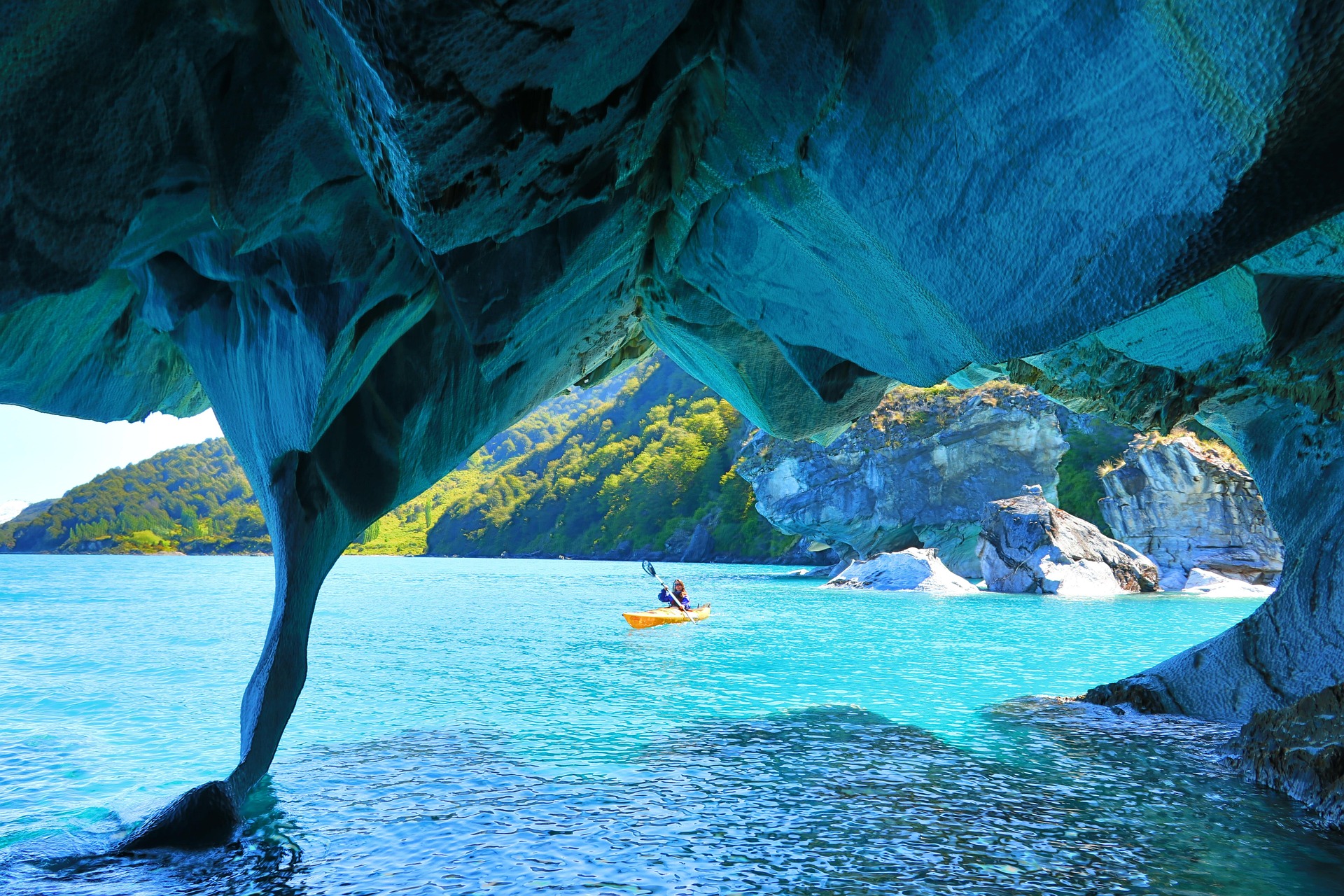
One of my favorite stops was the Marble Caves on General Carrera Lake. We went out by small boat, and seeing the smooth, swirling blue-and-white marble from water level was even more impressive than I'd expected.
The colors changed with the light and reflections from the intensely blue water below us.
But no single attraction defined the Carretera Austral for me. I loved the remoteness, the tiny settlements, and that feeling of heading deeper into Patagonia with each passing day.
It's a road trip I'd happily do again.
How the Carretera Austral fits into your Chile itinerary
I'd treat the Carretera Austral as a trip within the trip and give it at least 10 days. It works particularly well for travelers continuing south from Chile's Lake District into Patagonia.
Chilean Fjords and Glaciers
Chilean Fjords and Glaciers at a glance
Southern Chilean Patagonia, between Puerto Montt and the Strait of Magellan
Glaciers, cruising, wildlife, and remote landscapes
4-7 days
Nature lovers, photographers, cruise travelers, and slow travelers
Remote, immense, peaceful, and otherworldly
October to April
The Chilean fjords showed me a side of Patagonia that simply isn't accessible by road. Much of this coastline has no road connection at all, so traveling by boat wasn't just a scenic option. It was the only way to properly experience it.
And what a way to travel.
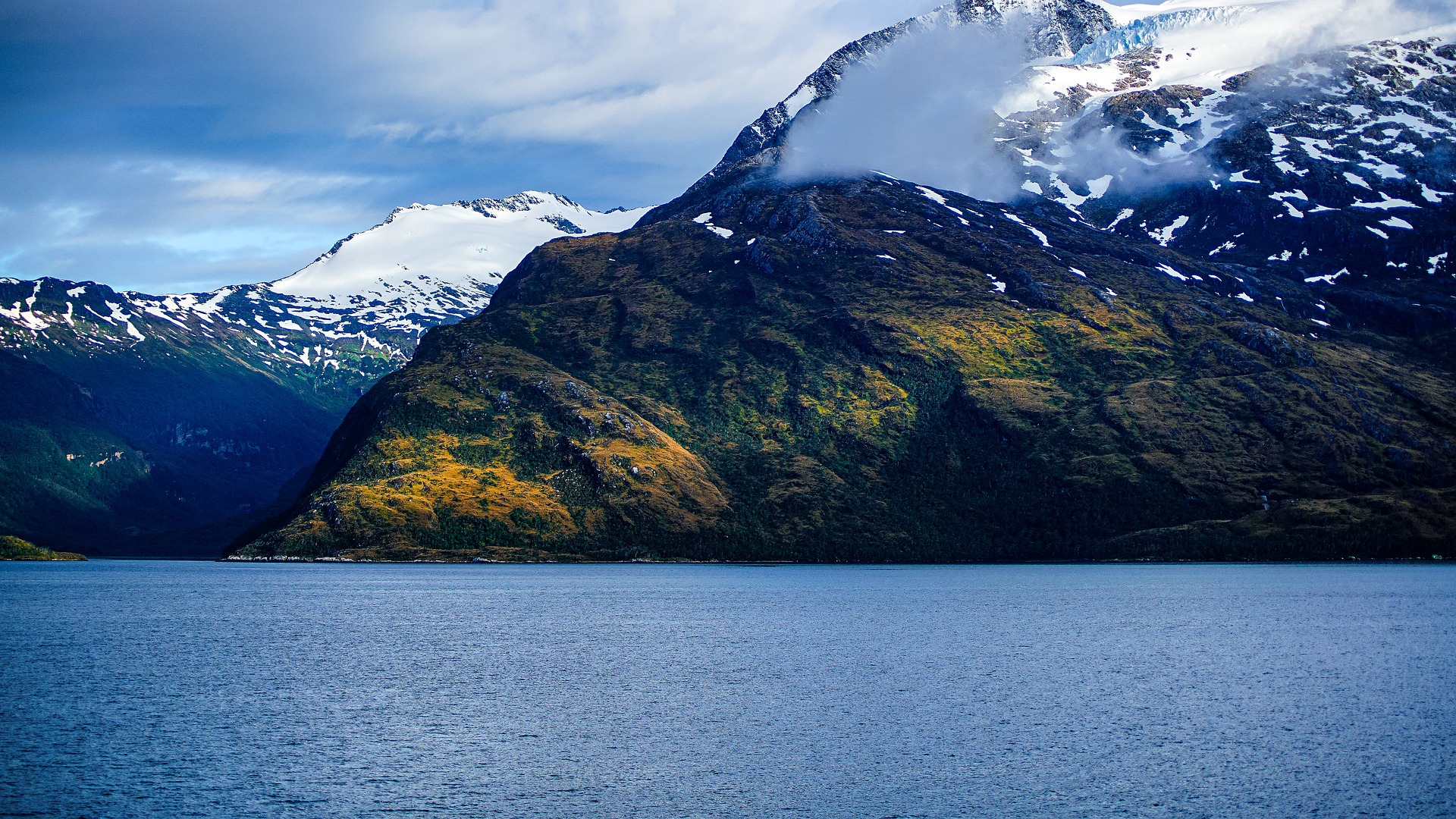
I loved waking up to completely different scenery each morning. Sometimes we moved through narrow channels with steep, forest-covered mountains rising on both sides.
Elsewhere, low clouds clung to the slopes, and glaciers appeared between the mountains, spilling down toward unbelievably still water.
The sheer absence of people stayed with me most. We could travel for hours without seeing a town, house, road, or virtually any indication that people existed at all.
Then there were the glaciers. Watching ice calve directly into the water was spectacular, but I also remember the strange silence afterward, when the sound disappeared, and everything became still again.
You can experience the region in several ways. The Navimag ferry offers a more practical, affordable journey through the fjords, while expedition cruises provide a more comfortable experience with itineraries designed around glaciers and wildlife.
Either way, I wouldn't rush it. Part of what made the fjords so memorable was simply having time to watch Patagonia slowly pass by.
How the Chilean Fjords and Glaciers fit into your Chile itinerary
I'd include the fjords as part of a dedicated Patagonia itinerary rather than squeezing them into a shorter Chile trip. They combine naturally with Puerto Montt, the Carretera Austral, or destinations farther south around Punta Arenas.
San Pedro de Atacama
(pronounced: a-ta-KA-ma)
San Pedro de Atacama at a glance
Antofagasta Region, northern Chile
Desert landscapes, stargazing, geysers, and flamingos
4 nights
Adventure travelers, photographers, and stargazers
Otherworldly, remote, adventurous, and wonderfully strange
Year-round, with spring and autumn particularly comfortable
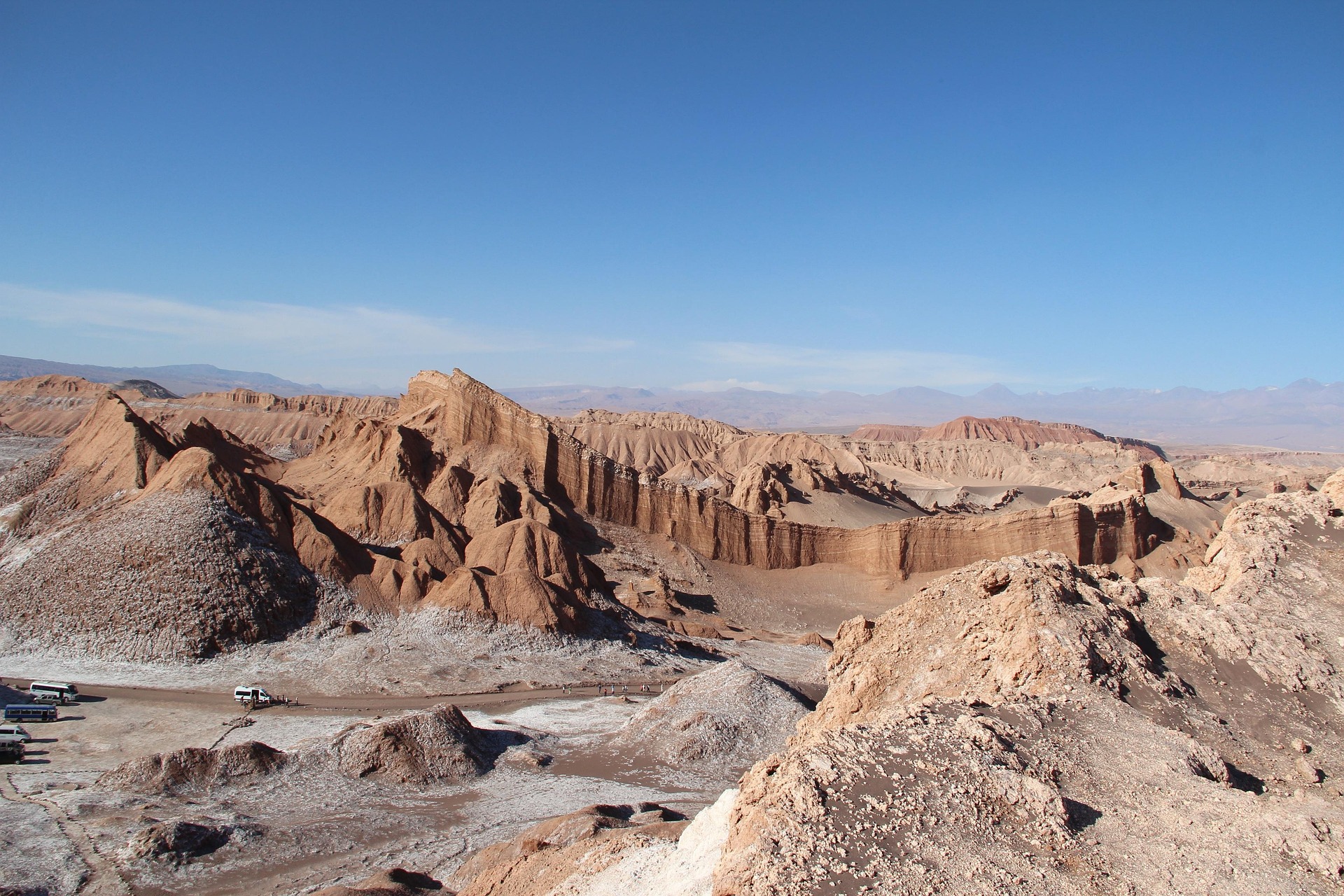
San Pedro de Atacama felt like I'd arrived on another planet.
The village itself is tiny, with dusty adobe streets and low buildings, but almost everything surrounding it seemed to operate on an entirely different scale.
Valle de la Luna was one of my favorite places to appreciate just how unusual the landscape is. I walked among salt-crusted ridges, dunes, and rock formations before watching the desert change from gold to orange and violet as the sun disappeared.
El Tatio required considerably more effort.
Getting up before dawn and heading to more than 4,000 metres in freezing temperatures wasn't particularly appealing when the alarm went off, but seeing the geyser field come alive as the first sunlight caught the columns of steam made the early start worthwhile.
I also loved the variety beyond the stereotypical image of an empty desert. I saw flamingos feeding across salt flats, brilliantly blue high-altitude lagoons surrounded by volcanoes, and landscapes that changed dramatically depending on elevation.
Then night arrived, and Atacama became impressive all over again. With incredibly dry air and very little light pollution, the stars seemed almost absurdly bright.
I'd absolutely make room for an astronomical tour rather than treating stargazing as something you'll simply do from your hotel.
How San Pedro de Atacama fits into your Chile itinerary
Atacama is far from central Chile, so I'd fly from Santiago to Calama and spend at least four nights here. Treat it as a destination in its own right, not a quick side trip.
Easter Island / Rapa Nui
(pronounced: RA-pa NOO-ee)
Easter Island / Rapa Nui at a glance
Southeastern Pacific Ocean, approximately 3,700 km west of mainland Chile
Archaeology, Polynesian culture, history, hiking, and extraordinary landscapes
4-5 nights
History lovers, photographers, culture lovers, and curious explorers
Mysterious, remote, peaceful, and unforgettable
Year-round, with December to March the warmest
Easter Island may technically be part of Chile, but I think Rapa Nui deserves a vacation in itself rather than being treated as another stop on a whirlwind trip around the country.
The five-and-a-half-hour flight from Santiago gives you some idea of just how isolated it is.
Once I arrived, that remoteness became part of what made the island so fascinating.
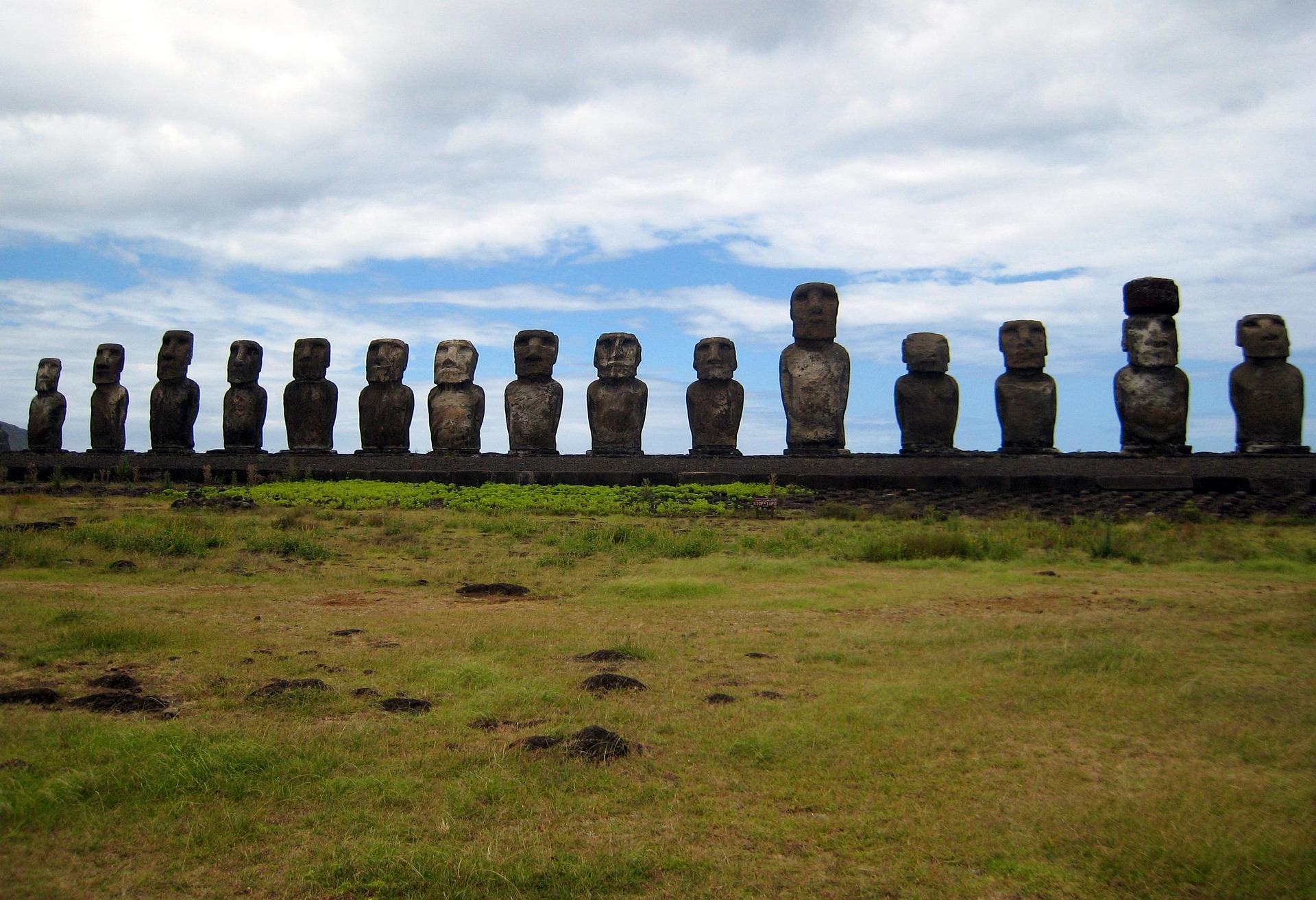
Of course, I came wanting to see the moai, and they didn't disappoint. Ahu Tongariki was spectacular, particularly with its 15 restored moai standing together against the Pacific.
If you can manage the early start, seeing them silhouetted at sunrise is one of those experiences that justifies setting an alarm on vacation.
Rano Raraku fascinated me even more. This volcanic quarry is where most of the island's moai were carved, and unfinished statues remain scattered across the slopes.
Some emerge only partially from the earth, while others appear to have been abandoned during production or transportation. Walking among them made the history feel much less distant.
But I wouldn't make the mistake of seeing Rapa Nui solely through its statues. I also loved the volcanic landscapes, dramatic coastline, crater at Rano Kau, and Anakena Beach, where white sand, palms, and moai somehow exist in the same view.
With the expense and effort required to reach Rapa Nui, I think four nights should be the minimum. Personally, I'd give it even longer and let the island become a separate chapter of the trip.
How Easter Island fits into your Chile itinerary
I'd treat Easter Island almost as a separate vacation within a longer Chile itinerary. Allow at least four or five nights plus travel time from Santiago rather than trying to squeeze it between mainland destinations.
Torres del Paine
(pronounced: TOR-rehs del PIE-neh)
Torres del Paine at a glance
Magallanes Region, southern Chilean Patagonia
Multi-day trekking, day hikes, glaciers, wildlife, and mountain scenery
4-6 nights
Serious hikers, adventure travelers, photographers, and nature lovers
Wild, challenging, dramatic, and unforgettable
November to March
Torres del Paine is one of those destinations I think belongs on any serious hiker's bucket list.
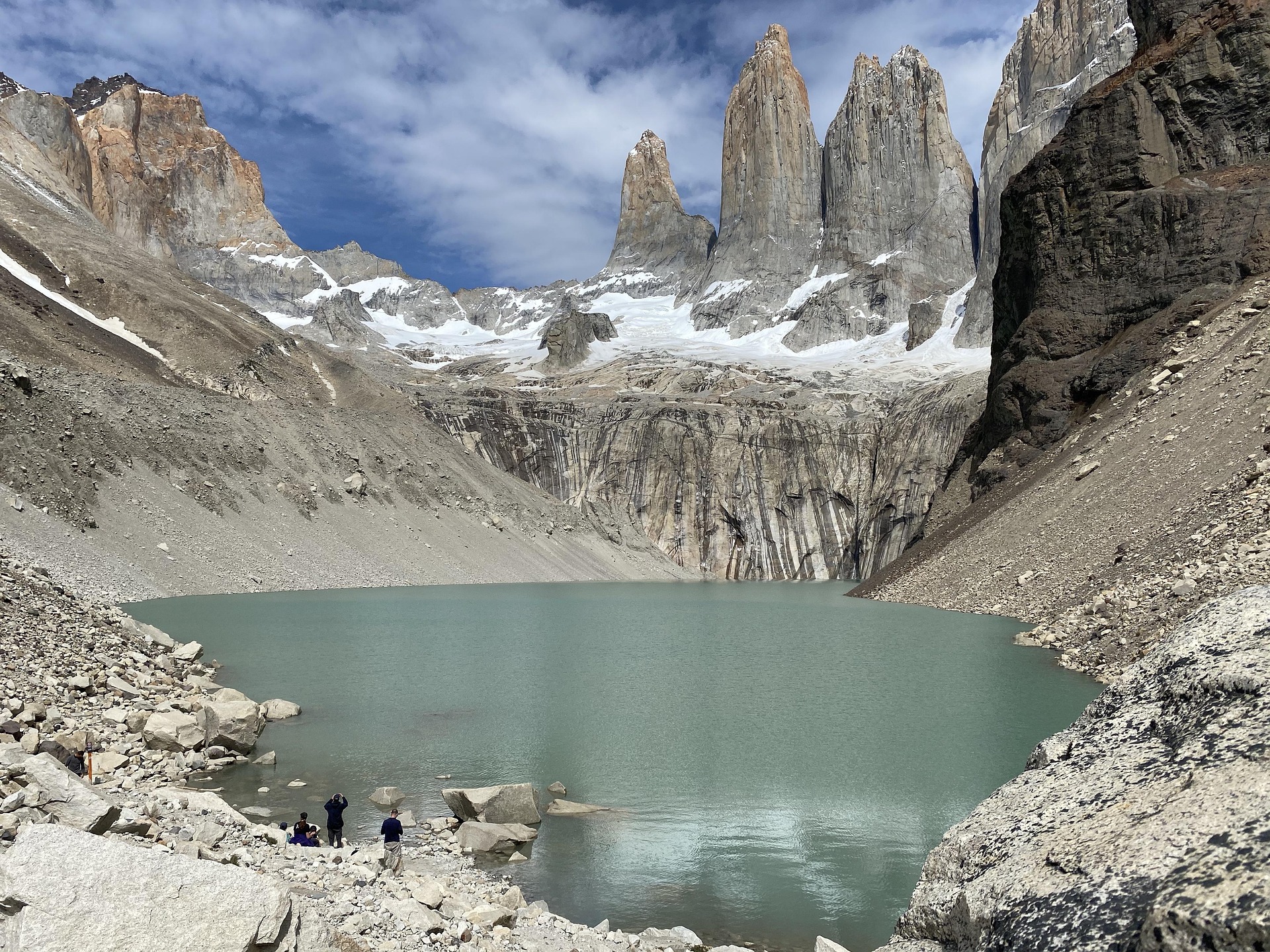
The landscape alone earns it. Three enormous granite towers rise almost vertically above a glacial lake, with the Cuernos, turquoise lakes, glaciers, and huge expanses of open Patagonian steppe surrounding them.
I found that photographs captured the individual landmarks, but never quite conveyed how dramatic everything felt together.
The W Trek is the experience most hikers come for. Over four or five days, the route connects some of the park's greatest scenery, including the Base of the Towers, French Valley, and Grey Glacier.
For something even bigger, the O Circuit takes you around the massif over eight or nine days and into much quieter sections of the park.
But I wouldn't rule Torres del Paine out if a multi-day trek isn't realistic. There are excellent day hikes, including the long climb to the Base of the Towers, and you can experience a surprising amount while staying at a lodge or hotel.
I also loved how much wildlife was mixed into the experience. Guanacos wandered across the steppe, condors circled overhead, and simply knowing that pumas were somewhere out there added another layer of wildness.
And then there's the weather. Patagonia could give me sunshine, rain, brutal wind, and blue skies remarkably close together. Proper layers weren't optional.
How Torres del Paine fits into your Chile itinerary
I'd make Torres del Paine the centerpiece of a Chilean Patagonia itinerary and allow at least four days. Puerto Natales is the natural gateway, while Punta Arenas provides useful connections for exploring farther south.
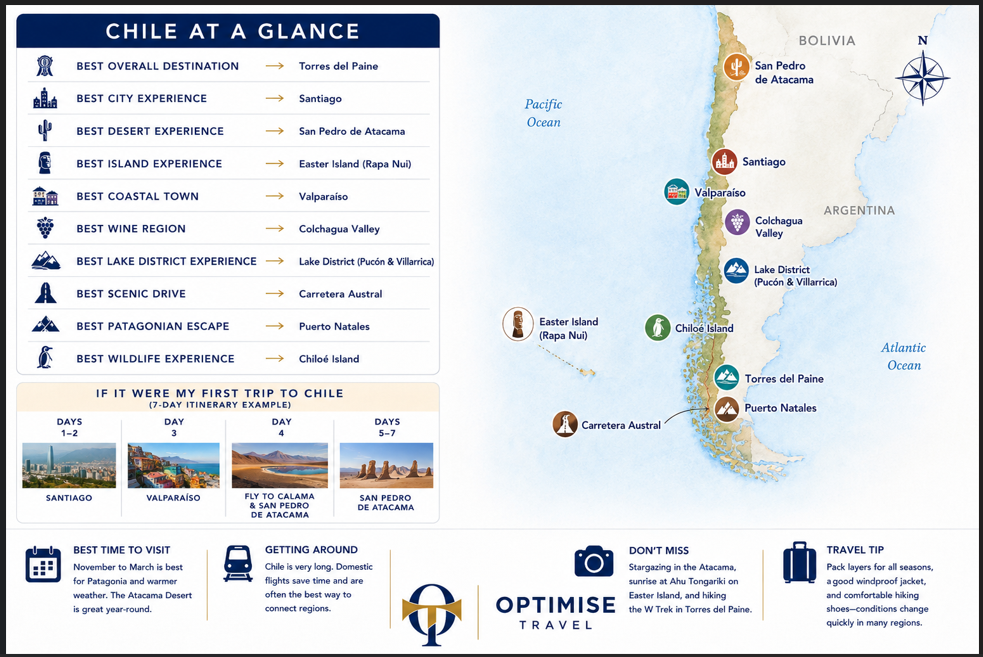
Chile's unusual shape makes itinerary planning slightly tricky. The country stretches for more than 4,300 kilometres, so I wouldn't try to connect every destination overland.
For a first trip, I'd use Santiago as the main transport hub and focus on a couple of regions rather than spending half the vacation in transit.
Chile Itinerary: 7 Days
Route: Santiago → Valparaíso → San Pedro de Atacama
| Days 1-2 | Day 3 | Day 4 | Days 5-7 |
|---|---|---|---|---|
Destination | Santiago | Valparaíso | Fly Santiago → Calama, continue to San Pedro de Atacama | San Pedro de Atacama |
Overnight | Santiago | Valparaíso | San Pedro de Atacama | San Pedro de Atacama or departure |
Why this route? For a Chile 7 day itinerary, I think this gives you the most variety without trying to cover impossible distances. You'll experience Santiago, colorful Valparaíso, and the otherworldly landscapes of the Atacama Desert, with enough time for Valle de la Luna, flamingo-filled salt flats, stargazing, and El Tatio.
*I'd fly between Santiago and Calama rather than attempt the journey overland. Chile is incredibly long, and domestic flights can turn what would be an exhausting travel day into a relatively easy connection.
Chile Itinerary: 14 Days
Route: Place_1_to_Place_x
Week 1 | Days 1-2 | Days 3 | Days 4 | Day 5-7 |
|---|---|---|---|---|
Destination | Santiago | Valparaíso | Travel to San Pedro de Atacama | San Pedro de Atacama |
Overnight | Santiago | Valparaíso | San Pedro de Atacama | San Pedro de Atacama |
Week 2 | Days 8 | Days 9 | Days 10-13 | Day 14 |
|---|---|---|---|---|
Destination | Fly south toward Patagonia | Puerto Natales / Torres del Paine | Torres del Paine | Travel to Santiago |
Overnight | Puerto Natales | Torres del Paine | Torres del Paine | Santiago or departure |
Why this route? For a Chile 14 day itinerary, I'd embrace the country's enormous north-to-south contrast. You'll go from Santiago and the Pacific coast to the Atacama Desert before finishing among the glaciers, turquoise lakes, and granite mountains of Torres del Paine.
*I wouldn't try to squeeze Chiloé, the Carretera Austral, or Easter Island into these itineraries. Each deserves more time. In particular, I'd treat Easter Island almost as a separate vacation and save the Carretera Austral for a dedicated Patagonia road trip.
Why Chile deserves more than one trip
Chile is one of those countries where I quickly realized that its long, narrow shape hides just how much there is to experience.
Some of my favorite memories were thousands of kilometres apart, from cycling through Santiago and exploring the colorful streets of Valparaíso to driving the Carretera Austral, hiking in Torres del Paine, and staring at the night sky in the Atacama Desert.
What amazed me was how dramatically the landscape changed, from desert and volcanoes to vineyards, forests, fjords, glaciers, and wild Patagonia.
If it's your first visit, don't feel like you need to see all 10 places. I'd choose two or three regions, explore them properly, and save Easter Island or another part of Chile for a trip of its own.
FAQs About Visiting Chile
The currency in Chile is the Chilean peso (CLP), and credit cards are widely accepted in cities and major tourist destinations.
No. Upon arrival in Chile, you will receive a tourist card from Servicio Nacional de Migraciones valid for 90 days.
Driving in Chile is generally straightforward, and you drive on the right-hand side of the road, although remote areas such as Patagonia and the Carretera Austral require more preparation.
Chile is generally safe for travelers, but normal precautions against pickpocketing and theft are recommended, particularly in Santiago, Valparaíso, and other busy tourist areas.
Chile primarily uses Type C and Type L electrical plugs, with a standard voltage of 220V and a frequency of 50Hz.
Spanish is the official and most widely spoken language in Chile, although English is commonly understood in many hotels and major tourist areas.
Ready to explore Chile? Optimise Travel is here to help
Chile stretches for thousands of kilometres, and deciding how to divide your time between its colorful cities, deserts, volcanoes, islands, fjords, and the spectacular landscapes of Patagonia can be surprisingly difficult.
At Optimise Travel, we create personalized travel itineraries based on your interests, travel style, and budget.
Whether you're dreaming of exploring Santiago, discovering the street art of Valparaíso, stargazing in the Atacama Desert, driving the Carretera Austral, hiking through Torres del Paine, or making the journey to remote Easter Island, we'll help you build an itinerary that makes the most of your time.
If you'd like help planning your trip to Chile, click here to learn more about our concierge travel services.