

Turkey was one of those countries where every stop seemed to show me a completely different side of it.
I found ancient cities, enormous mosques, turquoise beaches, otherworldly landscapes, and some of the best food I've eaten while traveling. Istanbul deserved every bit of my attention, but many of my favorite experiences happened well beyond it.
If you're planning your first trip, these are the 11 places in Turkey I'd make room for on your itinerary.
Have You Seen Our Travel Concierge Service?
Your trip, planned by local experts
We are not a travel agent - we design custom itineraries around your budget and style, without receiving commissions or booking fees.
Custom itinerary
Built around your dates, budget, and travel style.
Local expert knowledge
Recommendations from people on the ground, not review sites.
Travel smarter, spend less
We optimise for your budget to make your money go further.
Safranbolu
(pronounced: saf-ran-BOH-loo)
Safranbolu at a glance
Karabük Province, northern Turkey
Ottoman architecture, history, photography, and slow travel
1-2 nights
History lovers, couples, and travellers looking beyond Turkey’s major cities
Peaceful, atmospheric, and beautifully preserved
April to June and September to October
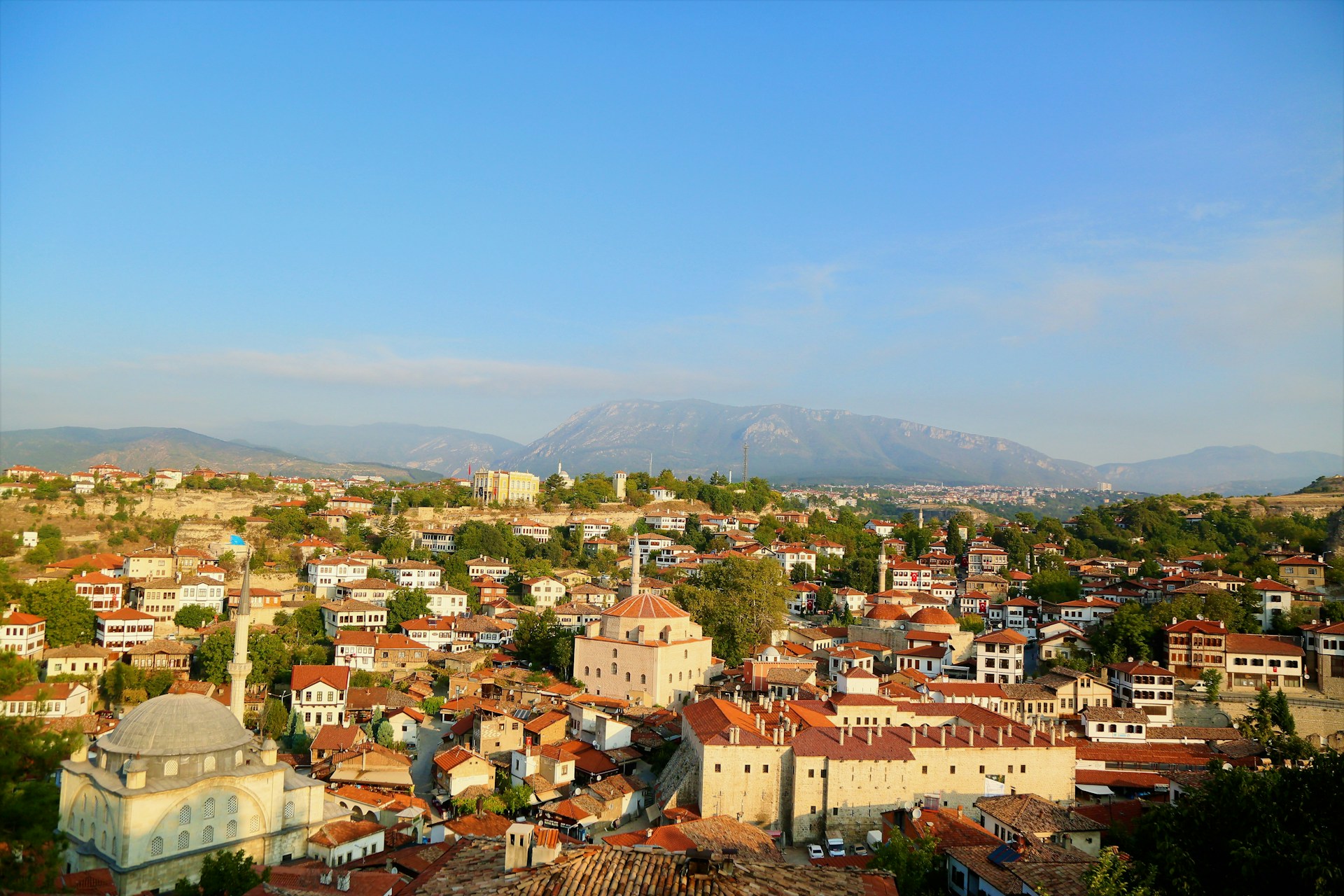
Safranbolu felt like somewhere I could understand simply by walking through it. I didn't need a huge list of attractions because the old town itself was what I had come to see.
What I loved most were the traditional Ottoman houses climbing the hillsides. Their whitewashed walls, dark timber frames, tiled roofs, and upper floors jutting over narrow cobblestone lanes gave entire neighborhoods a remarkably preserved appearance.
Safranbolu was once an important stop on the trade routes connecting different parts of the Ottoman Empire, and that history still felt visible in the town's layout.
I spent most of my time wandering through the old bazaar district, passing traditional workshops, small shops, mosques, and historic inns.
Some of those former caravanserais and Ottoman houses have been converted into hotels, which made staying overnight part of the experience rather than simply somewhere to sleep.
I also appreciated the pace. Compared with Turkey's major tourist destinations, Safranbolu gave me room to wander without feeling as though I needed to rush from one landmark to another.
For me, that's the reason to come. Safranbolu wasn't about one spectacular monument. It was about seeing an entire historic town that still felt remarkably cohesive.
How Safranbolu fits into your Turkey itinerary
Safranbolu works particularly well between Istanbul and Turkey's Black Sea region, or as a short trip from Ankara.
I'd stay at least one night rather than spending several hours traveling there and back in a single day.
Stay in one of Safranbolu's restored Ottoman houses if you can. An overnight visit also gives you time to explore the old town early in the morning and evening when day visitors are less of a factor.
Mardin
(pronounced: mar-DIN)
Mardin at a glance
Southeastern Turkey, overlooking the Mesopotamian plain
Architecture, history, religious heritage, and local culture
2 nights
Photographers, cultural travellers, history lovers
Ancient, atmospheric, multicultural, and dramatically beautiful
April to May and September to October
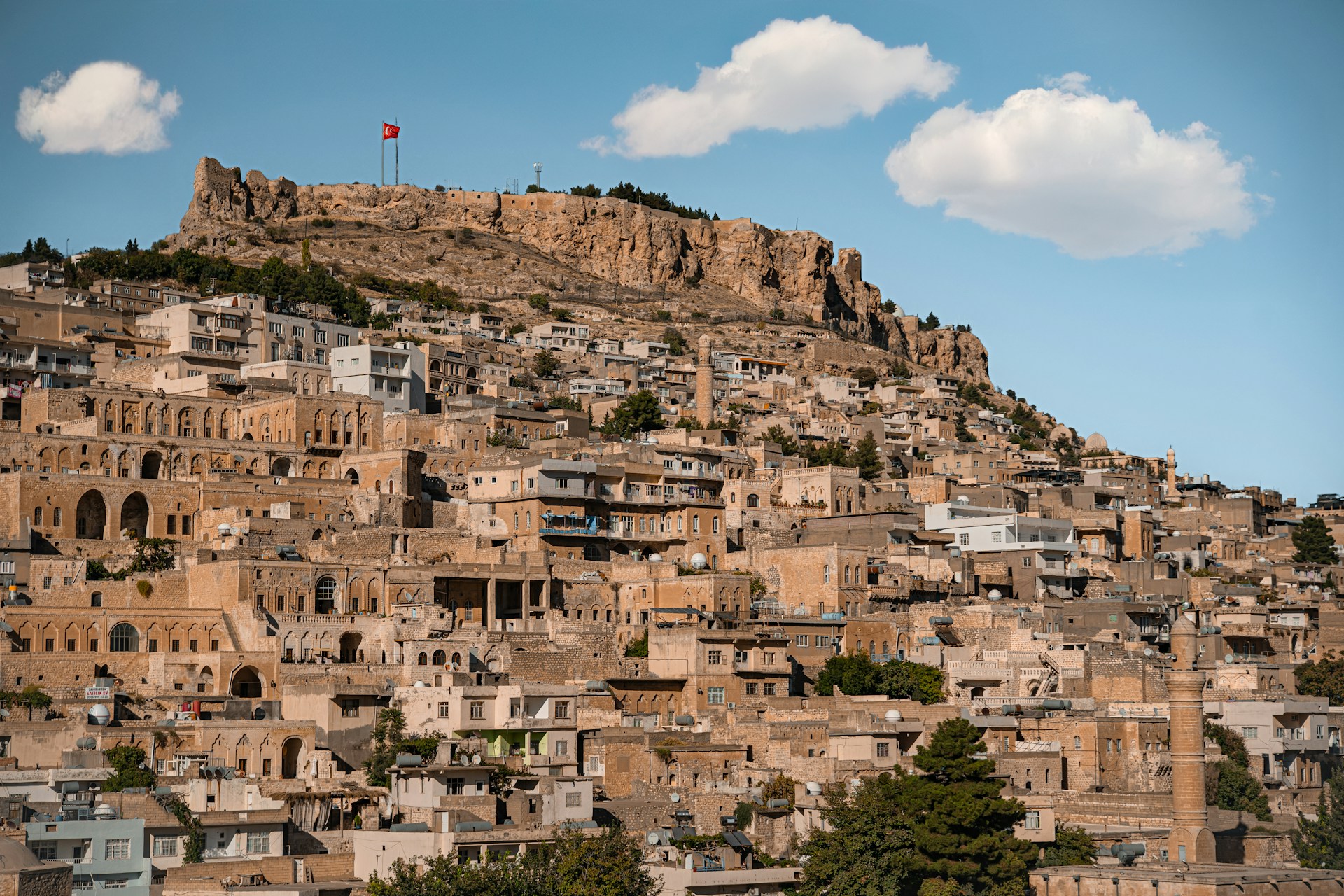
Mardin looked completely different from anywhere else I visited in Turkey. The old city seemed to cascade down the hillside in layers of honey-colored stone, with the enormous Mesopotamian plain stretching away below it.
I loved simply walking through the old town. Narrow lanes disappeared beneath carved stone archways, staircases climbed between centuries-old buildings, and rooftops opened onto views that seemed to go on forever.
Mosques, churches, madrasas, and monasteries also sit remarkably close together, reflecting the mix of cultures and religions that have shaped this part of southeastern Turkey.
The architecture was what initially caught my attention, but the setting was what stayed with me. Looking south across the almost completely flat plain from the hillside made Mardin's position feel particularly dramatic.
Around sunset, when the limestone buildings took on an even warmer color and minarets were silhouetted against the sky, I found it difficult to put the camera away.
I'd also leave time to explore beyond the old city. The region has several important historic religious sites, including the ancient Syriac Orthodox monasteries of Deyrulzafaran and Mor Gabriel.
Two nights felt like a good introduction without trying to rush Mardin into a wider southeastern Turkey itinerary.
How Mardin fits into your Turkey itinerary
Mardin works best as part of a longer southeastern Turkey route, particularly alongside Gaziantep and Şanlıurfa. I'd fly into the region rather than trying to squeeze it into a conventional Istanbul-and-western-Turkey itinerary.
Avoid the height of summer if possible. Mardin can become extremely hot, and I found the old city's steep streets much more enjoyable when I could explore them comfortably on foot.
Trabzon and the Black Sea
(pronounced: TRAB-zon)
Trabzon and the Black Sea at a glance
Northeastern Turkey, on the Black Sea coast
Mountain scenery, monasteries, road trips, and nature
2-3 nights
Nature lovers and photographers
Lush, mountainous, traditional, and wonderfully unexpected
May to June and September
The Black Sea region showed me a side of Turkey I hadn't really pictured before visiting.
Instead of dry Mediterranean landscapes and turquoise coves, I found intensely green mountains, misty valleys, tea plantations, and forests dropping toward a dark blue sea.
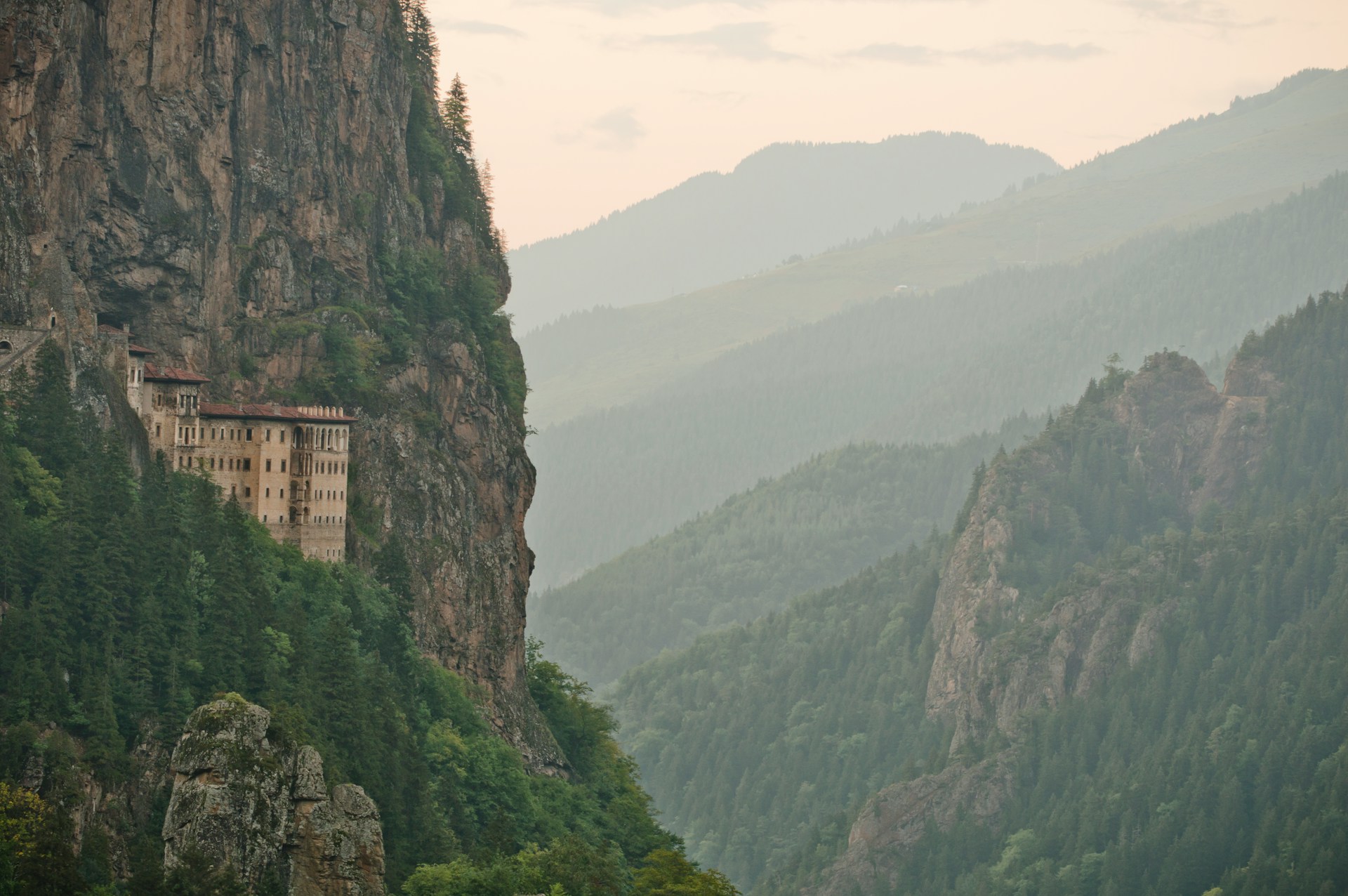
Trabzon made a useful base, but the real highlight for me was getting out into the surrounding landscape. Sümela Monastery was the place I most wanted to see, and its setting was even more dramatic than I expected.
The monastery appears to cling to an almost vertical cliff high above the forested Altındere Valley, and seeing it from across the gorge made me wonder how anyone had managed to build there in the first place.
Inside, surviving frescoes and rock-cut spaces added another layer to the experience, but I found the combination of architecture and landscape most memorable.
I also enjoyed heading farther east toward Rize, where tea plantations covered the steep hillsides in neat green rows. It felt worlds away from the Turkey I'd experienced elsewhere.
That's what I liked most about this region. The Black Sea wasn't simply another stop on my Turkey itinerary. The cooler climate, mountains, vegetation, and local culture made it feel like I'd arrived somewhere entirely different.
How Trabzon and the Black Sea fit into your Turkey itinerary
Trabzon works best as the starting point for a separate Black Sea leg rather than being squeezed into a western Turkey route. I'd spend at least two nights here, with Sümela Monastery as the priority and additional time for the coast and Rize.
Rent a car if you want to explore beyond Trabzon. Sümela, the mountain valleys, tea-growing areas, and smaller Black Sea communities are much easier to experience when you aren't relying entirely on organized tours or public transport.
Konya
(pronounced: KON-ya)
Konya at a glance
Central Anatolia, central Turkey
Sufi heritage, Islamic culture, history, spiritual traditions
1-2 nights
History lovers, cultural travelers, religious heritage enthusiasts, slow travelers
Spiritual, traditional, contemplative, historic
April–May, September–October, or December for the Şeb-i Arûs commemorations
Konya gave me a completely different experience from Turkey's coastal cities and ancient archaeological sites. I came here primarily for its spiritual and cultural history.
The city is inseparable from Rumi, the 13th-century poet and Sufi mystic who spent much of his life here.
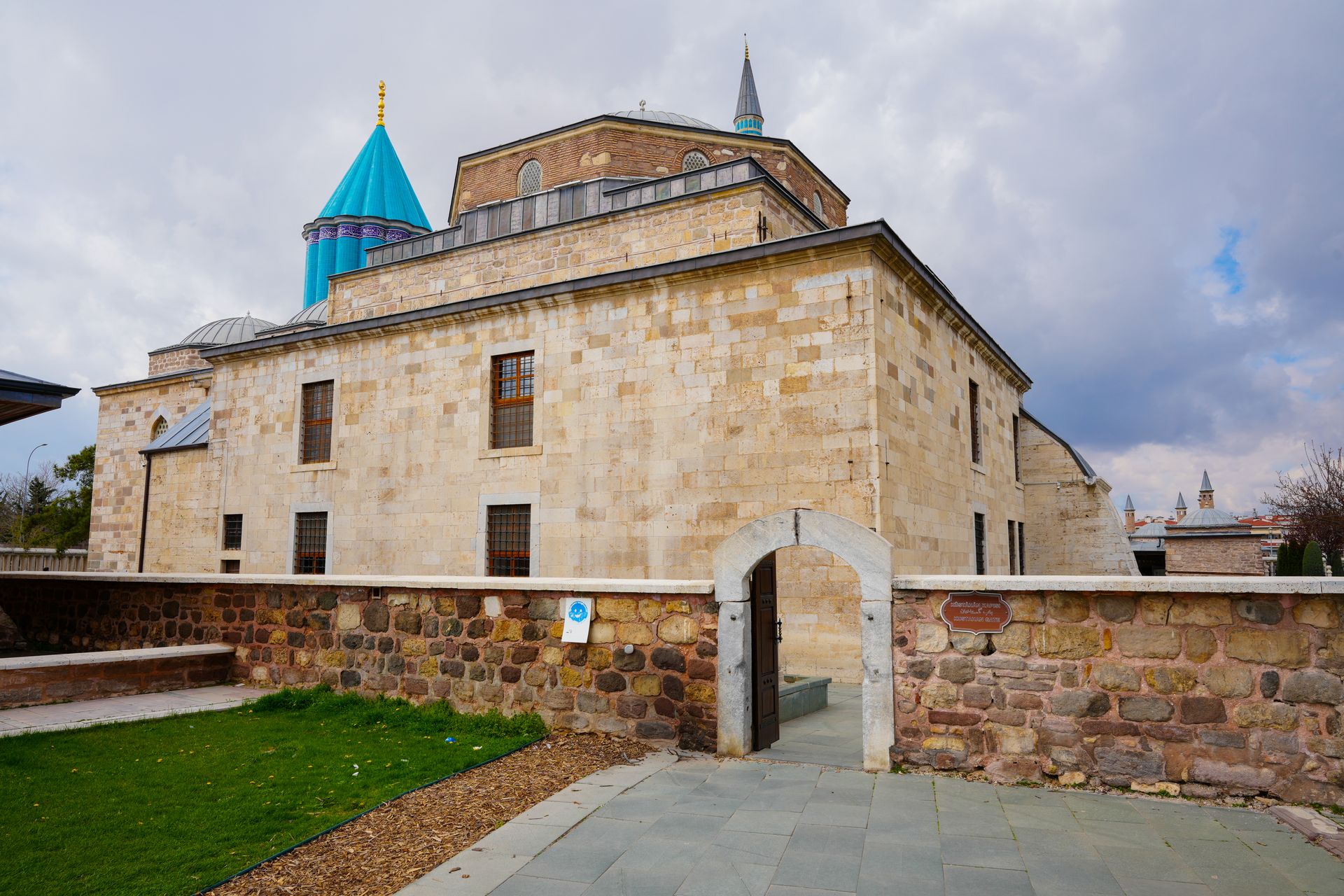
The Mevlana Museum, centered on his mausoleum and the former dervish lodge, brought that history together for me. Its distinctive turquoise dome dominates the complex, while inside I found ornate calligraphy, historic objects, and Rumi's tomb.
But the experience that stayed with me most was seeing a Sema ceremony.
The slow, deliberate movement of the Whirling Dervishes was mesmerizing, but understanding that this is a spiritual practice rather than simply a performance made it far more meaningful.
I found it worth learning a little about the symbolism beforehand so I could better understand what I was watching.
Konya itself felt noticeably more traditional than many of the other Turkish cities I visited. That contrast was part of why I enjoyed including it.
I wouldn't necessarily devote several days to Konya on a first trip, but one or two nights added a fascinating dimension to my understanding of Turkey.
How Konya fits into your Turkey itinerary
Konya makes a logical stop when traveling through central Turkey and pairs particularly well with Cappadocia. I'd use it as an overnight stop rather than making a long return trip solely from Istanbul.
If you want to see a Sema ceremony, check the current schedule before arriving and approach it as a religious and cultural experience rather than a tourist show.
December is particularly significant because of the annual commemorations surrounding Rumi's death.
Bodrum
(pronounced: BOH-drum)
Bodrum at a glance
Aegean coast, southwestern Turkey
Sailing, beaches, historic sites, coastal scenery, relaxed evenings
3-4 nights
Beach lovers, sailors, couples, travelers looking for a slower coastal stop
Stylish, laid-back, sunny, distinctly Aegean
May–June and September
Bodrum was where I wanted to slow the pace of my Turkey trip. After days spent exploring archaeological sites, historic cities, and museums, a few nights beside the Aegean felt very easy to embrace.
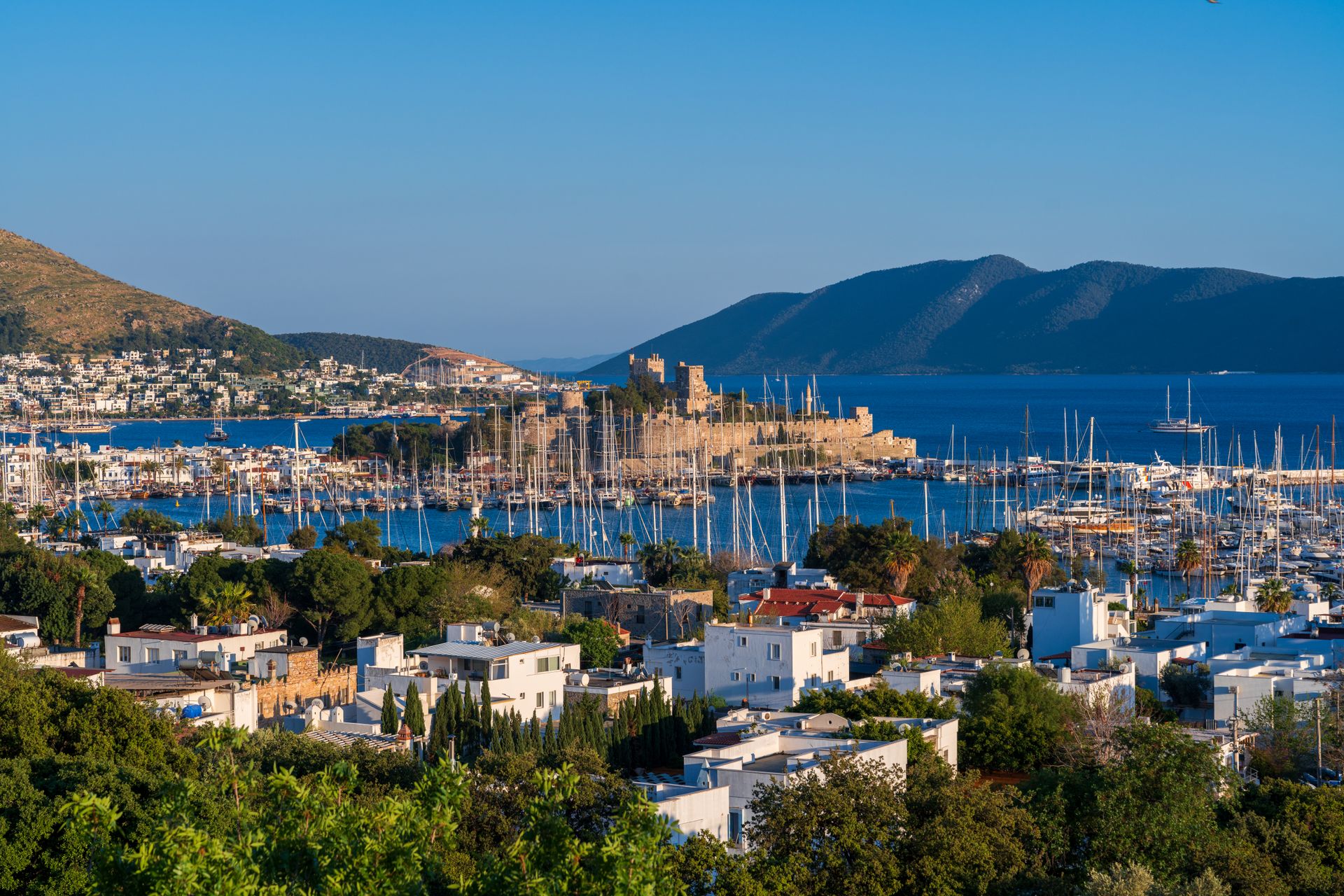
Bodrum Castle was the obvious place to start. It rises directly above the harbor, and I particularly enjoyed the views from the castle walls across the marina, whitewashed town, and surrounding coastline.
The castle also houses the Museum of Underwater Archaeology, so there was far more to see inside than I initially expected from a seaside fortress.
Away from the castle, I loved wandering Bodrum's whitewashed streets, particularly where bougainvillea spilled over walls and shaded little lanes. In the evening, the marina became one of my favorite places for a walk as the wooden gulets returned to the harbor.
But I'd make getting out on the water a priority.
Bodrum has a long tradition of gulet sailing, and spending a few days moving between quiet coves gave me exactly the kind of experience I wanted from Turkey's Aegean coast: swimming, clear water, small bays, and nowhere I particularly needed to be.
For me, that's where Bodrum really came into its own.
How Bodrum fits into your Turkey itinerary
Bodrum works particularly well as the relaxing coastal portion of a western Turkey itinerary, especially after exploring places such as Ephesus. I'd give it several nights if you want to include a sailing trip rather than treating it as a quick beach stop.
If your schedule allows, spend three or four nights on a gulet rather than seeing the Bodrum Peninsula entirely from land. You'll reach coves and swimming spots that are a big part of what makes this coastline so enjoyable.
Fethiye and Ölüdeniz
(pronounced: FET-hee-yeh / er-loo-DEN-iz)
Fethiye and Ölüdeniz at a glance
Turquoise Coast, southwestern Turkey
Beaches, swimming, paragliding, hiking, and boat trips
5-7 nights
Beach lovers, hikers, adventure travelers, and couples
Scenic, outdoorsy, relaxed, and sun-soaked
May to June and September
Fethiye was the kind of place where I was happy to unpack for a little longer.
Between the harbor, beaches, mountains, and coastal trails, there was enough nearby that I could stay busy without constantly changing hotels.
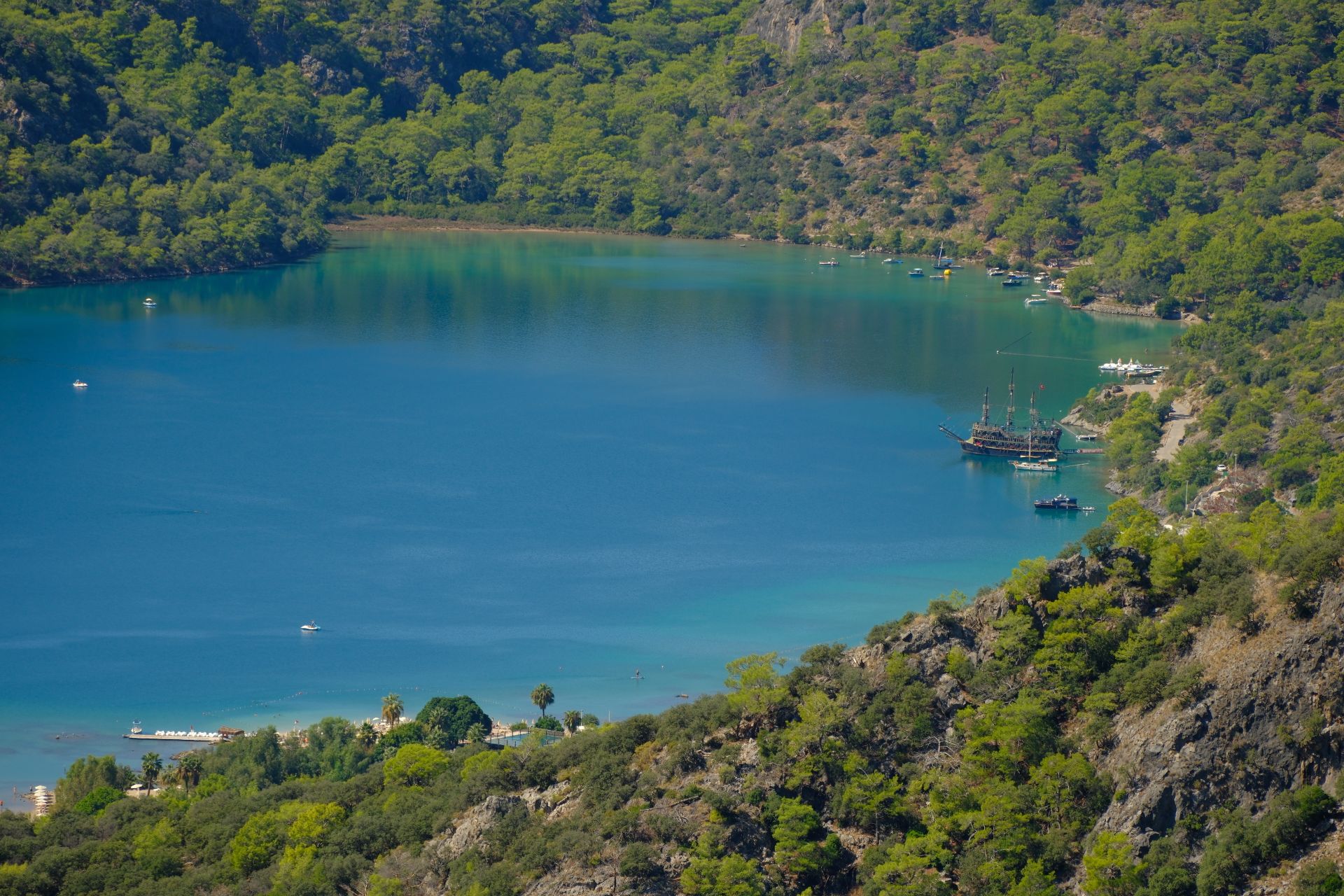
Ölüdeniz was the obvious highlight. I'd seen plenty of aerial photographs of the Blue Lagoon beforehand, but standing beside it gave me a much better appreciation for the color of the water.
I remember walking down to the lagoon and wondering whether it could really be as turquoise at ground level as it looked from above. It was.
The water was incredibly clear and calm, and with the forested mountains rising behind it, I understood very quickly why this particular beach appears in so many photographs of Turkey.
The surrounding landscape gave me plenty of reasons to leave the beach too.
Babadağ rises directly behind Ölüdeniz and has become famous for paragliding, with flights descending over the lagoon and Mediterranean. Even from the ground, watching dozens of colorful paragliders drifting overhead became part of the experience.
I also loved having Fethiye itself nearby. Its harbor and markets made it a great base, while boat trips and sections of the Lycian Way opened up even more of the coastline.
This is one part of Turkey where I wouldn't rush.
How Fethiye and Ölüdeniz fit into your Turkey itinerary
Fethiye fits naturally into a southwestern coastal route and pairs particularly well with Bodrum and other stops along the Turquoise Coast. I'd give this area several days rather than treating Ölüdeniz as a single beach excursion.
Visit the Blue Lagoon early in the morning if you can. You'll have a much better chance to enjoy the water and scenery before the busiest part of the day, particularly during summer.
Antalya
(pronounced: an-TAL-ya)
Antalya at a glance
Mediterranean coast, southwestern Turkey
Historic old town, beaches, and coastal day trips
2-4 nights
Couples, history lovers, beach travelers, travelers looking for a comfortable coastal base
Mediterranean, historic, sunny, and relaxed
April to June and September to October
Antalya gave me an easy combination of history and Mediterranean coast without having to choose between the two.
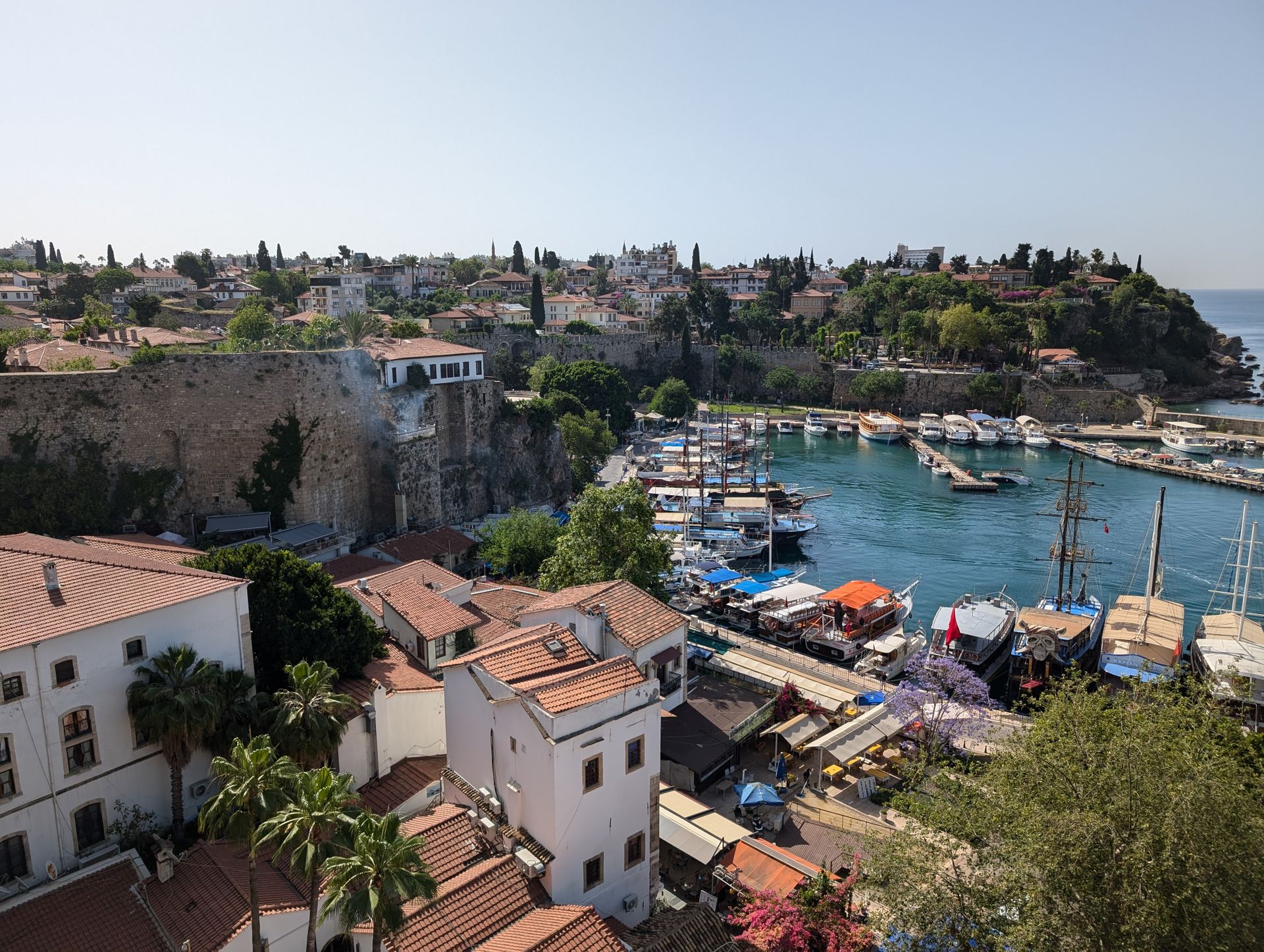
I based myself around Kaleiçi, the old town, where narrow streets wind between restored Ottoman houses before eventually dropping toward the Roman harbor.
I loved being able to explore so much on foot. Hadrian's Gate has stood here since the 2nd century, sections of the old city walls still survive, and the harbor below is lined with boats and waterfront restaurants.
I also made time for the Antalya Museum, which helped put many of the Roman sites scattered around this part of Turkey into context.
One thing I particularly liked about planning a stay here was the hotel selection. Antalya and the surrounding coast have a lot of gorgeous places to stay, including an increasing number of boutique and sustainability-focused hotels.
I found properties built around gardens, locally sourced food, reduced-waste practices, and low-impact experiences, so it was possible to make the hotel itself part of the trip without automatically defaulting to a huge conventional resort.
Antalya also worked well as a base. I could spend one day enjoying the city and coastline, then head out toward ancient sites such as Perge and Aspendos or explore farther along the Lycian coast.
How Antalya fits into your Turkey itinerary
Antalya is a natural gateway to Turkey's Mediterranean coast and pairs particularly well with Fethiye and the Lycian coast. It also makes a useful base for visiting Perge, Aspendos, and other archaeological sites nearby.
Don't automatically book one of the enormous resorts outside the city. Look at the boutique and sustainability-focused hotels in and around Antalya first, especially if local character, food, and a smaller environmental footprint matter to you.
Pamukkale
(pronounced: pam-ook-KAH-leh)
Pamukkale at a glance
Denizli Province, southwestern Turkey
Thermal pools, unusual landscapes, and ancient ruins
1 night
History lovers, couples, and travellers interested in natural wonders
Otherworldly, historic, scenic, and restorative
April to May and September to October
Pamukkale was one of those places I'd seen so many times in photographs that I wondered how the real thing would compare.
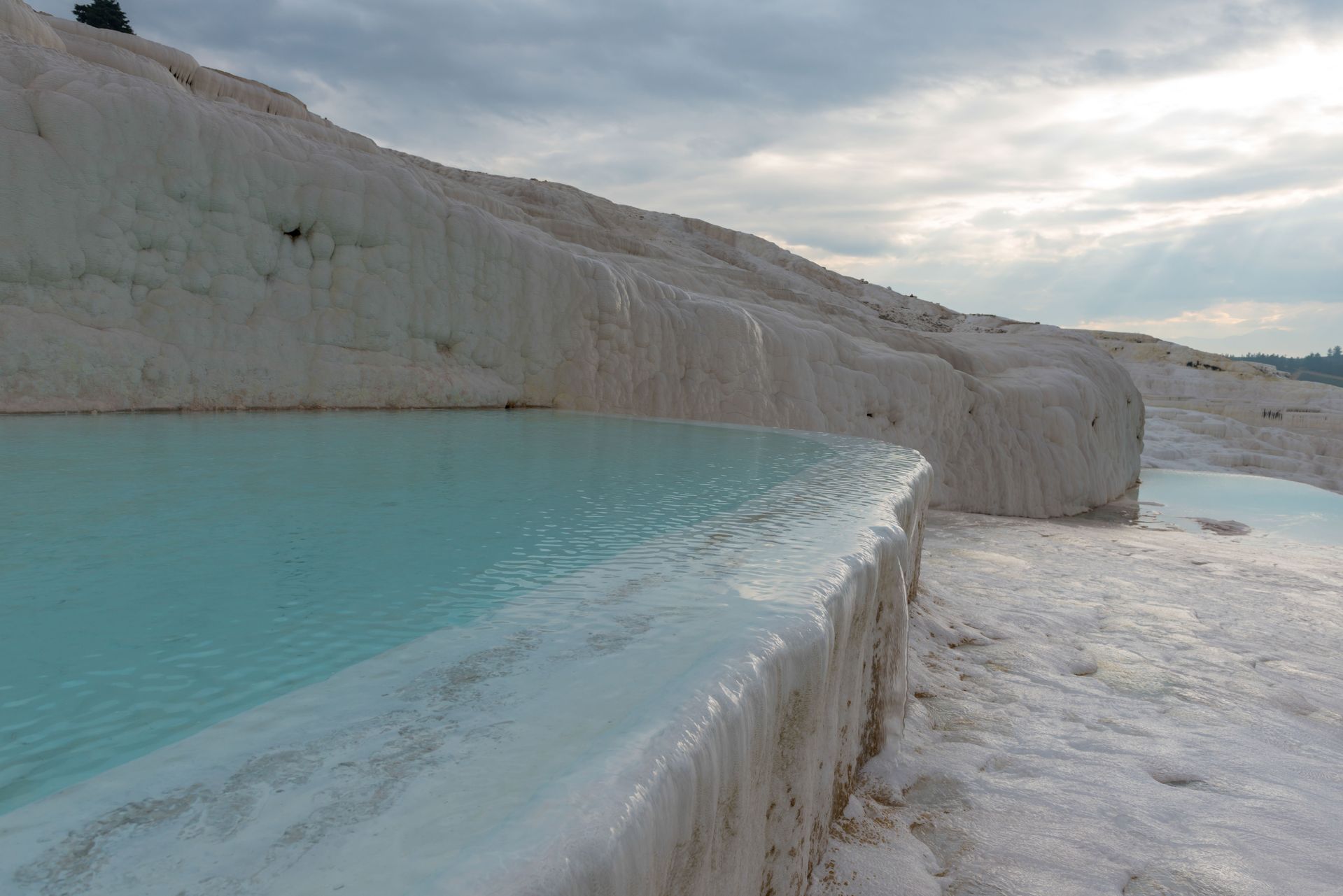
What struck me on arrival was the scale of it. The brilliant white travertine terraces cover an entire hillside, with mineral-rich thermal water trickling through shallow pools and channels toward the valley below.
Walking across the terraces was easily the most memorable part for me.
Shoes aren't permitted on the protected sections, so I made my way barefoot through the warm water.
The calcium deposits felt surprisingly smooth in places, and stopping with my feet in a thermal pool while looking out across the valley was a wonderfully strange way to spend an afternoon.
I wouldn't come solely for the white terraces, though. Hierapolis sits immediately above them and added much more to my visit than I expected.
This ancient Greek and Roman spa city developed around the same thermal springs, and I explored its enormous theatre, monumental streets, and sprawling necropolis before heading back toward the travertines.
I particularly liked saving the terraces for later in the day. As the light became warmer, the stark white landscape softened, and the pools reflected more of the sky.
Pamukkale can be busy, but I found that timing made a huge difference to the experience.
How Pamukkale fits into your Turkey itinerary
Pamukkale fits easily between Turkey's Aegean and Mediterranean regions and pairs particularly well with Ephesus. One night is enough to see both the travertines and Hierapolis without rushing.
Stay overnight rather than rushing through on a day trip. Explore Hierapolis first, then head onto the travertines later in the afternoon when some of the tour groups have started leaving, and the light is at its best.
Istanbul
(pronounced: iss-TAN-bull)
Istanbul at a glance
Northwestern Turkey, spanning Europe and Asia across the Bosphorus
History, architecture, food, markets, museums, Bosphorus views
4-7 nights
First-time visitors, history lovers, foodies, photographers, city travelers
Energetic, historic, layered, endlessly explorable
April to May and September to October
Istanbul was a city I could happily have kept exploring long after my itinerary told me it was time to move on.
There are major landmarks everywhere, but some of my favorite moments came from simply walking, catching a ferry, or stopping somewhere for Turkish tea and watching the city carry on around me.
I started with the places I'd wanted to see for years.
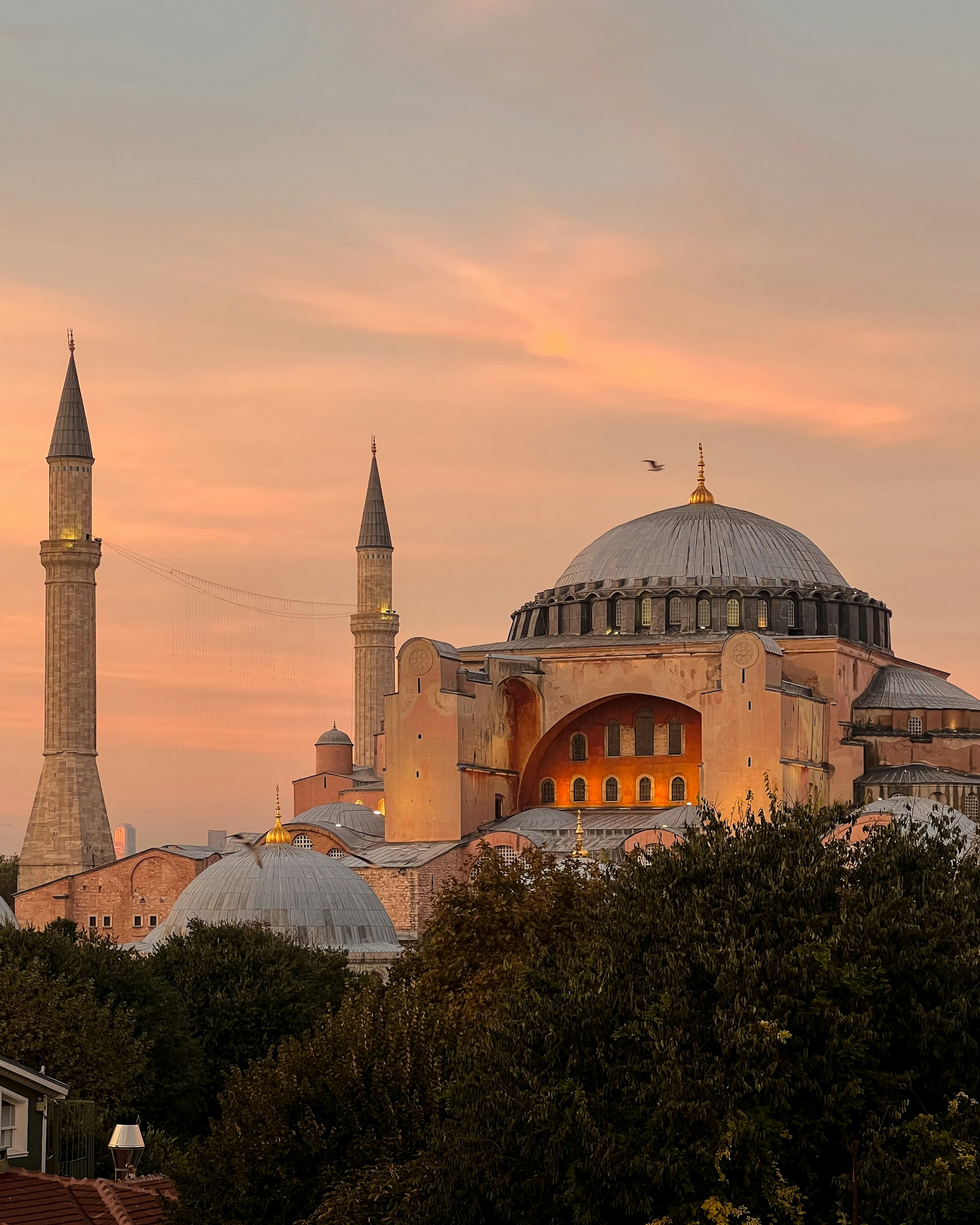
Hagia Sophia, the Blue Mosque, and Topkapı Palace sit remarkably close together, yet each tells a different part of Istanbul's long history as an imperial capital.
I also wandered through the Grand Bazaar, where getting slightly lost among thousands of shops and passageways felt almost inevitable.
But I loved Istanbul most when I got onto the water.
Taking the ferry across the Bosphorus was such a simple experience, yet in a matter of minutes I'd crossed from Europe into Asia. I found myself using the ferries even when I didn't particularly need to, just because I enjoyed the journey.
I'd also make time for a longer Bosphorus cruise.
From the water, I could see Ottoman palaces, waterfront mansions, mosques, fortresses, and modern buildings lining the same shores. It helped me understand the geography of Istanbul in a way that walking around never quite could.
Four days gave me a solid introduction, but I could easily justify staying for a week.
How Istanbul fits into your Turkey itinerary
Istanbul is the natural starting or finishing point for most Turkey itineraries and deserves at least four days of its own. From here, domestic flights make it easy to connect with Cappadocia, the Mediterranean coast, the Black Sea region, and southeastern Turkey.
Don't spend your entire visit around Sultanahmet and the major landmarks.
Cross the Bosphorus by public ferry and give yourself time to explore neighborhoods on both the European and Asian sides.
The ferry ride itself was one of my favorite inexpensive experiences in Istanbul.
Ephesus
(pronounced: EF-eh-sus)
Ephesus at a glance
Near Selçuk on Turkey's Aegean coast
Roman history, archaeology, ancient architecture, photography
1-2 nights
History lovers, archaeology enthusiasts, photographers, first-time visitors
Monumental, fascinating, immersive, remarkably well preserved
April–May and September–October
Ephesus was one of the places where I deliberately gave myself plenty of time. There was so much more here than a handful of famous ruins, and walking through the ancient city helped me appreciate just how large and sophisticated it once was.
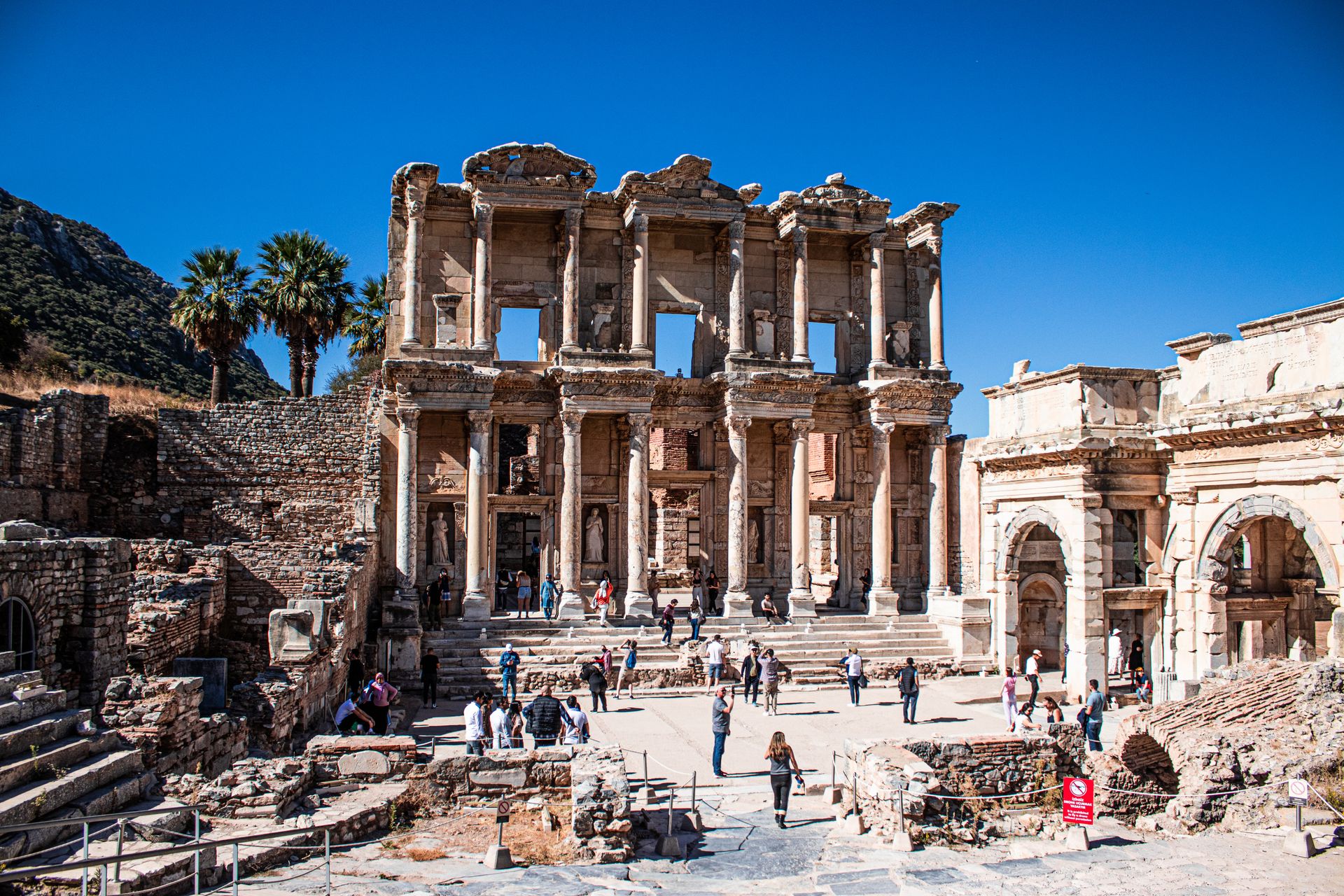
I followed Curetes Street past temples, fountains, public buildings, and the remains of Roman homes before reaching the Library of Celsus.
I'd seen that façade countless times in photographs, but I found the details much easier to appreciate when I could stand beneath it and see how it fitted into the wider city.
The Great Theatre added another sense of scale. Sitting high in the rows of seats and looking down toward the stage made it much easier for me to picture thousands of people gathering here nearly 2,000 years ago.
My favorite part, though, was the Terrace Houses. These wealthy Roman homes preserved mosaic floors, frescoes, marble surfaces, and even evidence of sophisticated heating and plumbing systems.
I found them particularly interesting because they showed me something the huge monuments couldn't: how some of Ephesus's residents actually lived.
I'd also stay nearby rather than trying to race through Ephesus on a day trip. Having Selçuk as a base meant I could arrive early, take my time at the archaeological site, and visit the Ephesus Museum afterward.
How Ephesus fits into your Turkey itinerary
Ephesus fits naturally into an Aegean itinerary and pairs particularly well with Izmir, Pamukkale, and Bodrum. I'd stay in Selçuk the night before so you can reach the ruins early and avoid turning the visit into a rushed day trip.
Don't skip the Terrace Houses just because they require an additional ticket. They were one of my highlights of Ephesus, and I'd allow extra time for them rather than rushing straight between the Library of Celsus and Great Theatre.
Cappadocia
(pronounced: kap-a-DOH-sha)
Cappadocia at a glance
Central Anatolia, central Turkey
Hot air ballooning, hiking, cave hotels, underground cities, unusual landscapes
3-4 nights
Adventure travelers, hikers, couples, photographers, history lovers
Dreamlike, adventurous, ancient, and peaceful
April–June and September–October
Cappadocia was one of the places I was most excited to experience in Turkey, and I made the hot air balloon flight my first priority.
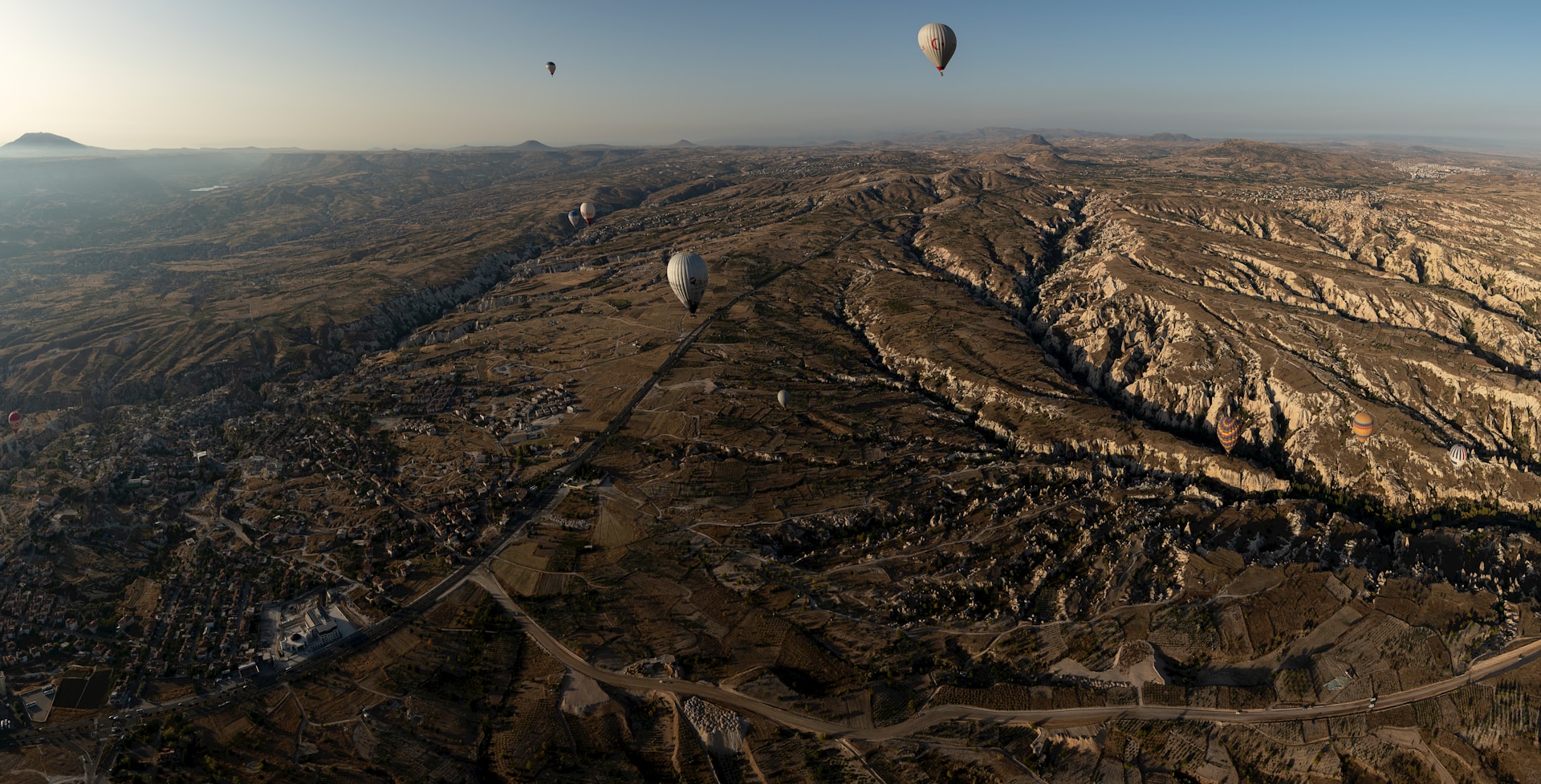
Floating above the valleys at sunrise, with dozens of other balloons scattered across the sky and the fairy chimneys slowly appearing in the morning light below, was every bit as memorable as I'd hoped.
There was plenty to keep me busy once my feet were back on the ground. I loved hiking through the valleys, particularly later in the day when the rock formations turned warmer shades of red and gold.
The Göreme Open Air Museum was another highlight, with Byzantine churches carved directly into the rock and centuries-old frescoes still visible inside.
Then I went underground. Derinkuyu descends through multiple levels of tunnels, rooms, storage areas, and communal spaces carved into the soft volcanic rock.
Seeing how extensively people adapted the landscape for shelter gave me a completely different perspective on Cappadocia.
I also made time for Ihlara Valley, where I could walk beside the river beneath steep canyon walls dotted with rock-cut churches.
Staying in a cave hotel completed the experience. Waking up, stepping onto the terrace, and watching balloons drift over the valleys was a pretty difficult morning view to beat.
How Cappadocia fits into your Turkey itinerary
Cappadocia deserves at least three nights and fits naturally between Istanbul and central Turkey. It also pairs well with Konya if you're continuing overland, while frequent domestic flights make it easy to connect with Istanbul and Turkey's coastal regions.
Schedule your balloon flight for your first available morning. Flights depend heavily on weather conditions and can be cancelled, so booking early in your stay gives you another morning or two to try again.
Turkey covers an enormous amount of ground, so I wouldn't try to fit all 11 places in this guide into a single trip.
For a first visit, I'd combine a few of the country's biggest highlights while keeping flights and long travel days under control.
Here are two ways I'd plan a Turkey itinerary depending on how much time you have.
Turkey itinerary: 7 days
With one week in Turkey, I'd focus on three of the country's biggest highlights: Istanbul, Cappadocia, and Ephesus. It's a fairly active week, but domestic flights make the distances manageable.
Route: Istanbul → Cappadocia → Ephesus
| Days 1-2 | Day 3 | Days 4-5 | Days 6 | Days 7 |
|---|---|---|---|---|---|
Destination | Instanbul | Fly to Cappadocia | Cappadocia | Fly to Izmir and continue to Selçuk | Ephesus |
Overnight | Instanbul | Cappadocia | Cappadocia | Selçuk | Selçuk |
Why this route?
This itinerary combines three completely different sides of Turkey in one week: Istanbul's history and culture, Cappadocia's extraordinary landscapes, and the ancient ruins of Ephesus.
It's fast-paced, but gives a first-time visitor an excellent introduction to the country.
Turkey itinerary: 10 days
With 10 days, I'd add Turkey's Aegean coast and Pamukkale, giving you ancient history and one of the country's most distinctive natural landscapes alongside Istanbul and Cappadocia.
Route: Istanbul → Cappadocia → Ephesus → Pamukkale
Week 1 | Days 1-3 | Days 4 | Days 5-6 | Day 7 |
|---|---|---|---|---|
Destination | Istanbul | Fly to Cappadocia | Cappadocia | Fly to Izmir and continue to Selçuk |
Overnight | Istanbul | Cappadocia | Cappadocia | Selçuk |
Week 2 | Days 8 | Days 9 | Days 10 | |
|---|---|---|---|---|
Destination | Ephesus | Travel to Pamukkale | Hierapolis & Pamukkale | |
Overnight | Selçuk | Pamukkale | Pamukkale |
Why this route?
This route packs several very different sides of Turkey into 10 days without trying to see the entire country. You'll experience Istanbul, Cappadocia's landscapes, the Roman ruins of Ephesus, and the travertine terraces and ancient city of Hierapolis.
Want more of the coast?
If beaches and swimming are more important to you than archaeology, I'd swap Ephesus and Pamukkale for several nights around Fethiye and Ölüdeniz. That creates a much more relaxed 10-day Turkey itinerary with Istanbul, Cappadocia, and the Turquoise Coast.
Why Turkey deserves a trip beyond Istanbul
Istanbul absolutely deserves its place on a Turkey itinerary, but some of my favorite experiences happened once I traveled beyond the country's biggest city.
I loved how much the landscapes changed, from floating above Cappadocia in a hot air balloon and walking through the travertine pools of Pamukkale to exploring Ephesus, swimming in the Blue Lagoon at Ölüdeniz, and sailing along the Aegean coast near Bodrum.
The variety went well beyond the scenery. Turkey's food, architecture, history, and local traditions changed noticeably as I traveled between the coast, central Anatolia, the Black Sea region, and the southeast.
If you're planning your first trip to Turkey, I wouldn't stop after Istanbul. Give yourself time for at least two other regions, because that's when I really started to appreciate just how much there is to experience across the country.
FAQs about traveling to Turkey
The currency in Turkey is the Turkish lira (TRY), although credit and debit cards are widely accepted in major cities and tourist areas.
Visa requirements for Turkey depend on your nationality: travelers from many countries can visit visa-free for short stays, while others need to obtain an e-Visa or visa before traveling.
Driving in Turkey is generally straightforward outside the busiest cities, and traffic drives on the right-hand side of the road; check whether your license requires an International Driving Permit before your trip.
Turkey's main tourist destinations are generally well traveled, but conditions and official travel advice can vary by region, particularly near the Syrian border, so check your government's latest guidance before traveling.
Turkey uses Type C and Type F plugs with a 230V, 50Hz electricity supply, so travelers from countries with different sockets will need a travel adapter.
Turkish is the official and most widely spoken language in Turkey, although you'll also hear Kurdish and other languages, and English is commonly spoken in many major tourist areas.
Ready to explore Turkey? Optimise Travel is here to help
Turkey is enormous and incredibly varied, and deciding how to divide your time between its historic cities, ancient ruins, Mediterranean and Aegean coastlines, and extraordinary natural landscapes can quickly become the hardest part of planning a trip.
At Optimise Travel, we create personalized travel itineraries based on your interests, travel style, and budget.
Whether you're dreaming of exploring Istanbul, floating above Cappadocia in a hot air balloon, walking through ancient Ephesus, swimming in the Blue Lagoon at Ölüdeniz, sailing from Bodrum, or soaking your feet in the thermal waters of Pamukkale, we'll help you build an itinerary that makes the most of your time.
If you'd like help planning your trip to Turkey, click here to learn more about our concierge travel services.