

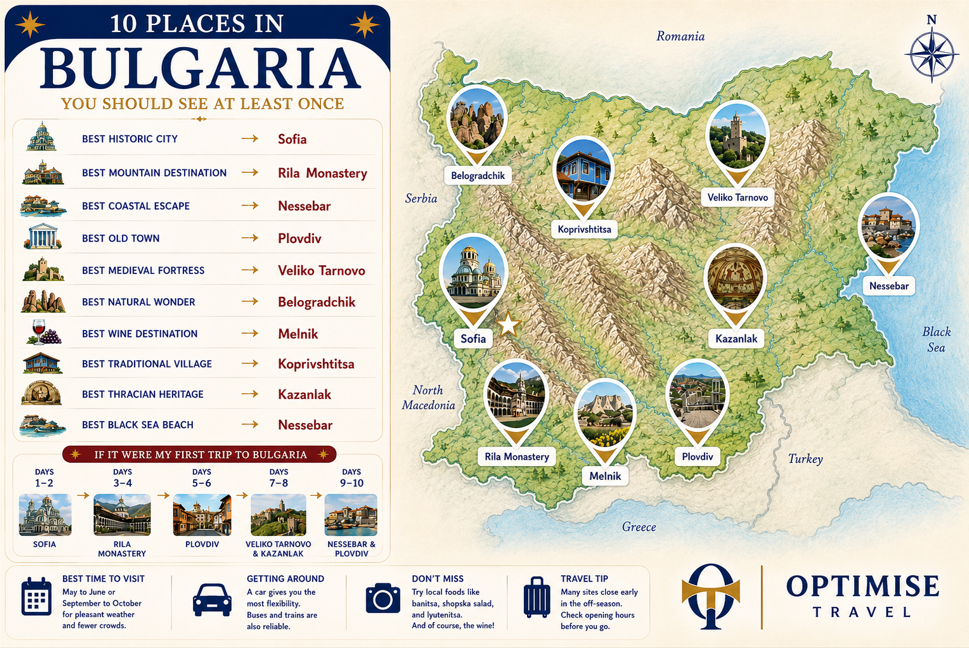
Bulgaria is one of those countries that surprised me more with every passing day.
I expected beautiful mountains and historic churches, but I wasn't prepared for the Roman ruins, medieval fortresses, Black Sea beaches, charming old towns, and some of the friendliest people I've met while traveling. Every region felt like a different chapter of the country's story.
Whether you're planning your first trip or returning to explore more, these are the 10 places in Bulgaria I think everyone should visit at least once.
Have You Seen Our Travel Concierge Service?
Your trip, planned by local experts
We are not a travel agent - we design custom itineraries around your budget and style, without receiving commissions or booking fees.
Custom itinerary
Built around your dates, budget, and travel style.
Local expert knowledge
Recommendations from people on the ground, not review sites.
Travel smarter, spend less
We optimise for your budget to make your money go further.
Belogradchik
(pronounced: beh-loh-GRAD-chik)
Belogradchik at a glance
Northwestern Bulgaria
Unique rock formations, history, photography, and scenic views
Full day
History lovers, hikers, and nature enthusiasts
Dramatic, peaceful, and completely unique
May to October
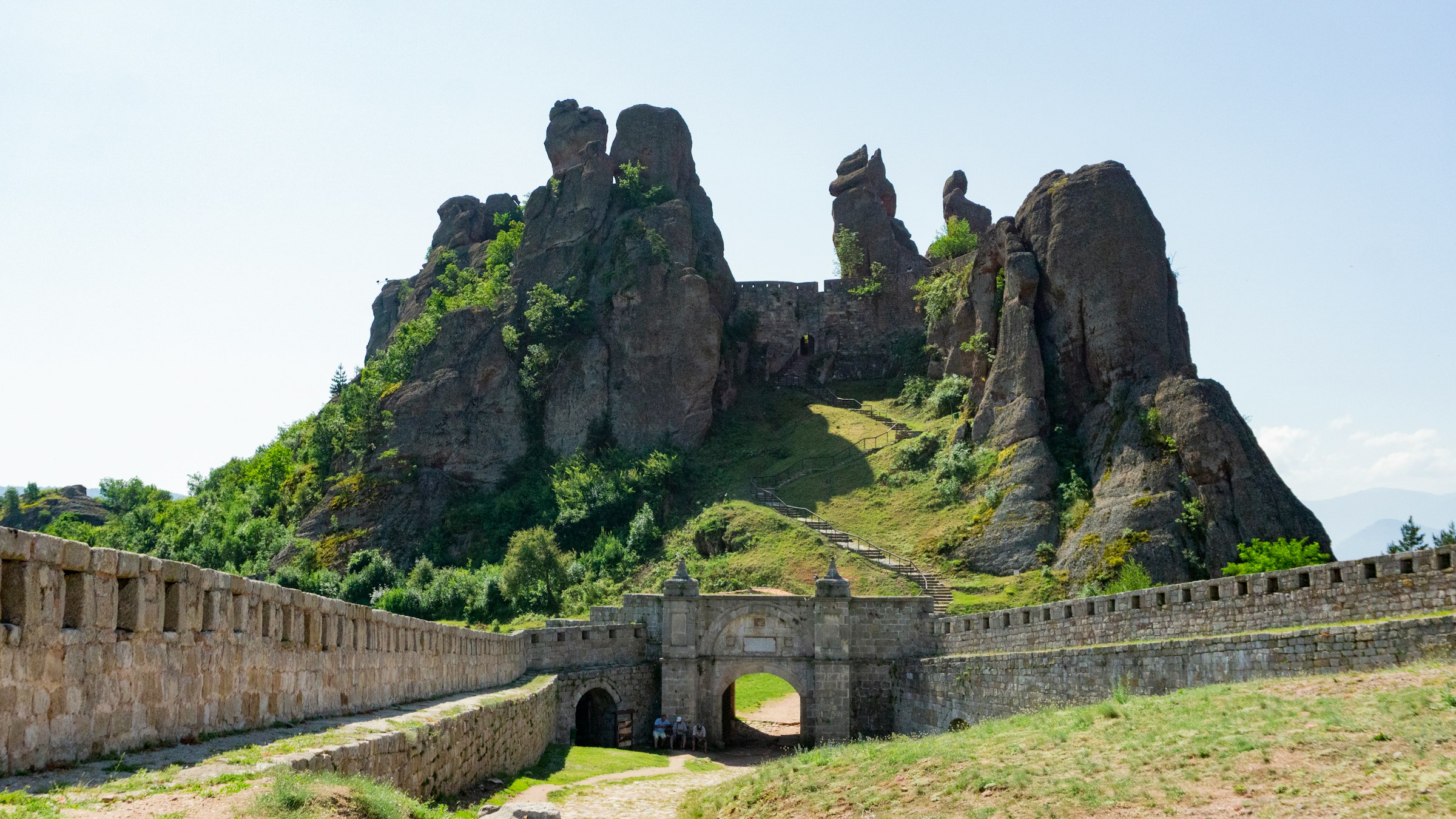
Belogradchik was one of the biggest surprises of my entire trip to Bulgaria.
Before arriving, I knew very little about it, but it quickly became one of the most memorable places I visited.
The fortress itself is impressive, but what makes it so extraordinary is how seamlessly it blends into the towering red sandstone cliffs surrounding it. In many places, it's genuinely difficult to tell where the natural rock formations end and the fortress walls begin. It feels as though nature and history have been intertwined for centuries.
I ended up spending around three hours wandering through the complex, climbing staircases carved into the rocks, exploring tunnels hidden within the cliffs, and stopping at viewpoint after viewpoint overlooking the plains of northwestern Bulgaria.
Around every corner there seemed to be another incredible perspective, and because the site is so spread out, it never felt crowded.
One of my favorite moments came later in the afternoon when the sun began to sink lower in the sky. The red sandstone glowed with warm shades of orange and crimson, completely changing the character of the landscape. It's one of those places that rewards anyone willing to slow down, take their time, and simply soak in the scenery.
For me, Belogradchik is exactly the kind of destination that makes traveling through Bulgaria so rewarding. It's unexpected, incredibly photogenic, and unlike anywhere else I've visited.
How I'd fit Belogradchik into your Bulgaria itinerary
Belogradchik works well as an overnight stop in northwestern Bulgaria or as a full-day excursion from Sofia if you're happy with a longer drive.
It's one of those destinations that's well worth making the effort to reach.
Melnik
(pronounced: MEL-nik)
Melnik at a glance
Southwestern Bulgaria
Wine, history, unique landscapes, and charming villages
1 night
Wine lovers, couples, and history enthusiasts
Relaxed, picturesque, and authentic
April to October
Melnik is one of those places that completely caught me off guard.
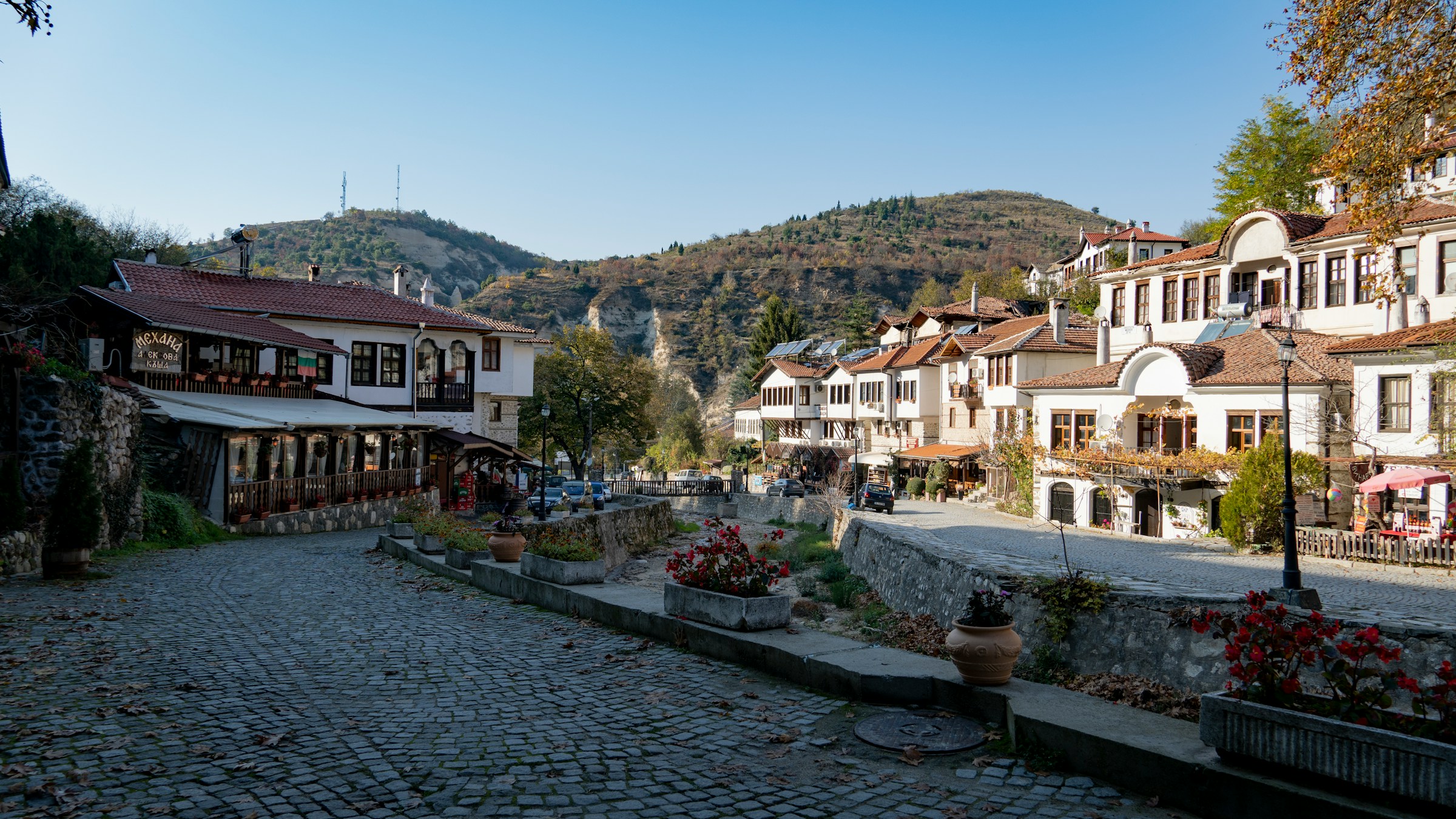
It's officially the smallest town in Bulgaria, but what it lacks in size it more than makes up for in character.
The first thing I noticed was the towering white sandstone pyramids surrounding the valley. They reminded me a little of Cappadocia, yet the setting felt entirely its own. Nestled beneath them are beautiful Bulgarian Revival houses, many of which seem to cling impossibly to the hillsides.
One of my favorite memories was sitting outside a local wine cellar with a glass of Melnik wine, looking up at those incredible rock formations and thinking, "Why doesn't everyone know about this place?"
The Melnik grape is native to this region, and there's something special about tasting a wine that simply can't be produced anywhere else in the world.
I also loved exploring the Kordopulov House. From the elegant wooden ceilings and overhanging rooms to the vast wine cellars carved deep into the rock beneath the house, it felt like stepping back into another era.
Later, I made the short walk up to Rozhen Monastery, and the views back across the valley made the climb completely worthwhile.
For me, Melnik perfectly captures what I love about Bulgaria. It's beautiful, welcoming, full of history, and still feels like a destination many travelers haven't discovered.
How I'd fit Melnik into your Bulgaria itinerary
Melnik fits perfectly into a southern Bulgaria road trip and also makes an excellent overnight stop if you're traveling between Sofia and northern Greece.
Koprivshtitsa
(pronounced: kop-riv-SHTIT-sah)
Koprivshtitsa at a glance
Central Bulgaria (Sredna Gora Mountains)
Bulgarian Revival architecture, history, and rose season
Full day or 1 night
History lovers, culture enthusiasts, and couples
Colorful, historic, and wonderfully peaceful
May to June for rose season or April to October
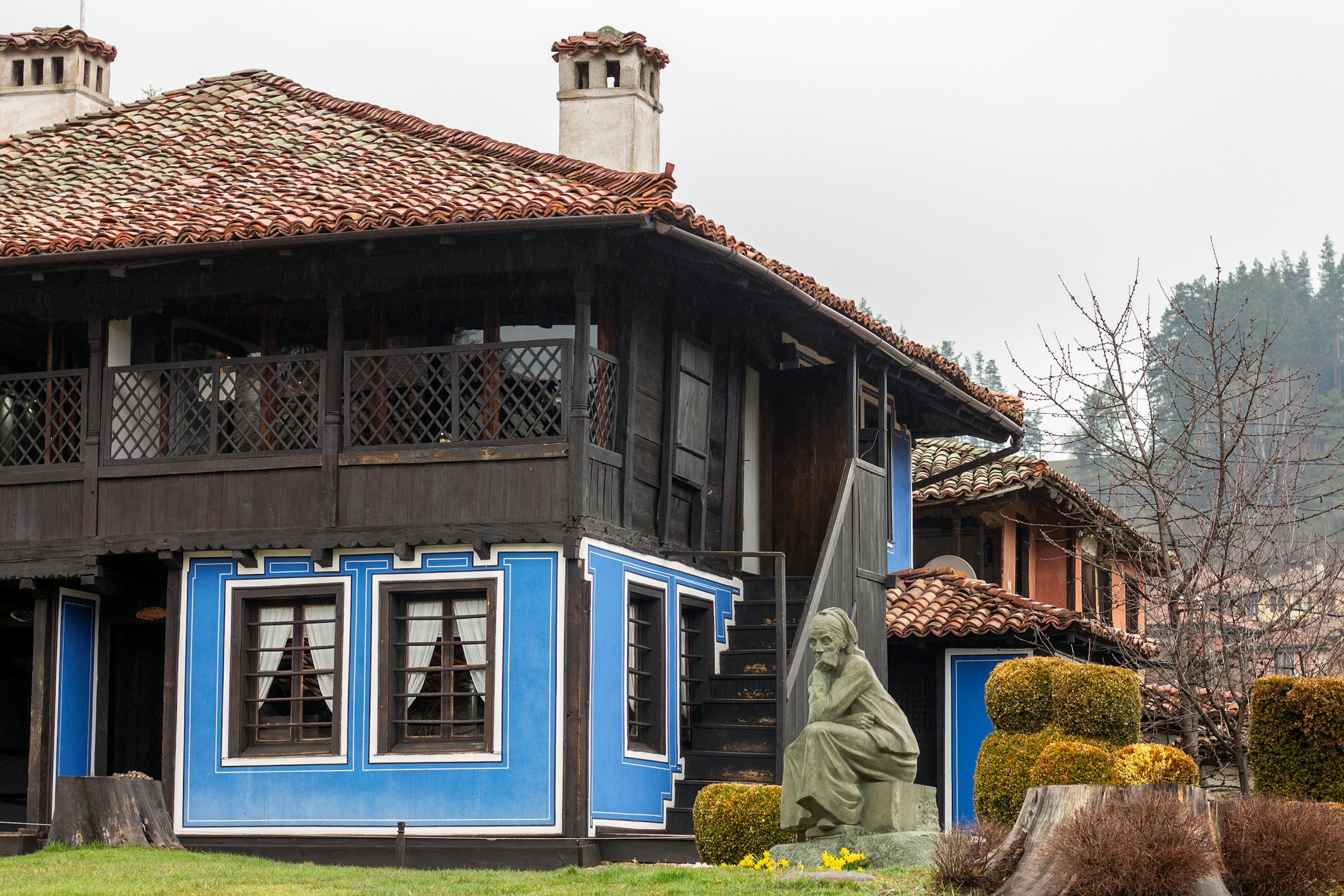
Koprivshtitsa feels less like a tourist destination and more like stepping into a beautifully preserved chapter of Bulgarian history.
The colorful Bulgarian Revival houses immediately caught my attention. Bright blues, deep reds, and warm yellows line the cobblestone streets, while many of the homes are still lived in today.
Rather than feeling like an open-air museum, the town has a wonderfully authentic atmosphere that makes it easy to slow down and simply wander.
One of my favorite experiences was visiting the Oslekov House. The beautifully painted walls, intricate wooden ceilings, and elegant rooms offer a fascinating glimpse into the lives of some of Bulgaria's wealthiest merchants during the National Revival period. It's hard to believe such grand homes were built in what is now such a quiet mountain town.
While we were here, my partner and I also joined a local tour through the surrounding rose-growing region.
Koprivshtitsa isn't a place you rush through. It's somewhere to slow down, admire the architecture, learn a little history, and appreciate a side of Bulgaria that many visitors never experience.
How I'd fit Koprivshtitsa into your Bulgaria itinerary
Koprivshtitsa makes an easy addition to a central Bulgaria itinerary and is well worth visiting as either a day trip or an overnight stop from Sofia.
Kazanlak & the Rose Valley
(pronounced: kah-ZAN-lahk)
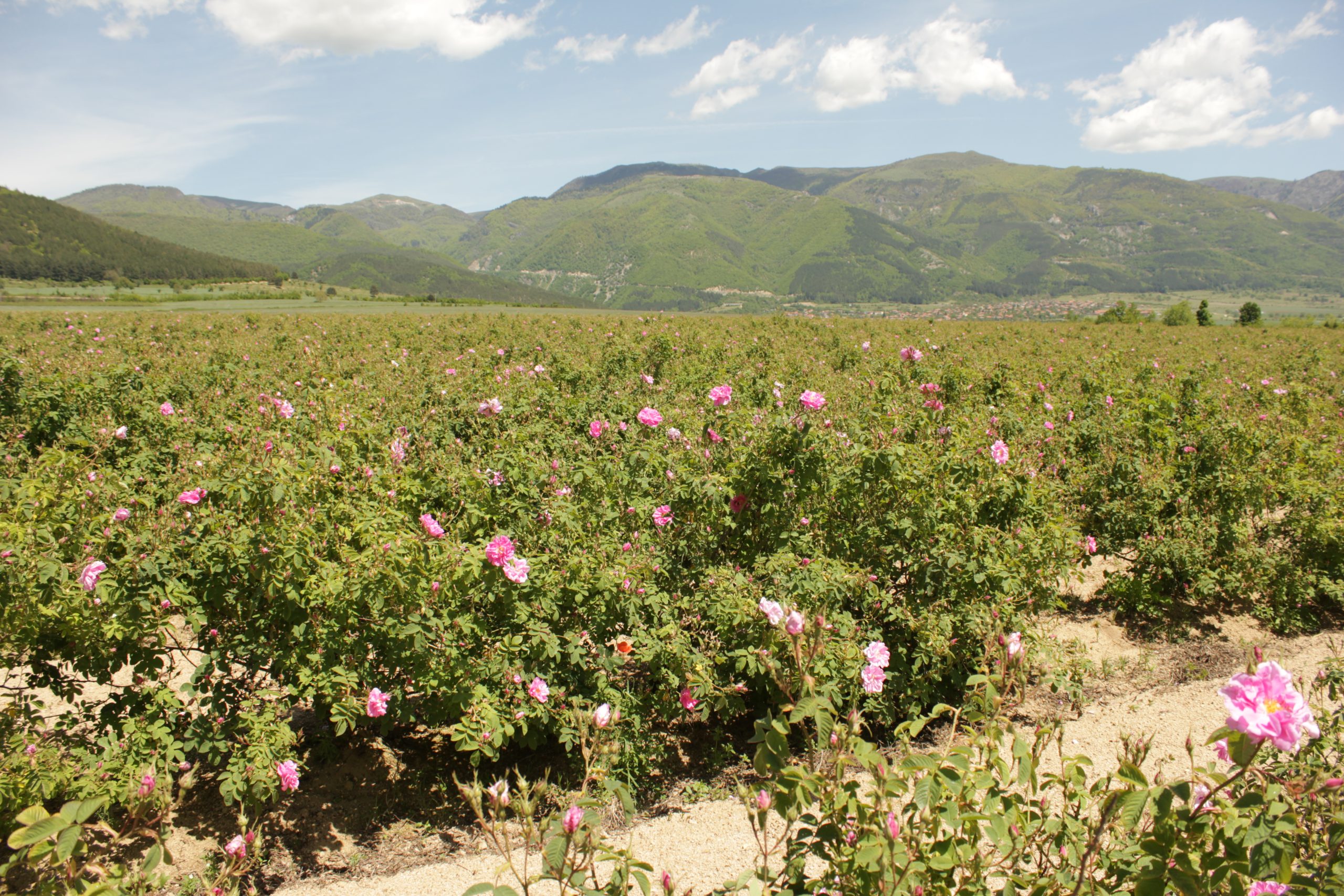
Kazanlak & the Rose Valley at a glance
Central Bulgaria (Rose Valley)
Rose fields, Thracian history, and cultural festivals
Full day or 1 night
History lovers, couples, and culture enthusiasts
Fragrant, colorful, and unforgettable
Late May to early June for the rose harvest
The Rose Valley gave me one of the most memorable mornings I've ever experienced while traveling.
I arrived just after sunrise as a light mist still hung over the fields, and thousands of pink Damask roses stretched toward the mountains in every direction.
The scent was incredible without being overpowering, and watching local workers carefully hand-pick the flowers before the day's heat arrived made me appreciate just how much tradition goes into every harvest.
During a local tour, my partner and I learned something that completely surprised us: more than 60% of the world's rose oil comes from the small villages surrounding Kazanlak.
Knowing that many of the world's luxury perfumes begin their journey right here in central Bulgaria gave me a whole new appreciation for the region, and seeing the traditional distillation process made the experience even more fascinating.
I also loved experiencing the Rose Festival. Watching the Bulgarian folklore dancers perform in their beautifully embroidered traditional costumes was one of the highlights of my visit.
Rather than feeling like a performance put on for tourists, it felt like a genuine celebration of local culture that the entire community embraced. Combined with the nearby Thracian Tomb of Kazanlak and its remarkably preserved ancient murals, the valley offers a wonderful blend of natural beauty, living traditions, and fascinating history.
How I'd fit Kazanlak & the Rose Valley into your Bulgaria itinerary
The Rose Valley fits beautifully into a central Bulgaria itinerary and is one destination I'd specifically plan around if you're visiting during late May or early June.
The rose harvest only lasts a short time each year, so timing your visit well makes the experience even more rewarding.
Nessebar
(pronounced: NEH-suh-bar)
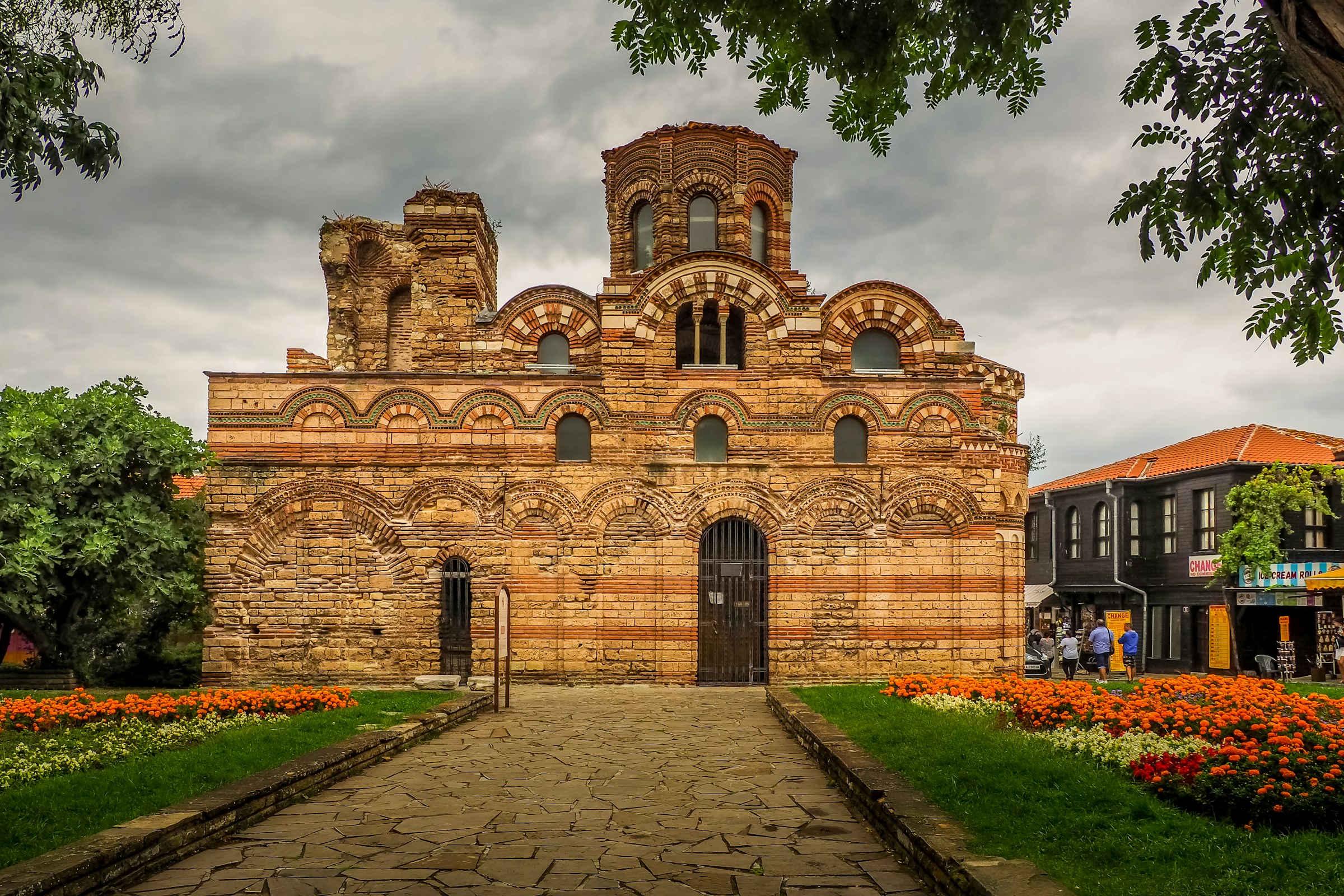
Nessebar at a glance
Eastern Bulgaria (Black Sea Coast)
Medieval history, seaside charm, and coastal walks
1 night
History lovers, couples, and culture enthusiasts
Romantic and relaxed
May to September
Nessebar was one of those places that completely changed once the day-trippers left.
During the afternoon, the narrow cobblestone streets are busy with visitors exploring the old town's churches, shops, and cafés. But as evening arrives and the tour buses head back toward Sunny Beach, everything becomes quieter.
Walking through the ancient lanes with the warm light reflecting off the Byzantine stone walls and the Black Sea just beyond the buildings became one of my favorite memories from Bulgaria.
What I love most about Nessebar is how much history is packed into such a small peninsula. People have lived here for more than 3,000 years, and you can literally see the different civilizations layered on top of one another. There are remnants of Thracian walls, medieval fortifications, Ottoman-era houses, and beautiful Byzantine churches, all within a short walk.
The Church of Christ Pantocrator was probably my favorite, with its beautifully preserved brickwork and intricate façade making it one of the most photogenic buildings in the country.
I also enjoyed simply wandering without a plan. Every corner seemed to reveal another quiet courtyard, sea view, or centuries-old church tucked between traditional wooden houses. Even the small beach beneath the old town walls has a unique charm because you're swimming beneath one of Bulgaria's oldest settlements.
For me, Nessebar is much more than a beach destination. It's one of the best places in Bulgaria to slow down, soak up history, and enjoy the atmosphere long after most visitors have gone home.
How I'd fit Nessebar into your Bulgaria itinerary
Nessebar fits perfectly into a Black Sea Coast itinerary and is one destination where I'd always recommend spending the night rather than simply passing through. It's also a popular stop on a larger European trip that takes you to Istanbul, Turkey.
Bansko
(pronounced: BAN-skoh)
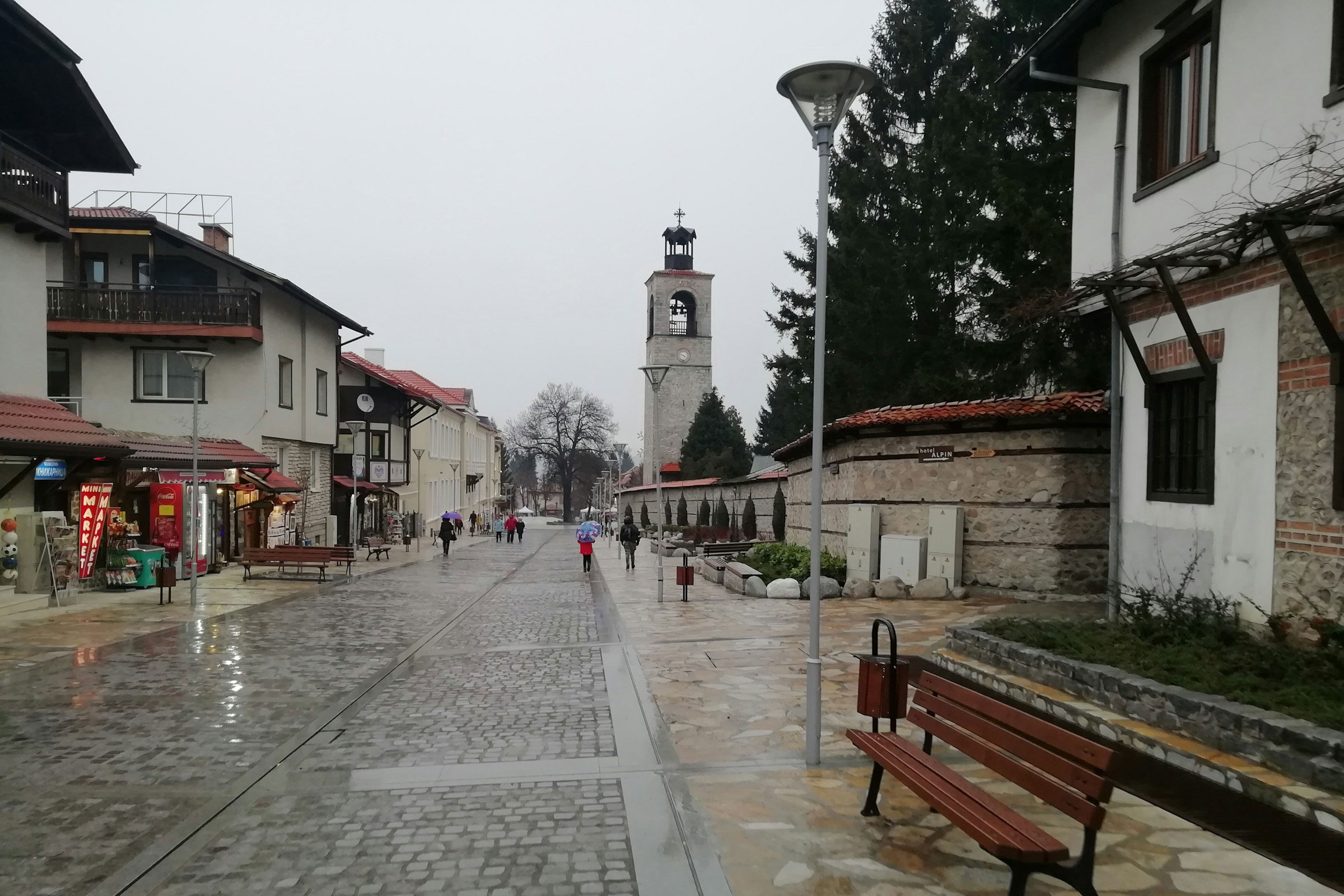
Bansko at a glance
Southwestern Bulgaria (Pirin Mountains)
Skiing, hiking, and mountain scenery
2-3 nights
Outdoor enthusiasts, food lovers, and adventure travelers
Cozy, adventurous, and authentic
December to March for skiing or June to September for hiking
Bansko surprised me because it feels like two completely different destinations somehow occupying the same place.
On one side, it's one of Bulgaria's best-known ski resorts, with modern lifts carrying visitors high into the Pirin Mountains. On the other, it's a wonderfully preserved old town filled with stone houses, narrow cobblestone streets, and traditional taverns that feel as though they've barely changed in generations.
The two sides somehow complement each other rather than compete.
One of my favorite parts of staying here was spending the evenings in a traditional mehana. After a day of exploring, sitting beside a crackling fire with a Shopska salad, slow-cooked Bulgarian dishes, local wine, and live folk music created exactly the kind of atmosphere I hope to find when I travel. It felt warm, welcoming, and unmistakably Bulgarian.
If you visit in winter, Bansko is an excellent base for skiing and snowboarding, but don't overlook it during the warmer months.
The hiking in Pirin National Park is outstanding, with alpine lakes, rugged granite peaks, and colorful wildflower meadows that feel a world away from the busy ski slopes. I love destinations that completely reinvent themselves with the seasons, and Bansko is one of the best examples I've found.
Whether you come for the mountains, the food, or simply the atmosphere of the old town, Bansko is a place that's easy to linger a little longer than you planned.
How I'd fit Bansko into your Bulgaria itinerary
Bansko is an excellent stop on a southwestern Bulgaria itinerary and deserves at least a couple of nights, whether you're visiting for winter sports or summer hiking.
Rila Monastery
(pronounced: REE-lah)
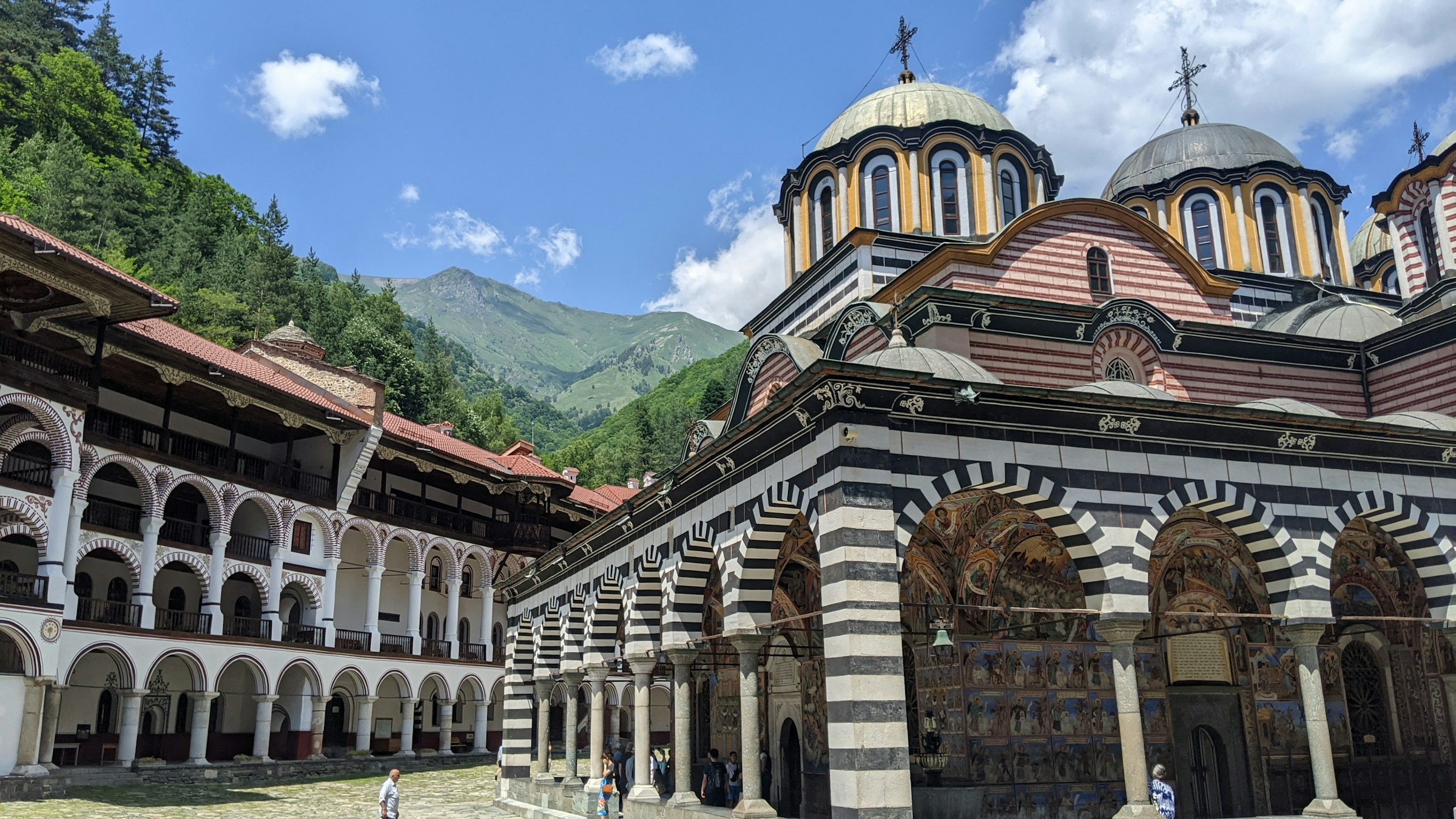
Rila Monastery at a glance
Southwestern Bulgaria (Rila Mountains)
Monastic architecture, history, spirituality, and mountain scenery
Full day or 1 night
History lovers, cultural enthusiasts, and spiritual travelers
Peaceful, inspiring, and timeless
April to October
The moment I stepped through the gates of Rila Monastery, I understood why it's considered the spiritual heart of Bulgaria.
The central courtyard is unlike anywhere else I've visited. Surrounded by striped arcades, colorful frescoes, and elegant wooden balconies, it almost feels too beautiful to be real.
Every surface seems to be covered in intricate artwork, yet somehow it never feels overwhelming. Instead, the entire monastery has a peaceful atmosphere that encourages you to slow down and simply take it all in.
I was lucky enough to visit on a weekday in October, and the monastery was surprisingly quiet. Standing in the courtyard with the mountains rising above the rooftops while listening to the occasional church bell is one of those travel memories that has stayed with me long after returning home.
Inside the Nativity Church, I found myself lingering far longer than I'd planned. The centuries-old murals are astonishingly detailed, and no matter where you look there's another scene or artistic detail waiting to be discovered.
What makes Rila Monastery especially memorable is that it isn't simply a historic monument. It's still an active monastery where monks live, worship, and welcome visitors. That living connection gives the entire place a warmth and authenticity that's difficult to describe but impossible to miss.
How I'd fit Rila Monastery into your Bulgaria itinerary
Rila Monastery is an essential stop on almost any Bulgaria itinerary and pairs perfectly with southwestern Bulgaria.
Veliko Tarnovo
(pronounced: VEH-lee-koh TAR-noh-voh)
Veliko Tarnovo at a glance
North-Central Bulgaria (Yantra River Valley)
Medieval history, fortress views, and Bulgarian culture
2 nights
History lovers, photographers, and couples
Dramatic and atmospheric
April to October
Veliko Tarnovo is one of those cities that immediately grabs your attention before you've even parked the car.
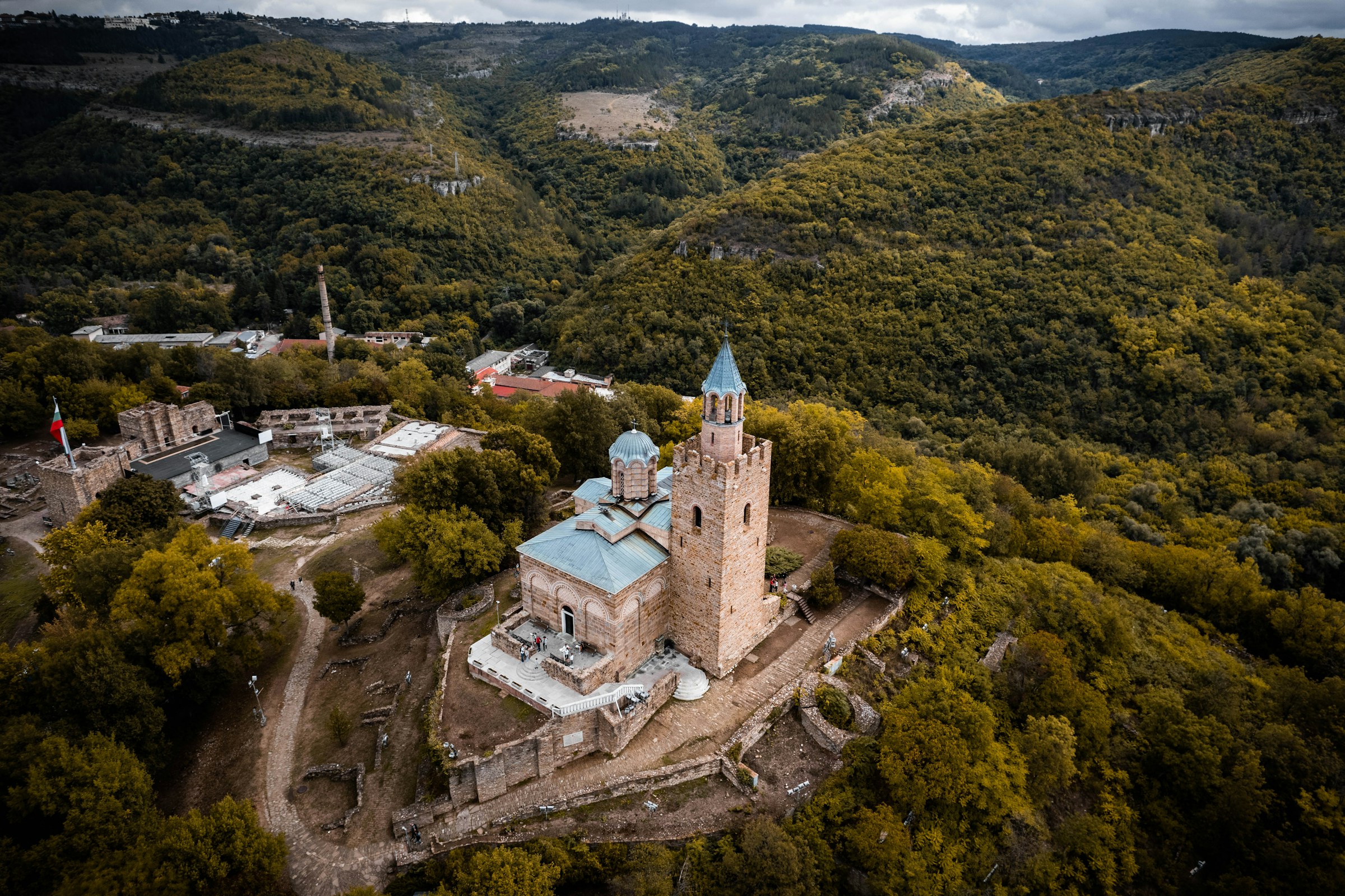
The first time I saw Tsarevets Fortress rising above the cliffs, with the Yantra River wrapping around it on three sides, I couldn't stop staring. It looked exactly how I imagined a medieval capital should look, almost like something lifted straight from the pages of a fantasy novel.
As the sun began to set and the golden light illuminated the fortress walls, it became one of my favorite views anywhere in Bulgaria.
Climbing to the top of Tsarevets was every bit as rewarding as I'd hoped. The panoramic views across the river valley are spectacular, and it's easy to imagine why this dramatic hilltop was chosen as the heart of the Second Bulgarian Empire.
Back down in the old town, I loved wandering through Samovodska Charshiya, where local artisans still work in traditional workshops crafting pottery, woodwork, and jewelry. It felt authentic rather than touristy, and I found myself lingering much longer than I'd planned.
If you're lucky enough to be here on one of the evenings when the Sound and Light Show takes place, don't skip it! I expected it to feel a little over-the-top, but standing below the illuminated fortress as music echoed through the valley was surprisingly moving and the perfect way to end the day.
For me, Veliko Tarnovo has one of the most spectacular settings of any city in Bulgaria, combining incredible history with views that are genuinely unforgettable.
How I'd fit Veliko Tarnovo into your Bulgaria itinerary
Veliko Tarnovo is one of the highlights of central Bulgaria and deserves more than just a quick stop.
I like including it as an overnight destination so there's time to enjoy both the fortress and the city's wonderful atmosphere.
Sofia
(pronounced: SOH-fee-ah)
Sofia at a glance
Western Bulgaria (Sofia Valley)
History, culture, architecture, and city life
2 nights
Foodies, city explorers, and culture enthusiasts
Historic, vibrant, and surprisingly relaxed
April to June or September to October
Sofia was one of those cities that grew on me with every hour I spent exploring it.
At first glance, it feels like a modern European capital, but the more you wander, the more history begins to reveal itself.
One moment you're walking along a busy shopping street, and the next you're looking down at remarkably preserved Roman ruins beneath your feet. That contrast between ancient and modern is something I found fascinating throughout my visit.
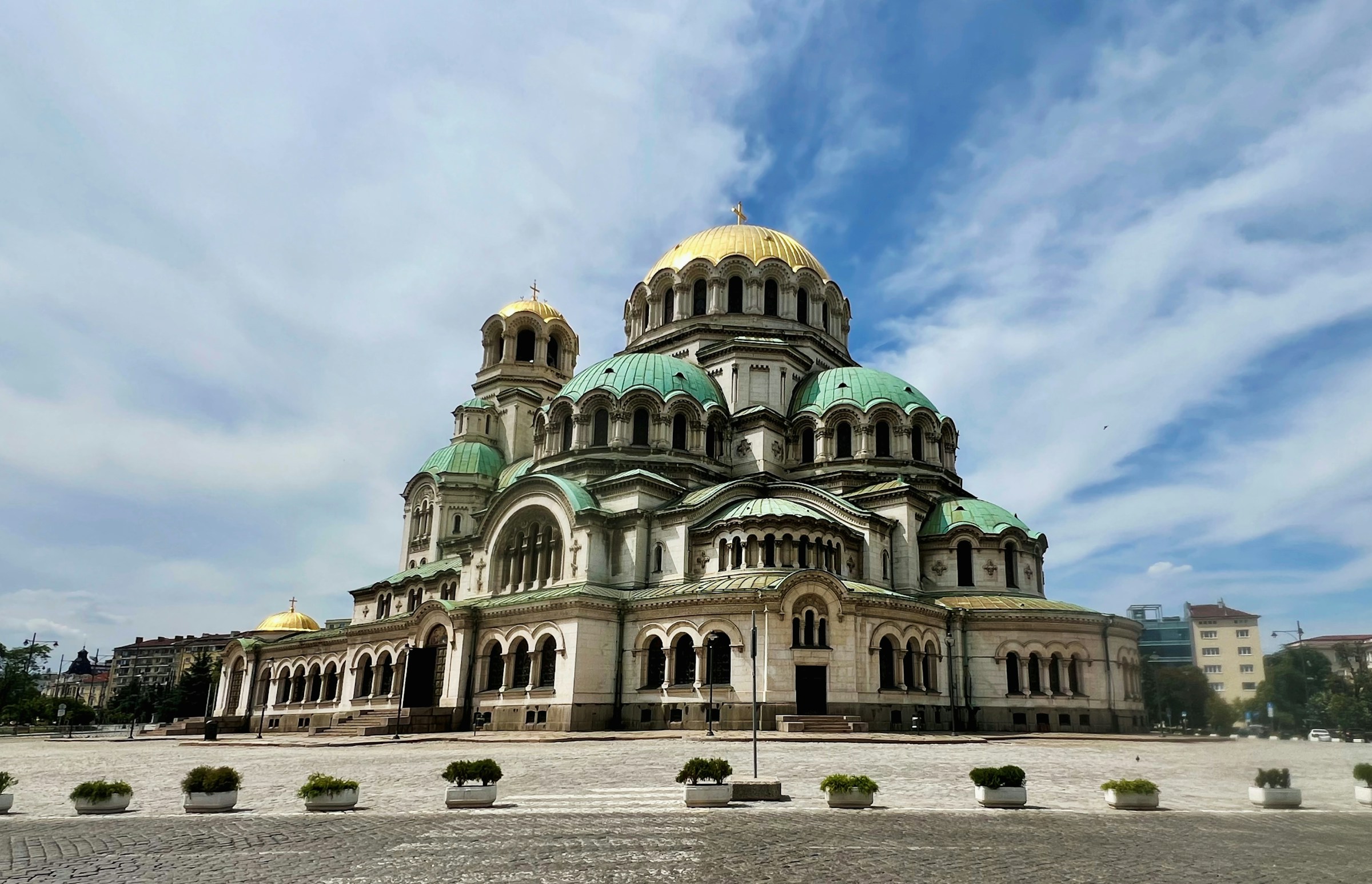
One of my favorite mornings was spent around Alexander Nevsky Cathedral. The cathedral itself is breathtaking, with its enormous golden domes dominating the skyline, but I also loved browsing the antique market held nearby on Sundays.
There was everything from old Soviet memorabilia to handmade crafts and religious icons, and it felt like the perfect place to soak up a little local culture before finding a café along Vitosha Boulevard to watch the city go by.
I also wouldn't miss Boyana Church. Although it's much smaller than Alexander Nevsky, the beautifully preserved medieval frescoes inside are among the finest I've seen anywhere in Eastern Europe.
Then, to completely change the pace, you can head up Vitosha Mountain for panoramic views back across the city. Having a mountain literally on Sofia's doorstep gives the capital a completely different feel from most European cities.
How I'd fit Sofia into your Bulgaria itinerary
I like beginning or ending a Bulgaria itinerary in Sofia, giving yourself a couple of days to explore the capital before heading out to discover the country's mountains, monasteries, and historic towns. It's also a good stop for road trippers coming from North Macedonia.
Plovdiv
(pronounced: PLOH-vdiv)
Plovdiv at a glance
South-Central Bulgaria (Upper Thracian Plain)
Roman history, Bulgarian Revival architecture, food, and culture
2 nights
Foodies, photographers, and city explorers
Relaxed, creative, and timeless
April to June of September to October
If I could only recommend one city to visit in Bulgaria, it would be Plovdiv.
I enjoyed every destination I visited in Bulgaria, but Plovdiv was the one I found myself wanting to linger in the longest.
The old town is built across rocky hills, with beautiful Bulgarian Revival houses painted in soft blues, yellows, and whites, their upper floors stretching out above narrow cobblestone streets. It's the kind of place where I stopped worrying about maps and simply wandered, knowing I'd eventually stumble across another beautiful view or hidden courtyard.
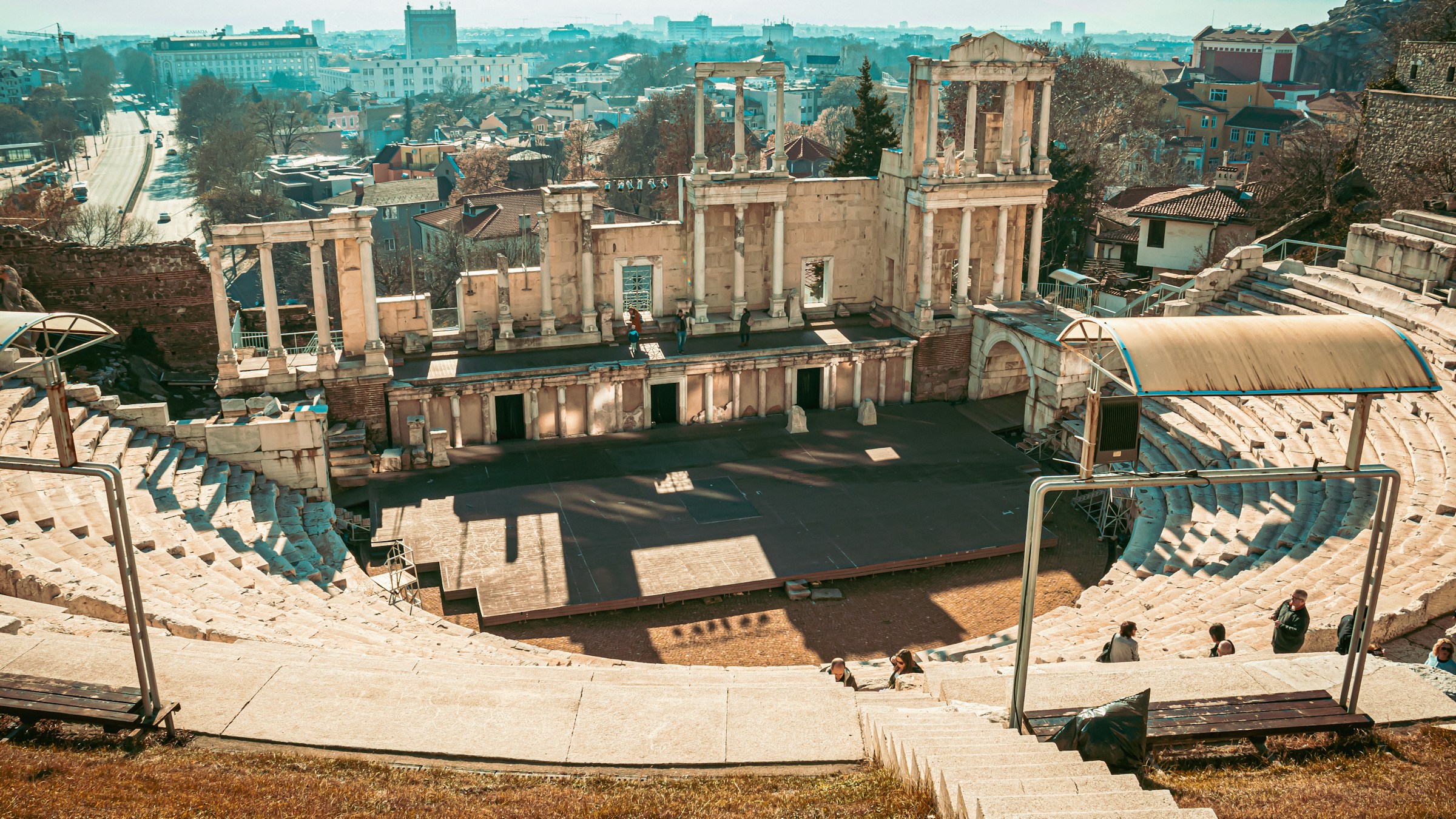
One of the highlights was visiting the remarkably preserved Roman Theatre. It's hard to believe a structure that's nearly 2,000 years old is still used for concerts today. Standing on the stage and looking out across the city toward the distant mountains was one of those moments that perfectly captures why Plovdiv feels so special.
I also loved spending time in Kapana, the city's creative district. Filled with independent cafés, art galleries, street art, and lively little bars, it has a completely different atmosphere from the old town while still feeling unmistakably Bulgarian. It struck a wonderful balance between celebrating the city's history and embracing a modern, creative energy.
I've recommended Plovdiv to several people who originally planned to spend all their time in Sofia, and every one of them came back saying the same thing: it ended up being the highlight of their trip. After visiting myself, I completely understand why.
How I'd fit Plovdiv into your Bulgaria itinerary
Plovdiv is one destination I would build an itinerary around rather than simply squeezing in.
Whether you're visiting for a long weekend or a two-week road trip, it deserves a couple of days to experience everything it has to offer.
Bulgaria may look relatively small on a map, but there's an incredible amount of variety packed into the country.
From ancient Roman cities and medieval fortresses to mountain monasteries, rose-filled valleys, and the Black Sea coast, it's worth allowing enough time to experience more than just the capital.
If you’re wondering where to start, I recommend planning a 7-day trip.
Bulgaria Itinerary: 7 Days
Route: Sofia → Rila Monastery → Bansko → Plovdiv → Kazanlak & the Rose Valley → Veliko Tarnovo
| Days 1-2 | Day 3 | Days 4-5 | Days 6 | Days 7 |
|---|---|---|---|---|---|
Destination | Sofia | Rila Monastery & Bansko | Plovdiv | Kazanlak & the Rose Valley | Veliko Tarnovo |
Overnight | Sofia | Bansko | Plovdiv | Kazanlak | Veliko Tarnovo (or departure) |
Why this route? This itinerary introduces many of Bulgaria's highlights, combining Sofia's fascinating history, the spectacular Rila Monastery, the mountain scenery of Bansko, the charming streets of Plovdiv, the famous Rose Valley, and the medieval capital of Veliko Tarnovo. It offers a great balance of culture, history, and beautiful landscapes without feeling overly rushed.
Why everyone should visit Bulgaria at least once
Bulgaria is one of Europe's best-kept travel secrets.
While many travelers focus on nearby Greece, Croatia, or Romania, Bulgaria quietly offers just as much variety with a fraction of the crowds. I
I found medieval fortresses perched on dramatic cliffs, colorful old towns, ancient Roman theatres, peaceful monasteries, fragrant rose fields, rugged mountain landscapes, and beautiful Black Sea beaches, all within a country that still feels refreshingly authentic.
Whether I was wandering the cobblestone streets of Plovdiv, watching the sunrise over the Rose Valley, exploring the walls of Tsarevets Fortress, hiking through the Pirin Mountains, or enjoying a traditional meal in a cozy mountain tavern, every destination revealed a completely different side of Bulgaria.
If it's your first visit, don't try to see everything in one trip.
Bulgaria rewards travelers who slow down, spend time beyond Sofia, and embrace the country's incredible diversity. I have a feeling you'll leave wondering why more people aren't talking about it.
FAQs about visiting Bulgaria
The currency in Bulgaria is the Bulgarian Lev (BGN), and while credit cards are widely accepted in cities and tourist areas, it's helpful to carry some cash when visiting smaller towns and villages.
Many travelers, including those from the US, UK, Canada, Australia, and New Zealand, can visit Bulgaria visa-free for up to 90 days within a 180-day period. Bulgaria is now part of the Schengen Area, so standard Schengen entry rules apply.
Driving in Bulgaria is generally straightforward, with vehicles driving on the right-hand side, but you'll need to purchase an electronic vignette (e-vignette) before using most motorways and major roads.
Bulgaria is considered a safe destination for travelers, though it's always sensible to stay aware of your surroundings and keep an eye on your belongings in busy tourist areas and on public transport.
Bulgaria uses Type C and Type F electrical plugs with a standard voltage of 230V and a frequency of 50Hz.
The official language of Bulgaria is Bulgarian, although English is commonly spoken in many hotels, restaurants, and tourist attractions, particularly in larger cities and popular destinations.
Ready to explore Bulgaria? Optimise Travel is here to help
Bulgaria may not be as famous as some of its European neighbors, but that's exactly what makes it such a rewarding destination to explore.
From the colorful streets of Plovdiv and the medieval fortress of Veliko Tarnovo to the peaceful Rila Monastery, the fragrant Rose Valley, the dramatic Pirin Mountains, and the historic towns along the Black Sea coast, every region offers a completely different experience.
At Optimise Travel, we create personalized travel itineraries based on your interests, travel style, and budget. Whether you're dreaming of exploring ancient Roman ruins, hiking through spectacular mountain landscapes, relaxing on the Black Sea coast, experiencing Bulgaria's famous Rose Festival, discovering charming villages, or uncovering the country's fascinating history and culture, we'll help you build an itinerary that makes the most of your time.
If you'd like help planning your trip to Bulgaria, click here to learn more about our concierge travel services.