

Before visiting Greece, I thought I knew exactly what the country would be like. Ancient ruins, blue-domed churches, and beautiful islands.
While all of those things are certainly here, what surprised me most was how varied Greece actually is. I found mountain villages, dramatic coastlines, incredible food, and some of the most memorable landscapes I've experienced anywhere in Europe.
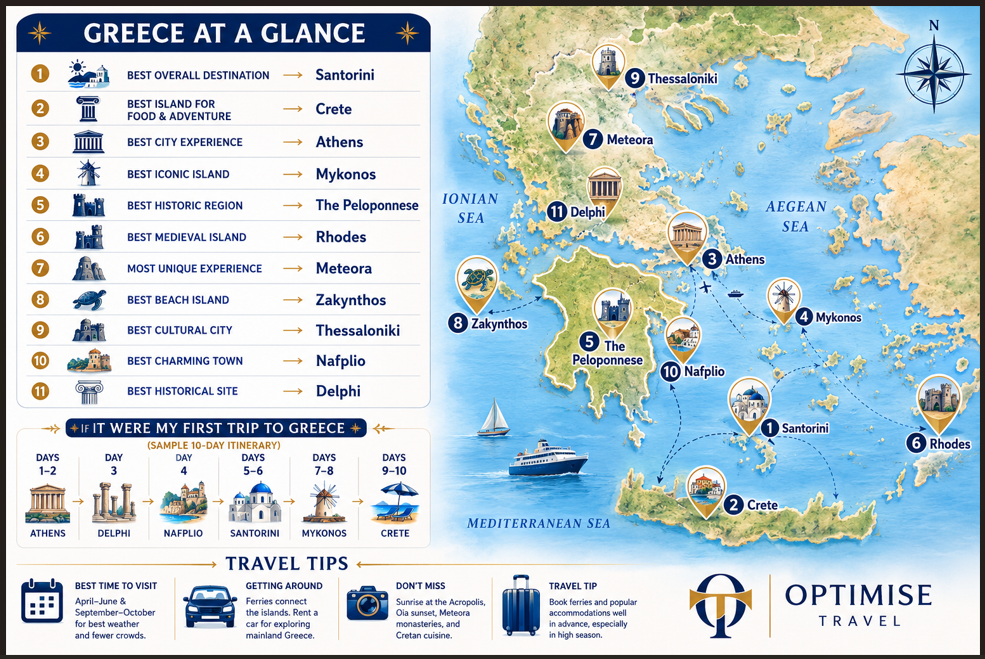
These are the 11 places in Greece that left the biggest impression on me and the destinations I think everyone should experience at least once.
Have You Seen Our Travel Concierge Service?
Your trip, planned by local experts
We are not a travel agent - we design custom itineraries around your budget and style, without receiving commissions or booking fees.
Custom itinerary
Built around your dates, budget, and travel style.
Local expert knowledge
Recommendations from people on the ground, not review sites.
Travel smarter, spend less
We optimise for your budget to make your money go further.
Delphi
(pronounced: DEL-fee)
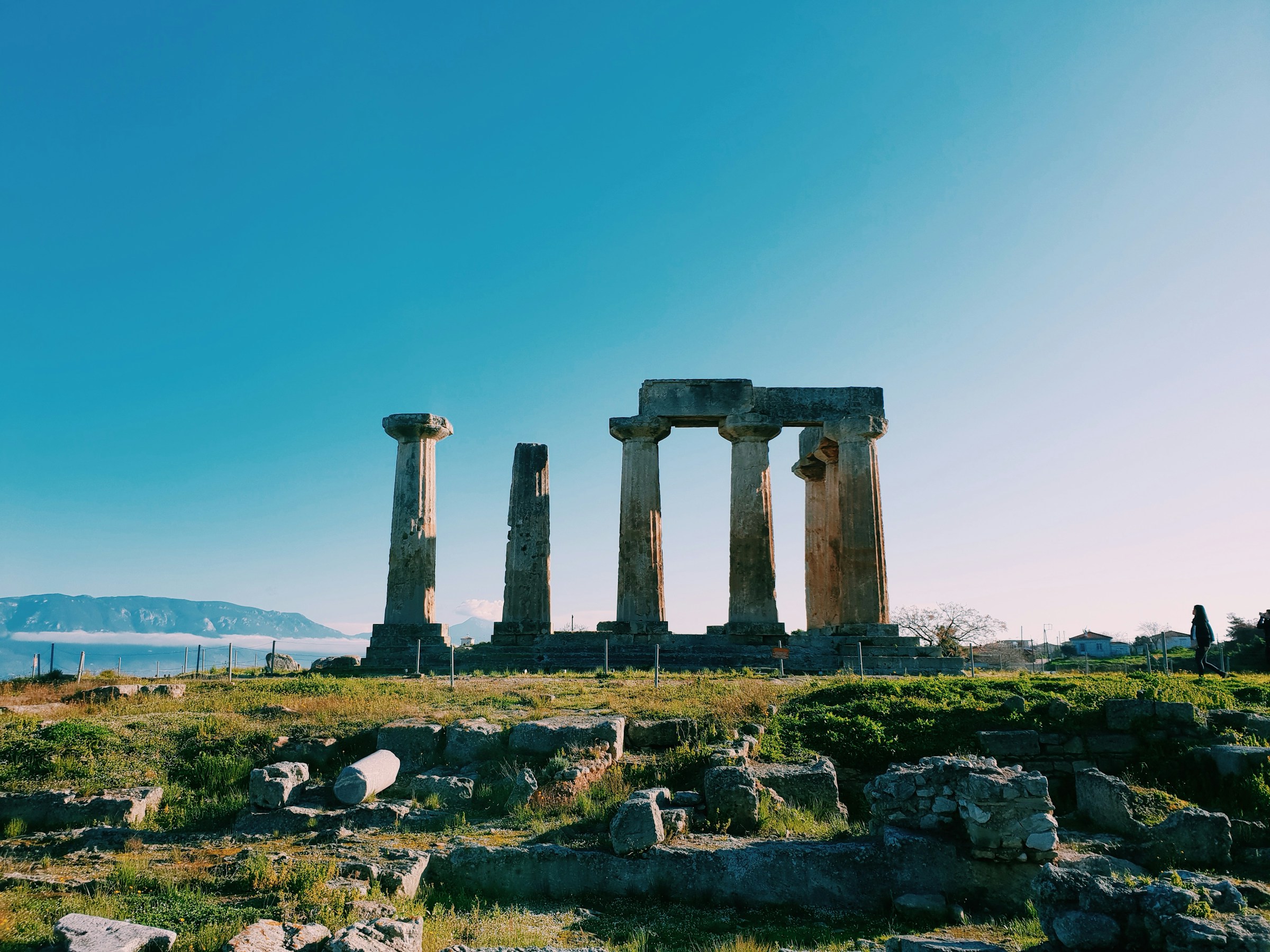
Delphi at a glance
Central Greece
Ancient history, archaeology, mountain scenery
History lovers, first-time visitors, photographers
1 - 2 days
Athens, Meteora, the Peloponnese
April-June and September-October for mild temperatures and comfortable sightseeing
Some ancient sites impress because of their size. Others impress because of their history. Delphi was one of the few places I visited in Greece that seemed to combine both with an incredible setting.
The approach is part of the experience. As the road climbs into the mountains, the landscape becomes quieter and more dramatic, and by the time I reached the site, I could understand why the ancient Greeks believed this was the center of the world.
The sanctuary seems to cling to the slopes of Mount Parnassus, with the mountains rising behind it and the valley stretching all the way toward the Gulf of Corinth.
Walking the Sacred Way felt very different from visiting many other archaeological sites. The temples, theater, and stadium unfold gradually as you climb higher, and the views become more impressive with every level.
The museum was equally memorable. The Charioteer of Delphi is one of those rare works of art that genuinely stops you in your tracks, even if you don't normally spend much time in museums.
More than anything, Delphi felt peaceful. Even though it's one of Greece's most important historical sites, the mountain setting gives it a sense of calm that has stayed with me long after my visit.
How Delphi fits into your Greece itinerary
Delphi is one of the easiest and most rewarding additions to a mainland Greece itinerary.
I think it pairs particularly well with Athens and Meteora and offers a completely different experience from the islands, combining ancient history with some of the most beautiful mountain scenery in the country.
Nafplio
(pronounced: NAF-plee-oh)
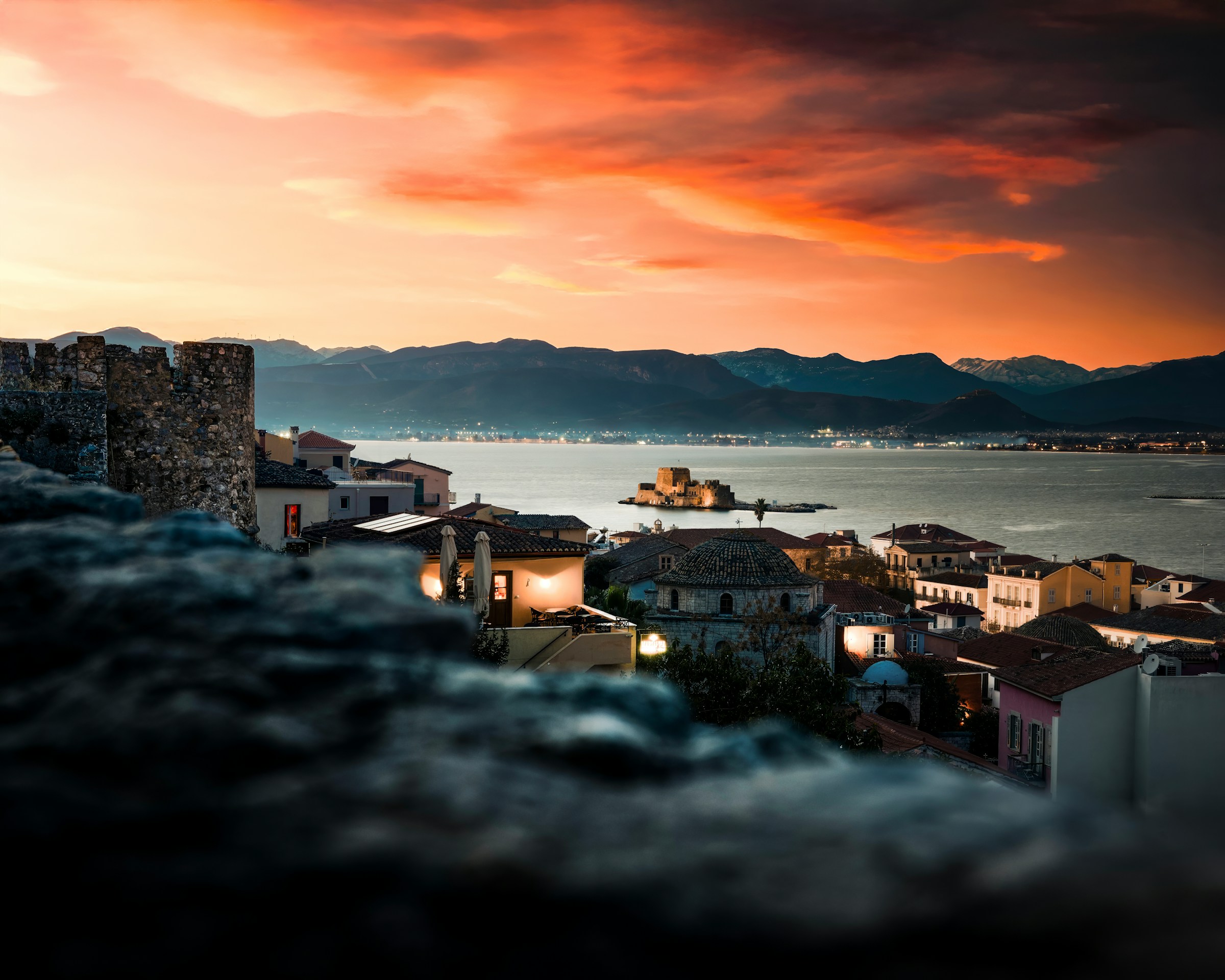
Nafplio at a glance
Peloponnese
Coastal towns, history, relaxed atmosphere
Couples, history lovers, slower travelers
2 nights
Athens, Mycenae, Epidaurus
April-June and September-October for pleasant temperatures and comfortable sightseeing
There are some places that immediately make you start looking at real estate listings, and Nafplio was one of those places for me.
After the energy and crowds of Athens, arriving here felt like discovering a completely different side of Greece.
The town is small enough to explore entirely on foot, which is part of its appeal. I spent much of my time wandering narrow streets lined with neoclassical buildings, shaded squares, and cafés that seemed to encourage lingering.
What makes Nafplio especially memorable is its setting. The harbor wraps around the old town, the small Bourtzi fortress sits just offshore, and the massive Palamidi fortress watches over everything from the hillside above. Climbing to the top rewards you with one of the finest views on the Greek mainland.
I also loved how easy it was to explore the surrounding region. Ancient Mycenae and Epidaurus are both nearby, making Nafplio an excellent base rather than simply a destination in its own right.
By my second evening, sitting at a waterfront café as the sun set behind Bourtzi, I completely understood why so many visitors end up wishing they had planned to stay longer.
How Nafplio fits into your Greece itinerary
Nafplio is one of the easiest additions to a mainland Greece itinerary and works particularly well after Athens.
I think it's ideal for travelers who want history and beautiful scenery without the crowds of the islands, and it also makes an excellent base for exploring the northeastern Peloponnese.
Thessaloniki
(pronounced: thes-ah-loh-NEE-kee)
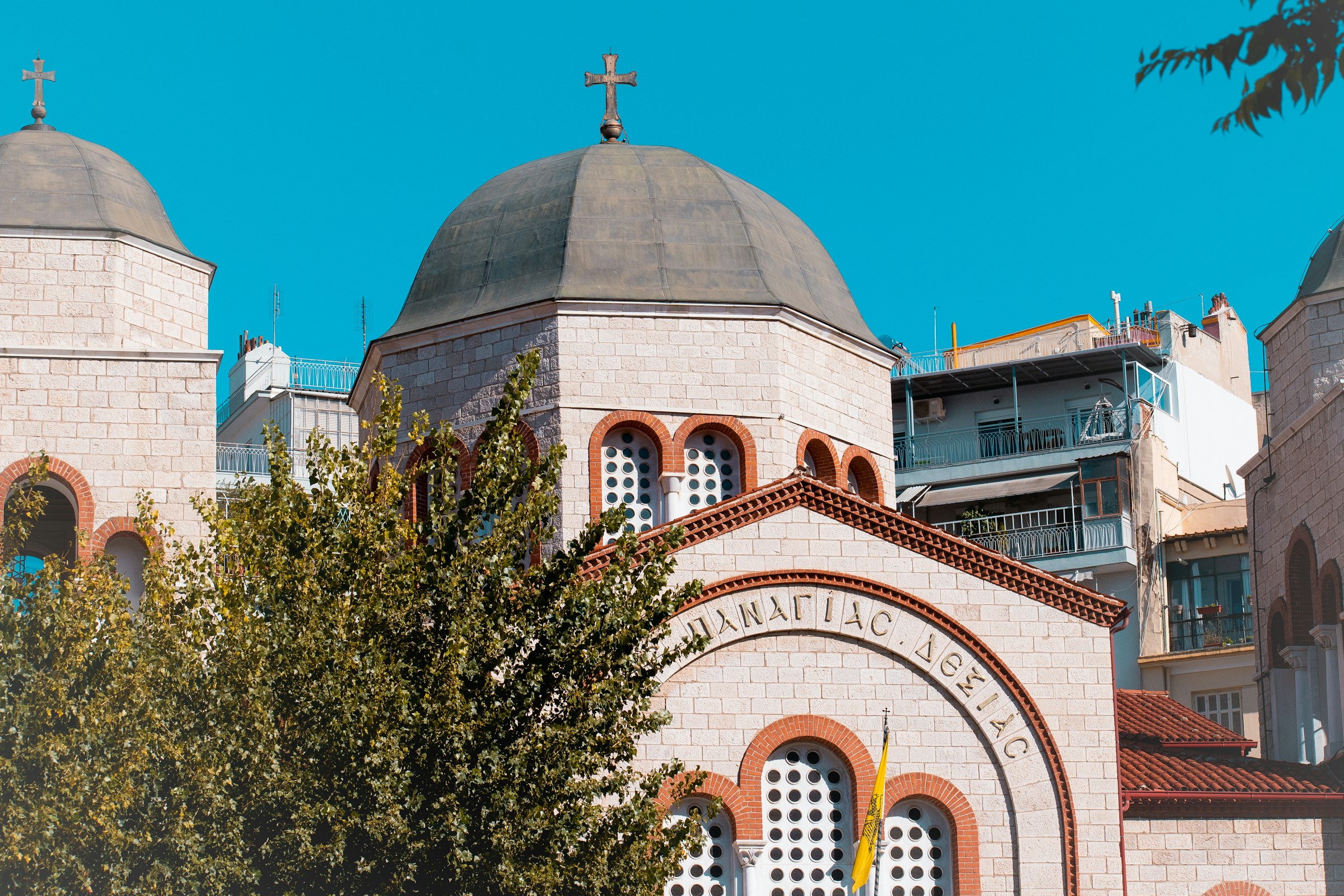
Thessaloniki at a glance
Northern Greece
Food, culture, history, city breaks
Food lovers, city explorers, repeat visitors to Greece
2 - 3 days
Meteora, Mount Olympus, Halkidiki
Year-round
Athens may have the Acropolis, but Thessaloniki makes a very convincing case for being Greece's most enjoyable city. It feels younger, more relaxed, and somehow easier to settle into, even on a short visit.
What stood out to me immediately was the atmosphere. The waterfront is always busy, the cafés stay full late into the evening, and the city feels genuinely lived in rather than simply visited. Walking through the Ladadika district at night, with tables spilling onto the streets and conversations continuing well past dinner, gave me a completely different impression of urban Greece.
The history here is equally impressive, although it often feels less crowded and more approachable than Athens.
Byzantine churches, Roman monuments, and old city walls appear almost unexpectedly as you walk through different neighborhoods. The views from the upper city at sunset were some of my favorite in Greece.
More than anything, though, I remember the food. I found myself planning entire days around meals, from warm bougatsa in the morning to seafood, mezze, and late-night dinners along the waterfront.
Thessaloniki is one of those cities where eating feels like the main attraction, and honestly, that's exactly how I approached it.
How Thessaloniki fits into your Greece itinerary
Thessaloniki works particularly well as the starting point for northern Greece and pairs naturally with Meteora, Mount Olympus, and the beaches of Halkidiki. I think it appeals most to travelers who enjoy food, culture, and cities with a strong local identity rather than major tourist attractions alone.
Zakynthos
(pronounced: ZAK-in-thos)
Zakynthos at a glance
Ionian Islands
Beaches, boat trips, swimming, coastal scenery
Couples, island hoppers, beach lovers
3 - 4 days
Kefalonia, Athens, the Peloponnese
May, June, and September for warm weather, swimming, and fewer crowds
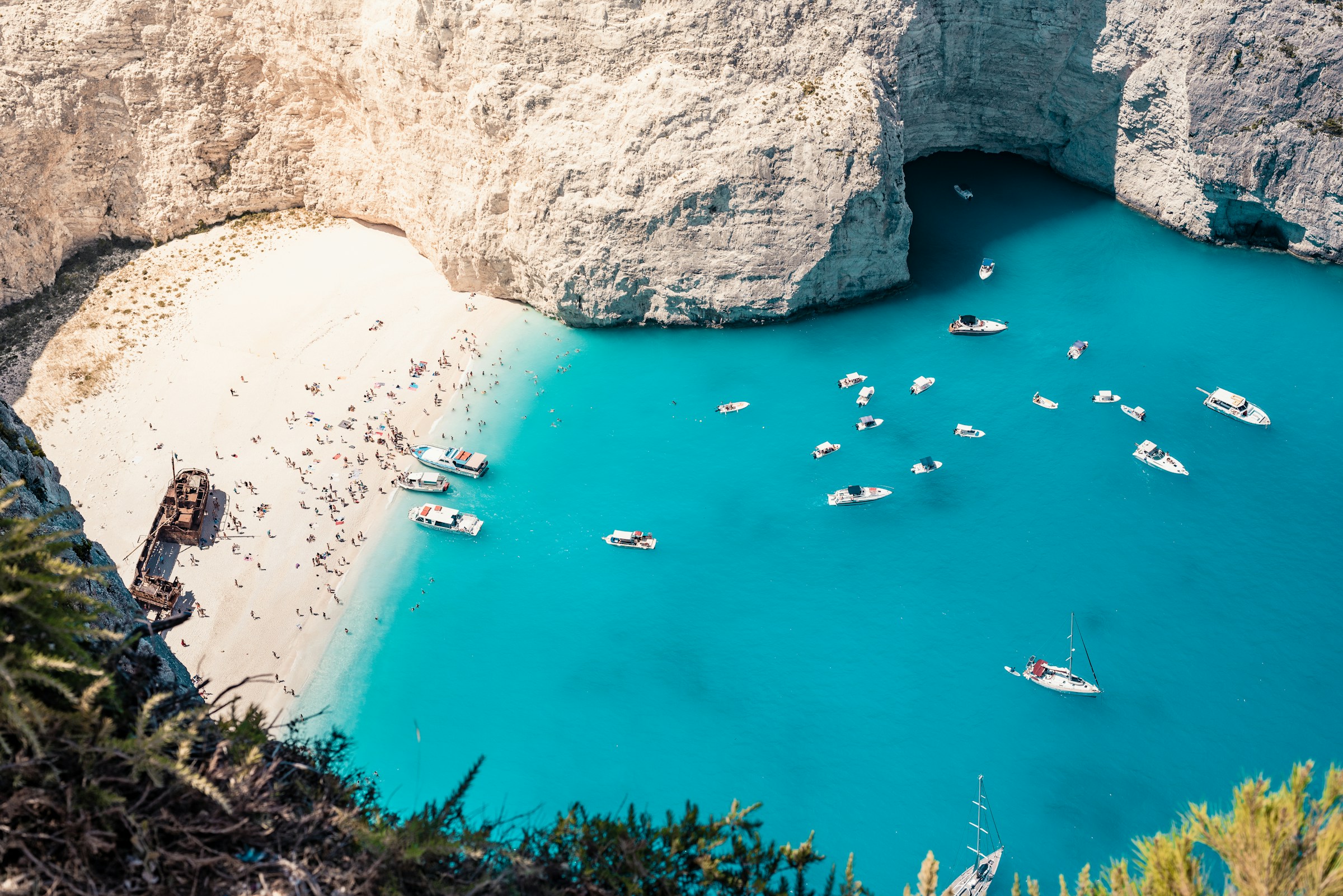
Before visiting Zakynthos, I mostly knew it from photographs of Shipwreck Beach. What I didn't realize was how varied the island actually is. Depending on where you stay, Zakynthos can feel like several completely different destinations.
The famous Navagio Beach certainly lives up to its reputation. Standing on the clifftop viewpoint and looking down at the white sand, rusting shipwreck, and electric blue water is one of those moments that genuinely feels as impressive as the photographs suggest. The color of the sea is almost difficult to believe until you see it for yourself.
What surprised me most, though, was the quieter side of the island. The northern coast around Cape Skinari felt worlds away from the busy southern resorts. Small harbors, clear water, and boat trips to the Blue Caves made this part of Zakynthos feel much more relaxed.
I also appreciated how much of the island's appeal comes from being on the water. Whether it was exploring sea caves, searching for loggerhead turtles, or simply taking a boat along the coastline, some of my favorite moments happened offshore.
Zakynthos may be famous for one beach, but I think the island becomes much more rewarding once you venture beyond it.
How Zakynthos fits into your Greece itinerary
Zakynthos works particularly well as part of an Ionian Islands itinerary and pairs naturally with Kefalonia or the western Peloponnese. I think it appeals most to travelers looking for beautiful beaches, boat trips, and a more relaxed island experience than the Cyclades.
Meteora
(pronounced: meh-TEH-oh-rah)
Meteora at a glance
Central Greece
Monasteries, photography, landscapes
History lovers, photographers, first-time visitors
1 - 2 nights
Thessaloniki, Delphi, Athens
April-June and September-October for comfortable temperatures and excellent hiking conditions
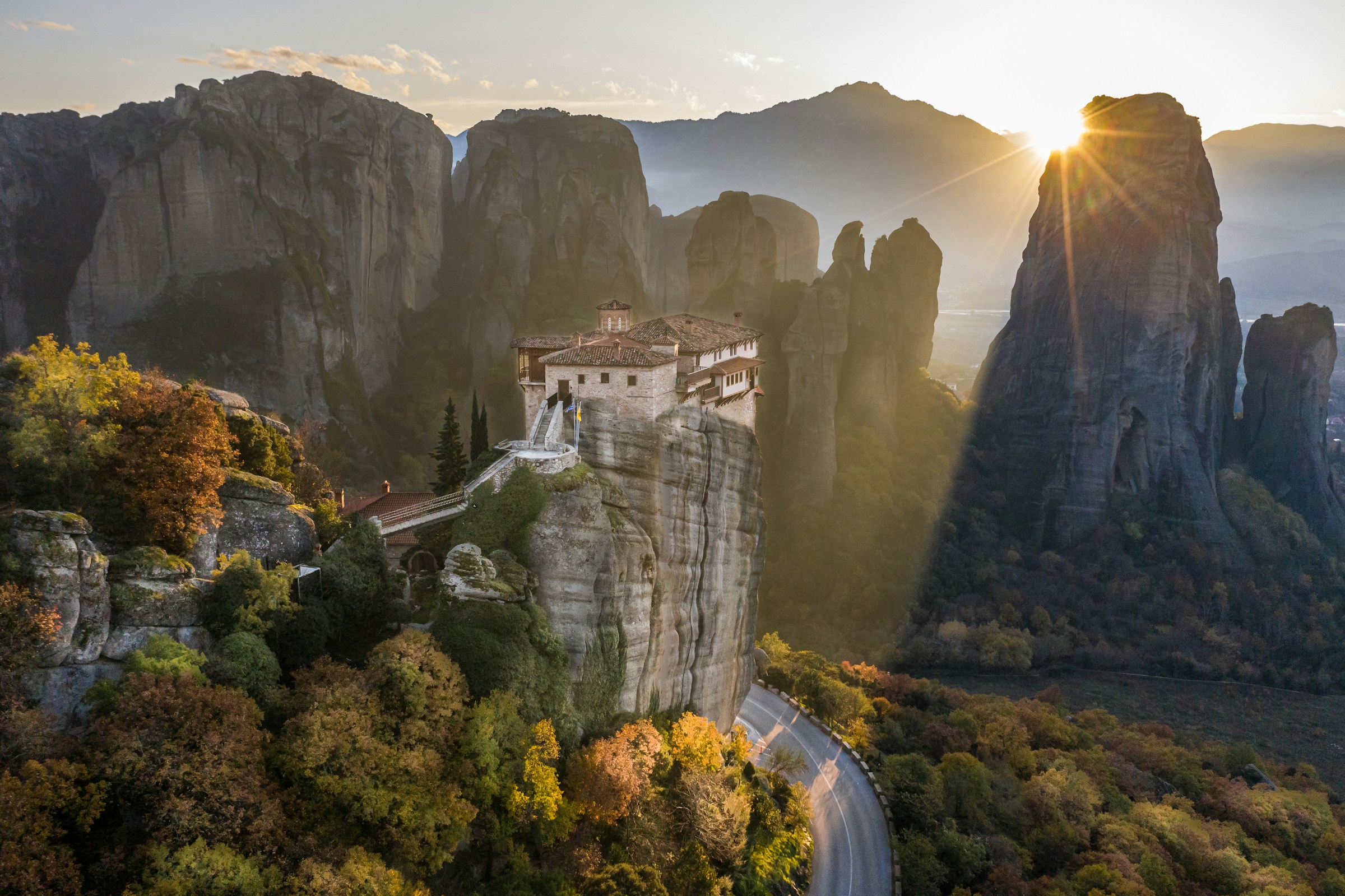
There are very few places in Europe that feel genuinely unlike anywhere else, but Meteora is one of them. The first time I saw the sandstone pillars rising above the plain, with monasteries balanced impossibly on top, I honestly struggled to process what I was looking at.
The scale of the landscape is difficult to appreciate in photographs.
The rock formations rise hundreds of metres above the valley floor, and the monasteries seem to cling to the cliffs in places where they simply shouldn't exist. Even after spending a full day here, I found myself constantly looking back at the skyline, trying to understand how these communities were ever built.
What makes Meteora particularly memorable is the combination of nature and history. The monasteries are still active religious communities, and stepping inside them provides a fascinating contrast to the dramatic scenery outside.
The frescoes, courtyards, and quiet chapels feel worlds away from the viewpoints and hiking trails.
My favorite moments came early in the morning. Watching the mist fill the valley below as the sun reached the tops of the rock pillars gave the entire landscape an almost unreal quality.
Meteora doesn't feel like another historical site or another mountain destination. It feels completely unique.
How Meteora fits into your Greece itinerary
Meteora works beautifully as part of a mainland Greece itinerary and pairs particularly well with Delphi and Thessaloniki. I think it's one of the most distinctive destinations in the country and well worth the extra travel time, especially for travelers interested in history, photography, and landscapes that feel genuinely unlike anywhere else.
Rhodes
(pronounced: ROHDS)
Rhodes at a glance
Dodecanese Islands
Medieval history, beaches, culture
History lovers, couples, beach enthusiasts
3 - 4 days
Symi, Kos, Athens
May - October for warm weather, swimming and sightseeing
Rhodes was one of the biggest surprises of my time in Greece.
I expected beautiful beaches and plenty of sunshine, but I wasn't prepared for just how impressive the Old Town would be. Walking through its medieval streets felt less like visiting a historical attraction and more like stepping into a city that has simply continued to evolve over the centuries.
The early mornings were my favorite time to explore. Before the cafés opened and the day-trippers arrived, the narrow cobbled streets were almost silent. The warm light reflecting off the stone walls made the entire city feel timeless, and it was easy to imagine what Rhodes might have looked like hundreds of years ago.
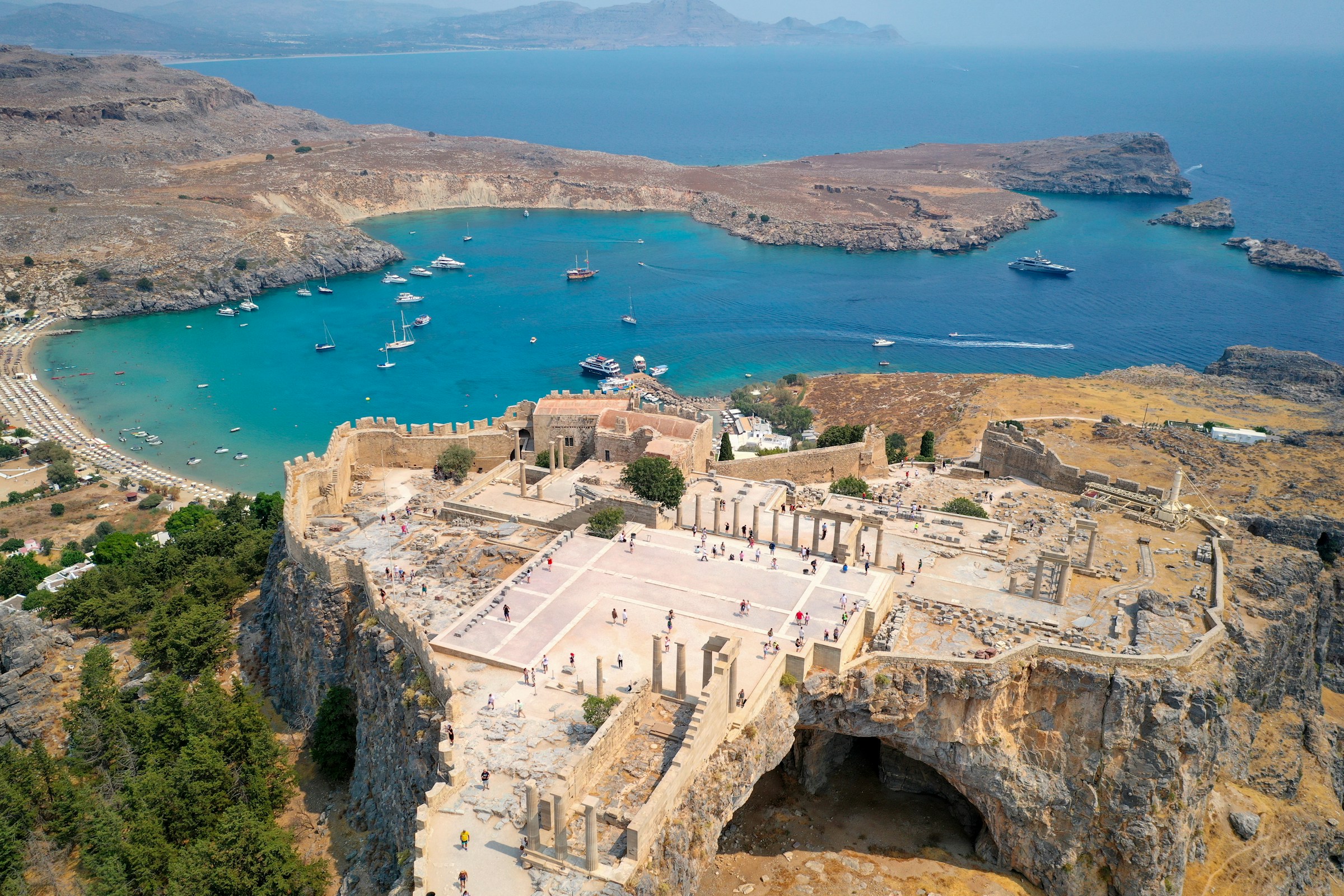
Beyond the Old Town, the island offers a completely different experience. Lindos combines an ancient acropolis with one of the prettiest villages in Greece, while the beaches along the east coast provide calm, crystal-clear water that's perfect for swimming.
I also appreciated how varied the coastline is, with the windier west coast attracting surfers and the sheltered eastern bays feeling much more relaxed.
Rhodes offers far more than a beach holiday. For me, it was one of the few Greek islands that perfectly balances history, culture, and time by the sea.
How Rhodes fits into your Greece itinerary
Rhodes is an excellent choice for travelers who want to combine history with beach time and works well as a standalone island or as part of a Dodecanese itinerary. I think it's particularly rewarding for first-time visitors looking for an island that offers much more than a beautiful coastline alone.
The Peloponnese
(pronounced: peh-loh-poh-NEE-seh)
The Peloponnese at a glance
Southern Greece
Ancient history, road trips, archaeology
History lovers, road trippers, repeat visitors to Greece
4 - 6 days
Athens, Nafplio, Delphi
April-June and September-October for comfortable sightseeing and road trips
The Peloponnese completely changed my perception of Greece. Before visiting, I assumed the country's greatest historical sites were concentrated around Athens.
Instead, I found myself driving from one remarkable location to another, often with surprisingly few other visitors around.
What I loved most was the variety. One morning, I was standing on the original Olympic track at Ancient Olympia, imagining athletes competing there thousands of years ago.
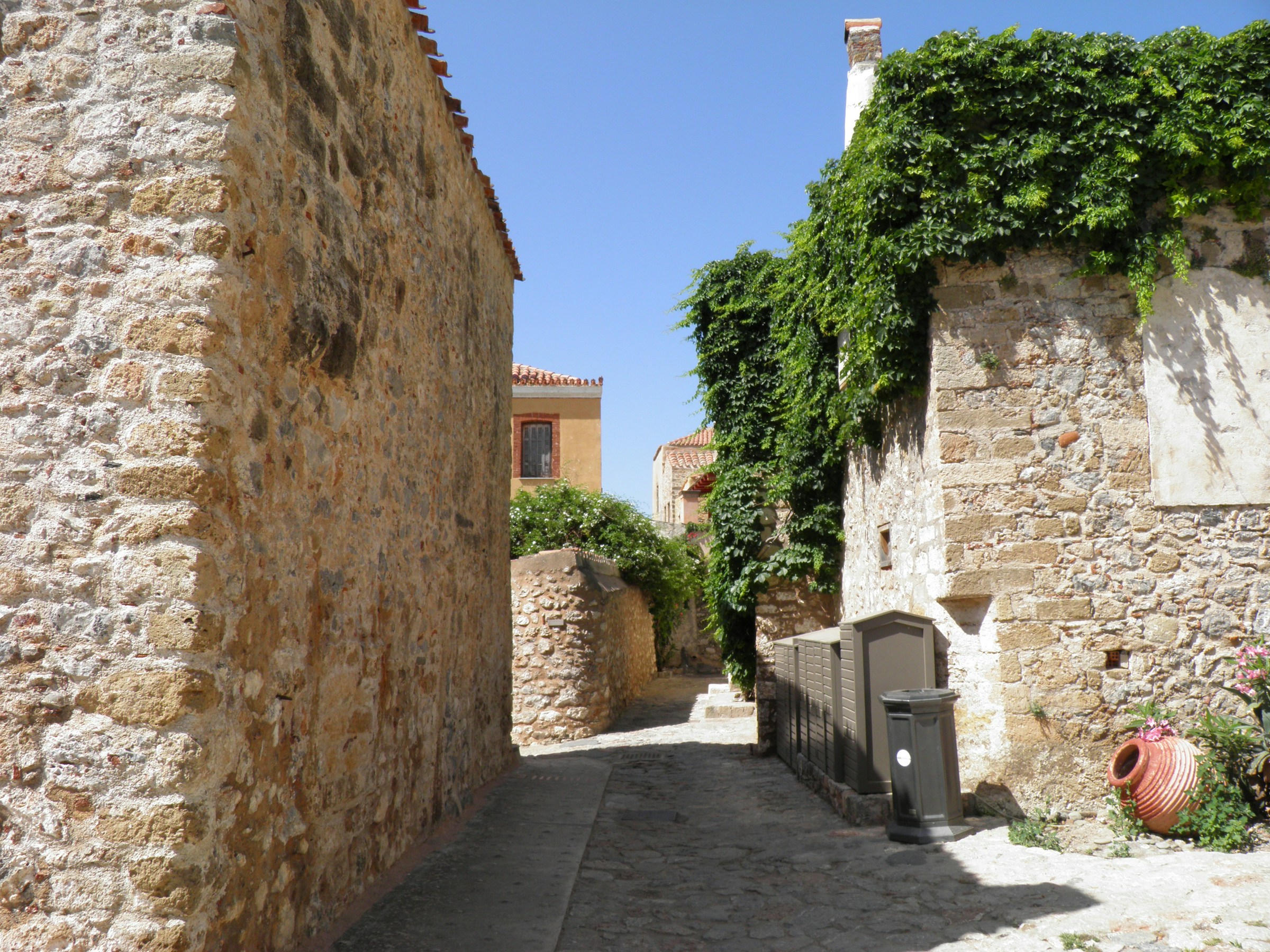
Later in the trip, I was walking through the abandoned Byzantine city of Mystras, where quiet stone streets and crumbling churches created an atmosphere unlike anywhere else I visited in Greece.
The Peloponnese also rewards taking the scenic route. Coastal roads lead to hidden beaches, mountain villages appear around unexpected corners, and the rugged Mani Peninsula feels completely different from the rest of the region, with its stone tower houses and dramatic coastline.
This isn't the Greece of whitewashed islands and ferry schedules. It's a place of ancient civilizations, winding roads, and discoveries that often happen between the major attractions.
How the Peloponnese fits into your Greece itinerary
The Peloponnese is one of the best regions in Greece for a self-drive itinerary and pairs naturally with Athens, Nafplio, and Delphi. I think it's perfect for travelers who want to explore beyond the islands and experience some of Greece's most important historical sites at a more relaxed pace.
Mykonos
(pronounced: MEE-koh-nos)
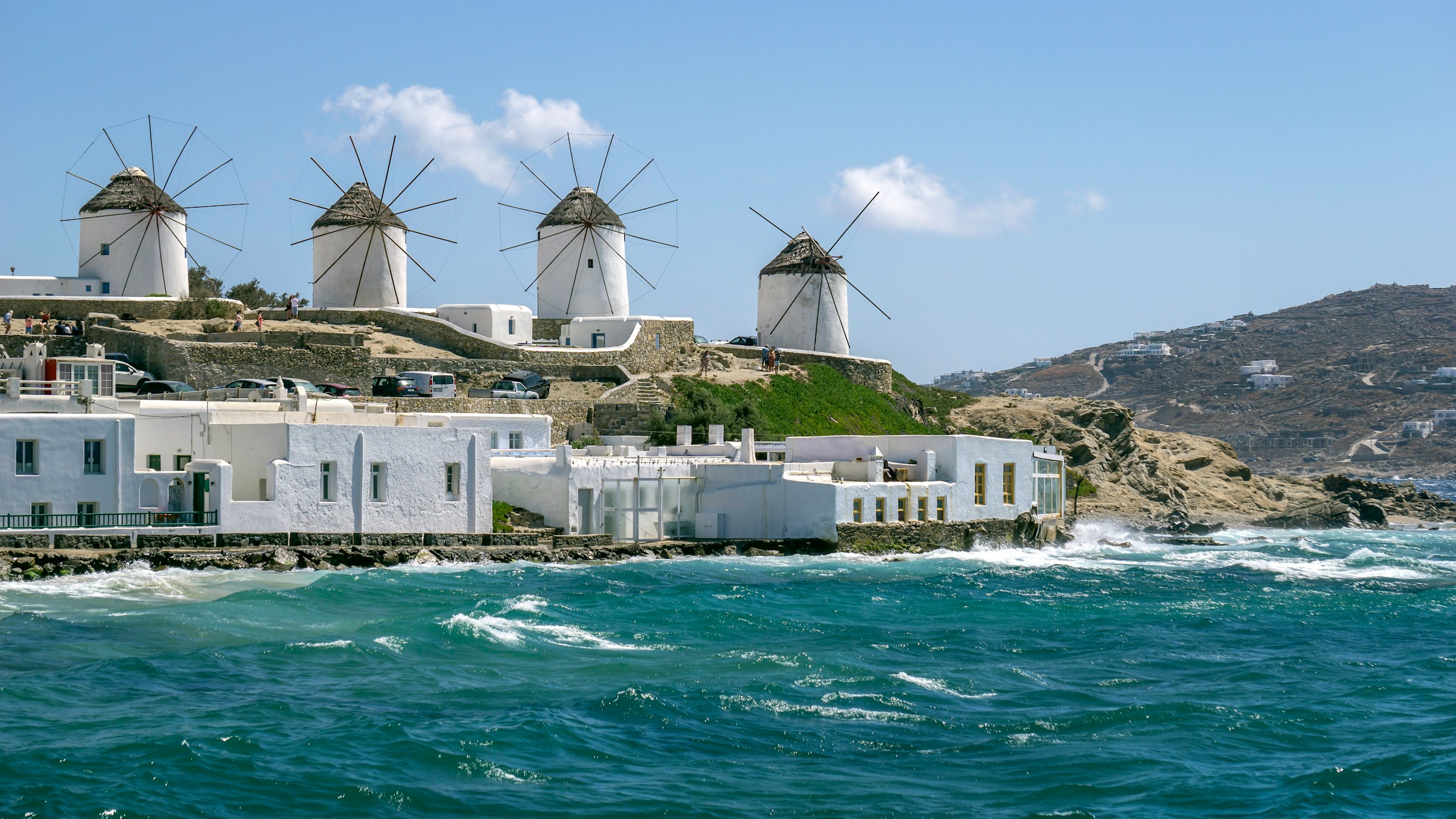
Mykonos at a glance
Cyclades Islands
Island hopping, nightlife, beaches, charming towns
Couples, first-time visitors, island hoppers
2-3 days
Santorini, Naxos, Delos
May, June, and September for warm weather and fewer crowds
Mykonos tends to divide opinion before people even arrive. It's often described as Greece's party island, but I think that reputation only tells part of the story.
Look beyond the beach clubs, and you'll find one of the most beautiful towns in the Cyclades.
I loved simply wandering through Chora without a plan. The maze of whitewashed lanes was originally designed to confuse pirates, and today it still succeeds in delighting visitors who happily lose their bearings.
Around every corner seemed to be another blue doorway, flower-filled courtyard, or café that made me stop for a few minutes longer than I'd intended.
While Little Venice and the famous windmills deserve their reputation, the highlight of my visit was actually Delos. Just a short boat ride away, this remarkable archaeological site feels like stepping into another world. Exploring the ancient ruins with little more than the sound of the sea around me was a welcome contrast to the energy of Mykonos itself.
That contrast is exactly why I enjoyed the island so much. One moment you're sipping coffee in a quiet alley, the next you're watching the sunset over Little Venice, and the following morning you're walking through one of the most important ancient sites in Greece.
How Mykonos fits into your Greece itinerary
Mykonos is one of the classic stops on a Cyclades island-hopping itinerary and pairs perfectly with Santorini, Naxos, and Paros. I think it's ideal for travelers who want a mix of beautiful scenery, lively nightlife, excellent restaurants, and easy access to one of Greece's most important archaeological sites.
Athens
(pronounced: ATH-enz)
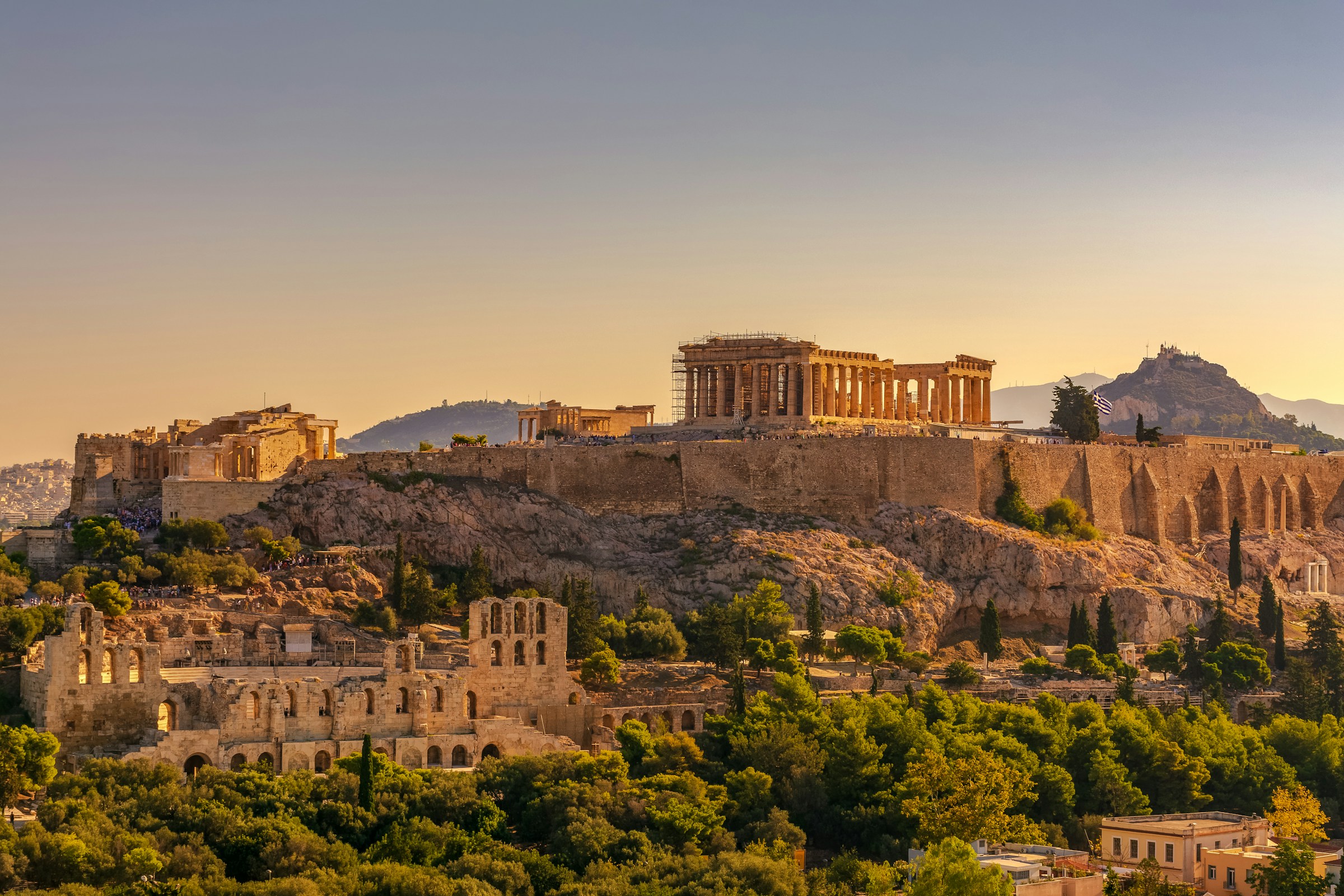
Athens at a glance
Attica
Ancient history, museums, food, city life
First-time visitors, history lovers, culture enthusiasts
3 - 4 days
Delphi, Nafplio, Santorini
April-June and September-October for comfortable sightseeing and pleasant evenings
Athens is one of those cities that deserves far more than a quick stop before heading to the islands.
Yes, the Acropolis is extraordinary, but what makes Athens memorable is how naturally ancient history and modern life exist side by side.
Of course, standing beneath the Parthenon is an unforgettable experience, especially early in the morning before the crowds arrive. I also highly recommend spending time in the Acropolis Museum, where the exhibits are beautifully presented with the monument itself visible through the windows. Together, they provide an incredible introduction to Greece's history.
Once I had explored the ancient sites, though, I found myself enjoying the neighborhoods just as much.
Wandering through Monastiraki and Psyrri, stopping for coffee, browsing local markets, and finding small tavernas gave me a much better feel for the city than simply ticking off famous landmarks.
Exarchia added another layer altogether, with colorful street art, independent cafés, and a creative energy that feels very different from the historic center.
The perfect way to end the day, in my opinion, is from a rooftop terrace overlooking the illuminated Acropolis. Watching the sun set as one of the world's most famous monuments begins to glow is a moment that's very difficult to forget.
How Athens fits into your Greece itinerary
Athens is the natural starting point for almost every trip to Greece and deserves several days in its own right. I think it pairs perfectly with both mainland destinations like Delphi and Nafplio and island-hopping itineraries through the Cyclades or Dodecanese, making it the ideal introduction to the country.
Crete
(pronounced: KREET)
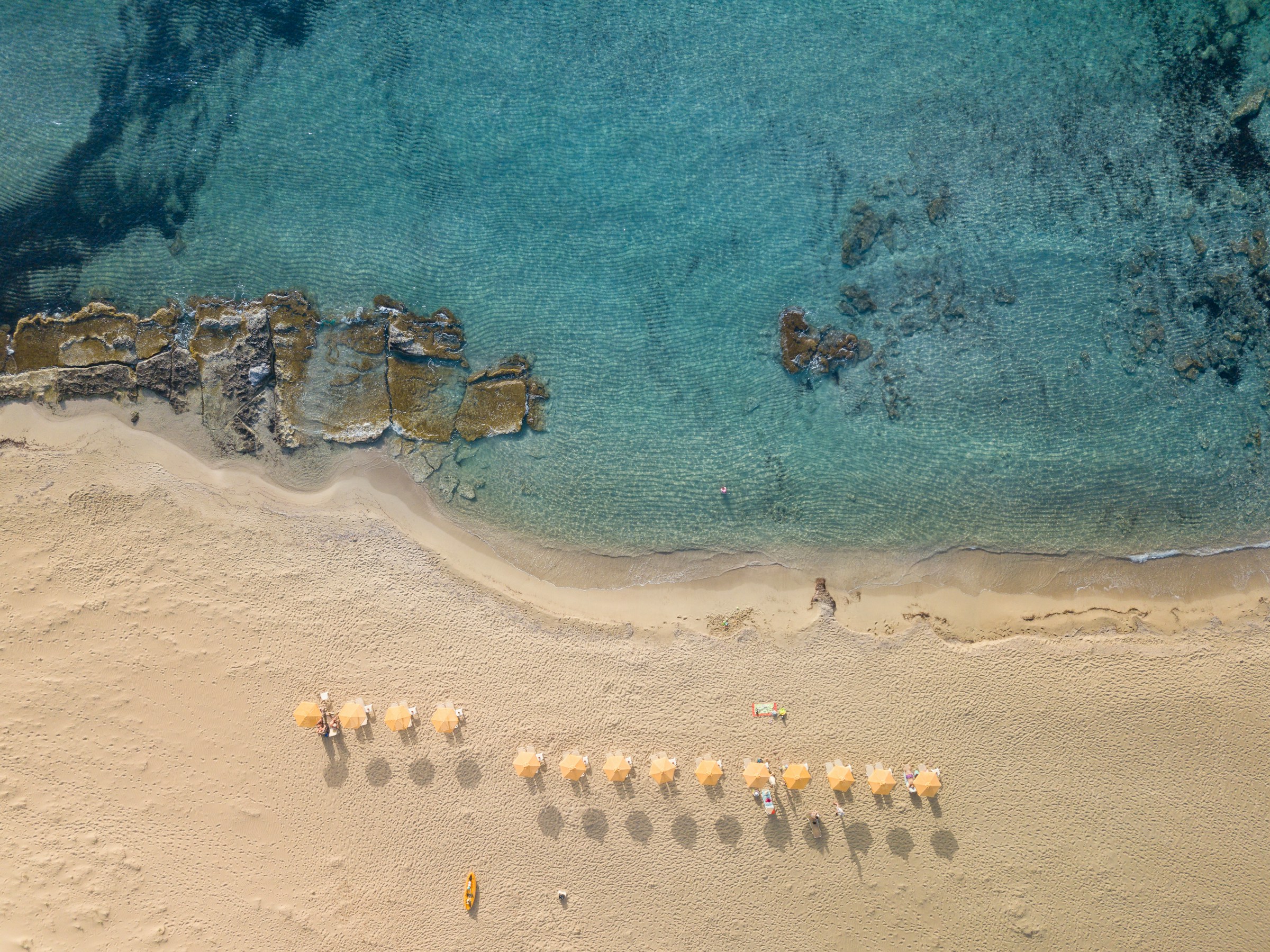
Crete at a glance
Crete
Beaches, history, hiking, food
Families, couples, food lovers, road trippers
5 - 7 days
Santorini, Athens
May-June and September-October for warm weather, hiking, and fewer crowds
Crete isn't the kind of destination you simply tick off a list. It's an island that rewards slowing down, exploring, and accepting that you'll probably leave with a long list of places you still want to see.
What I enjoyed most was how dramatically the scenery changed as I traveled around the island.
I loved wandering through the ancient Palace of Knossos, imagining life in Europe's oldest civilization. Then, I was hiking through the towering walls of Samaria Gorge before ending the trip on the pink sands of Elafonisi, wondering how one island could contain so many completely different landscapes.
Just as memorable was the food.
Every meal seemed to revolve around fresh local ingredients, exceptional olive oil, and recipes that had been passed down through generations.
More than once, I was handed a complimentary glass of raki at the end of dinner, a small gesture of hospitality that quickly became one of the things I associated most with Crete.
For me, that's what makes the island so special. It's not defined by a single famous beach or historical site, but by the feeling that there's always another village, mountain road, or family-run taverna waiting around the next corner.
How Crete fits into your Greece itinerary
Crete is much more than a stop on an island-hopping itinerary. I think it's a destination that deserves a trip of its own, although it also pairs well with Athens or Santorini for first-time visitors. If you enjoy road trips, incredible food, and discovering places at your own pace, Crete is hard to beat.
Santorini
(pronounced: san-toh-REE-nee)
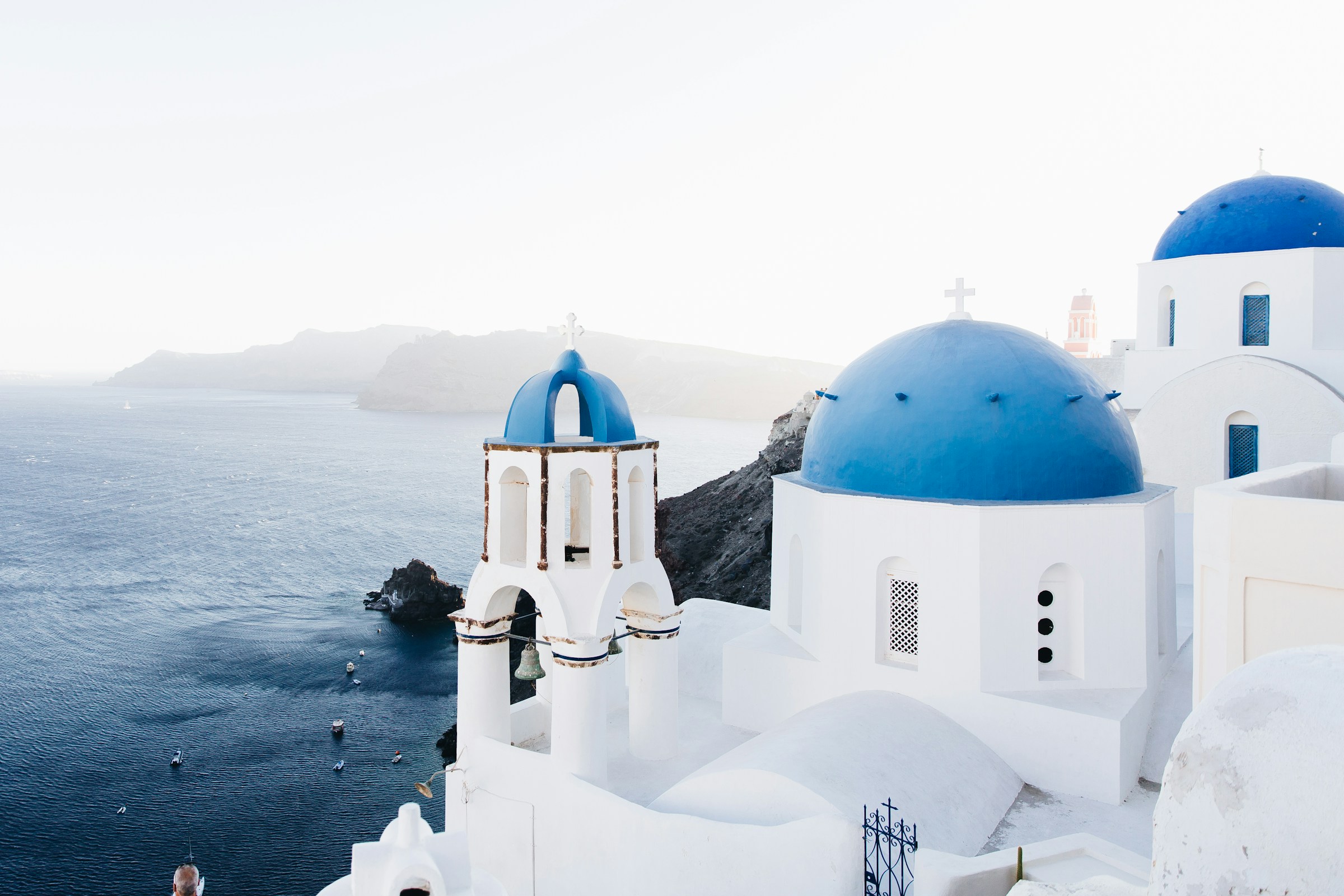
Santorini at a glance
Cyclades Island
Iconic scenery, romance, food and wine
First-time visitors, couples, photographers
3 - 4 days
Mykonos, Crete, Athens
April, May, September, and October for warm weather and fewer crowds
Santorini is probably the destination that comes to mind when most people picture Greece, and after visiting, I completely understand why.
The famous whitewashed villages, blue-domed churches, and dramatic caldera views really are every bit as spectacular as you've heard.
What surprised me wasn't that Santorini lived up to the hype, but that the island has so much more to offer beyond its postcard views.
The moment that stayed with me most wasn't actually standing in Oia at sunset. It was arriving by ferry and looking up at the towering cliffs from the water.
Seeing the villages perched along the rim of an ancient volcanic caldera gave me a completely different appreciation for the island's unique landscape and helped me understand why Santorini looks unlike anywhere else in Greece.
I also enjoyed escaping the busiest areas to explore villages like Pyrgos and Emporio, where quiet lanes and traditional houses offered a slower glimpse of island life.
Add in volcanic black-sand beaches, exceptional Assyrtiko wines, and fresh seafood overlooking the caldera, and Santorini becomes much more than a place to take photographs.
There are prettier beaches elsewhere in Greece and quieter islands too, but nowhere combines scenery, history, geology, food, and atmosphere quite like Santorini. It's one of those rare destinations that earns its reputation.
How Santorini fits into your Greece itinerary
Santorini is an unforgettable introduction to the Greek islands and pairs perfectly with Mykonos, Crete, or Athens. I think it's an essential stop for first-time visitors, particularly if you want to experience the iconic landscapes that have made Greece one of the world's most celebrated travel destinations.
Not everyone has the same amount of time to explore Greece, so here are the routes I'd personally recommend based on the length of your trip.
Greece Itinerary: 7 Days
Route: Athens → Delphi → Meteora → Santorini
| Days 1-2 | Day 3 | Day 4-5 | Days 6-7 |
|---|---|---|---|---|
Destination | Athens | Delphi | Meteora | Santorini |
Overnight | Athens | Delphi | Kalambak | Santorini |
Why this route? This itinerary combines Greece's most famous ancient city with two of its most spectacular mainland destinations before finishing with the country's most iconic island.
*A rental car is recommended between Athens, Delphi, and Meteora. From there, return to Athens for a short flight to Santorini.
Greece Itinerary: 10 Days
Route: Athens → Nafplio → Delphi → Meteora → Santorini → Mykonos
| Days 1-3 | Day 4-5 | Days 6 | Days 7-8 | Days 9 | Days 10 |
|---|---|---|---|---|---|---|
Destination | Athens | Nafplio | Delphi | Meteora | Santorini | Mykonos |
Overnight | Athens | Nafplio | Delphi | Kalambak | Santorini | Mykonos (or departure) |
Why this route? If I had ten days for a first visit to Greece, this is the itinerary I'd choose. It combines Greece's greatest historical landmarks with two of its most famous islands, giving you the perfect balance of archaeology, mountain scenery, charming coastal towns, and classic Cycladic beauty.
*Driving is recommended between Athens, Nafplio, Delphi, and Meteora. Return to Athens to catch a flight to Santorini, then travel between Santorini and Mykonos by ferry or a short domestic flight.
Why I keep coming back to Greece
Every trip to Greece reminds me how much there is still left to discover.
It's one of those countries where every region feels completely different from the last.
I can spend one trip exploring ancient ruins in Athens and Delphi, another hiking through the monasteries of Meteora or the mountains of Crete, and a few weeks later find myself sailing between islands, swimming in crystal-clear water, and enjoying long dinners overlooking the Aegean.
If it's your first visit, don't feel like you need to see all 11 destinations!
Some travelers will be drawn to the iconic beauty of Santorini, while others will prefer the history of the Peloponnese, the food scene in Thessaloniki, or the relaxed atmosphere of Crete.
The best Greece itinerary is the one that matches your interests, travel style, and the pace you want to experience the country.
FAQs about traveling to Greece
Greece uses the Euro (€) as its official currency.
Greece is part of the Schengen Area, so many travelers can visit visa-free for up to 90 days, depending on their nationality.
Yes, driving in Greece is generally straightforward, especially on the mainland. Roads are well-maintained on major routes, although mountain roads and narrow streets on some islands and in historic villages can be more challenging. Vehicles drive on the right-hand side of the road.
Yes, Greece is considered a very safe destination for travelers. Violent crime is rare, though it's still wise to watch for pickpocketing in busy tourist areas such as Athens and on public transportation.
Greece uses Type C and Type F plugs with a standard voltage of 230V and a frequency of 50Hz.
Greek is the official language of Greece, although English is widely spoken in tourist areas, hotels, restaurants, and most popular destinations.
Ready to explore Greece? Optimise Travel is here to help
From the ancient landmarks of Athens and Delphi to the spectacular islands of Santorini, Crete, and Rhodes, Greece offers one of the most rewarding travel experiences in Europe. But with so many islands, historic sites, and regions to choose from, planning the perfect itinerary can quickly become overwhelming.
At Optimise Travel, we create personalized travel itineraries based on your interests, travel style, and budget. Whether you're dreaming of island hopping through the Cyclades, exploring mainland Greece by road, or combining famous highlights with lesser-known destinations, we'll help you build an itinerary that makes the most of your time.
If you'd like help planning your trip to Greece, click here to learn more about our concierge travel services.