

Argentina is a country where I quickly realized just how little a map prepares you for its scale.
Stretching nearly 4,000 kilometres from the subtropical north toward Antarctica, it has rainforest, high desert, wine country, enormous grasslands, glaciers, and some of the wildest mountain scenery I've ever experienced.
The distances are huge, but the payoff is worth it. If you're planning your first trip, these are the 10 places in Argentina I'd put at the top of your list.
Have You Seen Our Travel Concierge Service?
Your trip, planned by local experts
We are not a travel agent - we design custom itineraries around your budget and style, without receiving commissions or booking fees.
Custom itinerary
Built around your dates, budget, and travel style.
Local expert knowledge
Recommendations from people on the ground, not review sites.
Travel smarter, spend less
We optimise for your budget to make your money go further.
Córdoba
(pronounced: KOR-doh-ba)
Córdoba at a glance
Central Argentina, Córdoba Province
Colonial history, nightlife, food, and mountain escapes
2-3 nights
History lovers, younger travelers, foodies, and outdoor lovers
Youthful, historic, energetic, and laid-back
March to May and September to November
Córdoba showed me a completely different side of Argentina from Buenos Aires. It's the country's second-largest city, but the huge student population gave it a younger, more relaxed energy than I expected.
I started in the historic center, where Córdoba's Jesuit Block brings together churches, university buildings, and residences dating back to the 17th century. I loved being able to explore centuries of history and then walk a few streets and find busy cafés, bars, and students filling the sidewalks.
That contrast became one of my favorite things about Córdoba. It had plenty of history without ever feeling stuck in it.
But I'd come here for more than the city itself.
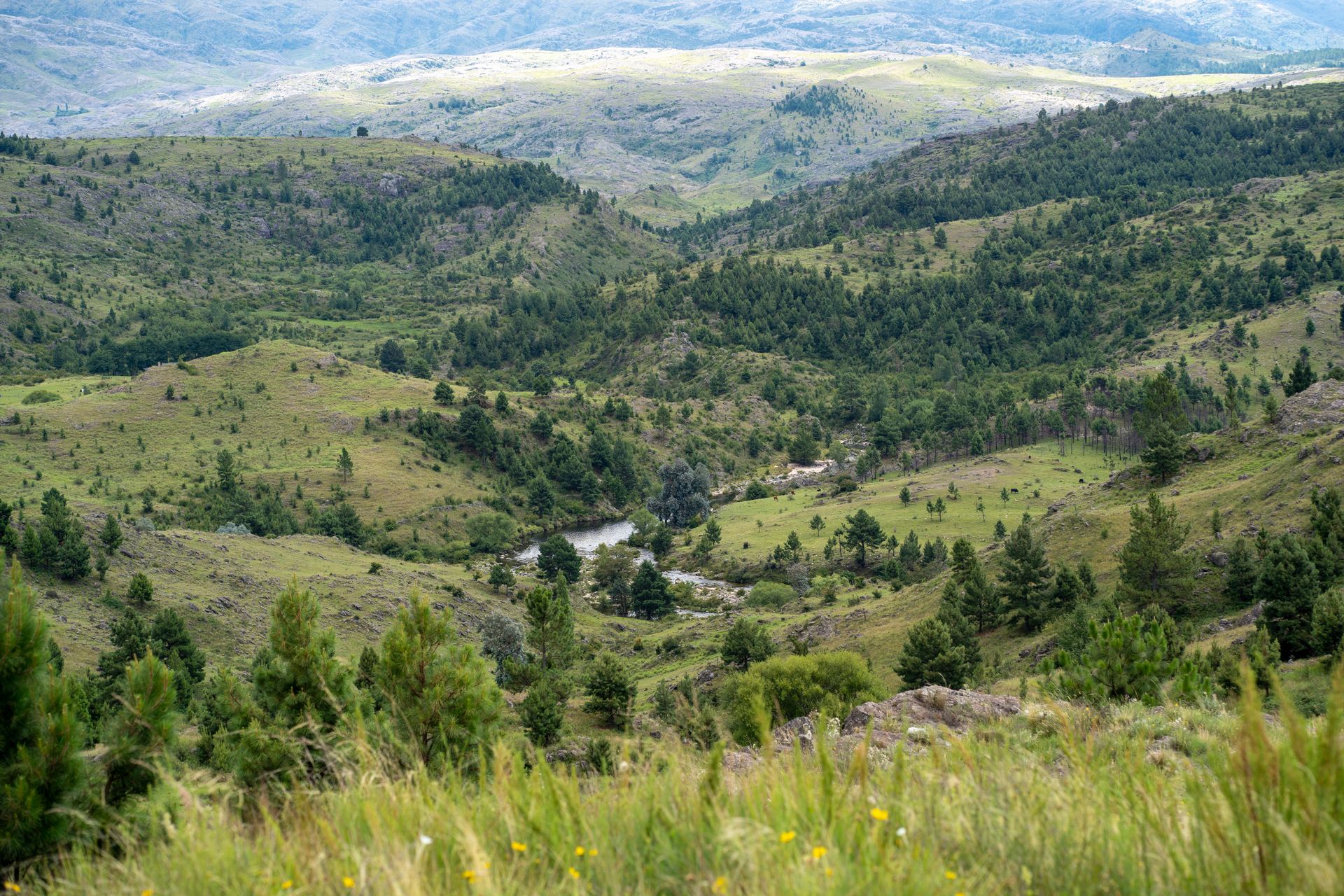
The Sierras de Córdoba were the real surprise for me. Within easy reach of the city, the landscape changed to rolling green hills, winding roads, rivers, swimming holes, and small mountain towns.
I found it hard to believe this side of Argentina receives so little attention from international visitors.
I particularly enjoyed a day without a complicated sightseeing agenda, stopping in smaller towns, walking beside rivers, and seeing a slower version of Argentine life.
Córdoba gave me history and nightlife when I wanted them, but some beautiful countryside was waiting just outside the city when I didn't.
How Córdoba fits into your Argentina itinerary
Córdoba makes a great stop between Buenos Aires and Argentina's northwest, while the nearby Sierras give you an easy taste of the countryside without adding a major detour.
Ushuaia
(pronounced: oo-SHWY-ah)
Ushuaia at a glance
Tierra del Fuego, southern Argentina
Wildlife, boat trips, hiking, penguins, and dramatic scenery
3-4 nights
Wildlife lovers, photographers, and adventure travelers
Remote, rugged, adventurous, and otherworldly
November to March
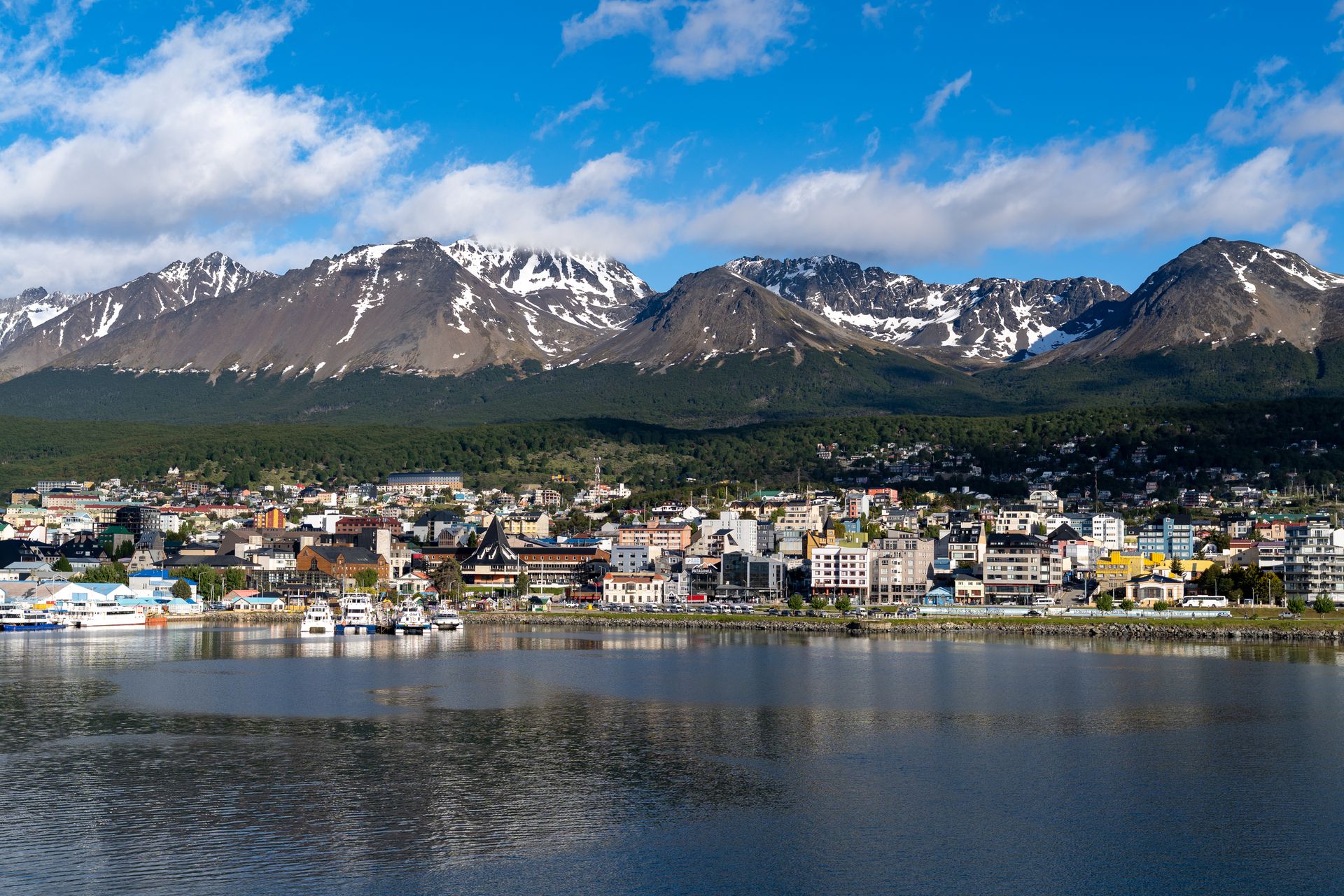
Ushuaia was one of my favorite destinations on my trip through Argentine Patagonia. There's something surreal about standing beside the Beagle Channel with snow-covered mountains rising immediately behind the city and knowing just how far south you've traveled.
One of my favorite experiences was taking a chartered cruise along the Beagle Channel.
We passed rocky islands crowded with sea lions and seabirds, sailed through incredibly wild scenery, and got a perspective of Tierra del Fuego that I couldn't have experienced from land.
But if you're staying more than a couple of days, I'd consider a trip to Martillo Island an absolute must.
I took a boat out to the island and actually walked among the penguins. Watching them waddle along the beach, disappear into their burrows, and wander surprisingly close to us became one of my favorite wildlife experiences from the entire trip.
I also made time for Tierra del Fuego National Park, where trails wind through forests with views across mountains and the Beagle Channel.
Many travelers treat Ushuaia as simply the gateway to Antarctica. I wouldn't. Between the wildlife, hiking, boat trips, and sheer novelty of being this far south, I found plenty of reasons to stay.
How Ushuaia fits into your Argentina itinerary
Ushuaia fits naturally at the beginning or end of an Argentine Patagonia itinerary and combines particularly well with El Calafate and El Chaltén.
Salta
(pronounced: SAL-ta)
Salta at a glance
Salta Province, northwestern Argentina
Hiking, colonial architecture, dramatic landscapes, wine, and scenic excursions
4-5 nights
Road trippers, hikers, wine lovers, photographers, and culture lovers
Colorful, historic, adventurous, and distinctly Andean
April to June and September to November
Salta was one of those destinations where I never felt short of things to do. The city itself was beautiful, but some of my favorite experiences came from using it as a base to explore the landscapes surrounding it.
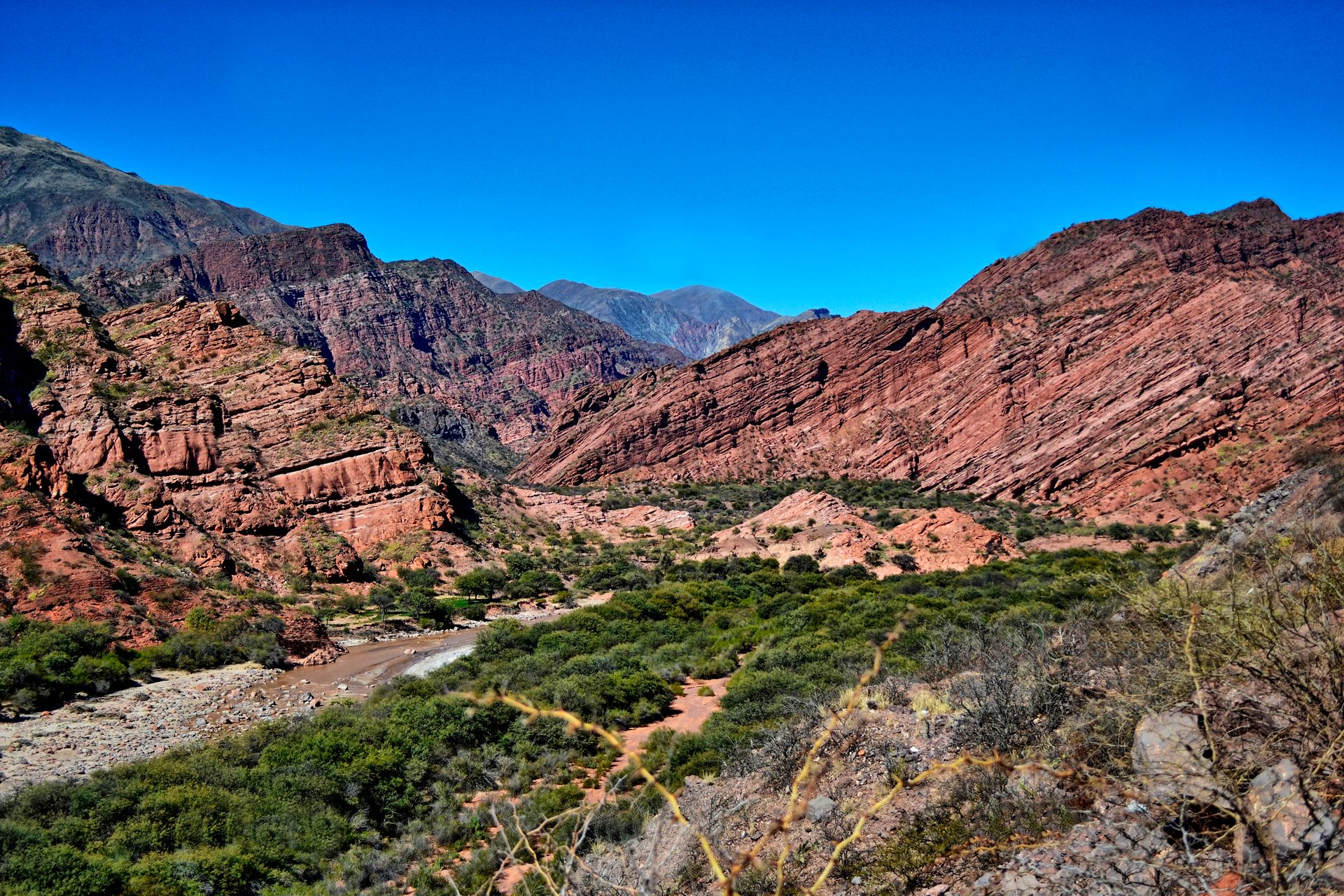
I spent time hiking, which gave me a closer look at the dry, mountainous scenery that makes northwestern Argentina feel so different from the rest of the country.
For an easier view, I also took the Cerro San Bernardo cable car above Salta. From the top, I could look across the city toward the surrounding mountains and really appreciate its setting.
Then there was the Train to the Clouds, one of the region's most memorable sightseeing experiences. The journey climbs high into the Andes through an increasingly stark landscape, eventually reaching the enormous La Polvorilla Viaduct more than 4,000 metres above sea level.
I'd also make time to travel south toward Cafayate. The road through the Quebrada de las Conchas took me past enormous red rock formations and cactus-covered landscapes before reaching high-altitude vineyards known for Torrontés wine.
Between hiking, scenic drives, wineries, mountain viewpoints, and the train, I found Salta offered far more variety than I'd expected.
How Salta fits into your Argentina itinerary
Salta is the ideal base for exploring northwestern Argentina, particularly if you combine it with Cafayate and the Calchaquí Valleys before continuing north toward Jujuy.
Bariloche and the Lake District
(pronounced: ba-ree-LOH-cheh)
Bariloche and the Lake District at a glance
Río Negro Province, northern Patagonia
Hiking, lakes, scenic drives, skiing, and chocolate
3-4 nights
Hikers, skiers, road trippers, families, and outdoor lovers
Alpine, outdoorsy, scenic, and relaxed
December to March for hiking, July to September for skiing
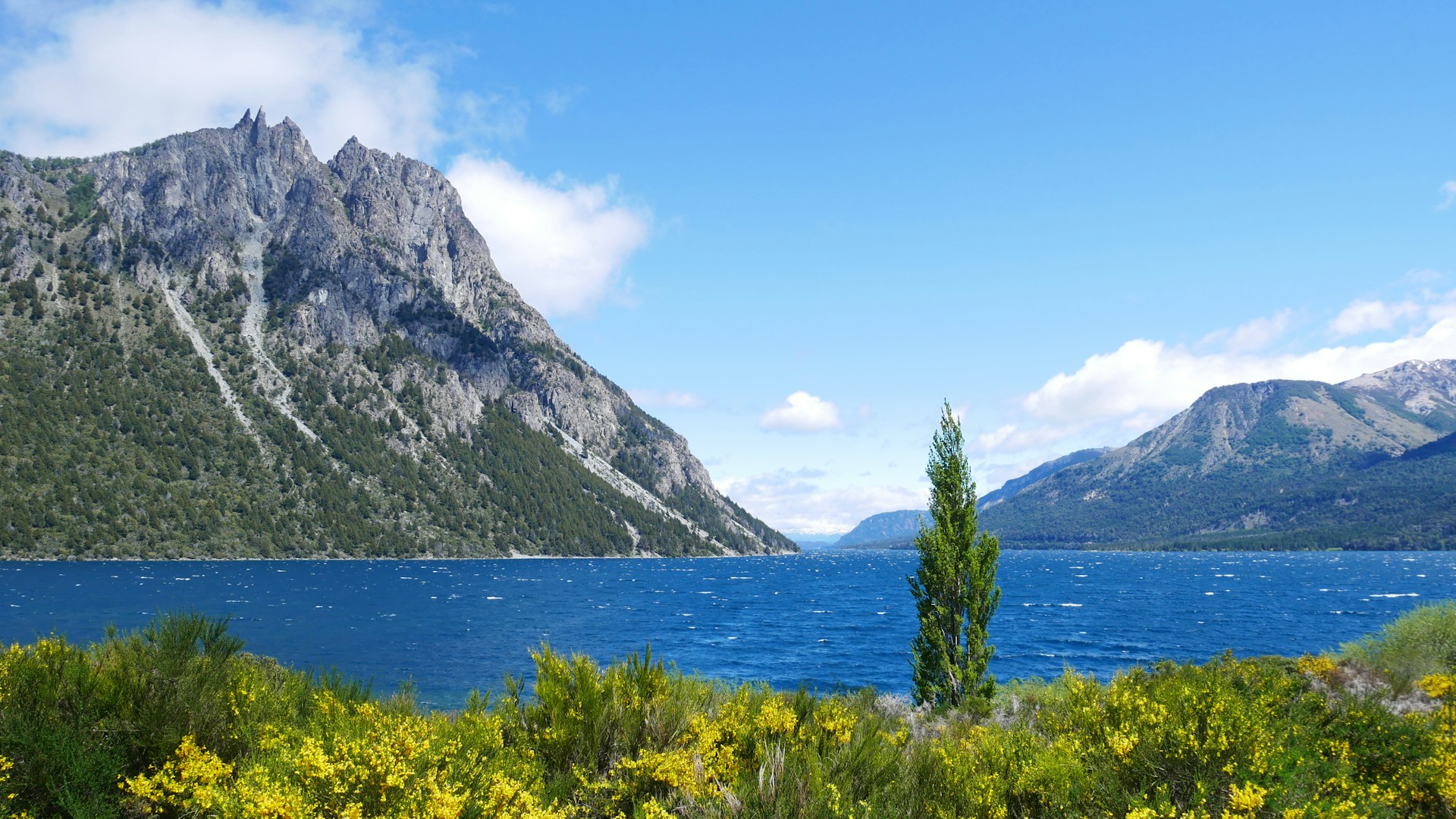
Bariloche was one of those places where I occasionally had to remind myself that I was still in Argentina. Between the alpine-style buildings, mountain backdrop, deep blue lakes, and seemingly endless supply of chocolate, parts of the town felt much more like somewhere in Switzerland.
The landscape was the real highlight for me. Lake Nahuel Huapi is enormous, and I loved how viewpoints around the area revealed different combinations of forested islands, mountains, and intensely blue water.
Driving the Circuito Chico was one of my favorite ways to explore. It's not particularly long, but I stopped constantly, so I'd allow much more time than the distance suggests.
I also loved getting out onto the hiking trails, where the busy town quickly disappeared behind me.
And I definitely embraced Bariloche's chocolate obsession. The local chocolate shops were one of my favorite parts of wandering around town, and I happily sampled my way through several of them.
Chocolate making here has strong European roots, and it's become such a part of Bariloche's identity that I'd consider trying some practically mandatory.
The seasons completely transform the experience. Summer brought hiking and lake activities, while winter turns the surrounding mountains into Argentina's biggest skiing destination.
How Bariloche and the Lake District fit into your Argentina itinerary
Bariloche is the perfect base for exploring Argentina's northern Patagonia and Lake District, and I'd give it several days before continuing farther south into Patagonia.
Mendoza
(pronounced: men-DOH-sa)
Mendoza at a glance
Western Argentina, at the foot of the Andes
Wine, cycling, food, mountain scenery, and scenic drives
3-4 nights
Wine lovers, foodies, couples, and cyclists
Relaxed, sunny, sophisticated, and outdoorsy
March to May and September to November
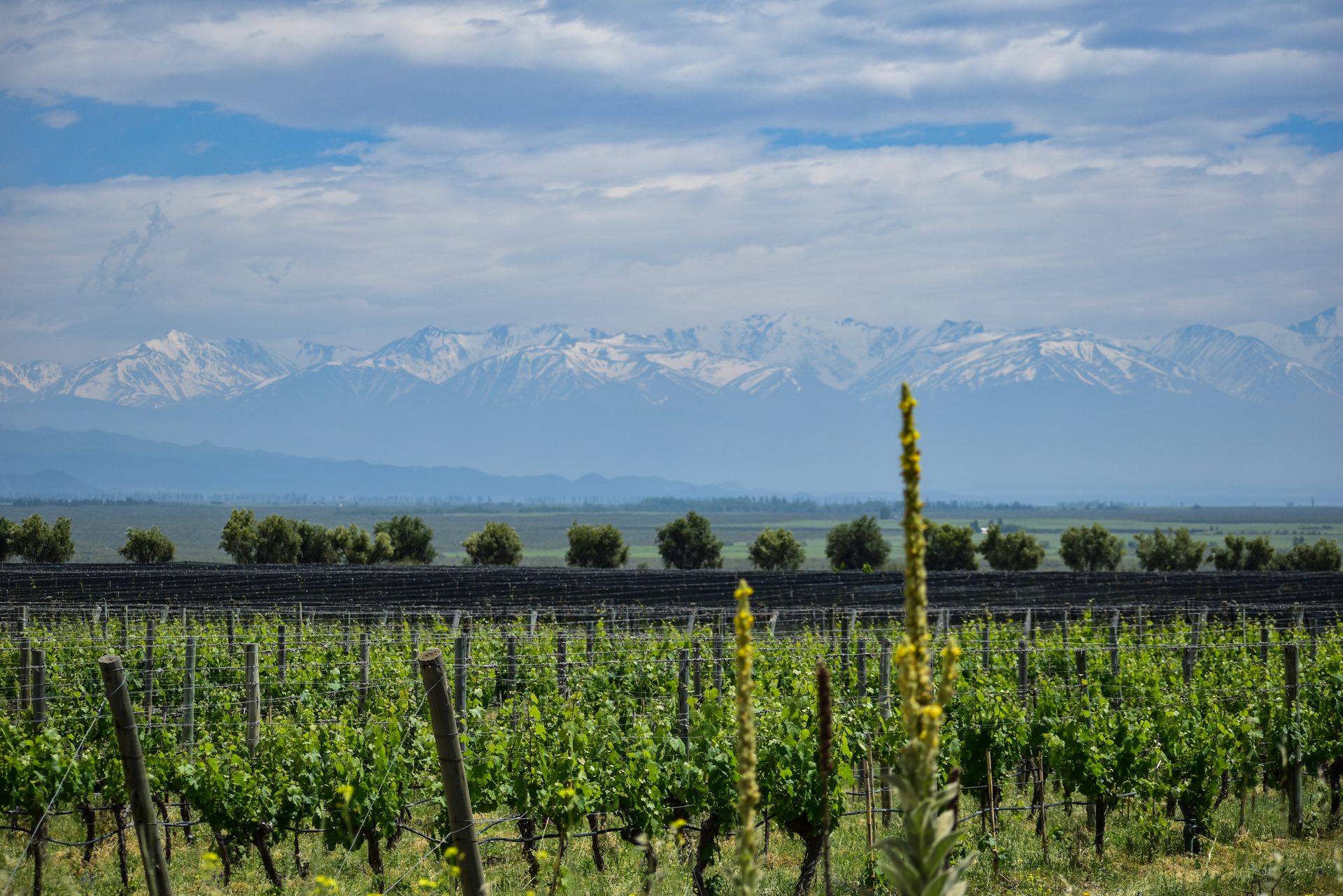
Mendoza was everything I wanted from Argentine wine country: long rows of vines, seemingly endless sunshine, excellent food, and the snow-capped Andes rising dramatically behind it all.
But my favorite experience here was surprisingly simple. We rented bikes and spent the day cycling around Maipú, stopping at wineries and olive oil farms along the way.
I absolutely loved it.
There was something wonderfully relaxed about pedaling along the quieter roads with vineyards stretching out around us, then pulling into places like Bodegas López for a tasting before getting back on the bikes.
The olive oil stops added some variety too, and the whole day felt much more personal than being driven from one polished tasting room to another.
I'd still make time for the Uco Valley, particularly for its spectacular mountain views and more modern wineries. Mendoza also gave me easy access to the Andes, and the road toward Aconcagua showed me just how dramatically the landscape changes once you leave the vineyards behind.
But when I think back on Mendoza, it's that day cycling through Maipú that I remember most clearly. Good wine, warm weather, beautiful scenery, and nowhere we particularly needed to be next.
How Mendoza fits into your Argentina itinerary
Mendoza deserves at least three nights and works particularly well between Buenos Aires and Patagonia, giving you a completely different landscape and a slower few days before continuing south.
Península Valdés
(pronounced: va-LDEHS)
Península Valdés at a glance
Chubut Province, Atlantic Patagonia
Whale watching, penguins, sea lions, orcas, and wildlife photography
3 nights
Wildlife lovers, photographers, families, and nature lovers
Wild, remote, and windswept
September to November for the greatest variety of wildlife
Península Valdés taught me very quickly not to judge Patagonia by the landscape alone.
Driving across the peninsula, much of it looked flat, dry, and almost empty. Then I reached the coast and found one of the most extraordinary concentrations of wildlife in Argentina.
Southern right whales are the stars here. Between June and December, they arrive in the sheltered waters around the peninsula to breed and raise their calves.
What surprised me most was how close they could come to shore. Around Puerto Pirámides, I could watch for whales directly from the coastline, although getting out on the water gave me an entirely different appreciation for their size.
And whales are only part of the experience.
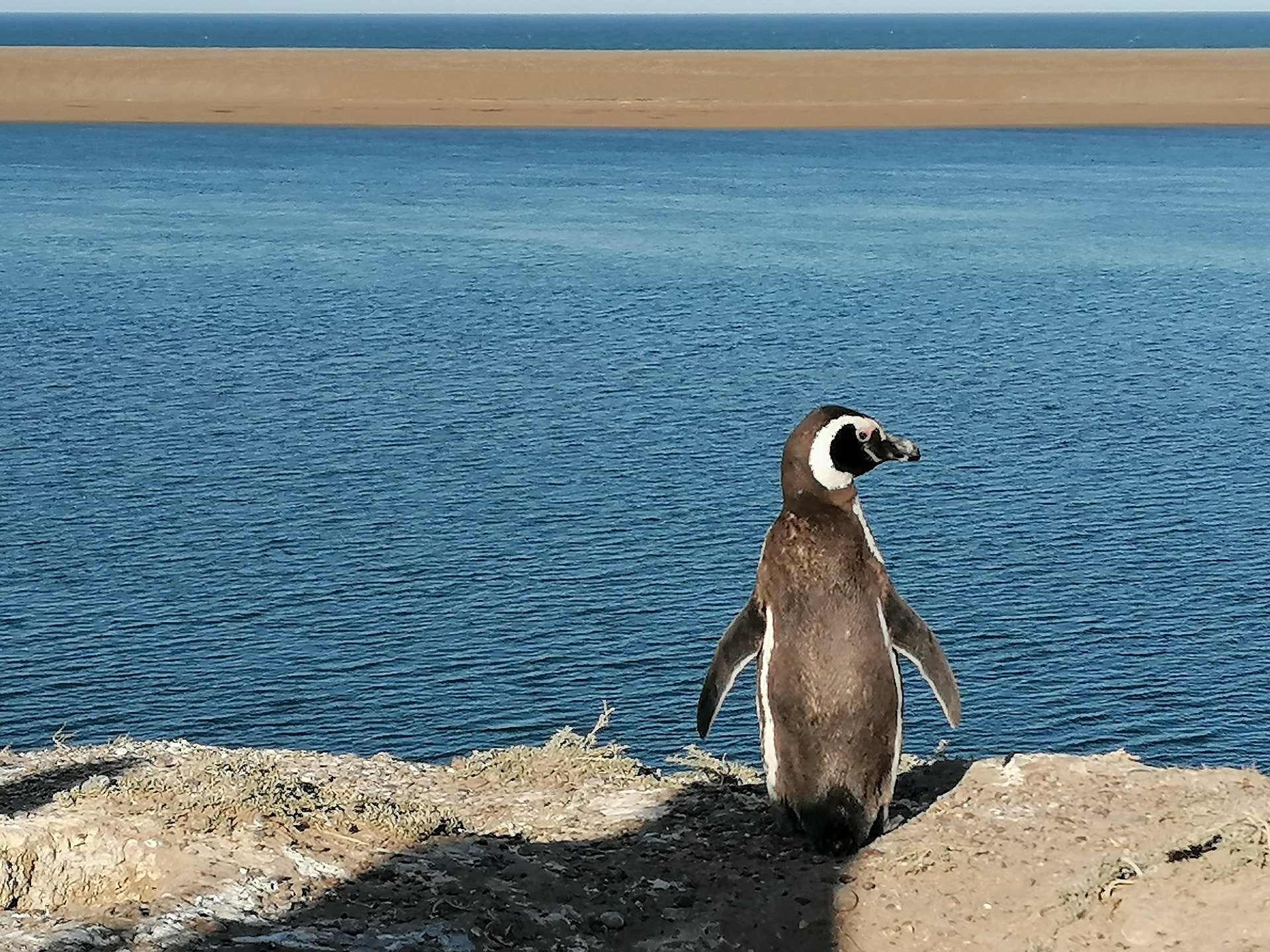
I saw sea lions and enormous elephant seals stretched out along the beaches, while Magellanic penguins brought even more wildlife to this part of Patagonia. If your timing is exceptionally good, you may even witness the orcas around Punta Norte, which are famous for intentionally beaching themselves while hunting sea lion pups.
What I loved most was how little the landscape seemed to announce what was waiting for me. Península Valdés felt raw and remote, and the wildlife was very much in charge.
How Península Valdés fits into your Argentina itinerary
I'd give Península Valdés around three nights, using Puerto Madryn or Puerto Pirámides as a base before continuing farther south into Argentine Patagonia.
El Calafate and Perito Moreno
(pronounced: ka-la-FA-teh / peh-REE-toh moh-REH-noh)
El Calafate and Perito Moreno at a glance
Santa Cruz Province, southern Argentine Patagonia
Glaciers, ice trekking, boat trips, and dramatic scenery
2-3 nights
Nature lovers, photographers, hikers, and adventure travelers
Remote, dramatic, and adventurous
October to April
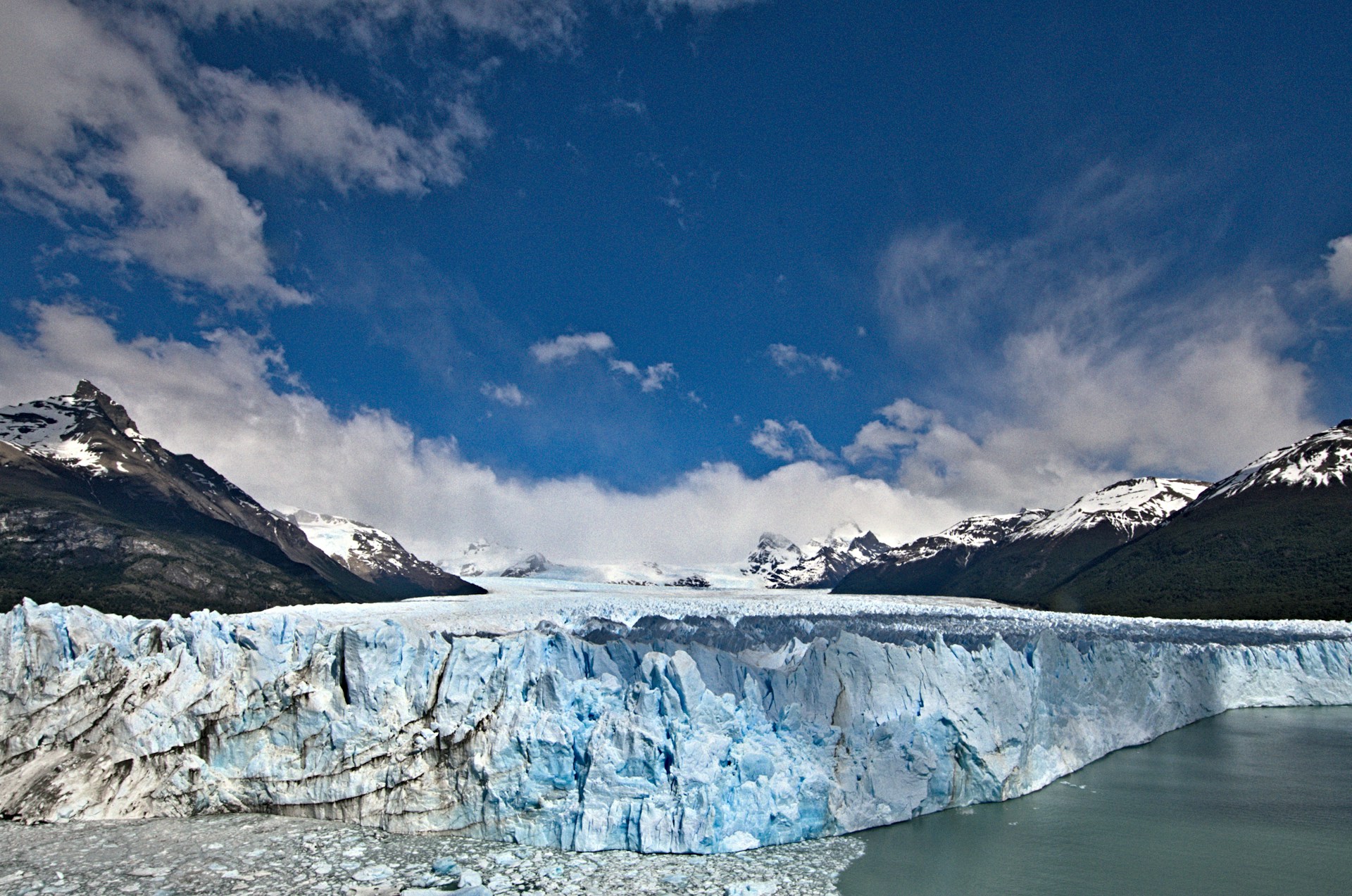
El Calafate was my gateway to one of the most incredible sights I experienced in Argentine Patagonia: Perito Moreno Glacier.
I'd seen plenty of photographs beforehand, but they did a terrible job of communicating the scale. The glacier stretches for kilometres, and its enormous blue-white face rises around 60 metres above the water. Standing on the walkways opposite it made me feel ridiculously small.
What I remember most was the sound.
I'd hear the ice cracking somewhere across the glacier and immediately start searching for movement. Sometimes nothing happened. Other times, an enormous section broke away and crashed into the lake with a roar that echoed across the water. I could have watched it for hours.
The walkway system gave me plenty of different perspectives, but I'd also recommend getting onto the water. A boat trip made the glacier feel even bigger once I could see it rising above us from lake level.
For something more adventurous, guided glacier treks let you put on crampons and actually walk across the ice. Seeing the crevasses and deep blue ice up close was a completely different experience from viewing it at a distance.
El Calafate itself made a comfortable base, and I enjoyed the views across the brilliantly colored Lago Argentino as well.
How El Calafate and Perito Moreno fit into your Argentina itinerary
El Calafate is the natural base for Perito Moreno and pairs perfectly with nearby El Chaltén, making the two an easy combination for a longer trip through Argentine Patagonia.
El Chaltén and Fitz Roy
(pronounced: chal-TEHN / fits ROY)
El Chaltén and Fitz Roy at a glance
Los Glaciares National Park, southern Argentine Patagonia
Hiking, rafting, and mountain scenery
3-4 nights
Hikers, adventure travelers, photographers, and outdoors enthusiasts
Rugged, remote, and spectacular
November to March
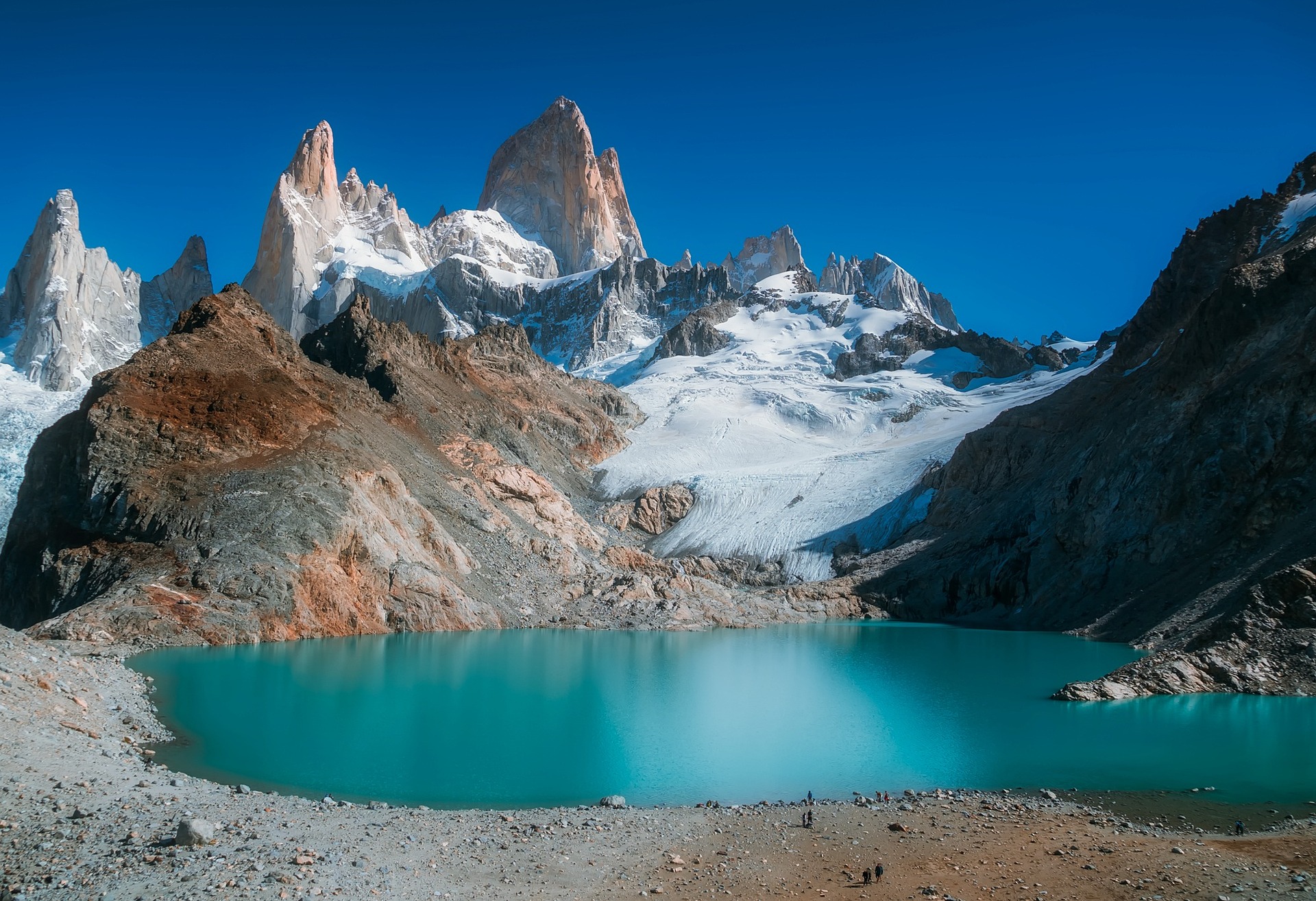
El Chaltén was one of those places where almost everything I wanted to do involved being outside. The little village sits beneath the Fitz Roy range, and I loved that I could leave my accommodation on foot and be on some of Patagonia's best hiking trails within minutes.
The big one is Laguna de los Tres. It's a challenging full-day hike, but reaching the glacial lake beneath the enormous granite towers of Fitz Roy made every kilometre worthwhile.
The scenery around Cerro Torre was equally impressive, and unpredictable clouds only made the mountains feel more dramatic.
We also swapped hiking boots for life jackets and went on a guided rafting adventure down the Río de las Vueltas. I loved seeing the landscape from the river, particularly with the mountains rising around us, and the rapids added a completely different kind of adventure to our time in El Chaltén.
We were advised to book the rafting ahead because trips depend heavily on river levels and conditions. Even with a reservation, departures can sometimes be postponed by a day or two, so having flexibility in our itinerary was important.
That flexibility was useful for hiking too. Fitz Roy has a habit of disappearing behind clouds, and I wouldn't come all this way without giving myself several chances to see it.
How El Chaltén and Fitz Roy fit into your Argentina itinerary
El Chaltén pairs perfectly with El Calafate and Perito Moreno Glacier. I'd combine them into one southern Patagonia leg and allow at least five or six days for the two destinations.
Iguazú Falls
(pronounced: ee-gwa-SOO)
Iguazú Falls at a glance
Misiones Province, northeastern Argentina
Waterfalls, wildlife, rainforest photography, and boat adventures
2-3 nights
Nature lovers, families, and adventure travelers
Trpoical, powerful, immersive, and unforgettable
March to May and August to October
I'd seen countless photographs of Iguazú Falls before visiting, and they still didn't prepare me for how enormous the place felt in person.
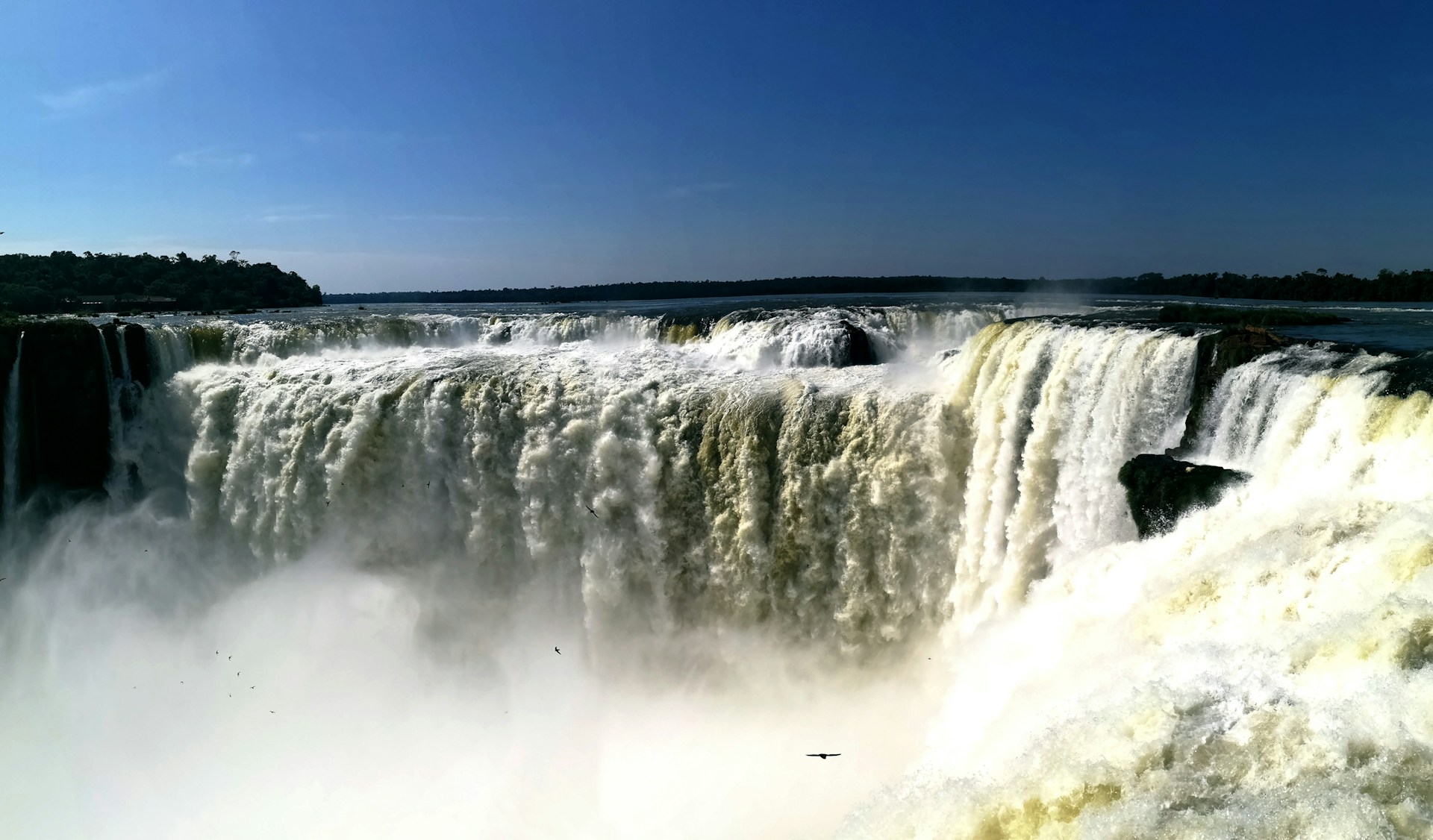
There isn't just one waterfall. There are hundreds of cascades spread through dense subtropical forest, and on the Argentine side I followed walkways that took me above, beside, and surprisingly close to the water.
Nothing compared with Devil's Throat. I could hear it long before I reached the viewing platform, and once I stood above it, the sheer volume of water disappearing into the mist below was almost hard to process. It's loud, wet, and completely overwhelming.
I also loved how much wildlife surrounded us. Toucans, butterflies, and coatis reminded me that Iguazú is part of a much larger rainforest ecosystem, not just a waterfall attraction.
I'd definitely make time for both sides of the border. Argentina gave me a more immersive experience, while Brazil offered spectacular panoramic views that showed me the true scale of the falls.
And if you don't mind getting soaked, the boat ride beneath the falls was absolutely worth it. I knew I was going to get wet. I still underestimated just how wet.
How Iguazú Falls fits into your Argentina itinerary
Iguazú is far from Argentina's other major destinations, so I'd fly from Buenos Aires and spend two full days here, giving yourself enough time to experience both the Argentine and Brazilian sides.
Buenos Aires
(pronounced: BWEH-nos AI-rehs)
Buenos Aires at a glance
Eastern Argentina, on the Río de la Plata
Food, tango, architecture, nightlife, art, and culture
4-5 nights
Foodies, culture lovers, couples, and nightlife seekers
Colorful, energetic, sophisticated, and passionate
March to April and October to November
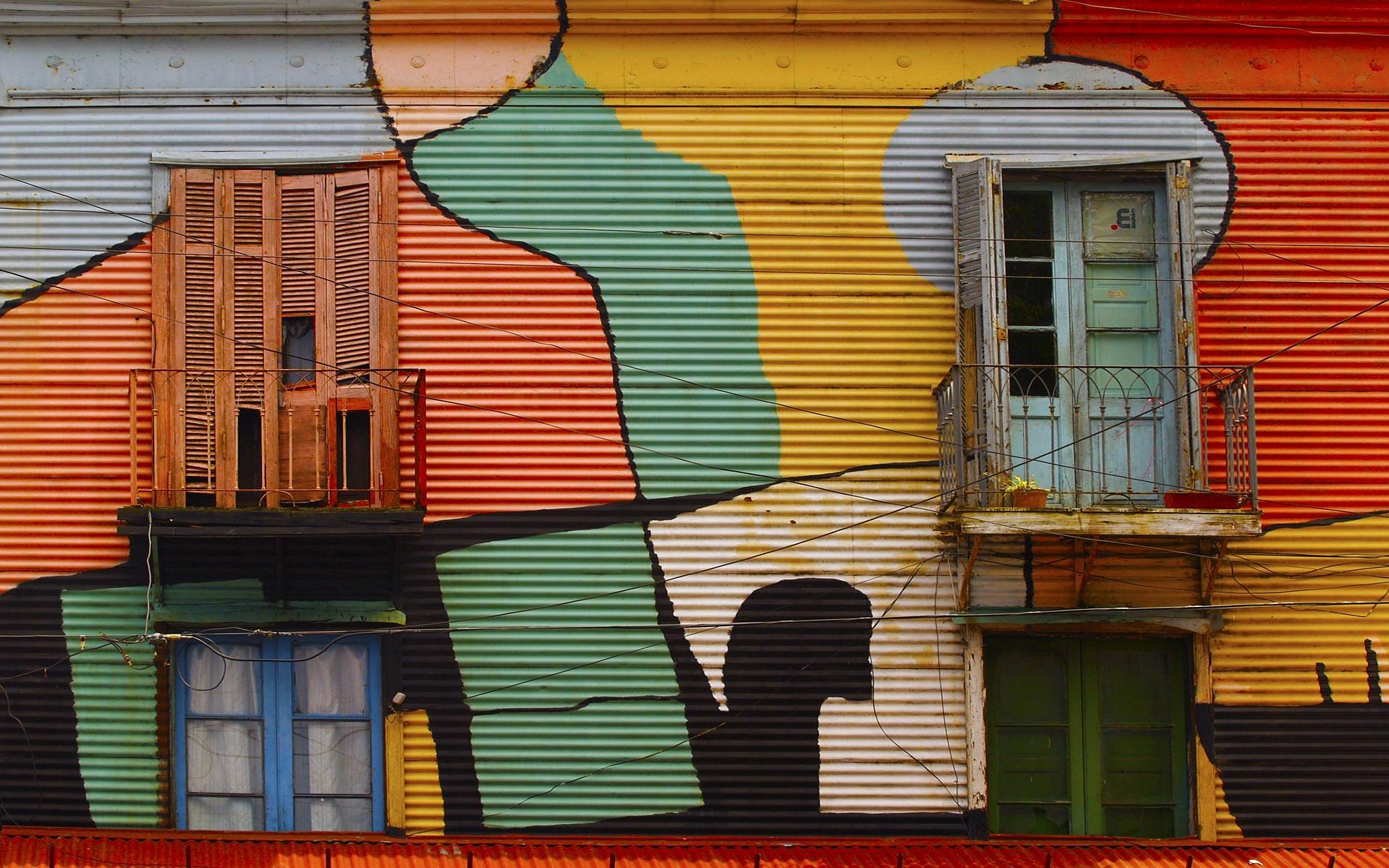
Buenos Aires was easily one of the most colorful cities I visited in Argentina, both literally and in personality. Every neighborhood seemed to give me a different version of the city.
I wandered among the grand buildings and marble mausoleums of Recoleta, explored the older streets of San Telmo, and loved the explosion of color around La Boca.
Then there was Palermo, where leafy streets, cafés, restaurants, and nightlife gave me yet another reason to keep exploring.
One recommendation we heard repeatedly was to go to a dinner tango show. It sounded like one of those experiences that might be overly touristy, but we went anyway, and it did not disappoint.
Watching the dancers perform up close over dinner gave me a completely different appreciation for just how athletic, precise, and passionate tango can be.
I'd still recommend experiencing tango beyond the shows too. Buenos Aires has milongas where people actually gather to dance, and tango felt much more embedded in the city's culture than I'd expected.
Food was another highlight. I happily embraced late dinners, Argentine wine, and parrillas serving incredible beef straight from the grill.
Buenos Aires was a city where I never felt particularly motivated to rush. Another neighborhood, café, colorful street, or late-night dinner always tempted me to stay out a little longer.
How Buenos Aires fits into your Argentina itinerary
Buenos Aires is the natural starting and ending point for most Argentina itineraries. I'd allow at least four nights here and use its excellent flight connections to reach Argentina's much more distant regions.
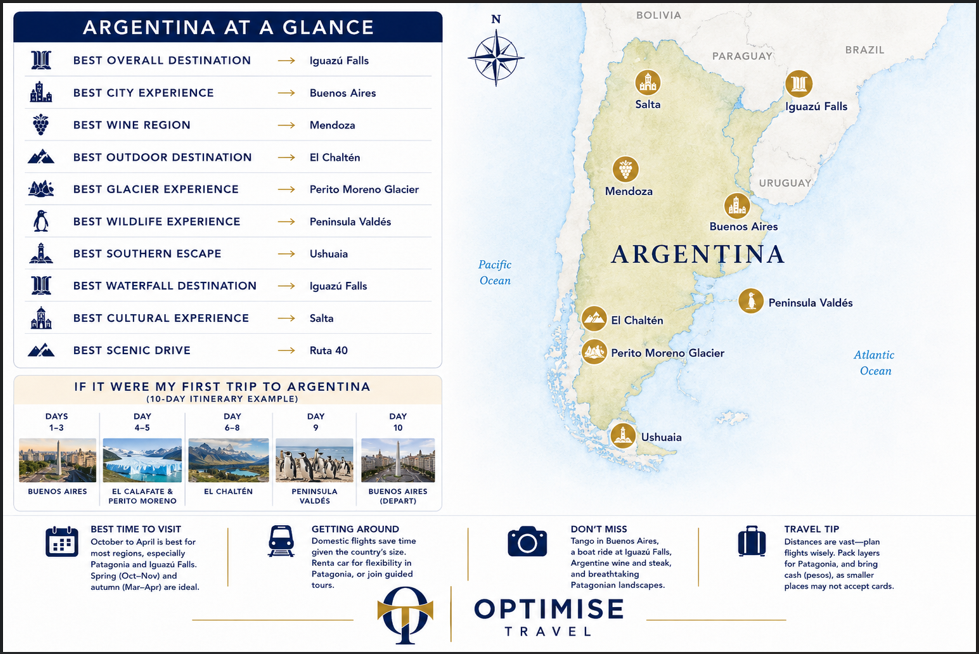
Argentina is enormous, so a 10-day trip works best when you resist the temptation to cover the entire country. For a first visit, I'd combine Buenos Aires with two very different regions, using domestic flights to avoid losing days to long overland journeys.
This Argentina itinerary in 10 days gives you the city, Patagonia, glaciers, and some of the country's best hiking without making the trip feel like a race.
Argentina Itinerary: 10 Days
Route: Buenos Aires → El Calafate & Perito Moreno → El Chaltén → Buenos Aires
| Days 1-3 | Day 4-5 | Day 6-9 | Days 10 |
|---|---|---|---|---|
Destination | Buenos Aires | El Calafate & Perito Moreno | El Chaltén & Fitz Roy | Travel back to Buenos Aires |
Overnight | Buenos Aires | El Calafate | El Calafate | Buenos Aires or departure |
Why this route? For an Argentina itinerary in 10 days, I think this gives you an incredible introduction without spending the entire trip traveling. You'll experience the food, tango, and colorful neighborhoods of Buenos Aires before heading south for Perito Moreno Glacier and some of my favorite hiking and outdoor adventures around El Chaltén.
*I'd fly from Buenos Aires to El Calafate and rent a car or use a transfer for the Patagonia portion. Argentina's distances are enormous, and flying this section gives you much more time to actually enjoy the places you've traveled so far to see.
Why Argentina deserves more than one trip
Argentina is one of those countries where I quickly realized that trying to see everything in one trip simply wasn't realistic.
Some of my favorite experiences were thousands of kilometres apart, from cycling between wineries in Mendoza and exploring colorful Buenos Aires to walking with penguins near Ushuaia, hiking beneath Fitz Roy, and standing in front of Perito Moreno Glacier.
What I loved was how completely the country changed between destinations. One trip could take me from subtropical rainforest to vineyards, high-altitude desert, enormous cities, and the wild landscapes of Patagonia.
If it's your first visit, don't feel like you need to see all 10 places. I'd choose two or three regions, experience them properly, and accept that Argentina gives you plenty of reasons to come back.
FAQs About Visiting Argentina
The currency in Argentina is the Argentine peso (ARS), although some tourism businesses may also quote prices in US dollars.
Many travelers, including citizens of the US, UK, Canada, Australia, and most EU countries, can visit Argentina for tourism without a visa for stays of up to 90 days.
Driving in Argentina is generally straightforward, and you drive on the right-hand side of the road, although the country's enormous distances and remote roads in Patagonia require more planning.
Argentina is generally safe for travelers, but normal precautions are important, particularly against pickpocketing and phone theft in busy areas of Buenos Aires and other large cities.
Argentina primarily uses Type C and Type I electrical plugs, with a standard voltage of 220V and a frequency of 50Hz.
Spanish is the main language spoken in Argentina, and English is commonly spoken in many hotels and major tourist destinations, although knowing a few Spanish phrases is useful.
Ready to explore Argentina? Optimise Travel is here to help
Argentina is enormous, and deciding how to divide your time between its colorful cities, wine regions, waterfalls, wildlife destinations, and the spectacular landscapes of Patagonia can be surprisingly difficult.
At Optimise Travel, we create personalized travel itineraries based on your interests, travel style, and budget.
Whether you're dreaming of exploring Buenos Aires, cycling between wineries in Mendoza, hiking beneath Fitz Roy, seeing Perito Moreno Glacier, walking with penguins near Ushuaia, or experiencing the power of Iguazú Falls, we'll help you build an itinerary that makes the most of your time.
If you'd like help planning your trip to Argentina, click here to learn more about our concierge travel services.