

Most people I know who have visited Patagonia seem to come home saying the same thing: I need to go back.
I understood why almost immediately.
I've seen glaciers crashing into turquoise lakes, hiked beneath enormous granite peaks, driven through landscapes that seemed to stretch forever, and watched wildlife along some of the wildest coastline I've ever experienced.
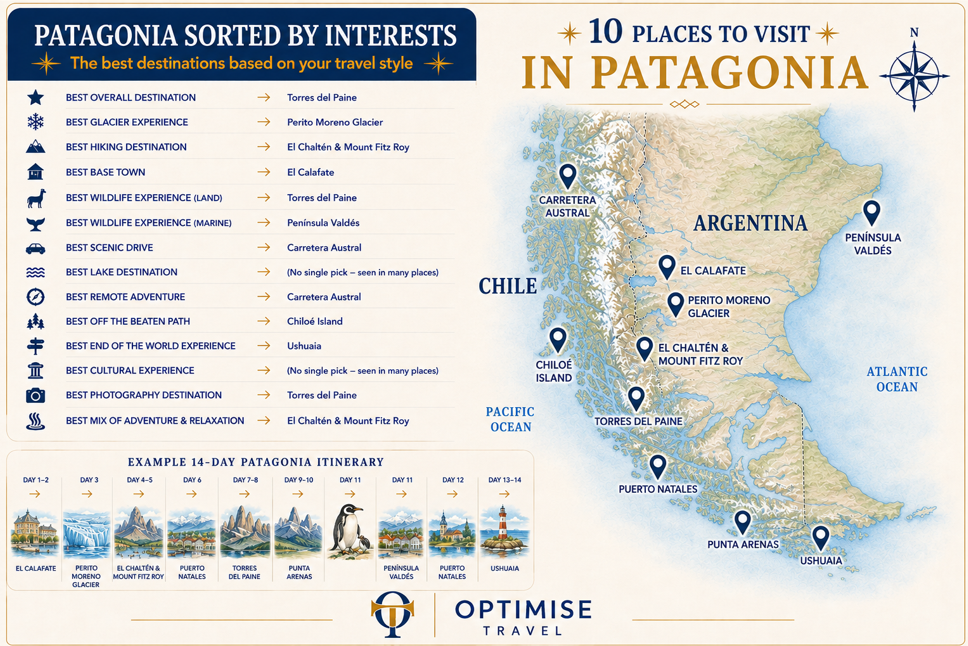
Patagonia is enormous, so choosing where to go matters. These are the 10 places I'd make room for on your itinerary.
Have You Seen Our Travel Concierge Service?
Your trip, planned by local experts
We are not a travel agent - we design custom itineraries around your budget and style, without receiving commissions or booking fees.
Custom itinerary
Built around your dates, budget, and travel style.
Local expert knowledge
Recommendations from people on the ground, not review sites.
Travel smarter, spend less
We optimise for your budget to make your money go further.
Chiloé Island
(pronounced: chee-loh-EH)
Chiloé Island at a glance
Los Lagos Region, Chilean Patagonia
Local culture, seafood, and coastal scenery
2-3 nights
Photographers, foodies, and travelers who enjoy unusual destinations
Misty, colorful, and wonderfully mysterious
December to March
Chiloé Island wasn't the Patagonia I'd pictured before arriving, and that became one of the reasons I enjoyed it so much.
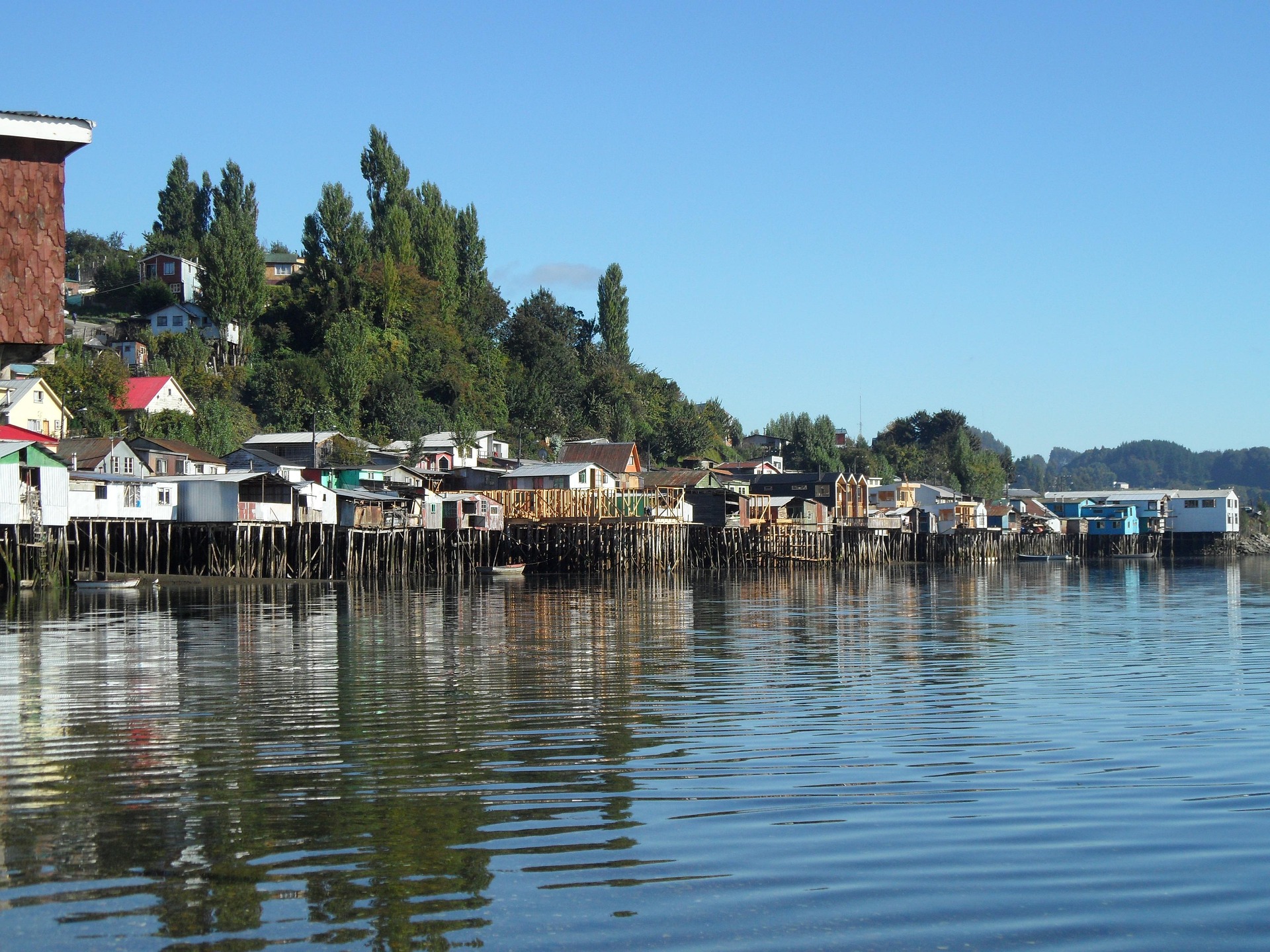
Instead of glaciers and enormous mountains, I found misty coastlines, rolling green countryside, colorful wooden buildings, and villages that seemed to have developed their own personality far away from mainland Chile.
I loved wandering around Castro, particularly along the waterfront where the famous palafitos stand on stilts above the water. Their bright colors were beautiful, but watching the landscape underneath them change with the tide made them even more interesting in person.
I also explored some of Chiloé's historic wooden churches. Several are UNESCO-listed, and their distinctive architecture reflects a fascinating blend of European and local building traditions.
What surprised me most, though, was how present the island's folklore still felt.
Stories about witches, strange creatures, and the Caleuche, a mysterious ghost ship said to appear through the fog, weren't presented like something confined to a museum. They still seemed woven into Chiloé's identity.
Add in incredibly fresh seafood and that moody coastal scenery, and Chiloé became one of Patagonia's most unexpected stops for me.
How Chiloé Island fits into your Patagonia itinerary
Chiloé Island pairs particularly well with Puerto Varas and Chile's Lake District, making it a natural cultural and coastal contrast before continuing south toward Patagonia's more dramatic mountain landscapes.
Península Valdés
(pronounced: peh-NEEN-soo-lah val-DEHS)
Península Valdés at a glance
Chubut Province, Argentine Patagonia
Whale watching and wildlife photography
2-3 nights
Wildlife lovers, families, and nature travelers
Wild, windswept, and remote
September to December for the broadest mix of wildlife
Península Valdés gave me some of the best wildlife experiences I had anywhere in Patagonia.
The landscape itself initially seemed surprisingly empty. It's flat, dry, windswept, and completely different from the mountains and glaciers I'd associated with Patagonia. Then I reached the coast and realized just how much was happening around me.
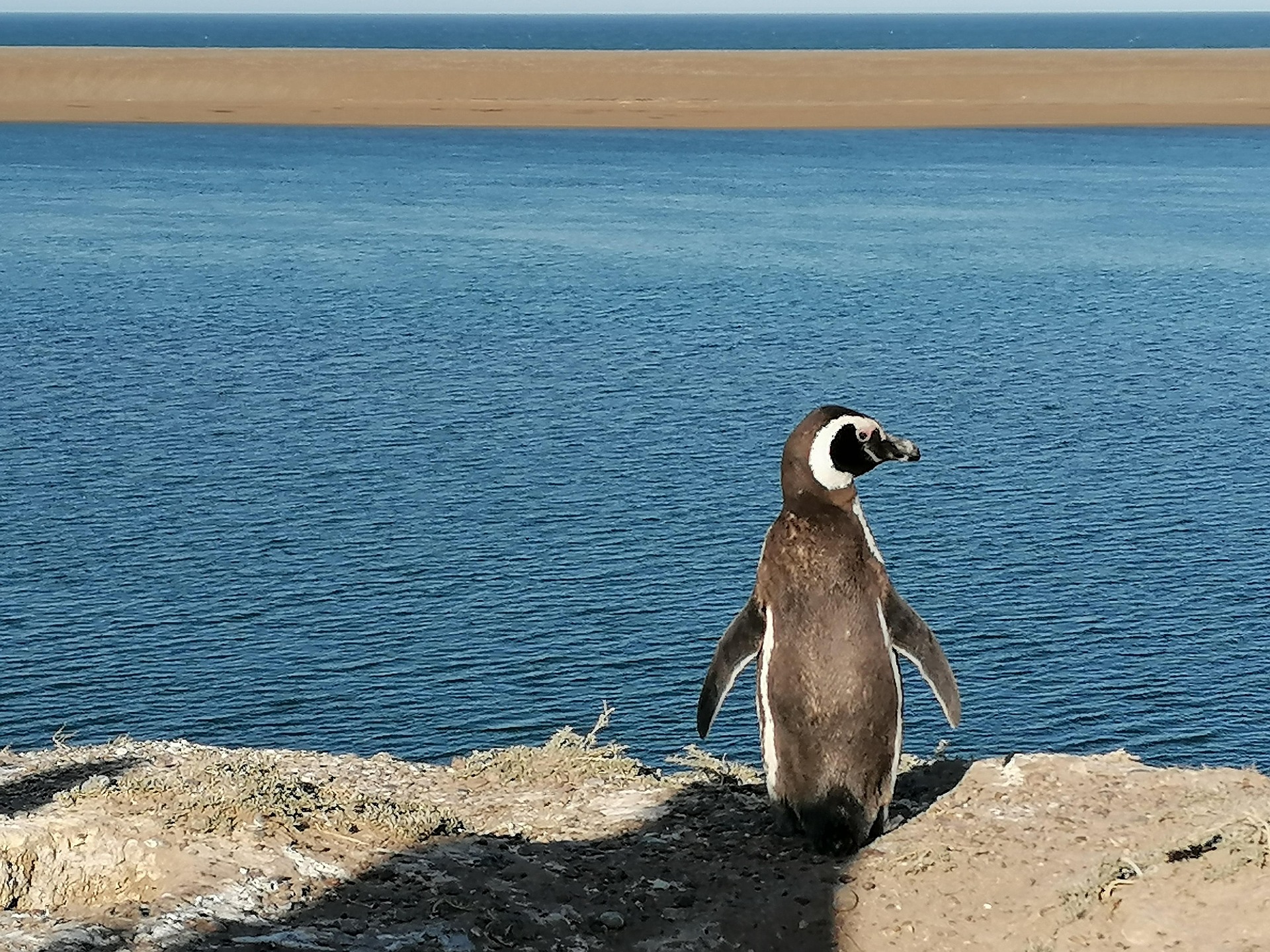
One of my favorite experiences was walking through a colony of Magellanic penguins.
I could hardly believe how close I was to them. They waddled between their burrows and went about their day seemingly unconcerned that I was standing nearby watching them.
And penguins are only part of the story. Southern right whales gather in the sheltered waters around the peninsula, elephant seals stretch out along the beaches, sea lions crowd the shoreline, and guanacos wander across the clifftops.
The most extraordinary residents are the orcas. Península Valdés is famous for an unusual hunting technique in which orcas intentionally strand themselves on the shoreline to pursue sea lion pups before returning to the water.
Seeing that requires very specific timing and plenty of luck, but simply knowing it happens here made me appreciate how extraordinary this ecosystem is.
There were no flashy attractions competing for my attention. The wildlife was the attraction, and that was exactly what I loved about it.
How Península Valdés fits into your Patagonia itinerary
I'd include Península Valdés on an Argentine Patagonia itinerary focused on wildlife, pairing it with Puerto Madryn before continuing south toward destinations such as El Calafate and El Chaltén.
Bariloche
(pronounced: bah-ree-LOH-cheh)
Bariloche at a glance
Río Negro Province, Argentine Patagonia
Lakes, hiking, skiing, scenic drives, and chocolate
3-4 nights
Hikers, skiers, road trippers, families, and outdoor lovers
Alpine, outdoorsy, and incredibly scenic
December to March for hiking, July to September for skiing
Bariloche was one of those places where I had to remind myself I was still in Argentina.
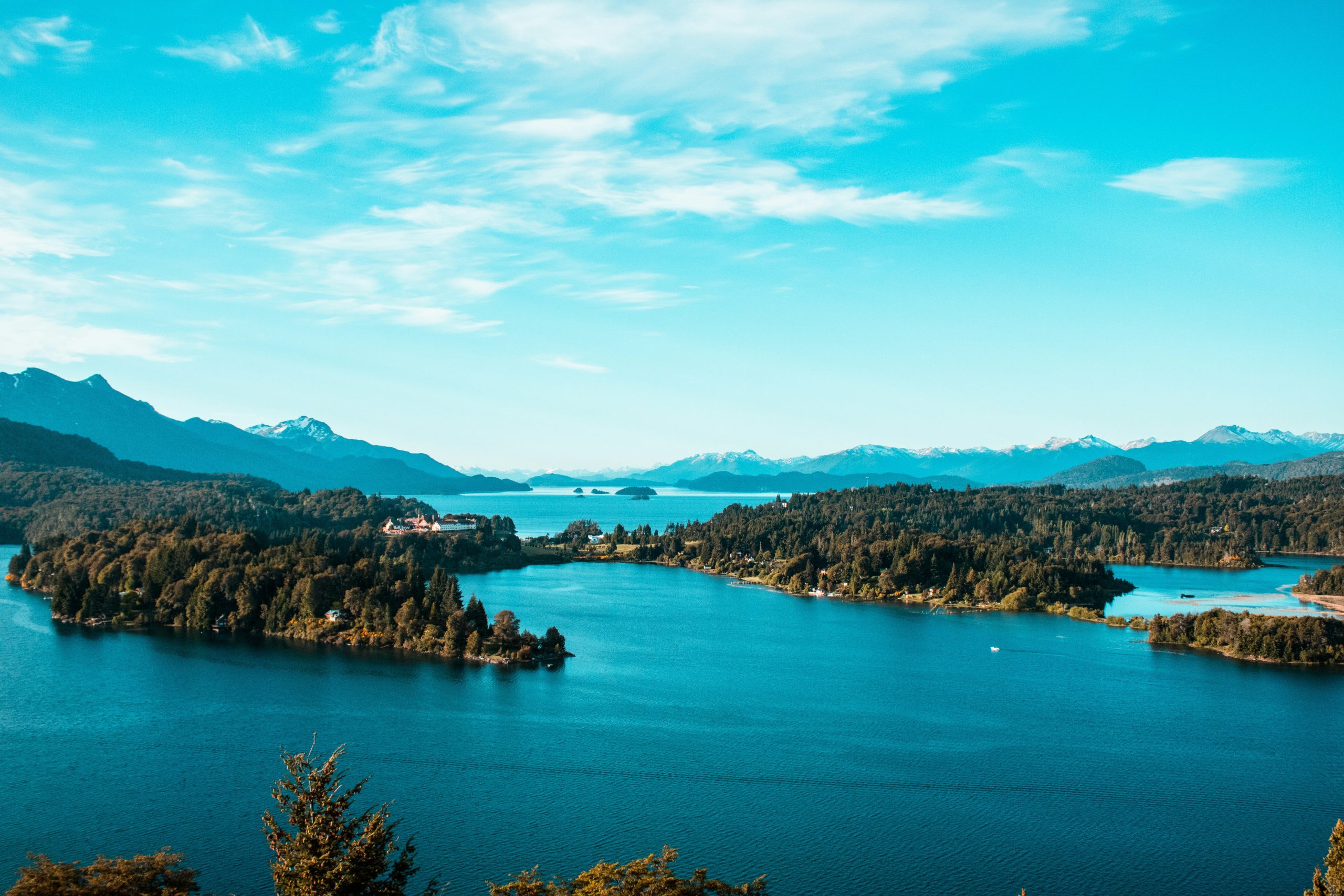
With mountains rising behind deep-blue lakes, chalet-style buildings, and chocolate shops seemingly everywhere, parts of it really did feel like I'd somehow ended up in Switzerland.
Lake Nahuel Huapi was the centerpiece for me. The water seemed to change color throughout the day, and I especially loved it in the late afternoon when the surrounding mountains caught the softer light.
One of my favorite ways to see the area was driving the Circuito Chico. It's a relatively short scenic loop, but I stopped constantly for viewpoints over the lakes, forests, and mountains. This definitely wasn't a drive I wanted to rush.
Bariloche also changes completely with the seasons. Cerro Catedral becomes one of South America's major ski areas in winter, while summer opens up the surrounding mountains for hiking and cycling.
And then there was the chocolate.
I hadn't expected chocolate to become part of my Patagonia experience, but Bariloche takes it very seriously. I wandered between the shops around Mitre Street trying far more than I probably needed to, and I have absolutely no regrets about that.
Bariloche gave me the dramatic Patagonia scenery I wanted, but with a playful, almost Alpine personality I hadn't expected.
How Bariloche fits into your Patagonia itinerary
Bariloche is a natural starting point for exploring northern Argentine Patagonia and the Lake District, particularly if you're combining it with nearby mountain towns and then continuing south toward El Chaltén and El Calafate.
Punta Arenas
(pronounced: POON-tah ah-REH-nahs)
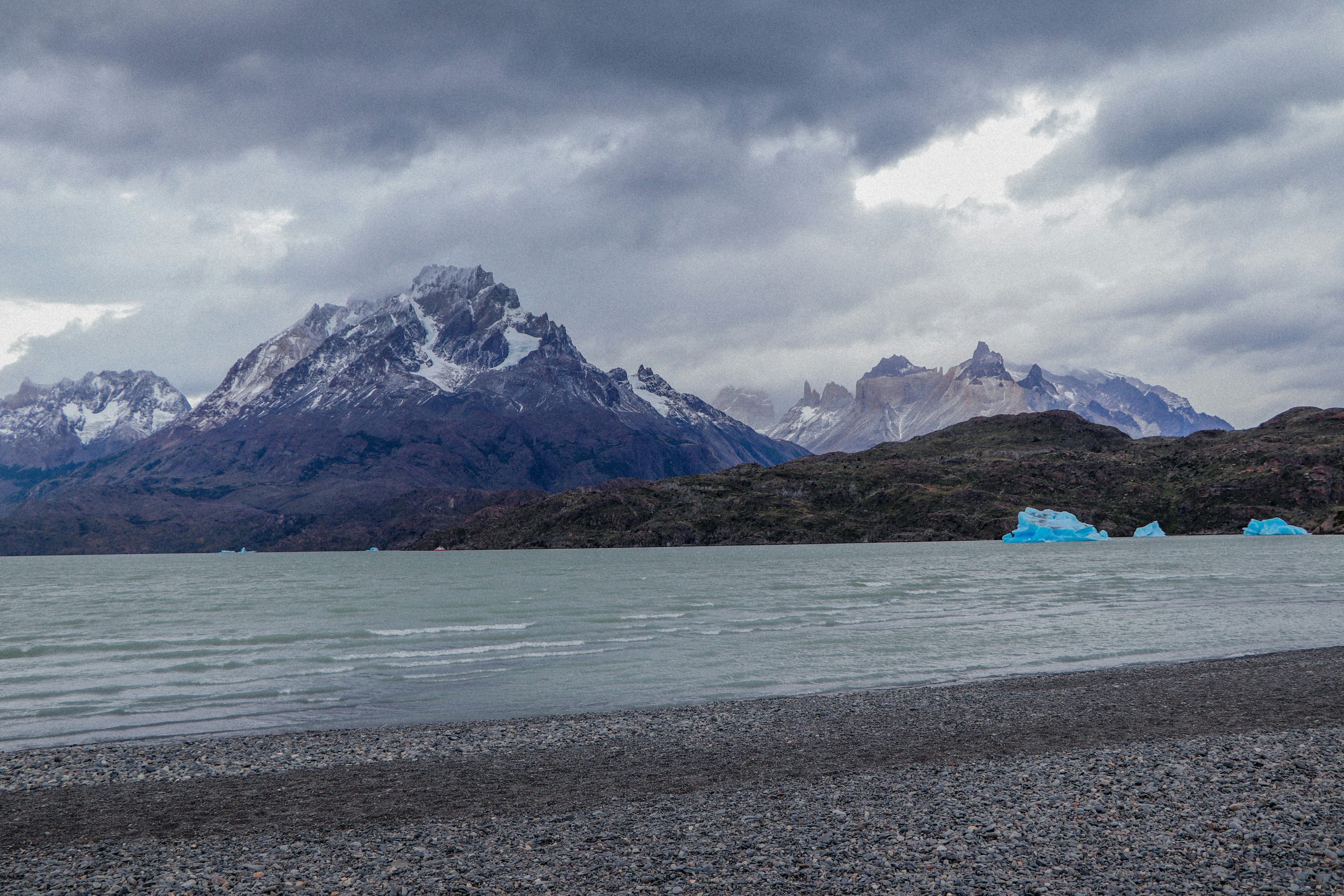
Punta Arenas at a glance
Magallanes Region, southern Chilean Patagonia
Penguins, maritime history, and Antarctic connections
2 nights
Wildlife lovers, photographers, and adventure travelers
Windswept, remote, and wonderfully frontier-like
October to March
Punta Arenas really did feel like I'd reached the edge of the world. Sitting on the Strait of Magellan in the far south of Chile, the city had a windswept, frontier atmosphere that felt completely appropriate for its location.
One of the places that surprised me most was the Sara Braun Cemetery. A cemetery wasn't somewhere I'd expected to become a sightseeing highlight, but this one was beautiful.
I wandered between enormous cypress trees, elaborate mausoleums, marble statues, and gravestones reflecting the many immigrant communities that helped shape the city.
The waterfront had a completely different energy. Punta Arenas is still a working port, and seeing expedition ships preparing to travel even farther south made me very aware of just how close I was getting to Antarctica.
But the penguins were the real highlight.
I took a boat to Magdalena Island, where Magellanic penguins nest across the landscape in astonishing numbers. Walking along the designated trail while penguins waddled nearby and disappeared into their burrows was one of those wildlife experiences that made me grin almost constantly.
Back in Punta Arenas, I also found better food and craft beer than I'd expected. It was a city I initially thought of as a jumping-off point, but I was glad I'd given it time of its own.
How Punta Arenas fits into your Patagonia itinerary
Punta Arenas fits naturally into a southern Chilean Patagonia itinerary, particularly when combined with Puerto Natales and Torres del Paine before continuing farther south toward Tierra del Fuego.
Carretera Austral
(pronounced: kah-reh-TEH-rah ows-TRAHL)
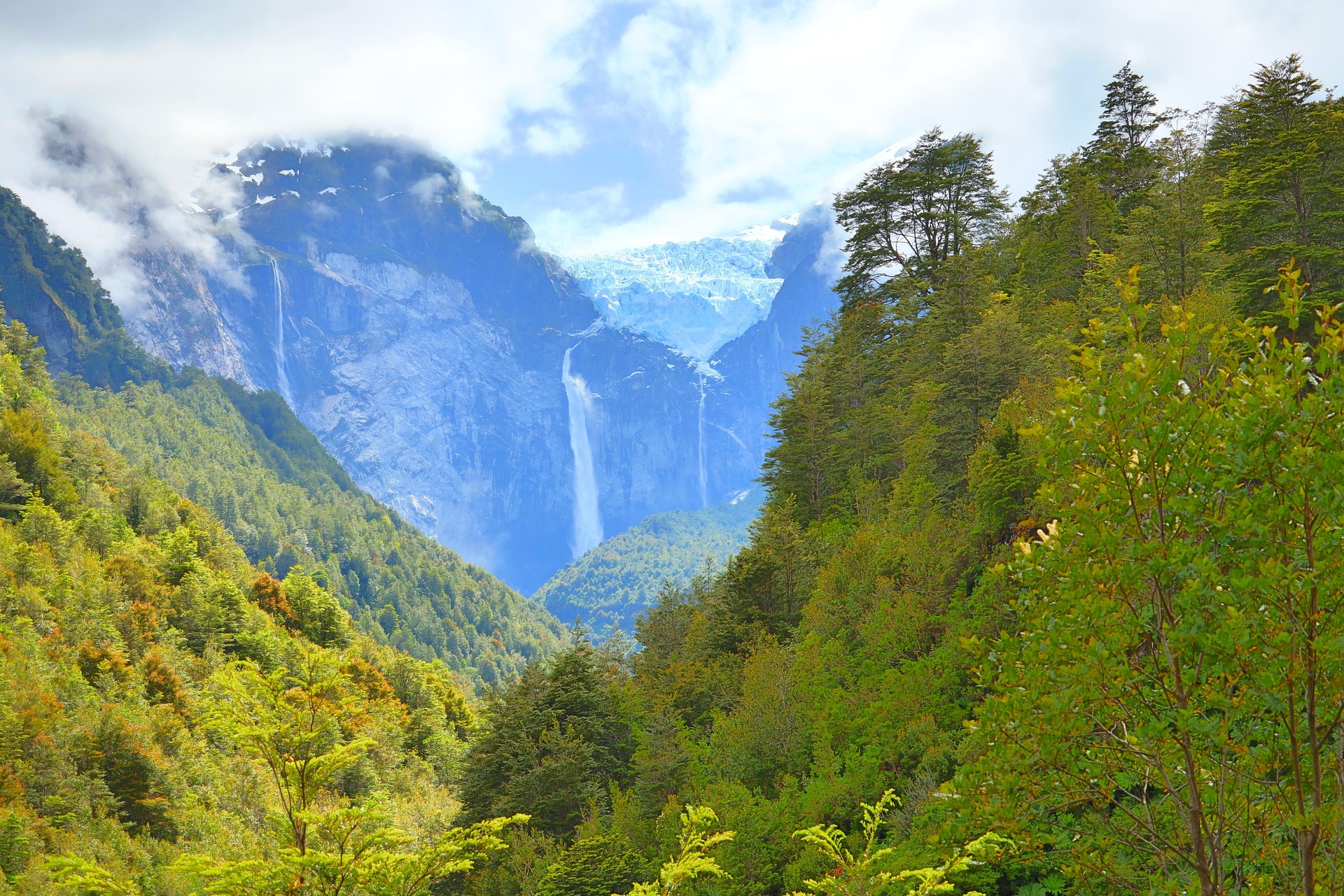
Carretera Austral at a glance
Chilean Patagonia, running south from Puerto Montt
Road trips, hiking, glaciers, rafting, and remote landscapes
7-10 days
Road trippers, adventure travelers, and photographers
Wild, remote, rugged, and spectacular
December to March
The Carretera Austral was one of those journeys where getting from one place to another became the experience itself. I didn't find myself asking, "Are we there yet?" because there always seemed to be something around the next bend.
The road stretches for more than 1,200 kilometres through Chilean Patagonia, and the farther south I traveled, the wilder everything seemed to become.
Pavement gave way to gravel, towns became smaller, phone signal disappeared, and mountains, forests, glaciers, rivers, and fjords seemed to take over completely.
I loved how unpredictable the drive felt. One stretch took me through thick temperate rainforest, while another opened suddenly onto turquoise water or a glacier hanging above the road. Even the ferry crossings became part of the adventure, carrying me across fjords where the highway simply couldn't continue.
There were plenty of reasons to stop along the way. Futaleufú's impossibly turquoise river was a standout, while Chaitén's story of being devastated by a volcanic eruption added another reminder of how powerful this landscape can be.
But what stayed with me most was the road itself. Every day seemed to bring bigger scenery and a stronger sense that I was traveling somewhere genuinely remote.
How the Carretera Austral fits into your Patagonia itinerary
I'd give the Carretera Austral at least 7–10 days and make the drive a major part of the trip rather than simply a route south. It works particularly well for travelers exploring Chilean Patagonia before continuing toward the region's southern highlights.
Ushuaia
(pronounced: oo-SWHY-ah)
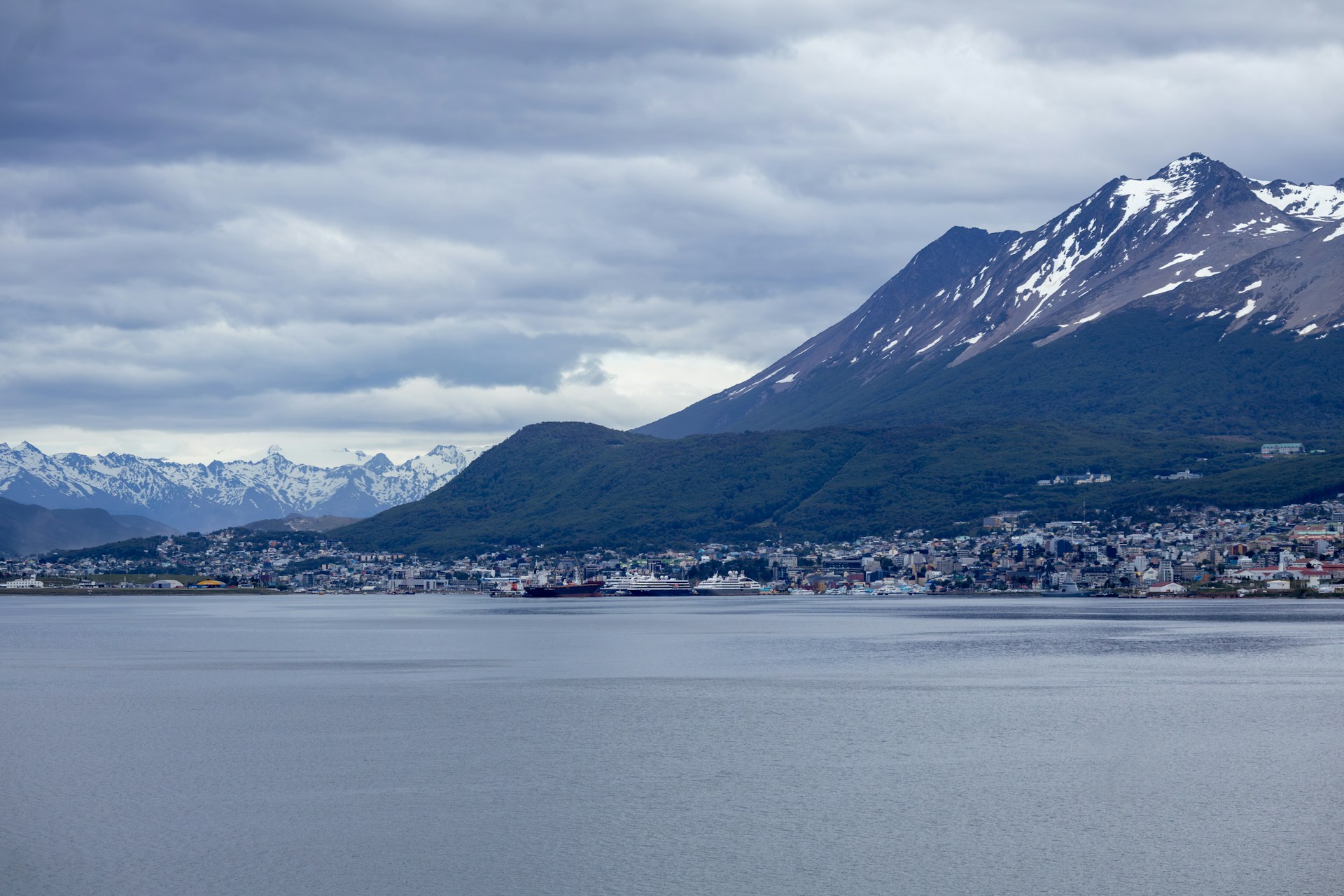
Ushuaia at a glance
Tierra del Fuego, Argentine Patagonia
Hiking, Beagle Channel scenery, and wildlife
2-3 nights
Hikers, nature lovers, adventure travelers, and Antarctica-bound travelers
Remote, rugged, adventurous, and dramatic
November to March
Ushuaia was one of those places where the location itself was part of the attraction. I was at the very bottom of Argentina, with the Beagle Channel stretching out in front of me and the Martial Mountains rising almost immediately behind the city.
It really did feel like the end of the world.
I loved walking around the waterfront and watching the expedition ships in the harbor. Many were preparing to head toward Antarctica, and seeing them alongside researchers, crew members, and travelers setting off on serious expeditions gave Ushuaia a genuinely adventurous feel.
Tierra del Fuego National Park was another highlight for me. It's only a short distance outside the city, but I quickly felt like I'd left civilization behind. The trails along the Beagle Channel were particularly beautiful, with mountains, forest, and water all competing for my attention.
I also rode the famous End of the World Train. It's definitely one of Ushuaia's more touristy experiences, but I still thought it was worth doing.
The narrow-gauge railway travels through some gorgeous scenery and also gave me an interesting glimpse into the area's history.
Ushuaia may be famous for where it sits on the map, but I found plenty of reasons to stay once I got there.
How Ushuaia fits into your Patagonia itinerary
Ushuaia makes a fantastic final stop on an Argentine Patagonia itinerary, particularly after El Calafate and El Chaltén. It's also the natural jumping-off point if you're continuing your adventure to Antarctica.
El Calafate
(pronounced: el kah-lah-FAH-teh)
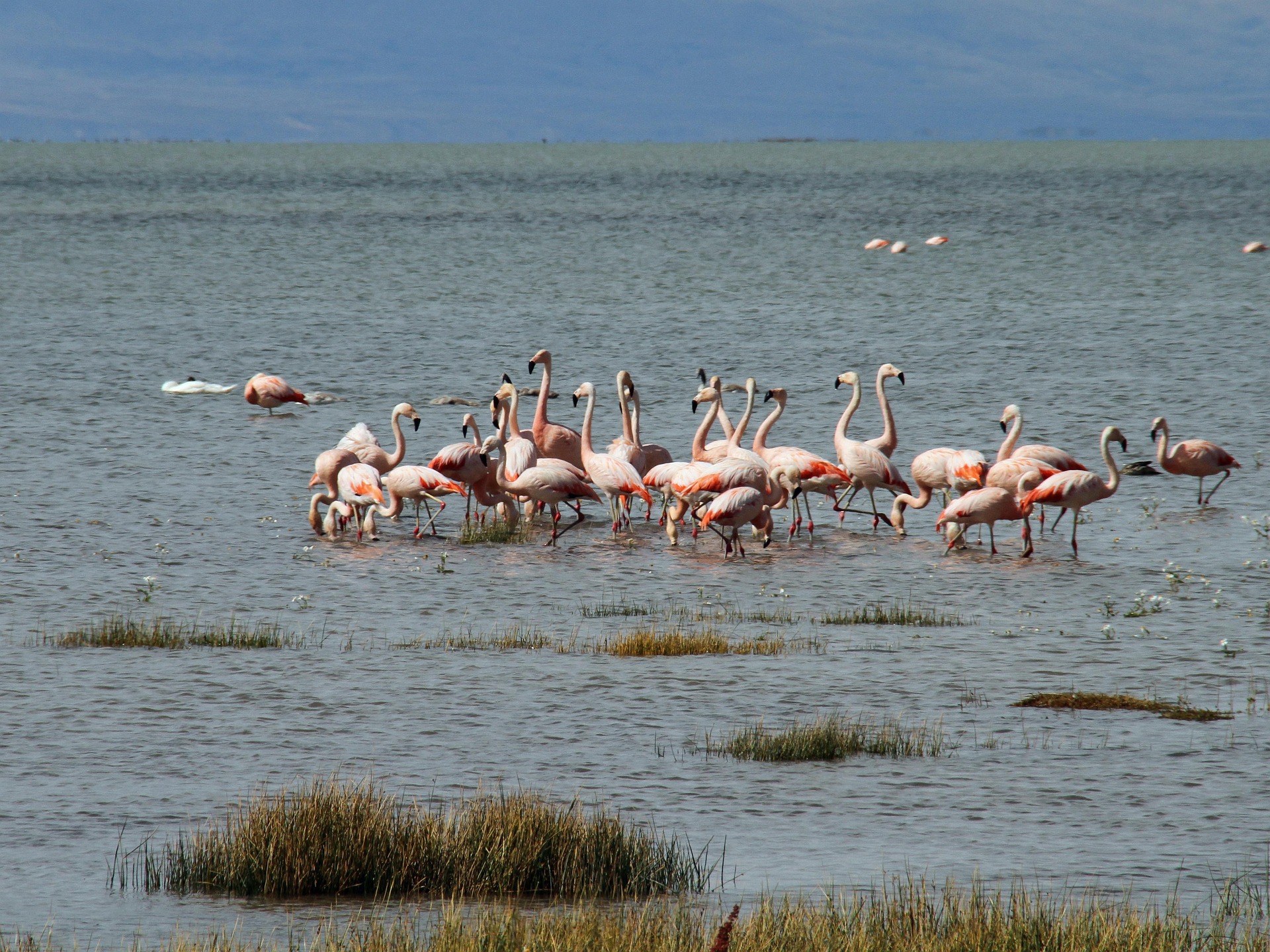
El Calafate at a glance
Santa Cruz Province, Argentine Patagonia
Glacial landscapes, wildlife, and access to Los Glaciares National Park
2-3 nights
Natures lovers, photographers, hikers, and first-time visitors
Relaxed, outdoorsy, scenic, and welcoming
November to March
Most people come to El Calafate for one reason: Perito Moreno Glacier.
I did too, but I found the town deserved a little more attention than simply being treated as somewhere to sleep between excursions.
El Calafate sits beside Lago Argentino, an enormous glacial lake whose color seemed to change along with the weather. Sometimes it appeared almost grey, while at other times the water turned an incredible shade of blue.
What surprised me most was the wildlife so close to town.
I watched condors circling above the surrounding landscape and even spotted flamingos wading through the shallows. Flamingos were definitely not something I'd expected to encounter in Patagonia, so that was a particularly nice surprise.
I also liked that El Calafate still had some personality beneath all the tourism. There were plenty of restaurants and hotels, but it didn't feel entirely built for visitors.
And then there's the calafate berry, the small local fruit that gave the town its name. According to Patagonian legend, anyone who eats one is destined to return. I was more than happy to test that theory.
How El Calafate fits into your Patagonia itinerary
El Calafate is the main base for visiting Perito Moreno Glacier and pairs perfectly with nearby El Chaltén. Together, they make an excellent core for an Argentine Patagonia itinerary.
Perito Moreno Glacier
(pronounced: PEH-ree-toh moh-REH-noh)
Perito Moreno Glacier at a glance
Los Glaciares National Park, Santa Cruz Province, Argentina
Glaciers, ice trekking, and dramatic landscapes
Full-day trip from El Calafate
Nature lovers, photographers, hikers, and adventure travelers
Immense, dramatic, powerful, and unforgettable
November to March
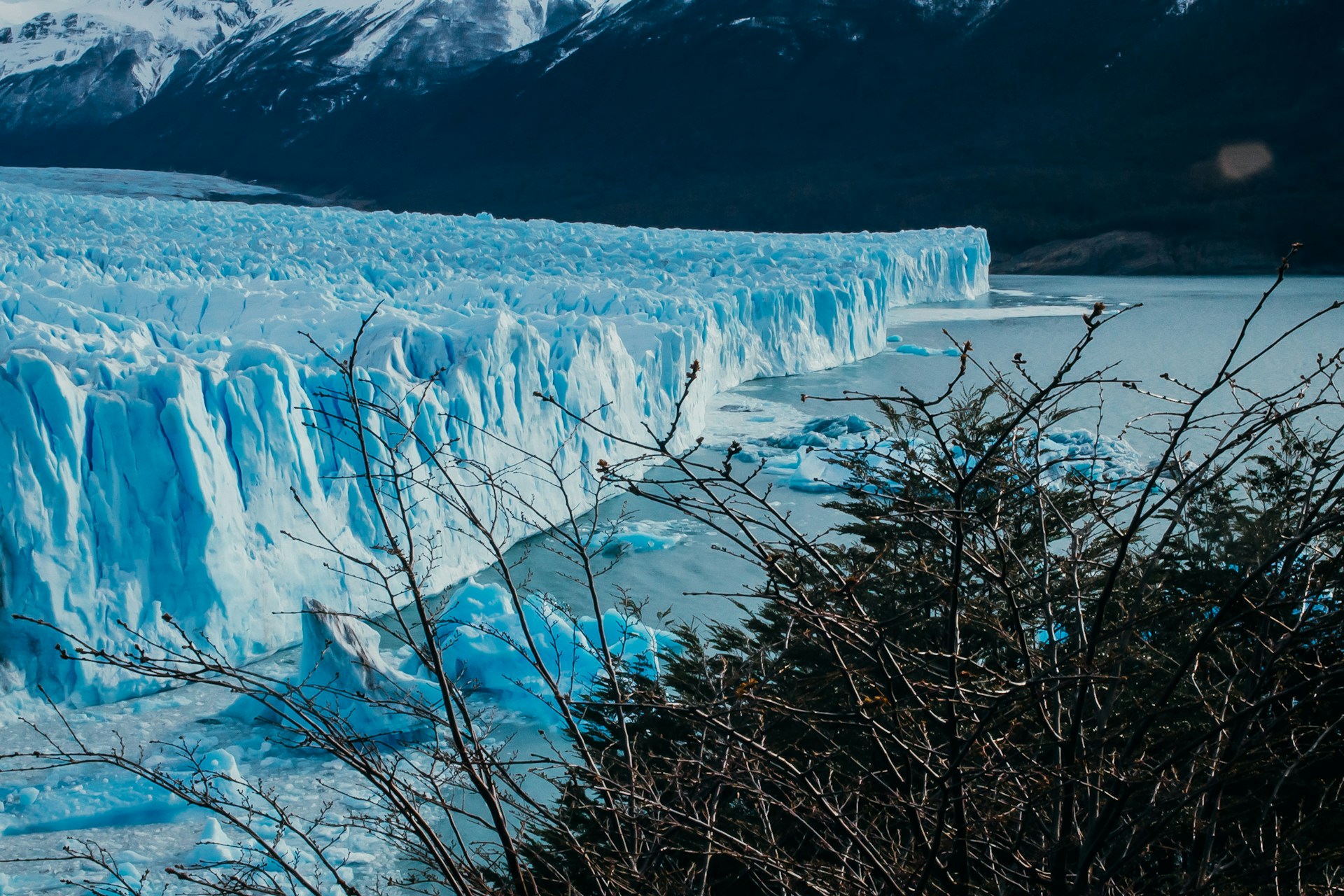
I'd seen plenty of photos of Perito Moreno Glacier before arriving, but none of them prepared me for the scale of it in person.
The glacier stretches for around five kilometres across its face, with a wall of ice rising roughly 60 metres above Lago Argentino. Standing on the elevated walkways opposite it, I finally understood just how enormous that really was.
But Perito Moreno wasn't something I simply stood and looked at. I could hear it.
Every so often, a sharp crack echoed across the lake. Then a section of ice broke away from the glacier and crashed into the water below with a roar. I found myself waiting for the next one, watching the ice and listening for that first telltale sound.
I also went out onto the glacier itself, which was easily one of my favorite experiences in Patagonia.
Walking across the ice in crampons gave me an entirely different perspective, especially when I got close to the brilliant blue crevasses running through the surface.
From a distance, Perito Moreno was spectacular. Standing on the ice made it feel completely different, and if you're comfortable with the physical demands of a guided glacier trek, it's an experience I'd wholeheartedly recommend.
How Perito Moreno Glacier fits into your Patagonia itinerary
Perito Moreno is an easy day trip from El Calafate and one of the highlights I'd build an Argentine Patagonia itinerary around. From El Calafate, you can then continue north to El Chaltén.
El Chaltén & Mount Fitz Roy
(pronounced: el chal-TEHN)
El Chaltén & Mount Fitzroy at a glance
Los Glaciares National Park, Santa Cruz Province, Argentina
Hiking, mountain scenery, and glacial lakes
3-4 nights
Hikers, photographers, outdoor lovers, and adventure travelers
Rugged, outdoorsy, laid-back, and spectacular
November to March
El Chaltén was everything I wanted from a Patagonia hiking destination. It's a tiny village surrounded by enormous mountains, and one of the things I loved most was how easily I could leave town on foot and find myself on some of the region's best trails.
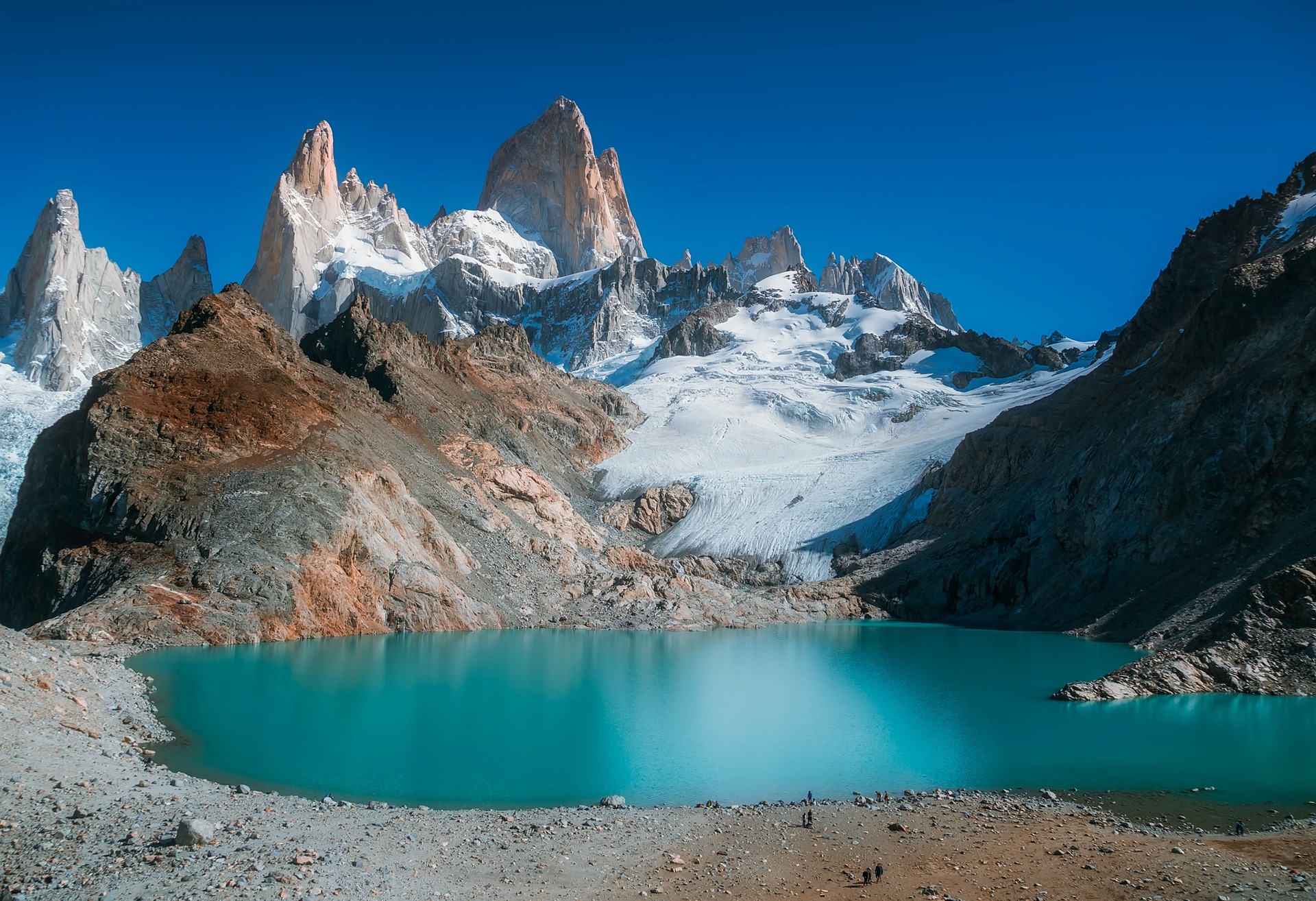
Mount Fitz Roy is the star. I'd seen that distinctive jagged silhouette countless times before, but watching the real thing rise above the landscape was completely different.
The hike to Laguna de los Tres gave me the classic view I'd been waiting for: Fitz Roy towering above a glacial lake, surrounded by an enormous landscape of rock, ice, and snow. It's a demanding day hike, particularly toward the end, but the view at the top made every uphill step worthwhile.
Cerro Torre gave me another side of the area. Its impossibly narrow granite spire looked almost unreal, and the trail toward Laguna Torre took me through some beautiful scenery before reaching the glacial lake below it.
Even after the hiking was finished, the mountains kept putting on a show. Around sunset, I watched the peaks shift from orange to pink as the last light caught the rock. It lasted only minutes, but it was easily one of my favorite sights in Patagonia.
How El Chaltén & Mount Fitz Roy fit into your Patagonia itinerary
El Chaltén pairs perfectly with El Calafate and Perito Moreno Glacier, giving you some of Patagonia's best hiking and glacier scenery within the same part of southern Argentina.
Torres del Paine
(pronounced: TOH-rehs del PAH-ee-neh)
Torres Del Paine at a glance
Magallanes Region, southern Chilean Patagonia
Hiking, glaciers, mountain scenery, and photography
4-6 nights
Hikers, wildlife lovers, photographers, and adventure travelers
Wild, dramatic, unpredictable, and unforgettable
October to April
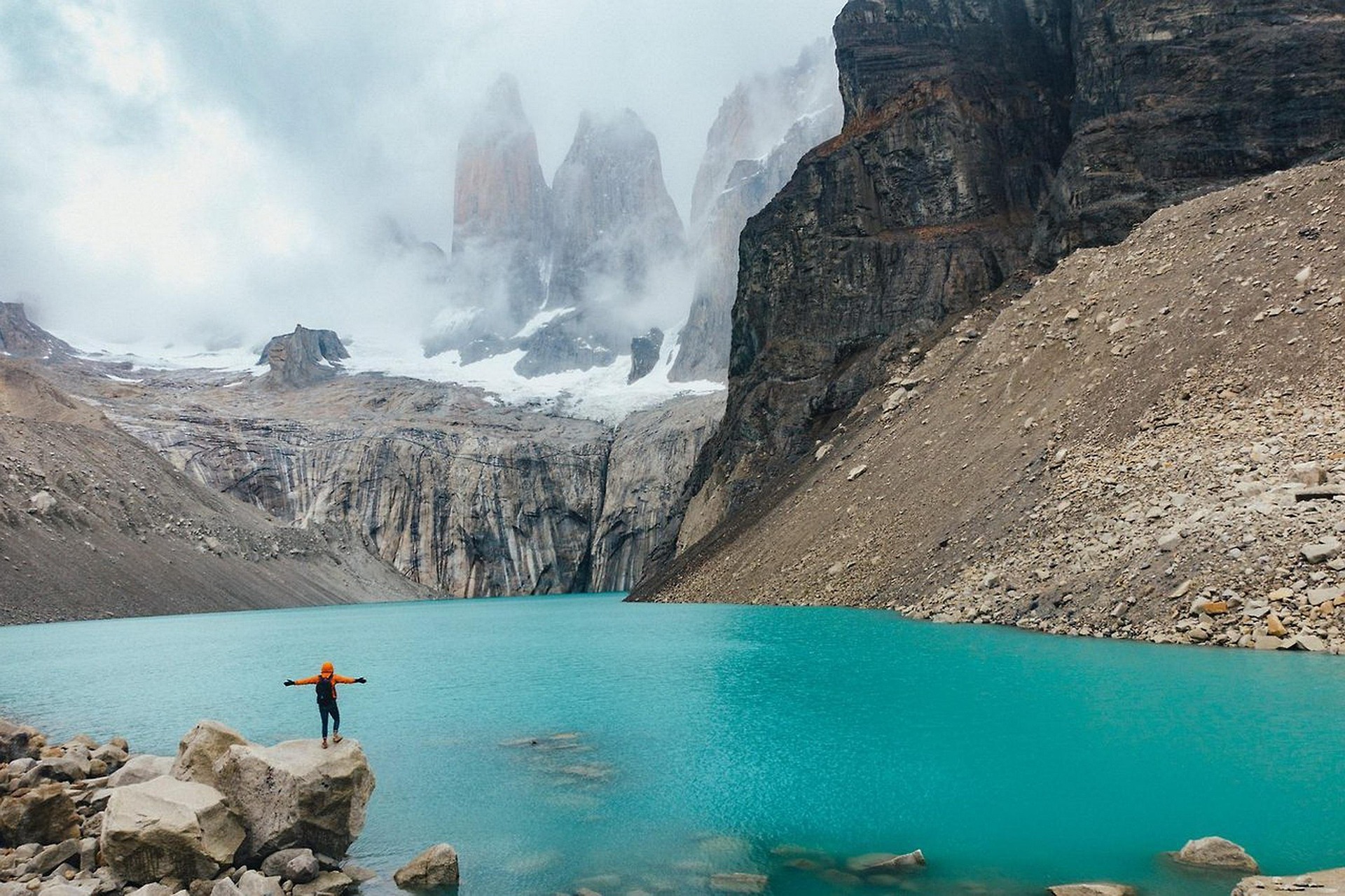
Torres del Paine was the Patagonia I'd imagined before I arrived, only somehow bigger, wilder, and more dramatic in person.
The three granite towers are the park's most famous sight, but I quickly realized they were only part of what made this place so extraordinary.
Everywhere I looked there seemed to be another enormous landscape: turquoise lakes, glaciers, open grasslands, and the unmistakable Cuernos del Paine rising above it all.
For hikers, the classic experience is the W Trek, which connects some of the park's greatest sights over several days, including the Base of the Towers, French Valley, and Grey Glacier. Even without completing the entire route, I found plenty of ways to experience the scenery on individual hikes.
The wildlife made the park even more memorable. I encountered guanacos that seemed completely unconcerned by hikers, sometimes standing directly on the trail as though they had absolutely no intention of moving. Pumas also live here, although spotting one takes considerably more luck.
Then there was the weather. I experienced sunshine, rain, fierce wind, and rapidly changing skies that made Patagonia's reputation for unpredictable conditions seem entirely justified.
Torres del Paine was my number one for a reason. Few places I've visited have delivered so completely on the expectations I had before arriving.
How Torres del Paine fits into your Patagonia itinerary
Torres del Paine is the centerpiece of a Chilean Patagonia itinerary and pairs naturally with Puerto Natales and Punta Arenas. It's also easy to combine with El Calafate and El Chaltén for a trip covering highlights on both sides of the Chile-Argentina border.
Patagonia is enormous, and trying to squeeze every destination into a single trip would mean spending far too much time in transit.
For a first Patagonia itinerary, I'd focus on the southern highlights of Argentina and Chile, where you can combine glaciers, hiking, wildlife, and some of the region's most spectacular mountain scenery. This alone can take two weeks.
Patagonia Itinerary: 14 Days
Route: El Calafate → Perito Moreno Glacier → El Chaltén & Mount Fitz Roy → Puerto Natales → Torres del Paine → Punta Arenas → Ushuaia
Week 1 | Days 1-2 | Days 3 | Days 4-6 | Day 7 |
|---|---|---|---|---|
Destination | El Calafate | Perito Moreno Glacier | El Chaltén & Mount Fitz Roy | Travel to Puerto Natales |
Overnight | El Calafate | El Calafate | El Chaltén | Puerto Natales |
Week 2 | Days 8-10 | Days 11 | Days 12 | Day 13-14 |
|---|---|---|---|---|
Destination | Torres del Paine | Punta Arenas | Magdalena Island & Punta Arenas | Ushuaia |
Overnight | Puerto Natales / Torres del Paine | Punta Arenas | Punta Arenas | Ushuaia |
Why this route? For a 14-day Patagonia itinerary, I think this gives you the best introduction to the region without trying to cover impossible distances. You'll experience Perito Moreno Glacier and the hiking around El Chaltén before crossing into Chile for Torres del Paine and Punta Arenas, then finish at the End of the World in Ushuaia.
*What about Bariloche, Península Valdés, Chiloé Island, and the Carretera Austral? I'd save these destinations for a second Patagonia itinerary rather than forcing them into the same two-week trip. Bariloche, Chiloé Island, and the Carretera Austral work particularly well together for a longer journey through northern and central Patagonia, while Península Valdés is worth building into an Argentine itinerary if wildlife is one of your main priorities.
Why Patagonia isn't a quick vacation destination
Patagonia is one of those places where I quickly realized that trying to see everything would mean experiencing very little of it.
The distances are enormous, border crossings take time, and some of my favorite experiences, from hiking beneath Mount Fitz Roy to watching glaciers calve and exploring Torres del Paine, deserved more than a rushed visit.
Even getting around became part of the experience, particularly along the Carretera Austral, where the road, ferry crossings, and constantly changing scenery were attractions in themselves.
If it's your first visit, don't feel like you need to see all 10 destinations. I'd rather choose one part of Patagonia and explore it properly, then have a very good excuse to come back for the rest.
FAQs About Visiting Patagonia
Patagonia is in both Chile and Argentina, stretching across the southern portions of both countries and encompassing the Andes, glaciers, lakes, grasslands, and Atlantic and Pacific coastlines.
Patagonia spans two countries, so you'll use the Argentine peso in Argentina and the Chilean peso in Chile.
Visa requirements depend on your nationality and whether you're visiting Argentina, Chile, or both; many travelers from the US, UK, EU, Canada, and Australia can visit for tourism without a visa for a limited period.
Driving is relatively straightforward on major routes, and both Chile and Argentina drive on the right, but remote areas can have gravel roads, long distances between services, and challenging weather conditions.
Patagonia is generally considered a safe region for travelers, although normal precautions and extra preparation for remote hiking, driving, and rapidly changing weather are important.
Argentina primarily uses Type C and Type I plugs, while Chile primarily uses Type C and Type L plugs, so a universal travel adapter is useful if you're visiting both countries.
Spanish is the main language throughout both Argentine and Chilean Patagonia, although English is commonly spoken in many popular tourist areas.
Ready to explore Patagonia? Optimise Travel is here to help
Patagonia is enormous, and deciding how to divide your time between Argentina, Chile, glaciers, mountain towns, wildlife destinations, and some seriously long travel days can be surprisingly difficult.
At Optimise Travel, we create personalized travel itineraries based on your interests, travel style, and budget. Whether you're dreaming of hiking beneath Mount Fitz Roy, watching ice calve from Perito Moreno Glacier, trekking through Torres del Paine, driving the Carretera Austral, spotting penguins and whales, or reaching the End of the World in Ushuaia, we'll help you build an itinerary that makes the most of your time.
If you'd like help planning your trip to Patagonia, click here to learn more about our concierge travel services.