

Croatia surprised me with how varied it felt over relatively short distances.
Before travelling there, it was easy to associate the country mainly with the Adriatic coast and islands. What stayed with me afterwards was the contrast: turquoise lakes and forest at Plitvice, Zadar's waterfront, the stone streets and fortresses of Šibenik, the river landscape around Krka and finally the Roman core of Split.
That experience is why this seven-day route still makes sense to me. It follows Plitvice Lakes → Zadar → Šibenik → Krka → Split rather than trying to stretch the same week down to Dubrovnik and out to the islands.

Split's waterfront showcasing boats, buildings, and iconic bell tower
My 7-day Croatia itinerary at a glance
Overview
Day | Route | Overnight |
|---|---|---|
1 | Arrive near Plitvice Lakes | Plitvice |
2 | Plitvice Lakes National Park | Plitvice |
3 | Plitvice Lakes → Zadar | Zadar |
4 | Zadar → Šibenik | Šibenik |
5 | Krka National Park | Šibenik or Split |
6 | Split | Split |
7 | Split | Departure |
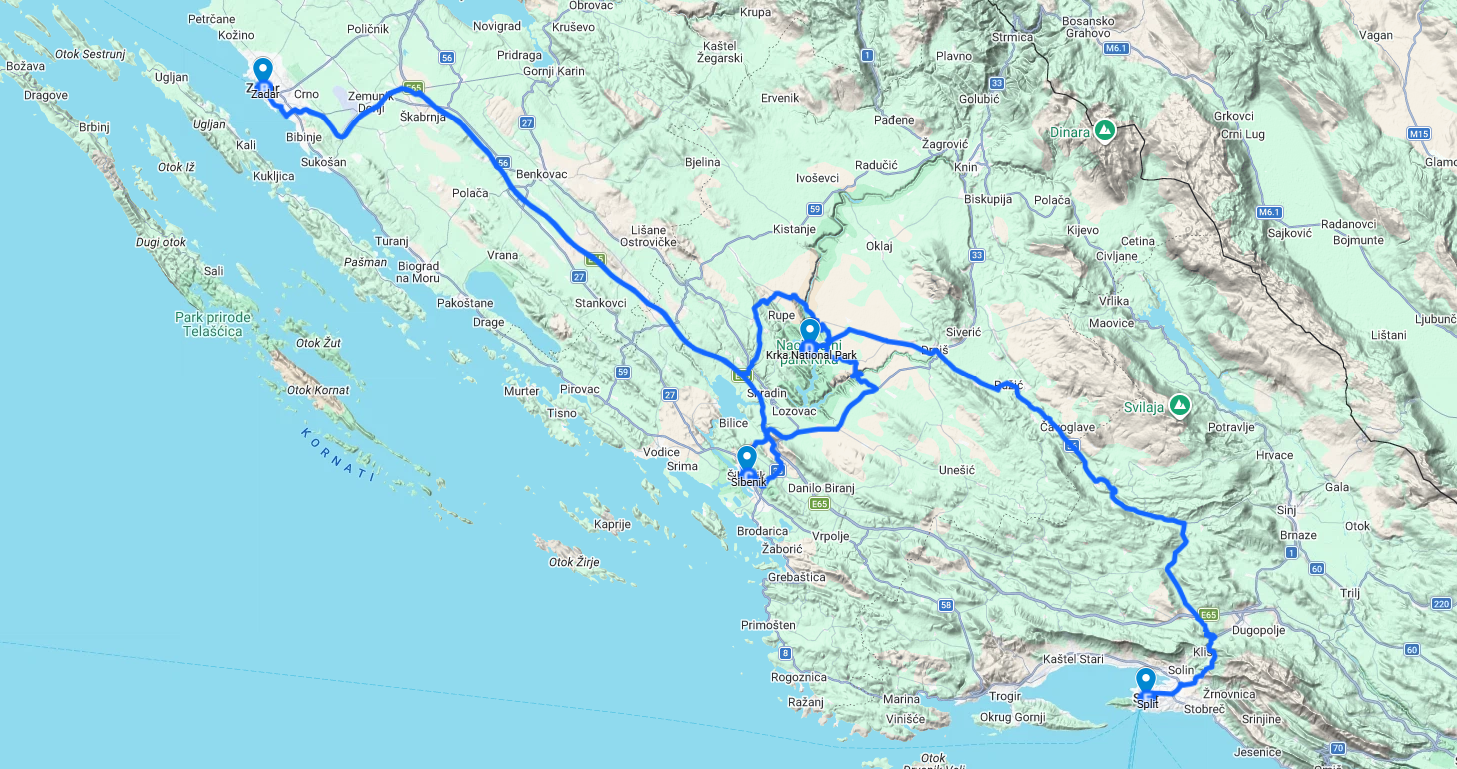
7-day Croatia itinerary route
The relatively short drives are part of what made this route work.
Plitvice to Zadar is roughly 134 km and around 1 hr 45 min to 2 hr in normal conditions. Zadar to Šibenik is about 74 km and roughly 1 hr 15 min. Šibenik to the main Krka entrances is only around 13–20 km depending on Lozovac or Skradin.
A car gave the trip flexibility through this section of Croatia, but it never felt as though driving was the main activity. Most transfers ended with a substantial part of the day still available.
Days 1–2: Plitvice Lakes National Park
Starting inland made the eventual arrival at the Adriatic feel more dramatic.
Plitvice is one of Croatia's most famous places, so I expected the waterfalls to be the main memory. They were not.
What I remember most clearly is the water.
When I visited, its colour seemed to shift between turquoise and green depending on the light. In places it was clear enough to see fish beneath the wooden boardwalks.
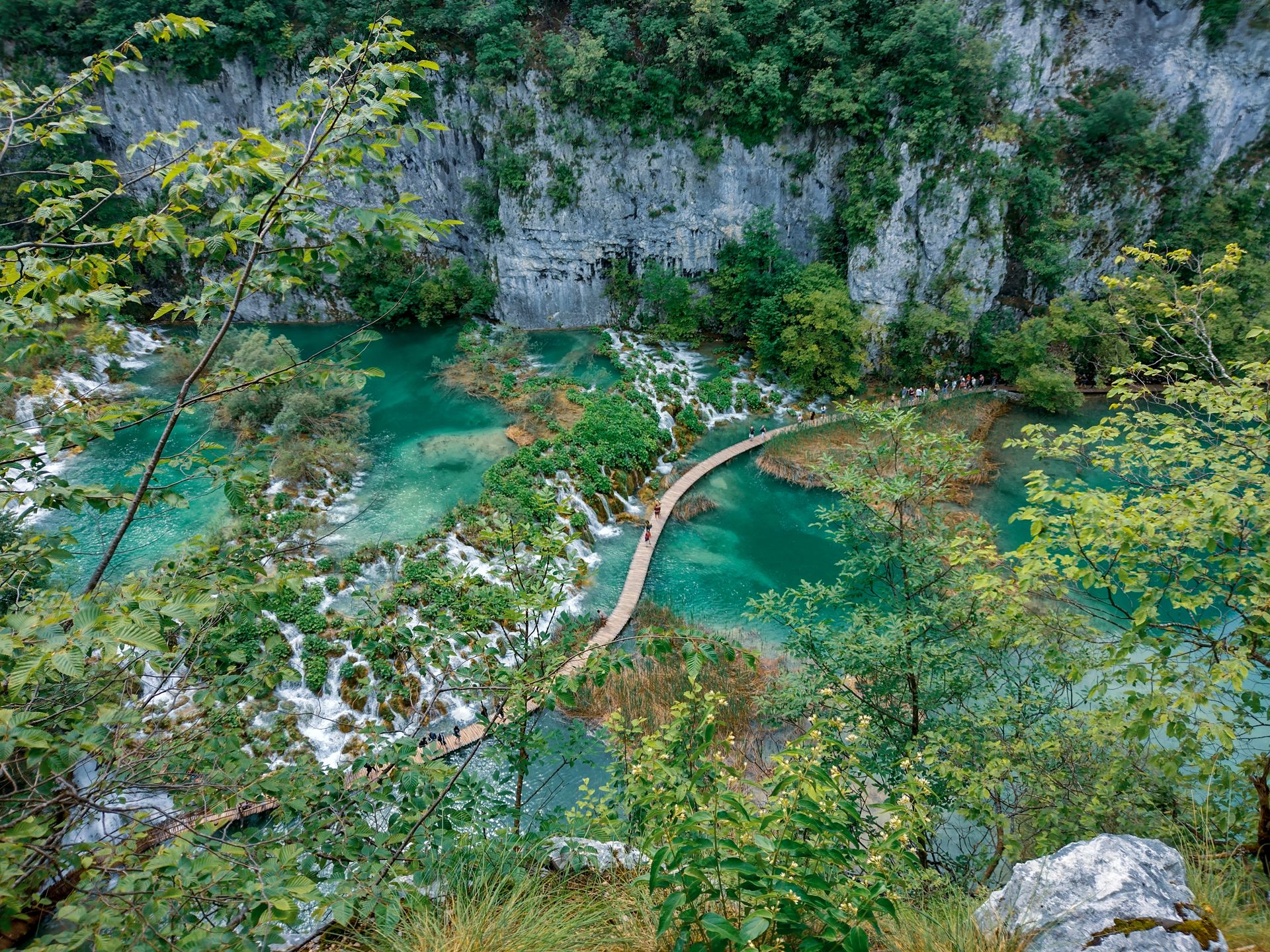
Boardwalk crossing the emerald lakes in Plitvice Lakes National Park, Croatia
Day 1: Arriving near Plitvice
Staying near the park gave Plitvice a different role in the trip from a quick roadside stop.
Whether arriving from Zagreb or approaching from Zadar, there is a temptation to fit the park around the journey to somewhere else. Having the first night nearby removed that pressure for me.
The landscape around Plitvice also felt completely removed from the Croatia I would experience later on the coast. Forest and lakes came first; the Adriatic arrived afterwards.
Stay: Plitvice area.
Day 2: A full day at Plitvice
Moving through Plitvice on foot was what made the park memorable.
Water constantly appeared beside or beneath the boardwalks. The landscape changed gradually as I walked rather than revealing itself at one single viewpoint.
That is why my memory of Plitvice is not dominated by one famous waterfall. It is the combination of water, forest, wooden paths and the time spent moving between them.
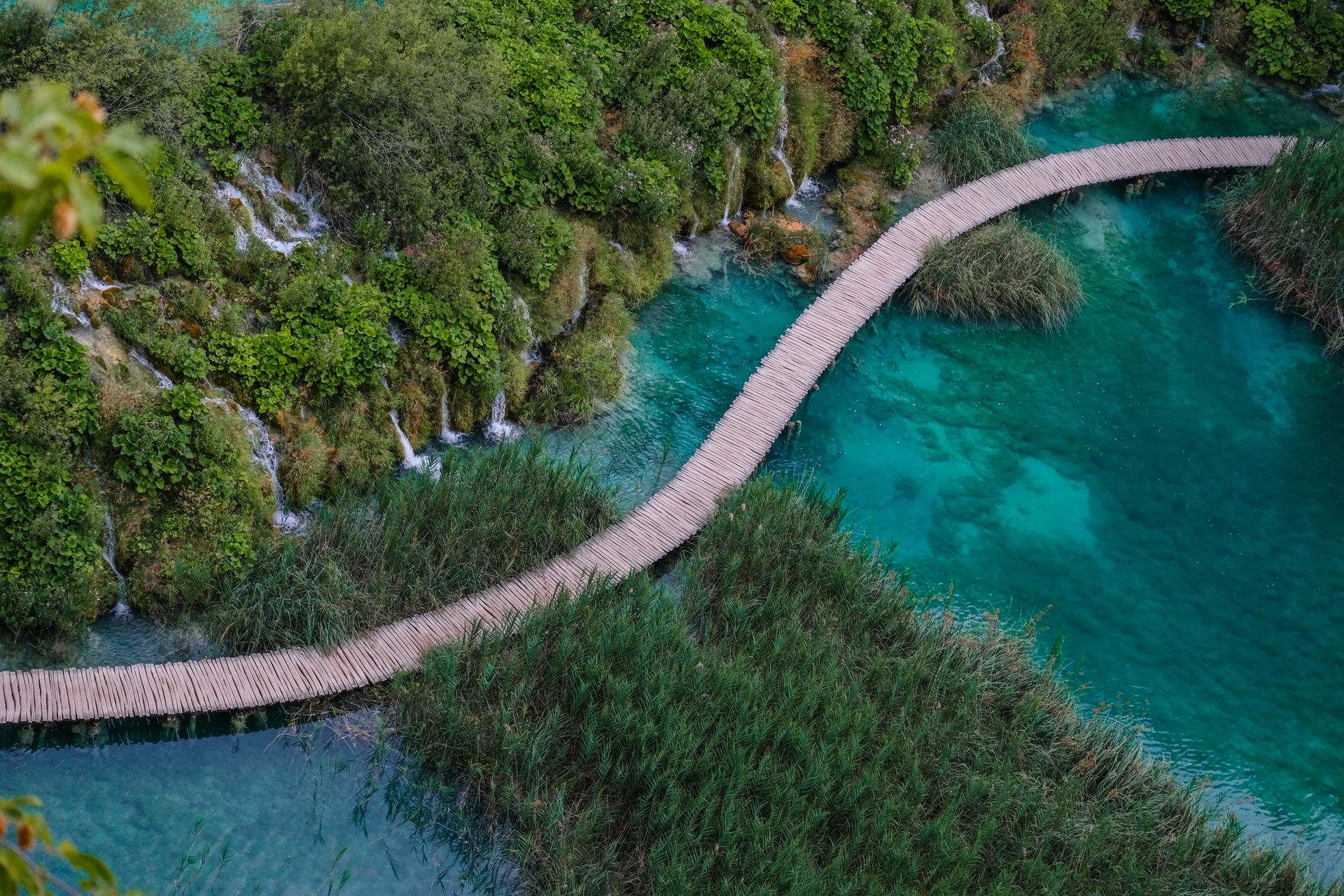
Wooden walkway over turquoise waters in Plitvice Lakes, Croatia
The practical side of visiting does require some planning. The park uses timed entry tickets, and official guidance recommends buying them online in advance. Tickets include the electric boats and panoramic vehicles when these form part of the selected sightseeing programme.
Pricing, opening hours and route availability change seasonally, so those details are better checked against the official park information for the actual travel date.
For me, the important part was simply having enough of the day available that stopping on the boardwalk or spending longer beside a lake did not feel like lost time.
Stay: Plitvice area.
Day 3: From Plitvice to Zadar
Driving: approximately 134 km / around 1 hr 45 min to 2 hr without long stops.
The journey toward Zadar brought one of the clearest changes of scenery in the week.
After the forests and lakes around Plitvice, arriving on the Adriatic made the trip feel as though it had entered a different Croatia.
Zadar's old town is compact, with Roman ruins, churches, squares and the waterfront all within easy walking distance. But my strongest memory is from the seafront.

Aerial view of Zadar waterfront and Sea Organ on Croatia’s Adriatic coast
The Sea Organ sounded slightly gimmicky to me before I visited.
Then I sat beside it.
Waves force air through pipes built beneath the waterfront steps, producing sounds that change constantly with the sea. It became one of the things I remembered most clearly from Zadar.
My partner became completely fascinated by the engineering and spent far longer than I expected trying to understand how it worked.
That small experience says more about why I liked the waterfront than simply describing it as a sunset spot.
A few steps away, the Greeting to the Sun changes the promenade again after dark. Staying around long enough to experience the waterfront in daylight, at sunset and after dark gave this relatively small part of Zadar several different moods.
Stay: Zadar.
Day 4: Zadar to Šibenik
Driving: approximately 74 km / around 1 hr 15 min.
Šibenik was one of the places on this route that benefited most from not being treated as a quick stop.
It is easy to overlook because it sits between better-known Croatian destinations, but I enjoyed its more understated character.
The old town rises away from the waterfront through stone streets toward the Cathedral of St. James and the fortresses above the city.
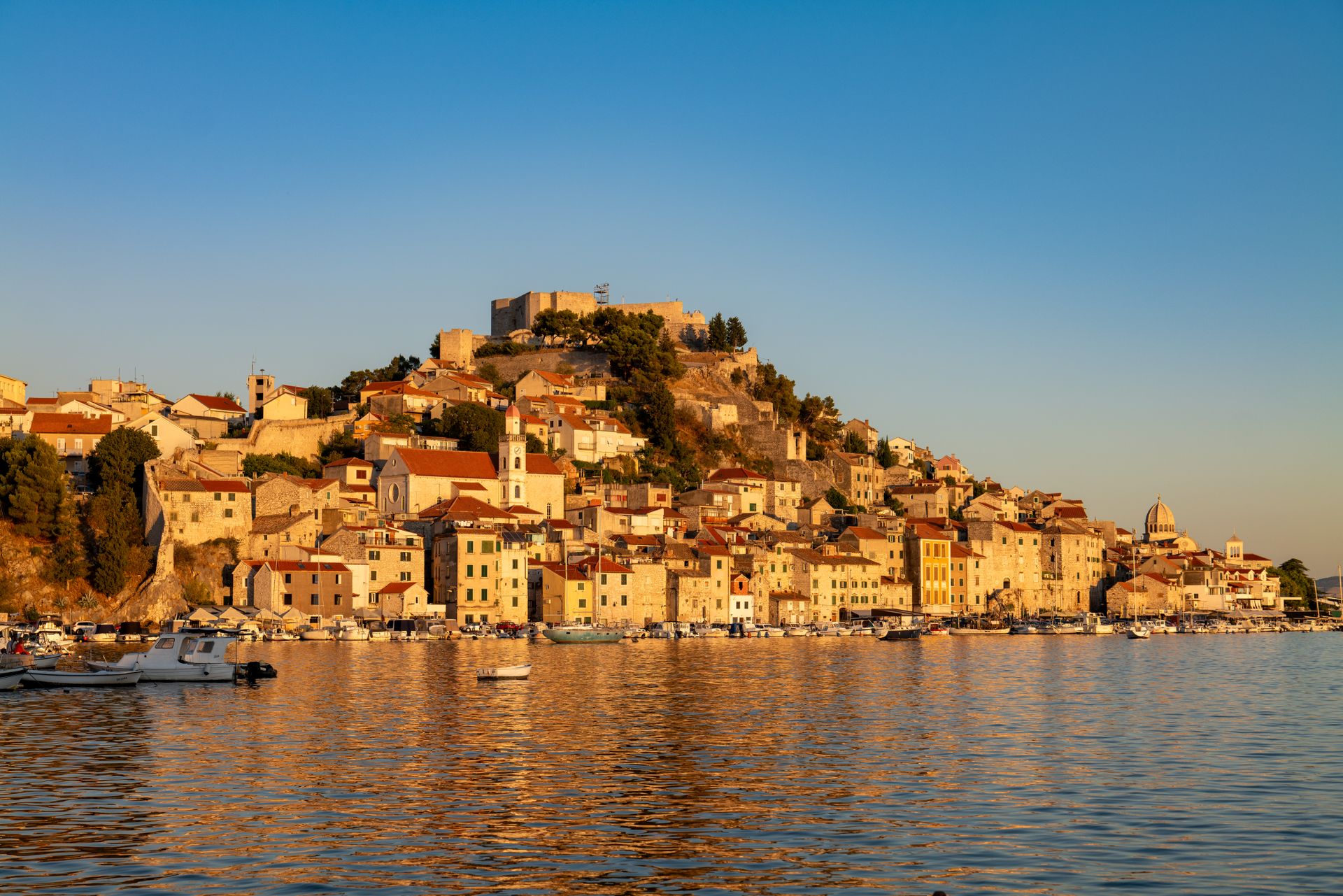
Šibenik's historic town and waterfront at sunset
I gave myself a full day in Šibenik and was glad I did.
One of my favourite moments came later in the afternoon at St. Michael's Fortress. As the light softened, the view opened across the rooftops and harbour below.
Nothing particularly complicated happened. I simply had enough time to stay there.
That is exactly the kind of experience that tends to disappear when a smaller city is squeezed between two more famous places.
Šibenik also felt noticeably quieter than Split would later in the trip, which gave the two historic cities very different personalities despite their relative proximity.
Stay: Šibenik.
Day 5: Krka National Park
Driving: roughly 13 km / around 15–20 min from Šibenik to the Lozovac area, or around 20 km / roughly 25 min to Skradin.
Krka being so close to Šibenik is one of the reasons the route flows as well as it does.
My visit began from Skradin, and the boat journey toward Skradinski buk ended up being one of my favourite parts of the day.
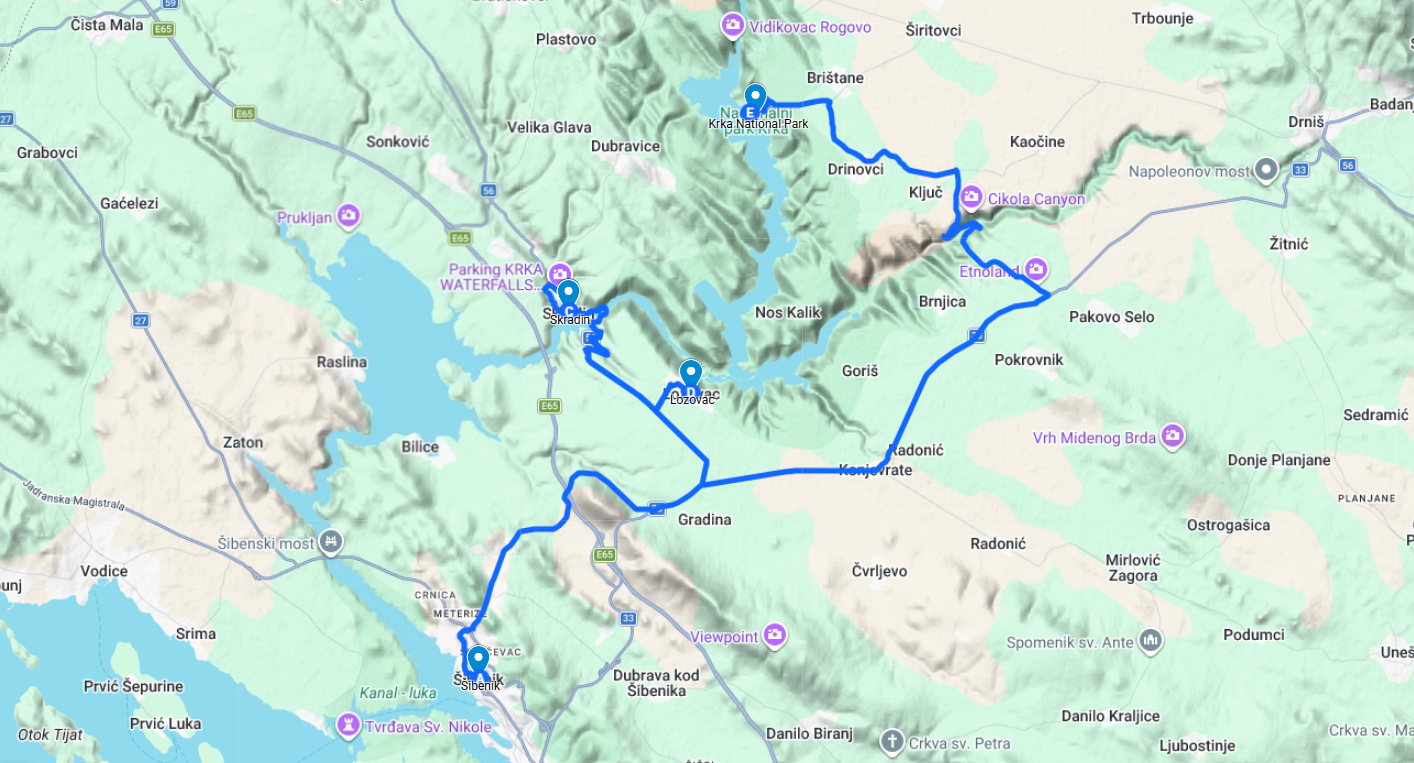
Small Krka map for Croatia itinerary
Travelling up the river before reaching the waterfalls made the park reveal itself gradually. I preferred that sense of arrival to the idea of simply stepping out of a car park beside the main sight.
The seasonal park boats from Skradin take around 20 minutes toward Skradinski buk. Outside their operating period, there is also a roughly 3.4 km trail from Skradin Bridge toward the falls.
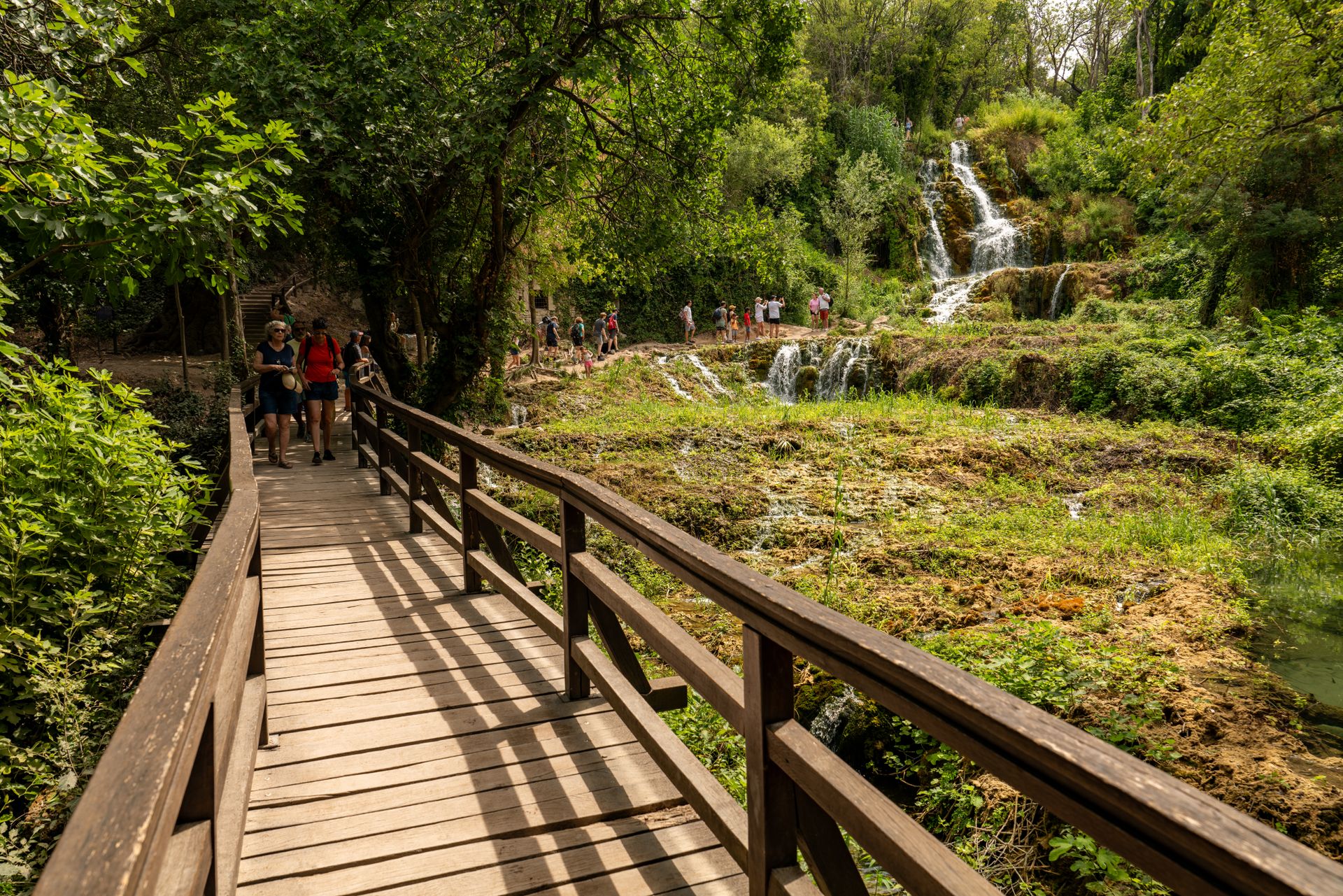
Wooden path near the Krka waterfalls in Croatia's lush summer landscape
Around Skradinski buk, boardwalks again bring water into the experience in a way that reminded me slightly of Plitvice, although the two parks never felt interchangeable.
Plitvice was lakes and forest. Krka felt much more connected to the river.
Visovac Island and other boat excursions can extend the experience when they are operating, although seasonal timetables make current park information important.
Swimming rules have also changed over time and are restricted in protected areas. Old photographs of people swimming beneath Skradinski buk no longer reflect how the site should be planned today.
The end of this day can work either back in Šibenik or farther south in Split. I liked the fact that the distances were short enough for that decision not to dominate the park visit.
Stay: Šibenik or Split.
Days 6–7: Split
Split felt immediately different from Šibenik.
It is larger, busier and more obviously part of Croatia's main visitor circuit. Yet what interested me most was not simply that it has more to see.
It was the way ancient history was still being used as part of an ordinary city.
Day 6: Living inside Diocletian's Palace
The name Diocletian's Palace had given me the wrong mental image before I arrived.
I had imagined something closer to a self-contained archaeological complex.
Instead, the Roman palace has gradually become part of Split itself. Streets, homes, cafés, shops and historic structures exist inside and around its original footprint.
I stayed within the palace walls, and that completely changed how I experienced it.
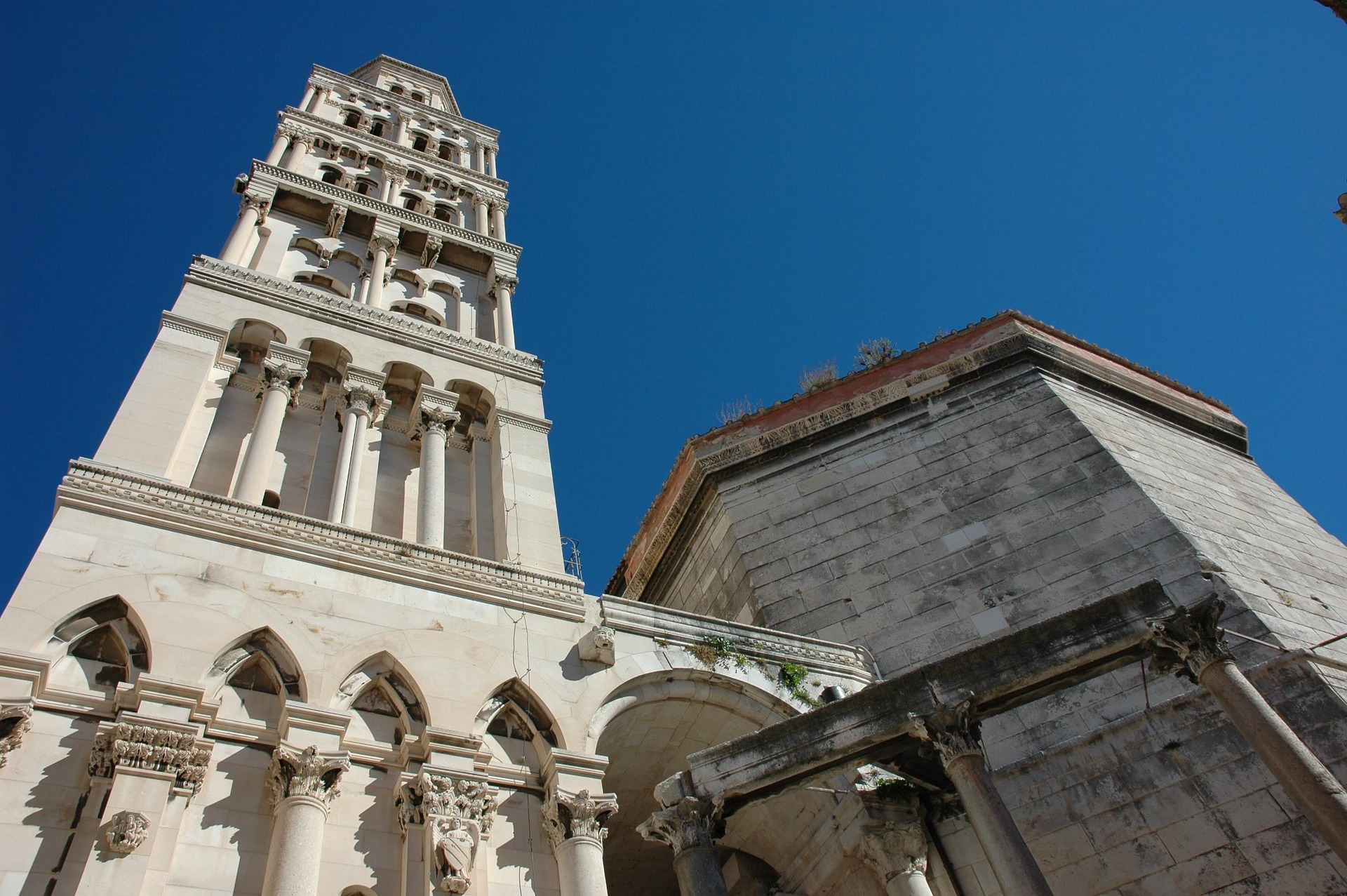
Historic bell tower and stone architecture at Diocletian's Palace in Split, Croatia
Every morning I stepped outside into streets that were already being used as normal city streets. Cafés were opening, people were going to work and daily life was unfolding around structures built as part of a Roman palace nearly 1,700 years ago.
That made the history feel far less static than a conventional archaeological site.
The Peristyle, palace substructures, surrounding lanes and Riva are all major parts of central Split, but for me their appeal came from seeing how naturally the ancient and modern city overlapped.
That was enough to make Split itself worth a proper day before thinking about ferries and islands.
Stay: Split.
Day 7: Split beyond the palace
A second day gave Split room to become more than Diocletian's Palace.
Klis Fortress changes the perspective completely from its elevated position outside the city, looking back toward Split, the coastline and islands.
Marjan offers another contrast, with walking trails and viewpoints close to the centre.
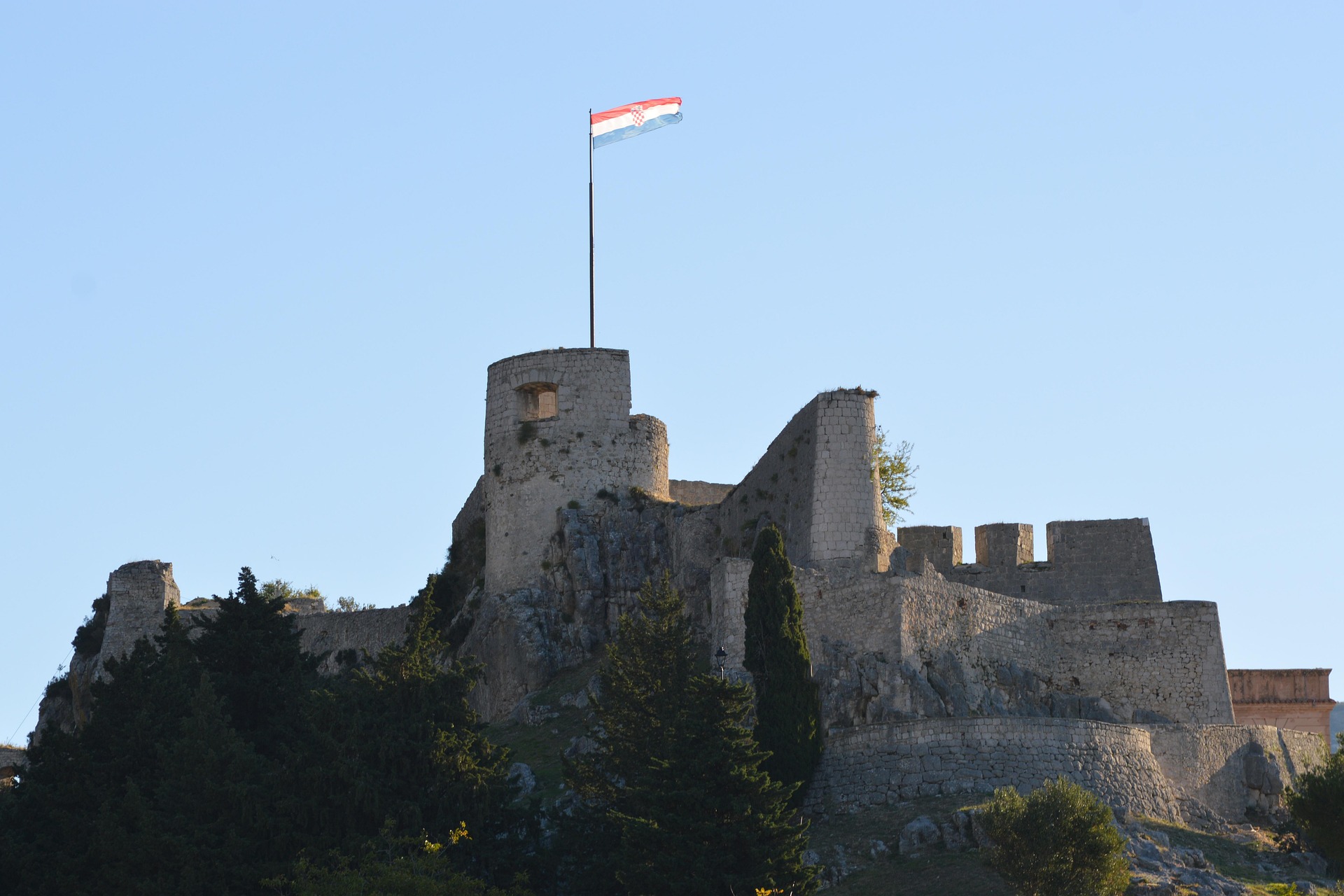
Historic Klis Fortress in Croatia
But one of the advantages of reaching the end of this route without exhausting amounts of driving is that the final day does not need to prove anything.
More time in Split, a slower meal or returning to part of the old city can make as much sense as another excursion.
The islands also become very visible from here. Ferries connect Split with Hvar, Brač and Vis, making them natural extensions of a longer trip.
For me, their presence is a reminder of how much Croatia remains rather than a reason to squeeze another destination into the final hours.
Why this Croatia route still works for me
Before visiting, I understood why so many Croatia itineraries concentrated almost entirely on the coast.
Afterwards, that felt too narrow.
The week I remember moved through genuinely different landscapes and cities: the lakes and forests of Plitvice, Zadar's experimental waterfront, Šibenik's quieter stone old town, the river landscape at Krka and the lived-in Roman fabric of Split.
Those places also gave me specific memories rather than simply a collection of Croatian landmarks.
I remember looking through clear water at fish beneath the Plitvice boardwalks.
I remember being unexpectedly absorbed by the sounds of Zadar's Sea Organ while my partner investigated the engineering.
I remember the late-afternoon light over Šibenik from St. Michael's Fortress.
I remember approaching Krka by boat.
And I remember stepping out each morning into the streets inside Diocletian's Palace.
That variety is why I still stand behind Plitvice → Zadar → Šibenik → Krka → Split as a first seven-day Croatia route.
Where Dubrovnik fits
Dubrovnik absolutely deserves its reputation, but adding it changes this particular trip rather than simply improving it.
The route from Plitvice to Split already forms a compact journey through inland and central Dalmatian Croatia. Continuing much farther south means giving up time somewhere else.
A Split → island → Dubrovnik itinerary is an excellent alternative, but it creates a different version of Croatia: more coastline and island time, without Plitvice, Zadar or this northern/central Dalmatian road trip.
I do not see one as universally better.
My own experience is the reason I prefer keeping this route intact for a first week. The contrasts between the national parks and cities were a large part of what made Croatia memorable to me.
What having a car changed
The car mattered most between Plitvice and Split.
It made the short transfers straightforward and gave me control over arrival times at the national parks without building each day around bus timetables.
The main drives remain relatively modest:
Summer traffic, roadworks and parking can stretch those times, but there is no major four- or five-hour transfer sitting in the middle of the week.
Once I reached central Split, the car became much less important. That change also matched the trip itself: road travel had connected the route, but the final city was best experienced on foot.
When this route felt at its best
Late spring and early autumn suit the combination of national parks and coast particularly well.
May, June and September generally avoid some of the pressure of peak summer while still working well for outdoor days.
July and August bring hotter weather, more visitors and greater pressure on parking and accommodation.
Outside the main season, Krka's boat schedules and attraction opening hours become more important. Plitvice operates year-round, but weather, daylight and trail conditions can make the experience very different.
The season changes the practical details, but not the reason I like the route: it is the movement between inland landscapes, coast, historic towns and national parks that gives the week its character.
Have You Seen Our Travel Concierge Service?
Your trip, planned by local experts
We are not a travel agent - we design custom itineraries around your budget and style, without receiving commissions or booking fees.
Custom itinerary
Built around your dates, budget, and travel style.
Local expert knowledge
Recommendations from people on the ground, not review sites.
Travel smarter, spend less
We optimise for your budget to make your money go further.
What seven days in Croatia felt like
Seven days gave me enough time to experience one section of Croatia properly.
It did not make the country feel complete.
That distinction became clearer as the trip went on. Split alone opens the door to Hvar, Brač and Vis. Dubrovnik lies farther south. Istria offers another completely different part of the country.
Trying to attach all of those places to the same week would have changed the thing I valued most about this route: having time for the experiences inside each stop.
The memories that stayed with me were rarely about reaching the next destination.
They were about sitting beside the Sea Organ, lingering at a fortress as the light changed, travelling up the river toward Krka and waking up inside the walls of a Roman palace.
For me, that is a much better measure of a seven-day Croatia trip than how much of the country appears on the map.