

Bulgaria became more interesting to me the farther I travelled through it.
Sofia, Rila Monastery, Plovdiv and Veliko Tarnovo never felt like variations on the same destination. The capital revealed layers of Roman and Orthodox history, Rila felt isolated beneath forested mountains, Plovdiv mixed ancient ruins with a lively modern district, and Veliko Tarnovo looked every bit like a medieval capital.
That contrast shaped this seven-day route: Sofia → Rila Monastery → Plovdiv → Veliko Tarnovo.
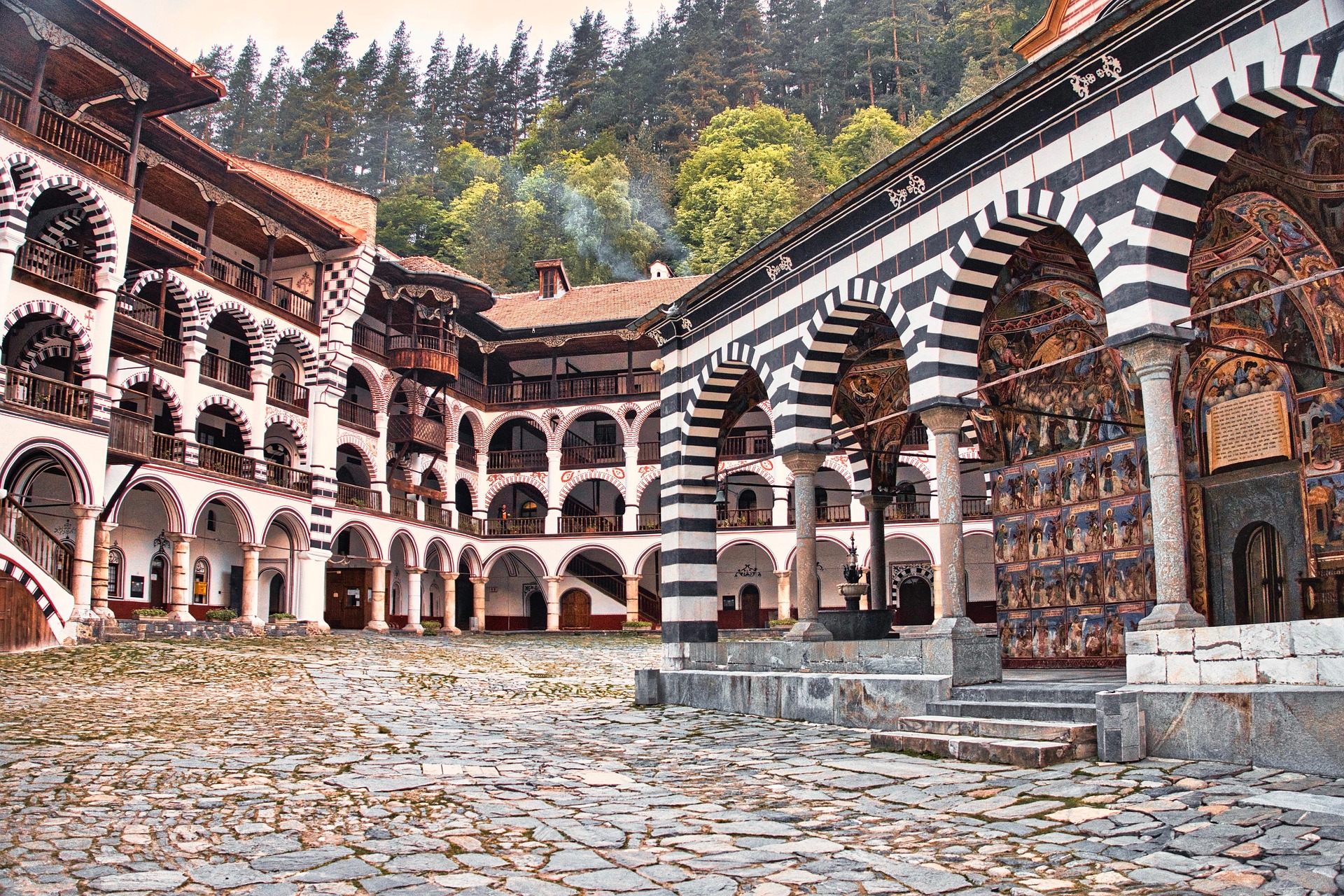
Rila Monastery courtyard with striped arches, frescoes, and forested mountains in Bulgaria
My 7-day Bulgaria itinerary at a glance
Overview
Day | Route | Overnight |
|---|---|---|
1 | Sofia | Sofia |
2 | Sofia | Sofia |
3 | Rila Monastery → Plovdiv | Plovdiv |
4 | Plovdiv | Plovdiv |
5 | Plovdiv → Veliko Tarnovo | Veliko Tarnovo |
6 | Veliko Tarnovo | Veliko Tarnovo |
7 | Veliko Tarnovo → Sofia | Departure |
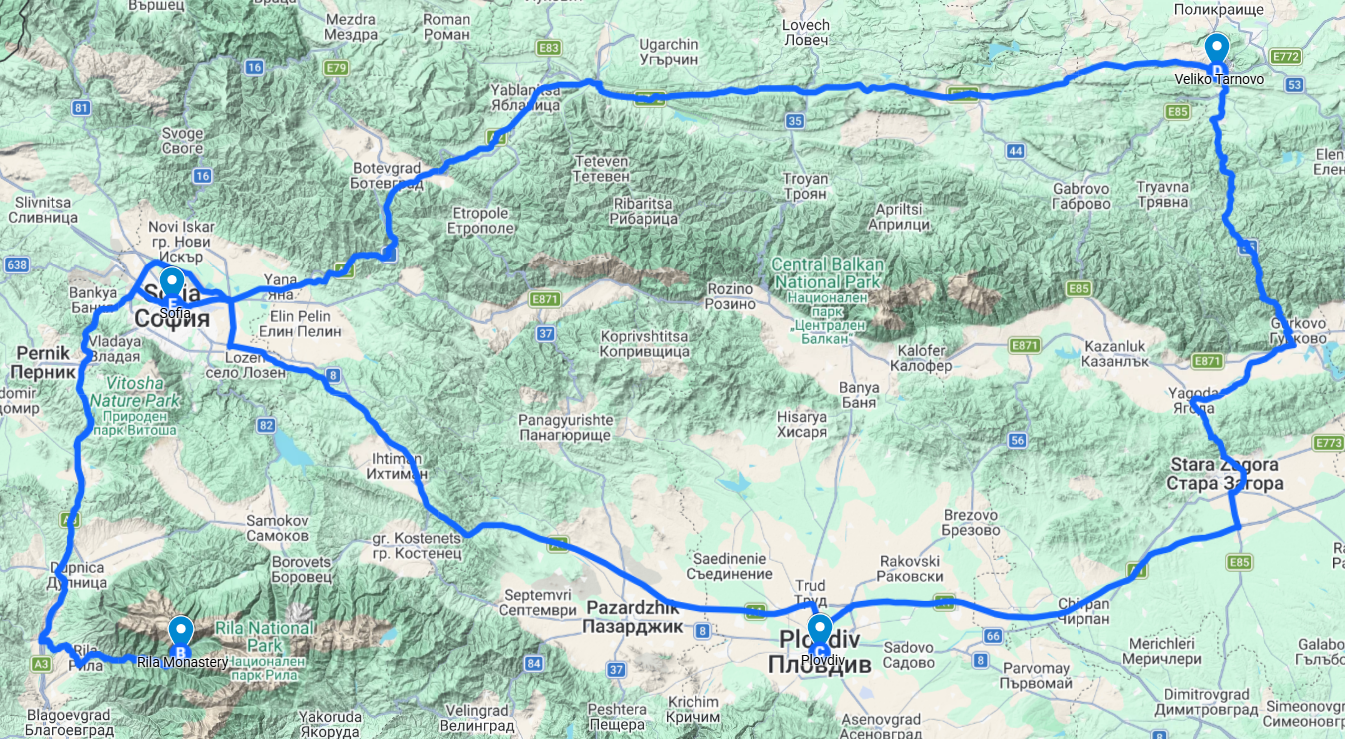
7-day Bulgaria itinerary route
Why this route made sense to me
An older version of the itinerary also included Bansko and the Rose Valley.
My experiences in both places are exactly why I now see them as seasonal choices rather than compulsory stops.
Bansko came alive for me through the combination of mountains and its old town.
The Rose Valley was memorable because I happened to be there during the harvest, when the landscape was full of flowering Damask roses.
Sofia, Rila, Plovdiv and Veliko Tarnovo create a more consistent year-round route without losing the contrasts that made Bulgaria interesting.
Days 1–2: Sofia
Sofia grew on me rather than impressing me immediately.
At first it felt like a fairly modern European capital.
Then I kept noticing older layers almost everywhere: Roman remains below street level, Orthodox churches among government buildings and much older structures behind modern façades.
Day 1: The layers of central Sofia
Alexander Nevsky Cathedral provides the obvious landmark.
One of my favourite mornings in Sofia, though, came from the contrast immediately around it.
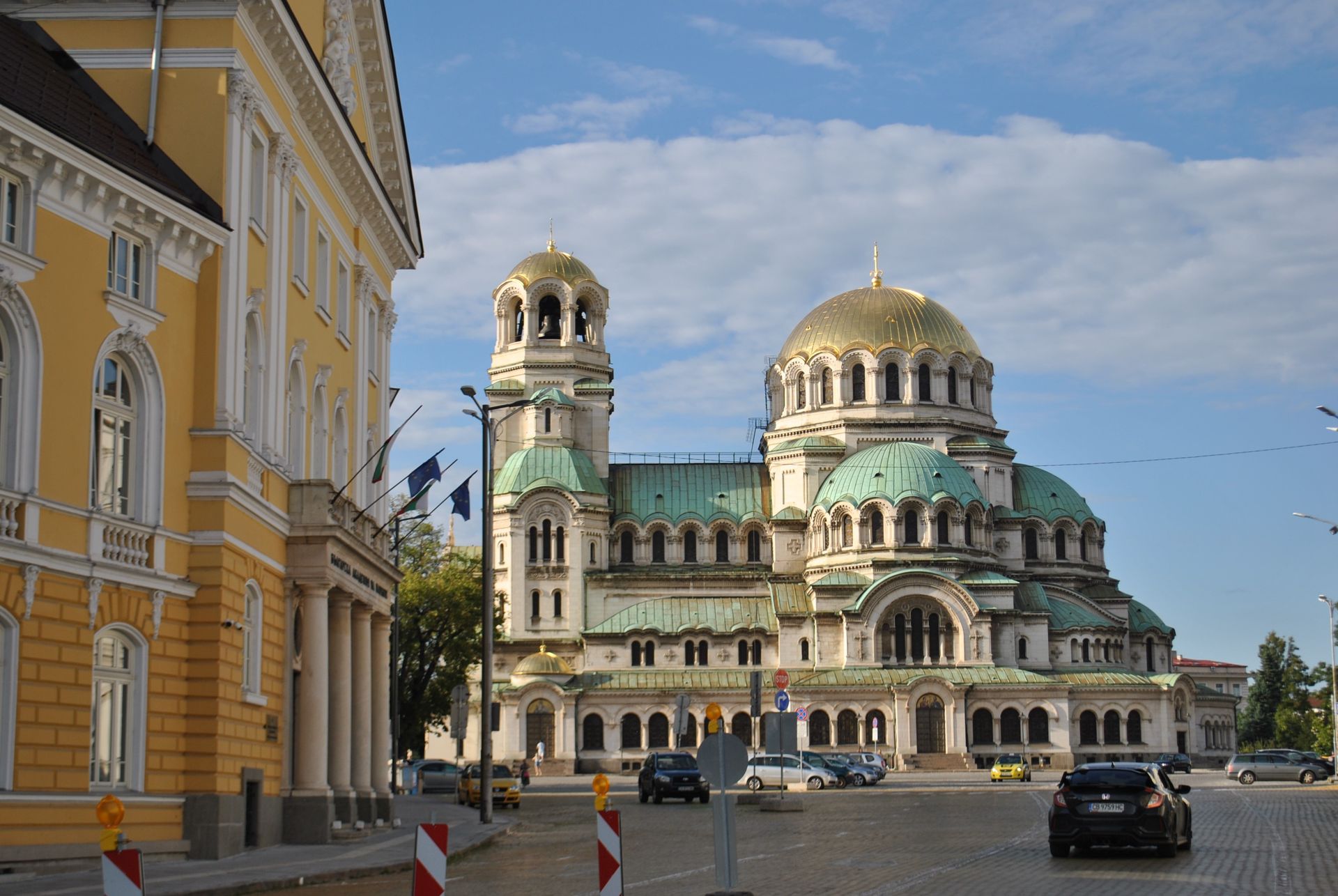
Alexander Nevsky Cathedral in Sofia, Bulgaria
Near the enormous cathedral, I found myself spending far too long at the much smaller antique market, looking through Soviet memorabilia, icons, coins and objects I had no intention of buying.
Walking farther through central Sofia brought the Roman remains around Serdica, the mineral baths area and Vitosha Boulevard into the same day.
That mixture is what made the centre more interesting to me than any one monument.
Stay: Sofia.
Day 2: Sofia with a mountain beside it
Sofia's relationship with Vitosha Mountain makes it unusual among European capitals.
A city day can turn into a mountain day without a long journey.
Boyana Church offered a different contrast.
It is small compared with Alexander Nevsky, but the medieval frescoes made the experience feel much more intimate.
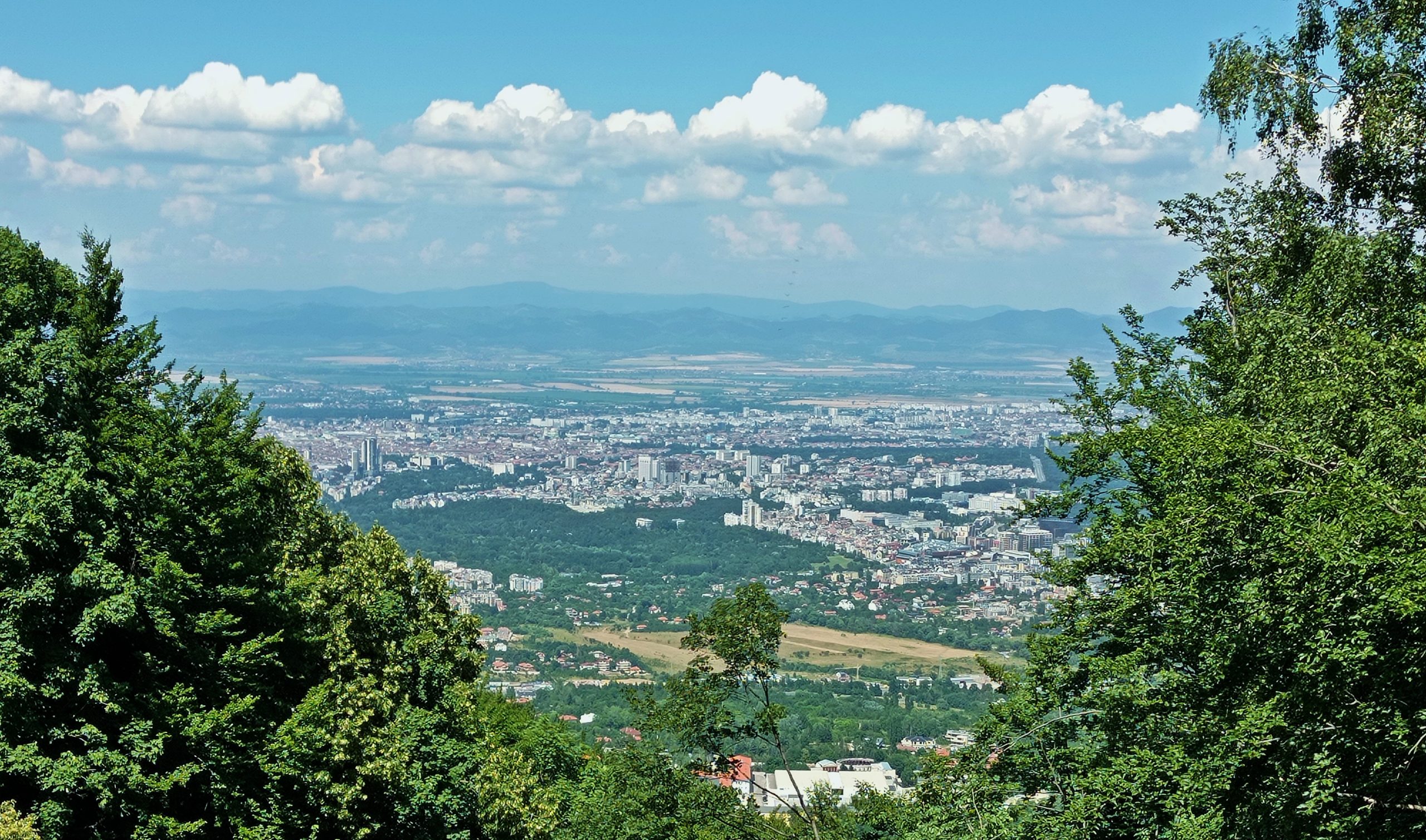
Vitosha view over Sofia
Food also became part of how I remember Bulgaria.
Longer meals often felt more worthwhile than filling every hour with another attraction, and having a second Sofia day left room for that slower side of the city.
Stay: Sofia.
Day 3: Rila Monastery and the road to Plovdiv
Rila Monastery was one of the strongest memories from my Bulgaria trip.
I visited on a weekday in October and found it surprisingly quiet.
The moment I walked through the gates, the courtyard stopped me.
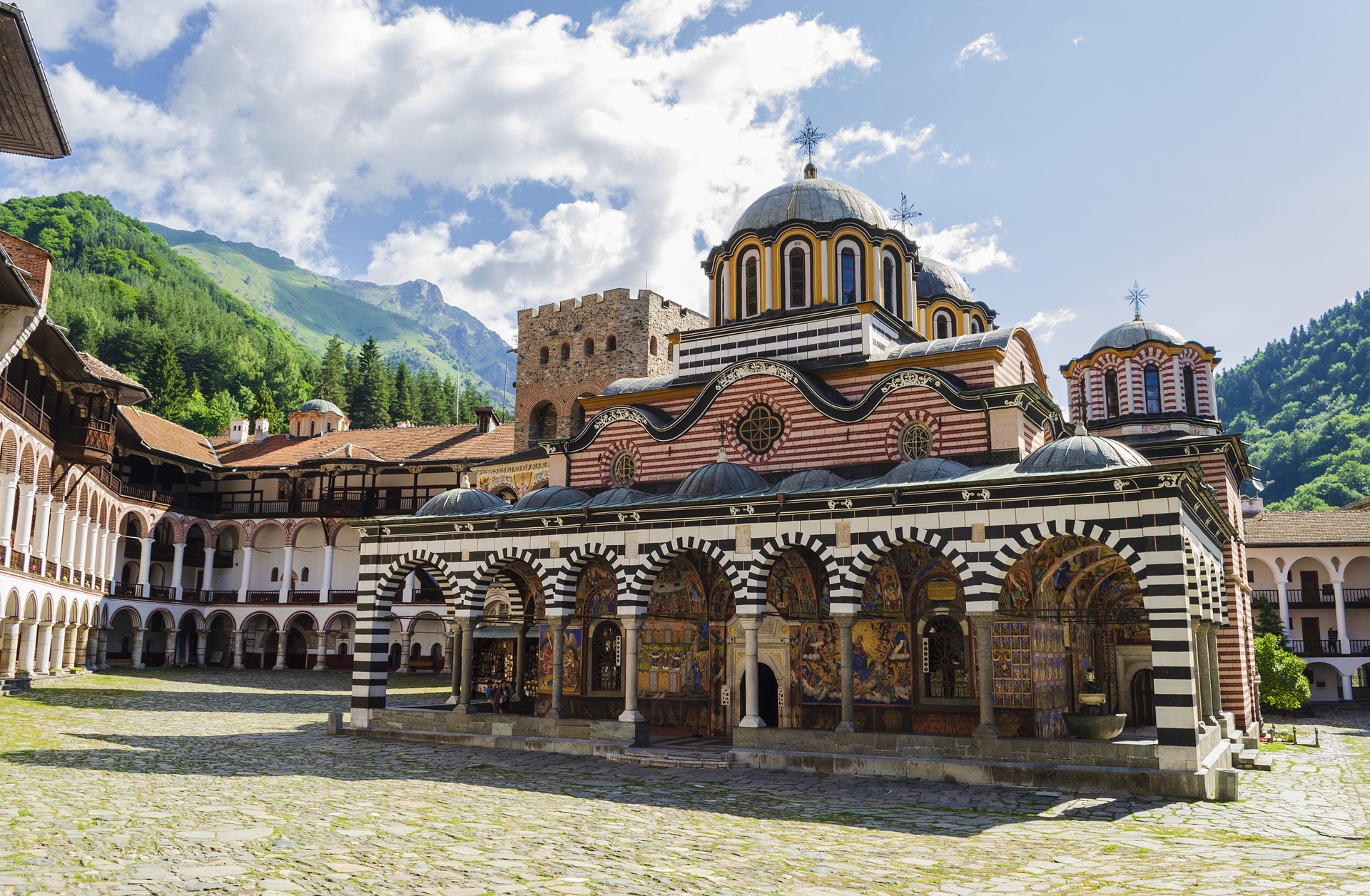
Ornate Rila Monastery church and courtyard in Bulgaria’s mountain landscape
Striped arcades, wooden balconies and the fresco-covered church sit beneath steep forested mountains.
Standing there with the mountains above the rooftops and an occasional church bell in the background made the monastery feel far more isolated than the road journey from Sofia suggested.
Sofia to Rila is roughly 120 km and around two hours by road in normal conditions. Winter weather can slow the final mountain section.
The Nativity Church and its frescoes are part of an active religious complex rather than simply an attraction. Current monastery opening hours vary seasonally and are worth checking close to travel.
Continuing from Rila toward Plovdiv makes this the longest practical day of the route.
By car, the onward journey takes roughly 2 hr 45 min depending on traffic and route.
That was enough movement for one day without adding Bansko as another stop.
Stay: Plovdiv.
Days 4–5: Plovdiv
Plovdiv was the Bulgarian city where I most wanted more time.
Its ancient history is obvious, but what made it work for me was how easily that history blended into a living modern city.
Day 4: Old Town, Roman Theatre and Kapana
The Old Town's Revival-era houses, hills and cobbled streets rewarded wandering.
I particularly liked the Roman Theatre because it did not feel sealed away in an archaeological zone.
It still seemed integrated into the city around it.
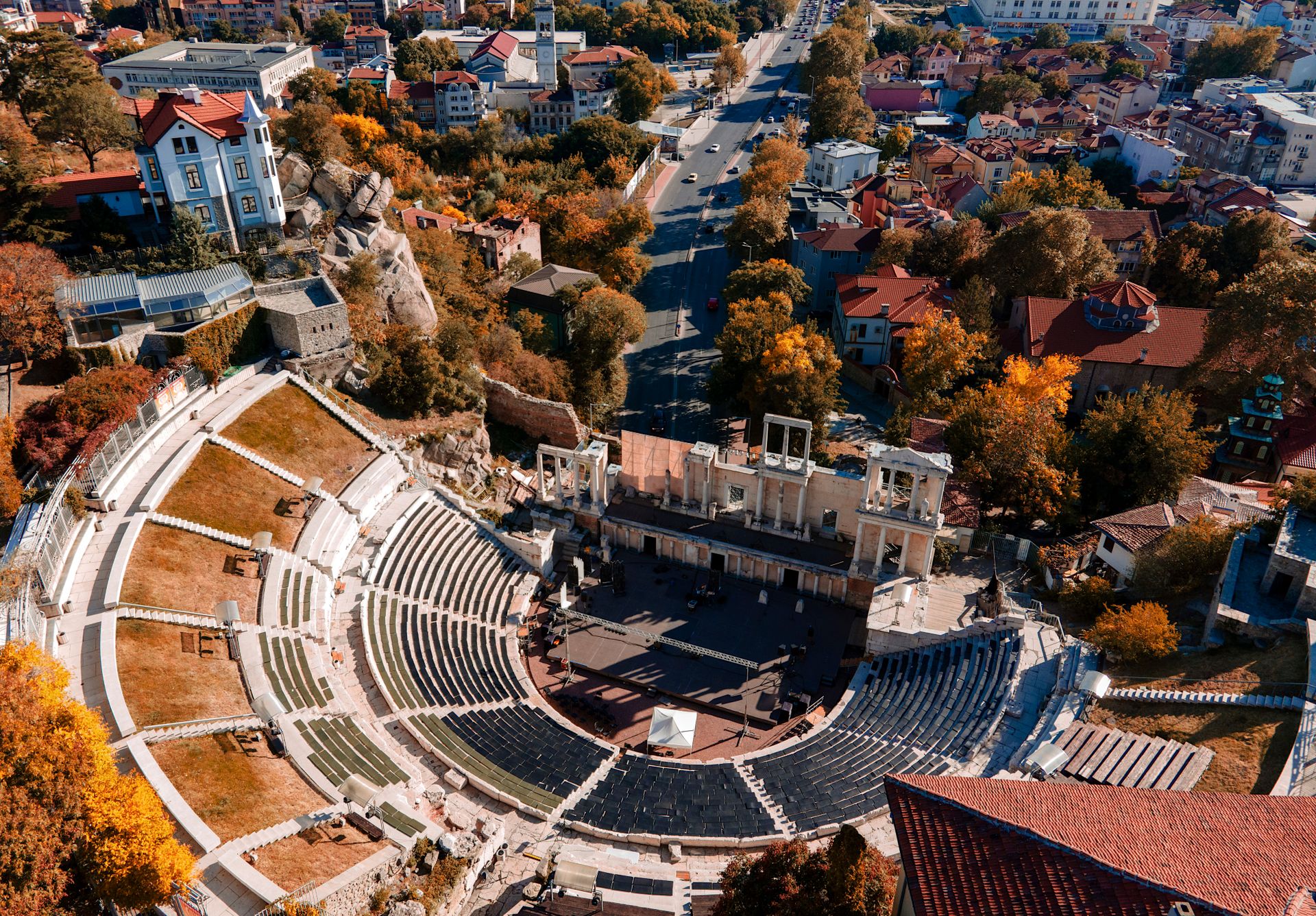
Ancient Roman Theatre of Philippopolis in Plovdiv, Bulgaria
Kapana then changed the atmosphere completely.
Cafés, bars, galleries and street art gave the creative district an energy that contrasted with the Old Town without competing with it.
That combination is why Plovdiv felt like more than a collection of historical sites.
Stay: Plovdiv.
Day 5: Plovdiv to Veliko Tarnovo
The journey north is roughly 200 km.
Current direct buses take around 3 hr 20 min, although schedules are not especially frequent and can change.
Once in Veliko Tarnovo, the steep old town and views over the Yantra River immediately explained why the city feels so different from Plovdiv.
Samovodska Charshiya was one of the areas I enjoyed most.
The artisan workshops felt connected to the city rather than like a purpose-built souvenir district.
Later in the day, the views toward Tsarevets began to reveal the setting that defines Veliko Tarnovo.
Stay: Veliko Tarnovo.
Day 6: Tsarevets and the medieval landscape
The first time I saw Tsarevets Fortress rising above the cliffs with the Yantra curving below, it looked exactly like the setting I had imagined for a medieval capital.
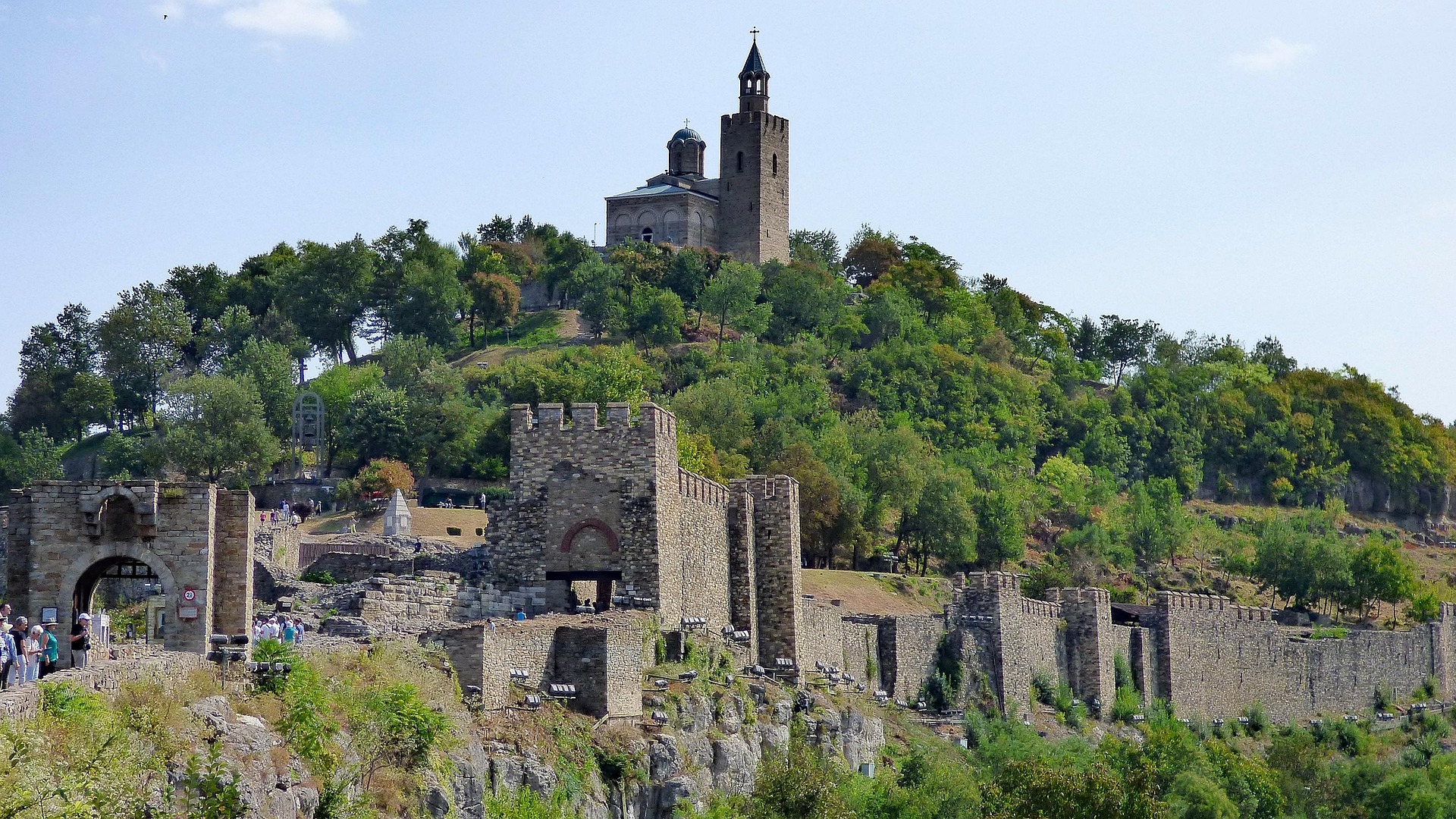
Historic Tsarevets Fortress and Patriarchal Cathedral in Veliko Tarnovo, Bulgaria
That view is why Veliko Tarnovo never felt like somewhere that belonged in a two-hour stop.
Walking through the fortress made the steep geography even clearer.
I particularly liked the city in softer evening light, when the fortress walls changed colour and the hills became more pronounced from the viewpoints.
The Sound and Light Show can add another dimension when a public performance happens to coincide with the visit, but it does not operate publicly every evening.
Stay: Veliko Tarnovo.
Day 7: The return toward Sofia
Veliko Tarnovo is far enough from Sofia that the final day naturally becomes part of the journey home when the international flight leaves from the capital.
The road journey takes roughly three hours depending on traffic and route.
That distance is also why I am happier leaving the morning relatively empty.
A late flight creates some breathing room; an early departure can make a final night nearer Sofia more practical.
Trying to insert another town into that gap would change the route from focused to hurried very quickly.
What having a car changed
A car is most valuable around Rila Monastery.
Sofia, Plovdiv and Veliko Tarnovo can all be linked by public transport, but Rila is the section where independent transport makes the route much cleaner.
It allows the monastery visit to continue toward Plovdiv rather than returning to Sofia.
Without a car, the route naturally becomes more like:
Sofia → organised Rila day trip → Sofia → Plovdiv → Veliko Tarnovo
That adds some backtracking but simplifies the public-transport problem.
Bulgaria uses an electronic road vignette on many national roads and motorways, so rental arrangements need to account for it.
How much driving is involved?
These are planning estimates. Mountain weather, roadworks and city traffic can change them.
How the Black Sea changed my view of a summer route
Nessebar is the coastal place that most changed how I think about a summer week in Bulgaria.
I stayed overnight there, and the difference after the day-trippers left was dramatic.
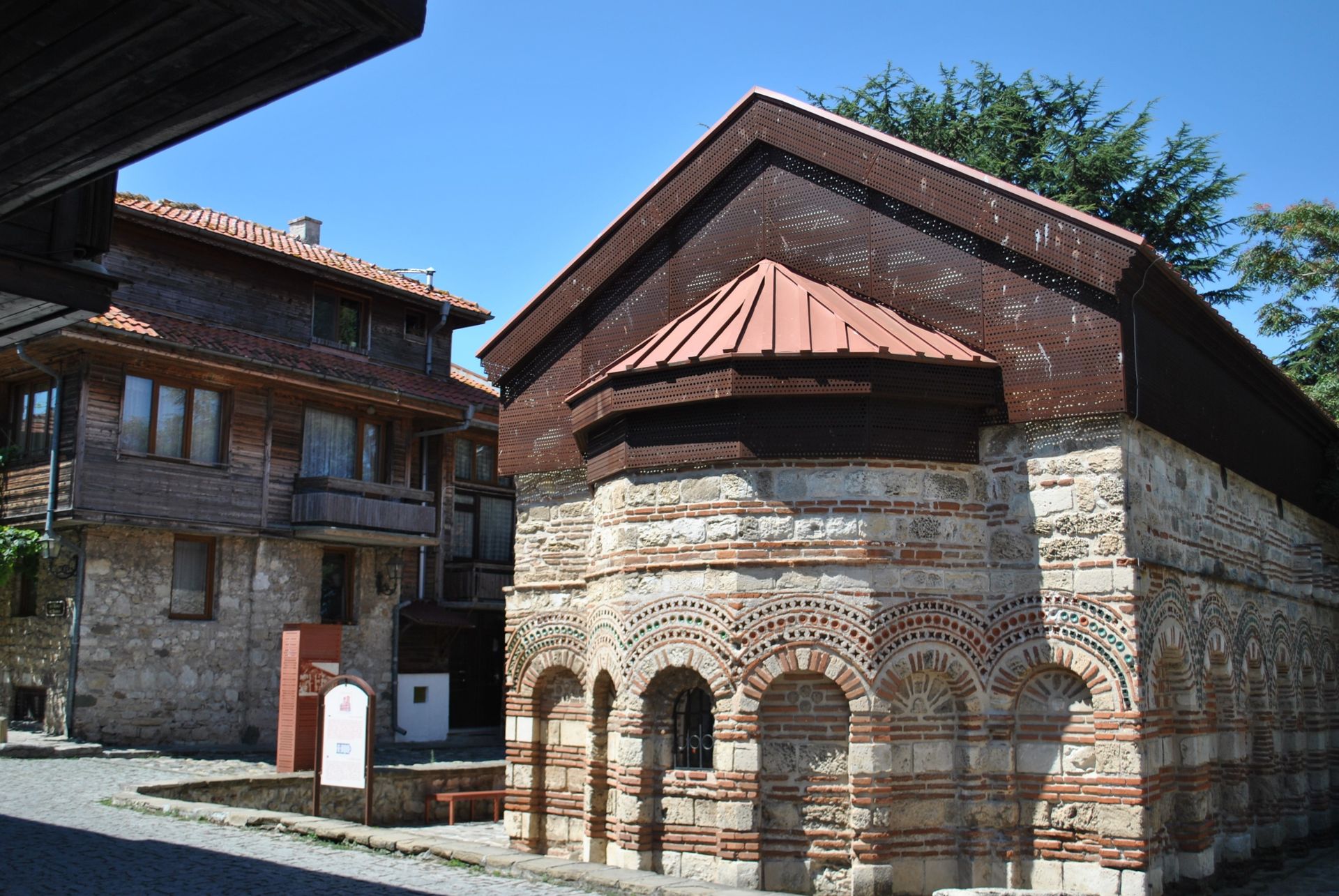
Byzantine-style church in Nesebar, showcasing ancient architecture
The old peninsula became much quieter.
Walking through lanes between Byzantine churches with the Black Sea beside them became one of my favourite evenings in Bulgaria.
That experience makes the coast a genuine alternative route in summer rather than an extra destination bolted onto this one.
A summer version could look more like:
Sofia → Rila Monastery → Plovdiv → Nessebar / Black Sea
The trade is Veliko Tarnovo.
Trying to include both opposite sides of the country in the same week would remove the slower evening in Nessebar that made the coast memorable for me.
Where Bansko fits
Bansko made the most sense to me through the contrast between mountain activity and the old town.
After a day in the mountains, sitting in a traditional mehana with Bulgarian food, wine and live music felt much more memorable than treating the town simply as a lift station.
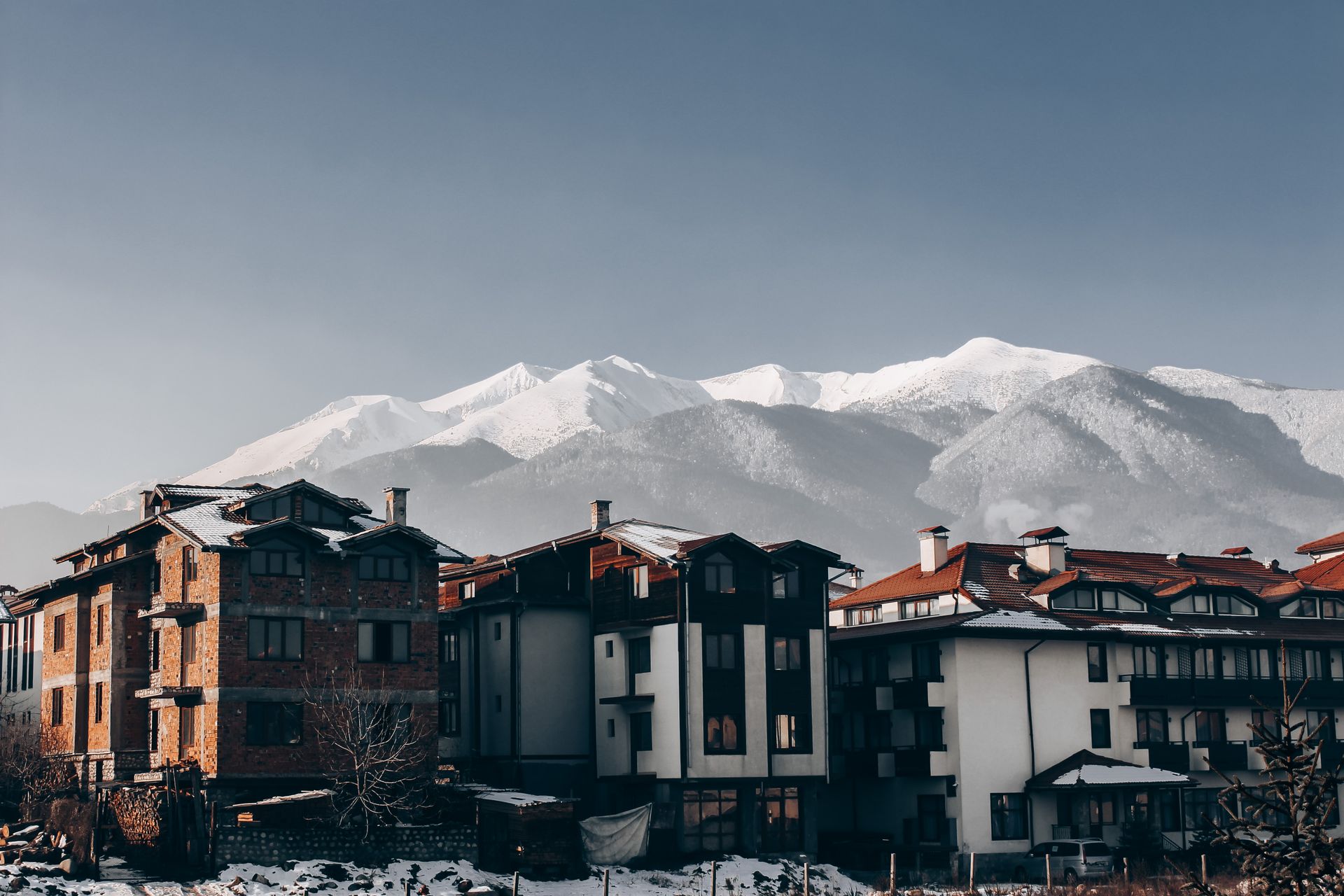
Snow-covered buildings in Bansko Old Town
That makes Bansko especially relevant for a winter or hiking-focused trip.
A route such as Sofia → Rila Monastery → Bansko → Pirin/Rila Mountains → Plovdiv is a different version of Bulgaria rather than an extension of the main itinerary.
Why the Rose Valley is seasonal for me
I visited the Rose Valley during the harvest.
Arriving just after sunrise with pink Damask roses stretching toward the mountains gave the landscape an atmosphere that would be impossible to reproduce outside flowering season.
That is why Kazanlak becomes much more compelling around late May and early June.
In that narrow window, replacing part of the Veliko Tarnovo section can make sense.
Outside the rose season, the main route remains stronger for me.
When this Bulgaria route works best
Spring and autumn create some of the easiest conditions for the main cultural route.
Sofia, Plovdiv, Rila Monastery and Veliko Tarnovo are comfortable without the strongest summer heat, while road travel is generally simpler than in winter mountain conditions.
Summer changes the appeal of the Black Sea and hiking.
Winter changes the balance again, making Bansko and the Pirin Mountains much more relevant.
The season therefore changes more than the weather. It can change which version of Bulgaria is worth building the week around.
Have You Seen Our Travel Concierge Service?
Your trip, planned by local experts
We are not a travel agent - we design custom itineraries around your budget and style, without receiving commissions or booking fees.
Custom itinerary
Built around your dates, budget, and travel style.
Local expert knowledge
Recommendations from people on the ground, not review sites.
Travel smarter, spend less
We optimise for your budget to make your money go further.
What seven days in Bulgaria felt like
Seven days was enough for a strong first trip because the four main stops felt genuinely different.
Sofia revealed itself gradually.
Rila Monastery gave me one of the most atmospheric mornings of the trip.
Plovdiv combined ancient history with a city I wanted to keep exploring.
Veliko Tarnovo ended the route with a completely different medieval landscape.
Bulgaria is compact compared with many countries, but that never made me feel that every worthwhile place belonged in the same week.
The Black Sea, Bansko and the Rose Valley became better options once I started seeing them as different seasonal versions of Bulgaria rather than missing pieces from one itinerary.