

Panama gave me far more than I expected from a country I'd once thought of mainly as a stopover.
I found a modern capital, tropical islands, quiet Pacific beaches, lush mountain towns, and Caribbean communities with cultures that felt completely distinct from the mainland. Even the Panama Canal was far more interesting to experience in person than I'd anticipated.
What I loved most was how much could change within a relatively short journey.
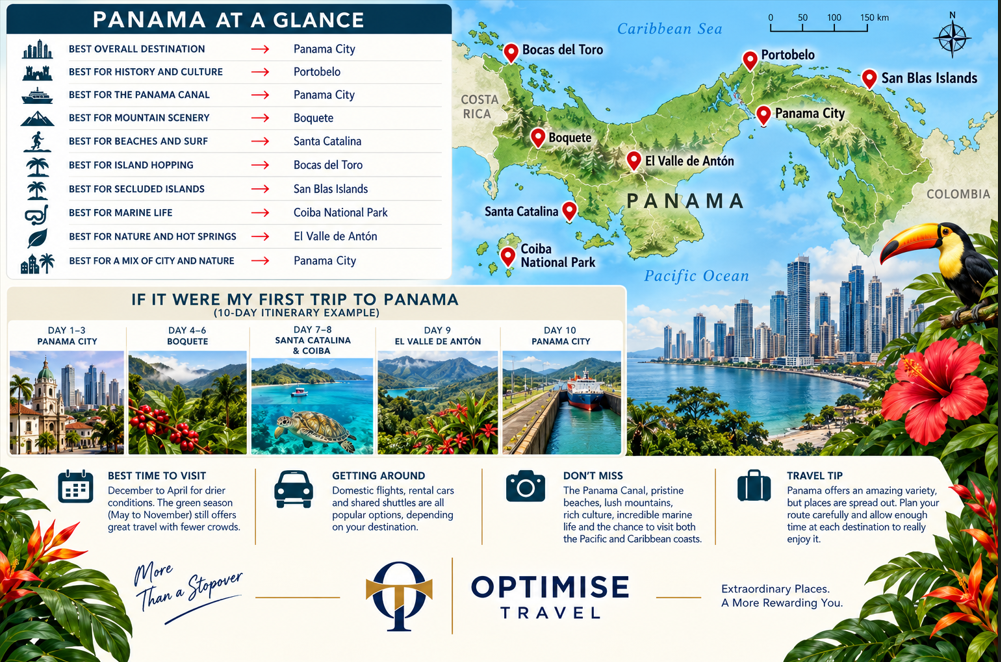
These are the 10 places in Panama I'd make room for on your trip.
Have You Seen Our Travel Concierge Service?
Your trip, planned by local experts
We are not a travel agent - we design custom itineraries around your budget and style, without receiving commissions or booking fees.
Custom itinerary
Built around your dates, budget, and travel style.
Local expert knowledge
Recommendations from people on the ground, not review sites.
Travel smarter, spend less
We optimise for your budget to make your money go further.
The Panama Canal
(pronounced: PA-na-ma)
The Panama Canal at a glance
Between Panama City and Colón, crossing central Panama
Engineering, history, boat trips, and rainforest scenery
Half a day, or full day for a partial canal transit
First time visitors, history lovers, and families
Impressive, fascinating, and enormous
Year-round, with December to April offering drier weather
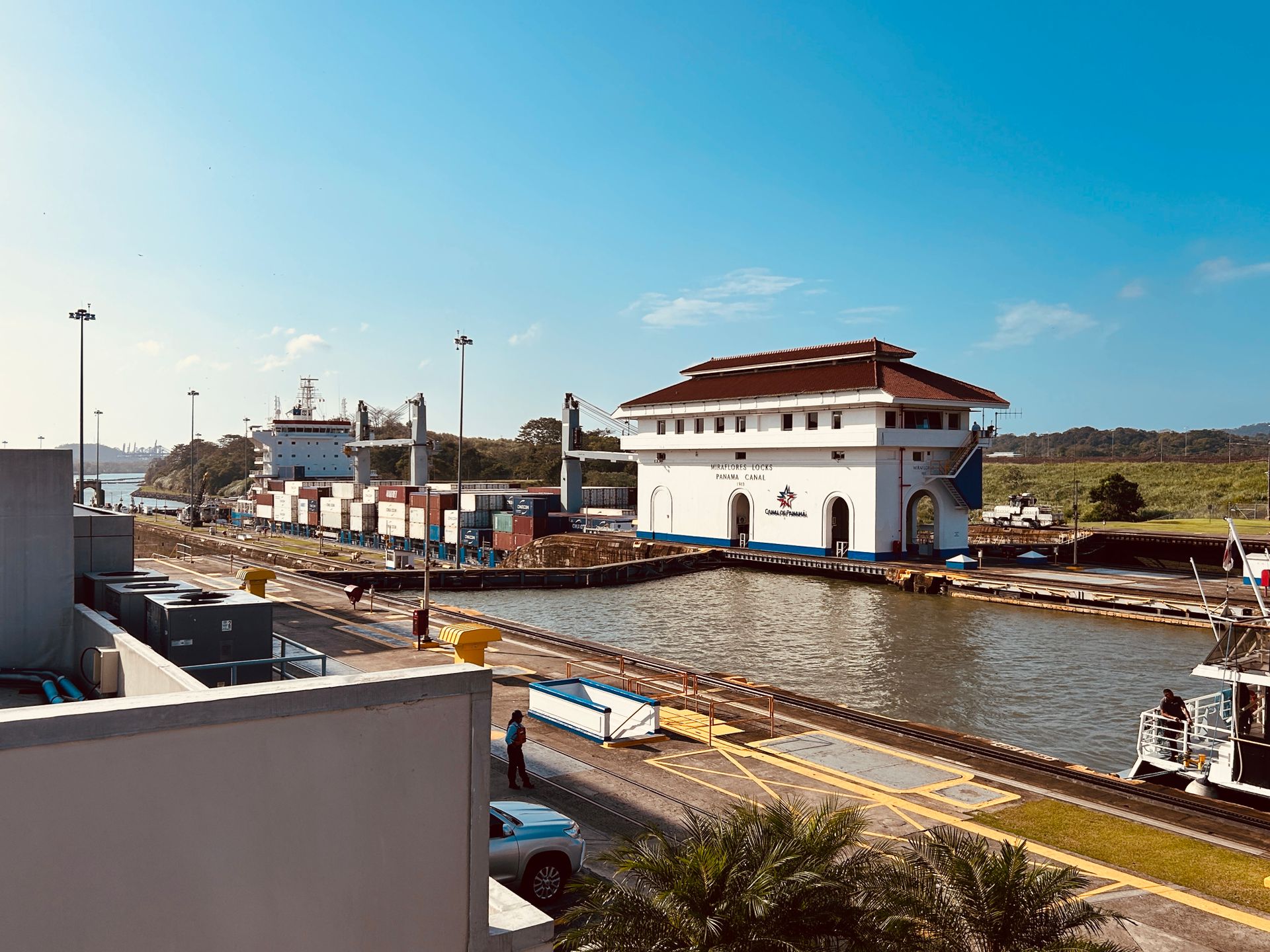
I knew the Panama Canal would be impressive, but I wasn't prepared for how much more interesting it became once I could watch it in action.
I visited the Miraflores Locks, where I stood on the observation deck as enormous container ships slowly moved through below me. Seeing the gates close and the water level change really put the engineering into perspective.
I'd read about how the canal worked before arriving, but watching a ship effectively being lifted between different water levels made much more sense.
The scale was what stayed with me. These ships looked huge even from the viewing platform, yet they were being carefully guided through a system that has connected the Atlantic and Pacific for more than a century.
I also hadn't expected the canal itself to be so scenic. Beyond the locks, much of the waterway passes through dense tropical forest, so monkeys and colourful birds can appear remarkably close to one of the world's busiest shipping routes.
For me, the Panama Canal absolutely lived up to its reputation. It wasn't something I simply ticked off because I was in Panama. I genuinely enjoyed seeing it.
How the Panama Canal fits into your Panama itinerary
I'd visit the Miraflores Locks while staying in Panama City, since they're only a short trip from the centre. Half a day worked well for the locks, but I'd allow a full day if you want to experience the canal from the water on a partial transit.
I'd check the expected ship transit times before heading to Miraflores. The experience is much better when you can actually watch a large vessel pass through the locks rather than arriving during a quiet period.
Panama City and Casco Viejo
(pronounced: PA-na-ma / KAS-koh vee-EH-hoh)
Panama City and Casco Viejo at a glance
Pacific coast of central Panama
History, food, nightlife, city views and nature
3 nights
First-time visitors, foodies, history lovers, and couples
Cosmopolitan, historic, energetic, and contrasting
December to April
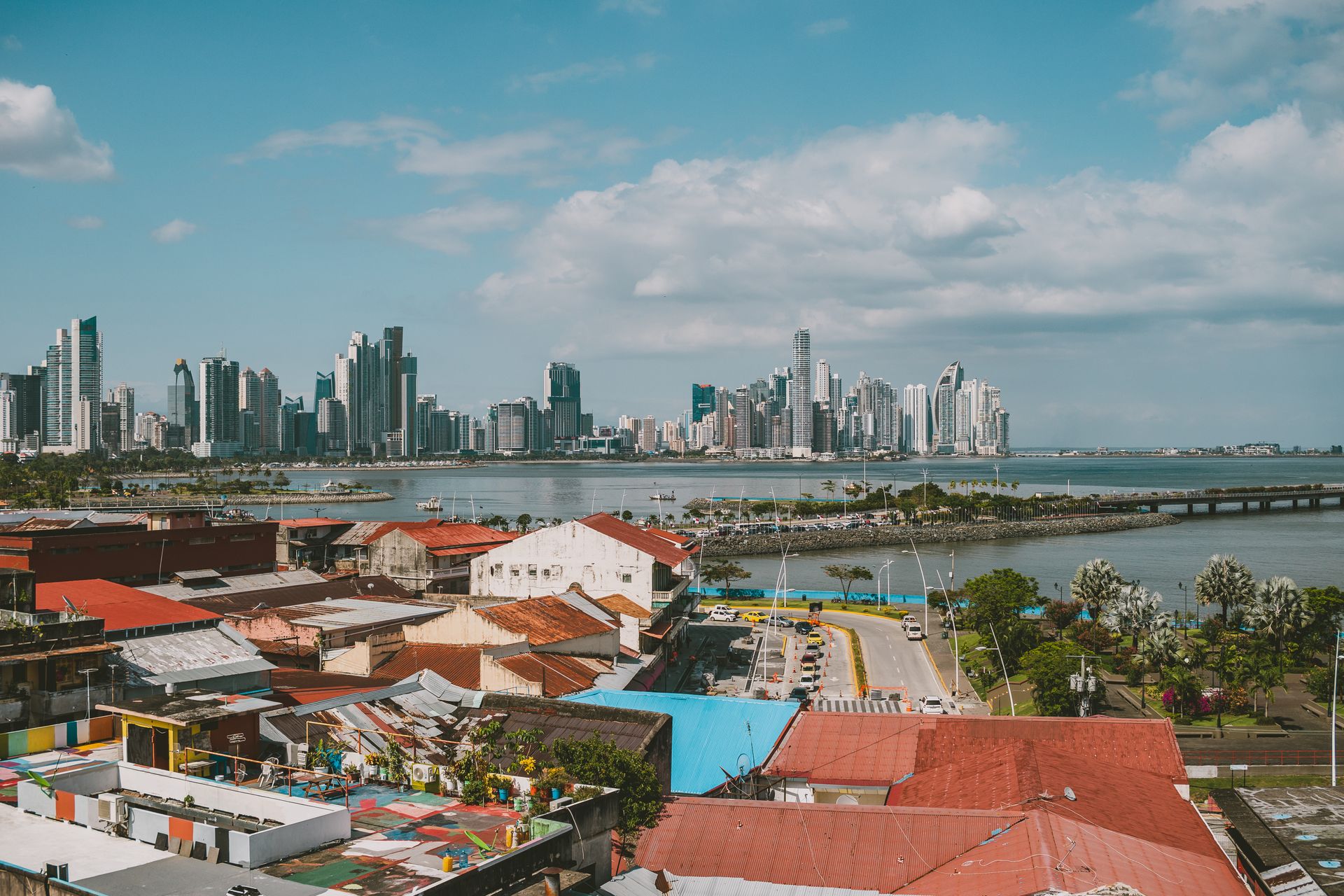
Panama City was one of those capitals where I enjoyed the contrasts as much as the individual sights.
One moment I was looking across the bay at a skyline that felt surprisingly modern, and the next I was wandering the colourful colonial streets of Casco Viejo.
I loved exploring the historic quarter, but one of the experiences my partner and I really enjoyed was visiting Cerro Ancón (Ancon Hill).
This protected green space rises above the city, and walking through the forest felt remarkably removed from the traffic and skyscrapers below.
We spotted sloths, monkeys, toucans, and other tropical birds along the way, which made it feel more like a nature walk than something I'd expected to find in the middle of a capital city.
I also explored the ruins of Panama Viejo and spent time around the waterfront before trying fresh ceviche at the fish market.
Three nights felt about right. It gave me time to experience the historic and modern sides of Panama City without rushing, while still leaving room for the canal and some surprisingly accessible nature.
How Panama City and Casco Viejo fit into your Panama itinerary
I'd spend the first three nights of a Panama itinerary here. Panama City makes a practical starting point for exploring Casco Viejo, Panama Viejo, Cerro Ancón and the Panama Canal before travelling deeper into the country.
I'd visit Cerro Ancón early in the morning when temperatures are cooler and wildlife tends to be more active. The views over Panama City and towards the canal were an added bonus.
Coiba National Park
(pronounced: koh-EE-ba)
Coiba National Park at a glance
Pacific Ocean off Panama's southwest coast, reached from Santa Catalina
Snorkelling, scuba diving, marine wildlife, and remote beaches
3-4 nights in Santa Catalina
Wildlife lovers and adventurous travellers
Remote, wild, pristine, and adventurous
December to April
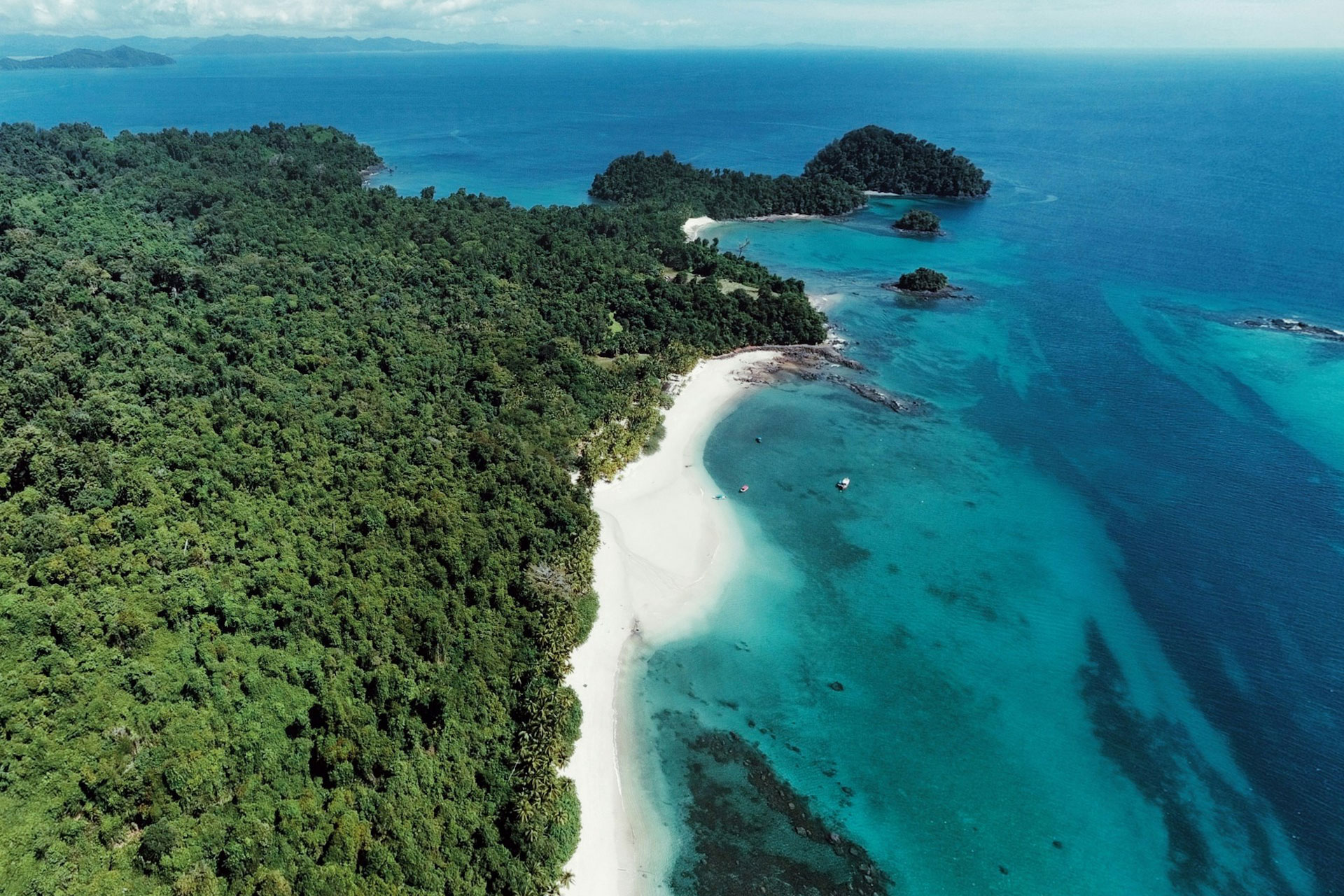
Coiba gave me some of the best snorkelling I've ever experienced. The journey out from Santa Catalina already made the national park feel remote, but once I was in the water, I understood why this part of Panama has such a strong reputation for marine life.
The amount happening beneath the surface was incredible. I saw huge schools of colourful fish along with rays, turtles and sharks, and the water felt genuinely alive everywhere I looked.
It was the kind of snorkelling where I didn't want to get back on the boat.
Coiba's history as a former penal colony also helped protect it from development for decades. Today, much of the island and surrounding marine environment still feels remarkably untouched, with dense jungle, deserted beaches and clear Pacific water.
I was snorkelling, but scuba divers have even more reason to come. Coiba is considered one of the standout diving destinations in the eastern Pacific, and I found the diving here surprisingly affordable compared with many other world-class destinations.
I gave myself four nights in Santa Catalina, so I had enough flexibility for at least one full day exploring Coiba.
How Coiba National Park fits into your Panama itinerary
I'd make Santa Catalina a dedicated three or four-night stop on a longer Panama itinerary. Coiba takes more effort to reach than many of Panama's highlights, but for me, the quality of the snorkelling alone made the detour worthwhile.
If you're coming primarily for snorkelling or diving, I'd leave some flexibility in your schedule. Boat trips and visibility can be affected by sea conditions, so having more than one possible day gives you a better chance of experiencing Coiba at its best.
Santa Catalina
(pronounced: SAN-ta ka-ta-LEE-na)
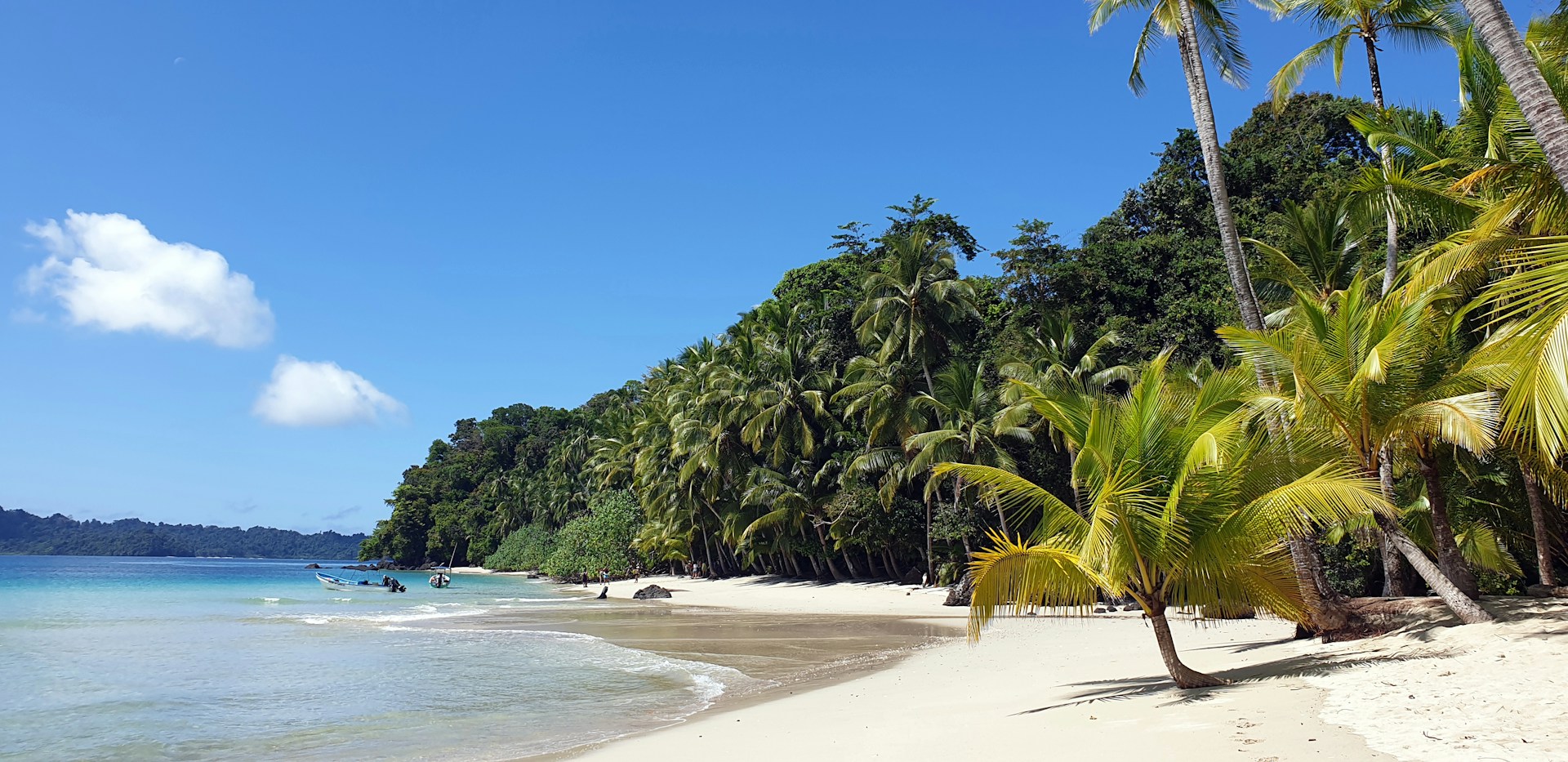
Santa Catalina at a glance
Pacific coast of Veraguas Province, southwestern Panama
Surfing, beaches, seafood, and access to Coiba National Park
3-4 nights
Surfers, backpackers, couples, divers, laid-back beach lovers
Sleepy, rustic, surf-focused, easygoing
Year-round, or February to August for bigger surf
Santa Catalina was exactly the kind of beach town I hoped I'd still find in Panama.
It's tiny, a little rough around the edges, and there really isn't much to do unless you count surfing, eating seafood, watching the sunset, and heading out on the water. I loved it for exactly that reason.
Surfing is a big part of life here, and it was fun simply watching experienced surfers take on the famous point break.
The waves attract people from around the world, but the village itself never felt like a polished surf resort to me. Dirt roads, small restaurants, and boats pulled up along the beach were still very much part of the scenery.
I also enjoyed how easy it was to settle into a slower routine. After travelling around Panama, having somewhere that didn't come with a long sightseeing checklist was welcome.
Santa Catalina is also the main jumping-off point for Coiba National Park, which was one of the highlights of my trip and some of the best snorkelling I’ve ever experienced.
That alone made staying here worthwhile, but I wouldn't treat the village purely as somewhere to sleep before catching a boat.
Four nights gave me time for Coiba while still enjoying Santa Catalina itself.
How Santa Catalina fits into your Panama itinerary
I'd pair Santa Catalina directly with Coiba National Park rather than treating them as separate stops. Three nights gives you time for a full-day Coiba trip while still leaving some space for the beach, surfing and a slower afternoon or two.
I'd bring enough cash before arriving. Santa Catalina is small, and I wouldn't rely on having the same banking and payment options you'd find in Panama City or larger towns.
Santa Fé
(pronounced: SAN-ta FEH)
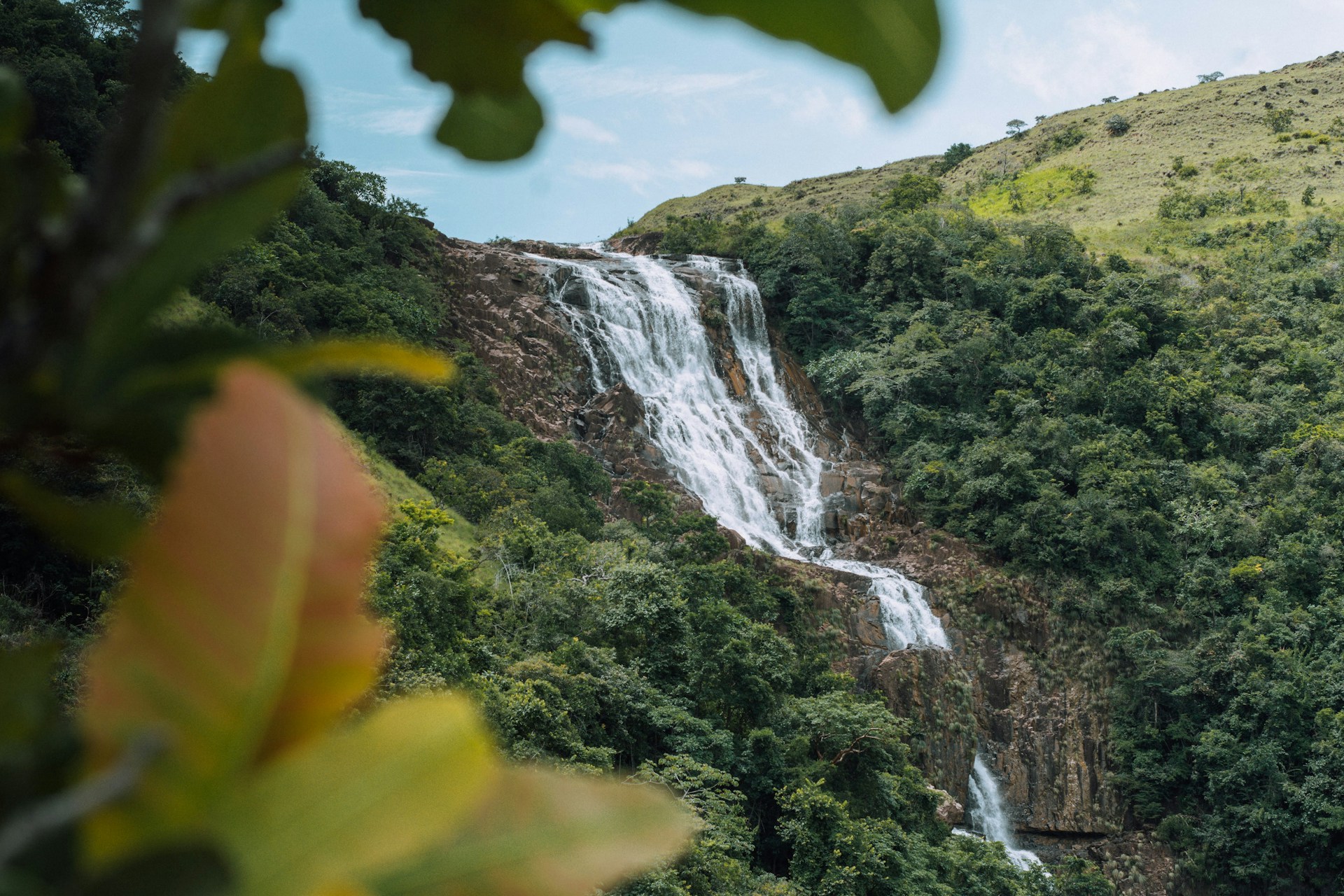
Santa Fé at a glance
Central highlands of Panama, Veraguas Province
Hiking, waterfalls, horseback riding, and coffee farms
2 nights
Nature lovers, hikers, couples, and slow travellers
Peaceful, rural, green, and refreshingly untouristy
December to April for best hiking conditions
Santa Fé was one of the quieter places I visited in Panama, and that was a big part of its appeal.
The town sits among lush green mountains, with waterfalls, rivers and forest all around it, but it felt far less developed for tourism than some of Panama's better-known highland destinations.
One of my favourite experiences here was horseback riding through the countryside. It was such a relaxed way to see the surrounding hills and rural landscape, and it suited Santa Fé's slower pace perfectly.
I also visited a small family-run coffee farm, which gave me a much more personal introduction to Panamanian coffee than I would have had on a larger commercial tour.
I enjoyed seeing how the coffee was grown and produced while actually spending time with the family behind it.
There was plenty of nature to fill the rest of my stay, from gentle hiking and birdwatching to waterfalls and natural swimming spots. Tubing down the area's clear rivers is another popular option that I will definitely do on my next visit.
Two nights felt like enough time to enjoy Santa Fé without rushing, although I could easily understand staying longer if you wanted a few genuinely quiet days in the mountains.
How Santa Fé fits into your Panama itinerary
I'd use Santa Fé as a two-night highland stop between Panama City and the Pacific coast. It pairs particularly well with Santa Catalina, giving you quiet mountain scenery before heading south for beaches, surfing and Coiba National Park.
I'd ask locally about guides and small family-run tours rather than booking everything before you arrive. Some of my favourite experiences here were the smaller, more personal ones.
El Valle de Antón
(pronounced: el VA-yeh deh an-TON)
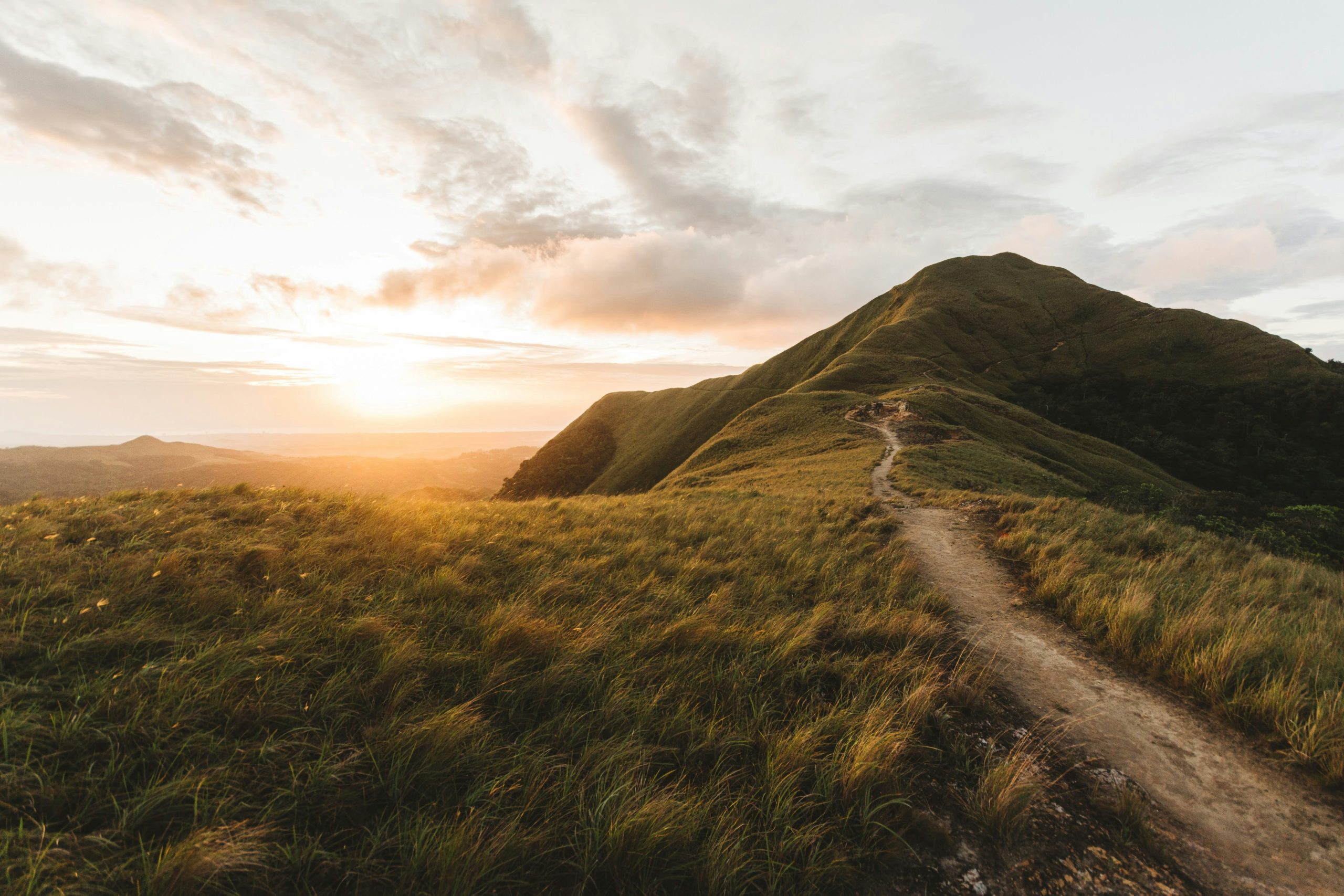
El Valle de Antón at a glance
Coclé Province, around 2 hours west of Panama City
Hiking, waterfalls, mountain scenery, markets and nature
1-2 nights
Hikers, nature lovers, families, and couples
Green, relaxed, outdoorsy, and refreshing
December to April
El Valle de Antón gave me an easy escape from Panama City's heat and energy without requiring a long journey into the highlands.
The town sits within an ancient volcanic caldera, surrounded by steep green ridges that made it feel surprisingly secluded considering how close I still was to the capital.
I spent much of my time outdoors. Hiking was one of the biggest draws, particularly the trails around La India Dormida, where the higher viewpoints opened up across the valley and surrounding mountains.
I also enjoyed exploring the waterfalls and seeing another side of Panama's incredibly green interior.
Back in town, I wandered through the local market, which was a nice change of pace after hiking. El Valle is popular with Panamanians escaping the capital for the weekend, and I liked that it felt as much like a local getaway as an international tourist destination.
What worked particularly well for me was the accessibility. I could experience mountain scenery, cooler air and plenty of nature without building a large detour into my itinerary.
I'd stay for at least one night rather than squeezing everything into a day trip.
How El Valle de Antón fits into your Panama itinerary
I'd place El Valle immediately after Panama City when travelling west. One or two nights here creates a natural transition from the capital into Panama's quieter mountain regions before continuing towards Santa Fé and the Pacific coast.
I'd try to visit midweek if your itinerary allows it. El Valle is a popular weekend escape from Panama City, so weekdays generally make for a quieter experience on the trails and around town.
Portobelo
(pronounced: por-toh-BEH-loh)
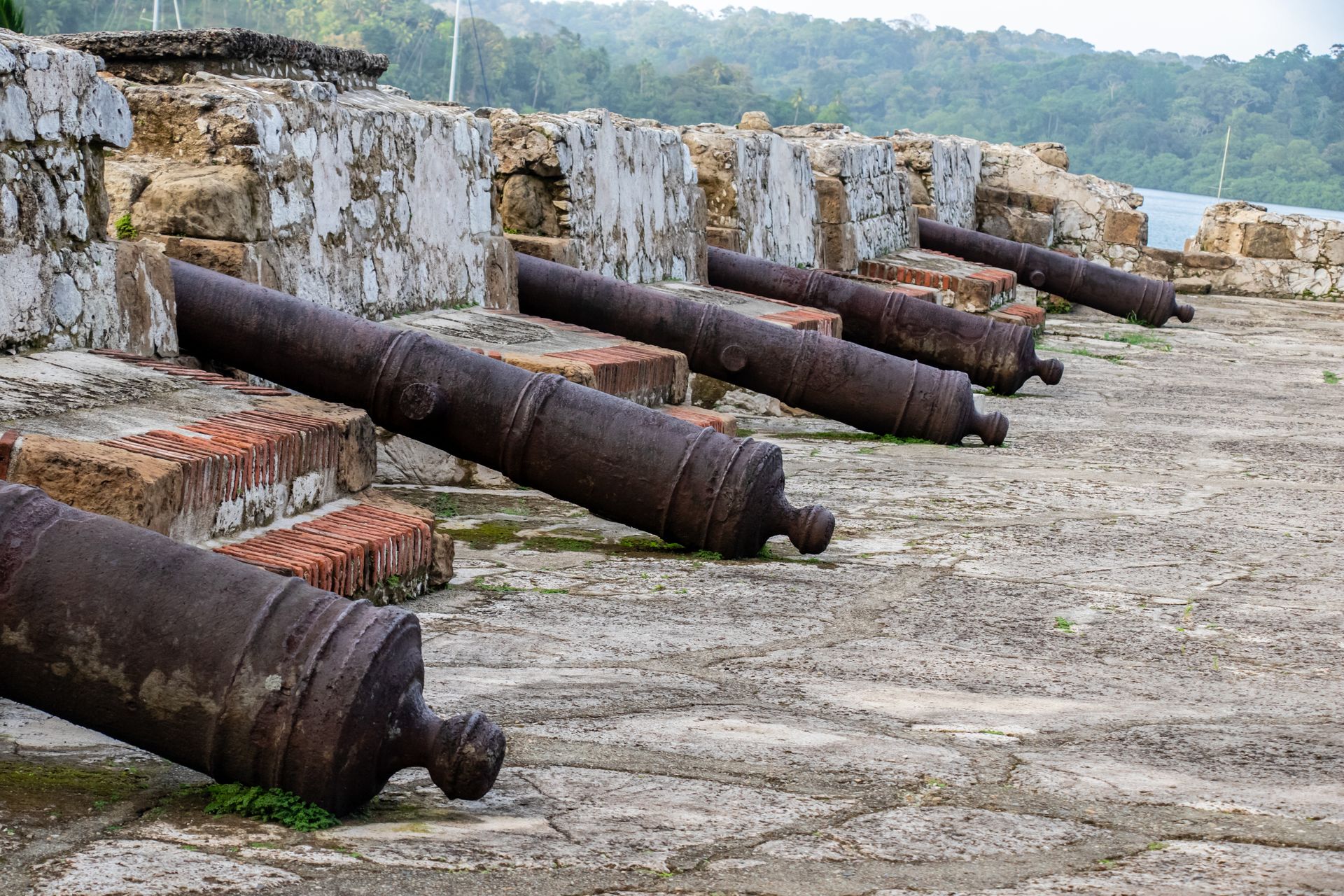
Portobelo at a glance
Caribbean coast of Colón Province, around 2 hours from Panama City
Colonial history, Afro-Panamanian culture, historic forts, Caribbean scenery
Day trip or 1 night
History lovers, photographers, and road trippers
Historic, colourful, atmospheric, and distinctly Caribbean
December to April
Portobelo showed me a completely different side of Panama. Set around a beautiful Caribbean bay backed by thick green jungle, it's a small town with a surprisingly important place in the country's history.
I spent time exploring the remains of the Spanish colonial fortifications overlooking the water. The old stone walls and cannons are reminders of when Portobelo was a major Spanish trading port, but I found the setting just as memorable as the history itself.
Seeing these centuries-old ruins surrounded by tropical vegetation and Caribbean coastline made them especially atmospheric.
What interested me even more was discovering Portobelo's living Afro-Panamanian heritage.
The town is an important centre of Congo culture, with traditions expressed through music, dance, art and festivals. I liked that Portobelo didn't feel preserved purely as a historic attraction. Its cultural identity is still very much alive.
I also visited the Iglesia de San Felipe, known for its revered Black Christ statue, another important part of the town's identity.
Portobelo worked well as a day trip, although staying overnight would offer a quieter experience once many visitors had left.
How Portobelo fits into your Panama itinerary
I'd visit Portobelo from Panama City or combine it with a longer journey along the Caribbean coast. It's close enough for a day trip, but one night makes sense if you want more time to explore the town at a slower pace.
Before visiting, I'd check whether any local cultural events or Congo performances coincide with your dates. Experiencing Portobelo's heritage through music or dance would add another dimension to the historic sites.
Boquete
(pronounced: boh-KEH-teh)
Boquete at a glance
Chiriquí Highlands of western Panama, near Volcán Barú
Coffee, hiking, cloud forests, and adventure activities
3 nights
Coffee lovers, hikers, birdwatchers, and couples
Cool, green, outdoorsy, and relaxed
December to April
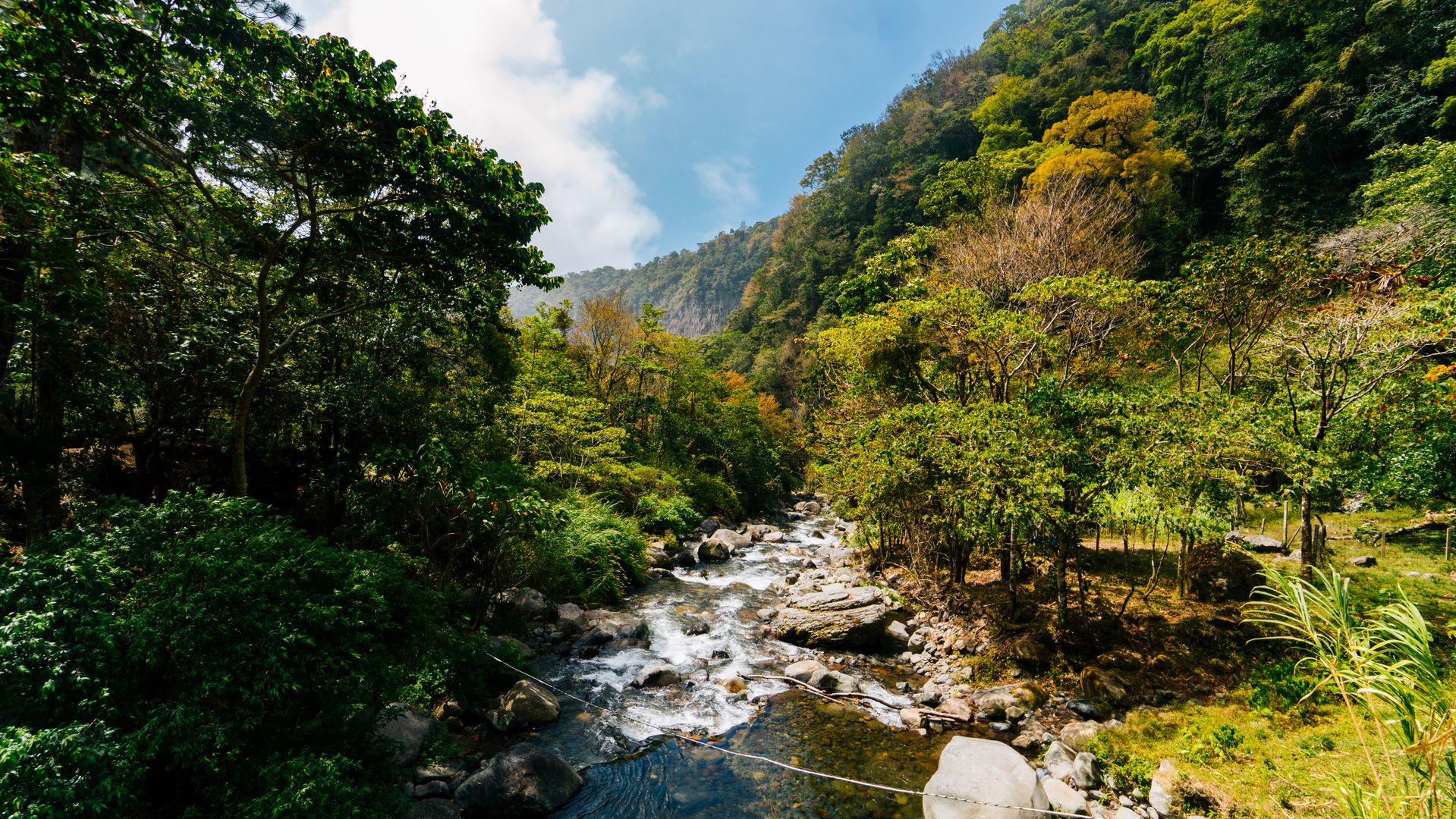
Boquete combined two things I particularly enjoy when travelling: getting outdoors and finding really good local coffee. Sitting high in Panama's western mountains, the cooler temperatures were immediately noticeable after spending time along the coast.
Coffee is a huge part of Boquete's identity. The surrounding volcanic slopes produce some exceptional beans, including Panama's famous Geisha coffee, and visiting a local coffee farm gave me a much better appreciation for what goes into each cup.
I loved being able to see where the coffee was grown and then taste it right there in the highlands.
Away from the farms, I spent time exploring the surrounding cloud forest. The trails here are wonderfully lush, with waterfalls, mountain views and excellent birdwatching.
The colourful resplendent quetzal is the bird everyone hopes to spot, although there's plenty of other wildlife along the way.
Boquete is also one of Panama's best bases for adventure, with ziplining, rafting and challenging hikes nearby. The biggest is Volcán Barú, Panama's highest mountain.
I'd stay for at least three nights. There was enough variety here that I never felt like I was visiting solely for the coffee or the scenery.
How Boquete fits into your Panama itinerary
I'd make Boquete my main highland stop when exploring western Panama. It pairs naturally with the Pacific coast and works particularly well before or after Santa Catalina, giving you a completely different landscape between Panama's beaches and islands.
If seeing a resplendent quetzal is high on your list, I'd take an early-morning guided birdwatching walk. Having someone who knows where to look dramatically improves your chances of spotting one in the forest.
Bocas del Toro
(pronounced: BOH-kas del TOH-roh)
Bocas del Toro at a glance
Caribbean coast of northwestern Panama
Island hopping, beaches, snorkelling, surfing, and nightlife
3-4 nights
Beach lovers, couples, and backpackers
Tropical, lively, laid-back, and distinctly Caribbean
September to October
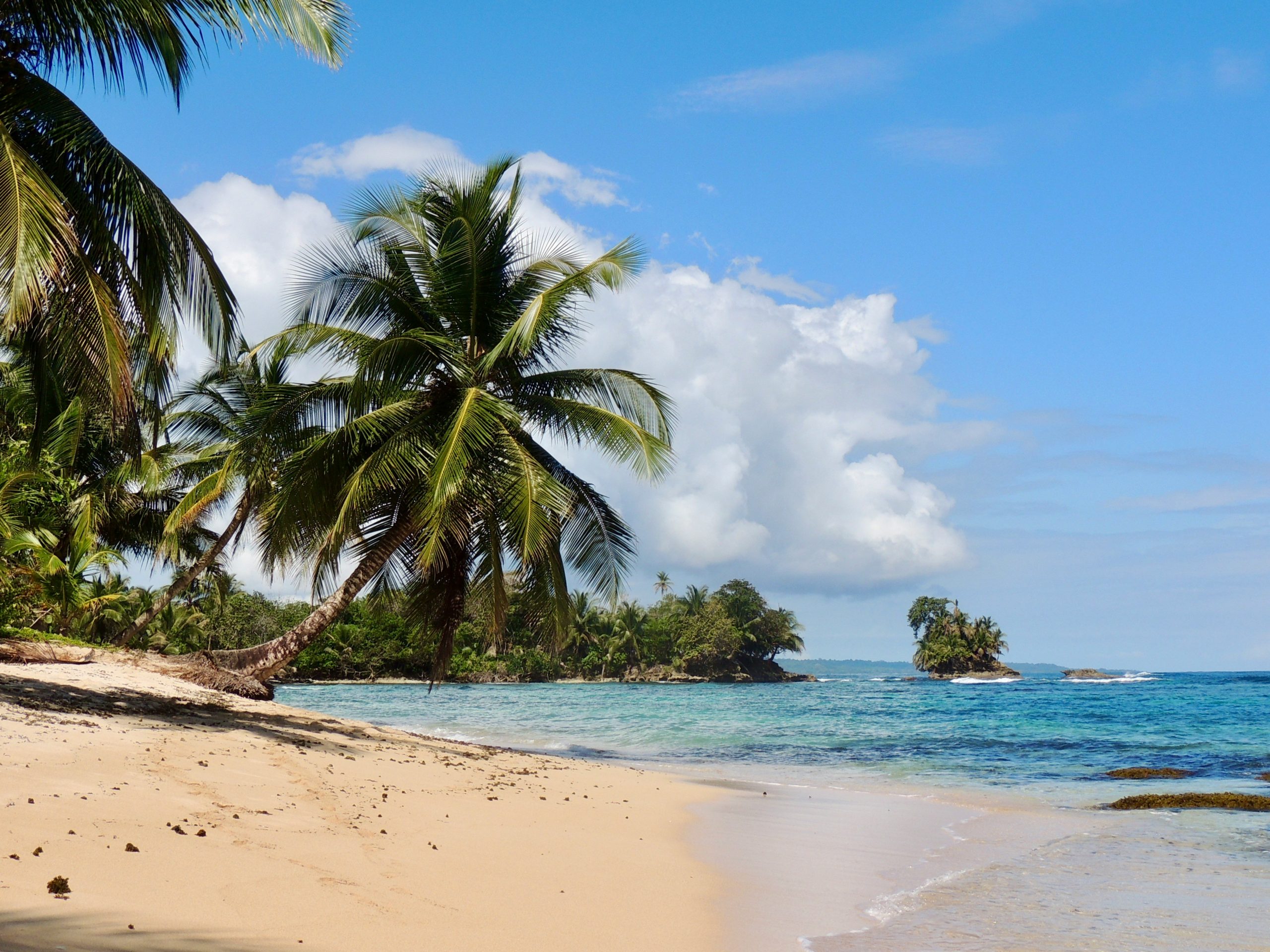
Bocas del Toro was where Panama really started to feel Caribbean to me. Instead of roads connecting everything, I found myself hopping into water taxis and travelling between jungle-covered islands, small communities and beaches scattered around the archipelago.
I loved the freedom of exploring by boat. One trip could take me somewhere lively for lunch and the next to a much quieter stretch of sand where there seemed to be very little around besides clear water and tropical forest.
Snorkelling was another highlight, with warm Caribbean water and plenty of marine life to look for.
Bocas Town gave the trip a completely different energy. After spending the day on the water, I could come back to waterfront restaurants, bars, and a much livelier atmosphere after dark.
I enjoyed having both sides of Bocas available without needing to choose between a relaxing island escape and somewhere with plenty going on.
The weather was probably the biggest wildcard. Tropical showers can appear quickly here, so I found it better not to plan every day too rigidly.
I'd stay at least three nights, although four would give you more flexibility for island hopping and beach days.
How Bocas del Toro fits into your Panama itinerary
I'd make Bocas del Toro a three or four-night stop when exploring western Panama. It pairs especially well with Boquete, letting you move from cool mountain scenery and coffee country to a completely different Caribbean island experience.
I'd avoid choosing accommodation based purely on how beautiful and remote it looks. Check how easy and expensive it is to reach Bocas Town and other islands by water taxi, especially if you plan to go out for dinner or nightlife.
San Blas Islands
(pronounced: san BLAHS)
San Blas Islands at a glance
Caribbean coast of northeastern Panama, in the Guna Yala territory
Island hopping, snorkelling, beaches, and Guna culture
2-3 nights
Beach lovers, couples, snorkellers, and cultural travellers
Remote, idyllic, and peaceful
December to April
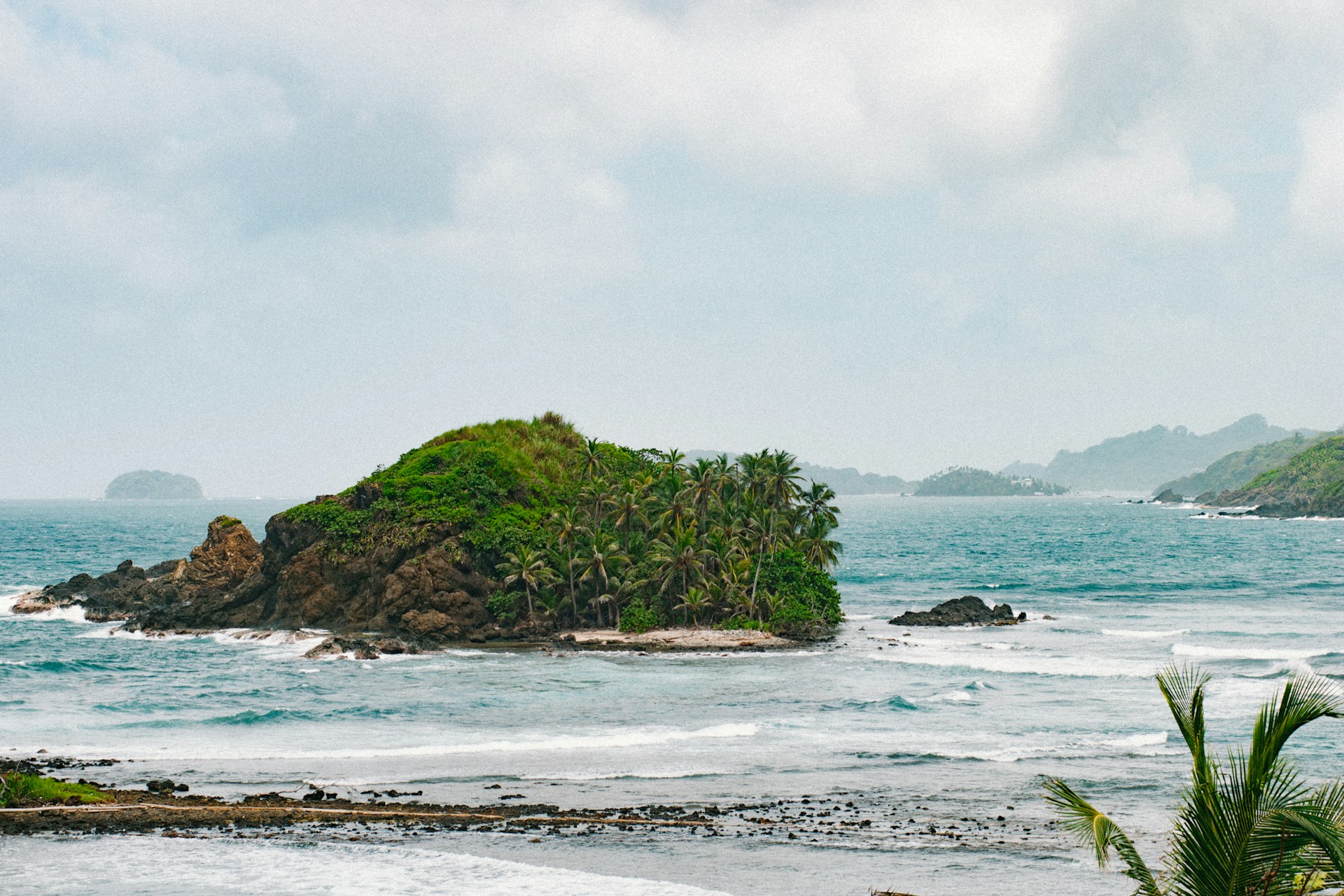
The San Blas Islands came remarkably close to the picture I'd always had in my head of a perfect Caribbean escape.
Some islands were little more than white sand, a handful of palm trees and unbelievably clear turquoise water, and I loved how simple everything felt once I arrived.
There are no sprawling resorts here. I stayed in basic accommodation run by the local Guna community, ate fresh fish and coconut rice, and spent my time swimming, snorkelling and travelling between islands by boat.
It was a completely different experience from Panama's more developed beach destinations.
What made San Blas particularly memorable for me, though, was learning about the Guna people who govern the territory and have maintained a strong cultural identity.
I especially loved seeing the colourful molas created by Guna women. These intricate textile panels are traditionally sewn by hand and immediately stood out for their detailed patterns and vivid colours.
The simplicity is part of what I enjoyed most. Wi-Fi and modern comforts can be limited, but I didn't come here for either.
I'd stay at least two nights. A day trip wouldn't have given me the same feeling of properly disconnecting.
How the San Blas Islands fit into your Panama itinerary
I'd add San Blas as a two or three-night escape from Panama City, either near the beginning or end of a longer trip. The journey takes some effort, but that remoteness is a huge part of what made the islands so memorable for me.
I'd bring cash, drinking water, sun protection, and anything essential with you from Panama City. Facilities vary considerably between islands, and I'd rather arrive prepared than expect resort-style amenities once there.
Panama itinerary ideas
Panama looks compact on a map, but I wouldn't try to squeeze the whole country into one trip. Some of my favourite places, particularly Santa Catalina, Boquete and Bocas del Toro, require a decent amount of travel time between them.
For a shorter trip, I'd concentrate on Panama City and one contrasting region. With 10 days, you can travel farther west and combine the capital, mountains and Pacific coast without spending every other day in transit.
Panama itinerary: 5 days
Route: Panama City → Panama Canal → El Valle de Antón → Portobelo
| Days 1-2 | Day 3 | Day 4 | Days 5 |
|---|---|---|---|---|
Destination | Panama City & Casco Viejo | Panama Canal | El Valle de Antón | Portobelo |
Overnight | Panama City | Panama City | El Valle de Antón | Panama City |
Why this route? I like this itinerary because it shows how varied Panama can be without requiring any huge travel days.
I'd explore Casco Viejo and Cerro Ancón first, dedicate time to the canal, then swap the city for the green volcanic landscape of El Valle. Portobelo adds Caribbean scenery, colonial history and Afro-Panamanian culture before returning to Panama City.
*With only five days, I'd save Boquete, Bocas del Toro, Santa Catalina and Coiba for another trip. They're all worth visiting, but adding them would turn too much of this itinerary into travel time.
Panama itinerary: 10 days
Route: Panama City → Boquete → Santa Catalina & Coiba National Park
| Days 1-3 | Day 4-6 | Day 7-10 |
|---|---|---|---|
Destination | Panama City & Panama Canal | Boquete | Santa Catalina & Coiba National Park |
Overnight | Panama City | Boquete | Santa Catalina |
Why this route? This would probably be my choice for a first 10-day trip because each stop felt completely different. I'd begin with Panama City's history, food and the canal before heading into the cooler mountains around Boquete for hiking and coffee.
I'd finish in Santa Catalina, leaving enough time to enjoy its laid-back Pacific atmosphere and spend a full day exploring Coiba National Park, where I experienced some of the best snorkelling I've ever done.
*I'd deliberately leave Bocas del Toro and the San Blas Islands out of this route. Both deserve several nights rather than being squeezed into an already busy itinerary, and either could easily become the focus of a future Panama trip.
Why Panama deserves more than a stopover
Panama might be famous for its canal, but some of my favourite experiences happened once I travelled beyond Panama City and started exploring the rest of the country.
I loved how quickly the scenery changed, from riding horses through the green mountains around Santa Fé and visiting coffee farms in Boquete to snorkelling around Coiba and switching off completely on the tiny islands of San Blas.
The variety was what really stayed with me. Cloud forests, Pacific surf towns, Caribbean islands, wildlife, indigenous cultures and historic coastal communities could all feel like completely different trips.
If you're visiting Panama for the first time, I'd absolutely make time for Panama City and the canal, but I wouldn't stop there.
Heading into the mountains or spending a few nights on one of the coasts was when I really started to appreciate just how much Panama has to offer.
FAQs about travelling to Panama
Panama uses both the Panamanian balboa (PAB) and the US dollar (USD), with the balboa fixed at the same value as the US dollar. US dollar banknotes are used throughout the country, while Panama issues its own coins alongside US coins.
Visa requirements for Panama depend on your nationality. Many nationalities can visit without obtaining a tourist visa in advance, while others require one or may qualify for an exemption based on a valid visa or residence permit from certain countries.
Driving is relatively straightforward around Panama City and on major highways, but conditions become more variable in rural and mountainous areas. Traffic drives on the right, and I'd allow extra time for congestion around the capital and avoid assuming that a journey will be as quick as the distance on the map suggests.
Panama is well established for international tourism, but I'd still take the usual precautions. Keep valuables secure, be more careful in unfamiliar areas after dark, use reputable transport and guides, and follow local advice when visiting remote beaches, islands, rainforests, or hiking areas.
Panama primarily uses Type A and B plugs. Standard electrical service is around 110–120V at 60Hz, so travellers from countries using different plugs or higher-voltage appliances should check whether they need an adapter or voltage converter.
Spanish is the official and most widely spoken language in Panama. English is also spoken in many tourist areas, while Indigenous communities maintain their own languages, including Guna, Ngäbere and Emberá.
Ready to explore Panama? Optimise Travel is here to help
Panama may be compact, but deciding how to divide your time between its cities, mountains, rainforests, Pacific coast, and Caribbean islands can quickly become the hardest part of planning a trip.
At Optimise Travel, we create personalized travel itineraries based on your interests, travel style, and budget.
Whether you're dreaming of exploring Casco Viejo, watching ships pass through the Panama Canal, snorkelling around Coiba National Park, tasting coffee in the highlands of Boquete, switching off in the San Blas Islands, or island-hopping around Bocas del Toro, we'll help you build an itinerary that makes the most of your time.
If you'd like help planning your trip to Panama, click here to learn more about our concierge travel services.