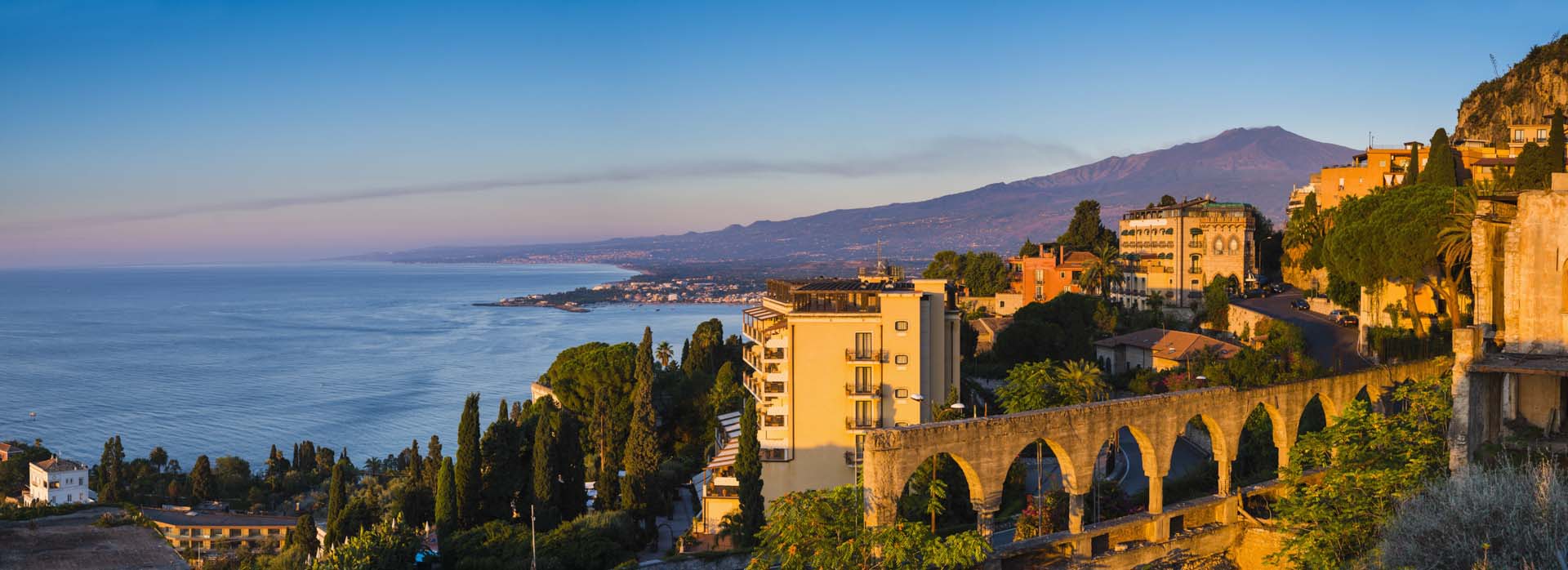
10 Best places to visit in France that I absolutely adore

France is one of those countries I could visit again and again and still feel like I’ve barely scratched the surface. Paris deserves its reputation, but some of my favorite experiences in France have happened far beyond the capital.I’ve found medieval villages, spectacular coastlines, vineyard-covered countryside, mountain landscapes, and cities that feel completely different from … Read more

10 Best places to visit in England I think everyone should see at least once 

I’ve spent a lot of time exploring England, and one thing I’ve learned is that London only tells a tiny part of the story.Some of my favorite experiences have happened well beyond the capital, wandering through tiny Cotswolds villages, exploring historic cities, hiking through spectacular countryside, and discovering coastal towns I’d happily return to again … Read more

10 Places in stunning Sweden that I personally recommend

Sweden is one of those countries that’s incredibly easy to underestimate if you’ve only visited Stockholm. The capital is absolutely worth seeing, but it represents just one small part of what makes Sweden so special. Beyond the city, you’ll find medieval islands, charming coastal towns, Arctic wilderness, peaceful forests, and landscapes that feel completely untouched. If you’re … Read more

Why South Africa offers the best value travel for Australians

Every time South Africa comes up as a value destination, the same question follows almost immediately: is it actually worth a flight that long?It’s a fair question, and most value guides skip straight past it to the exciting numbers.I’ve dug into what’s genuinely happening with the exchange rate and the cost of a trip right … Read more

How to get upgraded to business class (tips from a flight attendant)

Flight Upgrade Tips

Everyone wants to know the secret to a free upgrade, and most of what's written about it online is a guess dressed up as advice.

I sat down with Maria Holmqvist, a former Etihad flight attendant with five years' experience based in Abu Dhabi, and asked her directly what actually decides who gets upgraded.

Her answer wasn't luck, or a trick. It came down to a handful of specific, controllable things.

Here's how to get upgraded to business class, according to someone who used to make the call.

Why airlines actually hand out upgrades

Maria's first point cuts against a lot of assumptions: it's ground staff, not flight attendants, who make the upgrade call, usually well before boarding. Flight attendants find out who's been upgraded the same way everyone else does, from the manifest.

Upgrades often happen when a group cancels at the last minute, and the extra catering is already loaded.

Rather than let it go to waste, ground staff will look for a reason to move a passenger up, which is a genuinely different story to the idea that upgrades are handed out at random.

Airlines also can't upgrade everyone who'd like one, and Maria was clear that doing so too freely is unfair to passengers who've paid full fare for business class.

Understanding that constraint is what makes the rest of her advice make sense, rather than reading as arbitrary tips.

I asked her how often this actually happens on a typical flight, and her answer was refreshingly honest: it varies enormously by route, airline, and even the specific day.

There's no reliable formula a passenger can game, which is exactly why the factors below matter more than any single trick.


Loyalty status is rule number one

When I asked Maria what mattered most, she didn't hesitate. Loyalty status, she said, is rule number one, absolutely, a hundred percent.

Frequent flyers are the passengers airlines most want to keep happy, and an unexpected upgrade is one of the cheapest ways to do that.

If you fly a particular airline regularly, joining its loyalty program before your next trip is genuinely the single highest-leverage thing you can do.

It's worth saying plainly: status won't guarantee anything.

But according to someone who used to help decide these calls, it's the first thing ground staff look at, and it's also the one factor on this list that's entirely within your control before you've even booked the flight.

I think most people underestimate this detail. Signing up costs nothing, and even a mid-tier status earned through everyday spending on a linked credit card can shift you up the list without ever needing to fly business class to earn it.


How you present yourself still matters

a traveller checking in at an airport counter, smart casual dress

Maria was equally direct about this one: how you present yourself at check-in and the gate genuinely factors in. Dressing reasonably, not black tie, just presentable, makes a real difference to how staff perceive you.

Being polite rather than confrontational matters more than most people think. Ground staff remember who was pleasant to deal with during a stressful delay, and who wasn't, and that impression can follow you to the upgrade decision.

One detail that surprised me: travelling alone, or without children, genuinely improves your odds, simply because a single seat is easier to reallocate than a full row.

It's not something you can always control, but it's worth knowing why a solo business trip sometimes gets lucky when a family holiday doesn't.

Maria also mentioned something worth remembering when things go wrong at the counter: how you handle a delay or a problem gets noticed just as much as how you look.

A passenger who stays calm and reasonable when a flight's been changed at the last minute stands out, for the right reasons, to staff who deal with frustration all day.


When and how to ask

Timing matters more than people assume. Maria's advice was specific: don't rush to be first in the check-in queue. Ground staff are still finalising the manifest early on, and upgrade decisions tend to firm up a little later.

It's genuinely fine to ask politely, even once you're already on board, if a seat still looks empty. The key word is politely. A confident, friendly request costs nothing and occasionally works.

What doesn't work, and Maria was firm on this, is seating yourself in business class uninvited and hoping nobody notices. That's the fastest way to guarantee you don't get asked back.

Honestly, I think the politeness point deserves more weight than it usually gets. 

Maria described watching colleagues quietly pass over passengers who'd been rude earlier in the process, even when they technically qualified on paper.

The upgrade decision isn't purely mechanical, and a good attitude is one of the few things a passenger can control completely.
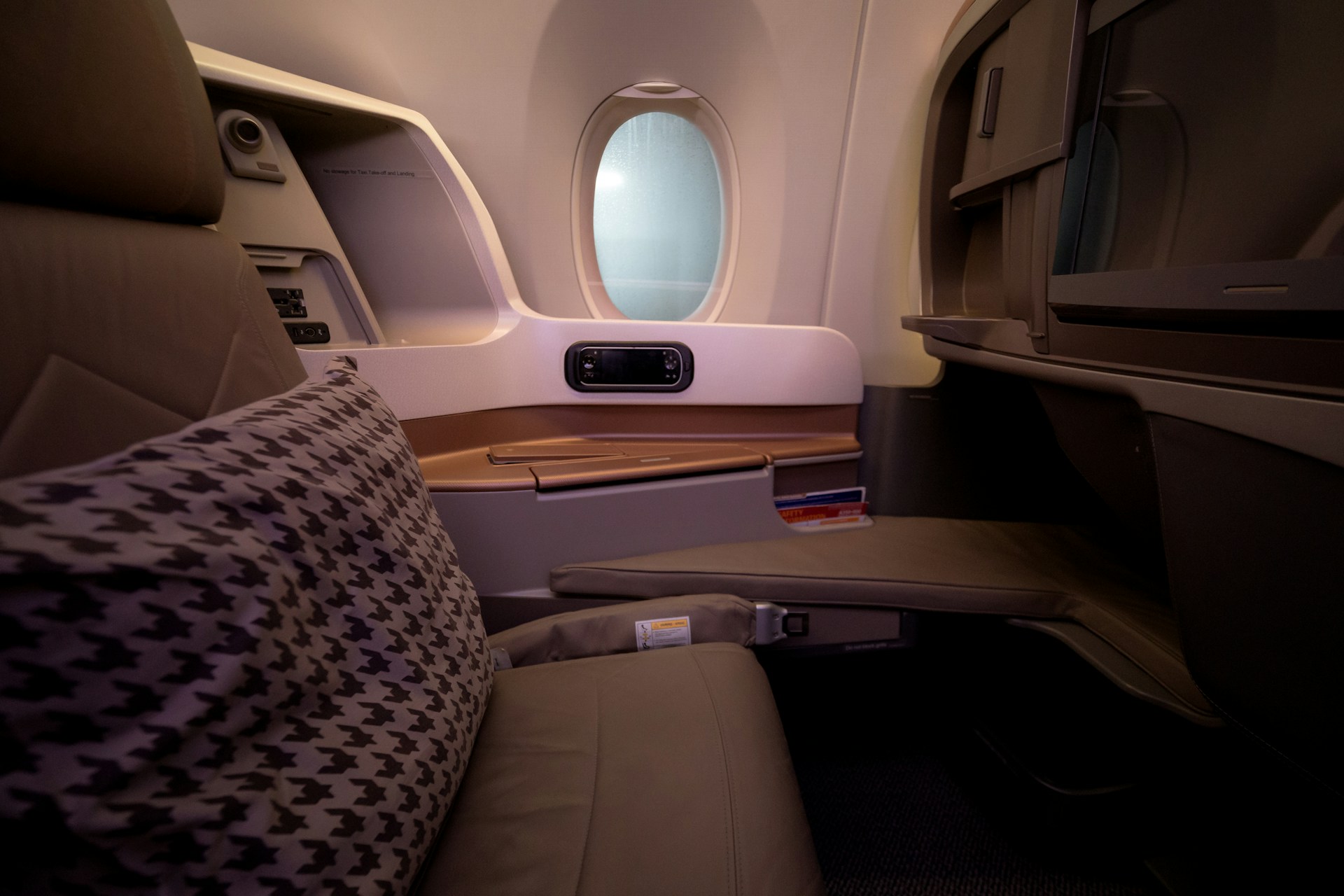
a business class cabin seat, empty and inviting, soft cabin lighting

Upgrade bidding programs: the modern option

Everything Maria described is about improving your chances of a free, discretionary upgrade. But another route now gives you more control: bidding for one.

Systems like Plusgrade, which are used by many major airlines, allow eligible passengers to make an offer for an upgrade before departure. If the airline accepts your bid, you pay the amount offered and move into the higher cabin.

How upgrade bidding usually works

  1. 1
    You receive an invitation. This may appear after booking, by email, or when managing your flight online.
  2. 2
    You choose your bid. The airline will usually set a minimum amount, and you decide how much you're willing to offer.
  3. 3
    The airline reviews the bids. Whether yours succeeds depends on factors such as availability and the airline's own criteria.
  4. 4
    You find out before departure. If your bid is accepted, you're charged, and your booking is upgraded.
  • My approach:

Decide what business class is actually worth to you before placing a bid. It's easy to get caught up in trying to "win," but an upgrade isn't a bargain if you've offered more than you wanted to spend.

I wouldn't see bidding as a replacement for Maria's advice. Loyalty status and how you deal with airline staff can still matter when discretionary upgrades are available.

Bidding simply gives you another option when you'd rather put a price on the upgrade than rely entirely on luck.

Not every airline or ticket is eligible, so check the upgrade options attached to your booking rather than assuming you'll be able to bid.


A quick checklist before your next flight

A distilled version of everything above, worth glancing at before you fly:

  • Join the airline's loyalty program before you book, not after
  • Dress reasonably for check-in and the gate
  • Stay genuinely polite, especially during delays or disruptions
  • Don't rush to be first in the check-in queue
  • Ask politely if a seat looks empty, rather than assuming or self-upgrading
  • Check whether your airline runs a bidding program and register your interest

Get more from every flight, not just the upgrade

An upgrade ultimately comes down to a handful of controllable factors and genuine luck, and Maria's insight makes that distinction a lot clearer than most advice online manages. None of it is a guaranteed trick, but all of it genuinely shifts the odds in your favour.

The same thinking, understanding what an airline actually wants and booking with that in mind, applies well beyond the upgrade question. 

If working that out for an entire trip sounds like more than you want to manage yourself, that's exactly what our personalised travel planning service is built for. We bring the same kind of insider thinking to how a trip gets booked overall.


Frequently asked questions

Can you pay for a business class upgrade in advance?

Yes, many major airlines run bidding programs like Plusgrade that let you offer an amount for an upgrade before you fly.

Does checking in early improve your chances of an upgrade?

Not necessarily. Being first in the queue doesn't help much, since ground staff are often still finalising upgrade decisions early in the check-in window.

Are upgrades more common on international or domestic flights?

International flights generally offer more upgrade opportunities, since business class cabins are larger and more likely to have empty seats worth filling.

Do budget airlines offer business class upgrades?

Rarely, since most budget airlines don't operate a genuine business class cabin. Upgrades are far more relevant on full-service international carriers.

Is it worth asking for an upgrade if you're travelling with children?

It's still worth asking, though the odds are generally lower, since a single seat is easier for an airline to reallocate than several seats together.

Why Australians should travel to South America this year

Carnival Time

South America has always felt like the trip Australians talk about more than they actually book. It's a long way, and it's easy to assume it's out of reach.

The honest answer depends heavily on which country you're actually asking about.

I've dug into what's genuinely happening with costs across the region right now, country by country, rather than treating it as one story.

Here's why South America is worth it, and exactly which parts I recommend.

  • My Travel Tip: South America isn't one value story

Brazil's affordability is a durable cost-of-living story. Prices stay low regardless of what any currency is doing.


Argentina is a dramatic but genuinely improving currency and inflation story, with a real caveat attached. Colombia is steady, comparatively mild value that doesn't swing much either way.


Peru sits closer to fair value than people assume. Knowing which kind of value you're getting helps you plan realistically instead of assuming the whole continent behaves the same way.

South America colourful street scene

Brazil

Brazil's value is the durable kind. The real has held at a level that keeps everyday costs genuinely low, and that's less about a currency swing working in your favour right now and more about the cost of living simply staying low year after year.

A per-kilo lunch, the classic Brazilian self-serve buffet priced by weight, remains excellent value, and hostel dorms are cheap enough that a longer stay barely dents the budget.

I think that's the real appeal here: you can travel slowly and thoroughly without watching every dollar.

Christ the Redeemer Rio golden hour

Where I'd spend my time in Brazil

There's far more to Brazil than Rio, and each stop offers something quite different:

  • Rio de Janeiro: Christ the Redeemer and the beaches are the obvious highlights, while Carnival is genuinely worth timing a trip around if you don't mind the crowds.
  • Salvador: Colonial architecture, Afro-Brazilian culture, great food, and a completely different atmosphere from Brazil's southern cities.
  • Manaus: The main jumping-off point for river and rainforest trips into the Amazon, and somewhere most first-time visitors don't consider.
  • São Paulo: A genuinely serious food and nightlife city without the same tourist focus as Rio. Honestly, the food scene alone rivals anywhere I've come across in South America.
  • My Travel Tip: 

Prices spike hard around Carnival and New Year's, sometimes tripling overnight.


Carnival typically falls in February or March, just before Lent, so check the dates for your travel year. Travelling outside these peak periods is where Brazil's value really shows up.


Brazil is also a country where I'd resist trying to squeeze everything into a short itinerary. The distances are enormous, but everyday affordability makes spending longer in two or three regions much more realistic.


Argentina

Argentina's story is genuinely more dramatic, and it's worth understanding rather than just taking on faith.

The government liberalised currency controls back in 2025, and inflation has fallen a long way from its recent peak, a real, durable improvement rather than a fleeting exchange rate quirk.

The caveat matters, though. Local inflation is still high enough that prices can creep up noticeably through a longer trip, so what feels like a bargain in week one may feel less generous by week three.

It's still good value, especially compared with Western Europe, but it's worth remembering that it's a moving target.

Lush vineyard rows in Tunuyán, Mendoza

What I'd build an Argentina trip around

Argentina is enormous, and the experiences change dramatically depending on where you go:

  • Buenos Aires: Tango, football at a genuinely electric stadium, and a late-night restaurant culture that rewards slowing down. The capital alone can justify the trip.
  • Mendoza: One of the best-value wine regions I've come across, with a few days of wineries and good food fitting naturally into a longer itinerary.
  • Patagonia: Glaciers, mountains, and some of the continent's best hiking. It's a completely different Argentina from what you'll experience in Buenos Aires or Mendoza.

I think Argentina rewards a slower, more deliberate trip more than almost anywhere else on this list.

Mendoza pairs naturally with Buenos Aires, while travellers with more time can continue south into Patagonia rather than trying to cram the country's enormous distances into a short visit.

  • My Travel Tip:

How you pay can make a difference in Argentina. Paying cash in dollars at an authorised exchange house can get you more pesos than paying by card, so it's worth checking the current rates and payment options before you travel.


Colombia

Colombia is the steady option on my list, and I mean that as a genuine compliment. The peso has stayed weak on a longer view, which keeps day-to-day costs comparatively low without the dramatic swings Argentina goes through.

What I like about Colombia is how much the experience changes as you move around the country.

You can go from Caribbean heat to cooler mountain cities and green coffee country without crossing a border.

Las Lajas Sanctuary Colombia cliff

Three very different sides of Colombia

  • Caribbean coast: Cartagena's walled old city brings colourful colonial streets, warm evenings, and a completely different pace from the cities further inland.
  • Mountain cities: Medellín has transformed into a major long-term traveller hub and makes a useful base for exploring more of the surrounding region.
  • Coffee country: Around Salento, rolling green hills, working coffee farms, and a noticeably slower pace make it an easy detour if you're already travelling between Medellín and the coast.

Then there's Las Lajas Sanctuary, a neo-Gothic basilica built directly into a river gorge near the Ecuadorian border. It remains one of the most striking pieces of architecture I've seen described anywhere in South America, and it rarely gets the attention it deserves.

  • Why I'd consider Colombia for a single-country trip:

You don't necessarily need to combine it with somewhere else to get variety. Cartagena, Medellín, and the coffee region already give you three very different experiences, while generally keeping day-to-day costs reasonable.


Peru and Bolivia

Peru is the one worth a genuine caveat. Its currency has actually held up reasonably well against the AUD recently, which cuts against the old assumption that Peru is automatically a bargain.

It's still worth visiting, just don't assume it's the cheapest option on the continent without checking.

For me, the value here is less about getting a favourable exchange rate and more about what you're getting for the trip. Few places anywhere have the cultural and natural drawcards that Peru and Bolivia can combine.

Wide view of the citadel, Huayna Picchu, terraces, and surrounding Andes

What makes the journey worthwhile

  • Cusco and Machu Picchu: Cusco and the wider Incan heritage sites remain Peru's biggest drawcard, and Machu Picchu still earns every bit of its reputation despite how often it's photographed.
  • Salar de Uyuni: Bolivia's enormous salt flat becomes a vast natural mirror during the wet season. It's the kind of landscape that doesn't really translate through photos.
  • Lake Titicaca: Straddling the Peru-Bolivia border, the lake rarely gets the attention Cusco does despite being just as striking. I'd genuinely recommend building in the extra days if your itinerary allows it.

Both countries reward travellers willing to go a little higher and a little further off the main route.

If you've already made the long journey from Australia, I think combining Peru and Bolivia makes much more sense than rushing through the headline attractions and flying straight back out.

  • Don't underestimate the altitude:

Cusco and La Paz both sit well above 3,000 metres.


Rather than landing and immediately launching into hiking or a packed sightseeing schedule, give yourself a day or two to adjust. 


It can make a genuine difference to how much you enjoy the rest of the trip.


Getting there and getting around

The honest trade-off with South America is the flight. It's a genuine long-haul commitment from Australia, typically routed through the US or occasionally through Auckland or Santiago, and that time investment is worth factoring in alongside the value on the ground.

I won't pretend this is a quick getaway. It's closer in spirit to a once-a-year or once-every-few-years trip, the kind worth building properly rather than squeezing into a short break. That's part of why sequencing matters so much. 

Once you're there, you want to make the most of having come this far.

Within South American, the distances between countries are smaller than the flight from home might suggest.

Iguazu Falls sits conveniently right on the Brazil-Argentina border, which makes it a natural stop for anyone combining the two countries on one trip rather than treating them as separate visits.

A few things make the long flight genuinely worth it once you're there:

  • Regional flights are affordable. Hopping between Buenos Aires, Rio, and Lima costs a fraction of what the equivalent distance would in Australia.
  • Cross-border combinations are easy. Iguazu Falls, Lake Titicaca, and several other highlights sit right on shared borders, built for multi-country trips.
  • A longer trip makes more sense than a short one. Given the flight commitment, three to four weeks lets you properly justify the trip over a rushed ten-day version.

Is South America worth it for Australians right now?

The honest answer depends on which country you're asking about, and that's really the point. Brazil's value holds steady regardless of timing, Argentina rewards travellers who understand the trade-off, and Colombia sits comfortably in between.

The flight is real, and I won't pretend otherwise. But once you weigh that against the depth of what you actually get on the ground, from Rio to Patagonia to the Salar de Uyuni, it's a genuinely different kind of trip to anything closer to home.

If you'd rather not work out the sequencing yourself, that's exactly what our personalised travel planning service is built for. 

Tell us which countries you're drawn to and we'll turn it into a properly sequenced multi-country itinerary. It pairs naturally with our guide to the best value destinations for Australians if you're still weighing South America against closer options.


Frequently asked questions

Is South America expensive to get to from Australia?

The flight itself is the main cost, typically routed through the US, Auckland, or Santiago. Once you're there, costs across most of the continent are genuinely reasonable.

What is the cheapest country to visit in South America for Australians?

Brazil and Colombia both offer strong, steady value for day-to-day costs. The right pick depends more on what you want to see than which country is marginally cheaper.

Is Argentina still good value despite high inflation?

Yes, generally, though it's worth knowing prices can creep up noticeably through a longer trip. Paying in cash at an authorised exchange house helps offset that.

Can you visit multiple South American countries in one trip?

Yes, and it's genuinely worth doing. Brazil and Argentina pair naturally around Iguazu Falls, which sits right on the shared border.

How far in advance should Australians plan a South America trip?

Six to nine months ahead gives you the best access to flights and accommodation, especially if your trip includes Carnival season or Incan trail permits.

Getting the most value from your European holiday (for Australians)

I used to assume a European holiday meant picking between Paris and everywhere else, and quietly accepting whichever price tag came with it.

Then I started actually checking the exchange rate before each trip, rather than after, and the picture got a lot more interesting.

Some places genuinely aren't pricier than they were a few years ago. Others have become dramatically cheaper, and it's rarely the country you'd expect.

Here's where your Australian dollar is actually working hardest in Europe right now, and why.

  • My Travel Tip: Why looking beyond the big five still pays off

It's tempting to assume the euro and the pound have both gotten more expensive for us. Checking my own currency conversions over the past few trips, that's not really true, the AUD to euro and pound rates have barely moved. 


What's changed dramatically is the alternative side of the comparison, destinations like Turkey have become so much cheaper that stepping outside the obvious five countries now delivers a genuinely bigger gap than it used to.


I only really noticed this by paying attention trip after trip, rather than assuming the picture was the same as it was a few years ago.

Central and Eastern Europe

Prague Charles Bridge dusk

Central and Eastern Europe has been quietly good value for years, and my own experience comparing prices here against Western Europe on the same trip keeps confirming it.

What I like most isn't just the savings. Nothing about the experience feels reduced because of them. The architecture, food, and history can easily compete with cities charging considerably more.

Three places I'd consider first

  • What stays with me is how easily you can have a good night without thinking too much about the budget. A proper sit-down dinner, a couple of drinks, and a taxi back to your accommodation can still come in below what I'd expect to spend on a fairly ordinary evening in many Western European capitals.
  • Krakow: I remember walking away from a proper sit-down dinner here having spent noticeably less than a casual lunch cost me in Munich the week before. The free walking tours are excellent too, and they're a good way to get your bearings before deciding what you want to explore properly.

    Krakow's Old Town is also one of my favourite places in this part of Europe to simply grab a coffee and watch the day go by. You get that classic European square experience without paying the prices you'd expect somewhere further west.
  • The value almost becomes secondary once you're there. Accommodation goes particularly far, and I've found genuinely comfortable places to stay for less than I'd expect to pay for a budget option in much of Western Europe.
  • The bigger takeaway:

I'd choose these places because they're worth visiting, not simply because they're cheaper.


The lower daily costs just mean you can afford better accommodation, eat out more often, stay longer, or add another stop without watching the budget quite so closely.


Turkey

hot air balloons over Cappadocia at sunrise

Turkey is where the value story gets particularly interesting. The lira has weakened enormously over the past decade, and I remember being genuinely surprised the first time I did the maths properly on a Turkey trip. 

I'd expected my budget to land somewhere similar to Greece, and it went considerably further.

Istanbul alone justifies the trip, but what surprised me was how many different parts of the holiday benefited from that extra spending power.

Where you'll notice your money going further

  • Everyday spending: Meals, taxis, coffee, and markets can all feel noticeably easier on the budget than in much of Western Europe.
  • Coastal stays: Around Antalya, resorts and all-inclusive packages can offer particularly strong value if you want to add a few relaxing days to a longer trip.
  • Big experiences: Cappadocia's hot air balloon rides aren't exactly cheap, but experiences like this can be much easier to fit into the budget than you'd expect.
  • Shopping and markets: Istanbul's Grand Bazaar rewards an afternoon rather than a quick photo stop. Wandering, haggling, and getting thoroughly lost in it is half the experience.

That's what stood out to me most. Turkey didn't necessarily make me want to spend as little as possible. It gave me room to spend a little more freely without constantly feeling like the numbers were adding up against me.

  • If value is your priority:

Turkey would be one of my first choices on this list.


You can combine a major city, Mediterranean coastline, incredible food, and a bucket-list experience like Cappadocia without needing the kind of budget that combination might demand elsewhere in Europe.


Serbia and North Macedonia

Ottoman Old Bazaar at sunset

Serbia and North Macedonia are good options if you want the lower costs of the Balkans without building your whole trip around the best-known destinations.

I'll be honest, I didn't expect much from either before visiting, and both quietly outperformed that low bar.

They're the kind of places I'd add to a longer European itinerary when I wanted a few days somewhere different, affordable, and considerably less crowded.

What I'd go for

  • Belgrade: Come for the nightlife, which is far more serious than I expected, but give yourself time to explore the city during the day too. Food is hearty, portions are generous, and eating out doesn't need to become a major part of your daily budget.
  • Skopje: The combination of its Ottoman old town and slightly eccentric modern architecture makes it unlike almost anywhere else on a typical European itinerary. It's compact enough to explore without needing a huge amount of time or money.

Neither city needs to be the headline act of your trip. I actually think they work better as affordable additions to a longer Balkans route, particularly if you're travelling between Central Europe and Greece.

  • Who I'd recommend them to:

Travellers who enjoy discovering places before they've ticked off every famous European capital.


I've recommended both to friends who assumed there wasn't much worth stopping for between Vienna and Athens, and they've come back pleasantly surprised.


What about the big five?

None of this means I'd skip France, Italy, Spain, the UK, or Germany just because my money goes further elsewhere. I still go back to Italy most years, and I don't see that changing anytime soon.

Instead, I've changed how I build the budget around those trips.

My approach: Spend, then balance

If Rome or Paris is one of the reasons I'm going to Europe, I'll spend the money to enjoy it properly.

I'd rather book a good hotel in a location I actually want, eat the food I came for, and pay to see the things that matter to me than spend the whole time trying to make an expensive city cheap.

Then I'll balance those days with somewhere my budget naturally stretches further.

That might mean combining Vienna with Prague, Germany with Poland, or Italy with a few days further east. Suddenly, I don't need every day of a three-week holiday to operate on the same expensive daily budget.

  • The goal isn't the cheapest European holiday:

It's spending more where it genuinely improves your trip and saving money where you can do so without feeling like you're missing anything.


For me, that creates a much better holiday than choosing destinations purely by price or spending two weeks in somewhere I've always wanted to visit while worrying about every restaurant bill.


A few things that actually make a difference

A handful of small habits consistently stretch my European budget further, often more than obsessing over which country is technically the cheapest.

  • Skip the airport currency exchange. Withdraw cash once you're in the country instead, and always check the fees your bank charges before you leave.
  • Stay just outside the tourist centre. Even moving a few streets away from the busiest area can bring accommodation prices down without making sightseeing inconvenient.
  • Eat a little further from the main square. I've rarely regretted walking five or ten minutes away from the obvious tourist restaurants. Prices tend to improve, and the food often does too.
  • Check whether you actually need a transport pass. Sometimes unlimited passes are great value; other times I've realised I could have walked almost everywhere.
  • Book the expensive things early. Trains, popular attractions, and accommodation are where leaving everything until the last minute can really hurt the budget.
  • Pay in the local currency. If a card terminal offers to convert the transaction into AUD, I usually decline and let my bank handle the conversion instead.

None of these will transform an expensive trip into a cheap one, but together they leave more of the budget for the things I actually travelled to Europe to experience.

a European train platform

Get more from your European holiday

Real value in Europe right now comes from mixing it up, not necessarily avoiding the obvious names, but not stopping at them either.

The trips that have felt most generous to me weren't the ones where I chased the absolute cheapest country available.

They were the ones where I paired something classic with something that stretched the budget further, and let each part of the trip do what it does best.

If working out how to combine a big-five stop with somewhere that stretches the budget further sounds like the hard part, that's exactly what our personalised travel planning service is built for. 

Tell us what you want to see and we'll build the itinerary around it.


Frequently asked questions

Which European countries don't use the euro?

Several EU countries still use their own currency, including the Czech Republic, Poland, Hungary, Romania, Denmark, and Sweden. Always confirm the current currency before you travel, since this can change.

Is Turkey part of Europe for travel purposes?

Yes, Istanbul in particular straddles both Europe and Asia, and Turkey is commonly included in a European itinerary. It's also one of the strongest value destinations on the continent right now.

Can you combine Western and Eastern Europe in one trip?

Yes, and it's a great way to balance the trip. Pairing a few days in a big-five destination with a stretch through Central or Eastern Europe keeps the overall cost down without giving up the classic stops.

What's the best time of year to visit Europe for value?

Shoulder season, generally spring and autumn, tends to offer the best combination of lower prices and manageable crowds across most of Europe.

Is it better to use cash or card when travelling in Europe?

Cards are widely accepted across most of Europe, but carrying some local currency is still useful for markets, small businesses, tips, and places with minimum card payments. When paying by card or withdrawing cash, choose the local currency rather than AUD to avoid potentially poor conversion rates.