

Every time South Africa comes up as a value destination, the same question follows almost immediately: is it actually worth a flight that long?
It's a fair question, and most value guides skip straight past it to the exciting numbers.
I've dug into what's genuinely happening with the exchange rate and the cost of a trip right now, and weighed that honestly against the flight itself.
Here's why South Africa is worth it, and what the trip actually asks of you first.
Your Australian dollar goes surprisingly far here
This is where South Africa started to make sense to me as a value destination. The exchange rate sounds good on paper, but what matters is what that money actually gets you once you're there.
For roughly the kind of budget that disappears quickly on a long-haul trip elsewhere, South Africa can put experiences that normally feel like splurges within reach.
Where I think you'll notice the difference
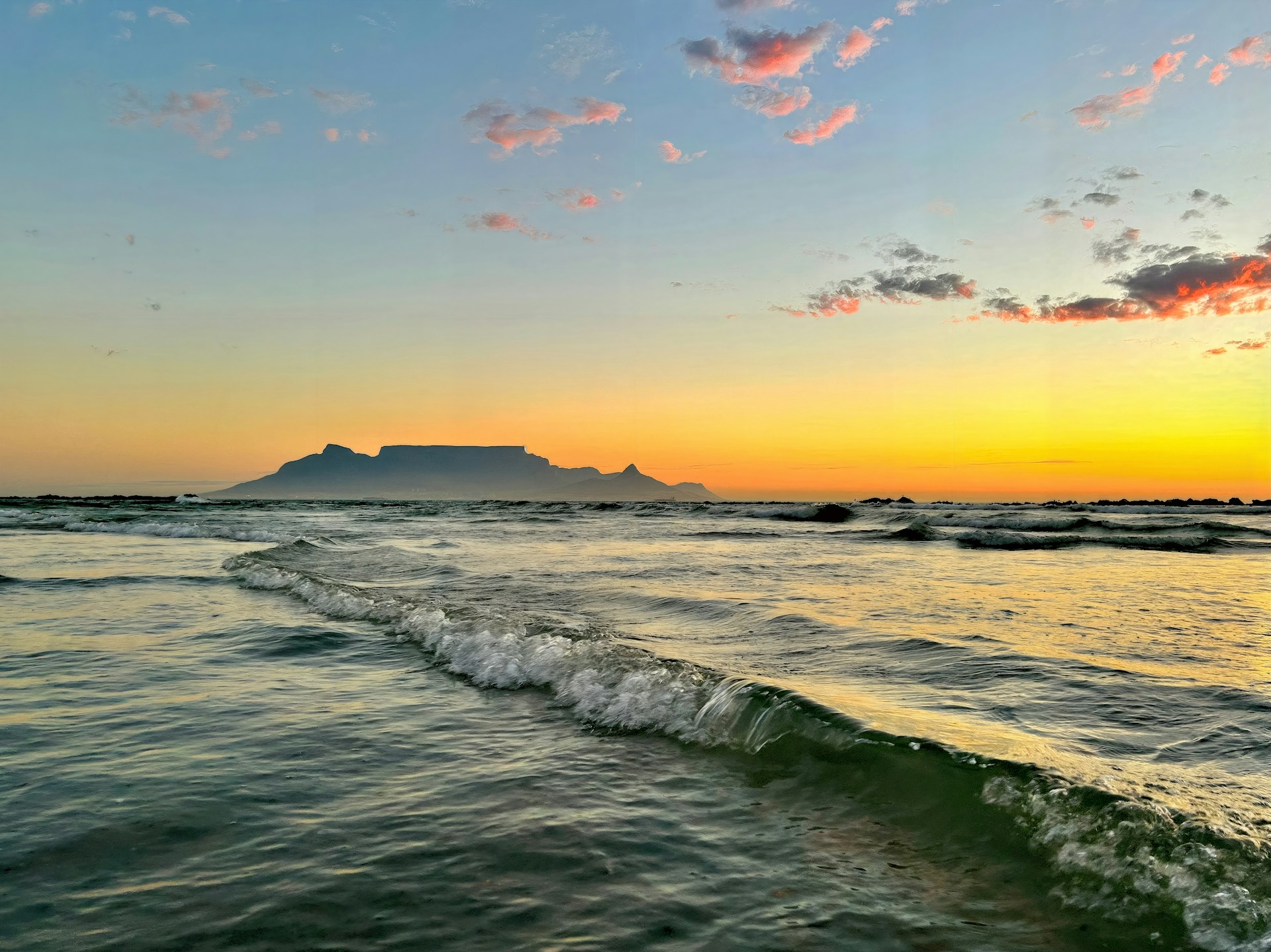
And there's a reason for it. The Australian dollar has continued strengthening against the South African rand through 2026, building on an exchange rate that was already favourable a year ago.
More importantly, this hasn't been a quick spike that you need to rush to take advantage of. The favourable rate has held long enough that I'd feel much more comfortable planning around it.
That's what makes South Africa interesting to me. You're not necessarily travelling cheaply by cutting things out. You're getting to put things back in.
Inflation is under control
There's a catch that can come with a great exchange rate: sometimes you arrive and discover local prices have risen so quickly that you're not actually getting the bargain you expected.
That's not what's happening in South Africa right now.
Inflation has remained comparatively controlled, which means the stronger Australian dollar is still translating into meaningful savings on the ground.
The cheaper meals, affordable lodges, and better-value safari experiences aren't simply numbers that look good when you convert the currency.
A good exchange rate and relatively stable local prices are working in your favour at the same time. That's a much stronger reason to consider South Africa than a currency dip that might disappear before you even get there.
Of course, exchange rates and inflation can change. But based on what's happening now, the value Australians are seeing in South Africa looks much more substantial than a short-lived bargain.
How South Africa compares to other destinations
South Africa isn't necessarily the cheapest place Australians can travel. If your only goal is to spend as little as possible each day, parts of Southeast Asia will usually come out ahead.
But that's not really where I think South Africa wins.
What your budget gets you
So would I choose South Africa over a cheap trip through Southeast Asia purely to save money? Probably not.
Would I choose it if I wanted to turn the same budget into a trip with great restaurants, beautiful accommodation, wine country, road trips, and a proper African safari? That's where the comparison gets much more interesting.
South Africa's strength isn't simply that it's cheap. It's how much trip you can get for the money.
The honest trade-off: it's a long-haul trip
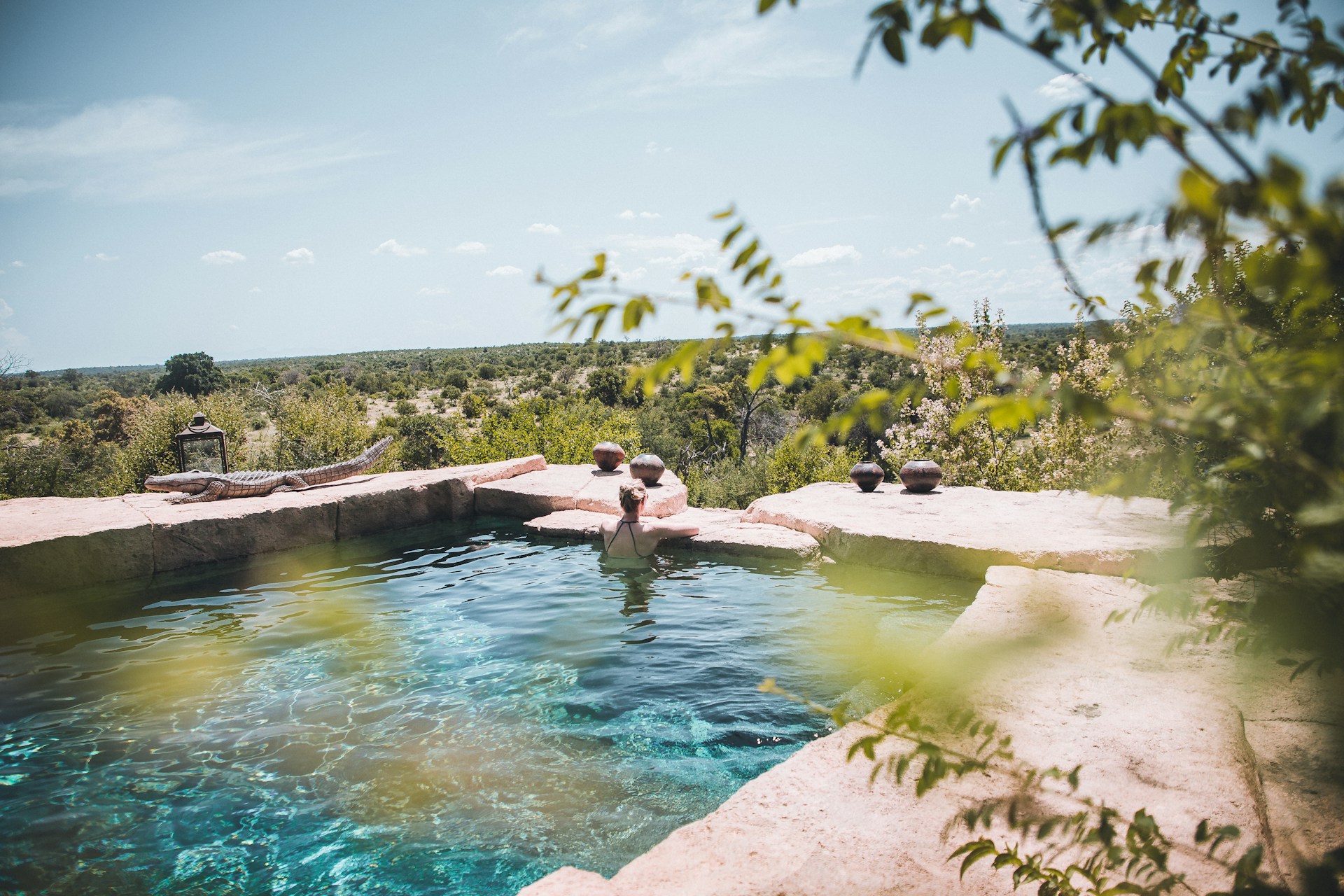
I'll say this plainly because most value content skips it: there are no direct flights from Australia to South Africa.
Total travel time typically runs somewhere between 14 and 22-plus hours depending on your route and stopover, and that's a real cost, not a footnote.
This isn't a quick escape you squeeze into a long weekend.
It's a proper trip that deserves proper planning, and the per-day value on the ground is excellent enough to justify that investment of time, but only if you go in with realistic expectations about the journey itself.
I'd rather tell you that upfront than have you land exhausted and wondering why nobody mentioned it.
A well-chosen stopover can actually work in your favour. Depending on your flight route, places worth considering include:
Even one night somewhere along the way can turn an exhausting single push into a much more manageable journey.
Best places to visit in South Africa
Ten places consistently earn their spot on a South Africa itinerary, and each offers something genuinely different. I'd resist trying to fit all ten into one trip, three or four done properly beats a rushed tour of everything.
If this is your first trip, I'd build it around Cape Town and Kruger and let everything else be a bonus rather than trying to force all ten into a fortnight. A second South Africa trip is where the Drakensberg, Hermanus, and Addo really get their moment.
Best time of year to visit South Africa
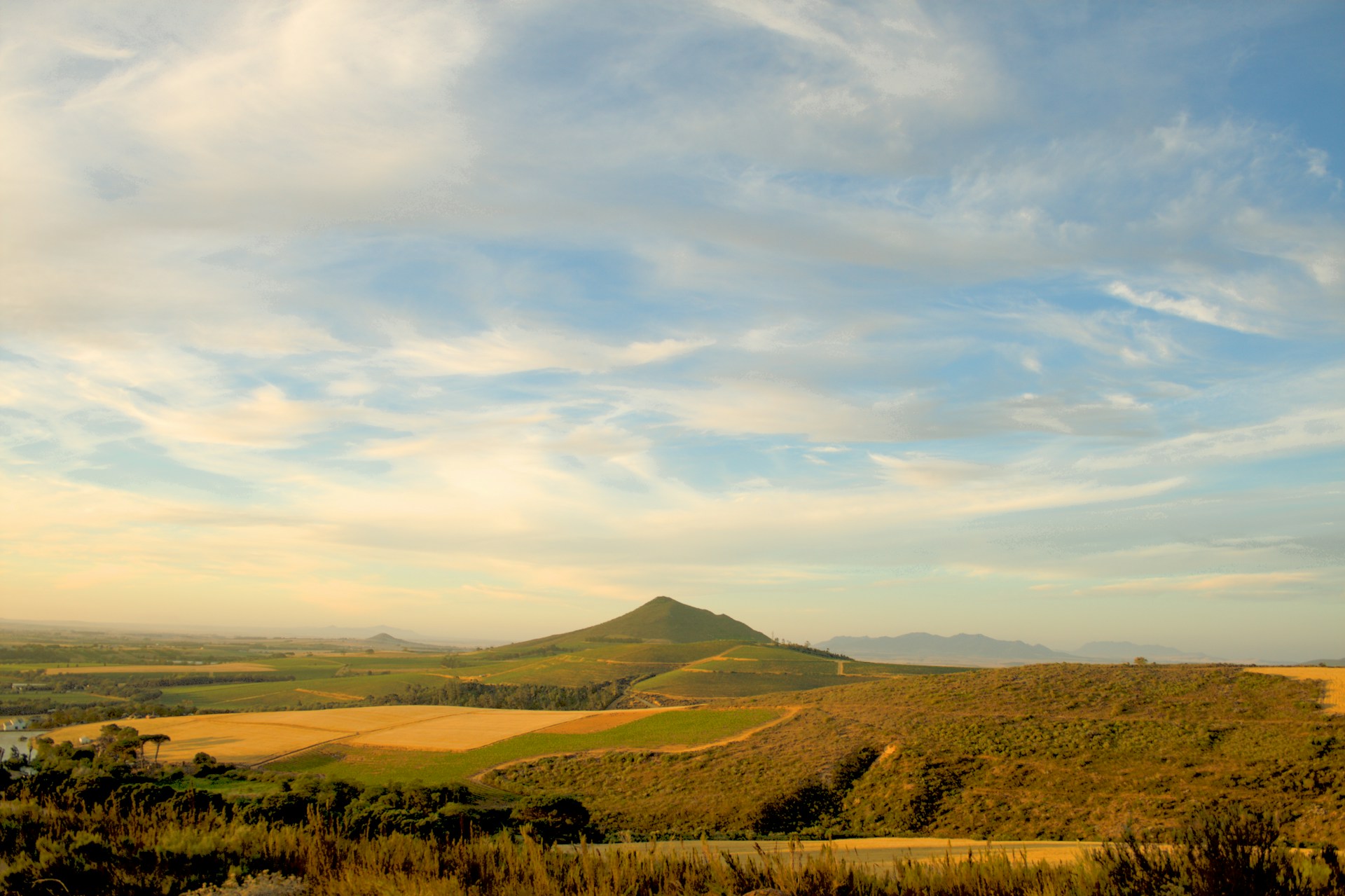
South Africa's seasons run opposite to ours, which takes a moment to get your head around. Their summer, December through February, feels a lot like a Brisbane or Perth summer, warm and generally dry.
Their winter, June through August, is genuinely mild by comparison, closer to a soft Sydney winter than anything harsh.
It's also prime safari season, since the dry conditions push wildlife toward waterholes and make sightings considerably more reliable.
Shoulder season, roughly March to May and September to November, is worth genuine consideration too. Fewer crowds at the major parks, generally pleasant weather, and often better rates on accommodation, without giving up much on the safari experience itself.
Getting to South Afria from Australia
I’ve mentioned that there's no direct route, so you're looking at a stopover somewhere, commonly through the Middle East or Asia depending on the airline and your departure city.
It's worth comparing a couple of routes rather than booking the first option, since total journey time can vary more than people expect.
Given the flight commitment, I'd genuinely encourage building in enough time on the ground to make it worthwhile. A rushed week barely covers Cape Town and Kruger properly, let alone anywhere else on the list above.
Fares and specific routes shift often enough that it's worth checking current options directly rather than relying on what worked for someone else's trip last year.
The route that's fastest or cheapest changes depending on the season and which airline is running a good fare that month.
Is South Africa worth it for Australians right now?
The honest answer is yes, and it's a genuinely durable yes rather than a lucky moment. The exchange rate has held, inflation hasn't quietly eaten the advantage, and the experiences on offer, safari included, are exceptional value even accounting for the flight.
What makes this different from a lot of value content is that the case holds up even after you factor in the honest downside. The flight is real, and it's still worth it, which is a stronger recommendation than pretending the downside doesn't exist.
It's not a quick weekend fix, and it was never going to be. If you'd rather have the long-haul logistics and the itinerary sequencing handled properly, that's exactly what our personalised travel planning service is built for.
It pairs naturally with our guide to the best value destinations for Australians if you're still weighing South Africa against closer options.
Frequently asked questions
Yes, and the value has actually strengthened rather than faded. A favourable exchange rate combined with controlled inflation makes it one of the more durable long-haul value cases right now.
No, Australians can visit South Africa visa-free for short tourist stays up to 90 days. Always check current entry requirements before booking, since rules can change.
Requirements depend on your itinerary and which regions you're visiting, particularly for malaria areas near Kruger. Check with a travel doctor a few weeks before departure.
For a two-week South Africa trip, I'd budget around $5,000–$6,000 AUD per person for a more budget-conscious trip, or $7,500–$10,000 AUD for a comfortable mid-range trip, including return flights and a short safari. Luxury safari lodges can quickly push the total above $15,000 per person, so where and how you safari will have the biggest impact on your budget.
South Africa can be a safe and rewarding destination, but travellers should take more precautions than they might at home. Stick to well-travelled tourist areas, avoid walking alone after dark, use reputable transport, and follow local advice about neighbourhoods and driving routes.