

I’ve spent a lot of time exploring England, and one thing I’ve learned is that London only tells a tiny part of the story.
Some of my favorite experiences have happened well beyond the capital, wandering through tiny Cotswolds villages, exploring historic cities, hiking through spectacular countryside, and discovering coastal towns I’d happily return to again and again.
These are the 10 best places to visit in England that have stood out most to me, along with my tips for making the most of each one.
Have You Seen Our Travel Concierge Service?
Your trip, planned by local experts
We are not a travel agent - we design custom itineraries around your budget and style, without receiving commissions or booking fees.
Custom itinerary
Built around your dates, budget, and travel style.
Local expert knowledge
Recommendations from people on the ground, not review sites.
Travel smarter, spend less
We optimise for your budget to make your money go further.
Brighton
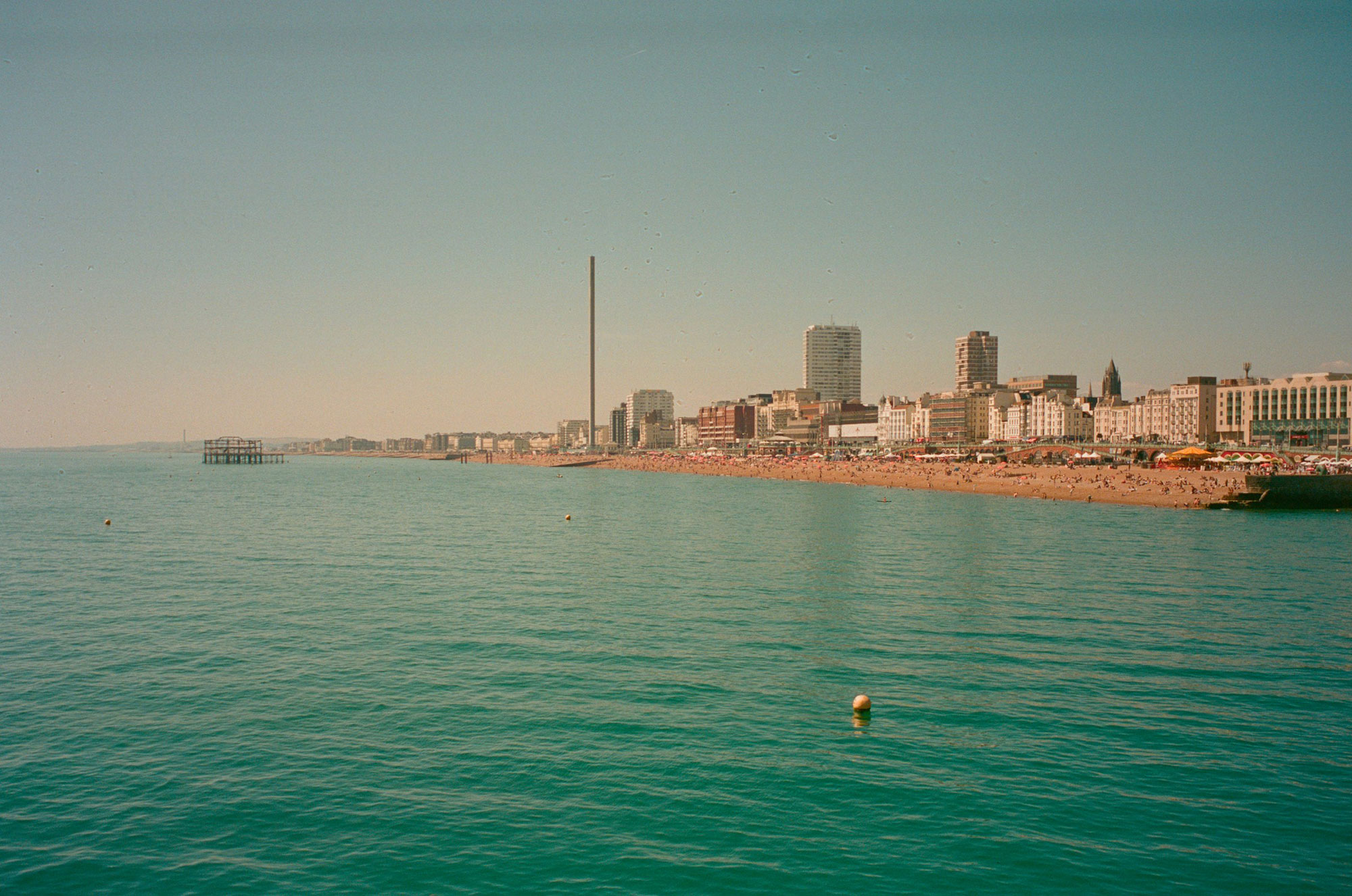
Brighton at a glance
East Sussex, Southeast England
Seaside fun, quirky culture, and architecture
2 nights
Couples, families, and city-break travelers
Colorful, creative, and lively
May & June
Brighton has always felt like one of England's most fun cities to me. It's close enough to London for an easy escape, but within a few hours I feel like I've traded the capital for somewhere much more relaxed, colorful, and wonderfully eccentric.
The Royal Pavilion captures that personality perfectly. With its Indian-inspired domes and extravagant Chinese interiors, it's unlike any other historic building I've visited in England.
I also love wandering through North Laine, where independent cafés, vintage shops, record stores, and colorful storefronts make it easy to spend an afternoon without much of a plan.
One of my favorite memories from Brighton was spending an evening at Brighton Palace Pier. We played the arcade games, wandered between the rides and food stalls, and watched the light change over the English Channel. It's unapologetically old-fashioned seaside fun, and we had a great time.
Brighton also has the South Downs practically on its doorstep, so I can go from exploring busy city streets to walking through beautiful English countryside surprisingly quickly. For me, that's a huge part of its appeal.
How Brighton fits into your England itinerary
Brighton is only about an hour by train from London, so it's an easy day trip, but I prefer staying for two nights.
That gives me time for the Pavilion and North Laine, an evening at the pier, and a morning exploring the seafront or South Downs without squeezing everything into one day.
Durham
(pronounced: DUR-um)
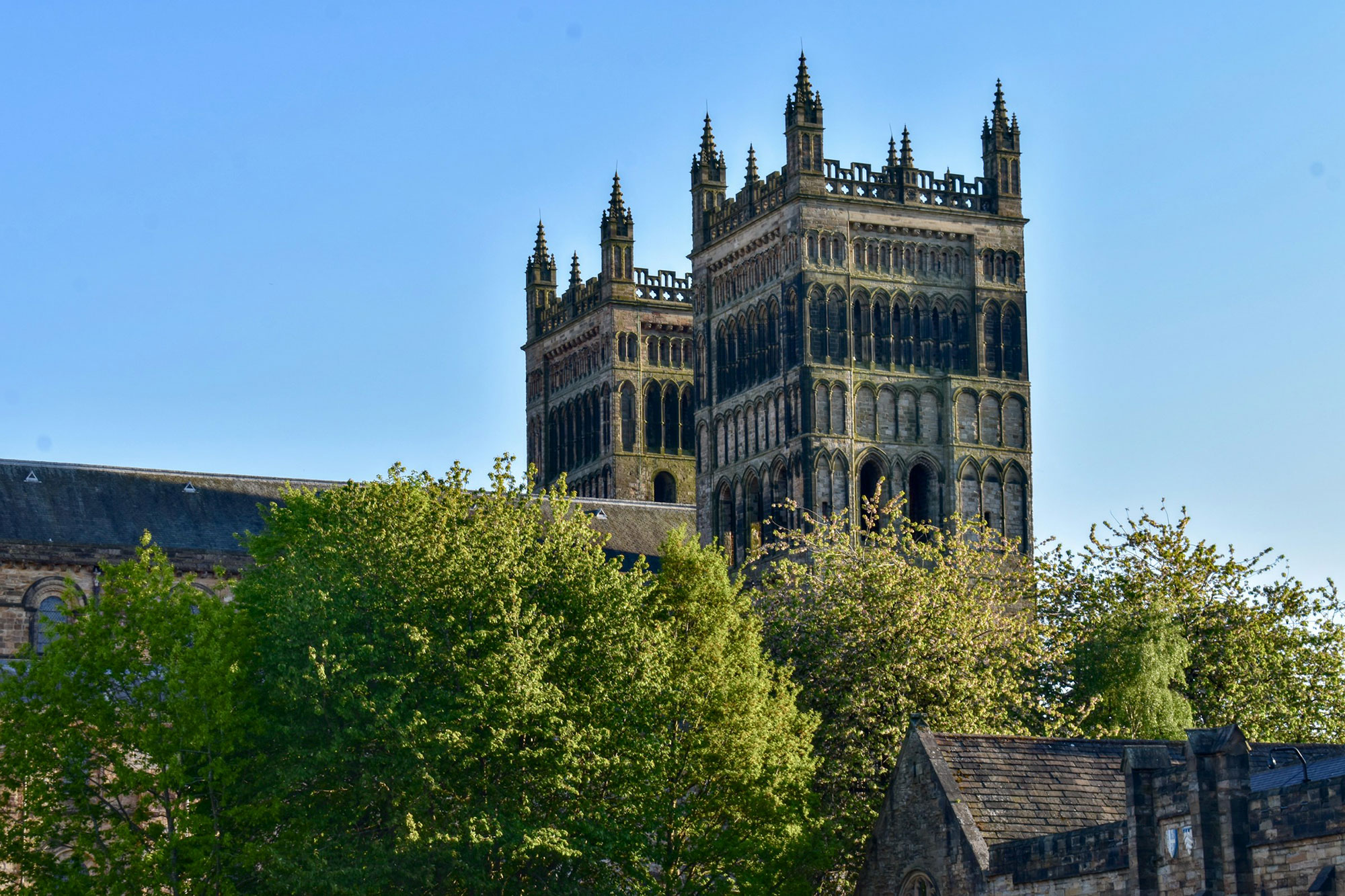
Durham at a glance
County Durham, Northeast England
Medieval history, architecture, and riverside walks
1 night
History lovers and photographers
Atmospheric and compact
April to October
Durham is proof that some of England's most impressive cities don't need several days to make an impact.
It's compact enough that I can explore most of it on foot in a day, yet the combination of its cathedral, castle, river, and medieval streets makes it feel far grander than its size suggests.
Durham Cathedral is the obvious centerpiece. Begun in 1093, it's considered one of Europe's greatest examples of Norman architecture, and walking into that enormous stone nave for the first time really gives you a sense of its scale. The cathedral is also the final resting place of Saint Cuthbert and, remarkably, is free to enter.
But some of my favorite time in Durham has been spent outside. The wooded path following the River Wear loops beneath the cathedral and castle, giving you completely different views of the peninsula as you walk.
My favorite comes at dusk from Framwellgate Bridge. Watching the cathedral illuminated above the river as the daylight disappears is easily one of the most beautiful city views I've found in England.
For a city that receives relatively little attention from international travelers, Durham delivers an incredible amount in a very small area.
How Durham fits into your England itinerary
Durham is particularly easy to add to a northern England itinerary because it's on the main rail line between London and Newcastle.
You can see the major highlights in one full day, but I'd stay overnight if possible so you can experience the cathedral and riverfront after the day visitors have left. It's also a natural stopping place for those road tripping into Scotland.
Oxford

Oxford at a glance
Oxfordshire, Southeast England
Architecture, history, and literary culture
2 nights
History lovers, book lovers, and architecture enthusiasts
Scholarly and historic
September to October
Oxford is one of those cities where I find myself constantly looking up. There are centuries-old college buildings, Gothic towers, hidden courtyards, and elaborate stone details everywhere, and much of the historic center is compact enough to explore on foot.
The Radcliffe Camera is every bit as beautiful in person as it looks in photographs, but I think Oxford becomes much more interesting once you start stepping inside the colleges and university buildings.
The Bodleian Library was a highlight for me, particularly the incredible vaulted ceiling of the Divinity School.
On a sunny afternoon, I also love the very Oxford tradition of punting along the Cherwell. You don't necessarily need to be good at it. Half the entertainment comes from watching everyone else attempt to steer without falling in.
One experience I'd especially recommend is attending Evensong at Christ Church, Magdalen College, or another college chapel. Services are generally free to attend, and sitting inside one of these historic chapels listening to the choir is a wonderful way to experience a side of Oxford that many visitors completely miss.
Oxford has plenty of famous sights, but for me, it's the combination of books, history, student life, and centuries of tradition that makes the city so enjoyable to explore.
How Oxford fits into your England itinerary
Oxford is only about an hour from London by train, making it an easy day trip, but I'd stay for two nights if you can.
The Cotswolds
(pronounced: KOT-swohldz)
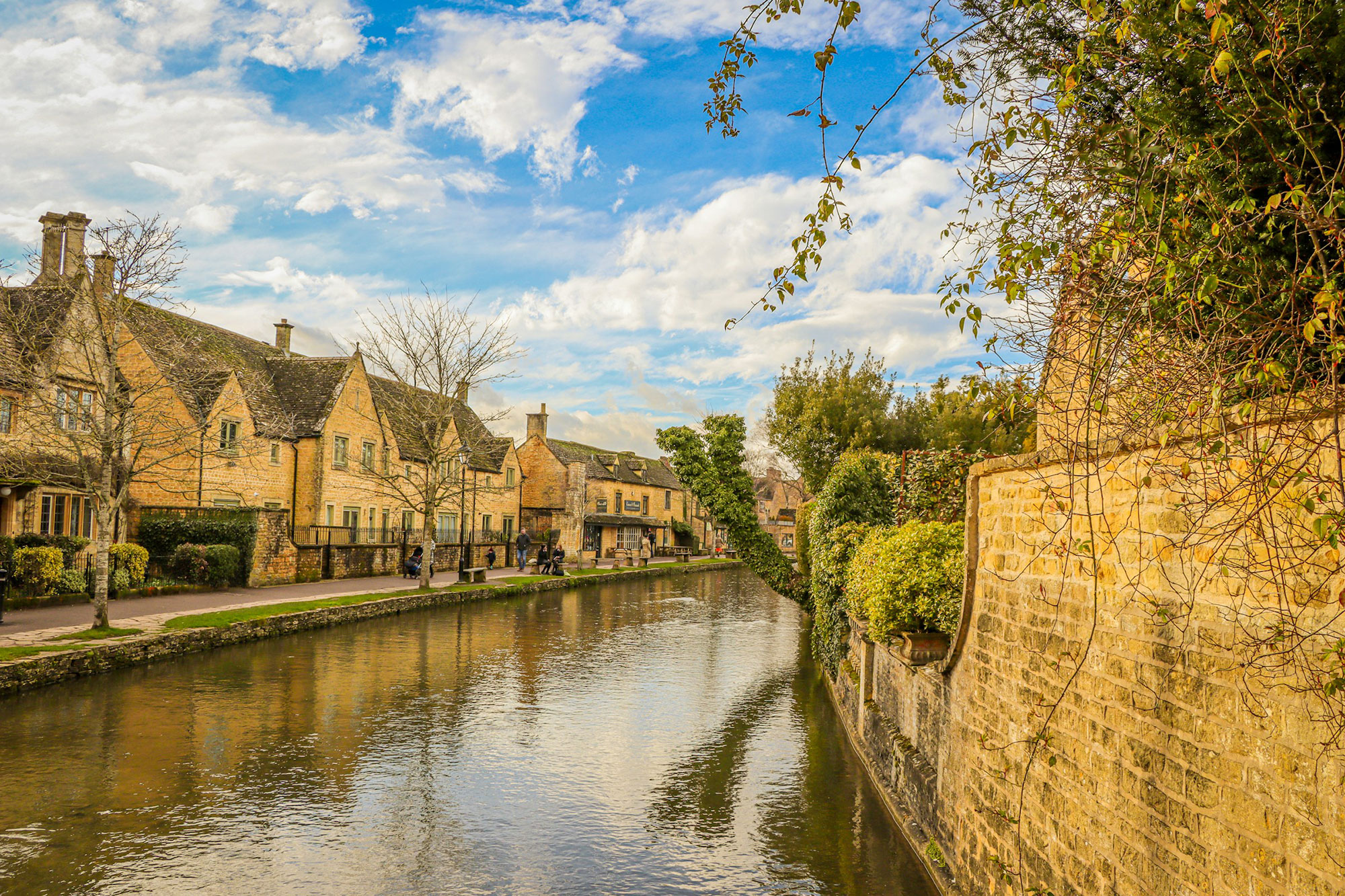
The Cotswolds at a glance
South-central England
Villages, countryside walks, and quintessential English scenery
3 nights
Couples, hikers, photographers and slow travelers
Idyllic, peaceful, and timeless
April to May and October
The Cotswolds are pretty much exactly what I picture when I think of the English countryside. Honey-colored stone cottages, tiny villages, old pubs, rolling green hills, and miles of dry-stone walls make the entire region feel almost impossibly picturesque.
I've explored some of the famous villages, including Bibury and its much-photographed Arlington Row, but I actually prefer the quieter side of the Cotswolds. Burford is one of my favorite bases, with its beautiful high street sloping toward the River Windrush and plenty of smaller villages within easy reach.
The countryside itself is just as much of a reason to come. Some of the best wildflowers I've seen anywhere have been in the Cotswolds, particularly during spring when the footpaths and meadows burst into color.
Walking between villages rather than simply driving from one famous viewpoint to another completely changed how I experienced the region.
Places like Bourton-on-the-Water are beautiful, but they can become incredibly busy.
Give me a quiet footpath, a tiny village around Burford, fields full of wildflowers, and a country pub at the end of the walk, and that's my perfect Cotswolds day.
How the Cotswolds fit into your England itinerary
I'd spend at least three nights in the Cotswolds, ideally basing myself around Burford and combining driving with plenty of walking.
The region fits naturally between Oxford and destinations farther west and is also close enough to London to incorporate into a longer southern England road trip.
York
York at a glance
North Yorkshire, Northern England
Medieval history, architecture, and museums
2 nights
History lovers, families, and photographers
Medieval, atmospheric, and lively
April to October and December
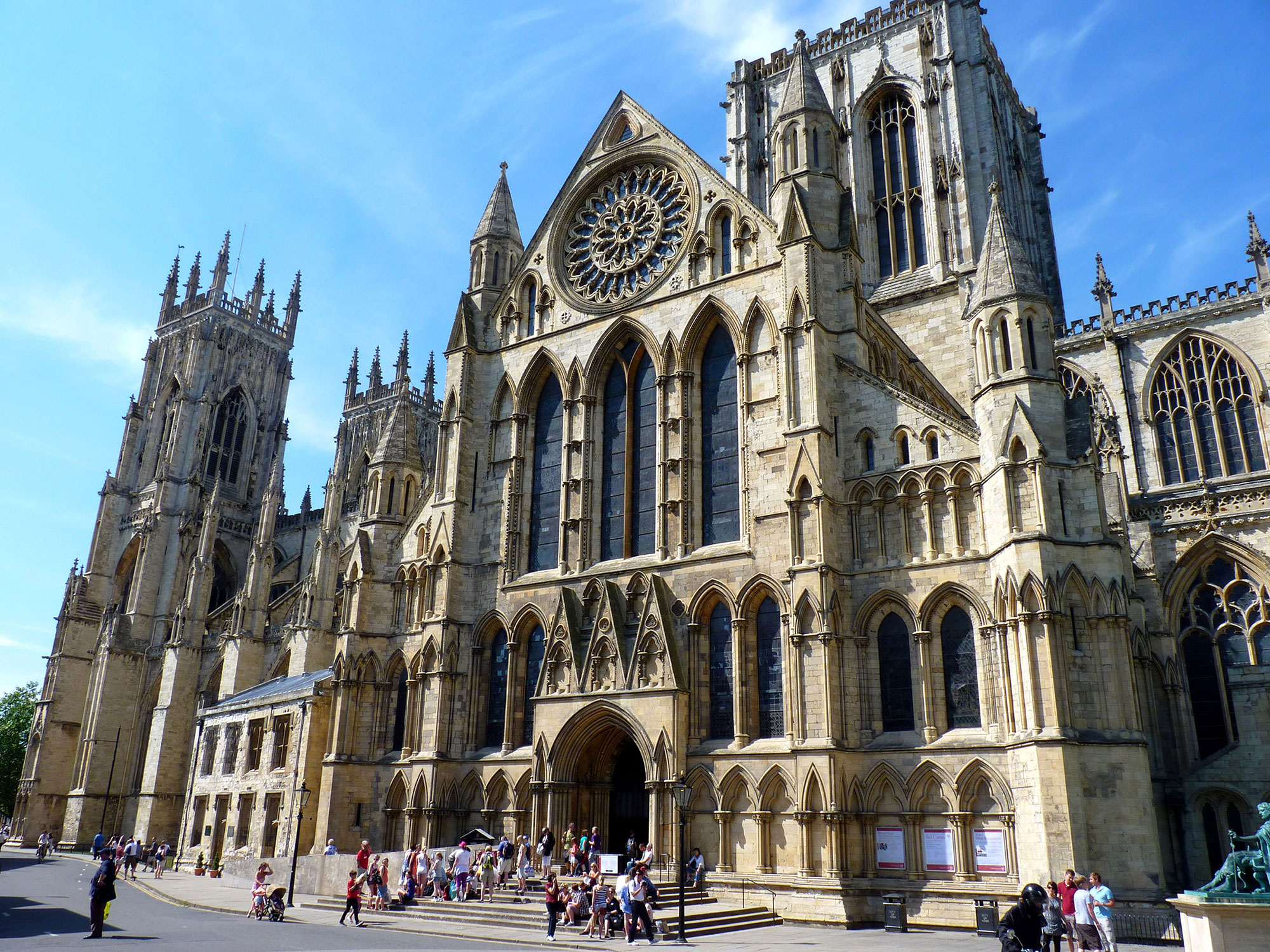
York is one of my favorite cities in England for simply walking around and seeing where I end up. Its Roman, Viking, medieval, and Georgian history all seem to exist on top of each other, and because the historic center is so compact, I can experience an incredible amount without ever needing a car.
York Minster is impossible to miss, and its sheer scale becomes even more impressive once you're inside surrounded by medieval stained glass.
From there, I love wandering through the Shambles, where timber-framed buildings lean dramatically over the narrow street. It's touristy now, but the architecture alone makes it worth seeing.
JORVIK offers a completely different look at the city. It's built directly above the remains of the Viking settlement archaeologists uncovered here, and I think it does a particularly good job of making that period of York's history feel tangible rather than distant.
My favorite experience, though, costs nothing. Walking York's medieval Bar Walls early in the morning gives you fantastic views across the rooftops toward the Minster.
Around Bootham Bar especially, I've found that if I go early enough, I can have stretches of the walls almost entirely to myself.
How York fits into your England itinerary
York is incredibly easy to incorporate into an England itinerary because direct trains from London take around two hours.
I'd stay for two nights, giving yourself one day for the Minster, Shambles, and JORVIK and another for the city walls and National Railway Museum. If you're continuing north toward Durham, York also makes a natural stop along the way.
Cornwall
(pronounced: KOR-nwul)
Cornwall at a glance
Southwest England
Coastlines, beaches, hiking, and wildlife
4 nights minimum
Nature lovers, hikers, families, and road trippers
Wild, coastal, and laid-back
May to June
I could spend two weeks in Cornwall and never get bored. In fact, it's one of the few places in England where I think four nights should be considered the absolute minimum rather than a generous stay.
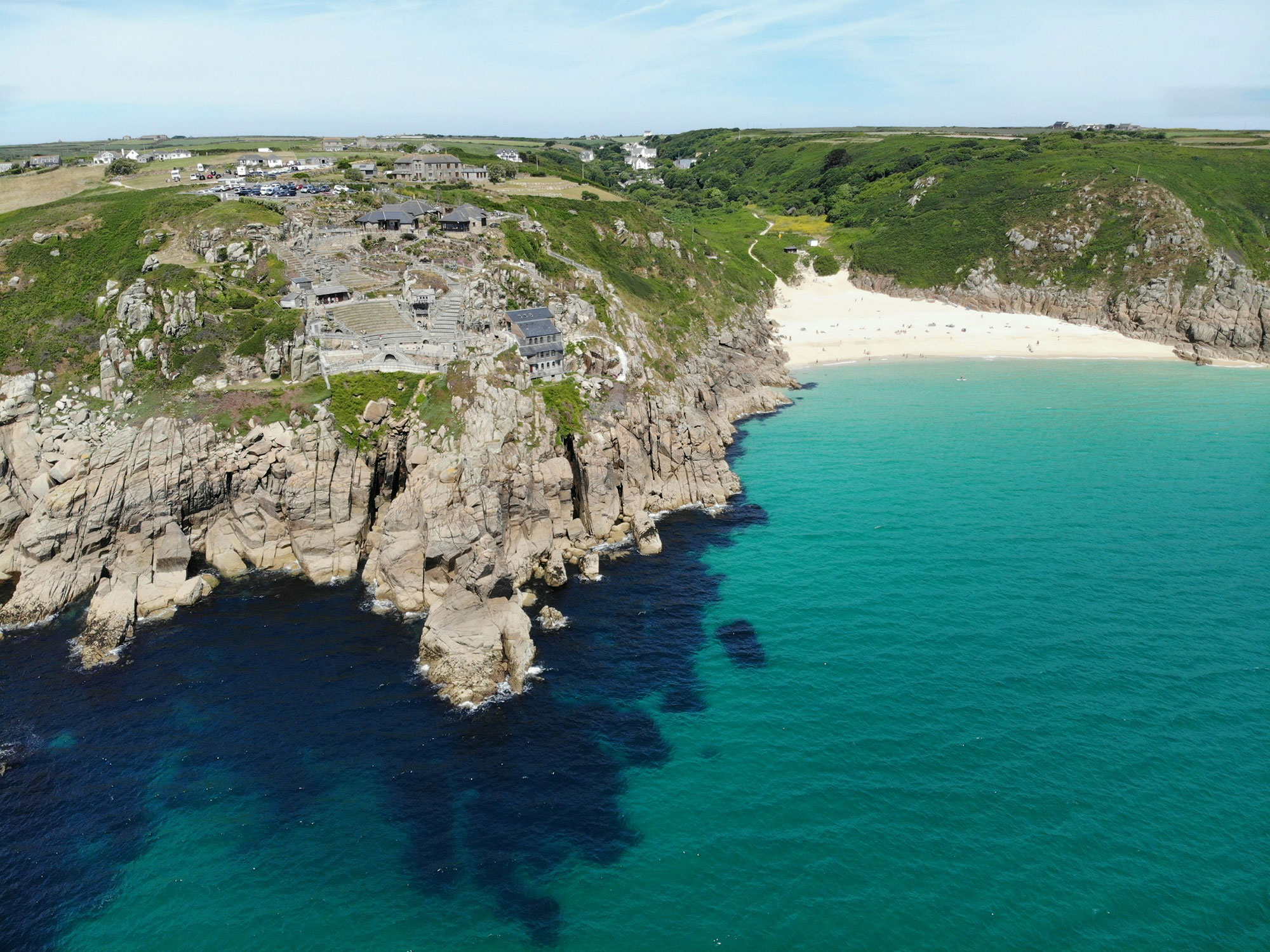
For me, the coastline is what makes Cornwall so special. There are around 300 miles of it, and it seems to change constantly.
I've found turquoise coves that barely look English, enormous Atlantic beaches, tiny fishing harbors, rugged cliffs, and abandoned tin mine engine houses clinging to the coastline.
Walking the South West Coast Path is one of my favorite ways to experience it, particularly the stretch between St Just and Cape Cornwall. But I also recommend seeing the coastline from the water.
The guided sea safaris are fantastic, taking you out along the Cornish coast in search of dolphins, grey seals, seabirds, and other marine wildlife. It's a completely different perspective of the cliffs and coves.
Then there are places like St Ives, Kynance Cove, the Lizard Peninsula, and the Eden Project. There's simply too much here to squeeze into a quick weekend.
Cornwall is somewhere I always want to linger, which is exactly why I recommend giving it more time than you think you'll need.
How Cornwall fits into your England itinerary
If you're exploring England by car, Cornwall works particularly well as the southwestern end of a longer road trip before making your way back toward the Cotswolds, Oxford, and London.
Cambridge
(pronounced: KAYM-brij)
Cambridge at a glance
Cambridgeshire, Eastern England
University history, architecture, and punting
1-2 nights
History lovers and couples
Elegant, scholarly, and picturesque
May to early June
Cambridge is one of those places I enjoy most when I don't try to see everything. The historic center is compact, the colleges seem to appear around every corner, and the River Cam gives the city a much softer, greener feel than I expected the first time I visited.
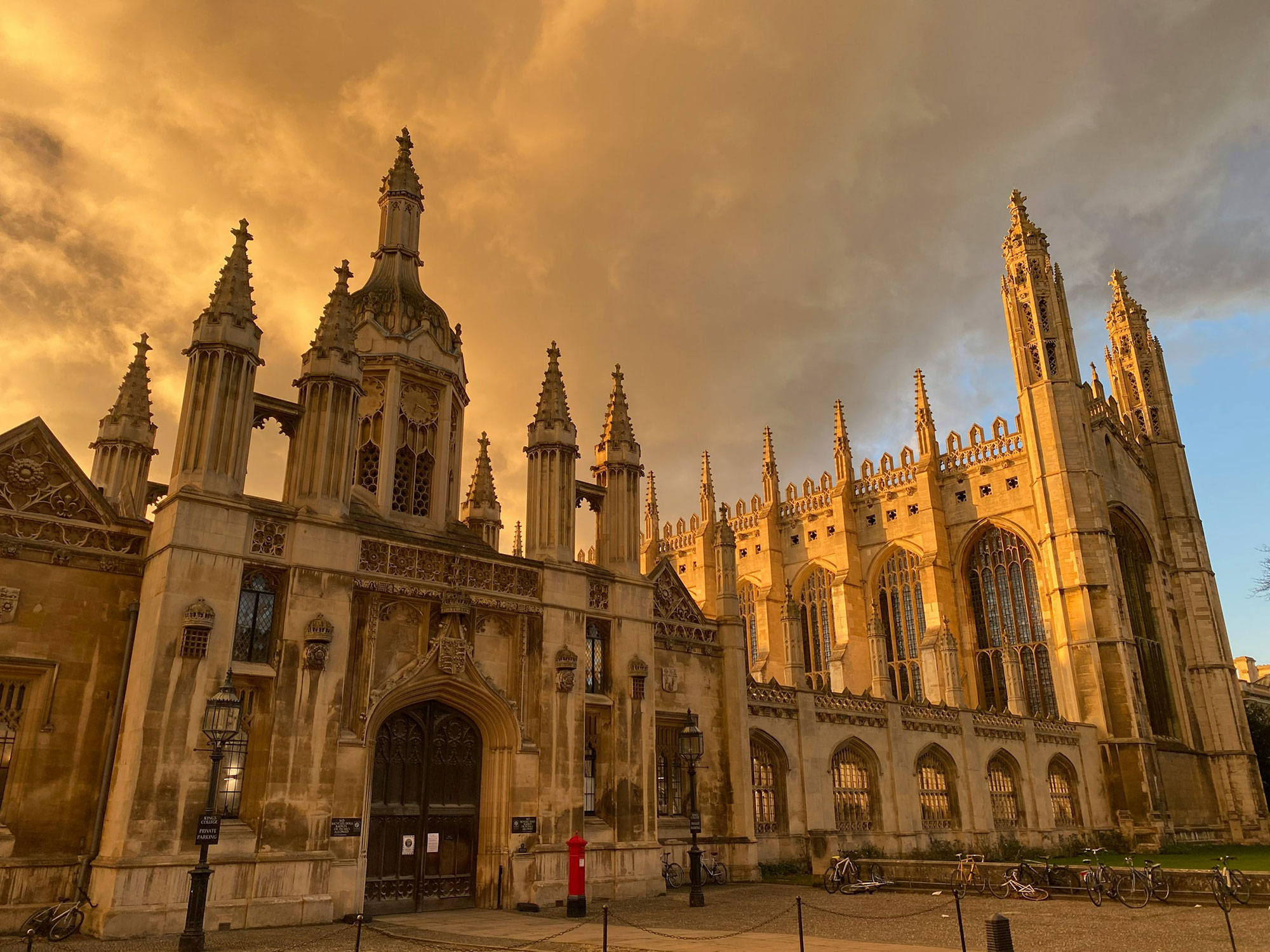
King's College Chapel is the building I think everyone should see. The enormous fan-vaulted ceiling is spectacular in person, and I could spend ages looking at the details inside. I also love walking along the Backs, where some of Cambridge's most famous colleges face the river and gardens rather than the busy streets.
But my favorite way to experience Cambridge is from the water. Hiring our own punt and attempting to navigate the Cam was far more fun than simply sitting on a guided tour.
There's a bit of a learning curve, which is part of the entertainment, but once you get the hang of it, you can slow down, stop when you want, and enjoy the views at your own pace.
Cambridge also rewards anyone who enjoys museums and books. The Fitzwilliam Museum is excellent and free, while the Wren Library at Trinity College holds treasures including Isaac Newton's own annotated copy of Principia.
How Cambridge fits into your England itinerary
Cambridge is only about an hour from London by direct train, making it one of the easiest additions to a London itinerary.
You can see the main highlights on a day trip, but I'd stay one or two nights if you want time for the colleges, punting, the Fitzwilliam Museum, and an evening in the city after the day-trippers have returned to London.
The Lake District
The Lake District at a glance
Cumbria, Northwest England
Hiking, lakes, and mountain scenery
4 nights
Hikers, nature lovers, and photographers
Wild, peaceful, and dramatic
April to June and September
The Lake District is England at its wildest, and it's one of the places I return to when I want landscapes rather than cities.
The combination of mountains, deep glacial lakes, tiny stone villages, and weather that seems capable of changing every ten minutes gives this part of England a personality all its own.
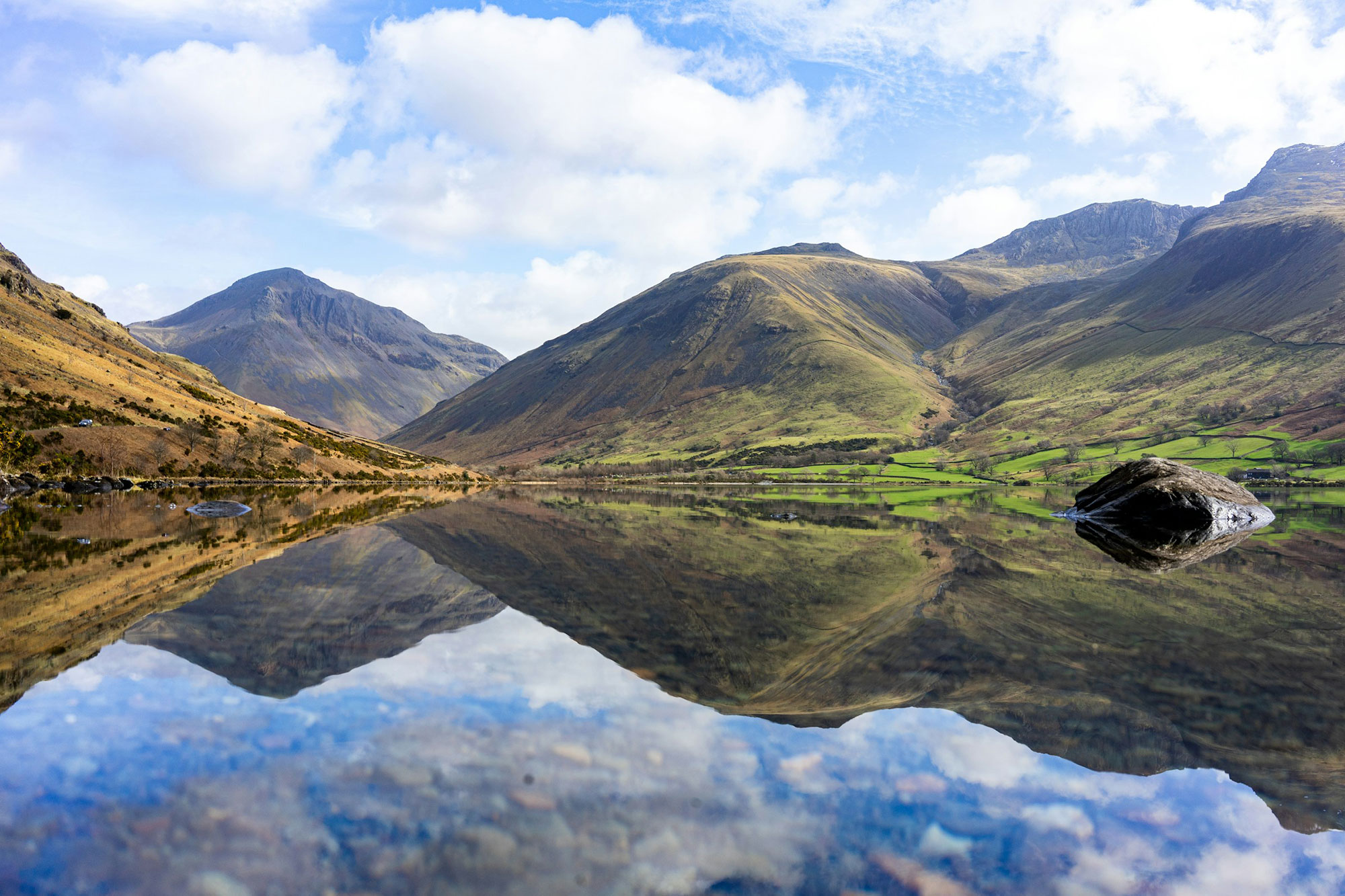
Wastwater is my favorite place in the entire park. It's England's deepest lake, surrounded by steep scree slopes and some of the country's highest mountains, but what I love most is how little there is around it.
No busy waterfront or string of cafés, just dark water, mountains, and an incredible sense of quiet. It's one of those landscapes where I'm perfectly happy to sit and do absolutely nothing for a while.
For more active days, there are countless walking routes. Scafell Pike is England's highest mountain, while Helvellyn offers some spectacular high-level hiking. You don't need to tackle the biggest peaks, though. I've found plenty of gentler walks that deliver equally beautiful views.
I also love the literary history here. Visiting Wordsworth's Dove Cottage in Grasmere or Beatrix Potter's Hill Top adds another dimension to the landscape, particularly when you realize how deeply these surroundings influenced their work.
Four nights might sound like a lot for one national park, but I think the Lake District deserves it.
How the Lake District fits into your England itinerary
I'd base myself in Ambleside or Keswick rather than trying to move hotels every night. From there, you can dedicate separate days to the western lakes and Wastwater, mountain walks around Helvellyn or Scafell Pike, Grasmere and Dove Cottage, and the Windermere area.
If you're following a longer England itinerary, the Lake District also pairs naturally with York and Durham as you explore northern England rather than repeatedly returning to London.
Bath
(pronounced: BAHTH)
Beth at a glance
Somerset, Southwest England
Roman history, Georgian architecture, and spas
2-3 nights
History lovers, couples, and slow travelers
Elegant, historic, and relaxing
April to June and September to October
Bath is one of those English cities where I think staying overnight makes a huge difference. During the middle of the day it can be incredibly busy, but early in the morning and later in the evening, I find it much easier to appreciate just how beautiful the city really is.
The Roman Baths are the obvious place to start, and they're absolutely worth the attention they receive.
Walking around the Great Bath with steam rising from the mineral-rich water and Bath Abbey just beyond feels like one of the closest encounters you can have with Roman Britain.
I recommend booking the earliest entry available so you can experience it before the biggest tour groups arrive.
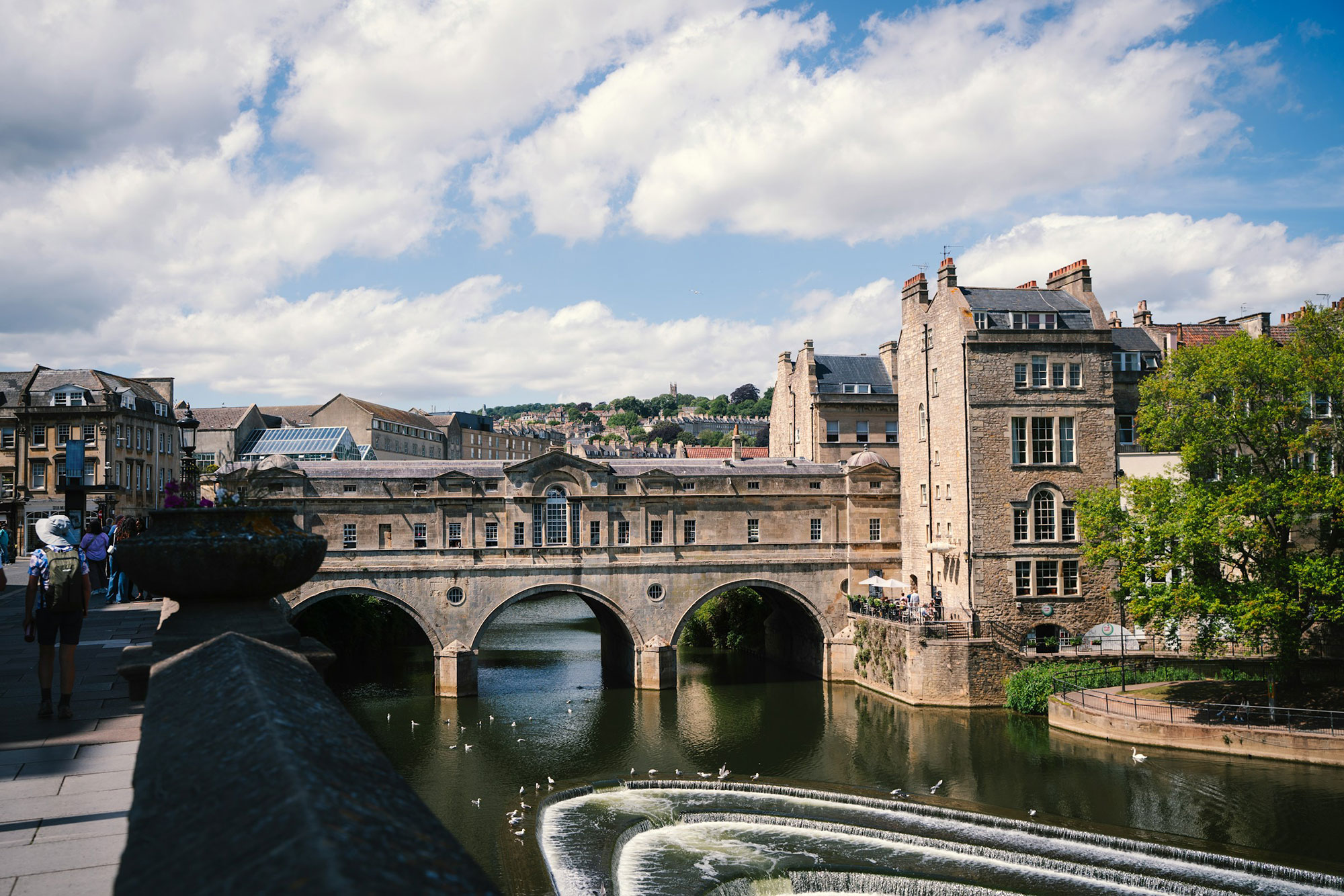
But Bath isn't only about the Romans. I love walking through the Georgian streets toward the Royal Crescent, exploring around Pulteney Bridge, and spotting the places connected with Jane Austen. The uniform honey-colored Bath stone makes the entire historic center feel remarkably cohesive.
I also think it's worth experiencing Bath as an actual spa town rather than only visiting its historic baths. Spending an afternoon at Thermae Bath Spa, particularly the rooftop pool overlooking the city, is a wonderful contrast to a morning spent sightseeing.
For me, Bath works because history isn't confined to a museum. The entire city feels like part of it.
How Bath fits into your England itinerary
Bath is about two hours from London by direct train, so it's possible as a day trip, but I'd spend two or three nights here.
It also fits particularly well into a longer southern England itinerary with Oxford and the Cotswolds, or as a stop on the way southwest toward Cornwall.
London
London at a glance
Southeast England
Museums, history, food, and neighborhoods
4-5 nights
Culture lovers, foodies, history lovers, and first-time visitors
Energetic, diverse, and endlessly explorable
April to June and September to December
I've been to London enough times to know that the London I enjoy most isn't necessarily the one people picture before their first trip.
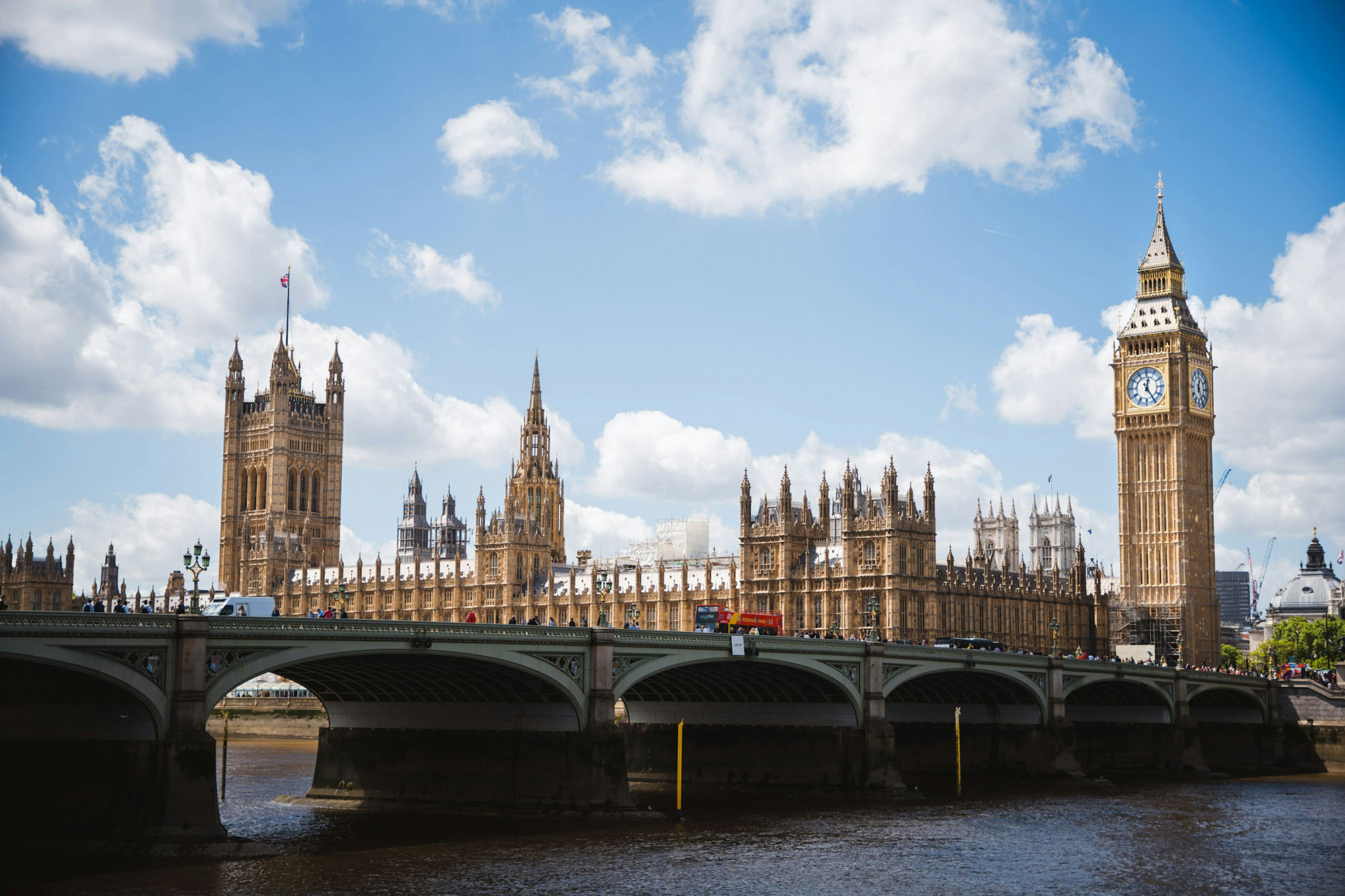
Big Ben, Buckingham Palace, Westminster Abbey, and the Tower of London are absolutely worth seeing, but they're only the beginning. For me, the real appeal is how quickly the city changes as you move from one neighborhood to another.
I could spend an entire trip just visiting London's museums. The British Museum, National Gallery, Victoria and Albert Museum, Natural History Museum, Tate Modern, and Science Museum are all world-class, and general admission to their permanent collections is free. That's something I never take for granted here.
You can wander into the National Gallery for an hour, spend an afternoon at the V&A, or escape a rainy morning in the British Museum without building your entire day around an expensive ticket.
Food is another huge part of why I love London. Borough Market is one of my favorite places to start a morning, but I also recommend getting beyond central London's most famous restaurants.
Some of my best meals have come from exploring neighborhoods where London's enormous international population has completely transformed the food scene.
Then there are the places that make London feel distinctly London: walking along the Thames at dusk, crossing the Millennium Bridge toward St Paul's, exploring the medieval streets of the City, browsing Portobello Road, or spending a Sunday morning wandering around Notting Hill.
What I've learned is that I enjoy London much more when I stop trying to conquer it. There will always be another museum, market, historic pub, neighborhood, or little street I haven't seen yet.
How London fits into your England itinerary
London will be the natural beginning or end of an England itinerary for most international travelers, and I'd give it at least four nights. Five or six is even better if it's your first visit.
London is also one of the best transportation hubs in Europe, making it easy to continue by train to France, or fly to Ireland or Scotland.
England is one of those destinations where the ideal route depends heavily on how much of the country you try to cover.
With seven days, I'd focus on London and some of my favorite destinations in southern and central England rather than spending too much time in transit.
England Itinerary: 7 Days
Route: London → Bath → The Cotswolds → Oxford → London
| Days 1-2 | Day 3 | Days 4-5 | Days 6 | Days 7 |
|---|---|---|---|---|---|
Destination | London | Bath | The Cotwolds | Oxford | London |
Overnight | London | Bath | The Cotwolds | Oxford or London | London or departure |
Why this route? This seven-day England itinerary combines one of the world's great cities with Roman history, quintessential English countryside, and one of the country's most beautiful university cities. It also keeps travel distances relatively short, so you're actually exploring England rather than spending your week getting from one end of the country to the other.
*I'd save Cornwall, York, Durham, and the Lake District for a longer trip. They're absolutely worth visiting, but trying to add them to a seven-day itinerary would make this route much too rushed.
Why England deserves a visit beyond London
I love London, but some of my favorite experiences in England have happened after I've left the capital behind. The more I've explored the country, the more I've realized how much travelers miss when they make London their entire trip.
Beyond the capital, I've wandered through honey-colored villages in the Cotswolds, kayaked and hiked through the Lake District, explored medieval streets in York and Durham, spent evenings on the coast in Brighton, and discovered just how much there is to see along the wild coastline of Cornwall.
Even cities like Bath, Oxford, and Cambridge each offer a completely different version of England.
If it's your first visit, don't feel like you need to see all 10 destinations. Some travelers will be happiest exploring historic cities and castles, while others will fall in love with the countryside, coastal walks, tiny villages, or traditional pubs.
London absolutely deserves your time, but I think you really start to understand England once you get on a train, rent a car, and see what lies beyond it.
FAQs about traveling to England
England uses the pound sterling (£ or GBP) as its official currency, and credit and debit cards are accepted almost everywhere, with contactless payments particularly common.
Visa requirements depend on your nationality, but many travelers can visit the UK for up to six months without a visa, although eligible visitors may need to obtain an Electronic Travel Authorisation (ETA) before traveling.
Yes, driving in England is generally straightforward, although you'll drive on the left-hand side of the road, and narrow country lanes, roundabouts, and traffic in larger cities can take some getting used to.
Yes, England is generally a safe destination for travelers, although it's sensible to watch your belongings in crowded tourist areas and on public transportation, particularly in London.
England uses Type G plugs with three rectangular pins, with a standard voltage of 230V and a frequency of 50Hz.
Ready to explore England? Optimise Travel is here to help
England may be relatively easy to travel around, but deciding how to divide your time between its historic cities, countryside, coastline, and countless cultural attractions can be surprisingly difficult.
At Optimise Travel, we create personalized travel itineraries based on your interests, travel style, and budget. Whether you're dreaming of exploring London, wandering through Cotswolds villages, hiking in the Lake District, discovering medieval cities like York and Durham, relaxing on the Cornish coast, or diving into England's incredible history and literary heritage, we'll help you build an itinerary that makes the most of your time.
If you'd like help planning your trip to England, click here to learn more about our concierge travel services.