

Ireland is small enough to cross in a day, but I could spend a lifetime exploring it.
From colourful coastal towns and dramatic Atlantic cliffs to ancient castles and lively cities, there’s an incredible amount packed into this little island.
The hardest part? Deciding what actually deserves a spot on your itinerary.
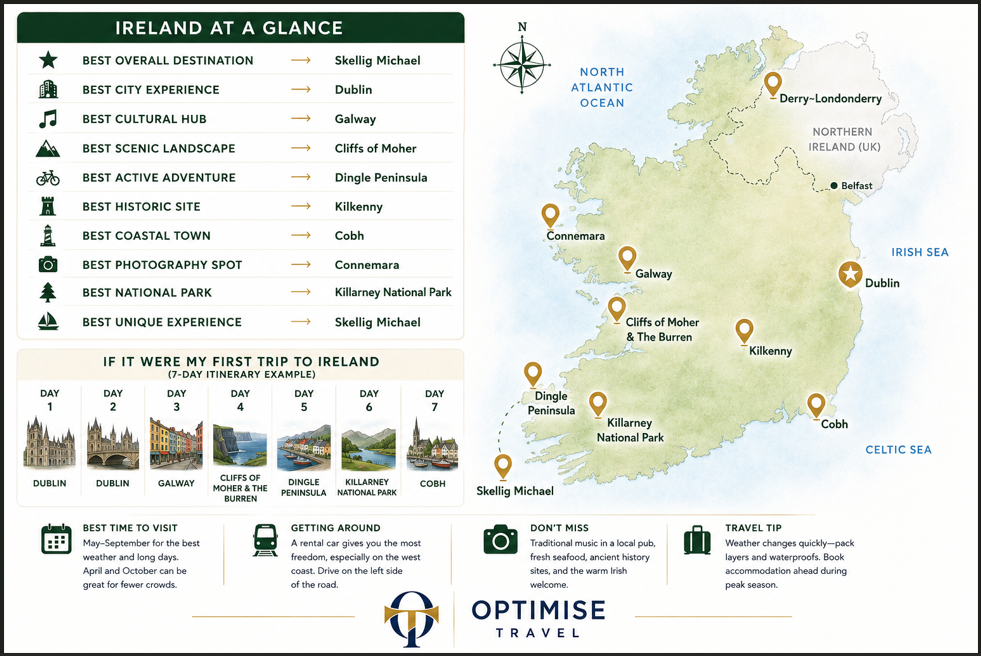
I’ve narrowed it down to 10 places I think show Ireland at its absolute best, including a few that might surprise you.
Have You Seen Our Travel Concierge Service?
Your trip, planned by local experts
We are not a travel agent - we design custom itineraries around your budget and style, without receiving commissions or booking fees.
Custom itinerary
Built around your dates, budget, and travel style.
Local expert knowledge
Recommendations from people on the ground, not review sites.
Travel smarter, spend less
We optimise for your budget to make your money go further.
Kilkenny
(pronounced: KIL-ken-ee)
Kilkenny at a glance
County Kilkenny, southeast Ireland
Medieval history, castles, architecture, and Irish crafts
1 night
History lovers, couples, and travelers who enjoy exploring on foot
Compact, atmospheric, and lively
June, September, and October
Kilkenny is one of those cities that immediately made me want to explore on foot.
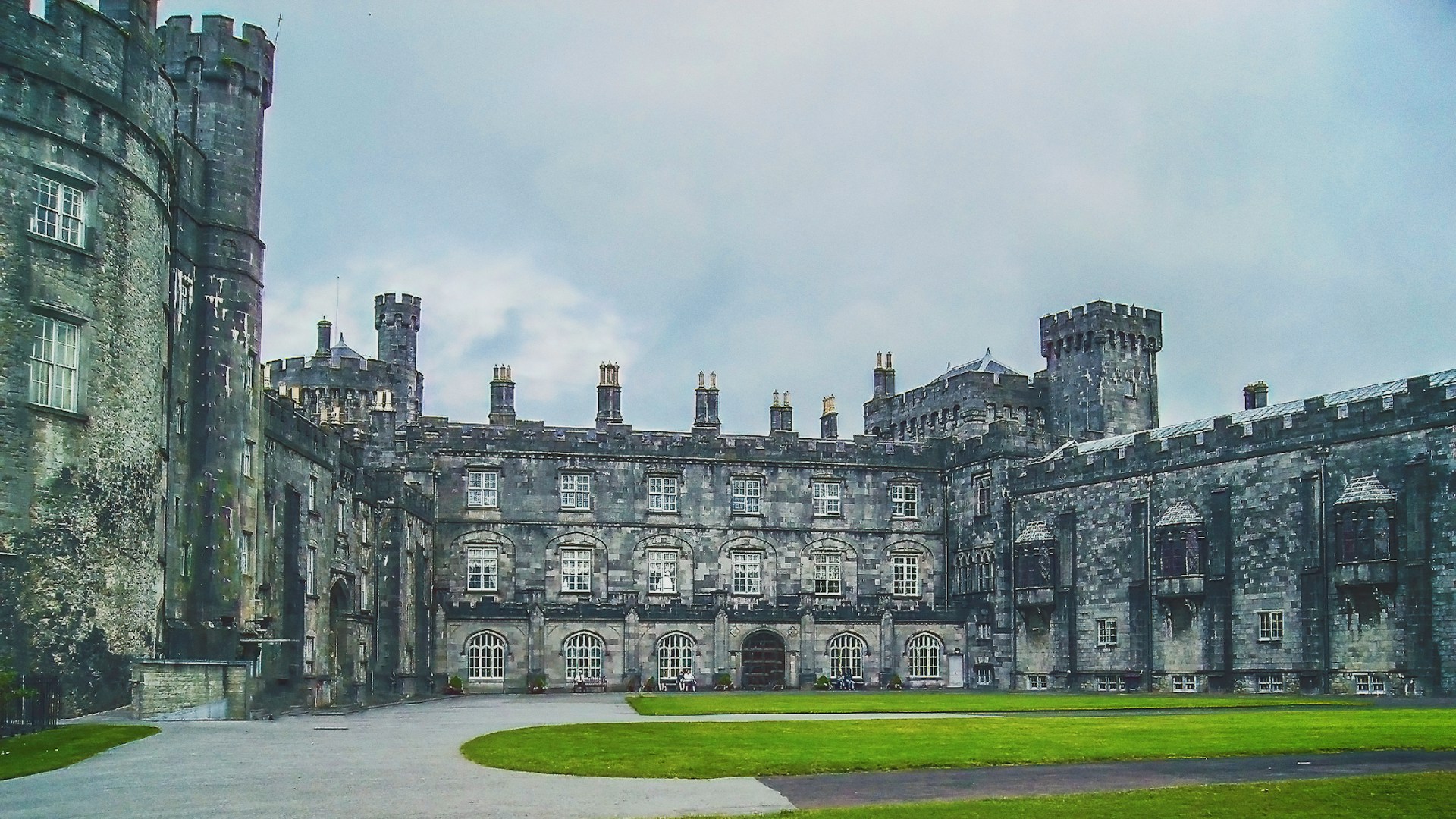
The historic center is wonderfully compact, with Kilkenny Castle at one end and St Canice's Cathedral at the other. I followed the Medieval Mile between them, wandering through narrow lanes and past centuries-old churches that made the city feel remarkably intact.
Kilkenny Castle was an obvious highlight. It has overlooked the River Nore since the 12th century, but I especially loved seeing it from the rose garden, where the Norman towers rise above the manicured grounds.
From there, I continued through the old city to the Black Abbey and St Canice's Cathedral, where a 9th-century round tower offers views across Kilkenny if you're willing to tackle the steep climb.
I also stopped at the Medieval Mile Museum, which helped put much of the history I'd been walking through into context.
One of my favorite stops was the Kilkenny Design Centre in the old castle stables, where I browsed Irish ceramics, textiles, jewelry, and crafts.
What I liked most about Kilkenny was its scale. I could simply wander, stop whenever something caught my attention, and gradually work my way through centuries of Irish history.
How Kilkenny fits into your Ireland itinerary
I'd give Kilkenny one night rather than rushing through on a day trip from Dublin.
It's about 120 kilometres southwest of the capital and works particularly well as an early stop when traveling through southern Ireland.
Cobh
(pronounced: kohv)
Cobh at a glance
County Cork, southern Ireland
Harbour views, maritime history, and colorful streets
Half day to 1 night
History lovers, photographers, and couples
Colourful, historic, peaceful, and slightly poignant
May to September
Cobh was one of those places where I came for the views but found the history stayed with me just as much.
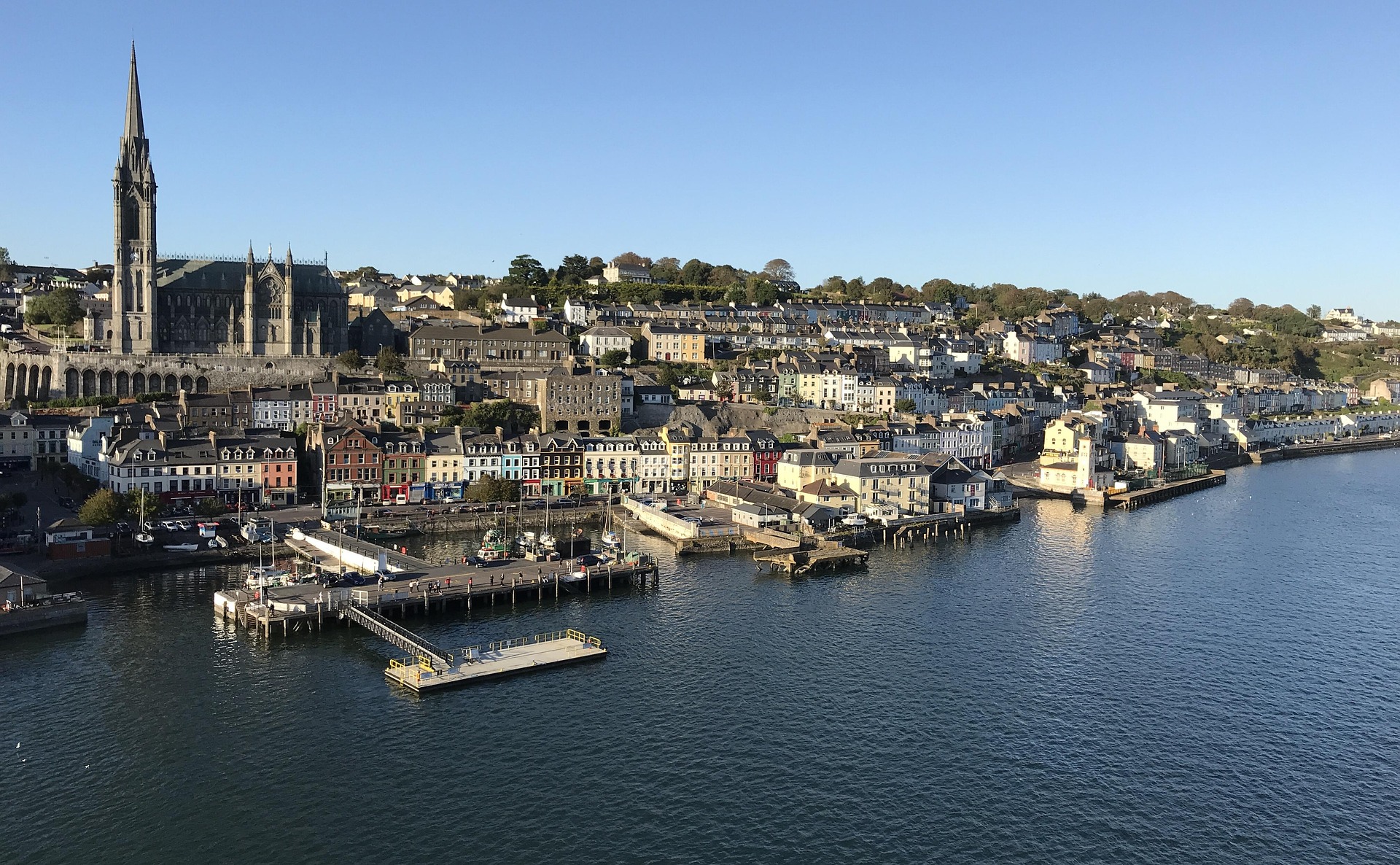
The town climbs steeply above Cork Harbour, with rows of brightly painted houses leading toward St Colman's Cathedral.
I loved wandering uphill through the streets, although the postcard view I was really looking for was the famous Deck of Cards, where the colourful houses appear stacked beneath the cathedral.
Down by the waterfront, Cobh's atmosphere changed completely. This was the Titanic's final port of call in 1912, and the Cobh Heritage Centre gave me a much broader understanding of the town's maritime past. Millions of Irish emigrants also departed from this harbour, which made looking out toward the open sea feel surprisingly poignant.
I made my way back uphill to St Colman's Cathedral, whose enormous spire seems to watch over the entire town. From the higher streets, I could look across the rooftops and harbour toward the Atlantic beyond.
That view ended up being my favorite part of Cobh. Between the colourful houses, cathedral and water, it's beautiful, but knowing how many journeys began here gave the scenery much more meaning.
How Cobh fits into your Ireland itinerary
Cobh is only about 25 minutes from Cork by train, so it's very easy to visit as a half-day trip. I'd allow most of a day if you want to explore without rushing, or stay overnight if you prefer quieter evenings in smaller towns.
It pairs naturally with Cork and can also be worked into a longer stay that includes Blarney Castle before continuing along Ireland's southern coast.
Westport
(pronounced: WEST-port)
Westport at a glance
County Mayo, west coast of Ireland
Cycling, mountain scenery, traditional pubs, and exploring Clew Bay
2 nights
Cyclists, hikers, couples, and outdoor travelers
Friendly, lively, scenic, and outdoorsy
May to September
Westport was one of those Irish towns where I immediately wished I had a little more time.
The colorful streets, tree-lined Carrowbeg River and surrounding mountains made it lovely to explore, but one of my favorite experiences was renting bicycles and riding part of the Great Western Greenway.
The route follows an old railway line from Westport toward Achill Island, and cycling gave me a completely different way to experience County Mayo. We passed through open countryside with mountains rising around us and caught beautiful views toward Clew Bay and its scattered islands.
I loved being able to slow down, stop when we wanted, and actually take in the landscape rather than watching it disappear through a car window.
Back in Westport, I wandered around the Octagon and along the river before settling into the much livelier side of town.
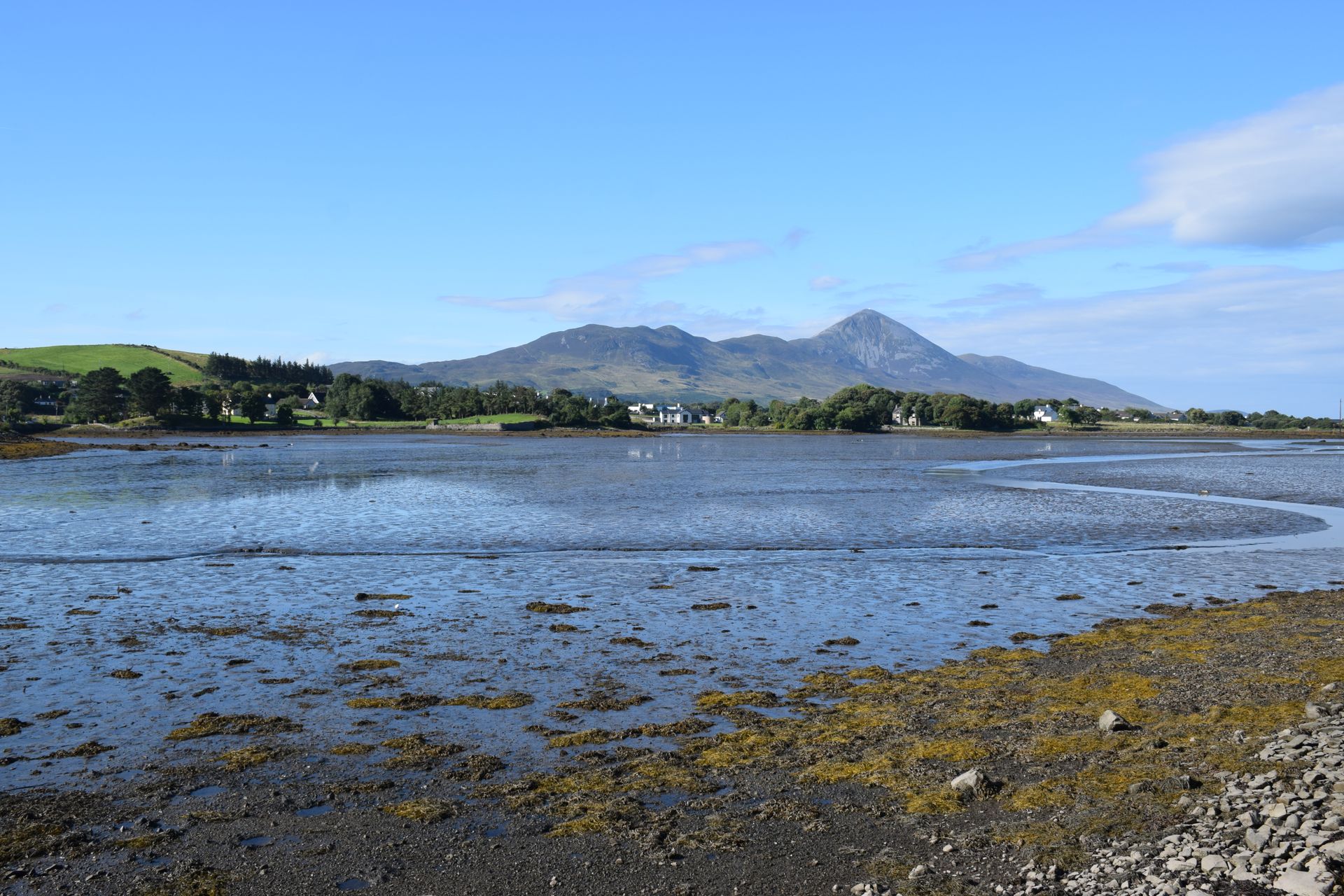
Croagh Patrick looms over the area and is one of Ireland's most famous pilgrimage mountains. Even without climbing it, seeing its distinctive peak above Clew Bay helped give me a sense of just how dramatic this part of Ireland is.
Westport gave me exactly what I wanted from the west coast: gorgeous scenery, time outdoors, and a town that was just as enjoyable once the bikes were parked.
How Westport fits into your Ireland itinerary
I'd spend at least two nights in Westport. Give yourself one day to explore the town and cycle part of the Great Western Greenway, then use your second day for the surrounding countryside.
If hiking is a priority, Croagh Patrick is the obvious addition. Westport also makes an excellent base for exploring Clew Bay before continuing north or farther along Ireland's Wild Atlantic Way.
Connemara
(pronounced: kon-eh-MAH-rah)
Connemara at a glance
Western County Galway, west coast of Ireland
Wild landscapes, scenic drives, hiking, and coastal scenery
2-3 nights
Road trippers, hikers, photographers, and nature lovers
Wild, remote, rugged, and wonderfully peaceful
May to September
Connemara felt like the Ireland I'd pictured before I ever arrived.
As I traveled west from Galway, towns and farmland gradually gave way to stretches of bogland, rocky mountains and narrow roads where I constantly wanted to pull over just to look around. The landscape felt much wilder here, and I loved how quickly it seemed to change.
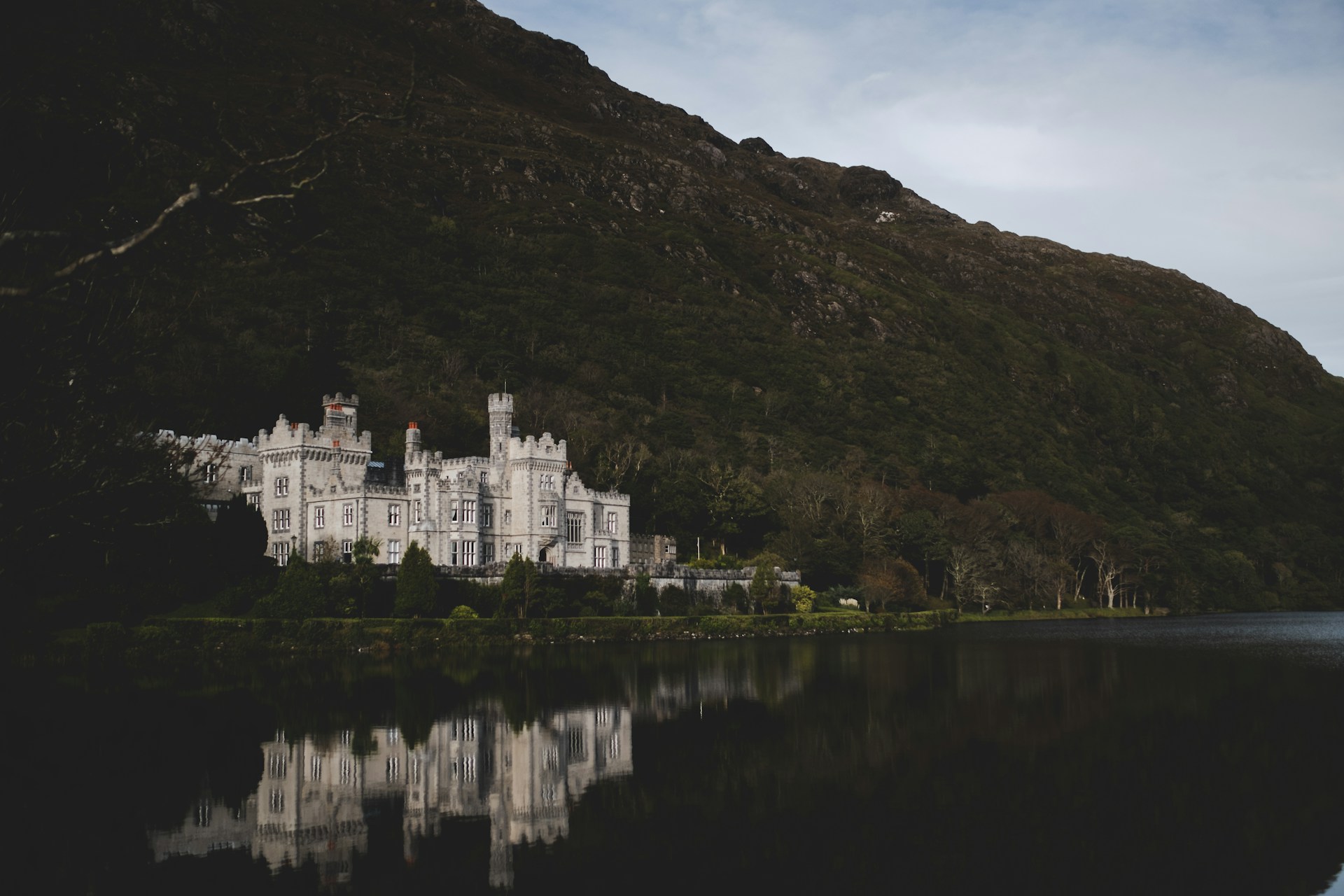
One of my favorite stops was Kylemore Abbey, sitting beside Pollacapall Lough with the mountains rising behind it. I'd seen plenty of photographs beforehand, but the combination of the lake, Victorian castle and surrounding landscape was even more impressive in person.
From there, I explored more of Connemara National Park, where the Twelve Bens dominate the horizon, and walking trails lead through some wonderfully open countryside.
I also drove the Sky Road outside Clifden, a short loop that became one of my favorite drives in Ireland. The road climbed above the coastline, giving me views across islands, rugged headlands, and the Atlantic stretching into the distance.
What stayed with me most about Connemara was the space. There were moments when I stopped somewhere almost completely silent, surrounded by mountains and bogland, and felt very far away from the busier Ireland I'd left behind.
How Connemara fits into your Ireland itinerary
I'd spend two or three nights in Connemara and use Clifden as a base. From there, you can explore Kylemore Abbey, Connemara National Park, the Sky Road and smaller stretches of the Atlantic coast without spending your entire visit in the car.
Dingle Peninsula
(pronounced: DING-ul)
The Dingle Peninsula at a glance
County Kerry, southwest Ireland
Coastal scenery, wildlife, ancient sites, scenic drives, and traditional music
2 nights
Road trippers, wildlife lovers, history lovers, and photographers
Rugged, traditional, and friendly
April to October, with June to September best for outdoor activities
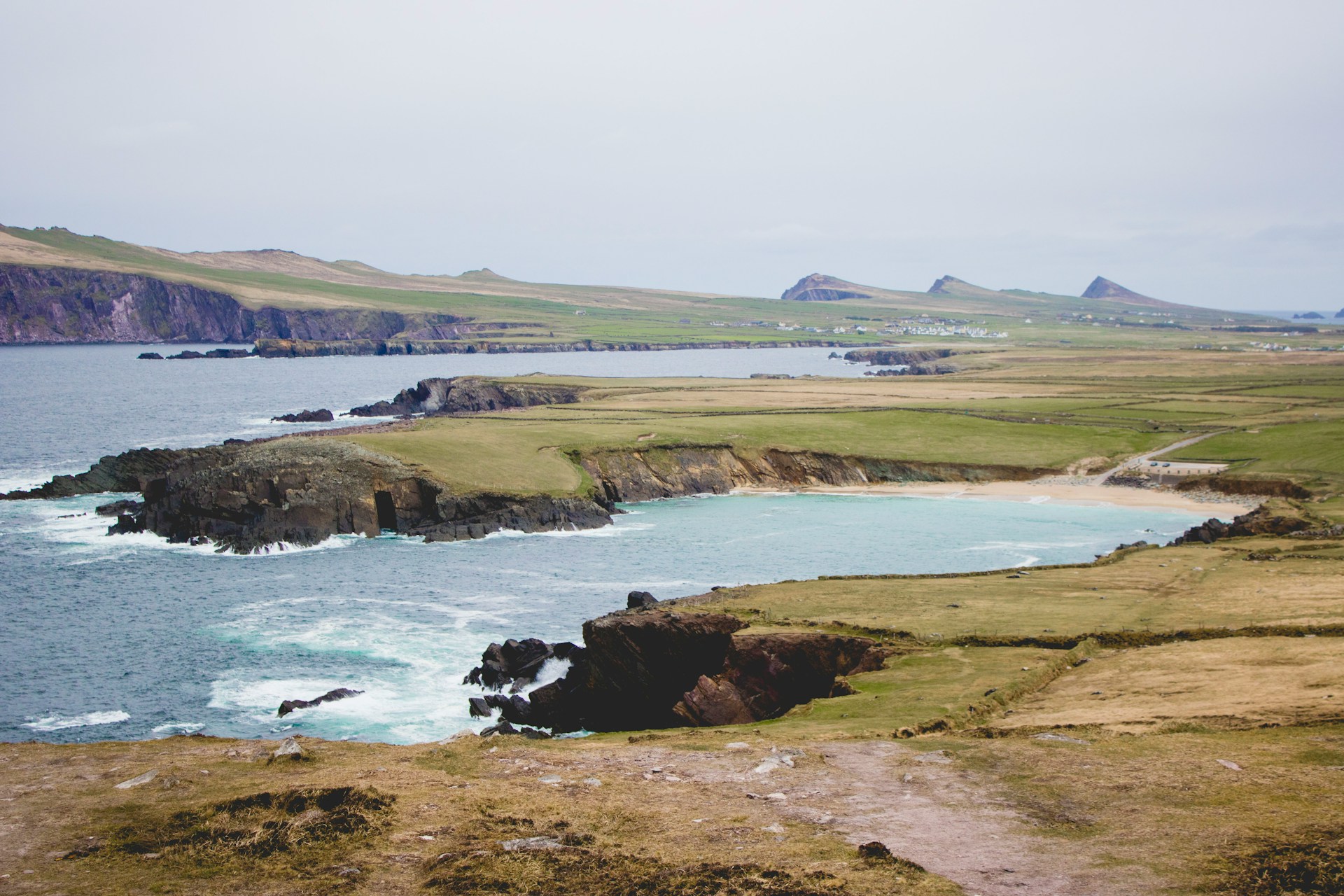
The Dingle Peninsula gave me some of my favorite coastal scenery in Ireland, but there was far more here than beautiful views.
I drove the Slea Head Drive around the western edge of the peninsula, where narrow roads hugged the coastline and the Blasket Islands appeared offshore. I found myself stopping constantly, sometimes for a viewpoint and sometimes simply because another stretch of coastline had caught my attention.
Along the way, I visited some of the peninsula's ancient stone sites, including the Gallarus Oratory and clochans, or beehive huts. Seeing structures that have survived for centuries against such an exposed Atlantic landscape made them even more fascinating.
I also definitely recommend taking a dolphin and whale watching tour from Dingle. Getting out onto the water gave me a completely different perspective of the peninsula, with its cliffs and green hills rising from the Atlantic. Even beyond the chance to spot wildlife, I thought the scenery alone made the boat trip worthwhile.
Back in Dingle town, the atmosphere became much livelier. I loved ending the day among its colorful streets and traditional pubs, where live Irish music felt like a natural part of the evening rather than something staged for visitors.
How the Dingle Peninsula fits into your Ireland itinerary
The peninsula fits beautifully into a southwest Ireland road trip and pairs naturally with Killarney and the Ring of Kerry.
I wouldn't treat it as a quick detour, though. What I enjoyed most was having enough time to stop whenever the landscape gave me a reason.
Galway
(pronounced: GOL-way)
Galway at a glance
County Galway, west coast of Ireland
Traditional music, nightlife, Irish culture, food, and coastal atmosphere
2-3 nights
Culture lovers, foodies, and travelers who enjoy lively cities
Energetic, creative, traditional, and wonderfully sociable
May, July, and September
I'd heard more than once that Galway was "the most Irish place in Ireland," and after spending time there, I started to understand why people say it.
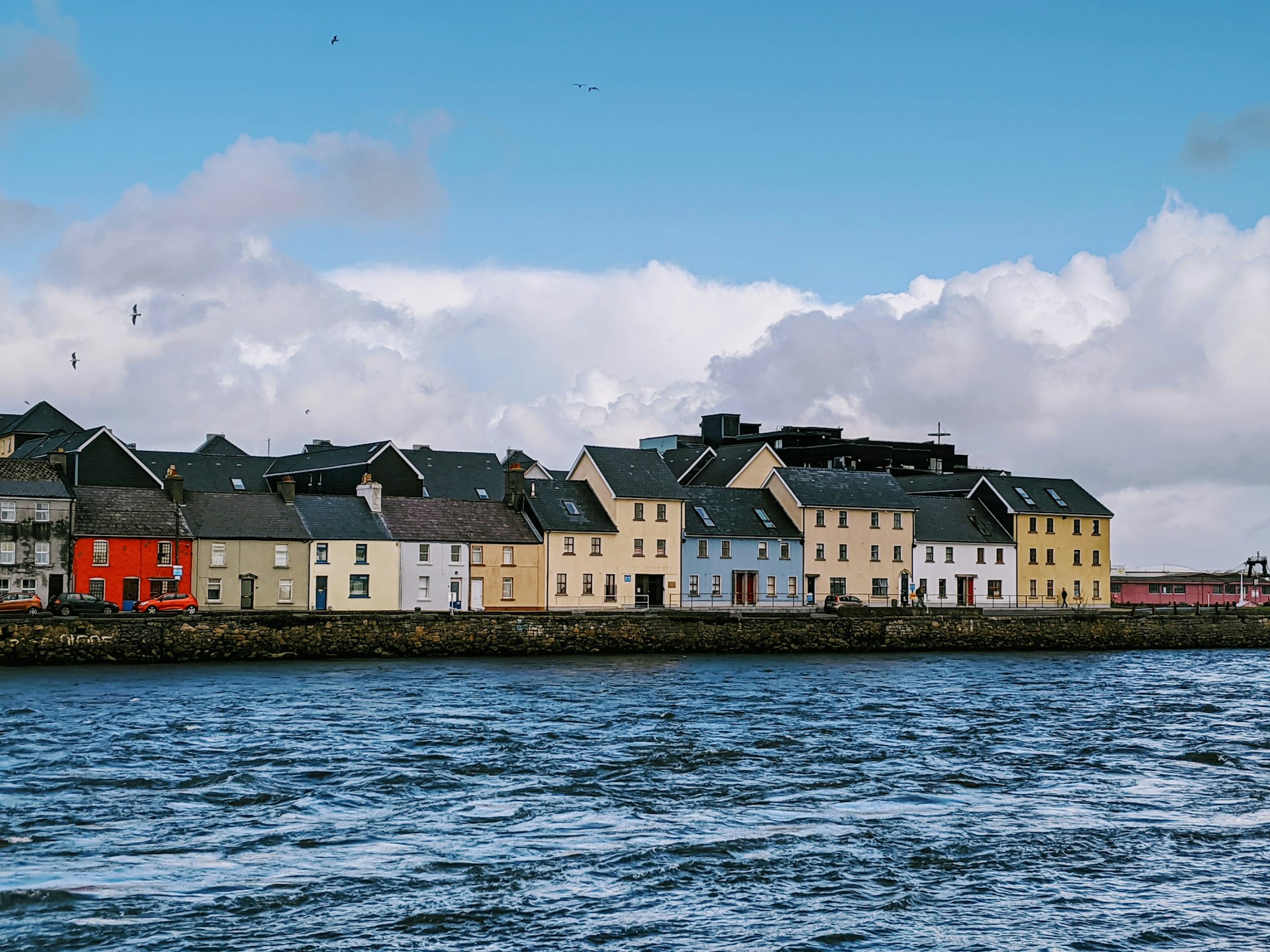
The city felt energetic from the moment I reached the center. I wandered along Shop Street and Quay Street, where buskers played to passing crowds and the pubs seemed to spill naturally into the streets. Compared with Dublin, Galway felt smaller and more intimate, but certainly not quieter.
I followed the streets down toward the Spanish Arch and the River Corrib before eventually making my way out toward Galway Bay. One of the things I loved most was how quickly I could move between the busy city center and views across the water.
But Galway really won me over with its music. Traditional sessions seemed to appear without much ceremony, and I loved walking past pubs and listening for live music coming from inside. It felt spontaneous rather than something I'd needed to schedule or seek out.
By the end of my visit, that "most Irish place in Ireland" description made more sense to me.
Galway brought together music, conversation, history and a strong sense of local culture in a way that felt completely natural.
How Galway fits into your Ireland itinerary
Galway is also one of the most useful bases on Ireland's west coast. From here, you can continue into Connemara, take a trip to the Aran Islands, or travel south toward the Burren and County Clare.
Cliffs of Moher & The Burren
(pronounced: MOH-her / BUR-en)
Cliffs of Moher & The Burren at a glance
County Clare, west coast of Ireland
Dramatic coastal scenery, hiking, geology, and ancient history
1 full day
Natures lovers, hikers, and road trippers
Windswept, ancient, and wonderfully strange
May for Burren wildflowers, May to September for longer daylight hours
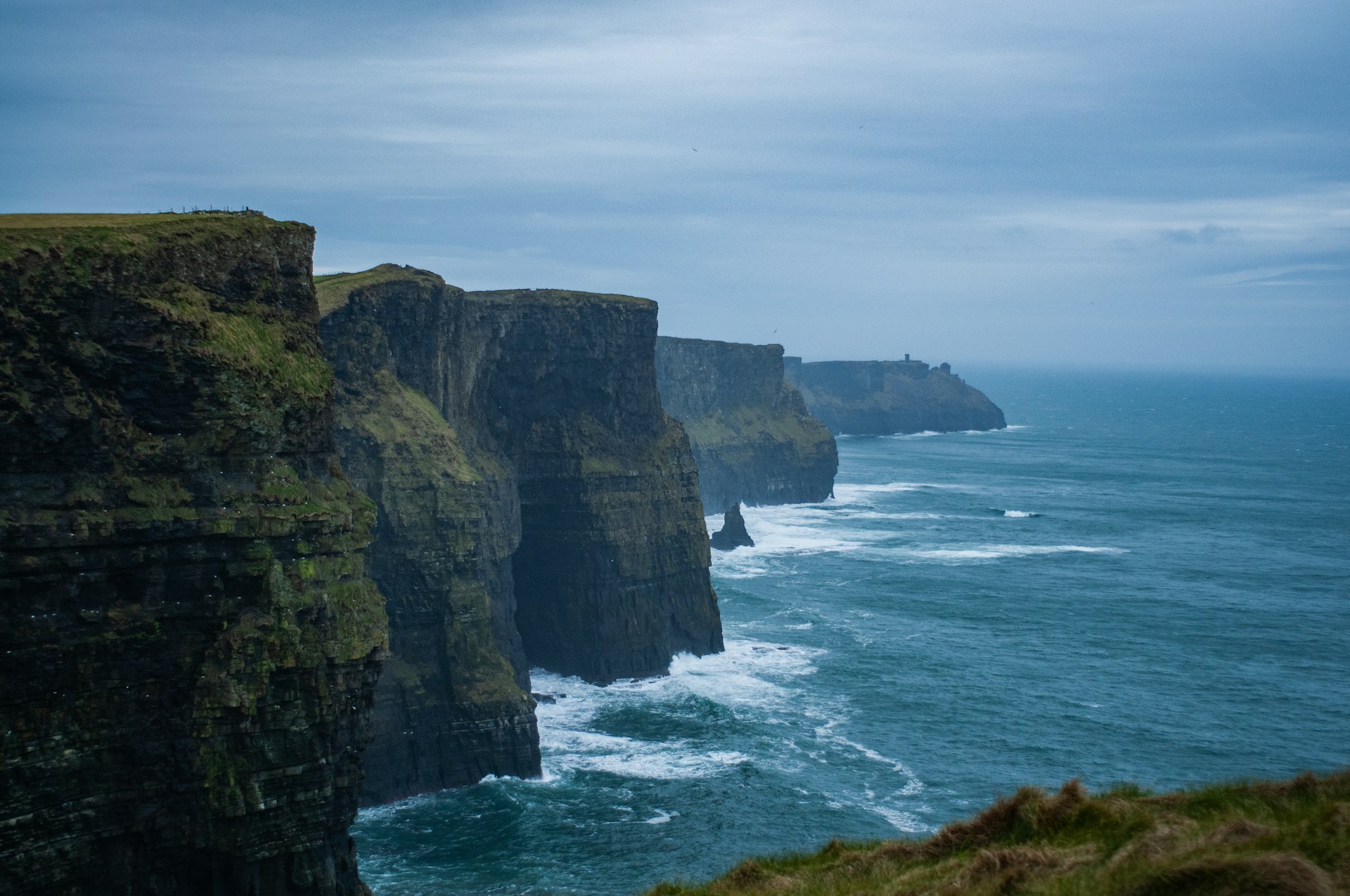
I'd seen countless photographs of the Cliffs of Moher before visiting, but standing above the Atlantic with the cliffs stretching into the distance was still every bit as dramatic as I'd hoped.
I walked along part of the cliff path, stopping constantly to look back at the sheer rock faces dropping into the ocean. At their highest point, the cliffs rise more than 200 metres above the water, and their scale was difficult to appreciate until I was actually standing there.
What surprised me was how different the landscape became when I continued into the Burren.
Within a short drive, green coastal scenery gave way to enormous expanses of exposed limestone. I found the Burren fascinating, particularly the strange patterns in the rock and tiny plants growing from its cracks. It felt stark at first, but the longer I explored, the more details I started noticing.
I also stopped at Poulnabrone Dolmen, a Neolithic tomb standing almost alone against the limestone landscape. Seeing something thousands of years old in such an exposed setting made it one of the most memorable stops of the day.
The Cliffs were spectacular, but the Burren was the part I hadn't expected to enjoy quite so much.
How the Cliffs of Moher & The Burren fit into your Ireland itinerary
I'd dedicate a full day to County Clare, starting with the Cliffs of Moher and then slowing down for an afternoon exploring the Burren and Poulnabrone Dolmen.
Doolin makes a convenient nearby base, particularly if you want to add an Aran Islands ferry trip. If you're following a longer west coast route, this area also fits naturally between Galway and destinations farther south in County Kerry.
Ring of Kerry
(pronounced: KER-ee)
Ring of Kerry at a glance
Iveragh Peninsula, County Kerry, southwest Ireland
Hiking, mountain scenery, coastal drives, lakes, and photography
2-3 nights
Hikers, road trippers, photographers, and nature lovers
Dramatic, green, mountainous, and wonderfully scenic
May, June, and September
The Ring of Kerry gave me some of my favorite hiking in all of Ireland.
The famous 179-kilometre driving route circles the Iveragh Peninsula, but I found that the landscape became much more memorable once I got out of the car. Around Killarney National Park, I hiked through a landscape of lakes, forests and mountains, with the McGillycuddy's Reeks rising dramatically in the distance.
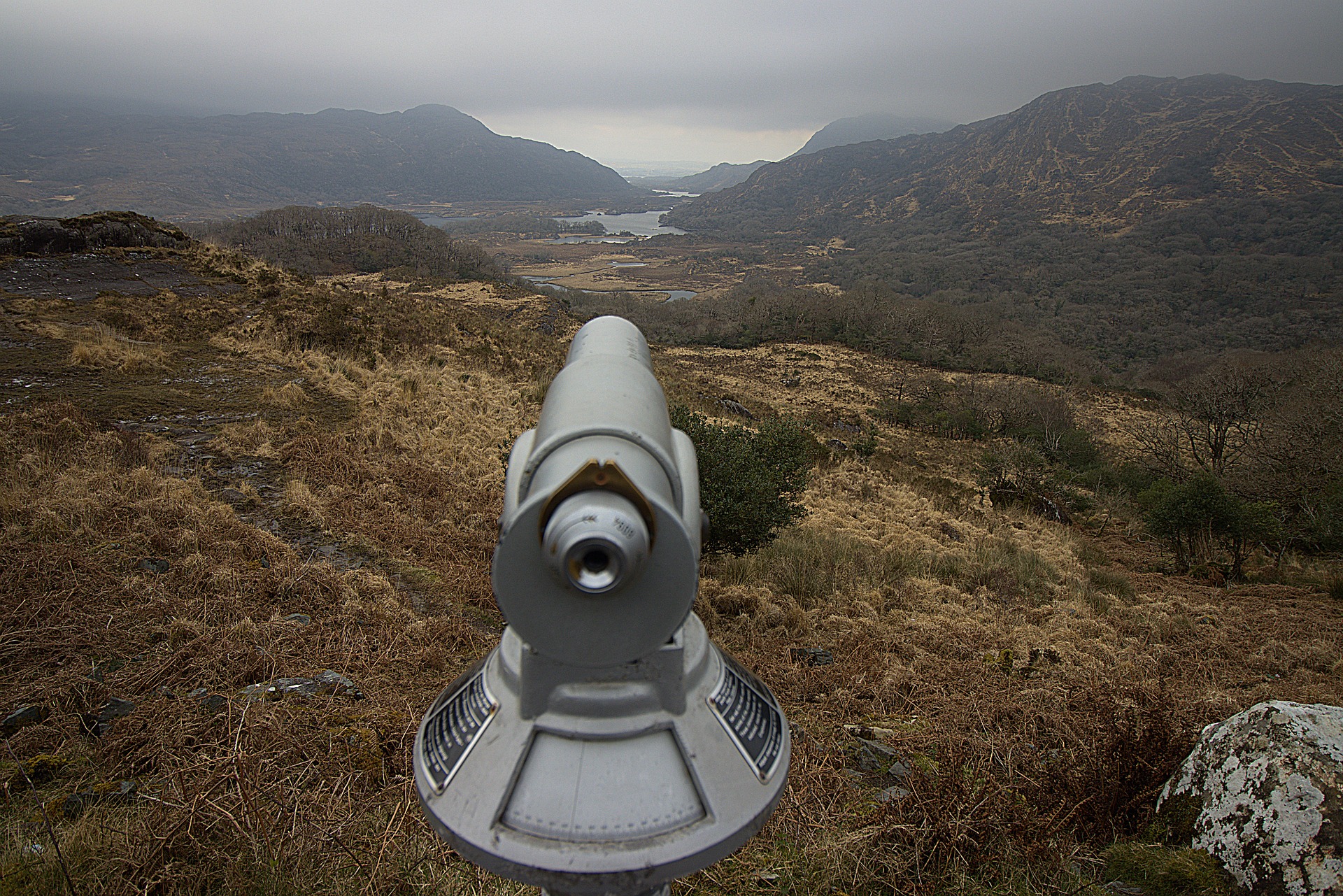
Between hikes, I drove sections of the Ring and stopped at places like Ladies' View, where I could look across the lakes and mountains I'd been exploring on foot. Muckross House and the surrounding trails gave me another reason to slow down rather than simply completing the circuit in a day.
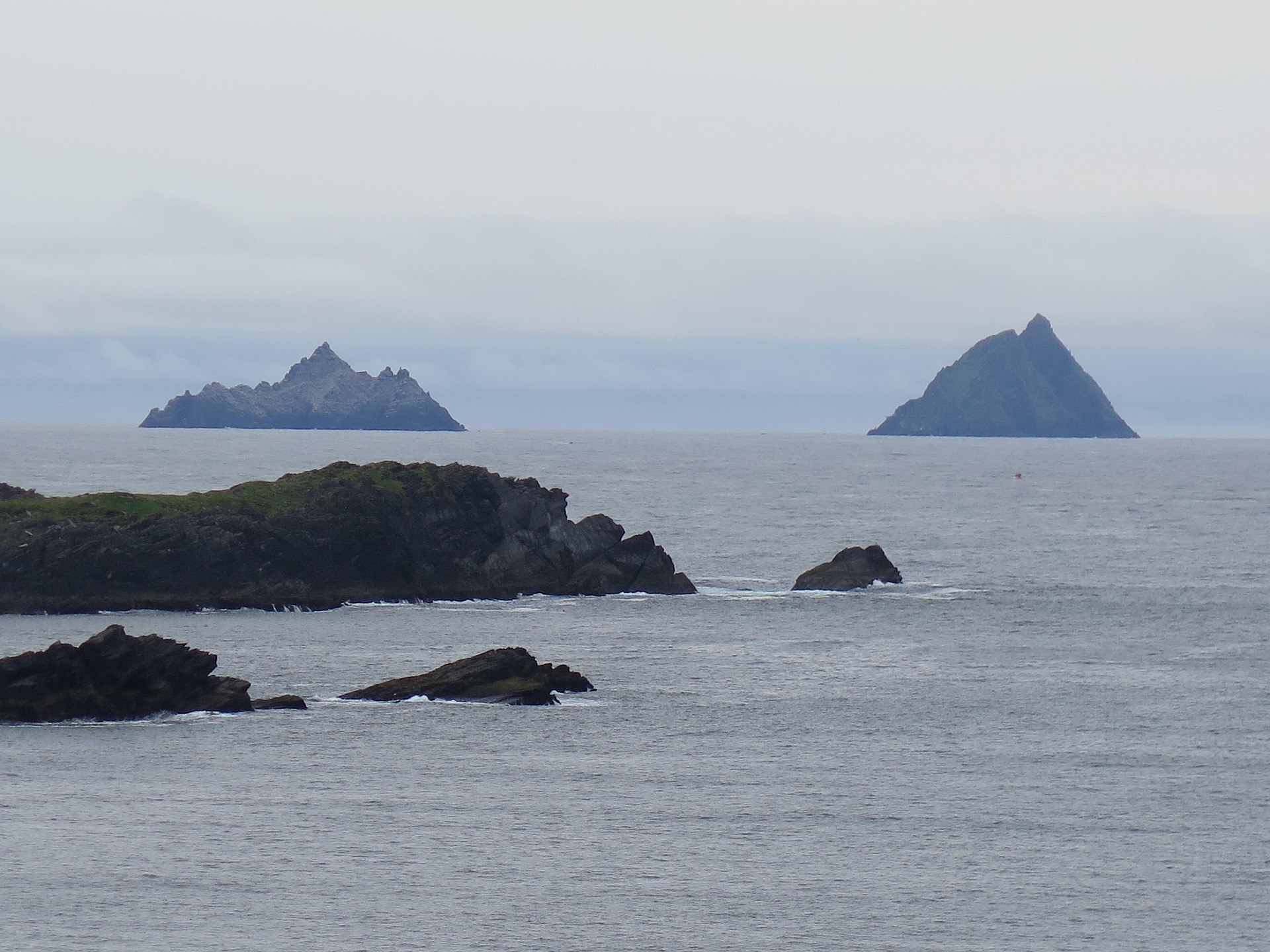
I also loved getting away from the busiest sections of the route. The Skellig Ring detour toward Portmagee felt wilder and quieter, with narrow roads, rugged coastline and views toward Skellig Michael when the weather cooperated.
That's what made the Ring of Kerry so memorable for me. The drive itself was beautiful, but the moments I remember most happened when I parked the car, started walking and had time to properly experience the landscape around me.
How the Ring of Kerry fits into your Ireland itinerary
The Ring of Kerry pairs naturally with the Dingle Peninsula, but I'd avoid trying to squeeze both into a couple of days.
This was one part of Ireland where I was very glad I'd allowed myself time to get out of the car and explore on foot.
Dublin
(pronounced: DUB-lin)

Dublin at a glance
County Dublin, east coast of Ireland
Irish history, museums, literature, pubs, and live music
2-3 nights
First-time visitors, history lovers, and city breakers
Lively, historic, friendly, and surprisingly compact
May and September for manageable crowds
Dublin felt much more intimate than I expected from a European capital.
I could walk between many of the places I wanted to see, which made wandering without much of a plan one of my favorite ways to explore. I started with Trinity College, where seeing the Book of Kells and walking through the magnificent Long Room were every bit as impressive as I'd hoped.
From there, I explored more of Dublin's history at the National Museum of Ireland before wandering through the Georgian streets and their rows of colorful doors. I also loved simply following the River Liffey and crossing back and forth over its bridges as I made my way around the city.
But some of my favorite memories of Dublin happened once I stopped sightseeing.
Temple Bar was fun to see, but I much preferred finding smaller pubs away from the busiest tourist streets.
Sitting down with a pint of Guinness and hearing traditional music start up around me felt much closer to the Dublin I'd hoped to experience.
That's what surprised me most about the city. Dublin has plenty of famous attractions, but I enjoyed it most when I stopped trying to see them and simply let myself wander.
How Dublin fits into your Ireland itinerary
Most international trips to Ireland naturally begin or end here, and I'd use that to your advantage.
Dublin works particularly well before heading southwest toward Kilkenny or west toward Galway, depending on the route you're taking.
Skellig Michael
(pronounced: SKEL-ig MY-kul)
Skellig Michael at a glance
12 km off the coast of County Kerry, southwest Ireland
Ancient history, dramatic scenery, wildlife, and once-in-a-lifetime experiences
1 full day
Adventurous travelers, history lovers, and Star Wars fans
Remote, dramatic, and almost otherworldly
May to September
Skellig Michael was the most extraordinary place I visited in Ireland, and easily one of the most memorable places I've ever been.
Even arriving felt like an adventure. After crossing the Atlantic from Portmagee, I watched the island's twin peaks rise dramatically from the water before stepping ashore and beginning the climb.
There are around 600 ancient stone steps leading toward the monastery, and they are steep, uneven and sometimes completely exposed. As I climbed higher, the views across the Atlantic became increasingly spectacular, with seabirds nesting around the island and the Kerry coast visible in the distance.
Eventually, I reached the monastery built by Christian monks around 1,500 years ago. Standing among the dry-stone beehive cells was difficult to put into words.
The idea that people came to this isolated rock, climbed above the Atlantic and constructed a community that survived here for centuries genuinely changed how I thought about the place.
And yes, as a Star Wars filming location, parts of Skellig Michael looked instantly familiar. But nothing I'd seen on screen prepared me for actually standing there.
For me, this wasn't simply another beautiful stop in Ireland. It was an experience I know I'll remember for the rest of my life.
How Skellig Michael fits into your Ireland itinerary
I'd dedicate an entire day to Skellig Michael and stay nearby rather than trying to squeeze it into a packed Ring of Kerry drive.
It fits perfectly into a longer stay around the Ring of Kerry. I'd spend several nights in the area so you have time for hiking, the scenic drive and Skellig Michael without having to rush any of them.
Ireland may look small on a map, but I wouldn't try to see too much in one trip. Some of my favorite experiences came from slowing down for coastal drives, hikes, small towns, and unexpected stops along the way.
For a first trip, I'd combine Dublin with the west coast rather than trying to circle the entire country. This Ireland itinerary uses places I've included in this guide while keeping the driving realistic.
Ireland Itinerary: 7 Days
Route: Dublin → Galway → Connemara → Cliffs of Moher & The Burren → Dingle
| Days 1-2 | Day 3 | Day 4 | Days 5-7 |
|---|---|---|---|---|
Destination | Dublin | Galway & Connemara | Cliffs of Moher & The Burren | Dingle Peninsula & County Kerry |
Overnight | Dublin | Galway | County Clare | Dingle or Killarney |
Why this route? For an Ireland itinerary in 7 days, I think this gives you a fantastic introduction to the country without spending the entire trip in the car. You'll experience Dublin's history and pubs before heading west for Galway, Connemara, the Cliffs of Moher, the Burren, and some of Ireland's spectacular Atlantic coastline.
*I'd rent a car after leaving Dublin. Having one made it much easier to explore the west coast at my own pace and stop whenever a view, village, or stretch of coastline caught my attention.
Why Ireland deserves a visit beyond Dublin
Dublin absolutely deserves a place on your itinerary, but some of my favorite experiences in Ireland happened once I left the capital behind.
I've cycled part of the Great Western Greenway, hiked through some of my favorite scenery in County Kerry, watched for dolphins and whales off the Dingle Peninsula, driven through wild Connemara, and climbed the ancient stone steps of Skellig Michael.
Even places I thought I knew from photographs, like the Cliffs of Moher, surprised me once I experienced them for myself.
If it's your first visit, don't feel like you need to see all 10 destinations. Some travelers will fall in love with Ireland's lively towns and traditional music, while others will prefer coastal drives, ancient history, hiking, wildlife, or the wonderfully wild landscapes of the west.
FAQs about traveling to Ireland
The currency in the Republic of Ireland is the euro (EUR), while Northern Ireland uses the British pound sterling (GBP).
Many travelers do not need a visa to visit Ireland for tourism for stays of up to 90 days, although requirements vary by nationality.
Yes, Ireland is generally easy to drive in, and you drive on the left-hand side of the road, although narrow rural roads and winding coastal routes can take longer than expected.
Yes, Ireland is generally considered a safe destination for travelers, although normal precautions should be taken with valuables, particularly in busy tourist areas.
Ireland uses Type G plugs, with a standard voltage of 230V and a frequency of 50Hz.
Ireland's official languages are Irish and English, with English spoken throughout the country and Irish commonly spoken in Gaeltacht regions.
Ready to explore Ireland? Optimise Travel is here to help
Ireland may be relatively small, but deciding how to divide your time between its lively cities, rugged coastline, historic towns, and wild western landscapes can be surprisingly difficult.
At Optimise Travel, we create personalized travel itineraries based on your interests, travel style, and budget. Whether you're dreaming of exploring Dublin, listening to traditional music in Galway, driving through Connemara, hiking in County Kerry, exploring the Dingle Peninsula, or making the unforgettable journey to Skellig Michael, we'll help you build an itinerary that makes the most of your time.
If you'd like help planning your trip to Ireland, click here to learn more about our concierge travel services.