

France is one of those countries I could visit again and again and still feel like I've barely scratched the surface. Paris deserves its reputation, but some of my favorite experiences in France have happened far beyond the capital.
I've found medieval villages, spectacular coastlines, vineyard-covered countryside, mountain landscapes, and cities that feel completely different from one region to the next.
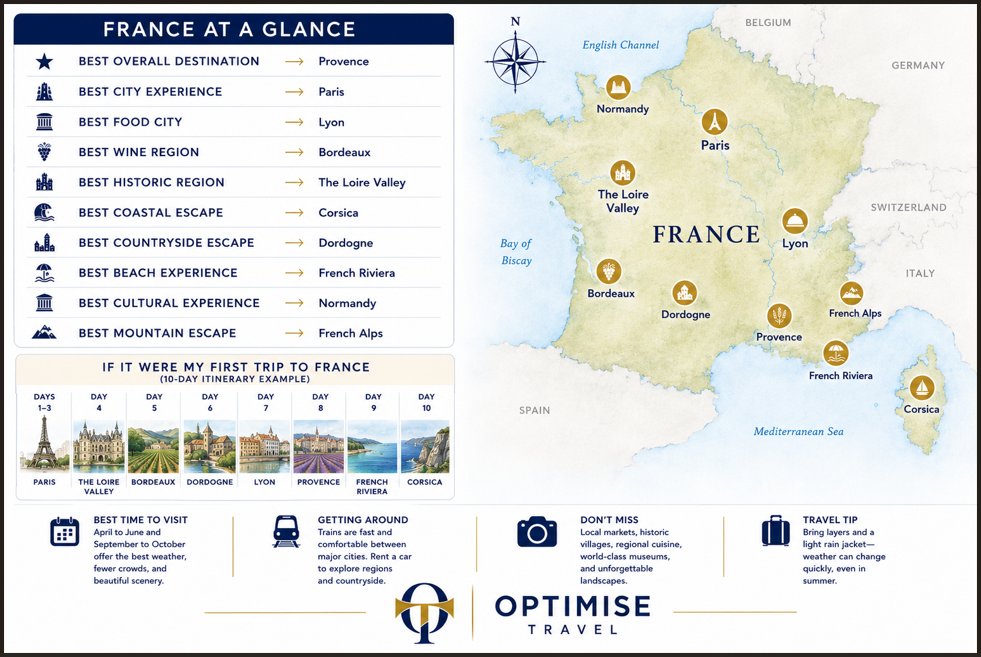
These are the 10 best places to visit in France that I think deserve a spot on your itinerary, including a few that might change the way you think about the country.
Have You Seen Our Travel Concierge Service?
Your trip, planned by local experts
We are not a travel agent - we design custom itineraries around your budget and style, without receiving commissions or booking fees.
Custom itinerary
Built around your dates, budget, and travel style.
Local expert knowledge
Recommendations from people on the ground, not review sites.
Travel smarter, spend less
We optimise for your budget to make your money go further.
The Dordogne
(pronounced: dor-DOHN-yeh)
The Dordogne at a glance
Southwestern France, Nouvelle-Aquitaine
Prehistoric sites, castles, villages, and food
3-4 nights
History lovers, foodies, couples, and road trippers
Rural, historic, and wonderfully slow paced
May, June, and September
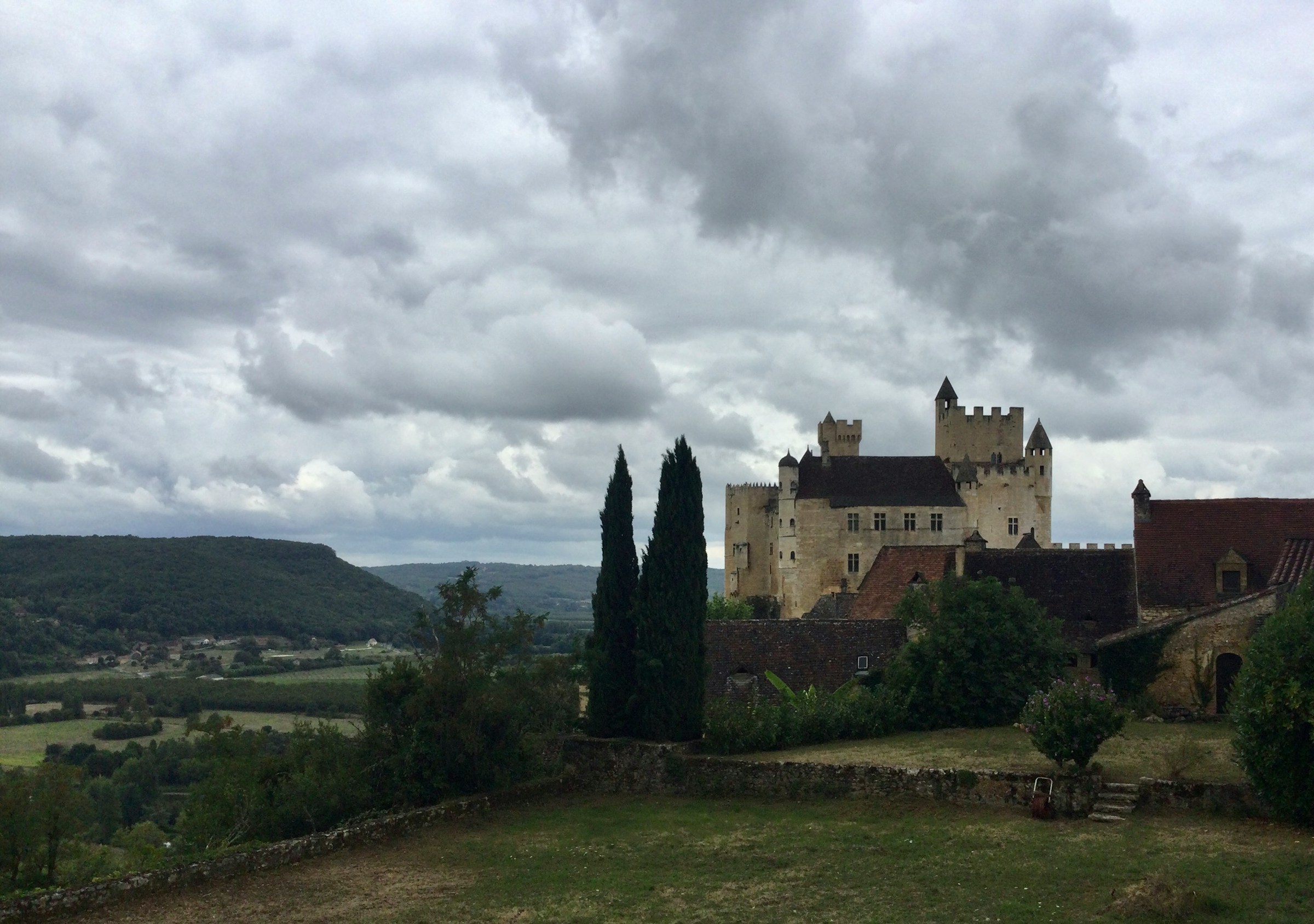
The Dordogne feels like several different versions of France squeezed into one beautiful river valley. There are medieval castles perched on cliffs, prehistoric caves hidden beneath the landscape, villages that tumble down toward the river, and some of the best food I've eaten in rural France.
The Vézère Valley is particularly fascinating. This area has an extraordinary concentration of prehistoric sites, including Lascaux, where the original cave paintings date back around 17,000 years!
The original cave is closed to visitors for conservation, but Lascaux IV recreates it in remarkable detail. I was skeptical about visiting a replica until I saw how well it was done.
Along the Dordogne River itself, Beynac and Castelnaud castles face each other from opposing cliffs. Their positions make much more sense once you learn that they stood on opposite sides during periods of the Hundred Years' War.
Then there's Sarlat-la-Canéda, which is where I'd go hungry. The Saturday market fills the historic center with local specialties including duck confit, foie gras, walnuts, cheeses, and, when they're in season, the black truffles for which Périgord is famous.
One of my favorite memories of the Dordogne is simply spending a Saturday morning eating my way around Sarlat's market with absolutely no reason to hurry anywhere else.
How the Dordogne fits into your France itinerary
The Dordogne works particularly well in a southwestern France itinerary, especially if you're also visiting Bordeaux.
I'd travel east from Bordeaux, spend three or four nights based around Sarlat-la-Canéda, and use it to explore the river valley, castles, and prehistoric sites.
Brittany
(pronounced: BREH-tahn-yeh)
Brittany at a glance
Northwestern France
Coastal scenery, historic towns, seafood, and road trips
4 nights
Foodies, nature lovers, photographers, and slow travelers
Rugged, atmospheric, and distinctly Breton
May, June, and September
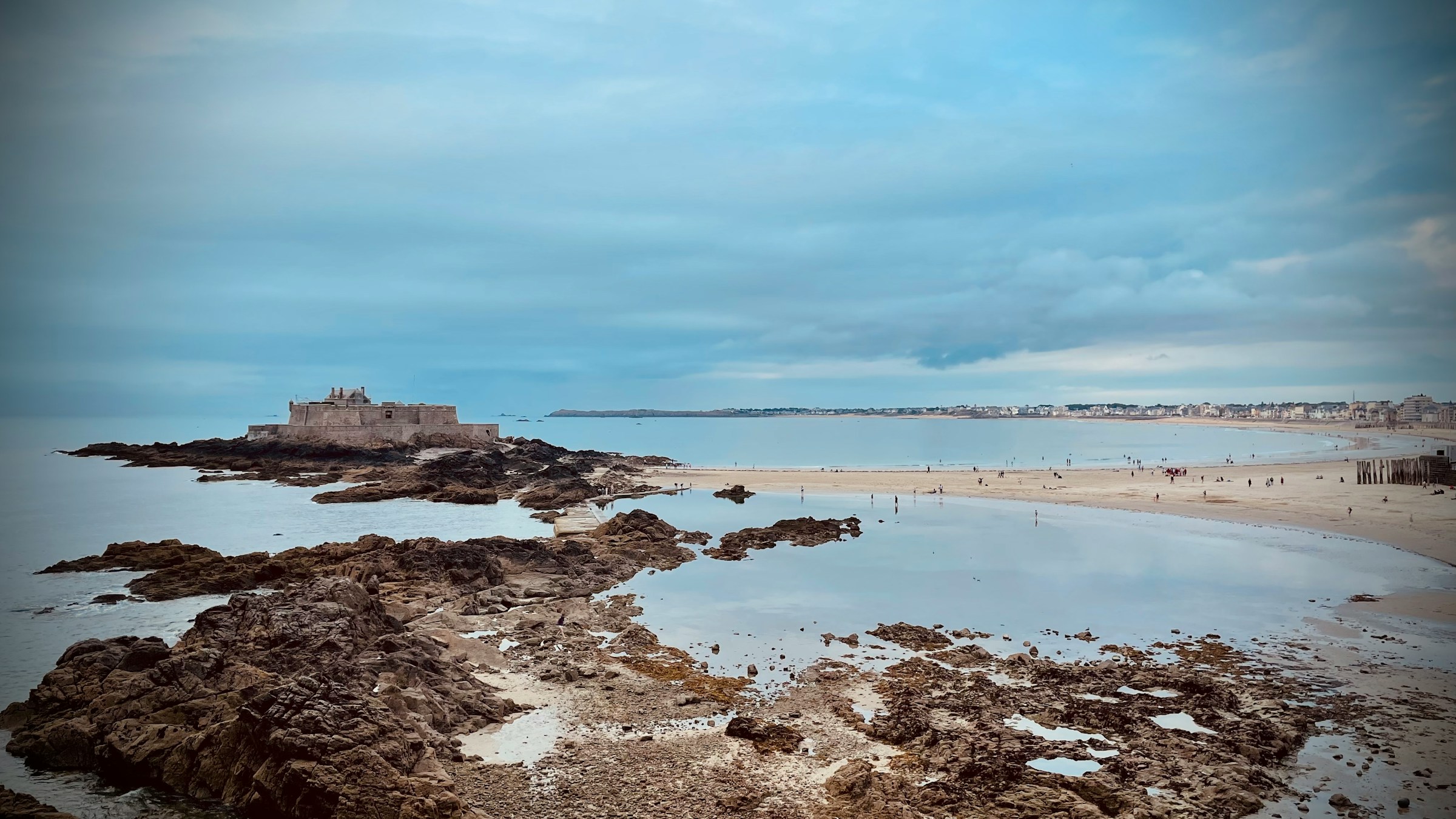
Brittany feels different from the rest of France almost immediately. The landscape is wilder, the Atlantic is always present, and Breton traditions give the region a cultural identity that feels entirely its own.
Saint-Malo is one of my favorite places to start. The old corsair city is completely enclosed by stone ramparts, and walking the walls gives you views over the rooftops on one side and the sea on the other. I'd go early in the morning, before the old town fills up.
From there, the coastline becomes the attraction. The Pink Granite Coast near Perros-Guirec is covered with enormous rose-colored boulders sculpted by the sea, while Pointe du Raz offers Brittany at its wildest, particularly when the Atlantic weather rolls in.
And then there's the food. Cancale is famous for oysters, which you can buy directly beside the harbor and eat overlooking the water. Brittany is also the place to order a traditional buckwheat galette followed by a sweet crêpe, ideally with a glass of Breton cider.
One of my favorite Brittany memories is sitting inside a tiny crêperie while the rain hammered against the windows, eating a hot galette and realizing I didn't particularly want the weather to improve.
That's part of what I love about Brittany. I don't think you need perfect blue skies to enjoy it. Give me granite villages, a grey-green Atlantic, dramatic clouds, and nowhere I particularly need to be, and I'm happy.
How Brittany fits into your France itinerary
Brittany deserves its own section of a France itinerary rather than a rushed day trip from Paris.
I'd start around Saint-Malo, combine it with nearby Mont-Saint-Michel, and then travel west along the coast toward Perros-Guirec and Pointe du Raz.
Alsace & Colmar
(pronounced: al-ZAS / kol-MAR)
Alsace & Colmar at a glance
Northeastern France, along the German border
Wine, storybook villages, food, and Christmas markets
3 nights
Foodies, wine lovers, couples, and photographers
Colorful and cozy
April to May, October, and December
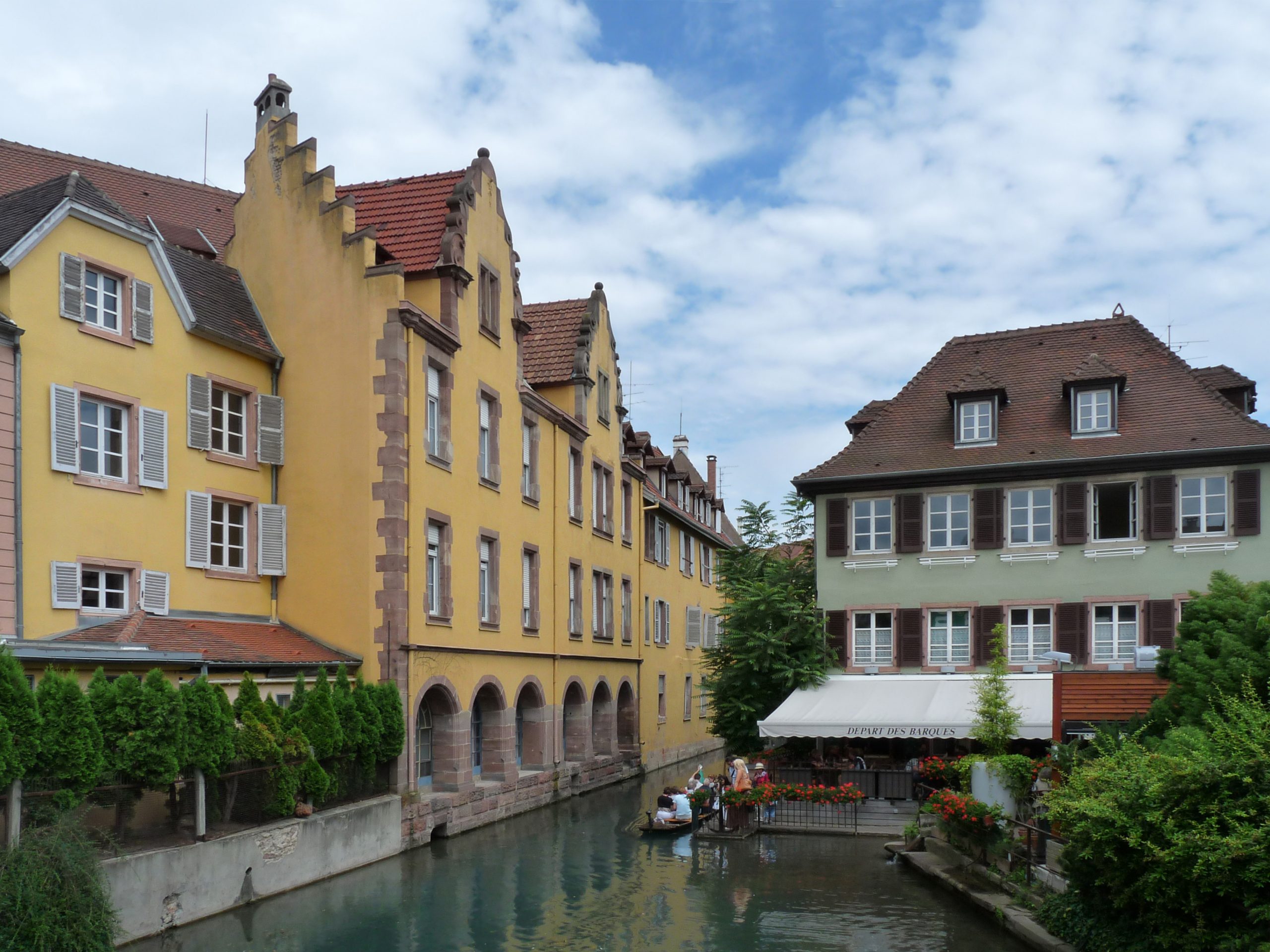
Alsace is one of the places in France where I feel like I've crossed a border without actually leaving the country. French and German influences overlap everywhere, from the architecture and food to the wine and even the names of the villages.
Colmar is the place that initially grabbed my attention. La Petite Venise is filled with brightly colored half-timbered houses lining narrow canals, and this is one destination where I actually think the reality lives up to the photographs. I found myself constantly stopping because another little street, bridge, or flower-covered house looked even better from a different angle.
But I wouldn't come to Alsace just for Colmar.
The Alsace Wine Route stretches for around 170 kilometres through vineyards and small villages beneath the Vosges Mountains. Riesling and Gewürztraminer are two of the stars here, and stopping at smaller wineries for tastings makes the drive far more interesting than simply hopping between the most photographed villages.
I particularly love this region in October. Driving through the vineyards once the leaves have turned shades of yellow and gold gives Alsace a completely different feel from summer, and the crowds are generally easier to manage.
Food is also a huge part of why I'd return. This is where I'd happily spend an evening with a tarte flambée or flammekueche, followed by a slice of kugelhopf and a local glass of Riesling.
December transforms both Strasbourg and Colmar again. Their Christmas markets are among the most famous in Europe, although I'd book accommodation well in advance if that's when you're planning to visit.
How Alsace & Colmar fit into your France itinerary
Alsace works beautifully as the northeastern portion of a France itinerary.
I'd base myself around Colmar for the wine route and villages, spend a day in Strasbourg, and then continue west toward Paris or south toward Burgundy depending on the rest of your route.
Paris
(pronounced: pah-REE)
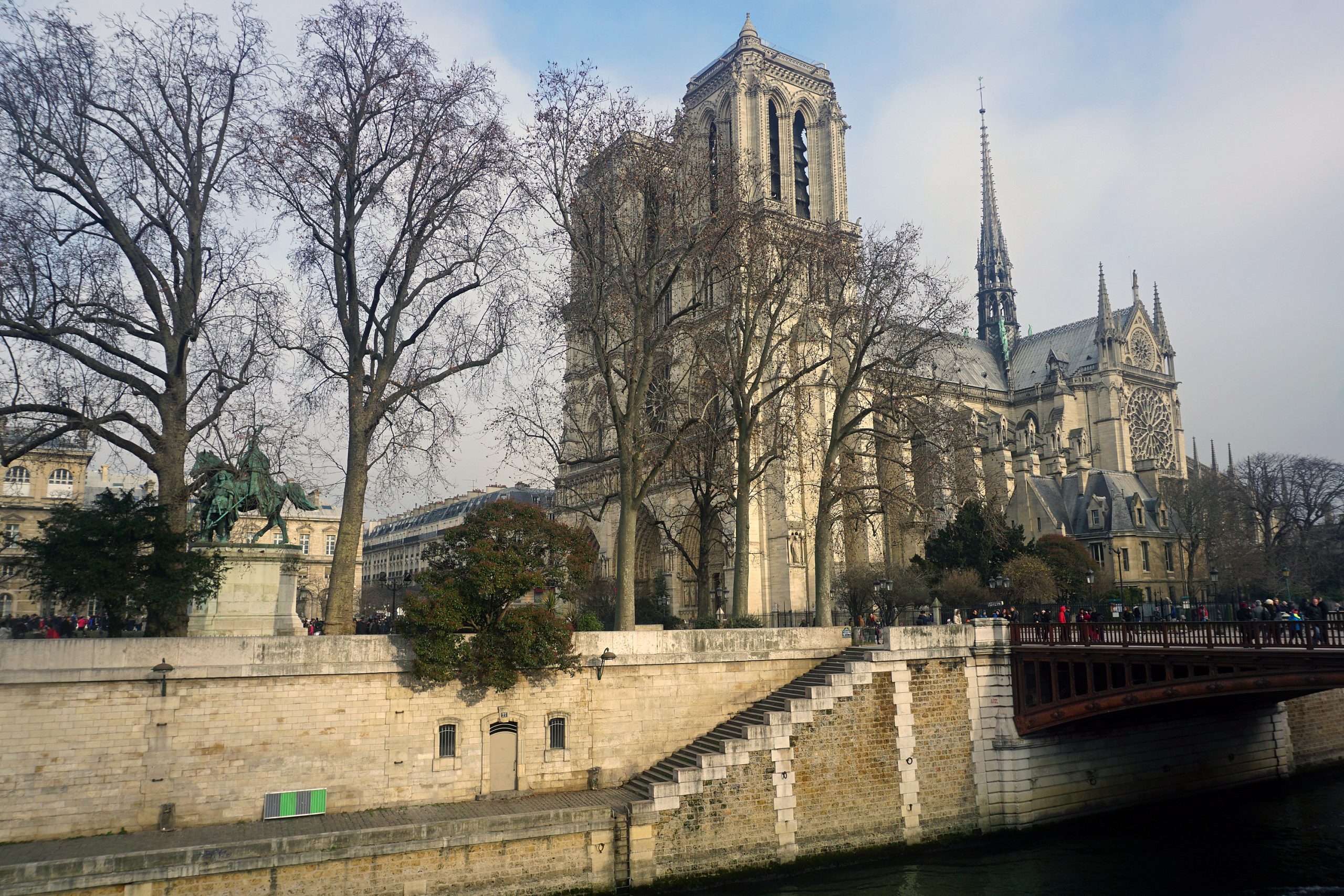
Paris at a glance
Île-de-France, Northern France
Art, architecture, food, and history
3 nights
Art lovers, foodies, history lovers, and first-time travelers
Grand, cultured, and unapologetically busy
April to May and October to November
I've been to Paris enough to know that the romantic version people imagine and the city you actually experience aren't always the same thing. It can be crowded, chaotic, and occasionally frustrating. I still think everyone should experience it at least once.
Notre-Dame alone gives me a reason to return. After reopening in December 2024, the restored cathedral once again feels like the heart of historic Paris. Sainte-Chapelle is equally spectacular, especially when sunlight pours through its 13th-century stained glass.
For art, I'd choose the Musée d'Orsay. The Impressionist collection is extraordinary, but I also love the building itself, a former railway station with its enormous clock overlooking the city.
I've always enjoyed Paris most when I'm away from the biggest attractions. Give me a zinc bar, coffee and a croissant in the Marais, followed by a long walk with nowhere particularly urgent to be, and I'm much happier than I am standing in a queue near the Eiffel Tower.
November might actually be my favorite time to visit. I'd start early, walk around Île Saint-Louis while the streets are quiet, and book the first Sainte-Chapelle entry of the morning.
How Paris fits into your France itinerary
Paris is the easiest starting or finishing point for a wider France itinerary, and a hub for travelling internationally to England, Belgium, or beyond.
I'd spend three nights here, then use France's excellent rail network to continue toward whichever region you want to explore next.
Bordeaux
(pronounced: bor-DOH)
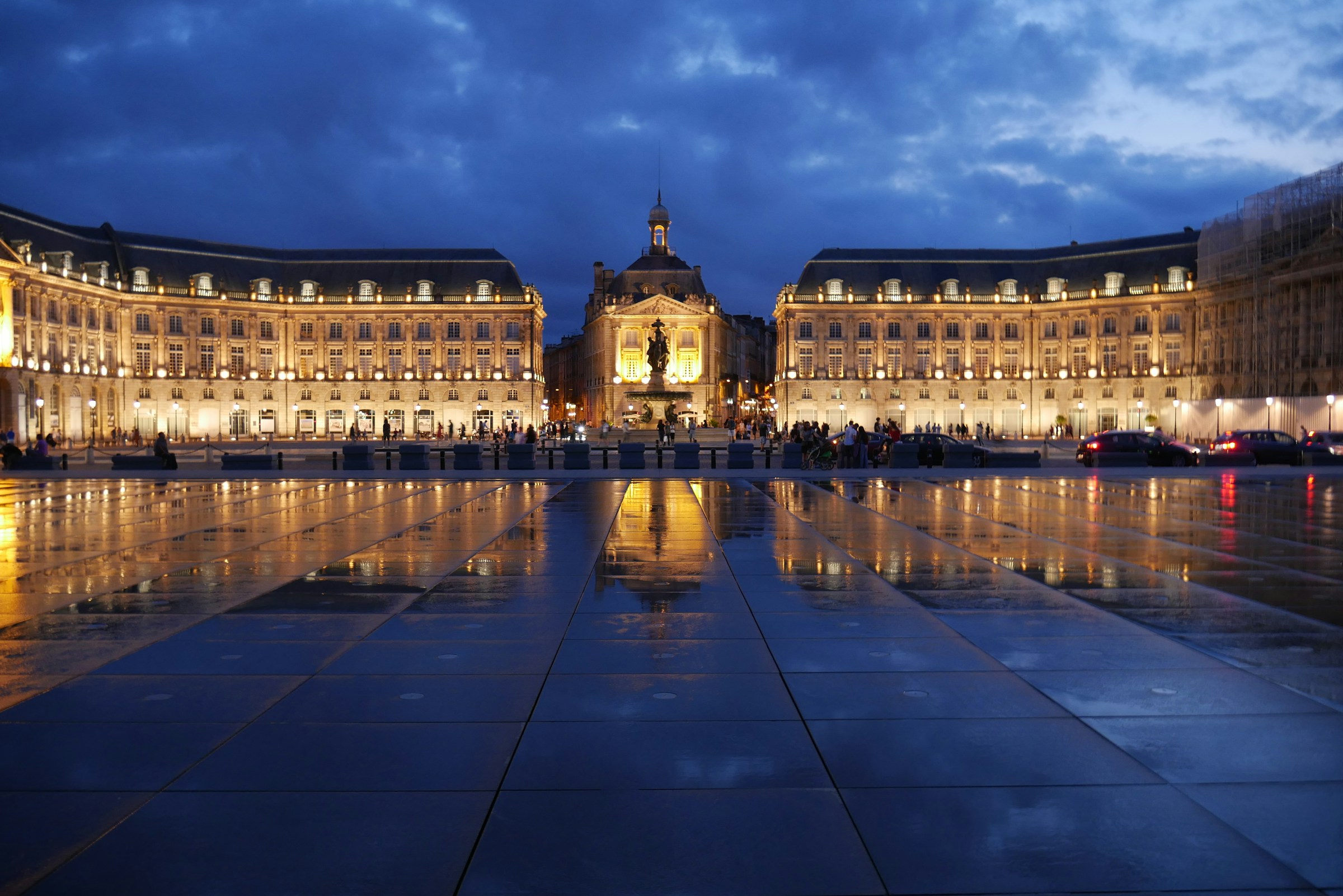
Bordeaux at a glance
Nouvelle-Aquitaine, Southwestern France
Wine, food, architecture, and day trips
3 nights
Wine lovers, foodies, couples, and culture lovers
Elegant, lively, and sophisticated
May to June and September to October
I went to Bordeaux expecting the wine to be the main event, but I ended up enjoying the city itself far more than I anticipated. The regenerated Garonne riverfront gives Bordeaux an energy that doesn't quite match its reputation as a traditional old wine capital.
The Place de la Bourse and Miroir d'Eau are particularly beautiful around sunset, when the 18th-century buildings reflect across the water. I also really enjoyed wandering the Chartrons district, especially around the Sunday market.
Of course, you can't separate Bordeaux from its wine. The Cité du Vin is genuinely worth visiting even if you're not a wine expert, and the tasting space at the top gives you panoramic views across the city.
For me, though, Saint-Émilion is essential. It's only around 40 minutes away by train, but suddenly you're walking through vineyards surrounding a medieval village.
I loved exploring the underground monolithic church before settling in for a wine tasting. It felt like exactly the experience I'd hoped to have in Bordeaux wine country.
How Bordeaux fits into your France itinerary
Bordeaux is a natural starting point for exploring southwestern France.
I'd spend three nights here before continuing east into the Dordogne, making the two destinations an easy pairing for a longer France itinerary.
Normandy
(pronounced: nor-man-DEE)
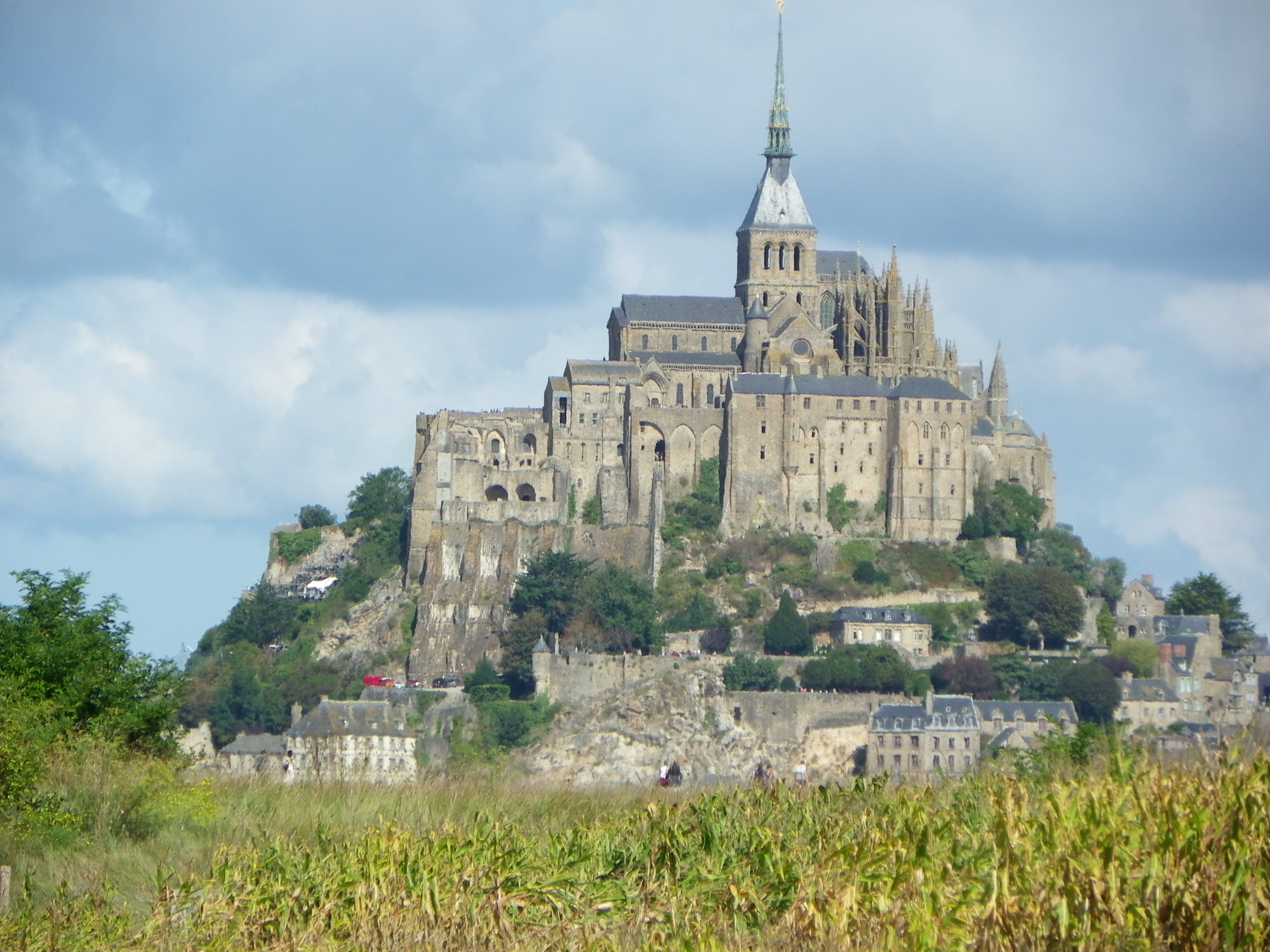
Normandy at a glance
Northwestern France, along the English Channel
WWII history, medieval landmarks, and coastal scenery
4 nights
History lovers, road trippers, and photographers
Moving, historic, and windswept
May to June and September
Normandy affected me differently from most places I've traveled in France.
There are beautiful medieval towns, dramatic cliffs, and wonderful food, but it's impossible to explore this region without repeatedly confronting the events that happened here.
Walking Omaha Beach was particularly strange. Today, it's a broad, peaceful stretch of coastline, which somehow makes knowing what happened there on June 6, 1944 even more powerful.
Nearby, the American Cemetery at Colleville-sur-Mer contains row after row of white crosses and Stars of David overlooking the sea.
Pointe du Hoc stayed with me even longer. The bomb craters, concrete bunkers, and cliffs scaled by American Rangers remain visible across the landscape. I spent a long time walking around here trying to imagine what that coastline must have looked like in 1944.
Normandy's much older history is equally fascinating. The Bayeux Tapestry tells the story of the Norman Conquest in astonishing detail, while Mont-Saint-Michel rising from the tidal flats looks almost impossibly dramatic when surrounded by water.
I'd also make time for the coast around Étretat and some of Normandy's food. Camembert, cider, seafood, and apple-based dishes are reason enough to linger over dinner.
How Normandy fits into your France itinerary
Normandy is an easy addition to a northern France itinerary from Paris.
I'd base myself around Bayeux for the D-Day sites before continuing west toward Mont-Saint-Michel and, if you're traveling farther into northwestern France, Brittany.
The Loire Valley
(pronounced: LWAHR)
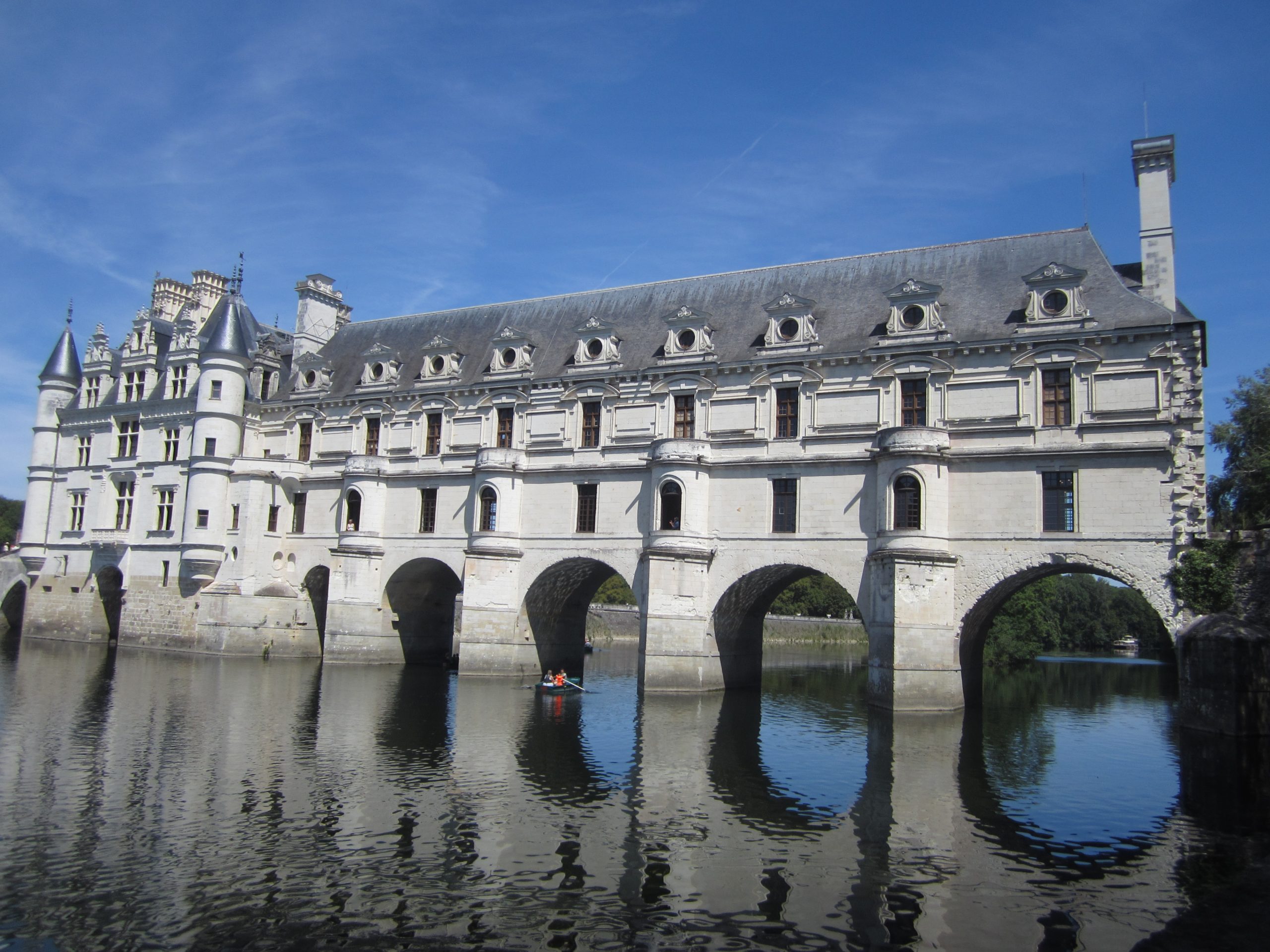
The Loire Valley at a glance
Central France, southwest of Paris
Châteaux, cycling, wine, and French history
3 nights
History lovers, couples, cyclists, and wine lovers
Romantic, elegant, and leisurely
May to June and September to October
I knew the Loire Valley was famous for its châteaux before I visited, but I hadn't appreciated just how much they dominate the landscape. You don't visit one grand palace and call it a day. There always seems to be another château, vineyard, or historic village waiting farther along the river.
Chambord was the one that impressed me most for sheer scale. Its elaborate roofline is extraordinary, but I particularly loved the double-helix staircase, where two people can climb simultaneously without actually crossing paths.
Chenonceau is completely different. Built across the Cher River on graceful arches, it's probably the château I'd choose if I could only see one.
What really changed the Loire Valley for me, though, was getting out of the car. Cycling a section of the Loire à Vélo through vineyards and countryside made the region feel less like a string of historic attractions and more like somewhere I actually wanted to slow down and spend time.
I'd also stop at one of the Vouvray wine caves carved into the limestone cliffs. Better still, spend a night in a troglodyte cave dwelling or château hotel. I found the unusual accommodation here became part of the trip rather than simply somewhere to sleep.
How the Loire Valley fits into your France itinerary
The Loire Valley is an easy addition after Paris.
I'd spend three nights around Tours or Amboise, then continue southwest toward Bordeaux and the Dordogne or return to Paris for onward travel.
Provence
(pronounced: proh-VAHNS)
Provence at a glance
Southeastern France
Hilltop villages, markets, art, and landscapes
5 nights
Couples, foodies, art lovers, and road trippers
Sun-soaked, artistic, and wonderfully slow
May to June and September
Provence is one part of France where I think the photographs actually undersell the experience.
The landscapes are beautiful, but what stayed with me was everything surrounding them: the smell of wild herbs, morning markets, tiny villages, and that incredible southern light.
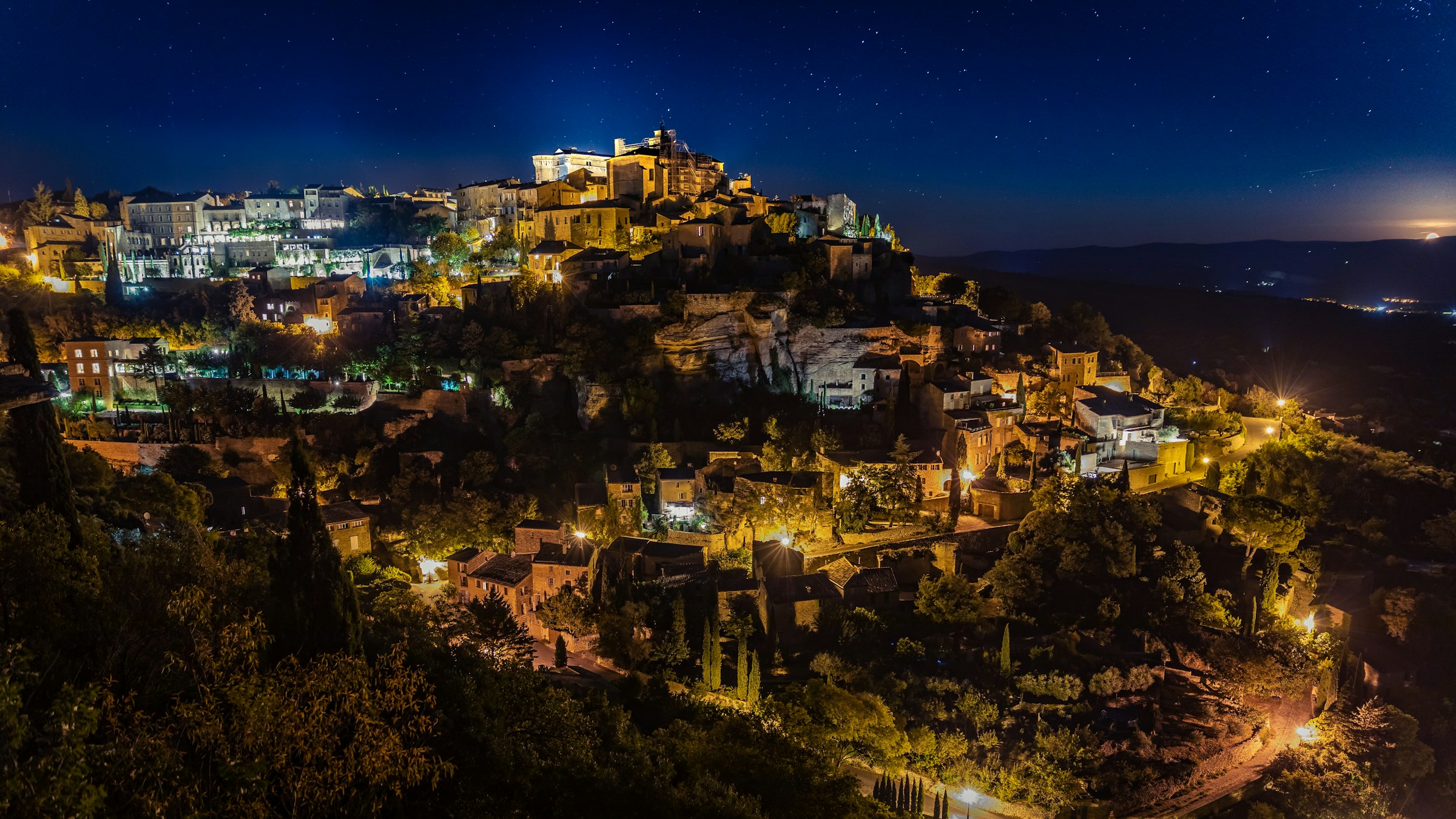
I loved exploring the hilltop villages of the Luberon. Gordes tumbles down its limestone hillside, Roussillon glows in shades of ochre and rust, and Les Baux-de-Provence sits dramatically above the surrounding countryside.
If you're dreaming of lavender fields, timing matters. The Valensole Plateau typically reaches peak color around late June into July, and yes, the purple really can be that intense.
But I'd happily return in May. The countryside is covered in wildflowers, temperatures are more comfortable, and I found Provence much easier to enjoy before the summer crowds arrived.
There's plenty beyond the villages, too. I loved seeing landscapes around Arles that Van Gogh painted more than a century ago and realizing how recognizable some still are.
Then there's the Pont du Gard, where you can swim beneath a nearly 2,000-year-old Roman aqueduct, which feels wonderfully surreal.
How Provence fits into your France itinerary
I'd give Provence about five nights as part of a southern France itinerary, using Aix-en-Provence and the Luberon as bases.
From here, it's easy to continue toward the French Riviera or travel north toward Lyon and Burgundy.
Lyon
(pronounced: lyohn)
Lyon at a glance
East-central France, Auvergne-Rhône-Alpes
Food, Renaissance history, markets, and architecture
3 nights
Foodies, history lovers, and city-break travelers
Lively, historic, and deliciously indulgent
April to June, September to October, and December
I came to Lyon knowing about its reputation for food, but I didn't appreciate how eating would become part of exploring the city.
The classic experience is lunch at a bouchon. These small, traditional restaurants aren't particularly delicate or formal. I found them noisy, convivial, and unapologetically Lyonnais, with dishes like pike quenelles, salade lyonnaise, and plenty of local wine.
I could also happily spend hours inside Les Halles Paul Bocuse. The counters overflowing with cheese, charcuterie, seafood, pastries, and prepared dishes gave me a much better understanding of why Lyon takes its food reputation so seriously.
Between meals, I loved exploring Vieux-Lyon and its traboules, hidden passageways running through Renaissance buildings and courtyards. They're easy to walk straight past unless you know what you're looking for.
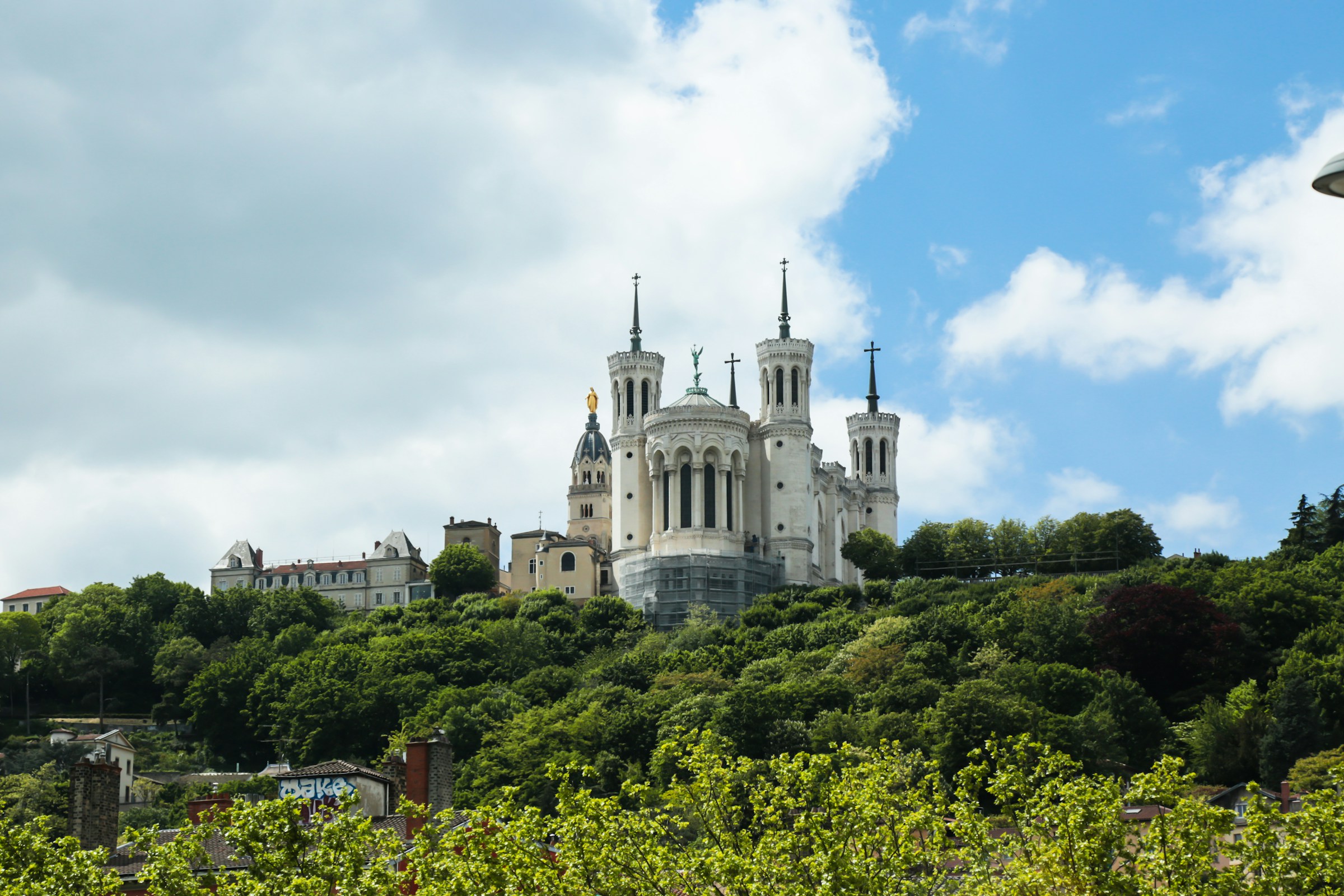
I'd finish the day on Fourvière Hill. The basilica is impressive, but I found myself lingering outside for the view across Lyon and the two rivers below.
December is particularly tempting because of the Fête des Lumières, when enormous light installations transform buildings and public spaces throughout the city.
How Lyon fits into your France itinerary
Lyon is an excellent link between northern and southern France.
I'd spend three nights here before continuing south toward Provence, or use the city as a jumping-off point for heading east into Switzerland. The train from Lyon to Geneva takes about two hours.
Corsica
(pronounced: KOR-see-kah)

Corsica at a glance
Mediterranean Sea, southeast of mainland France
Beaches, mountains, hiking, and road trips
7 nights
Beach lovers, hikers, foodies, and outdoor adventurers
Wild, rugged, and fiercely independent
June and September
Corsica is my number one place to visit in France because it feels unlike anywhere else in the country. I knew the island had beautiful beaches before I arrived, but I wasn't prepared for just how mountainous and wild the interior would be.
The Calanche de Piana was a highlight for me. These enormous orange-red granite formations plunge directly into intensely blue water, and seeing them from the sea completely changed their scale. If I could repeat one experience in Corsica, I'd rent a small boat and spend the day exploring the coast between Porto and Girolata.
The south is equally spectacular. Bonifacio sits almost impossibly on top of white limestone cliffs, while Palombaggia has the kind of clear turquoise water I'd normally associate with somewhere much farther from mainland Europe.
What I also loved was heading inland. Around Corte, beaches give way remarkably quickly to mountains, chestnut forests, and villages where Corsica's distinct culture becomes much more apparent.
And then there's the food. I tried local charcuterie, brocciu cheese, chestnut-based dishes, and Corsican wine, all of which reinforced how separate the island's identity feels from mainland France.
How Corsica fits into your France itinerary
I'd treat Corsica as a separate stage of a longer France or Italy itinerary rather than trying to squeeze it between mainland destinations.
Allow at least a week and fly or take the ferry from Nice, Marseille, or Toulon.
France is far too varied to try to see everything in one trip, so I'd build your route around a handful of regions rather than trying to tick off destinations all over the country. With 10 days, I'd concentrate on Paris and western France. With two weeks, you have enough time to continue south and experience a very different side of the country.
France Itinerary: 10 Days
Route: Paris → Loire Valley → Bordeaux → Dordogne
| Days 1-3 | Day 4-6 | Day 7-8 | Days 9-10 |
|---|---|---|---|---|
Destination | Paris | Loire Valley | Bordeaux | Dorgonge |
Overnight | Paris | Tours or Amboise | Bordeaux | Sarlat-la-Canéda |
Why this route? This France itinerary for 10 days gives you a great first introduction without spending the entire trip in transit. You'll experience Paris before moving through the châteaux and vineyards of the Loire Valley, then continue southwest for Bordeaux and the medieval villages, castles, food, and prehistoric history of the Dordogne.
*If this is your first trip to France, I'd much rather explore these four areas properly than attempt to squeeze Provence or the French Riviera into the same 10 days.
France Itinerary: 14 Days
Route: Paris → Loire Valley → Bordeaux → Dordogne → Lyon → Provence
Week 1 | Days 1-3 | Days 4-5 | Day 6-7 |
|---|---|---|---|
Destination | Paris | Loire Valley | Bordeaux |
Overnight | Paris | Tours or Amboise | Bordeaux |
Week 2 | Days 8-9 | Days 10-11 | Day 12-14 |
|---|---|---|---|
Destination | Dordogne | Lyon | Provence |
Overnight | Sarlat-la-Canéda | Lyon | Aix-end-Provence |
Why this route? This France itinerary for 14 days combines Paris with the Loire Valley and southwest before continuing to Lyon for some of the country's best food and finishing among the markets, villages, and landscapes of Provence.
*I'd save Normandy, Brittany, Alsace, and Corsica for future trips. Corsica in particular deserves at least a week of its own rather than being squeezed into a larger tour of mainland France.
Why France deserves a visit beyond Paris
I love Paris, but some of my favorite experiences in France have happened after I've left the capital behind. The more of the country I've explored, the more I've realized just how incomplete a trip can feel when Paris is the only destination.
Beyond the capital, I've cycled between châteaux in the Loire Valley, wandered through vineyards in Alsace, explored the prehistoric history of the Dordogne, eaten my way through Lyon, and slowed down among the hilltop villages and markets of Provence.
I've experienced the D-Day sites of Normandy, followed Brittany's wild Atlantic coastline, and discovered an entirely different side of France among the mountains and turquoise water of Corsica.
That's what I love about traveling through France. Each region has its own food, architecture, landscapes, traditions, and personality.
If it's your first visit, don't feel like you need to see all 10 destinations. Some travelers will want wine regions and historic cities, while others will be happiest exploring castles, beaches, mountain landscapes, or tiny countryside villages.
FAQs about traveling to France
France uses the euro (€ or EUR) as its official currency, and credit and debit cards are widely accepted throughout the country.
Visa requirements depend on your nationality, but France is part of the Schengen Area, allowing many travelers to visit visa-free for up to 90 days within a 180-day period.
Yes, driving in France is generally straightforward, with an extensive motorway network and well-maintained roads, and you'll drive on the right-hand side of the road.
Yes, France is generally a safe destination for travelers, although you should be particularly aware of pickpocketing and petty theft in crowded tourist areas, major cities, and on public transportation.
France primarily uses Type C and Type E plugs, with a standard voltage of 230V and a frequency of 50Hz.
Ready to explore France? Optimise Travel is here to help
France is an enormous country to explore, and deciding how to divide your time between its cities, wine regions, countryside, coastline, historic sites, and mountain landscapes can quickly become overwhelming.
At Optimise Travel, we create personalized travel itineraries based on your interests, travel style, and budget. Whether you're dreaming of exploring Paris, cycling between châteaux in the Loire Valley, tasting wine in Bordeaux and Alsace, wandering through the villages of Provence, discovering Normandy's history, eating your way through Lyon, or escaping to the beaches and mountains of Corsica, we'll help you build an itinerary that makes the most of your time.
If you'd like help planning your trip to France, click here to learn more about our concierge travel services.