

Slovenia surprised me with just how much it manages to squeeze into such a small country. I went from Alpine lakes and mountain valleys to medieval towns, enormous cave systems, vineyards, and the Adriatic coast, often without spending more than a couple of hours in the car.
What I loved most was how easy it was to experience completely different sides of Slovenia in one trip.
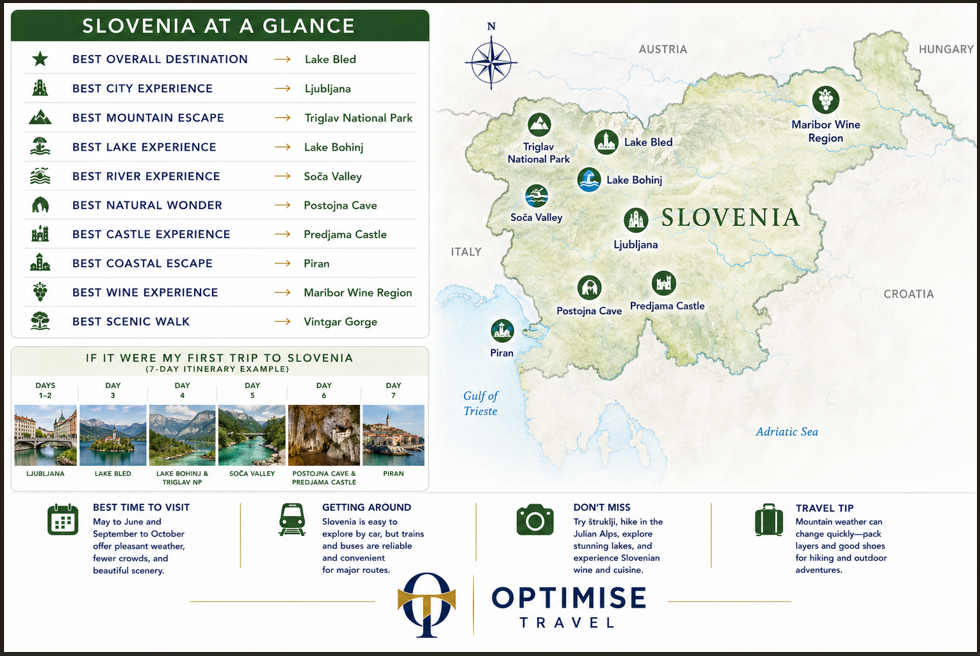
These are the 10 best places to visit in Slovenia, including the famous highlights and a few places I think deserve far more attention.
Have You Seen Our Travel Concierge Service?
Your trip, planned by local experts
We are not a travel agent - we design custom itineraries around your budget and style, without receiving commissions or booking fees.
Custom itinerary
Built around your dates, budget, and travel style.
Local expert knowledge
Recommendations from people on the ground, not review sites.
Travel smarter, spend less
We optimise for your budget to make your money go further.
Maribor
(pronounced: MAH-ree-bor)
Maribor at a glance
Northeastern Slovenia, on the Drava River
Wine, history, local culture, and outdoor activities
1-2 days
Wine lovers and couples
Relaxed, youthful, and wonderfully off-the-radar
May to June and September to October
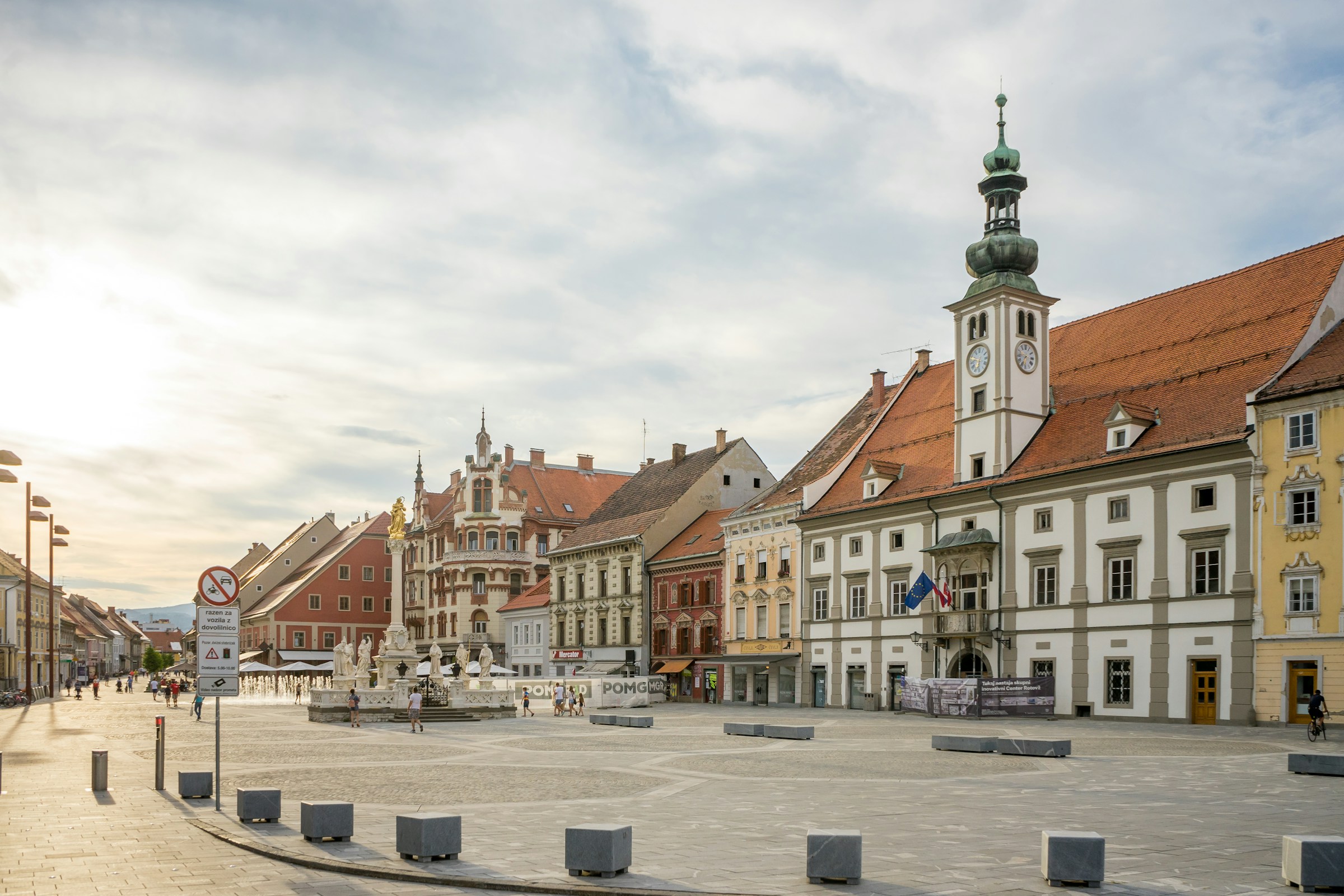
Maribor immediately felt different from Slovenia's more famous destinations. It's the country's second-largest city, but I found it surprisingly relaxed, with far fewer international visitors than I expected.
The old town sits beside the Drava River, and I particularly enjoyed wandering through the Lent district in the evening, when the waterfront restaurants and wine bars start filling up.
But the thing I couldn't stop thinking about was a grapevine.
Maribor's Old Vine has been growing against a building on Vojašniška Street for more than 400 years and is recognized by Guinness World Records as the world's oldest grape-producing vine.
It still produces grapes today. I love that something so extraordinary is simply growing beside a city street where anyone can walk past and see it.
Wine is a huge part of the culture here, so I'd also make time for a tasting, especially if you can venture into the surrounding Styrian wine country.
And if you'd rather be outdoors, the nearby Pohorje Hills add hiking in warmer months and skiing during winter.
How Maribor fits into your Slovenia itinerary
I'd place Maribor toward the beginning or end of a wider Slovenia road trip.
The Maribor wine region also borders Hungary, making it a nice stop when heading to or from Budapest.
Piran
(pronounced: PEE-rahn)
Piran at a glance
Slovenia Adriatic Coast
Coastal scenery, Venetian architecture, and sunsets
1-2 nights
Couples, photographers, and coastal road trippers
Romantic and laid-back
May to June and September
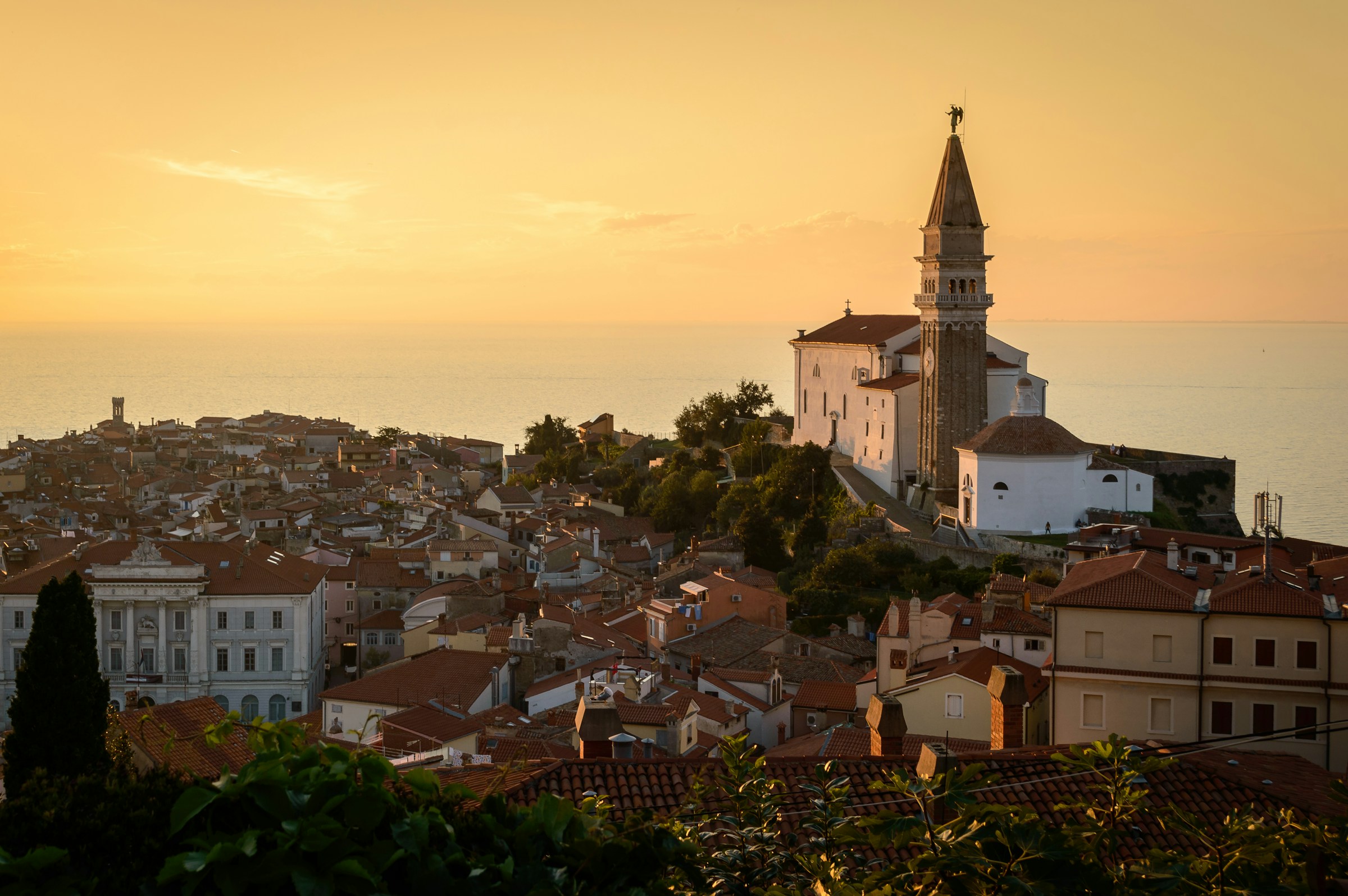
Slovenia has less than 50 kilometres of coastline, so I wasn't expecting its tiny stretch of the Adriatic to be such a memorable part of the country. Then I arrived in Piran.
The old town occupies a narrow peninsula surrounded by water on three sides, and its centuries of Venetian influence are immediately obvious.
I loved simply wandering the narrow lanes without much of a plan and eventually finding my way back to Tartini Square, the elegant heart of town.
Above it all is the Church of St George. I'd absolutely make the climb up here because the view over Piran's terracotta rooftops and the Adriatic was one of the best I found along Slovenia's coast.
But Piran really won me over in the evening. Once the day-trippers started disappearing, the whole town seemed to slow down. Sitting outside in Tartini Square after dinner, with fewer people around and nowhere else I needed to be, was the version of Piran I'd come back for.
How Piran fits into your Slovenia itinerary
I'd give Piran one or two nights as the coastal stop on a wider Slovenia itinerary.
It's around 90 minutes from Ljubljana by car and pairs easily with the Škocjan Caves, Postojna Cave, or Predjama Castle when traveling between the capital and the coast.
Predjama Castle
(pronounced: PRED-yah-mah)
Predjama Castle at a glance
Southwest Slovenia, near Postojna
Castles, medieval history, and unusual architecture
Half day
History lovers, families, and photographers
Dramatic, mysterious, and slightly surreal
April to October
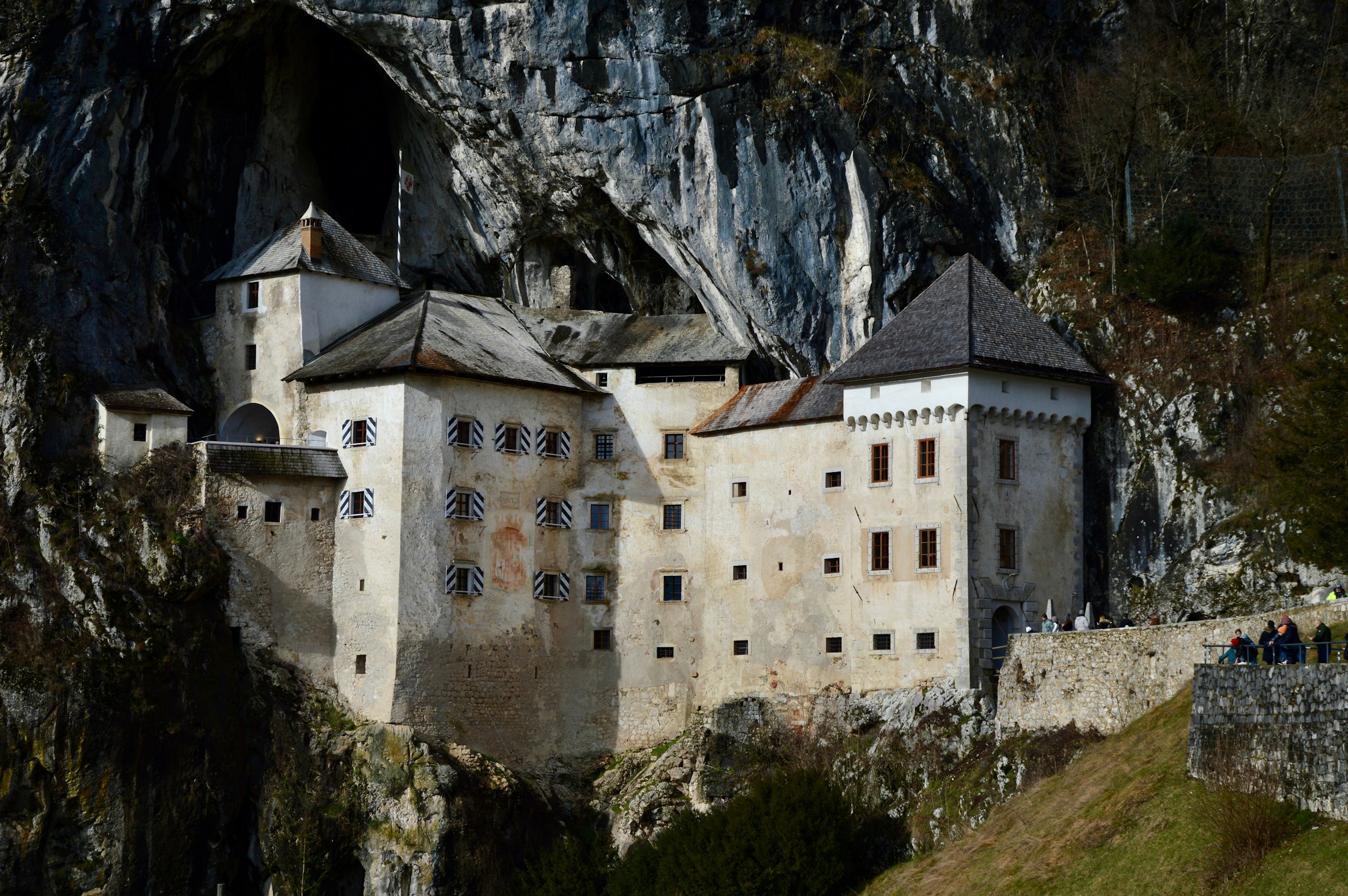
I've seen plenty of impressive castles around Europe, but Predjama is one of the strangest. The entire fortress appears to grow directly from a 123-metre cliff, with natural caves disappearing into the rock behind it.
It's also recognized by Guinness World Records as the world's largest cave castle, which feels entirely believable once you're standing beneath it.
The story that fascinated me most was that of Erasmus of Lueg, the rebellious knight who survived a lengthy siege here in the 15th century. Secret passages through the cave system allowed supplies to reach the castle, making its location much more practical than it initially appears.
For me, those caves were almost more interesting than the rooms themselves. Walking through the castle while knowing there's an entire natural passage system behind the walls makes Predjama feel like something from fiction.
That may explain why it's often associated with fantasy worlds. The castle and surrounding Slovenian landscapes have been cited as inspiration and reference material connected with Game of Thrones, although Predjama itself wasn't a filming location for the HBO series.
How Predjama Castle fits into your Slovenia itinerary
Predjama fits naturally between Ljubljana and Slovenia's Karst region or Adriatic coast.
I'd combine it with Postojna Cave before continuing toward Piran rather than making a separate trip from Ljubljana. You could also visit Predjama Castle as a day trip from Zagreb or Istria, Croatia.
Škocjan Caves
(pronounced: SHKOTS-yan)
Škocjan Caves at a glance
Southwestern Slovenia, near Divača
Caves, geology, underground rivers, and nature
Half day
Nature lovers, photographers, and adventure travelers
Enormous, atmospheric, and otherworldly
April to October
Spoiler alert: Slovenia has a lot of amazing caves.
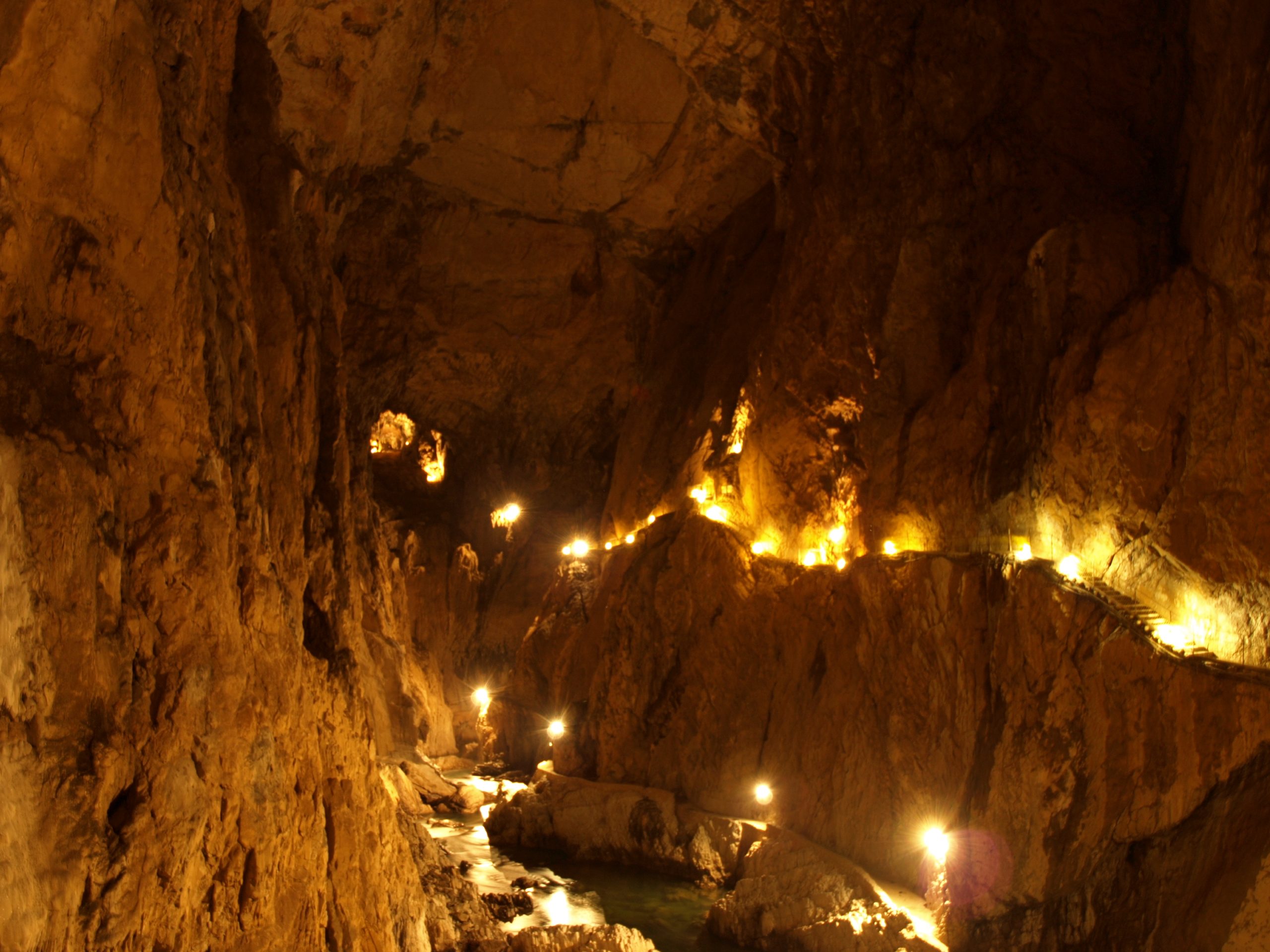
You could practically build an entire trip around disappearing underground. But of all the cave systems I explored, Škocjan was the one that made me understand just how extraordinary Slovenia's Karst landscape really is.
The Reka River disappears beneath the ground here and has carved an enormous subterranean canyon through the limestone. Škocjan is now protected as a UNESCO World Heritage Site, and once I got inside, the scale was difficult to process.
The moment that really got me was crossing the Hanke Bridge high above the river in the Murmuring Cave. You can hear the water far below, while carefully placed lighting reveals just enough of the cavern to understand how enormous the space around you actually is.
Then the experience changes again in the quieter sections, where huge stalactites and stalagmites have been forming for tens of thousands of years.
Postojna might be Slovenia's most famous cave, but if I could only visit one, I'd choose Škocjan.
How Škocjan Caves fit into your Slovenia itinerary
I'd visit Škocjan while traveling between Ljubljana and Piran, setting aside half a day for the caves.
You can also combine them with nearby Lipica for a full day exploring Slovenia's Karst region.
Postojna Cave
(pronounced: pos-TOY-nah)
Postojna Cave at a glance
Southwestern Slovenia, near Postojna
Caves, geology, and unusual wildlife
Half day
First-time visitors, families, and nature lovers
Dramatic, accessible, and otherworldly
Year-round
After Škocjan, you might think I'd reached my cave quota in Slovenia. Apparently, there is no such thing.
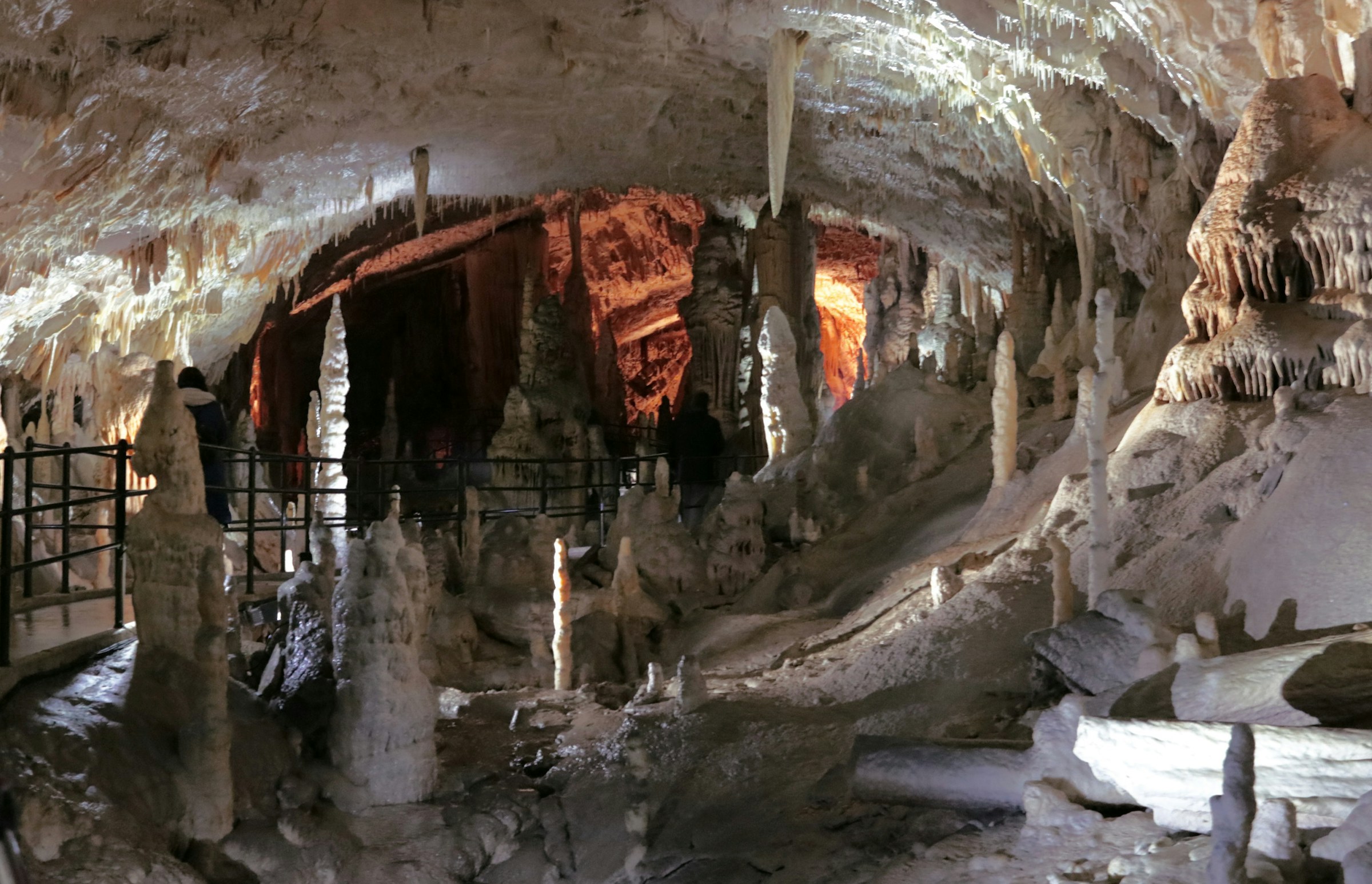
Postojna is a completely different experience. The cave system stretches for more than 24 kilometres, and instead of immediately setting off on foot, I climbed aboard an electric train that carries visitors deep underground. It feels slightly like entering a subterranean theme park, until you realize the extraordinary formations surrounding you are entirely natural.
The moment that stuck with me was arriving in the enormous Concert Hall after traveling through much narrower passages. Even knowing beforehand that it was going to be big didn't really prepare me for the scale.
Then there are the olms, sometimes nicknamed "baby dragons." These pale, blind cave salamanders are adapted to living entirely underground and can survive extraordinarily long periods without food. Seeing one added another layer to an already strange environment.
Postojna is considerably more developed and touristy than Škocjan, but I don't think that's necessarily a reason to skip it. The two caves offer genuinely different experiences.
How Postojna Cave fits into your Slovenia itinerary
Postojna is an easy stop between Ljubljana and Piran.
I'd combine it with nearby Predjama Castle on the same day before continuing toward the coast.
Soča Valley
(pronounced: SO-chah)
Soča Valley at a glance
Western Slovenia, Julian Alps
Hiking, rafting, kayaking, and mountain scenery
2-3 nights
Hikers, outdoor lovers, and adventurous travelers
Wild and spectacularly scenic
June and September
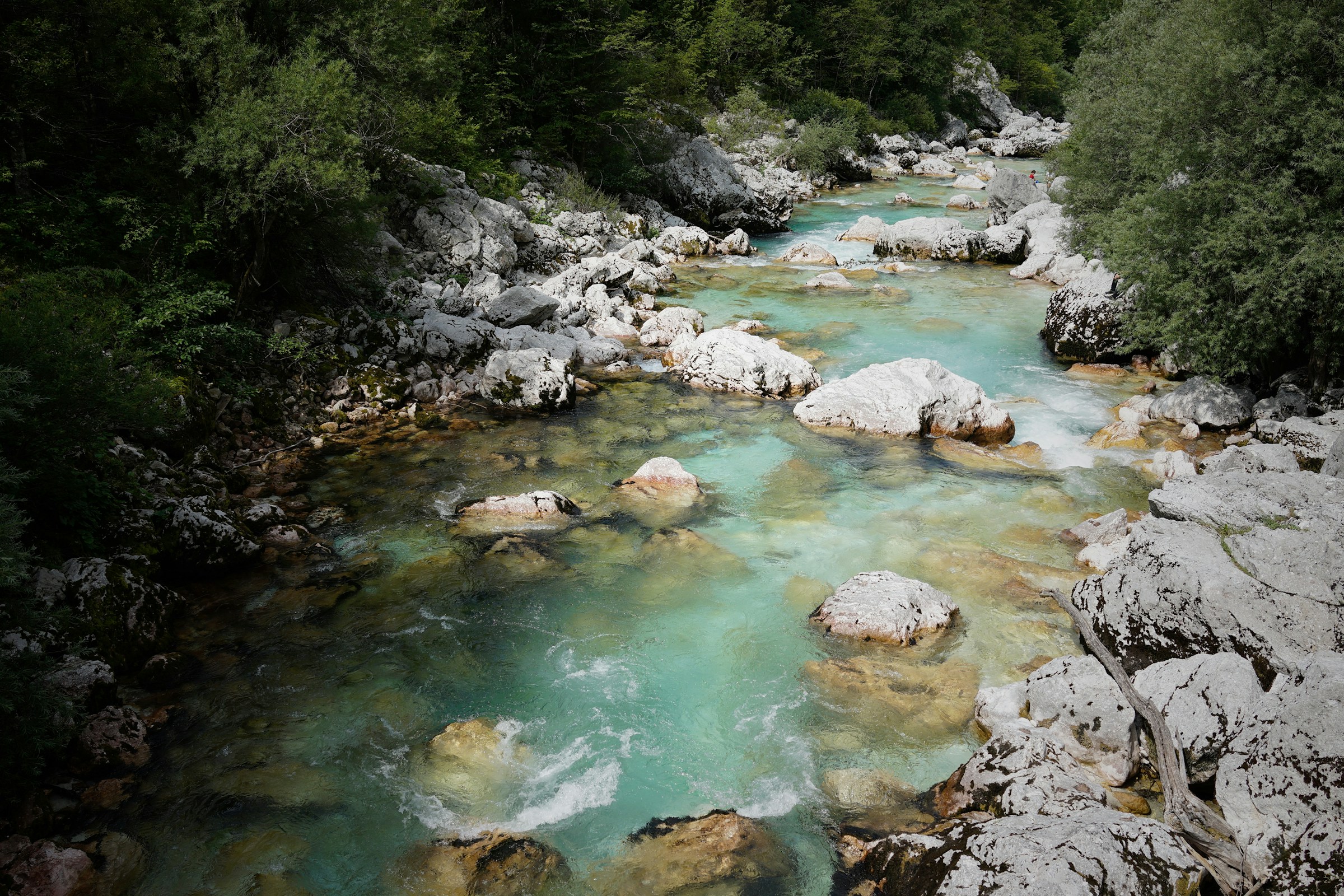
I'd seen plenty of photographs of the Soča River before visiting, and I assumed someone had turned the saturation up. Then I saw it in person. The water really is that extraordinary turquoise-green color.
Bovec makes a great base for exploring the valley and is Slovenia's adventure-sports hub. Rafting and kayaking are hugely popular, but you don't need to throw yourself down a rapid to appreciate the Soča. I actually preferred experiencing sections of it on foot, where I could stop whenever the color of the river demanded another photograph.
The Soča Trail is particularly beautiful, following the river past gorges, suspension bridges, forests, and mountain scenery. I found the water looked completely different depending on the light, with mornings producing some of the most intense colors.
There's also a much heavier side to this landscape. The valley formed part of the Isonzo Front during World War I, and remnants of fortifications, cemeteries, and military history are scattered throughout the region.
How the Soča Valley fits into your Slovenia itinerary
I'd give the Soča Valley two or three nights, ideally based around Bovec.
It pairs naturally with Lake Bled and the Julian Alps, creating a fantastic mountain section of a wider Slovenia road trip.
Lake Bohinj
(pronounced: BOH-heen)
Lake Bohinj at a glance
Triglav National Park, Julian Alps
Hiking, swimming, waterfalls, and mountain scenery
1-2 nights
Hikers, nature lovers, and quiet travelers
Peaceful, wild, and wonderfully unspoiled
June to September
Lake Bohinj doesn't have Bled's tiny island or dramatic clifftop castle, but I actually think that's part of its appeal. It feels wilder, quieter, and much more connected to the mountains surrounding it.
The lake sits inside Triglav National Park, with the Julian Alps rising almost directly behind the water. I loved how easy it was to switch between doing something active and doing absolutely nothing.
You can hike, swim in the remarkably clear water, take the Vogel gondola into the mountains, or simply find a quiet spot along the shore.
Savica Waterfall is also worth the climb, dropping 78 metres through a narrow gorge not far from the western end of the lake.
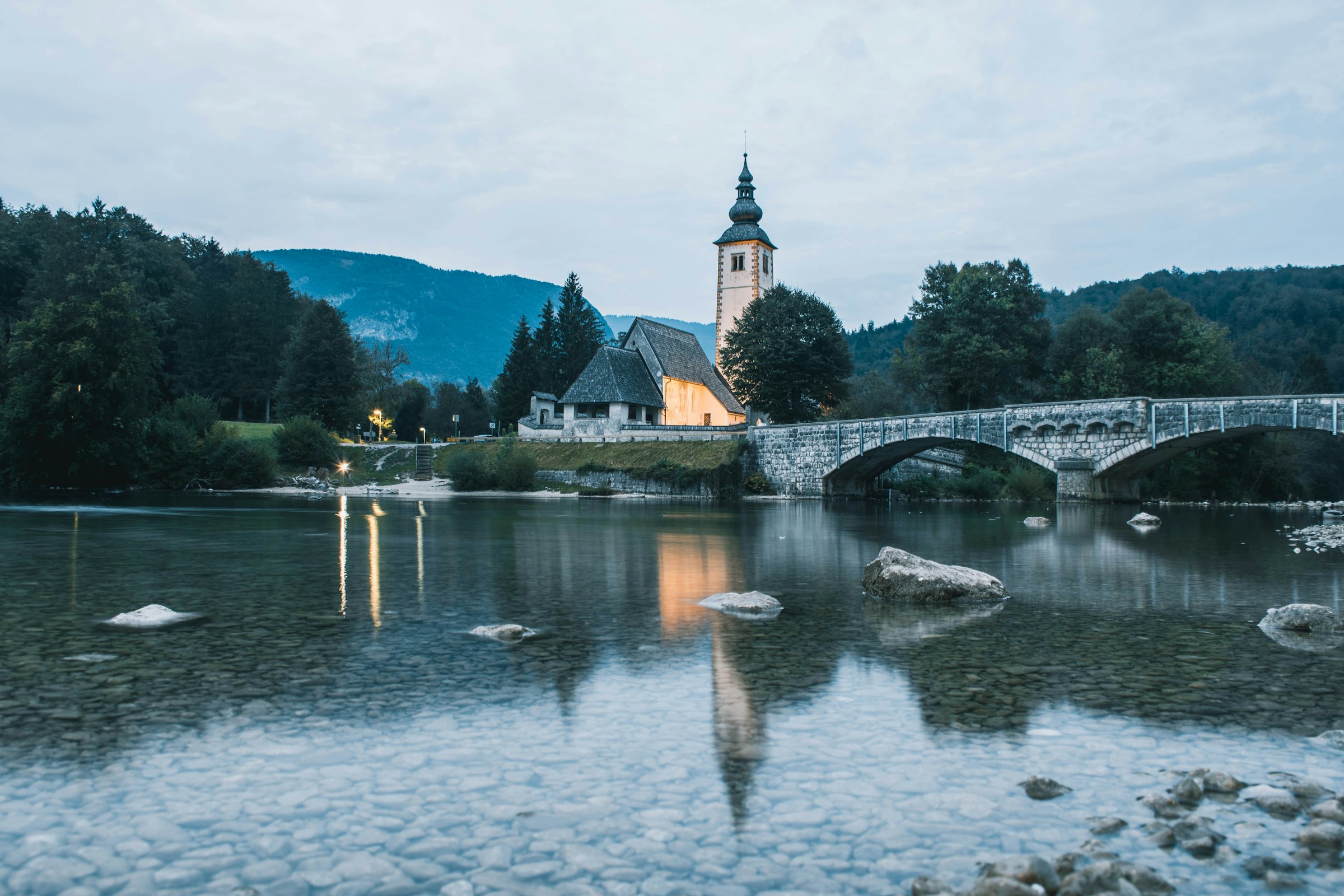
But the place I kept coming back to was the little Church of St John the Baptist. I visited early enough that it was still quiet, and seeing the medieval frescoes inside with morning light coming through and the lake just beyond the doorway was beautiful in a completely understated way.
How Lake Bohinj fits into your Slovenia itinerary
I'd combine Lake Bohinj with Lake Bled, which is only about 26 kilometres away.
Spend one or two nights around Bohinj before continuing deeper into the Julian Alps and Soča Valley.
Triglav National Park
(pronounced: TREE-glav)
Triglav National Park at a glance
Northwestern Slovenia, Julian Alps
Hiking, alpine lakes, mountain scenery, and wildlife
2-3 days
Hikers, outdoor adventurers, and nature lovers
Alpine, rugged, and wonderfully remote
July to September
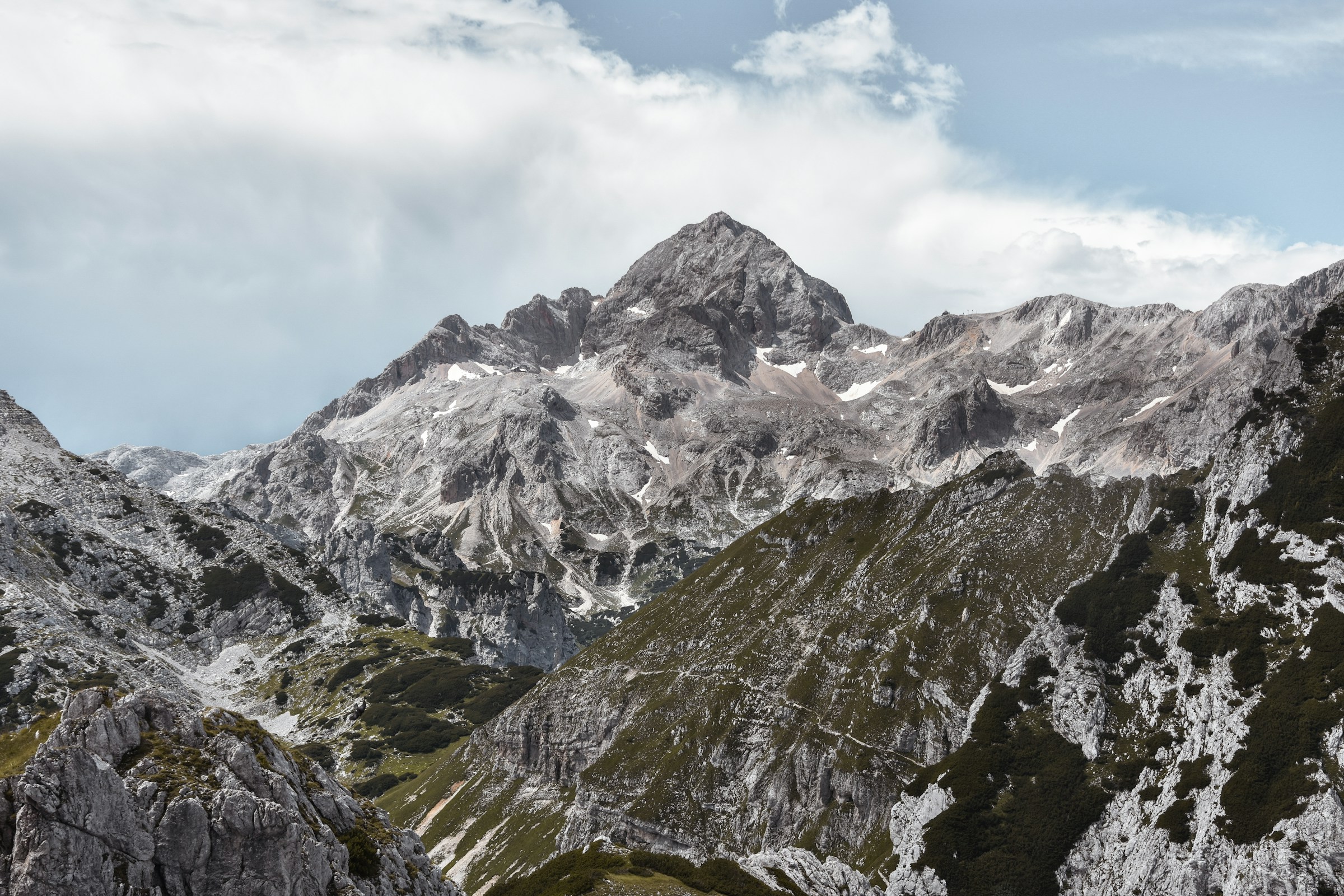
By this point in my Slovenia trip, I'd already seen plenty of beautiful mountain scenery, but Triglav National Park made me want to spend much longer in the Julian Alps.
Mount Triglav is Slovenia's highest peak and such an important national symbol that it appears on the country's flag. There's even a tradition that every Slovenian should climb it at least once.
The summit generally requires two days, a night in a mountain hut, and comfort with exposed mountain terrain, so it's certainly not the only way to experience the park.
I'd choose the Seven Lakes Valley if you want an incredible day hike without attempting Triglav itself. The trail passes a chain of glacial lakes surrounded by limestone peaks and alpine meadows, and I think it's one of the best hikes you can do anywhere in Slovenia.
I also loved discovering how quickly the crowds disappear once you move away from the most famous trails. The broad Krma Valley feels remarkably peaceful compared with some of the park's busier areas.
How Triglav National Park fits into your Slovenia itinerary
I'd make Triglav part of a two- or three-day Julian Alps section, combining it with Lake Bohinj and the Soča Valley rather than treating the park as a separate stop.
Ljubljana
(pronounced: lyoob-LYAH-nah)
Ljubljana at a glance
Central Slovenia
Architecture, food, cafe culture, and history
2 nights
Foodies, couples, culture lovers, and first-time visitors
Walkable, creative, and relaxed
April to June & September to October
Ljubljana quickly became one of those European capitals where I felt like I could actually relax. It's compact enough to explore almost entirely on foot, and I never had that feeling of racing across a huge city trying to fit everything in.
Much of what makes the center so distinctive comes from architect Jože Plečnik. His bridges, colonnades, market buildings, and public spaces are woven throughout the city, including the famous Triple Bridge.
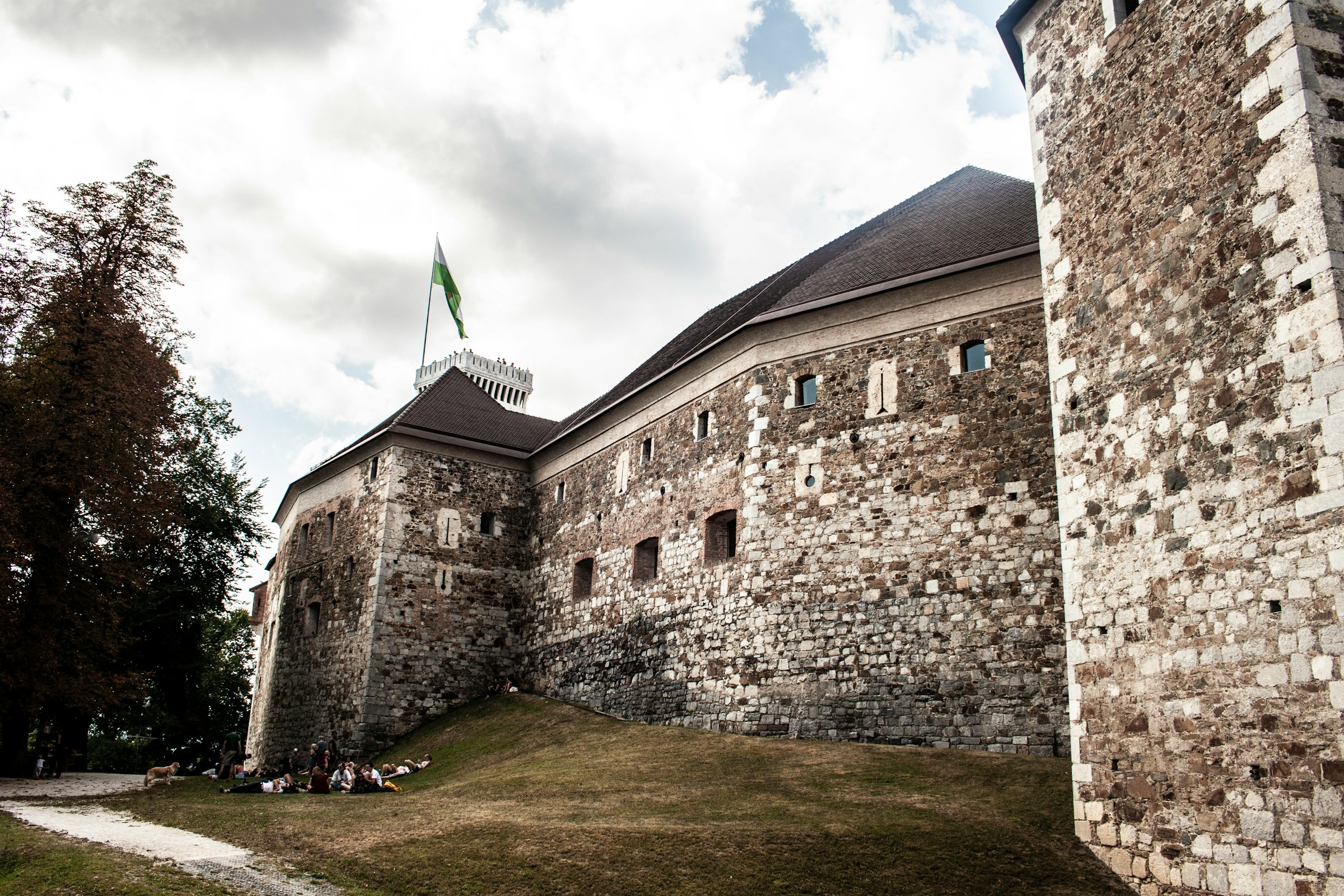
I loved starting around the Central Market and gradually wandering along the Ljubljanica River toward the old town. Ljubljana Castle sits above everything, and you can walk up or take the funicular for views across the city.
The food was another highlight. I particularly liked štruklji, traditional Slovenian rolled dumplings made from dough wrapped around fillings that can be sweet or savory.
You'll find versions with cottage cheese, walnuts, apples, herbs, and other fillings, and I definitely recommend trying a few.
But Ljubljana was at its best for me in the evening. The riverside fills with outdoor tables, the old buildings light up, and the castle remains visible above the city. It's an incredibly easy place to settle in for dinner and stay longer than planned.
How Ljubljana fits into your Slovenia itinerary
I'd spend two nights in Ljubljana, either at the beginning or end of your trip.
Its central location makes it an excellent base before heading toward Lake Bled and the Julian Alps, the Karst caves, or Piran and the Adriatic coast.
Lake Bled
(pronounced: BLED)
Lake Bled at a glance
Northwestern Slovenia, near Triglav National Park
Alpine scenery, hiking, photography, and romantic escapes
2 nights
Couples, hikers, and first-time visitors
Serene, storybook-like, and scenic
May to June and September
I'd seen so many photographs of Lake Bled before visiting that I wondered whether the real thing could possibly live up to them. It did.
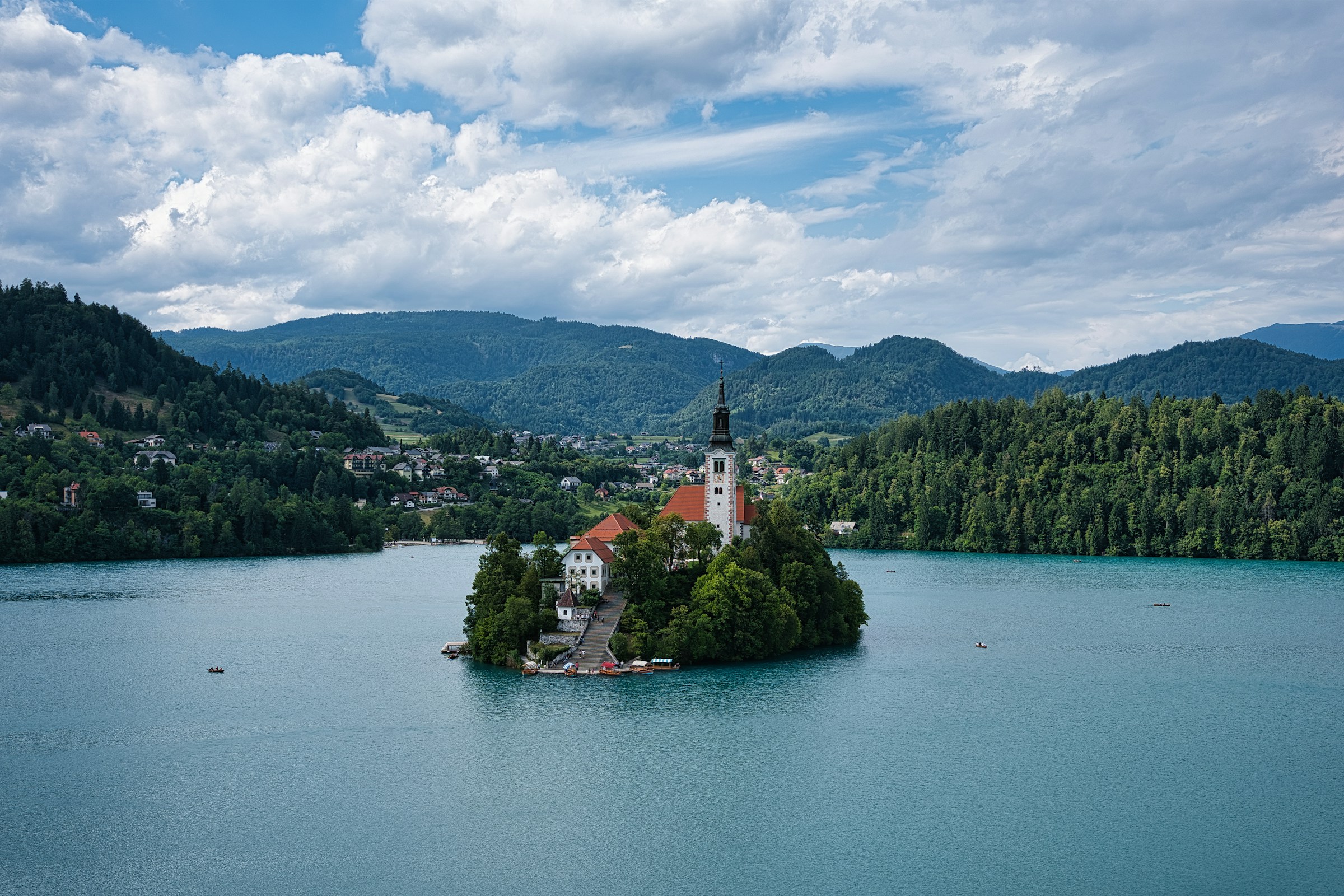
The combination of the tiny island church, Bled Castle perched on the cliff, and the Julian Alps rising behind the water really does look like the photographs, particularly early in the morning when mist hangs over the lake.
I took a traditional pletna boat across to Bled Island, where you climb 99 steps to the Church of the Assumption. Inside, you can ring the famous wishing bell, which according to local legend will make your wish come true. I'm not confirming or denying whether mine worked.
I'd also head up to Bled Castle for the panoramic view and make time for nearby Vintgar Gorge, where wooden walkways follow the turquoise Radovna River through a narrow canyon.
And yes, I tried the famous Bled Cream Cake. Layers of crisp pastry, vanilla custard, and whipped cream make it dangerously easy to justify as an afternoon snack. Having one on the Park Hotel terrace overlooking the lake felt touristy in exactly the right way.
How Lake Bled fits into your Slovenia itinerary
I'd spend two nights at Lake Bled before continuing to nearby Lake Bohinj and Triglav National Park, then onward through the Julian Alps toward the Soča Valley.
For travelers on a bigger European trip, there is a lovely train ride from Lake Bled to Venice, Italy, with transfers within Austria that might make you want to stay a while.
One of the things I love about Slovenia is how much you can experience without spending half your trip getting from place to place.
In a week, you can explore Ljubljana, the Julian Alps, Slovenia's famous lakes and caves, and still make it down to the Adriatic coast.
Slovenia Itinerary: 7 Days
Route: Ljubljana → Lake Bled → Lake Bohinj → Soča Valley → Postojna & Predjama → Piran
| Days 1-2 | Day 3 | Days 4 | Days 5 | Days 6 | Days 7 |
|---|---|---|---|---|---|---|
Destination | Ljubljana | Lake Bled | Lake Bohinj & Triglav National Park | Soča Valley | Postojna Cave & Predjama Castle | Piran |
Overnight | Ljubljana | Lake Bled | Lake Bohinj | Bovec | Piran | Piran or departure |
Why this route? For a first Slovenia itinerary, I'd use Ljubljana as my starting point before heading northwest into the Julian Alps. From Bled and Bohinj, continue through the mountains to the Soča Valley, then loop south through Slovenia's Karst region to visit Postojna Cave and Predjama Castle before finishing beside the Adriatic in Piran.
*Seven days gives you an excellent introduction, but if you have another two or three days, I'd add Škocjan Caves and Maribor rather than trying to cram them into this route.
Why you shouldn't overlook Slovenia when traveling Central Europe
Before I visited Slovenia, I knew about Lake Bled, but I hadn't fully appreciated how much variety was packed into such a small country. After exploring more of it, I started wondering why Slovenia isn't included on more Central European itineraries.
I've paddled past impossibly turquoise water in the Soča Valley, hiked among the Julian Alps, explored enormous underground caves, wandered Ljubljana's riverside streets, and finished days beside the Adriatic in Piran.
Even places like Maribor introduced me to a completely different side of Slovenia, filled with vineyards and wine traditions.
That's what impressed me most. You can go from Alpine lakes and mountain trails to caves, castles, vineyards, and the Mediterranean coast without spending entire days traveling between them.
If it's your first visit, don't feel like you need to see all 10 destinations. Some travelers will want to spend most of their time hiking around Triglav, while others will prefer Ljubljana, the caves, and the coast.
FAQs about traveling to Slovenia
Slovenia uses the euro (€ or EUR) as its official currency, and credit and debit cards are widely accepted throughout the country.
Visa requirements depend on your nationality, but Slovenia is part of the Schengen Area, allowing many travelers to visit visa-free for up to 90 days within a 180-day period.
Yes, Slovenia is generally easy to explore by car, with good roads and relatively short driving distances, and you'll drive on the right-hand side of the road.
Yes, Slovenia is generally considered a very safe destination for travelers, although normal precautions against petty theft are sensible in busy tourist areas.
Slovenia uses Type C and Type F plugs, with a standard voltage of 230V and a frequency of 50Hz.
Slovenian is the official language of Slovenia, while English is widely spoken in tourist areas, hotels, restaurants, and among younger Slovenians.
Ready to explore Slovenia? Optimise Travel is here to help
Slovenia may be compact and relatively easy to travel around, but deciding how to divide your time between its mountains, lakes, caves, cities, and tiny stretch of Adriatic coastline can be surprisingly difficult.
At Optimise Travel, we create personalized travel itineraries based on your interests, travel style, and budget. Whether you're dreaming of exploring Ljubljana, experiencing Lake Bled, hiking through Triglav National Park, following the turquoise Soča River, venturing underground at Slovenia's incredible caves, discovering Predjama Castle, or slowing down beside the Adriatic in Piran, we'll help you build an itinerary that makes the most of your time.
If you'd like help planning your trip to Slovenia, click here to learn more about our concierge travel services.