

Germany is one of those countries I think travelers often underestimate. Berlin and Munich get most of the attention, but some of my favorite experiences are found beyond the big cities.
I've discovered medieval towns that look almost untouched, explored castles tucked into mountains, wandered through beautiful river valleys, and eaten far more regional food than I probably needed to.
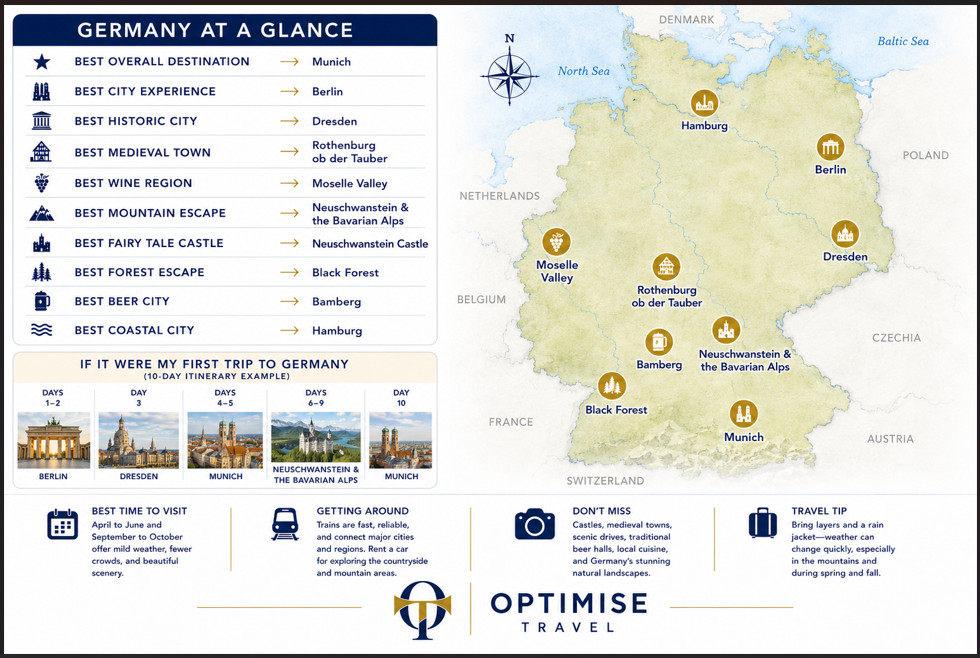
Here are the 10 best places to visit in Germany that I think everyone should experience at least once.
Have You Seen Our Travel Concierge Service?
Your trip, planned by local experts
We are not a travel agent - we design custom itineraries around your budget and style, without receiving commissions or booking fees.
Custom itinerary
Built around your dates, budget, and travel style.
Local expert knowledge
Recommendations from people on the ground, not review sites.
Travel smarter, spend less
We optimise for your budget to make your money go further.
Dresden
(pronounced: DREH-zden)
Dresden at a glance
Saxony, eastern Germany
Baroque architecture, art, history, and Christmas markets
2 nights
Art enthusiasts and cultural travelers
Elegant, historic, reflective, and beautifully restored
April to June, September to October, and December
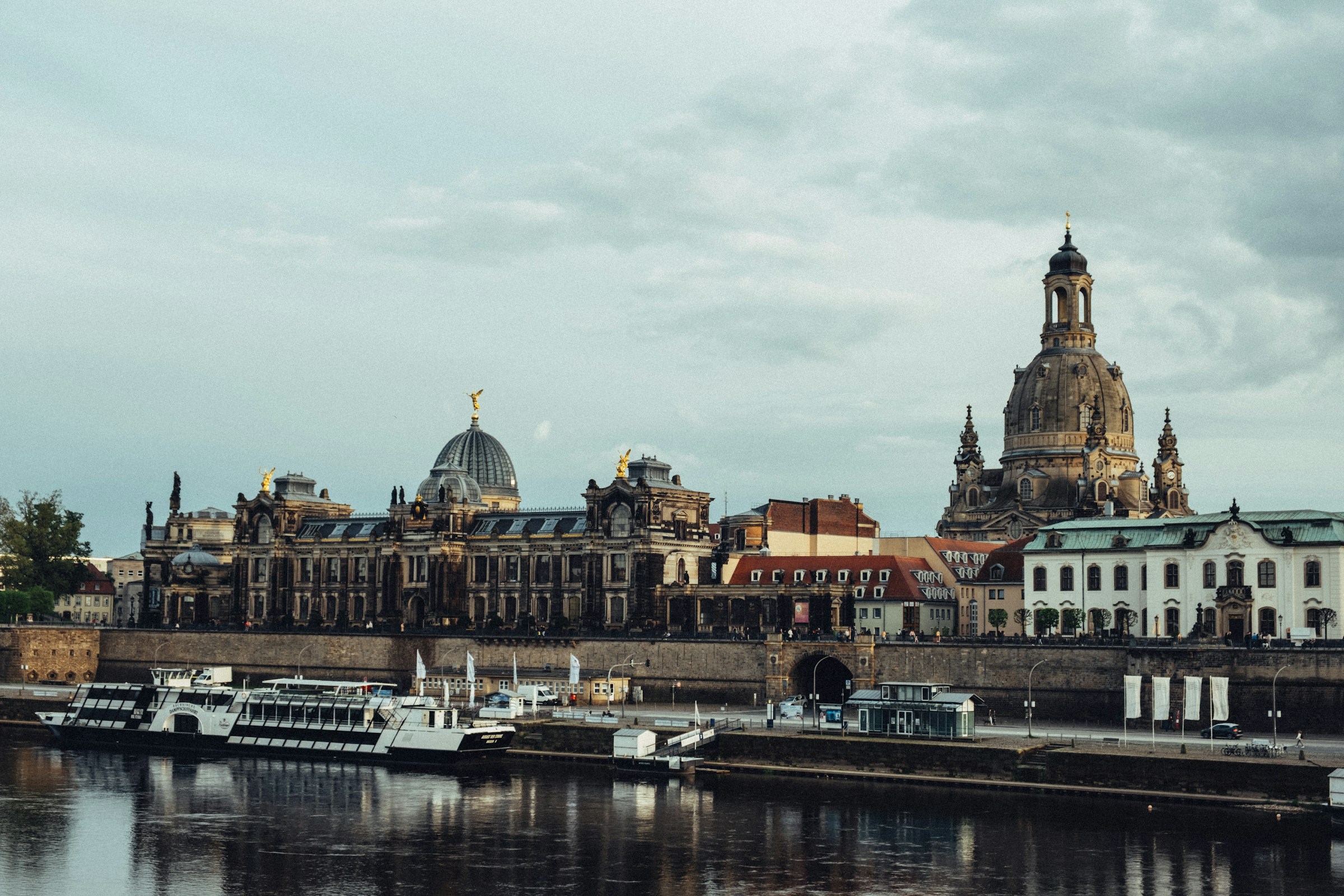
Dresden was one of the German cities I was most curious to see because its beauty comes with such a complicated history.
Much of the historic center was devastated during World War II, yet walking through it today, you're surrounded by some of the country's most impressive Baroque architecture.
The Frauenkirche affected me most. When it was reconstructed after German reunification, surviving stones from the original church were incorporated into the new structure. You can still see those darker, fire-blackened stones scattered across the pale facade, which makes the building's history impossible to ignore.
From there, I walked to the Zwinger Palace and Semperoper, both only minutes away. Art lovers should also make time for the Gemäldegalerie Alte Meister, where you'll find works by Raphael, Rembrandt, Titian, and Vermeer.
Dresden is especially beautiful in December. The Striezelmarkt has been held since 1434, making it one of Germany's oldest Christmas markets, and I'd happily return just to experience the city during the festive season.
If you have another day, Meissen is an easy train trip and a fascinating place to see the porcelain tradition that made the town famous.
How Dresden fits into your Germany itinerary
I'd spend two nights in Dresden, particularly if you're traveling through eastern Germany.
It's an easy addition after Berlin, and from Dresden you can continue south toward Bavaria or cross the border into the Czech Republic.
Rothenburg ob der Tauber
(pronounced: ROH-ten-burg ob der TOW-ber)
Rothenburg ob der Tauber at a glance
Bavaria, southern Germany
Medieval architecture, Christmas markets, history, and photography
1 night
History lovers, couples, and families
Storybook, medieval, and wonderfully festive
April to May, September to October, and December
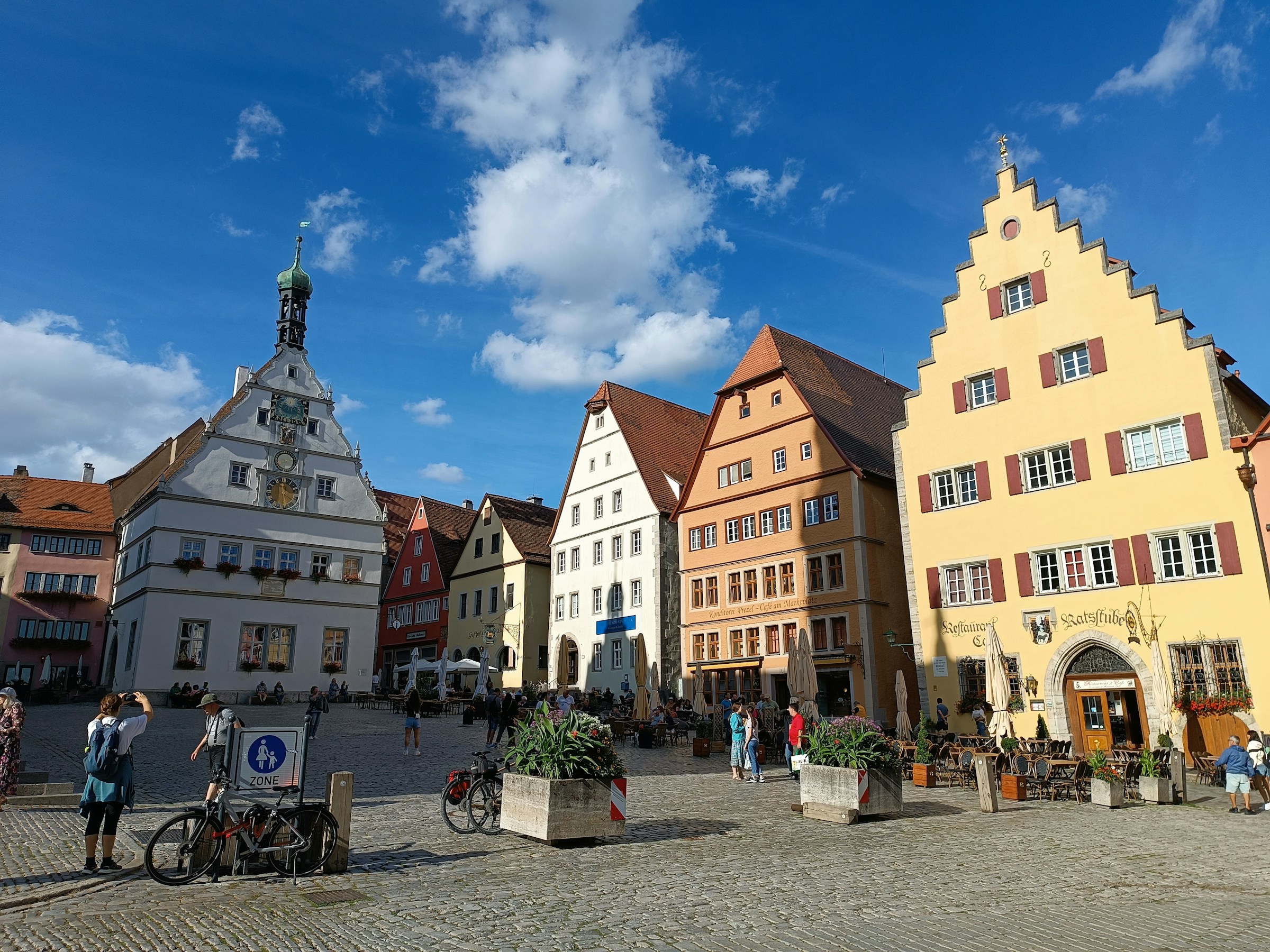
Rothenburg ob der Tauber is exactly the kind of place I worried might feel too touristy in person. Instead, I found myself completely understanding why it appears on so many Germany itineraries.
Much of the medieval wall still surrounds the town, and I loved walking along it for views over the rooftops and Tauber Valley. The historic center is remarkably intact, largely because Rothenburg declined economically after the Thirty Years' War and escaped much of the modernization that transformed other German towns.
I also joined the Night Watchman tour, which sounded slightly gimmicky beforehand and ended up being one of the most entertaining guided tours I did in Germany.
December made Rothenburg even more memorable.
At the Christmas market, my favorite treat was a Schneeball, or "snowball," a traditional local pastry made from strips of shortcrust dough woven into a ball, fried, and usually covered in powdered sugar, chocolate, or other toppings. They're everywhere here, and I was very happy to conduct the necessary research.
The crowds are real, but I discovered the easiest solution was simply to stay overnight. Once the day-trip groups disappeared, Rothenburg became quieter and far more atmospheric.
How Rothenburg ob der Tauber fits into your Germany itinerary
I'd give Rothenburg one night on a wider Bavaria or Romantic Road itinerary.
It fits particularly well between Würzburg and the destinations farther south, and staying overnight makes far more sense than rushing in and out on a day trip.
Heidelberg
(pronounced: HY-del-berk)
Heidelberg at a glance
Baden-Württemberg, southwestern Germany
Romantic scenery, castles, history, and riverside walks
1 night
Couples, history lovers, and photographers
Romantic, youthful, and picturesque
April to June, September to October, and December
Heidelberg has been considered one of Germany's most romantic cities since the Romantic movement embraced it in the early 19th century, and after visiting, I could see why.
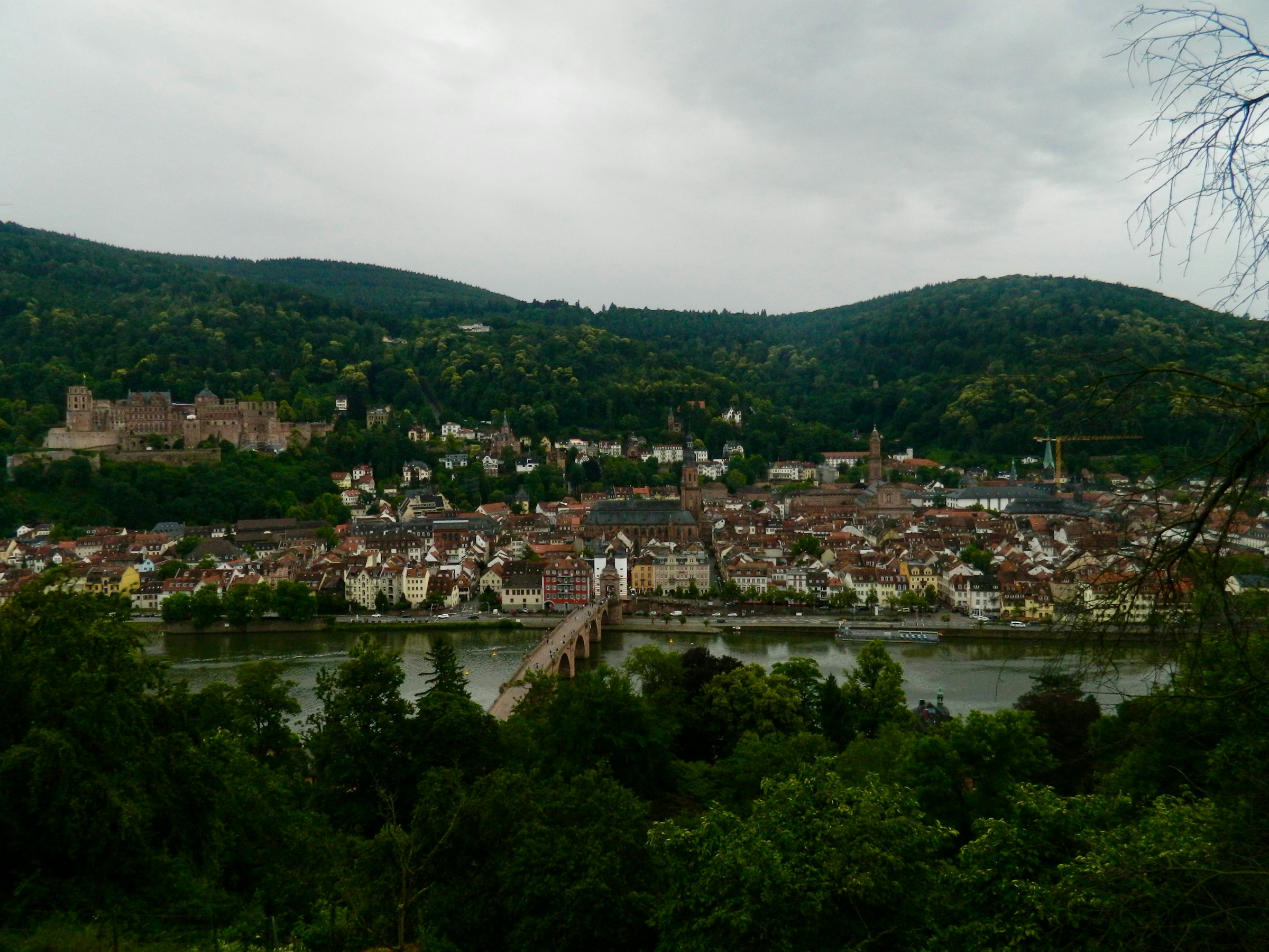
The centerpiece is Heidelberg Castle, a sprawling red sandstone ruin overlooking the Old Town and Neckar River. French forces badly damaged the castle in the 17th century, and it was never completely rebuilt.
I actually think the ruins are more beautiful because of it. I wandered through the castle gardens at dusk, and watching the fading light turn the sandstone almost golden was my favorite experience in Heidelberg.
From the castle, I walked down through the Old Town to the Old Bridge, where you'll find the famous bronze monkey that's supposed to bring good luck if you touch it.
Heidelberg also feels noticeably younger than many historic German towns. Its university was founded in 1386, making it Germany's oldest, and centuries of student life are still woven into the city.
The next morning, I walked the Philosophers' Walk on the opposite side of the Neckar. The view back across the river toward the Old Town and castle was easily one of the best in the city.
How Heidelberg fits into your Germany itinerary
I'd spend one night in Heidelberg. It's less than an hour from Frankfurt by train, making it an easy first or last stop if you're flying through Frankfurt, and it also works well when traveling south toward the Black Forest and Bavaria.
The Moselle Valley
(pronounced: MOH-zel)
The Moselle Valley at a glance
Western Germany, between the Luxembourg border and Koblenz
Wine, cycling, river scenery, and castles
2 nights
Wine lovers, couples cyclists, and slow travelers
Peaceful, scenic, romantic, and relaxed
May to June and September to October
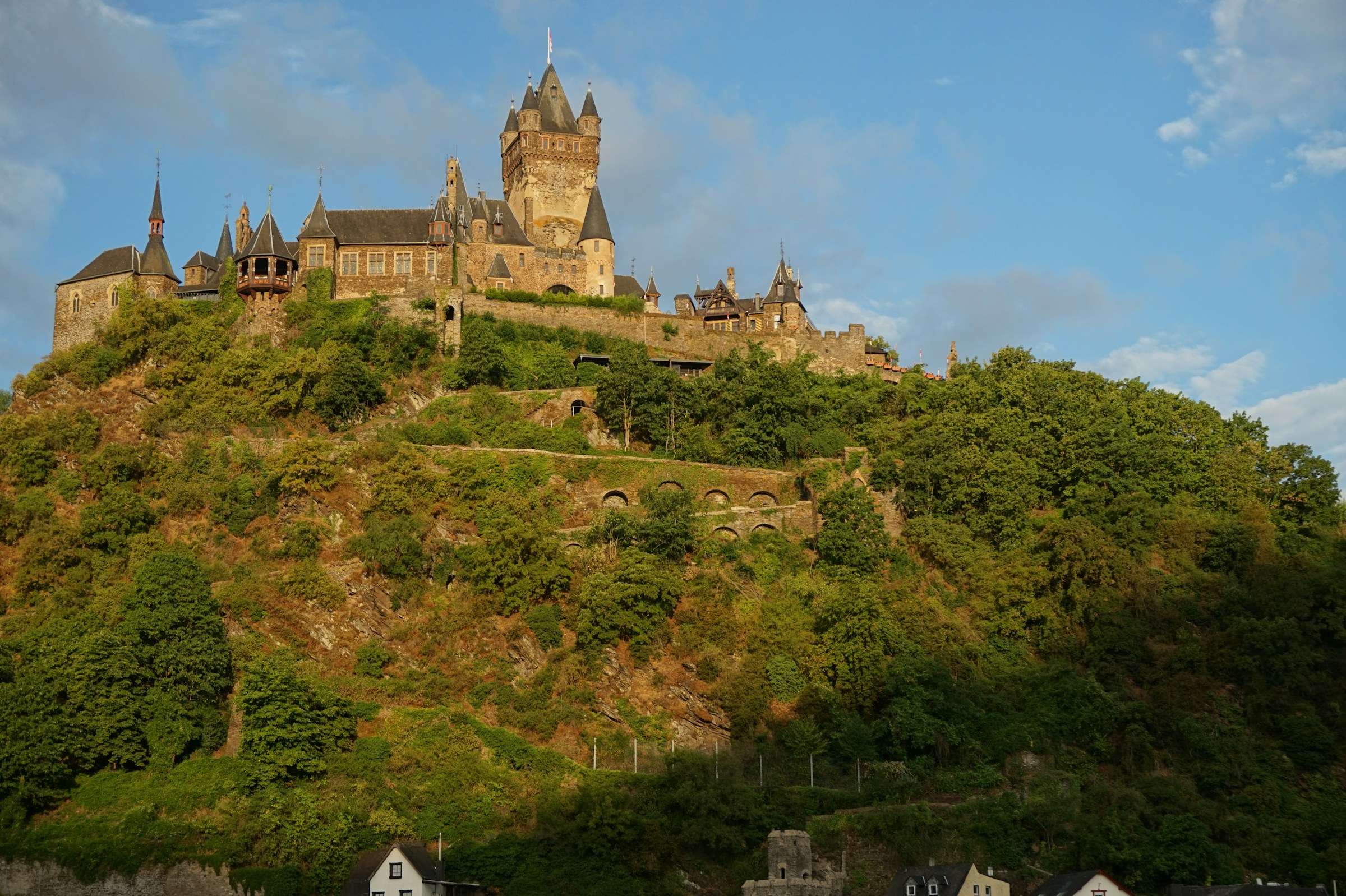
The Moselle Valley felt like the Germany I was hoping to find between the country's bigger-name destinations. The river twists through steep vineyard-covered hills, with castles perched above the water and tiny half-timbered villages appearing around almost every bend.
Wine is a huge part of the experience here. The Moselle's steep slate slopes produce some of the world's best Riesling, and many vineyards are so steep that much of the work still has to be done by hand.
I based myself in Cochem, where the hilltop Reichsburg Castle dominates the riverfront, but some of the smaller villages were even more memorable. Beilstein was particularly lovely, while Bernkastel-Kues has some of the most beautiful half-timbered streets in the valley.
My favorite way to explore was by bicycle. I rented one in Cochem and followed the river toward Beilstein, stopping for a wine tasting along the way. Cycling gave me time to actually take in the vineyards rising above me, the river beside me, and the little villages I might otherwise have driven straight through.
For me, that's the real appeal of the Moselle. It's somewhere that rewards slowing down.
How the Moselle Valley fits into your Germany itinerary
I'd spend two nights in Cochem and use it as a base for the surrounding villages and vineyards.
The Moselle Valley is also a natural gateway for those travelling towards Belgium and Luxembourg.
Hamburg
(pronounced: HAM-boork)
Hamburg at a glance
Northern Germany, on the Elbe River
Maritime history, architecture, food, museums, and nightlife
3 nights
City lovers, foodies, architecture and culture enthusiasts
Cosmopolitan, creative, and energetic
May to September, and December
Hamburg surprised me more than almost any other German city. Berlin and Munich tend to dominate first-time itineraries, but Germany's second-largest city has a completely different personality, shaped by its enormous port and centuries of maritime history.
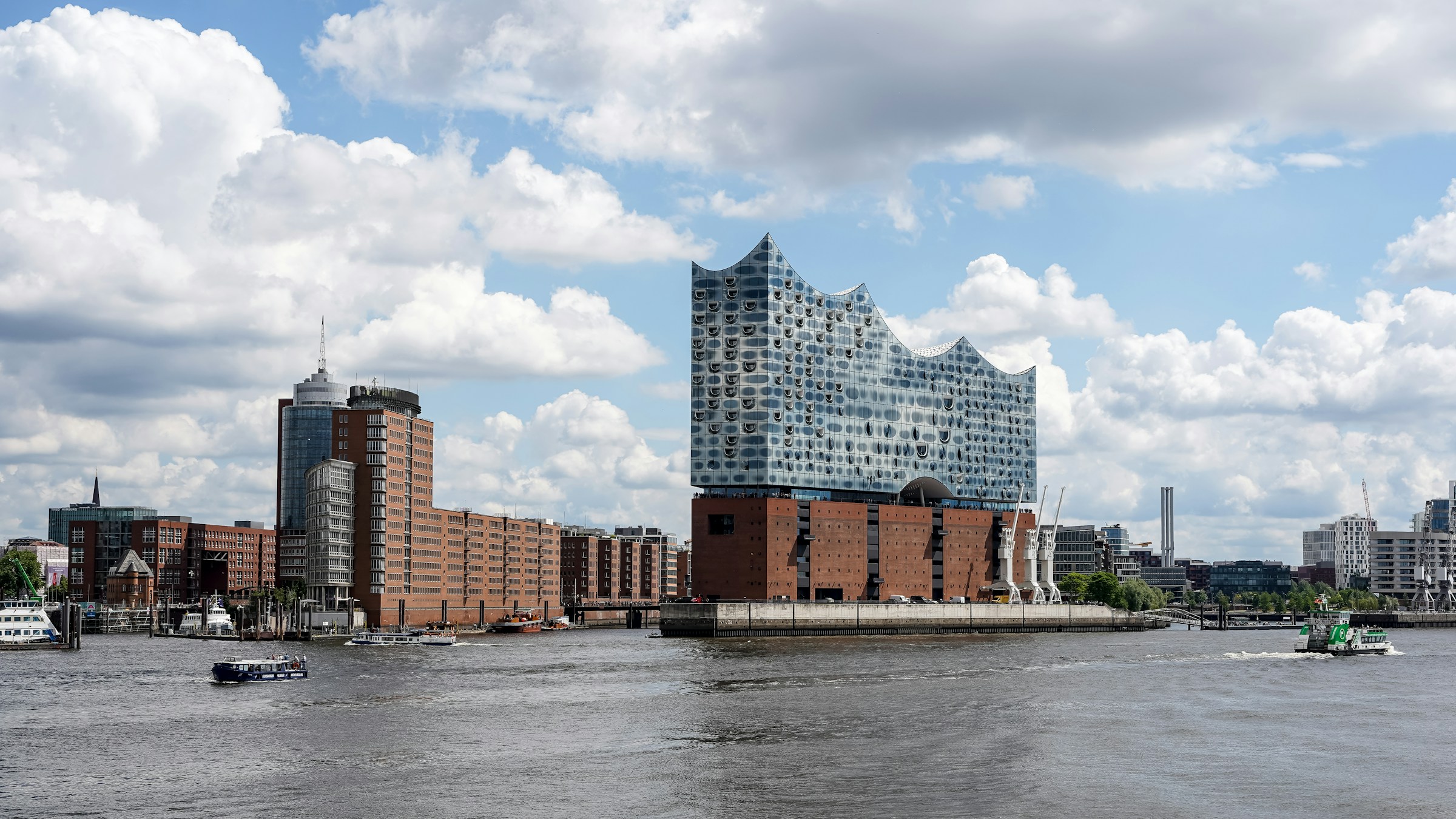
I started around the Elbphilharmonie, whose public Plaza has incredible views across the harbor, Elbe, and city.
I went up around dusk, and this was one of those views that photographs simply don't capture properly. Even if you're not attending a concert, I think it's worth going up.
From there, I explored HafenCity and the Speicherstadt, Hamburg's UNESCO-listed warehouse district. Its canals, bridges, and enormous red-brick warehouses give this part of the city an atmosphere unlike anywhere else I visited in Germany. It's also home to Miniatur Wunderland, the world's largest model railway.
I also made time for the Portugiesenviertel near the harbor, which is packed with Portuguese and Mediterranean restaurants and makes a great dinner stop.
If your visit includes a Sunday, get up early for the Fischmarkt. Fishmongers have been trading here for centuries, and the shouting vendors and packed stalls make the market feel almost like a performance.
How Hamburg fits into your Germany itinerary
I'd give Hamburg three nights and include it as the major northern stop on a longer Germany itinerary.
High-speed trains connect it easily with Berlin, and it also works particularly well if you're continuing north toward Denmark or West toward the Netherlands.
The Black Forest
(pronounced: SHVARTS-valt)
The Black Forest at a glance
Southwestern Germany, primarily Baden-Württemberg
Hiking, scenic drives, food, and nature
3 nights
Road trippers, hikers, and foodies
Forested, traditional, and peaceful
May to June and September to October
The Black Forest was one of those places that already felt familiar before I arrived.
Between the cuckoo clocks, fairy tales, Black Forest cake, and images of endless fir trees, this corner of Germany that sits on the border of France has become almost mythical. Seeing the real landscape made me appreciate just how beautiful it actually is.
I used Freiburg as my base and loved the city in its own right. Its Gothic Münster dominates the historic center, while the little Bächle water channels running beside the streets give the Old Town a character I hadn't encountered anywhere else.
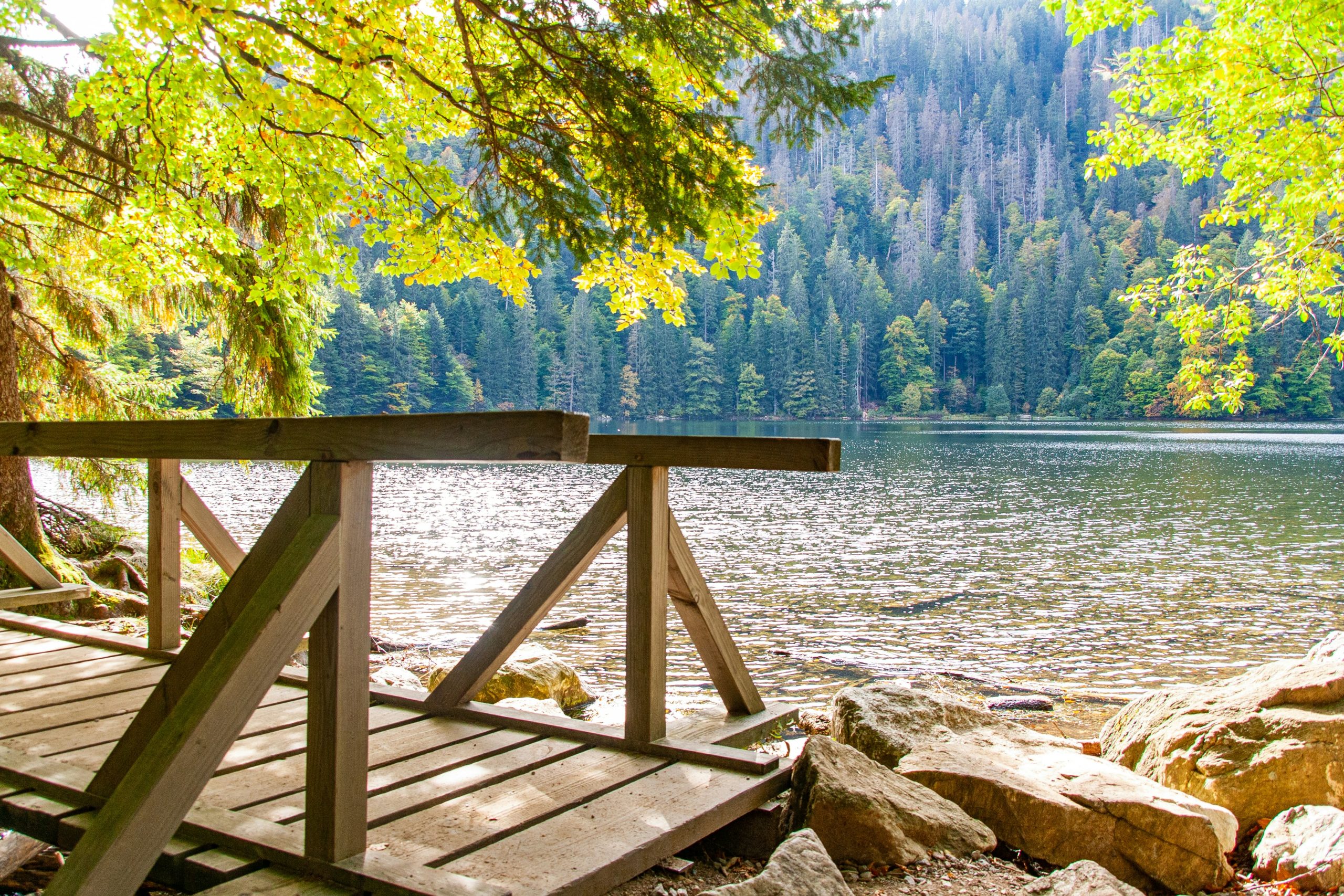
From Freiburg, I explored deeper into the forest, including Triberg and its famous waterfalls, traditional cuckoo clock workshops, and Titisee, a glacial lake surrounded by forest.
I also made sure to try proper Schwarzwälder Kirschtorte, or Black Forest cake, from a local Konditorei. The combination of chocolate, cherries, cream, and kirsch made considerably more sense here than versions I'd eaten elsewhere.
My highlight, though, was driving the Schwarzwaldhochstraße between Baden-Baden and Freudenstadt. I traveled it in autumn, when the changing leaves made an already spectacular drive even better.
How the Black Forest fits into your Germany itinerary
I'd base myself in Freiburg for three nights and explore the region from there.
The Black Forest fits naturally after Heidelberg and works particularly well as part of a southwestern Germany route before continuing east toward Bavaria.
Berlin
Berlin at a glance
Northeastern Germany
History, museums, nightlife, food, and contemporary culture
4 nights
History lovers, foodies, and urban explorers
Creative, complex, energetic, and constantly evolving
April to June, and September to October
Berlin was unlike any other city I visited in Germany. So much of the 20th century played out here, and what struck me most was how openly the city confronts that history rather than trying to soften it.
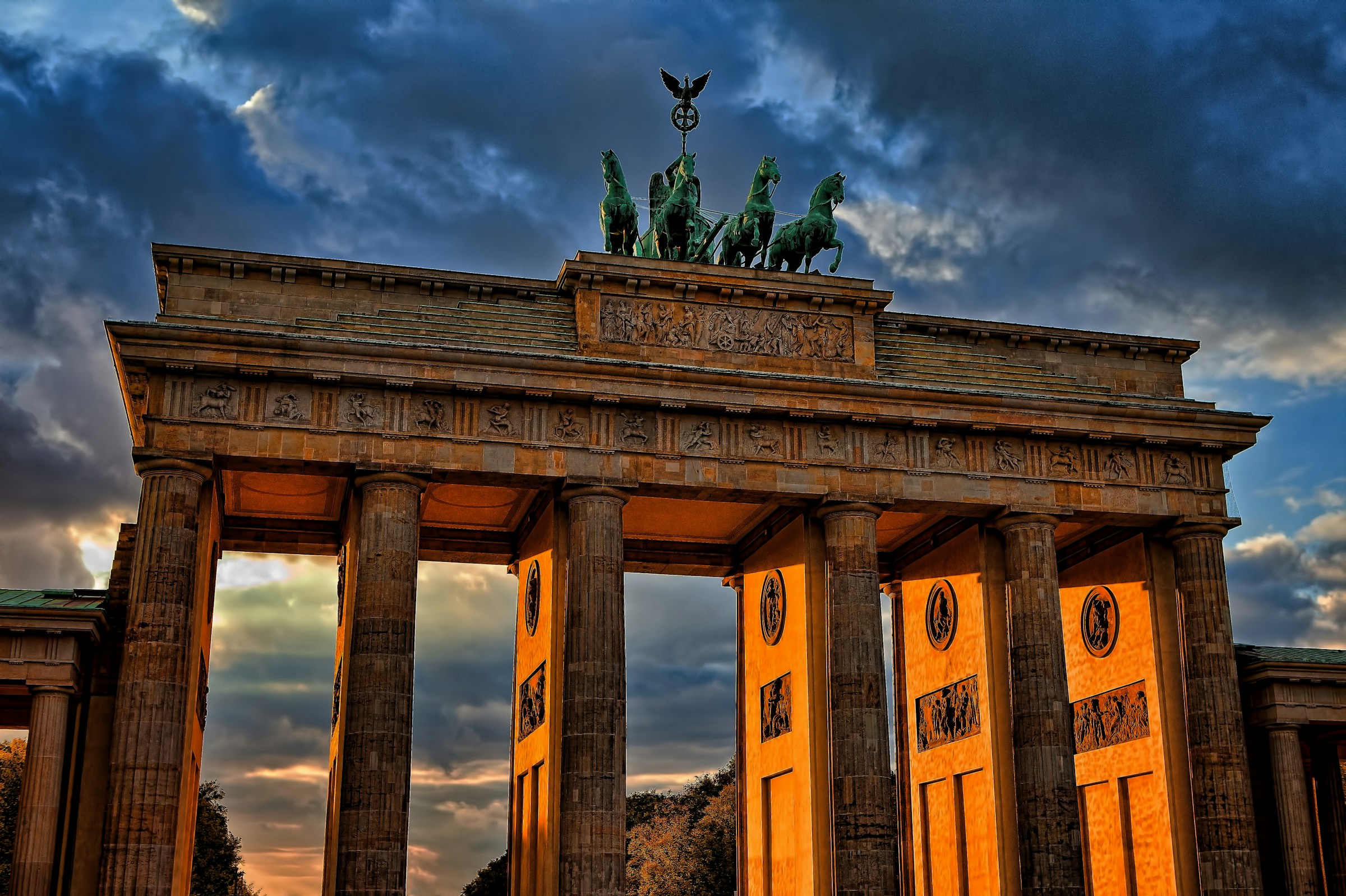
I visited the Brandenburg Gate before walking to the Memorial to the Murdered Jews of Europe, where 2,711 concrete slabs form a deliberately disorienting landscape. I also followed the East Side Gallery, where murals cover one of the longest surviving sections of the Berlin Wall.
Checkpoint Charlie itself felt far more touristy than I expected, but nearby exhibitions and museums helped put the former crossing into context. Learning about the ingenious ways people attempted to escape East Germany was one of the parts of Berlin's Cold War history I found most fascinating.
But I wouldn't spend an entire visit moving between historical sites. I wandered neighborhoods such as Kreuzberg and Prenzlauer Berg, which showed me a much more contemporary Berlin.
The food scene was another highlight, particularly the markets and international restaurants that reflect just how diverse the city has become.
Berlin needs time. Four nights gave me enough to explore its history while still experiencing the city that exists around it today.
How Berlin fits into your Germany itinerary
I'd give Berlin four nights and use it as the anchor for an eastern Germany itinerary.
Germany's high-speed rail network makes it easy to continue south to Dresden or west toward Hamburg, so Berlin also works particularly well as either the beginning or end of a longer trip. It's also a great connection point for travelling to Poland.
Neuschwanstein & the Bavarian Alps
(pronounced: noy-SHVAN-shtine)
Neuschwanstein & the Bavarian Alps at a glance
Southern Bavaria, near Füssen and the Austrian border
Castles, Alpine scenery, hiking, and photography
2 nights
Couples, hikers, history lovers, and first-time visitors
Fairytale-like, dramatic, and romantic
May to June and September to October
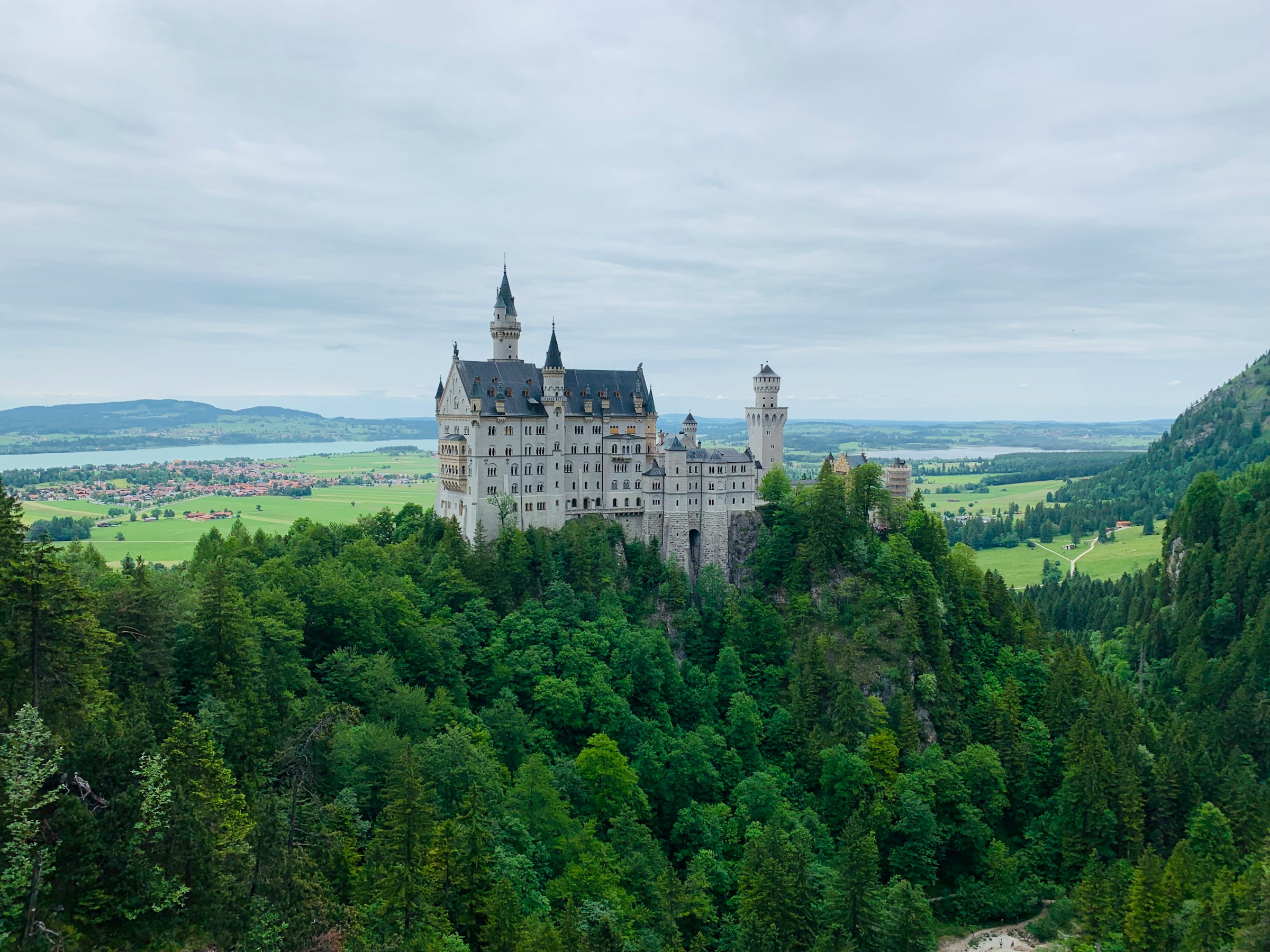
I'd seen Neuschwanstein Castle in photographs countless times before visiting, but standing beneath it with the Bavarian Alps rising behind it was completely different.
King Ludwig II began building the castle in 1869 as his private retreat, and its theatrical interiors feel more like something created for an opera than a functioning royal residence.
I walked out to the Marienbrücke for the famous view of Neuschwanstein surrounded by mountains and forest. It's spectacular, but surprisingly, Neuschwanstein wasn't actually my favorite castle here.
That was Hohenschwangau, directly across the valley. Ludwig II grew up there, and I found it much more intimate and genuinely connected to the Bavarian royal family.
It was also considerably less crowded. The view from its terrace, looking through the trees toward Neuschwanstein, became one of my favorite views in the region.
I also spent time around the Alpsee below the castles, where the mountains and forest make the entire area worth exploring beyond Neuschwanstein itself.
If you have another day, I'd head toward Garmisch-Partenkirchen and the Zugspitze, Germany's highest mountain, for an entirely different perspective on the Bavarian Alps.
How Neuschwanstein & the Bavarian Alps fit into your Germany itinerary
I'd spend two nights in Füssen, with one day for Neuschwanstein, Hohenschwangau, and the Alpsee.
From here, you can continue east through the Bavarian Alps toward Garmisch-Partenkirchen and Munich, making this an easy addition to a southern Germany itinerary.
Munich
(pronounced: MYOO-nik)
Munich at a glance
Bavaria, southern Germany
Bavarian culture, food, beer gardens, and museums
4 nights
Foodies, culture lovers, and first-time visitors
Traditional, lively, polished, and welcoming
May to June, September to October, and December
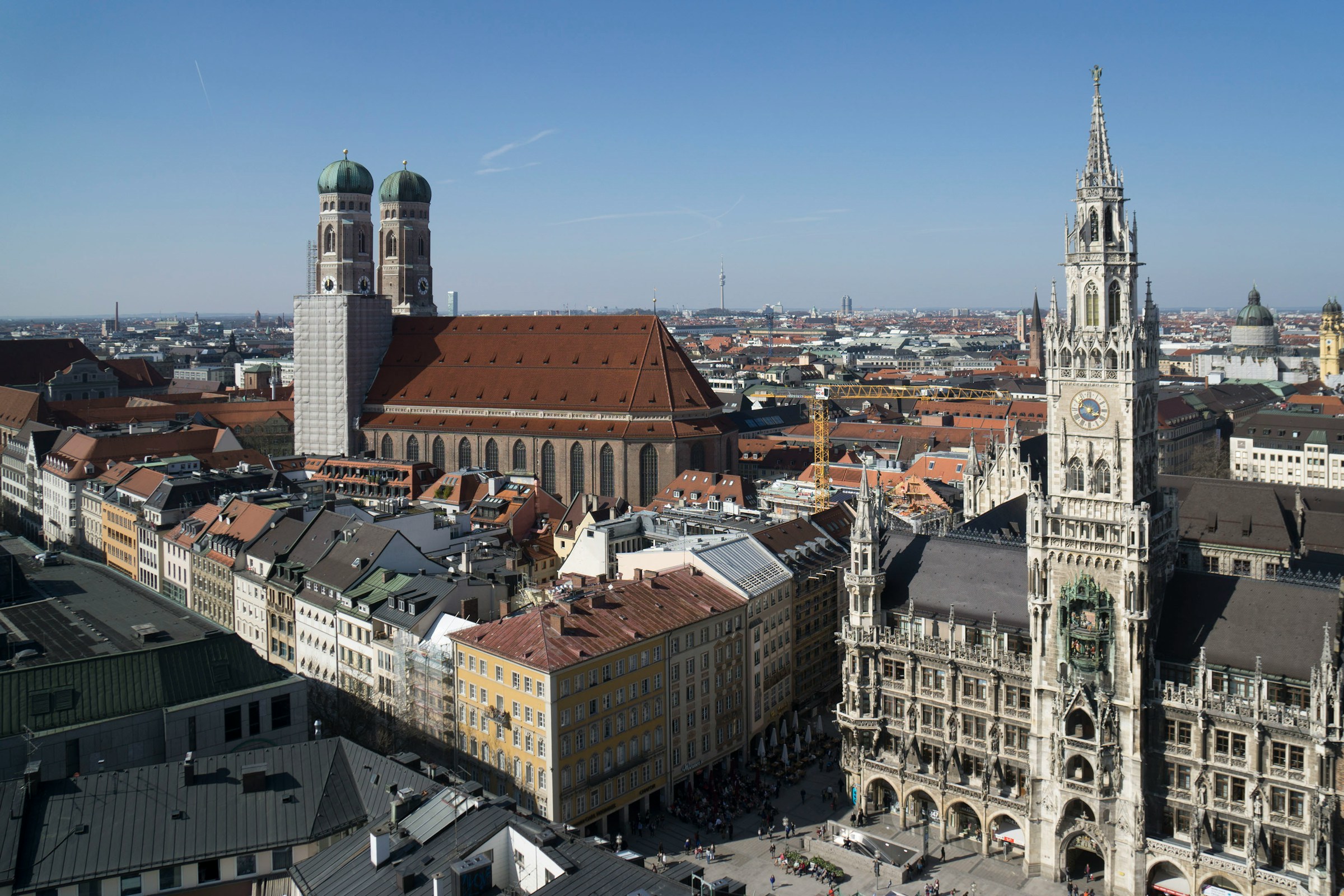
Munich was one of those cities where I could immediately understand why people choose to live here. It has all the museums, architecture, restaurants, and energy I'd expect from a major European city, but it also feels surprisingly relaxed.
I started around Marienplatz, where the elaborate Neues Rathaus dominates the historic center, before wandering through the Viktualienmarkt.
I also tried a traditional Weißwurst breakfast: white Bavarian sausages served with sweet mustard, usually alongside a pretzel and Weißbier. By tradition, Weißwurst is eaten before noon, which gave me an excellent excuse to have beer with breakfast.
I also explored Nymphenburg Palace and spent time in the enormous English Garden, but my favorite Munich experience was much simpler. I sat in a biergarten with a Maß of beer and a pretzel, surrounded by families, students, retirees, and groups of friends all doing exactly the same thing.
That communal biergarten culture captured Munich better for me than any individual attraction.
Of course, Oktoberfest transforms the city each autumn, but I wouldn't plan a first visit around the festival unless that's specifically why you're coming. Munich has far more to offer throughout the rest of the year.
How Munich fits into your Germany itinerary
I'd give Munich four nights, particularly if it's your main base in Bavaria.
It's also a great hub for those travelling south to Switzerland for even more alpine adventures.
Bamberg
(pronounced: BAM-berk)
Bamberg at a glance
Franconia, northern Bavaria
Medieval architecture, beer culture, and history
2 nights
Beer enthusiasts, photographers, and history lovers
Medieval, atmospheric, and traditional
April to June, September to October, and December
Bamberg surprised me enough to earn the number-one spot on this list. While so many visitors head straight for Germany's biggest cities and famous castles, I found one of the country's most rewarding experiences in this remarkably preserved Franconian city.
Bamberg escaped the widespread destruction experienced by many German cities during World War II, leaving its medieval and Baroque center largely intact.
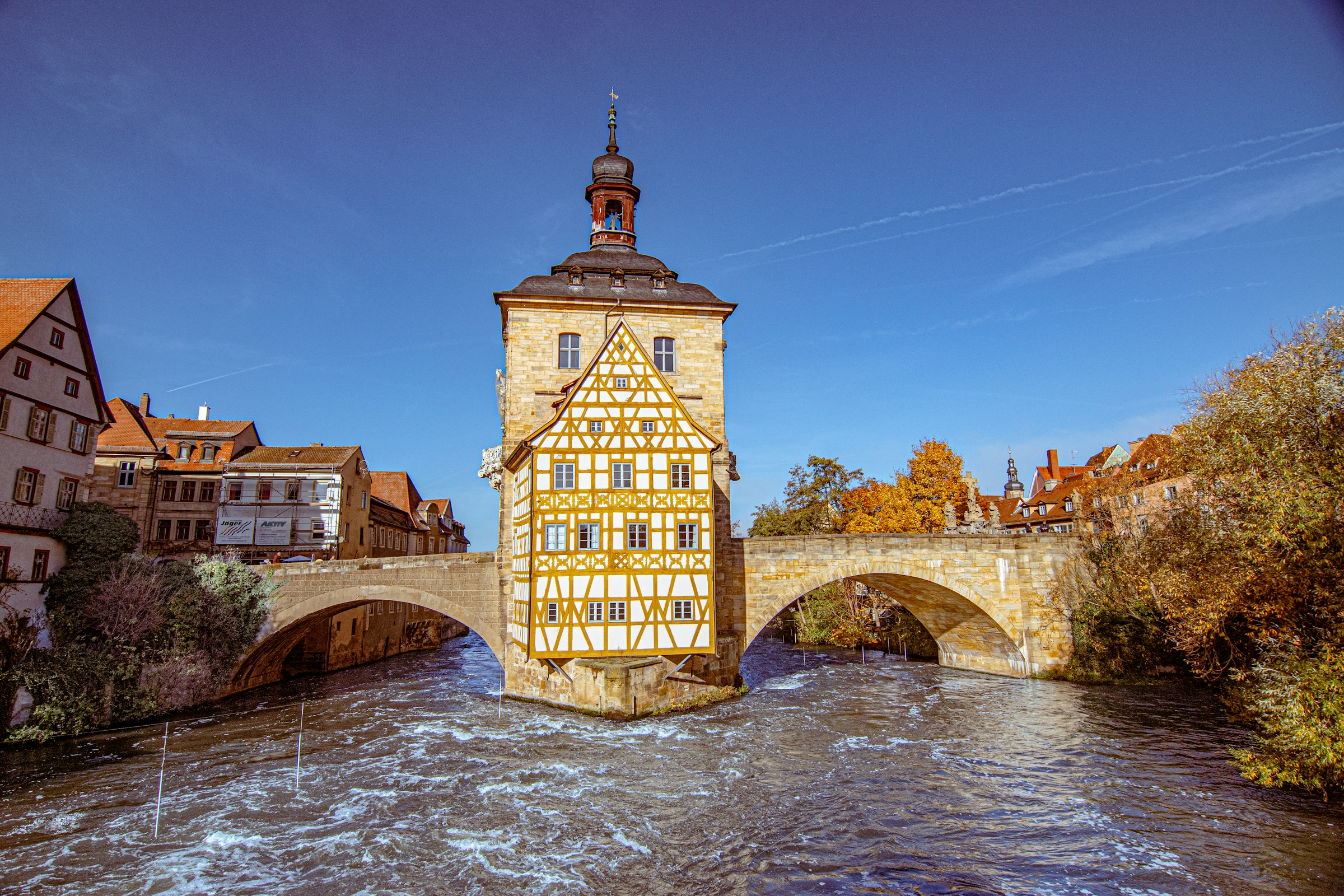
I explored the cathedral quarter before walking down to the Altes Rathaus, dramatically positioned on an island in the Regnitz River. I also loved the row of old fishermen's houses known as Little Venice.
But Bamberg's beer culture was what really made the city stand out for me. It's famous for Rauchbier, a distinctive smoked beer made using malt traditionally dried over beechwood fires.
I tried it at Schlenkerla, where the brewery's roots stretch back centuries.
Sitting inside with a Märzen Rauchbier and chatting with the people around me became my favorite experience in Bamberg. The smoky flavor definitely won't be for everyone, but drinking it somewhere so deeply connected to the city's traditions made it worth trying.
Bamberg felt lived-in rather than preserved for tourists, and that's ultimately why I loved it so much.
How Bamberg fits into your Germany itinerary
I'd spend two nights in Bamberg and include it as part of a Franconia or Bavaria itinerary.
It's less than an hour from Nuremberg by fast train and also connects naturally with Würzburg and Rothenburg ob der Tauber before continuing farther south into Bavaria.
Germany is a much bigger country than it initially appears on a map, so I wouldn't try to squeeze all 10 destinations into a single trip.
Instead, I'd choose a route that combines a few major cities with some of the smaller towns and landscapes that make Germany so interesting.
These Germany itineraries are designed for first-time visitors and use many of my favorite destinations from this guide while keeping travel times manageable.
Germany Itinerary: 7 Days
Route: Berlin → Dresden → Munich → Neuschwanstein & the Bavarian Alps
| Days 1-2 | Day 3 | Days 4-5 | Days 6 | Days 7 |
|---|---|---|---|---|---|
Destination | Berlin | Dresden | Munich | Neuschwanstein & the Bavarian Alps | Bamburg |
Overnight | Berlin | Dresden | Munich | Füssen | Munich or departure |
Why this route? This Germany itinerary for 7 days gives you a good introduction to the country's variety without spending most of your trip traveling. You'll experience Berlin's history and culture, Dresden's Baroque architecture, Munich's Bavarian traditions, and finally the castles and mountain scenery of southern Bavaria.
*I recommend completing most of this itinerary by train. Berlin, Dresden, and Munich are well connected by rail, and you won't need a car within the cities. For the Bavarian Alps, you can continue by public transportation, although renting a car for the final couple of days gives you more freedom to explore the smaller Alpine towns and scenic areas around Füssen.
Germany Itinerary: 10 Days
Route: Berlin → Dresden → Bamberg → Rothenburg ob der Tauber → Munich → Neuschwanstein & the Bavarian Alps
| Days 1-2 | Day 3 | Days 4-5 | Days 6-9 | Days 10 |
|---|---|---|---|---|---|
Destination | Berlin | Dresdin | Munich | Neuschwanstein & the Bavarian Alps | Munich |
Overnight | Berlin | Dresdin | Munich | Bavarian Alps | Munich |
Why this route?
This Germany itinerary for 10 days takes you gradually from northeastern Germany into Bavaria, combining major cities with some of the smaller places I enjoyed most. After Berlin and Dresden, you'll head into Franconia for Bamberg and Rothenburg ob der Tauber before finishing with Munich, Neuschwanstein, and the Bavarian Alps.
I'd choose this itinerary for a first visit if you want to experience Germany's history, medieval towns, food and beer culture, major cities, castles, and Alpine landscapes in one trip.
*I recommend completing most of this itinerary by train. Berlin, Dresden, and Munich are well connected by rail, and you won't need a car within the cities. For the Bavarian Alps, you can continue by public transportation, although renting a car for the final couple of days gives you more freedom to explore the smaller Alpine towns and scenic areas around Füssen.
Why Germany deserves a visit beyond Berlin and Munich
I love Berlin and Munich, but some of my favorite experiences in Germany have happened well beyond its two most famous cities.
The more I've explored the country, the more I've realized just how different each region can feel.
I've cycled beside vineyards in the Moselle Valley, driven through the Black Forest in autumn, explored medieval Rothenburg ob der Tauber, wandered among the castles and mountains of the Bavarian Alps, and discovered an entirely different side of Germany's beer culture in Bamberg.
Even cities like Dresden, Heidelberg, and Hamburg offered experiences I wouldn't have found by sticking to the standard first-time itinerary.
If it's your first visit, don't feel like you need to see all 10 destinations. Some travelers will prefer Germany's historic cities and castles, while others will be happiest hiking through the Alps, exploring wine country, or slowing down in smaller medieval towns.
FAQs about traveling to Germany
The currency in Germany is the euro (€ / EUR), and credit and debit cards are widely accepted, although carrying some cash is useful for smaller businesses and markets.
Germany is part of the Schengen Area, and many travelers can visit visa-free for up to 90 days within a 180-day period, depending on their nationality.
Yes, Germany has an excellent road network and is generally easy to drive around; vehicles drive on the right-hand side of the road.
Yes, Germany is generally a very safe destination for travelers, although normal precautions against pickpocketing and petty theft are recommended in busy tourist areas and on public transportation.
Germany uses Type C and Type F plugs, with a standard voltage of 230V and a frequency of 50Hz.
The official language is German, although English is widely spoken in major cities, hotels, restaurants, and popular tourist destinations.
Ready to explore Germany? Optimise Travel is here to help
Germany has an excellent transport network, but deciding how to divide your time between its major cities, medieval towns, wine regions, forests, and Alpine landscapes can be surprisingly difficult.
At Optimise Travel, we create personalized travel itineraries based on your interests, travel style, and budget. Whether you're dreaming of exploring Berlin, experiencing Munich's Bavarian culture, wandering through medieval towns like Bamberg and Rothenburg ob der Tauber, cycling through the Moselle Valley, driving through the Black Forest, or exploring Neuschwanstein and the Bavarian Alps, we'll help you build an itinerary that makes the most of your time.
If you'd like help planning your trip to Germany, click here to learn more about our concierge travel services.