

Multigenerational travel planning gets complicated fast. Get grandparents, parents, and grandchildren into one trip and you're suddenly juggling different budgets, different interests, different schedules, and different ideas of a good day.
Add in mobility needs, dietary requirements, or a toddler's nap schedule, and it's easy to see why so many of these trips get planned badly, or don't get planned at all.
Here's my practical framework for getting it right, the same one I use when I plan these trips for a living.
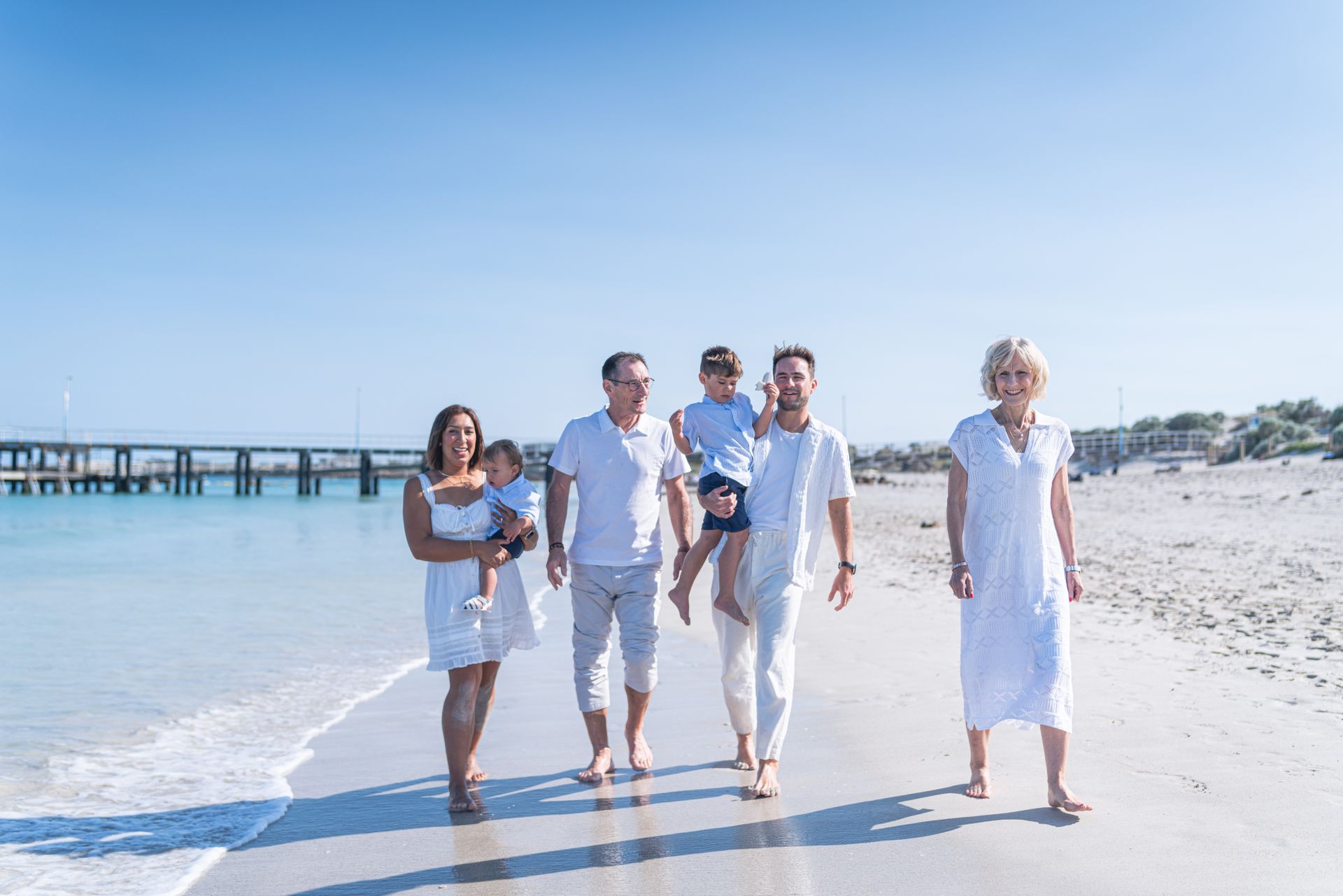
What is multigenerational travel?
Multigenerational travel simply means members of more than one generation of the same family travelling together.
In practice, that's usually grandparents, adult children, and grandchildren, though it can include aunts, uncles, and cousins too.
What defines it isn't the number of people; it's the range of ages, needs, and life stages sharing one trip.
Why multigenerational trips can be difficult to plan
A trip with one household is hard enough. A trip spanning three generations multiplies almost every variable:
None of this means multigenerational trips aren't worth the effort. AARP's 2026 Travel Trends research found that one in four trips taken by adults 50+ includes three generations, while 57% say spending time with loved ones is a motivation for travel.
The demand is clearly there.
What's usually missing is a process. That's what the rest of this guide gives you.
How to plan a multigenerational trip
The framework I use with every family is the same seven steps, in this order:
People
Priorities
Budget
Destination
Logistics
Itinerary
Flexibility
The order matters.
Most multigenerational trips go wrong because people pick a destination before agreeing on priorities or budget, and the rest of the planning becomes a series of arguments the destination created.
Work through these steps in order, and most of those arguments never happen.
Start with everyone's needs and priorities
Before anyone discusses a destination, get clear on what each household actually needs:
The move I'd recommend, from doing this professionally: collect input from each household separately before the full group discussion.
Without it, the loudest or most organised family member tends to set the agenda for everyone else, usually without meaning to.
Agree on the budget
Set financial expectations before anyone commits to a destination, not after. Cover:
Don't assume one generation will simply cover everyone.
Choose the right destination
Only once priorities and budget are clear should the destination conversation start. Weigh it against the whole group's requirements:
There's no universal best destination for a multigenerational trip. The right one is whichever place scores well against your specific group's list, not a generic top ten.
Find accommodation that balances togetherness and privacy
Consider what actually fits the group, not just what has enough beds
The detail most families miss: shared space plus private space usually matters more than raw capacity.
A villa that sleeps ten with one shared living area can feel far more crowded than two connecting suites with their own small sitting rooms.
Build an itinerary for different energy levels
Don't plan every hour. An anchor-plus-options structure works better for almost every multigenerational trip:
Morning | One main shared experience the whole group does together |
Afternoon | Optional activities, or simply downtime, chosen by smaller groups or individuals |
Evening | Everyone reconvenes for dinner |
This gives the group one guaranteed shared moment a day, without forcing everyone through an identical schedule from morning to night.
Don't make every activity mandatory
Different generations don't need to spend every minute together for the trip to be a success.
Let smaller groups peel off to pursue what they actually want, then reconvene later.
A teenager skipping the museum for the pool isn't a failure of the trip, and neither is a grandparent skipping the hike for a slow morning with coffee.
Build in that flexibility deliberately, rather than assuming who wants what based on their age.
Coordinate transportation and logistics
This is where multigenerational trips quietly go wrong on travel days. Plan for:
Leave room for downtime and changes
Avoid stacking major activities back-to-back.
Build in recovery time after long journeys, and leave slack for tired children, changing weather, unexpected delays, or anyone who simply wants an afternoon alone.
A multigenerational itinerary with no give in it tends to break under its own ambition by day three.

Give one person responsibility for coordination
The family can, and should, make the big decisions together. But someone still needs to own the coordination: keeping the plan organised, chasing the details, and making sure nothing falls between two households.
Decision-making and coordination are different jobs.
Confusing them is usually why planning stalls, because everyone assumes someone else has it covered.
When should you use a multigenerational trip planner?
Self-planning works well for smaller groups, straightforward destinations, and families with fairly similar needs. Professional planning earns its place when:
Planning for multiple generations shouldn't become one family member's second job.
Optimise Travel can help coordinate different priorities, budgets, and travel needs into one coherent trip, so nobody in the family has to be the one chasing everyone else's flight details.
Take a look at how our concierge travel services can help bring your family together.
Frequently asked questions
You should start planning a multigenerational trip further ahead than a typical holiday, generally 6 to 12 months out. Coordinating several households, larger accommodation, and everyone's availability takes longer, and popular family-friendly options book out early.
There is no minimum group size for multigenerational travel. A trip can be multigenerational with just grandparents, parents, and one child, while larger trips may include several households and extended family members.
The best accommodation depends on how much privacy and shared space your family needs. Vacation rentals can provide communal living areas, while hotels and resorts often offer more privacy, amenities, and separate rooms for each household.
A cruise can work well for multigenerational families because accommodation, dining, transportation, and activities for different age groups are available in one place. Cruises may be less suitable for families that prefer independent travel or need highly customised schedules.
Travel insurance can be especially useful for multigenerational trips because more travellers and households create more opportunities for cancellations, illness, or disrupted plans. Compare policies carefully for cancellation cover, medical expenses, pre-existing conditions, and the ages of everyone travelling.
Make a multigenerational trip with young children easier by allowing time for naps, meals, shorter activities, and slower travel days. Choosing accommodation near the main activities can also reduce unnecessary transportation and disruption to children's routines.
Start planning your multigenerational trip
Successful multigenerational travel isn't about finding one itinerary that's perfect for everyone.
It's about understanding what each generation actually needs, agreeing on expectations before you book anything, and building in enough flexibility that everyone gets a trip they enjoy, not just a trip they tolerated.
If coordinating all of that sounds like more than you want to take on, that's exactly what we do. Start planning your multigenerational trip with Optimise Travel, and we'll turn your family's priorities into one coherent plan.