

Colombia won me over much faster than I expected.
I found colourful Caribbean cities, lush coffee country, enormous Andean landscapes, tropical beaches, and a completely different world once I ventured towards the Amazon.
The scenery was incredible, but some of my strongest memories came from the food, music, and people I met along the way.
What surprised me most was just how varied one country could feel.
These are the 10 places in Colombia I'd make room for on your trip.
Have You Seen Our Travel Concierge Service?
Your trip, planned by local experts
We are not a travel agent - we design custom itineraries around your budget and style, without receiving commissions or booking fees.
Custom itinerary
Built around your dates, budget, and travel style.
Local expert knowledge
Recommendations from people on the ground, not review sites.
Travel smarter, spend less
We optimise for your budget to make your money go further.
San Andrés
(pronounced: san an-DREHS)
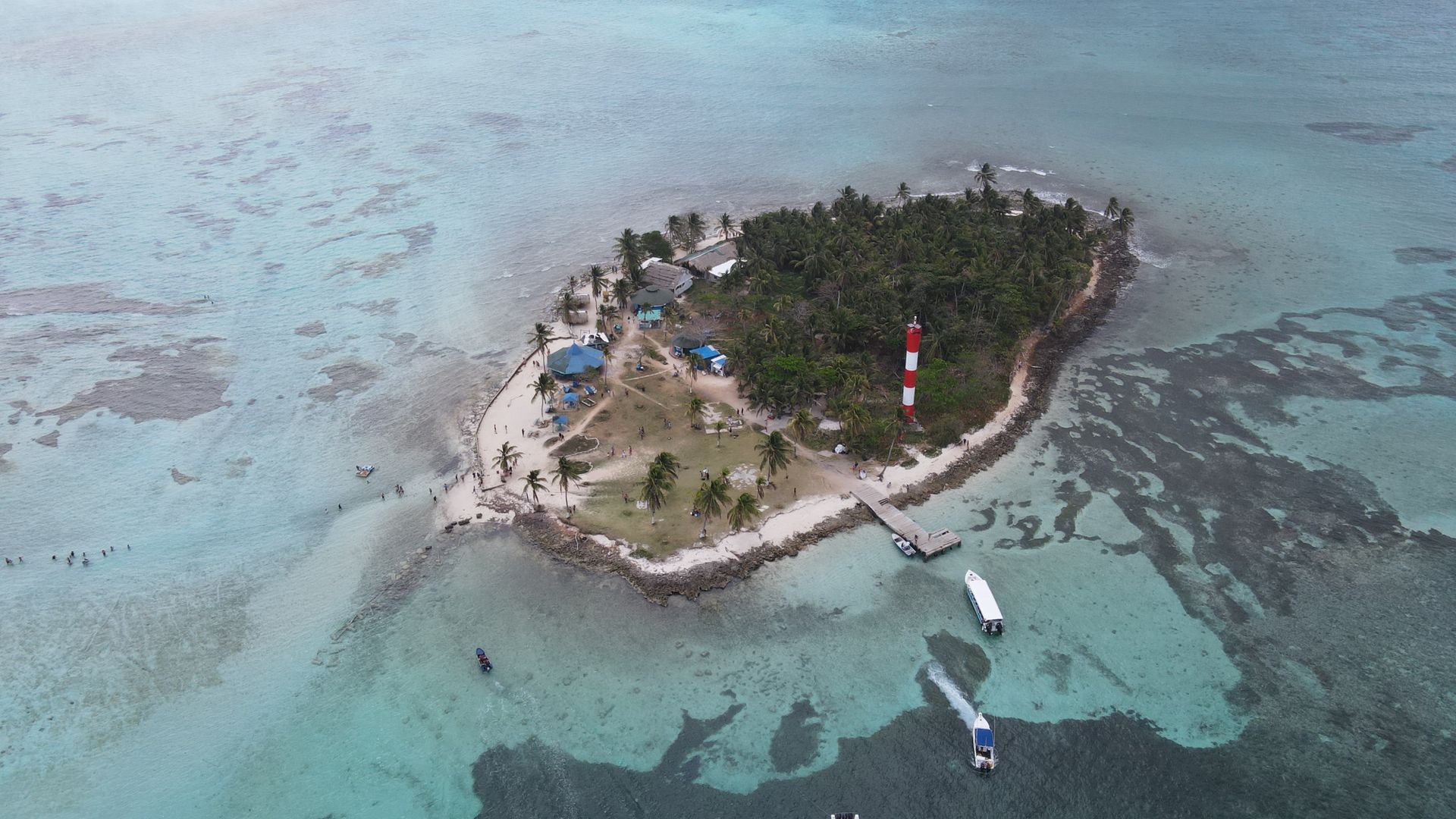
San Andrés at a glance
Caribbean Sea, northwest of mainland Colombia
Tropical beaches, snorkelling, water sports, and affordable luxury
3 nights
Beach lovers, couples, and water-sports enthusiasts
Tropical, colourful, laid-back, and adventurous
December to April
San Andrés felt like Colombia's true secret to me.
Sitting far out in the Caribbean, much closer to Nicaragua than the Colombian mainland, it was a completely different experience from the rest of my trip.
This really is a tropical paradise. The famous Sea of Seven Colours was every bit as vivid as I'd hoped, with bands of turquoise, blue and green surrounding white-sand beaches and coral reefs.
I also found some surprisingly affordable luxury accommodation, making it easy to turn a few days here into a proper Caribbean escape without the prices I'd normally associate with one.
I spent plenty of time snorkelling, but the water sports were a highlight too. We went parasailing, which gave us an incredible view of those different shades of blue from above.
I even saw people using water jetpacks, which gives you some idea of how much there is to do beyond lying on the beach.
The island also had its own English-Creole Caribbean character, which added another dimension to the experience.
I'd stay at least three nights. For me, San Andrés is one of Colombia's most underrated destinations.
How San Andrés fits into your Colombia itinerary
Because you'll generally fly to San Andrés from the Colombian mainland, I'd treat it as a dedicated three-night Caribbean escape rather than trying to incorporate it into an overland route.
It worked particularly well for me as a relaxing contrast to Colombia's cities and mountain regions.
I'd compare accommodation carefully before booking. San Andrés has everything from simple guesthouses to surprisingly luxurious resorts and apartments, and I found that spending a little time comparing options could get you a lot for your money.
Villa de Leyva
(pronounced: VEE-ya deh LAY-va)
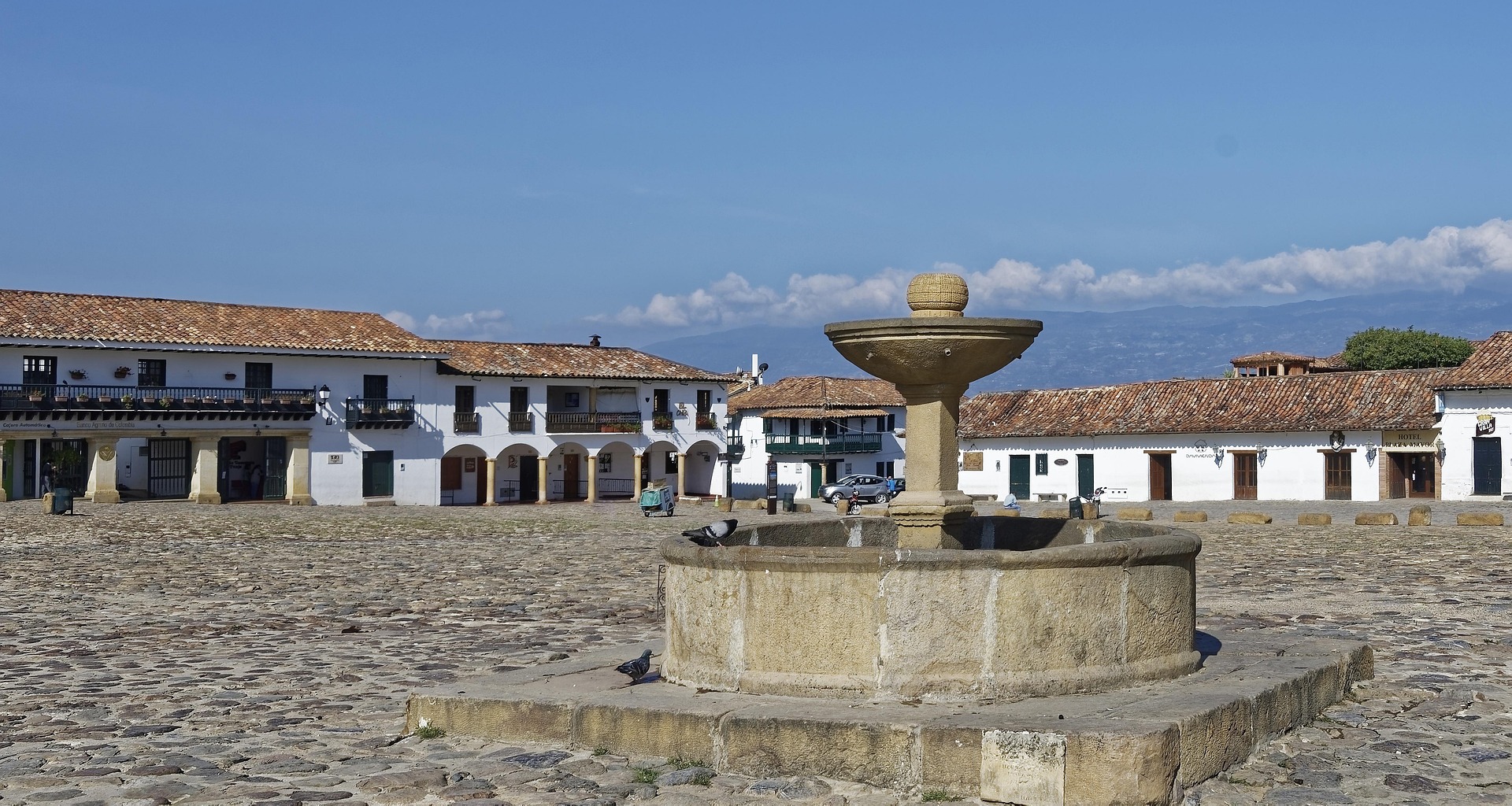
Villa de Leyva at a glance
Boyacá Department, around 3.5 hours north of Bogotá
Architecture, history, fossils, and day trips
2 nights
History lovers, couples, and road trippers
Historic, peaceful, picturesque, and traditional
December to March (and midweek for fewer crowds)
Villa de Leyva was one of those places where I was perfectly happy spending hours simply wandering.
Its whitewashed colonial buildings, cobbled streets and enormous Plaza Mayor made the centre incredibly photogenic, especially early in the morning before the day-trippers arrived.
My favourite experience in this part of Colombia, though, was visiting the Salt Cathedral of Zipaquirá on the journey from Bogotá.
Built deep inside a former salt mine, the cathedral takes you underground through tunnels and chambers carved into the rock, with illuminated crosses and huge subterranean spaces creating an atmosphere unlike any church I'd visited before.
It was easily one of the most memorable stops I made in Colombia.
Once I reached Villa de Leyva, I found there was plenty beyond the historic centre too. The surrounding countryside was unexpectedly varied, with an almost desert-like landscape containing fossils alongside vineyards, waterfalls and green hills.
I'd spend two nights here rather than rushing through on a day trip. That gave me time to enjoy the town when it was quieter and explore some of the surrounding Boyacá countryside as well.
How Villa de Leyva fits into your Colombia itinerary
Villa de Leyva works particularly well as a two-night trip from Bogotá. I'd travel north via Zipaquirá and the Salt Cathedral, continue into Boyacá for Villa de Leyva, and then return to Bogotá before flying or travelling onwards to another region of Colombia.
If you're travelling from Bogotá, I'd make Zipaquirá and its Salt Cathedral part of the journey north rather than treating it as a completely separate excursion.
Guatapé
(pronounced: gwa-ta-PEH)
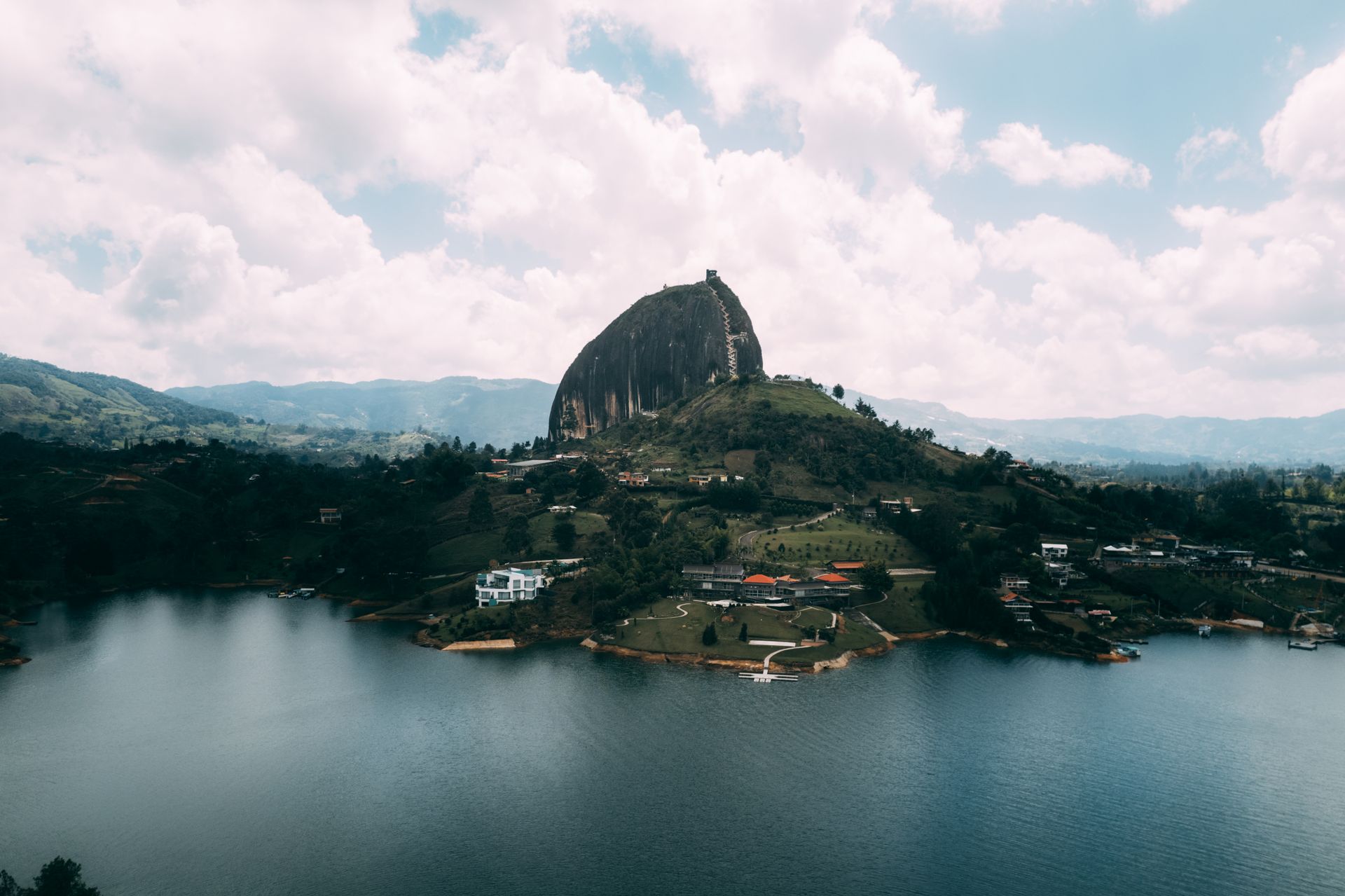
Guatapé at a glance
Antioquia Department, around 2 hours east of Medellín
Colourful architecture, El Peñol, and lake views
1 night
Photographers, couples, and active travellers
Colourful, cheerful, lively, and scenic
December to February
Guatapé was easily one of the most colourful places I visited in Colombia.
Almost everywhere I walked, I found brightly painted buildings decorated with zócalos, the small panels running along the bottom of houses and shops depicting everything from animals and flowers to scenes from local life.
I loved wandering around without much of a plan and seeing what I'd find down the next street.
Colourful tuk-tuks buzzed around town, cafés spilled onto the pavements, and even the quieter residential streets seemed to have something interesting painted on them.
The other reason I came was impossible to miss. El Peñol rises dramatically above the surrounding landscape, with its enormous zig-zag staircase built into the side.
Climbing more than 700 steps wasn't exactly relaxing, but the view from the top made the effort worthwhile.
Below me was an extraordinary patchwork of blue water, green hills and tiny islands stretching into the distance.
Although Guatapé is an easy day trip from Medellín, I was glad to have more time here. Staying overnight meant I could enjoy the town at a much slower pace.
How Guatapé fits into your Colombia itinerary
Guatapé fits naturally immediately before or after Medellín. I'd give it one night rather than squeezing everything into a day trip, particularly if you want time for both El Peñol and the town itself without rushing.
I'd climb El Peñol as early as possible. It's cooler, the staircase is less congested, and you'll have a much better chance of enjoying the viewpoints before the day-trip crowds arrive.
Cali
(pronounced: KA-lee)
Cali at a glance
Valle del Cauca, southwestern Colombia
Salsa dancing, nightlife, local culture, and food
2 nights
Music lovers, dancers, and nightlife seekers
Energetic, warm, rhythmic, and unpretentious
December to February (December for the Feria de Cali)
Cali gave me a completely different experience from Colombia's colonial towns, Caribbean beaches and mountain landscapes. This is a city I came to experience rather than simply sightsee, and salsa was at the heart of it.
I couldn't visit the salsa capital of the world without attempting it myself, so I took a beginner lesson.
I certainly wasn't going to trouble any professional dancers’ jobs, but it ended up being one of the most fun things I did in Colombia. Later, watching experienced dancers made me appreciate just how fast, precise, and athletic Cali-style salsa can be.
What I enjoyed most was that the music didn't feel confined to performances put on for visitors. Salsa seemed woven into the city's nightlife and personality, and that gave Cali an energy I hadn't experienced elsewhere on the trip.
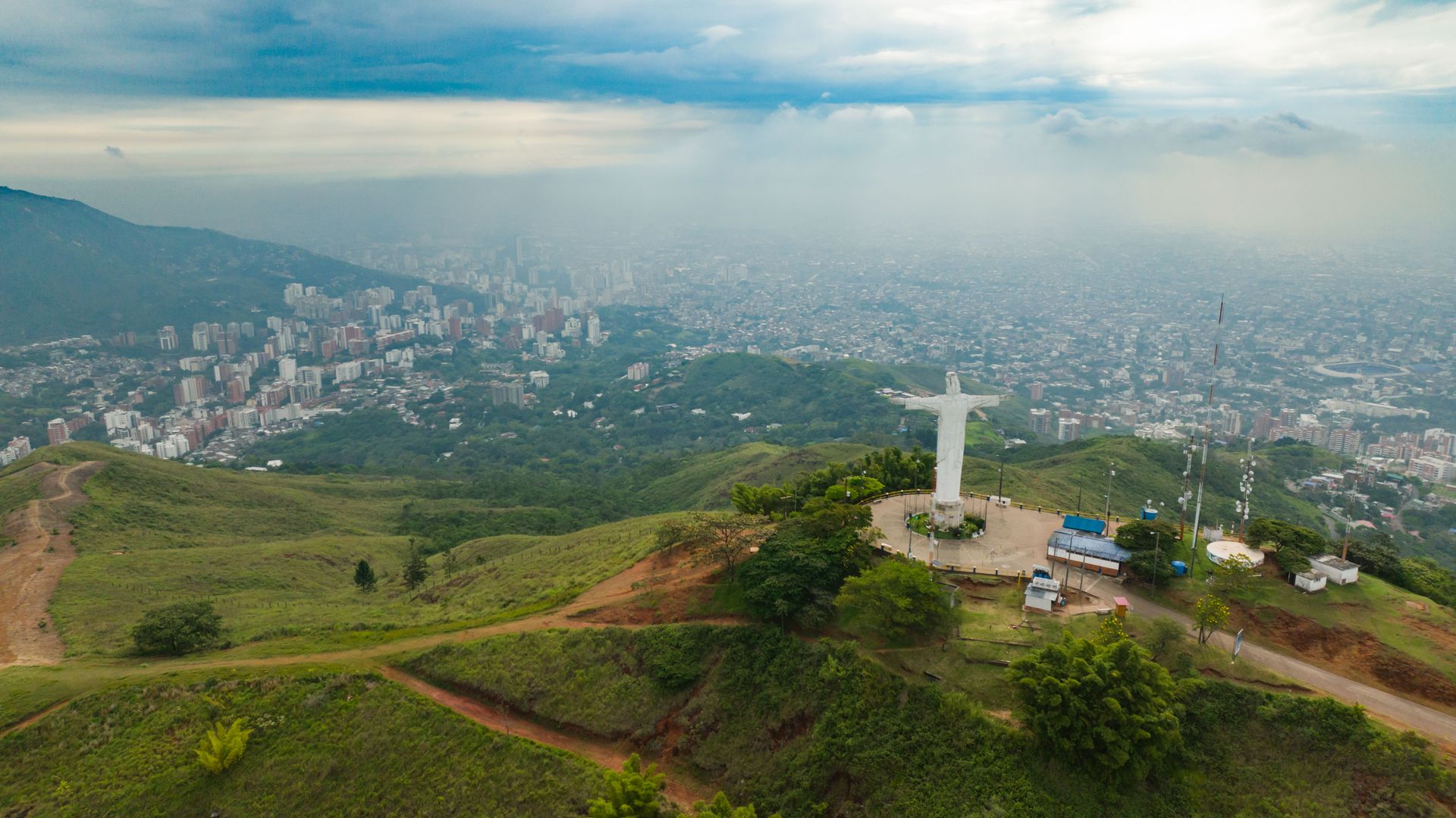
Away from the dance floor, I enjoyed exploring the city and seeing Cristo Rey overlooking the valley, but I'd still make salsa the focus of a short stay.
Two nights felt about right for me, with at least one evening devoted almost entirely to dancing, live music and experiencing Cali after dark.
How Cali fits into your Colombia itinerary
Cali works well as a two-night stop between Colombia's central regions and the southwest.
I'd include it for the cultural contrast rather than simply adding another city, particularly if your wider itinerary already includes Bogotá, Medellín and the Caribbean coast.
I'd book a beginner salsa lesson for your first evening. Learning a few basic steps made going out afterward much more enjoyable, even though I was still very much a beginner.
Caño Cristales
(pronounced: KAN-yoh krees-TA-les)
Caño Cristales at a glance
Serranía de la Macarena, Meta Department, central Colombia
Extraordinary landscapes, hiking, and nature
2-3 nights
Nature lovers, hikers, and adventurous travellers
Remote, colourful, pristine, and surreal
June to November
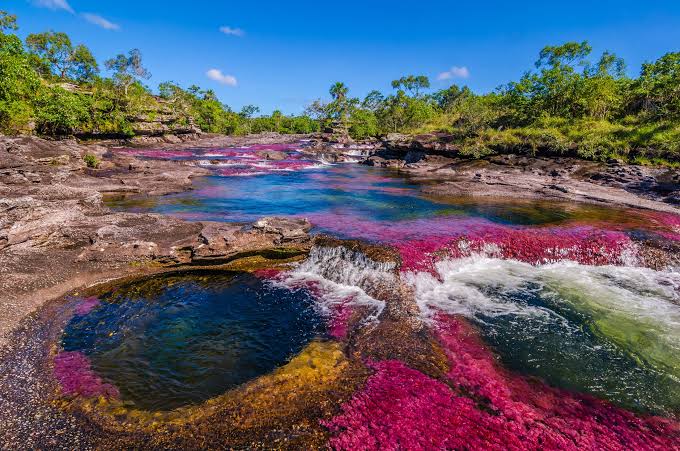
Caño Cristales was one of those places that looked almost too colourful to be real.
Reaching it took considerably more effort than visiting most of the destinations on my Colombia trip, but that remoteness was also a huge part of its appeal.
I travelled through La Macarena before continuing by boat and then on foot into the surrounding wilderness. The landscape was beautiful in its own right, but seeing the river was what I'd come for.
During the right months, aquatic plants across the riverbed create brilliant patches of red and pink, mixed with yellows and greens, with clear water flowing over the rocks.
I loved walking alongside the river because the colours and patterns seemed to change constantly from one section to the next.
What struck me most was how wild the entire area still felt. This wasn't somewhere I could simply drive up to, take a photograph and leave. Getting there became part of the experience, and I think that made finally seeing the river even more rewarding.
I'd allow two or three nights around La Macarena rather than trying to rush such a remote part of Colombia.
How Caño Cristales fits into your Colombia itinerary
I'd treat Caño Cristales as a dedicated side trip rather than trying to connect it overland with other destinations.
La Macarena is typically reached by air, so I'd build two or three nights into a longer Colombia itinerary and then return to a major transport hub before continuing elsewhere.
Timing matters more here than almost anywhere else on this list. I'd plan specifically for the June to November colour season and still allow some flexibility, as water levels and environmental conditions affect how vivid the river appears.
Santa Marta and Tayrona
(pronounced: SAN-ta MAR-ta / ty-ROH-na)
Santa Marta and Tayrona at a glance
Caribbean coast, Magdalena Department
Tropical beaches, jungle hiking, and adventure
3 nights (longer for the Lost City trek)
Beach lovers, hikers, and adventure travellers
Tropical, wild, adventurous, and laid-back
December to March
Santa Marta was my gateway to a much wilder stretch of Colombia's Caribbean coast.
The city itself felt lively and a little rough around the edges, but I enjoyed having it as a base before heading into the surrounding mountains and jungle.
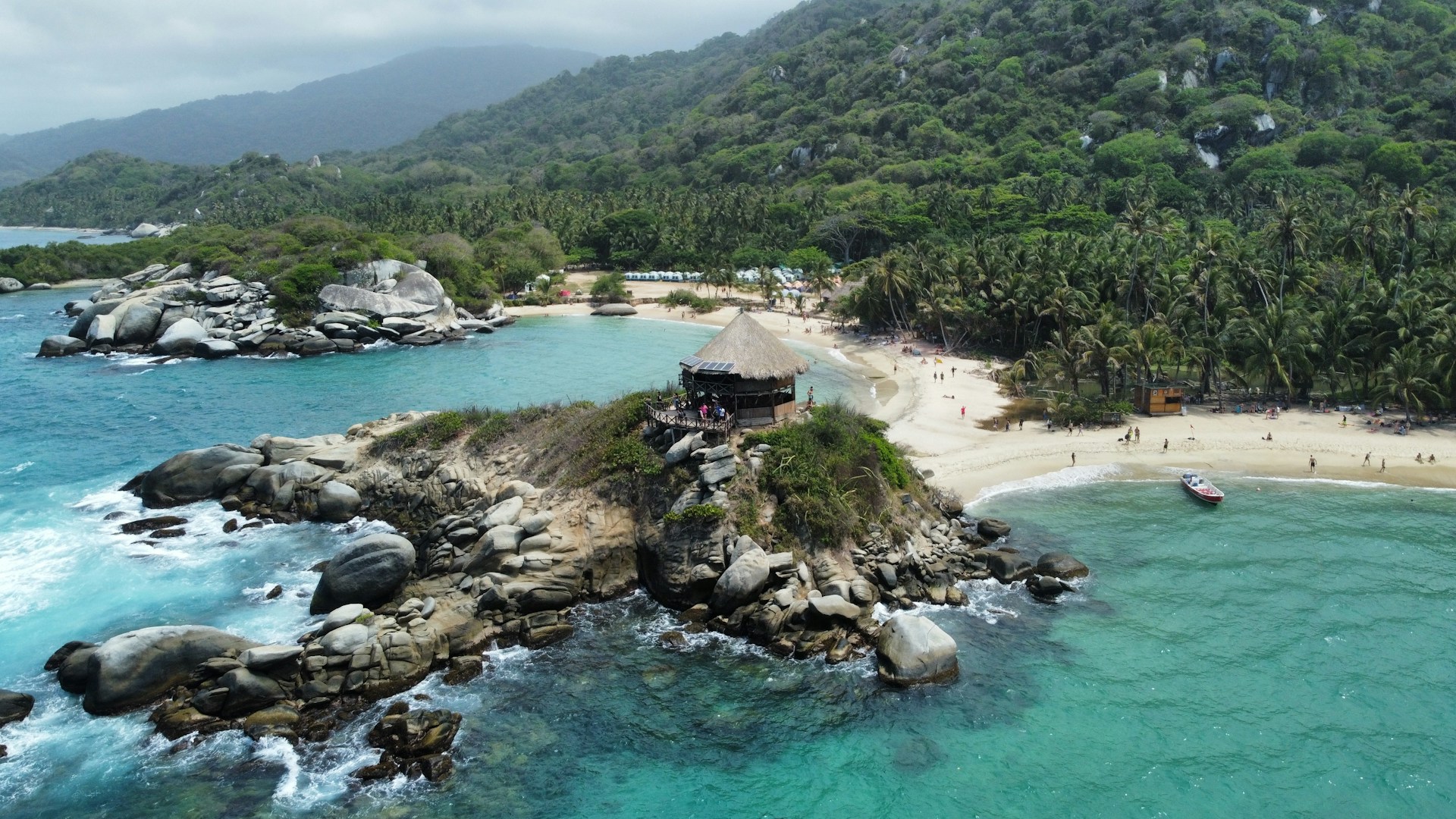
Tayrona National Park was the real highlight for me. I loved hiking through dense tropical vegetation and then suddenly emerging onto beaches backed by palms and enormous boulders.
The combination of jungle, mountains, and golden sand was completely different from the island scenery I'd experienced in San Andrés.
I also liked that this part of Colombia could be as relaxed or adventurous as I wanted.
I could spend a day hiking between beaches and swimming where conditions allowed, while Santa Marta also serves as the jumping-off point for the much tougher Ciudad Perdida trek.
The Lost City is an ancient settlement hidden deep in the Sierra Nevada de Santa Marta, reached on a challenging multi-day hike through the jungle. I wouldn't try to squeeze that into a short stay.
I'd give Santa Marta and Tayrona at least three nights, then add several more if Ciudad Perdida is part of your plans.
How Santa Marta and Tayrona fit into your Colombia itinerary
I'd combine Santa Marta and Tayrona with Cartagena for a longer Caribbean section of the trip.
The two areas give you very different experiences, with Cartagena providing the history and city atmosphere before Santa Marta and Tayrona take you into beaches, jungle and the Sierra Nevada.
Check Tayrona's opening dates before building your itinerary around it. The park periodically closes to visitors, so I'd confirm the current schedule before booking accommodation or transport.
Bogotá
(pronounced: boh-goh-TA)
Bogotá at a glance
Central Colombia, high in the Andes
Museums, history, street art, and panoramic views
2 nights
Culture lovers, history buffs, and foodies
Energetic, creative, sprawling, and historic
December to February
Bogotá was my introduction to Colombia, and it took me a little time to get my bearings.
This is a huge, fast-moving capital sitting around 2,600 metres above sea level, so between the altitude, cooler temperatures and sheer scale of the city, it felt very different from the warmer Colombia I'd experience later.
I spent most of my sightseeing time around La Candelaria, where colourful colonial buildings sit alongside some fantastic street art. I enjoyed simply walking these older streets, but Bogotá's museums were just as worthwhile.
The Gold Museum was particularly impressive, with an extraordinary collection of pre-Hispanic gold objects, while the Botero Museum offered a completely different look at Colombian art.
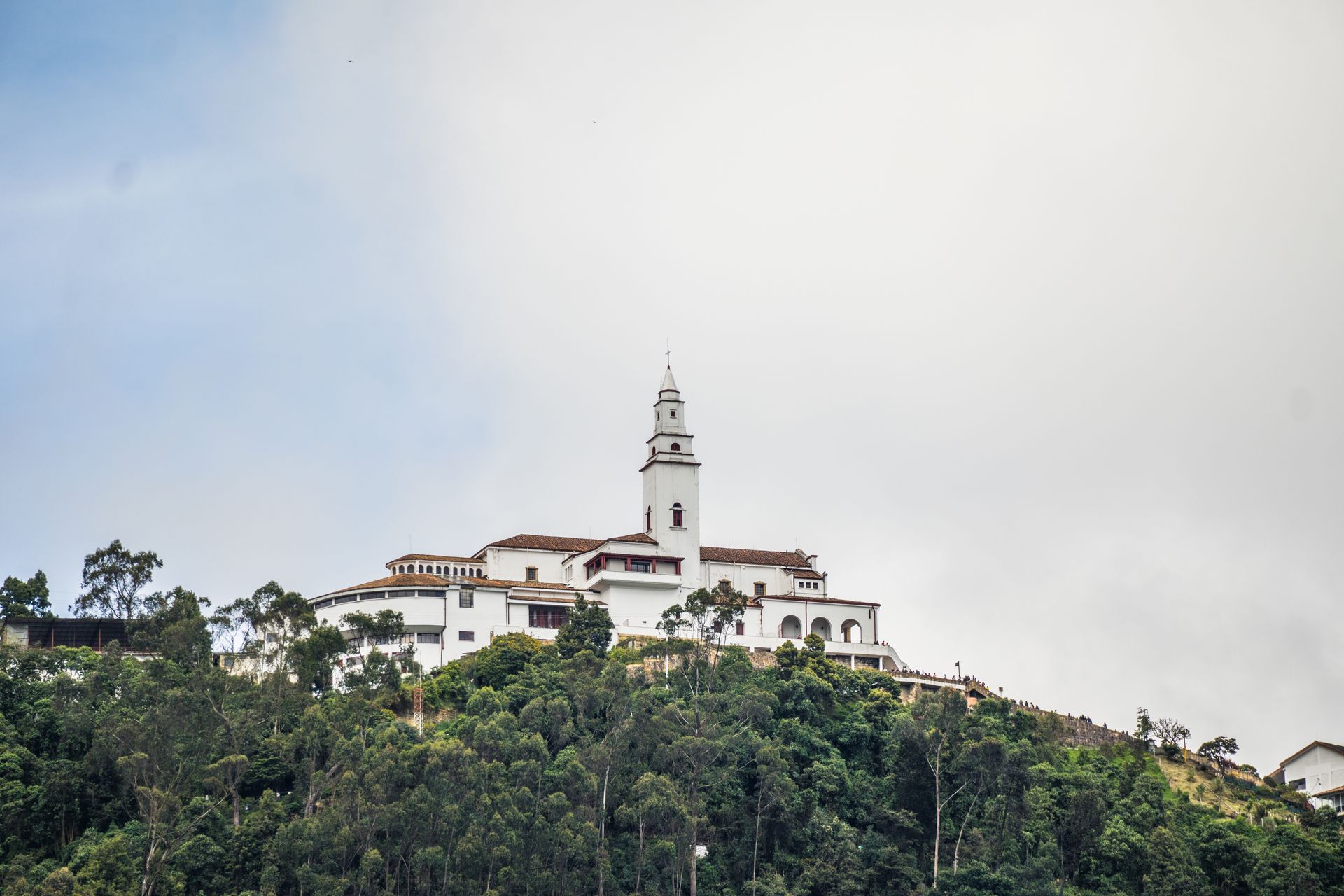
My other must-do was heading up Monserrate. I took the trip up the mountain for a view that really put Bogotá's size into perspective. From above, the city seemed to stretch almost endlessly across the plateau beneath me.
Two nights worked well for my first visit. It gave me enough time to explore the historic centre, visit the museums and see Bogotá from above without trying to tackle such an enormous city all at once.
How Bogotá fits into your Colombia itinerary
Bogotá is one of the easiest places to build a Colombia itinerary around because it's such a major transport hub.
I'd use two nights to explore the capital, then continue north towards Villa de Leyva or fly onwards to destinations such as Medellín, Cali or the Caribbean coast.
I'd keep your first day fairly relaxed. Bogotá's altitude is noticeable, particularly if you've arrived from sea level, so I found it better not to pack the first few hours with too much sightseeing.
The Coffee Region (Eje Cafetero)
(pronounced: EH-heh ka-feh-TEH-roh)
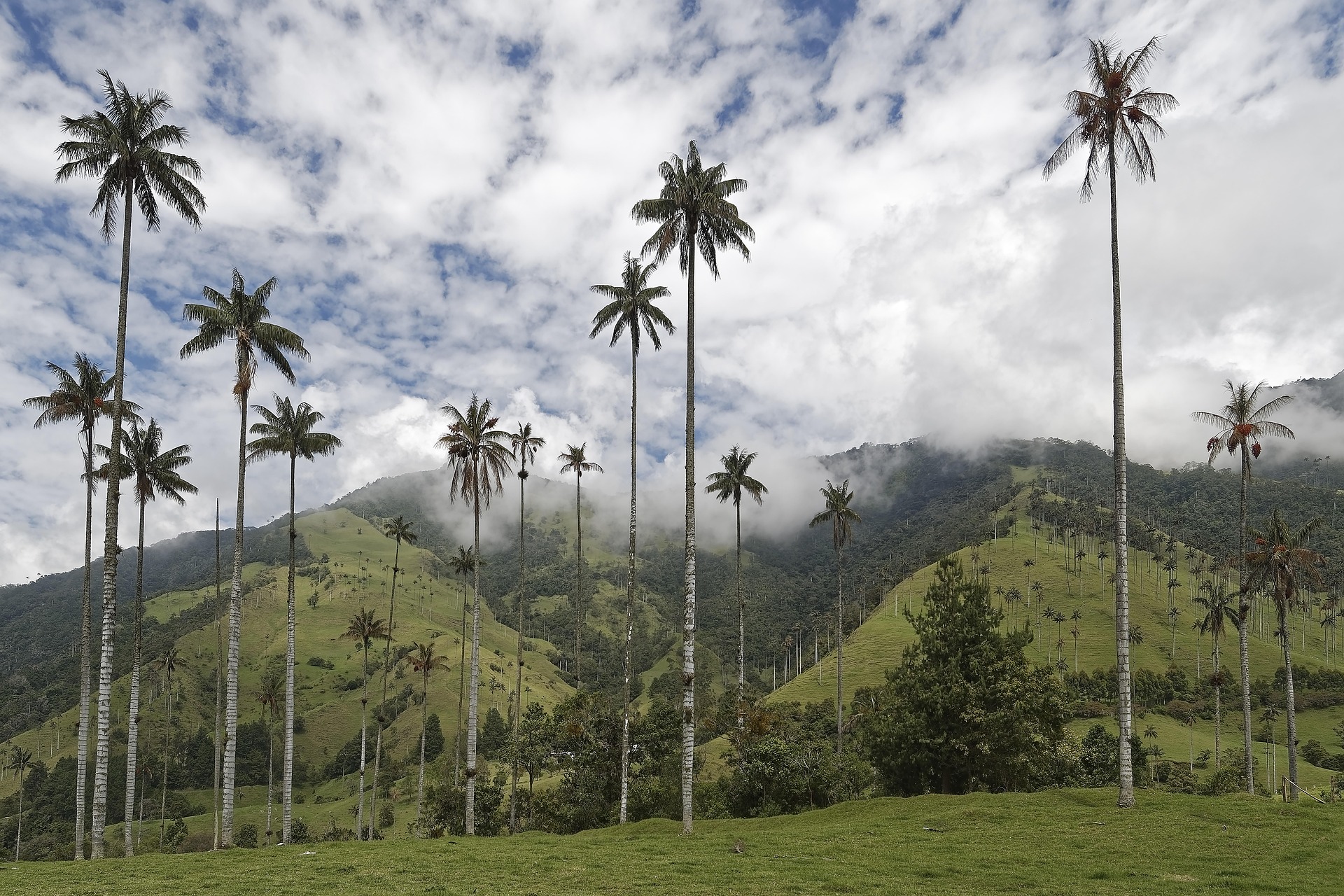
The Coffee Region (Eje Cafetero) at a glance
Central Colombia, primarily around Caldas, Risaralda and Quindío
Coffee, hiking, mountain scenery, and rural escapes
3 nights
Coffee lovers, hikers, nature lovers, and slow travellers
Lush, peaceful, colourful, and rural
December to February and July to August
The Coffee Region was one of my favourite places to slow down after Colombia's busy cities.
Everything seemed greener here, from the coffee-covered hillsides to the misty mountains surrounding the small towns, and I loved settling into the much gentler pace of life.
I based myself around Salento, a colourful little town filled with painted balconies, cafés and easy access to the surrounding countryside.
Visiting a working coffee finca was an obvious priority for me. Following the process from coffee plant to finished cup gave me a much better appreciation for how much work goes into Colombian coffee before it ever reaches a café.
The Cocora Valley was just as memorable. Hiking beneath its enormous wax palms, some towering around 60 metres above the valley, was one of my favourite walks in Colombia. The palms looked almost impossibly tall against the green hills and low clouds.
What I appreciated most, though, was having enough time not to rush any of it. Three nights gave me a day for coffee, another for hiking the Cocora Valley, and some breathing room to simply enjoy Salento and the surrounding countryside.
How the Coffee Region fits into your Colombia itinerary
The Coffee Region fitted naturally between Colombia's major cities for me. I'd fly or travel overland to Pereira or Armenia, spend at least three nights around Salento, then continue towards Medellín or Cali depending on the direction of your route.
I'd start the Cocora Valley hike early in the morning. You'll have more time to complete the route comfortably, and getting ahead of the larger groups made the valley feel much more peaceful.
Medellín
(pronounced: meh-deh-YEEN)
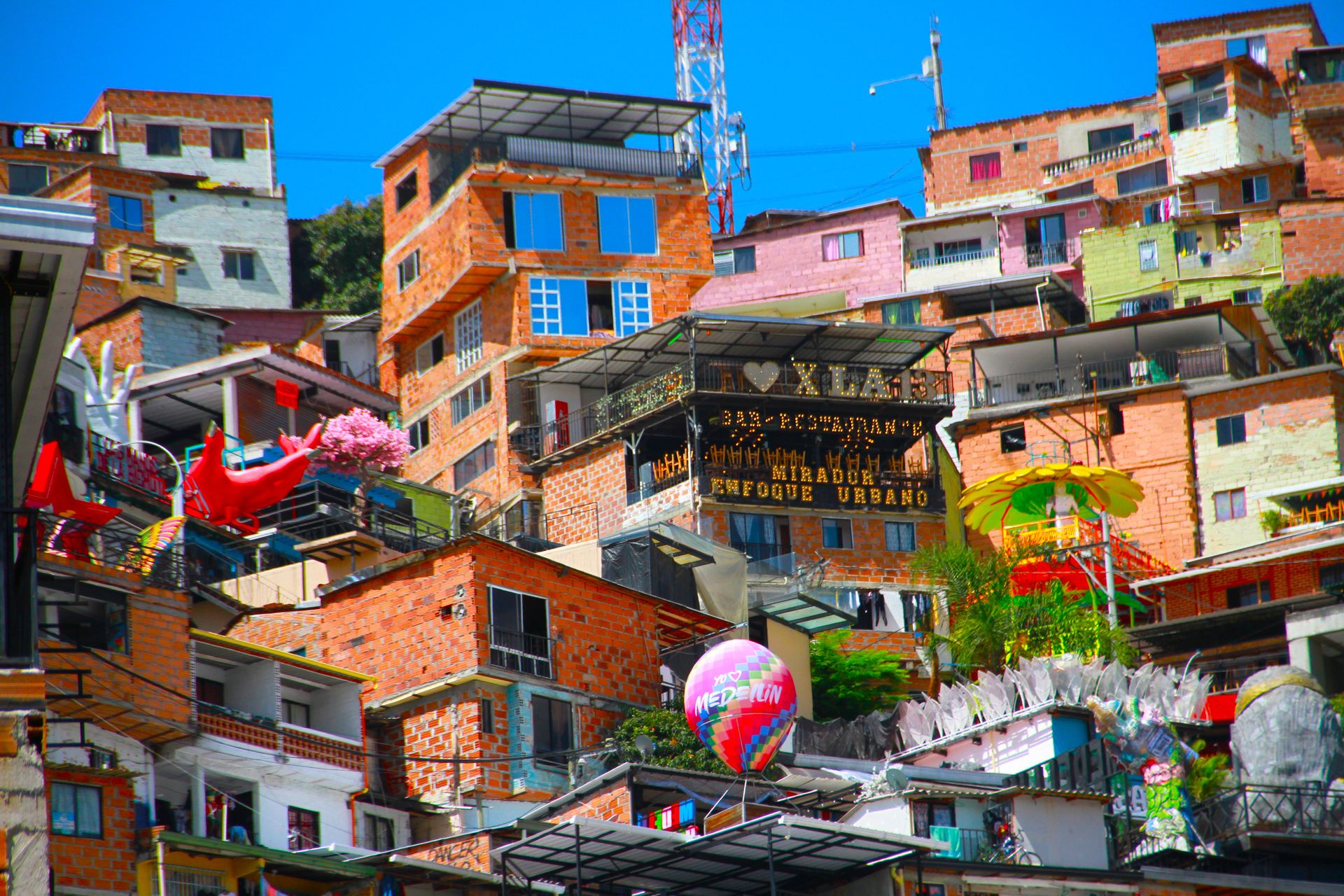
Medellín at a glance
Aburrá Valley, Antioquia Department, northwestern Colombia
Urban culture, street art, food, nightlife, and day trips
3 nights
City lovers, foodies, and culture-focused travellers
Green, energetic, creative, and welcoming
December to February
Medellín was one of the Colombian cities I most enjoyed getting to know. Surrounded by steep green mountains, it felt completely different from Bogotá, and the mild climate made it especially enjoyable to explore on foot.
What interested me most was seeing how much the city had changed. Medellín's violent past is impossible to ignore, but I found its more recent transformation far more interesting.
Riding the metro and Metrocable showed me how public transport now connects communities across the valley and high into the surrounding hillsides.
Comuna 13 brought that story to life. I walked through streets filled with murals, music and outdoor escalators, and hearing about the neighbourhood's history added much more context to what I was seeing.
It was one of the most memorable urban experiences of my trip.
But Medellín wasn't all sightseeing. I also loved its restaurants, cafés and evenings around El Poblado, as well as the warmth of the paisas I met along the way.
I'd spend at least three nights here, especially since Medellín also makes an excellent base for exploring more of Antioquia.
How Medellín fits into your Colombia itinerary
Medellín deserves at least three nights on a first Colombia itinerary, but I'd add another night if you're using it as your base for Guatapé. From here, you can easily continue by air towards Bogotá or Colombia's Caribbean coast.
I'd explore Comuna 13 with a local guide rather than visiting purely for photographs. Learning what the murals represent and hearing local perspectives gave me a much better understanding of the neighbourhood.
Cartagena
(pronounced: kar-ta-HEH-na)
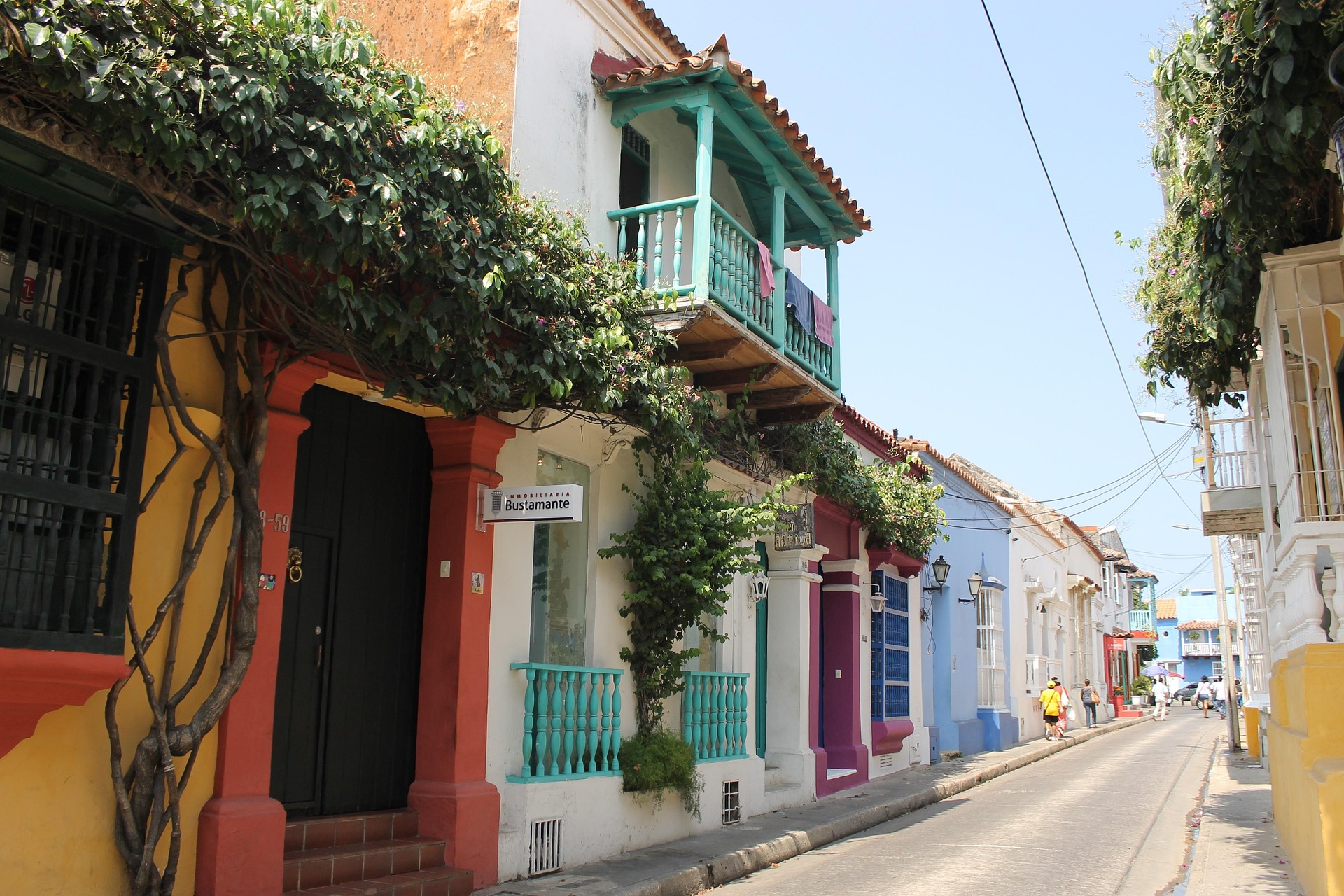
Cartegena at a glance
Caribbean coast, northern Colombia
Caribbean culture, food, nightlife, and island day trips
3 nights
Couples, history lovers, foodies, and first-time visitors
Colourful, romantic, tropical, and lively
December to April
Cartagena was my favourite city in Colombia, and I couldn't imagine a better place to finish my trip.
I loved wandering through the walled old town without much of a plan, following cobbled streets past brightly painted buildings, flower-covered balconies and little plazas that seemed made for lingering.
Late afternoon was my favourite time to be out. I walked along the old stone walls as the temperature began to ease and the Caribbean light transformed the city. Cartagena is hot and humid, but somehow that tropical atmosphere felt like part of the experience.
I also spent time in Getsemaní, which had a livelier, more creative personality. Colourful murals covered the streets, restaurants and bars filled up as evening approached, and Plaza de la Trinidad became a natural gathering place after dark.
Then there was the Caribbean itself.
Taking a trip out towards the Rosario Islands added white sand and clear blue water to an already memorable few days.
Three nights felt like the minimum I'd want here. Cartagena had history, food, nightlife and beaches all within easy reach, and it was the Colombian city I found hardest to leave.
How Cartagena fits into your Colombia itinerary
Cartagena made the perfect final stop on my Colombia itinerary. I'd spend three nights here after exploring the country's cities and mountains, with one day reserved for the Rosario Islands before finishing the trip back inside the walled city.
I'd explore the walled city early in the morning and again towards sunset. The middle of the day can be intensely hot, so I used those hours for a long lunch or somewhere with air conditioning.
Colombia itinerary ideas
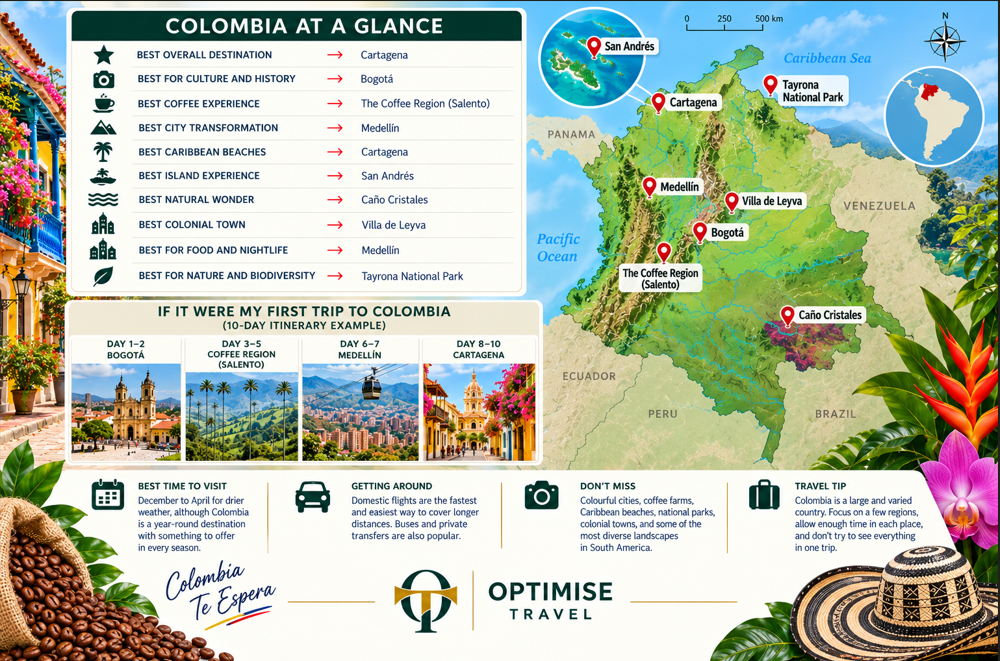
Colombia is a much bigger country than it first appears, and I wouldn't try to connect every stop overland. Domestic flights make it much easier to combine the Andes, the Coffee Region and the Caribbean without losing entire days to travel.
For a shorter trip, I'd focus firmly on the Colombia highlights. With 10 days, I'd add the Coffee Region and Medellín for a much broader introduction to the country.
Colombia itinerary: 5 days
If you're visiting Colombia as part of a larger South American itinerary, five days is enough for a taste of the country rather than a comprehensive trip.
I'd concentrate on Bogotá and Cartagena, giving you two very different sides of Colombia without squeezing in too many flights.
Route: Bogotá → Cartagena
| Days 1-2 | Day 3-5 |
|---|---|---|
Destination | Bogotá | Cartagena |
Overnight | Bogotá | Cartagena |
Why this route? Bogotá gave me the museums, history and high-altitude Andean side of Colombia, while Cartagena provided the colourful Caribbean contrast.
With only five days, I'd rather properly experience these two cities than spend half the trip travelling between additional stops.
*If Colombia is one part of a longer South American trip, I'd fly into Bogotá and out of Cartagena where possible rather than backtracking. Medellín, Tayrona and the Coffee Region are all worth saving for a longer visit.
Colombia itinerary: 10 days
With 10 days in Colombia, I'd build a route that combines the capital, coffee country, Medellín and the Caribbean. There are still plenty of places from this list you'll miss, but this itinerary gives you an excellent mix of cities, mountains, coffee culture, and coast.
Route: Bogotá → Coffee Region → Medellín → Cartagena
| Days 1-2 | Day 3-5 | Day 6-74 | Days 8-10 |
|---|---|---|---|---|
Destination | Bogotá | Coffee Region | Medellín | Cartegena |
Overnight | Bogotá | Salento | Medellín | Cartegena |
Why this route? This is the route I'd choose for a first trip because every stop felt noticeably different.
I'd start with Bogotá's history and museums, slow things down among the coffee farms and wax palms around Salento, pick the pace back up in Medellín, and finish beside the Caribbean in Cartagena.
*I'd use domestic flights where they save substantial time, particularly between Medellín and Cartagena. Ten days still isn't enough for everything, so I'd leave San Andrés, Caño Cristales, Cali, Villa de Leyva, and the Santa Marta/Tayrona region for another trip rather than making this itinerary feel rushed.
Why Colombia deserves more than one kind of trip
Colombia's Caribbean coast is beautiful, but some of my favourite experiences happened once I headed into the mountains and explored the country's interior.
I loved how dramatically the scenery changed as I travelled, from hiking beneath towering wax palms in the Cocora Valley and learning about coffee around Salento to exploring Medellín's hillside neighbourhoods and seeing the colourful river at Caño Cristales.
The variety was what stayed with me most. Colonial towns, enormous Andean cities, coffee-covered mountains, tropical islands, jungle-backed beaches and Caribbean culture could all feel like completely different trips.
If you're visiting Colombia for the first time, I'd try to experience at least two or three sides of the country.
Cartagena and the Caribbean are absolutely worth seeing, but combining them with somewhere like Bogotá, Medellín or the Coffee Region was when I really appreciated how much Colombia has to offer.
FAQs about travelling to Colombia
The currency in Colombia is the Colombian peso (COP). Credit and debit cards are widely accepted in major cities and tourist destinations, but I'd still carry some pesos for markets, small businesses, transport and more rural areas.
Visa requirements for Colombia depend on your nationality and the purpose and length of your visit. Travellers from more than 90 countries can currently visit for short stays without a visa, but I'd check the latest requirements for your nationality before travelling and make sure you have the necessary entry and onward-travel documentation.
Driving can be useful for exploring some regions, but I wouldn't rely on a rental car for an entire Colombia trip. Distances are long, mountain roads can make journeys slower than expected, and conditions vary considerably, so I'd combine domestic flights and organised transfers with driving where it makes sense.
Colombia requires more careful planning than some South American destinations, and safety conditions vary significantly by region. I'd check current government travel advice before your trip, avoid displaying valuables, use reputable transport and guides, and be particularly cautious after dark.
Colombia uses Type A and B plugs, the same types commonly used in the United States. The electricity supply is 110V at 60Hz, so travellers from countries using different plugs or higher-voltage appliances should check whether they need an adapter or voltage converter.
Spanish is the official language of Colombia and the main language you'll encounter while travelling. More than 60 Indigenous languages are also spoken across the country, and English is used in some tourist areas, although I wouldn't assume everyone will speak it.
Ready to explore Colombia? Optimise Travel is here to help
Colombia is incredibly varied, and deciding how to divide your time between its Caribbean coast, Andean cities, coffee country, colourful colonial towns, tropical islands, and remote natural wonders can quickly become the hardest part of planning a trip.
At Optimise Travel, we create personalized travel itineraries based on your interests, travel style, and budget.
Whether you're dreaming of wandering Cartagena's colourful old streets, hiking beneath the wax palms of the Cocora Valley, exploring Medellín, climbing El Peñol, discovering the remarkable colours of Caño Cristales, or escaping to the Caribbean waters of San Andrés, we'll help you build an itinerary that makes the most of your time.
If you'd like help planning your trip to Colombia, click here to learn more about our concierge travel services.