

There's a moment before a first solo trip where the excitement and the nerves feel exactly the same size. I remember that feeling clearly, and what calmed it down most wasn't confidence; it was preparation.
Most solo travel advice stops at trust your instincts, which is true but not remotely useful on its own.
Here's what actually helps: the specific preparation, safety, and practical realities that make solo travel feel manageable rather than daunting.
Preparing before you go
A bit of homework before you leave prevents a lot of the stress that catches first-time solo travellers off guard.
I always feel better arriving somewhere alone when I've already worked out the basics, especially because the first hour in a new destination is often when I'm tired, carrying luggage, and trying to make decisions quickly.
Plan your first few hours
Don't just research the attractions. Work out how you'll get from the airport or station to your accommodation, roughly what it should cost, and what your alternatives are if your original plan falls through.
I also download an offline map before I arrive.
Even with an international SIM or eSIM, I don't want to depend entirely on having a working connection when I'm trying to find my accommodation.
Book somewhere to stay
Even if you normally like to play things by ear, I'd book at least your first night or two in advance. Arriving somewhere unfamiliar without confirmed accommodation adds unnecessary stress.
Check how you'll get there, what time reception closes, and how late check-in works if your flight or train is delayed.

Back up your important documents
Keep a copy of your passport, travel insurance details, and other important documents somewhere separate from the originals.
I also keep digital copies somewhere I can securely access from another device if my phone or bag disappears.
Give someone your itinerary
Share your basic itinerary with someone at home, including where you're staying and how they can reach you. Set a regular check-in too, even if it's just a quick message every couple of days.
For me, this isn't about checking in constantly. It's simply making sure someone knows roughly where I am and would notice if they didn't hear from me when expected.
Learn a few useful phrases
You don't need to learn the language before you travel, but knowing how to say hello, thank you, excuse me, and a few other basics can make everyday interactions much easier.
I've also found that even a clumsy attempt at the local language often changes the tone of an interaction. Most people appreciate the effort.
Meeting people (and being comfortable when you don't)
Solo travel doesn't have to mean being alone the whole time, and you don't need to spend every day trying to make new friends either. I've found the sweet spot is simply having options for both.
If you do feel like meeting people, some of the easiest opportunities are:
Walking tours are still one of my favourites because they're low commitment, conversation tends to happen naturally, and you get a useful introduction to the city at the same time.
Getting comfortable doing things alone
Honestly, the thing that took me longest to get comfortable with was eating alone. The first few times can feel strangely conspicuous, but that awkwardness tends to disappear pretty quickly.
Bring a book if it helps, sit outside and people-watch, or choose somewhere with counter seating if that feels more natural. After a while, I started to appreciate being able to eat exactly where and when I wanted without having to negotiate it with anyone else.
The biggest shift for me was realising that nobody else in the restaurant actually cared that I was alone. That worry was much bigger in my head than it was in the room.
And that applies to more than restaurants.
Going to a museum, sitting in a café, spending an afternoon on the beach, or exploring a neighbourhood alone can become some of the best parts of solo travel once you stop feeling like you need someone beside you to justify being there.

Understanding the single supplement
If you're booking a group tour or package, check whether there's a single supplement. This is an extra charge for solo travellers who occupy a room that would normally be shared by two people, and it can add a significant amount to the advertised price.
Some tour operators now offer solo-friendly alternatives.
G Adventures and Intrepid Travel, for example, may waive the supplement on certain trips or match solo travellers with a roommate so they can avoid the extra cost.
Always check the current terms before booking, as policies vary by trip and departure.
Factor the single supplement into your budget from the start. It makes it much easier to compare the true cost of different tours rather than getting a surprise at checkout.
Staying safe on the road
Most of staying safe while travelling solo comes down to a few sensible habits rather than constantly being on guard. I try to use the same awareness I would at home, with a little extra planning because I'm somewhere unfamiliar.
A few simple precautions can make a real difference:
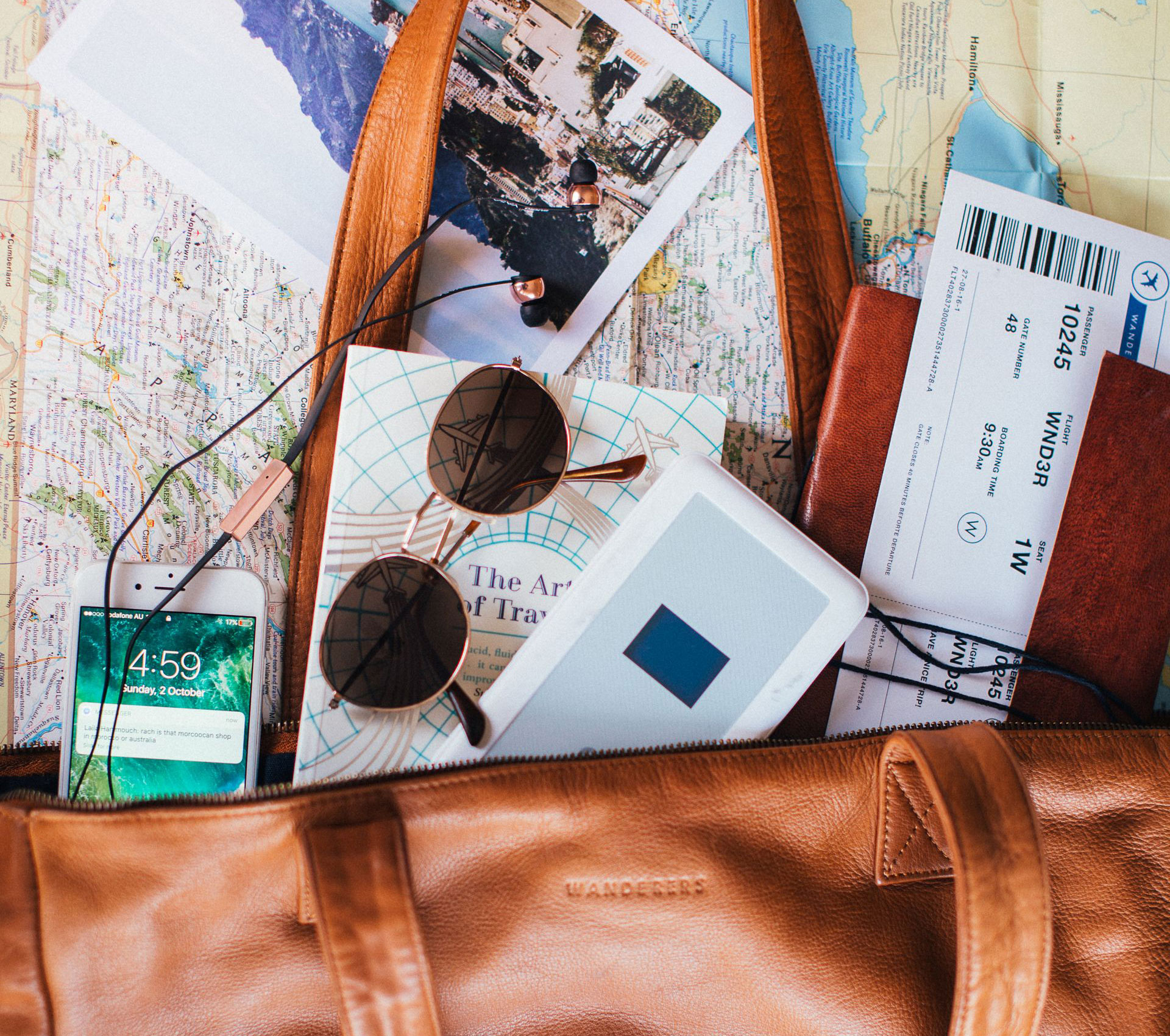
And trust your instincts. If a taxi, street, bar, conversation, or situation doesn't feel right, you don't need to justify leaving. Change your plans and move somewhere you feel more comfortable.
None of this means travelling around expecting something to go wrong. A little extra awareness in an unfamiliar place can actually make it easier to relax and enjoy the rest of the trip.
A note for solo female travellers
Most of the safety advice above applies equally to women and men, but solo female travellers can face a few additional considerations, particularly around unwanted attention and destination-specific cultural norms.
Before booking, I recommend reading recent reviews from other women travelling alone, particularly when choosing accommodation and neighbourhoods.
It's also worth researching local expectations around clothing and behaviour, not because you necessarily need to follow every local convention, but because knowing what to expect makes it easier to make your own decisions.
If you do encounter unwanted attention, you don't owe anyone continued conversation or politeness. A clear no, walking away, or moving somewhere you feel more comfortable is completely reasonable.
Where should you actually go?
Destination choice matters, and it deserves more than a quick add-on here.
Rather than a second, thinner list, we've put together a proper breakdown of the best destinations for solo travellers, organised by what actually makes somewhere good to travel alone, safety, ease of meeting people, and how comfortable it is to navigate solo.
Make solo travel easier from the start
Good preparation is most of what turns solo travel from daunting into genuinely enjoyable. Get the basics right before you go, and the rest tends to take care of itself.
The nerves before that first trip never fully disappear, and I don't think they should, a bit of healthy awareness is part of what keeps you sensible on the road. What changes with preparation is that the nerves stop being the loudest thing in the room.
If working through all of this yourself feels like a lot on top of everything else involved in planning a trip, that's exactly what our personalised travel planning service is built for.
We handle the logistics so you can focus on the parts of solo travel that are actually worth looking forward to.
Frequently asked questions
Yes, for the vast majority of destinations and travellers. Good preparation, sensible habits, and trusting your instincts make solo travel safe for most first-timers.
Look for tour operators that waive it on certain departures or match solo travellers to share a room. Companies like G Adventures and Intrepid Travel both offer solo-friendly options worth checking directly.
Share your itinerary and set a regular check-in, even a simple message every couple of days. It costs nothing and means someone would notice quickly if something felt off.
A small tripod, phone timer, or Bluetooth remote makes solo photos much easier, and you can also ask another traveller to take a quick photo in busy tourist areas.
Plan a mix of independent time and social activities, such as walking tours, classes, or group day trips, and stay in regular contact with people at home if you start feeling isolated.