

Latvia surprised me with just how much there was to see beyond Riga.
I came expecting beautiful architecture and plenty of Baltic history, but found medieval towns, forest-covered river valleys, peaceful beaches, grand palaces, and stretches of Baltic coastline that felt wonderfully undiscovered.
Even better, many of my favorite places were remarkably easy to reach.
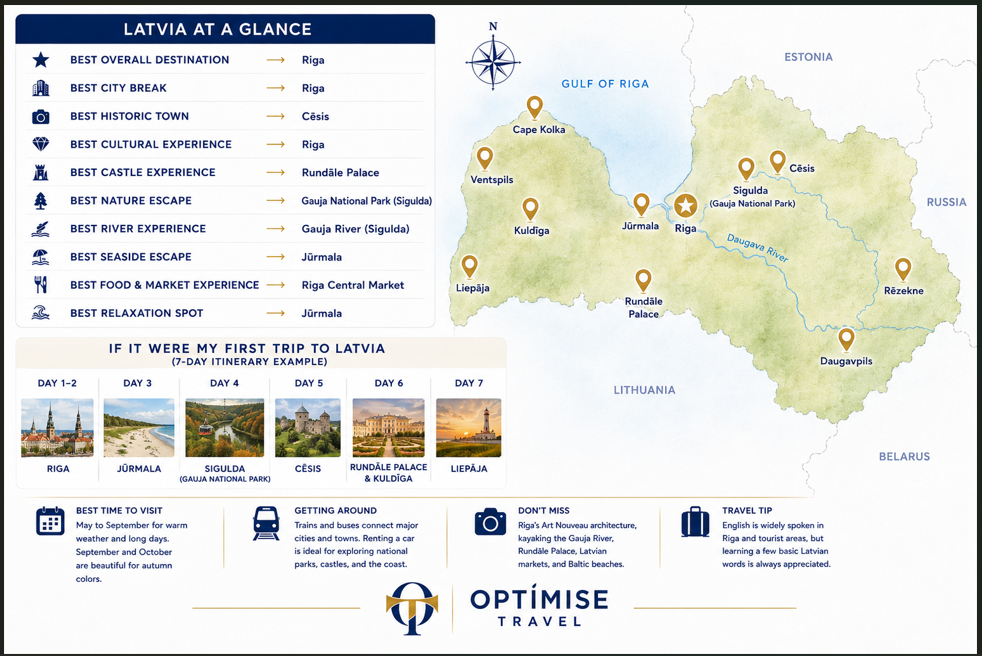
If you're planning your first trip, these are the 10 places in Latvia I'd make room for on your itinerary.
Have You Seen Our Travel Concierge Service?
Your trip, planned by local experts
We are not a travel agent - we design custom itineraries around your budget and style, without receiving commissions or booking fees.
Custom itinerary
Built around your dates, budget, and travel style.
Local expert knowledge
Recommendations from people on the ground, not review sites.
Travel smarter, spend less
We optimise for your budget to make your money go further.
Daugavpils
(pronounced: DOW-gavv-peels)
Daugavpils at a glance
Latgale region, southeastern Latvia
Art, military history, local culture, and getting off the beaten path
1 night
Art and history lovers, and travelers looking beyond the tourist route
Gritty, multi-cultural, and underrated
May to September
Daugavpils felt completely different from anywhere else I visited in Latvia, which was exactly what made it interesting.
Latvia's second-largest city sits in the southeastern Latgale region, close to the borders with Lithuania and Belarus. There's a strong Russian-speaking influence here, and I found the atmosphere noticeably different from Riga and the other Latvian towns I visited.
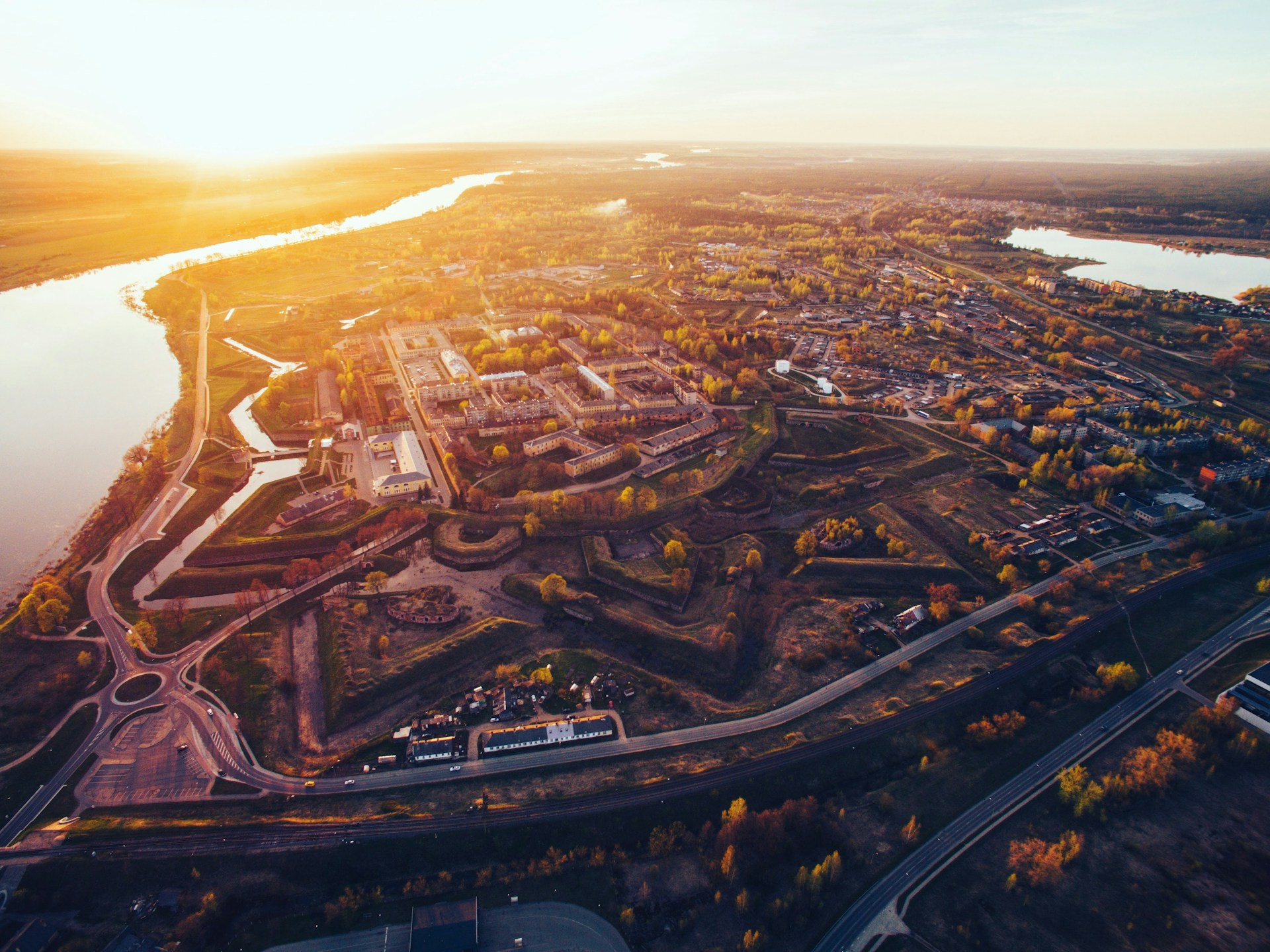
The highlight for me was Daugavpils Fortress. This enormous 19th-century complex is still undergoing restoration, and I actually liked that it hadn't been polished into a perfect tourist attraction.
Walking around the ramparts and old military buildings gave me a much better sense of the city's complicated history.
Inside the fortress, I visited the Mark Rothko Museum. Rothko was born in Daugavpils, and I thought the museum was genuinely excellent. It was one of those unexpected cultural experiences that gave me far more reason to make the journey than I'd anticipated.
I'd also recommend getting some local kebabs while you're here. Daugavpils isn't necessarily the place I'd visit for refined Latvian dining, but its multicultural character comes through in its food, and grabbing a kebab felt much more in keeping with the city.
Daugavpils was rougher around the edges than some of Latvia's prettier destinations, but that was part of why I was glad I'd seen it.
How Daugavpils fits into your Latvia itinerary
Daugavpils makes the most sense as an overnight trip from Riga or as part of a longer journey through Latvia's southeastern Latgale region.
Ventspils
(pronounced: VEN-spils)
Ventspils at a glance
Kurzeme region, western Latvia
Beaches, waterfront walks, and a relaxed coastal break
1-2 nights
Families, beach lovers, couples, and road trippers
Colorful, clean, relaxed, and family-friendly
June to August
Ventspils was one of the most family-friendly places I visited in Latvia, and I could see why it's such a popular summer destination for Latvian families.
The city itself was compact, clean, and easy to explore, with the old town, waterfront, and well-preserved Livonian Order Castle giving me plenty to see without needing to spend the entire day sightseeing.
But Ventspils really stood out for how much there was for children. I loved spotting the colorful Cowparade sculptures scattered around the city, which turn an ordinary walk into something of a scavenger hunt.
Families also have playgrounds and children's parks, cycling paths, interactive attractions, and plenty of open green spaces to choose from.
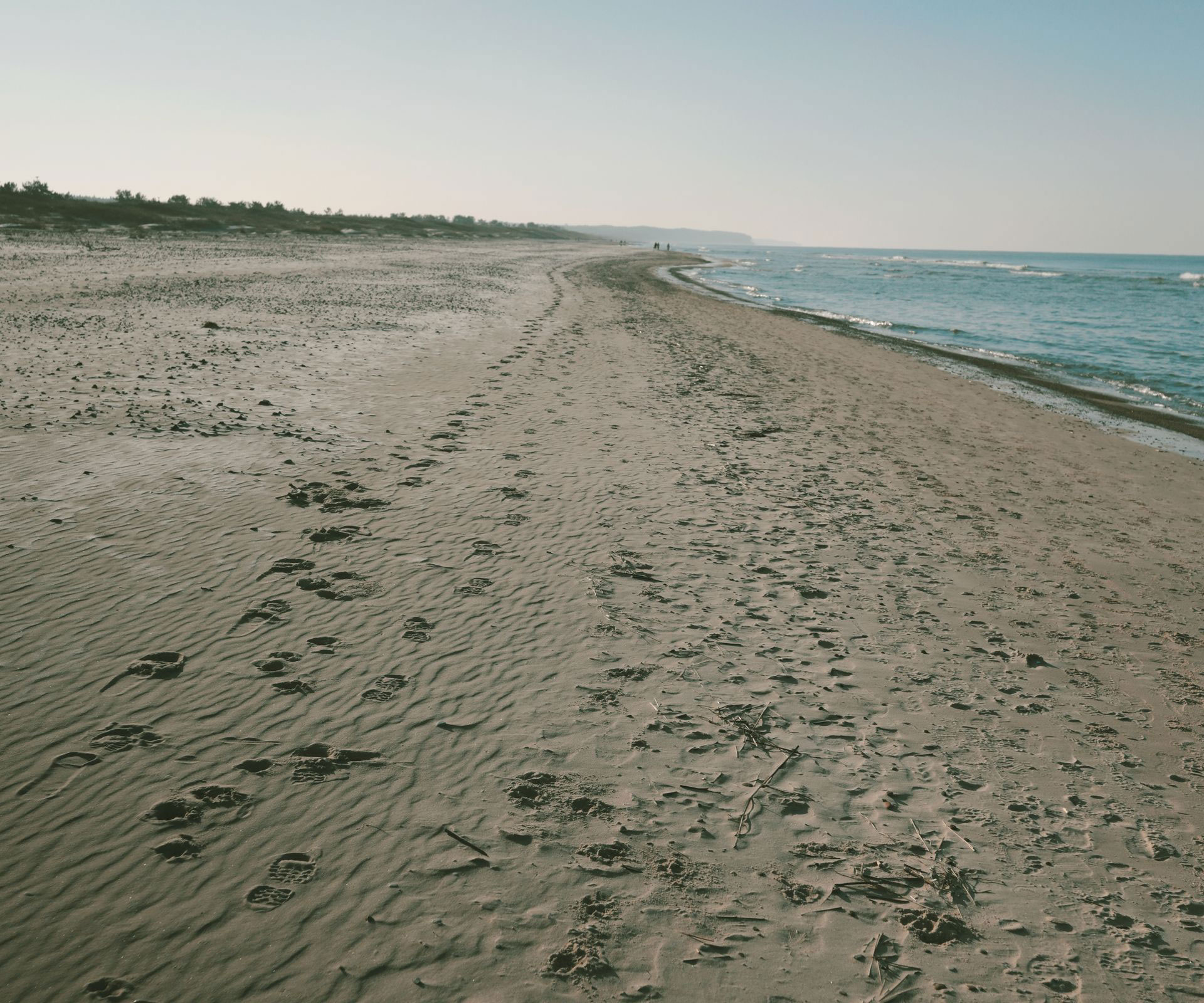
Then there's the beach. It's wide, sandy, and Blue Flag certified, with plenty of room for families to spread out without the atmosphere feeling overly commercialized. I found the entire waterfront particularly pleasant on a warm summer evening.
Even if you're visiting Latvia rather than living here, Ventspils is an easy place for families to enjoy.
You don't need an elaborate sightseeing plan, there are plenty of inexpensive outdoor activities, and the combination of beach time and kid-friendly attractions makes it easy to keep different ages entertained.
How Ventspils fits into your Latvia itinerary
Ventspils works particularly well on a western Latvia road trip, where I'd combine it with other destinations along the Kurzeme coast rather than treating it as a long standalone day trip from Riga.
Liepāja
(pronounced: lyeh-PAA-ya)
Liepāja at a glance
Kurzeme region, southwestern Latvia
Live music, Soviet history, and beaches
2 nights
Music lovers, beachgoers, and travelers looking for something different
Creative, gritty, musical, and laid-back
May to September
Liepāja had a completely different personality from the other Latvian coastal towns I visited. It felt a little rougher around the edges, more creative, and much more closely connected to music.
In fact, Liepāja is often called Latvia's music capital, and I found that identity woven throughout the city rather than confined to a single venue.
There's a long tradition of Latvian rock music here, along with concerts, festivals, small live performances, and the striking Great Amber Concert Hall.
Even walking around the city, I came across musical references, including the Latvian Musicians' Walk of Fame.
Then there was Karosta, which showed me an entirely different side of Liepāja.
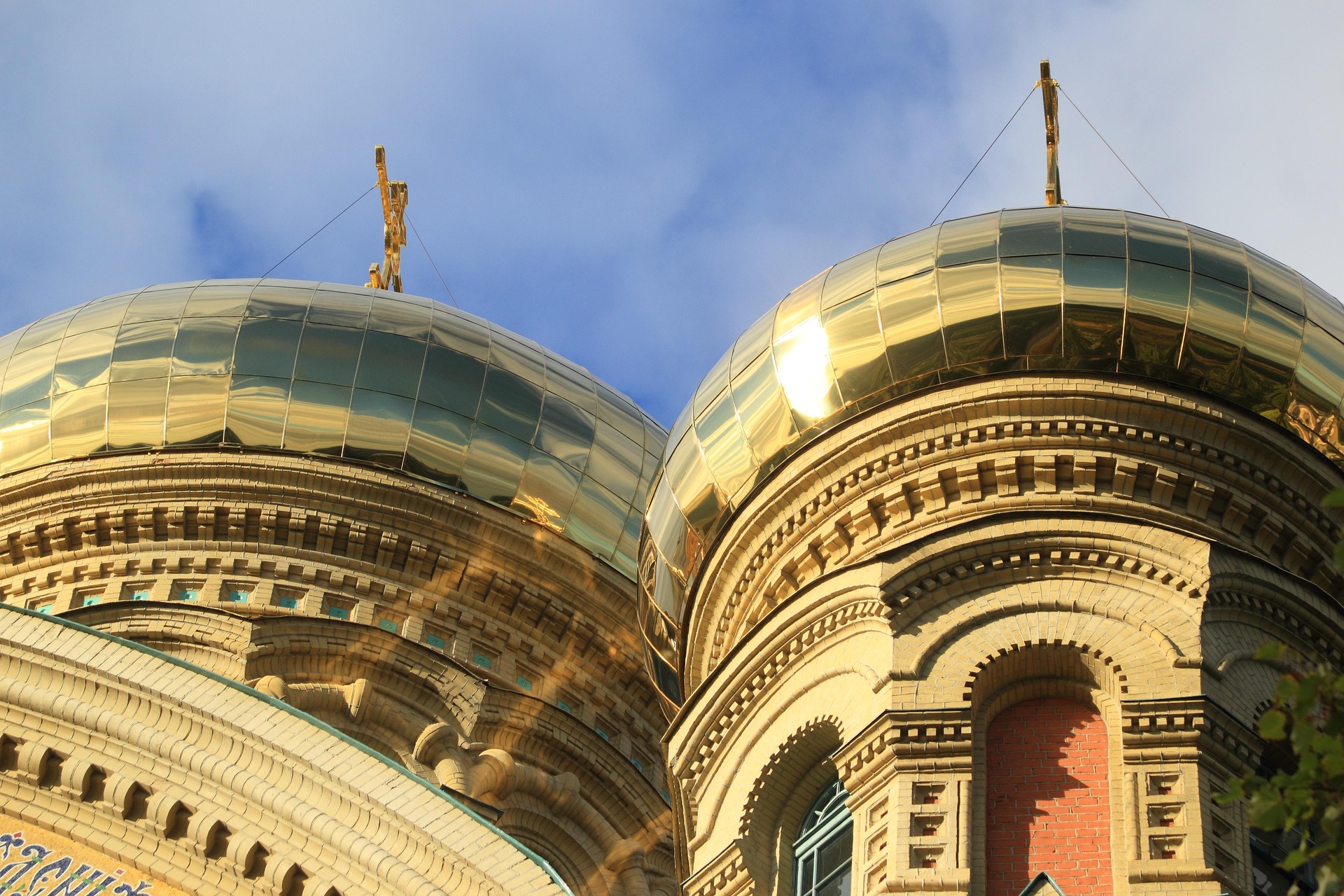
This former military port felt almost like a separate city, with abandoned military buildings, canals, remnants of its Soviet past, and the enormous golden-domed St. Nicholas Orthodox Naval Cathedral rising unexpectedly above it all.
After exploring Karosta, I loved heading back toward Liepāja's long Baltic beach. It was wide, sandy, and surprisingly uncrowded, giving the city another completely different personality.
That combination was what made Liepāja memorable for me. I could explore military history during the day, walk along the Baltic coast in the afternoon, and experience a city with a genuine live-music culture in the evening.
How Liepāja fits into your Latvia itinerary
Liepāja is an excellent stop on a western Latvia road trip and pairs particularly well with Kuldīga. I'd give it two nights so you have time for Karosta, the beach, and some of the city's music scene.
Cape Kolka
(pronounced: KOL-ka)
Cape Kolka at a glance
Kurzeme region, northwestern Latvia
Wild coastline, nature, and local food
Day trip or 1 night
Nature lovers, road trippers, and photographers
Remote, windswept, peaceful, and wonderfully wild
May to September
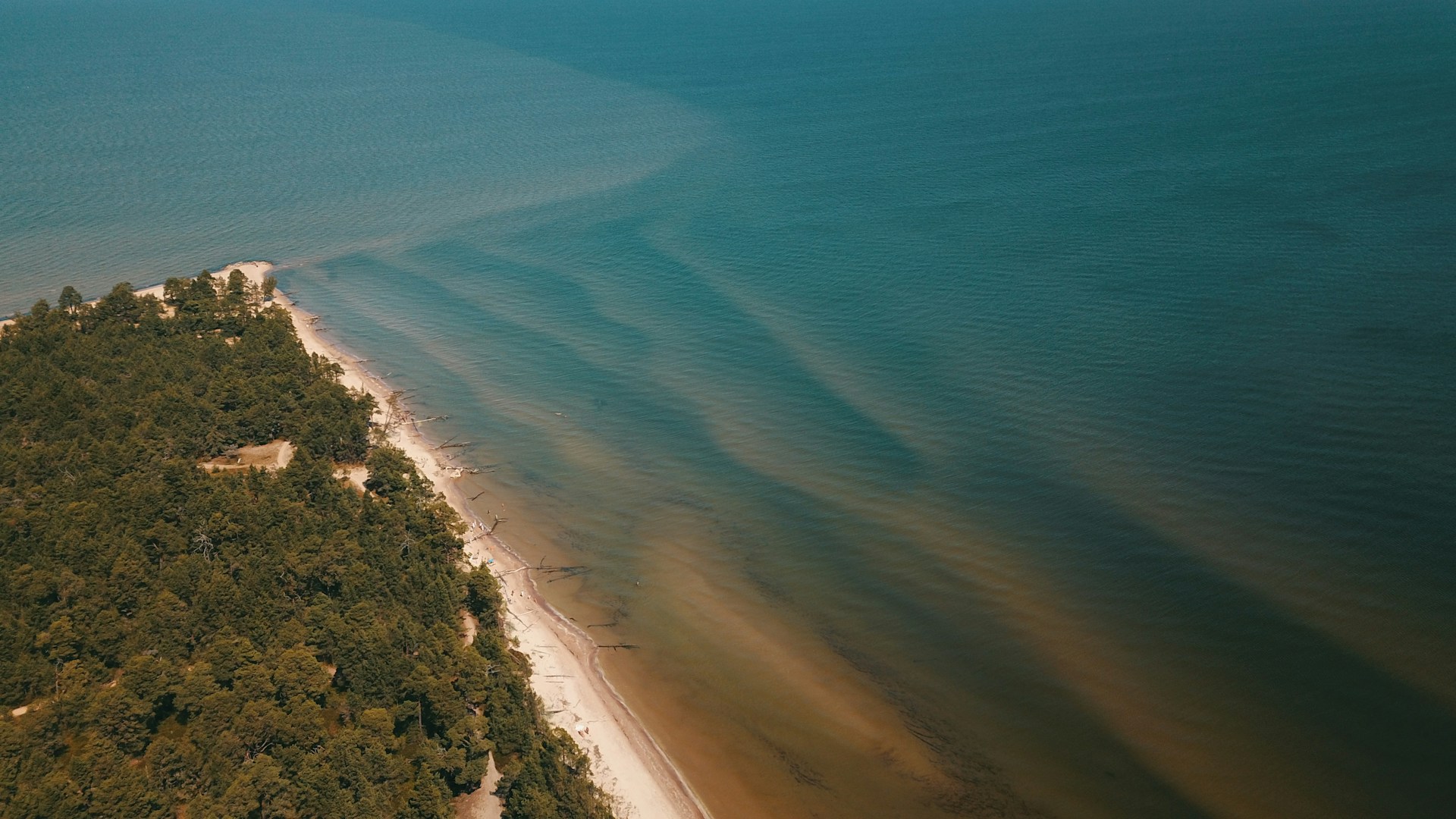
Cape Kolka was one of the wildest and most peaceful places I visited in Latvia. Sitting at the tip of the Courland Peninsula, it's where the Gulf of Riga meets the open Baltic Sea, and I loved simply standing at the cape watching the two bodies of water collide.
The surrounding coastline was just as memorable. Much of it falls within Slītere National Park, where I found long stretches of beach backed by pine forest and small fishing villages that felt far removed from Latvia's busier destinations.
This coast is also historically connected to the Liv people, one of Europe's smallest indigenous groups.
Traces of Liv culture remain in the villages scattered along the coastline, giving me another reason to slow down instead of driving straight to the cape and back.
And I'd definitely make the food part of the experience. I recommend trying sklandrausis, a traditional Latvian pastry made with rye dough and a sweet potato and carrot filling.
I also wouldn't leave the coast without trying some of the locally smoked fish. Being so close to the fishing villages, I found it incredibly fresh and a perfect fit for the setting.
Cape Kolka didn't need attractions or a packed itinerary to impress me. The wind, forest, empty beaches, local food, and meeting of the two seas were more than enough.
How Cape Kolka fits into your Latvia itinerary
Cape Kolka fits naturally into a road trip around western Latvia, particularly when combined with Ventspils and the wider Kurzeme coast.
Rundale Palace
(pronounced: ROON-da-leh)
Rundale Palace at a glance
Zemgale region, southern Latvia
Baroque architecture, gardens, and photography
Half-day trip
History lovers and garden enthusiasts
Grand, elegant, ornate, and peaceful
June to July for the rose garden
I wasn't expecting to find something quite as grand as Rundāle Palace in the Latvian countryside.
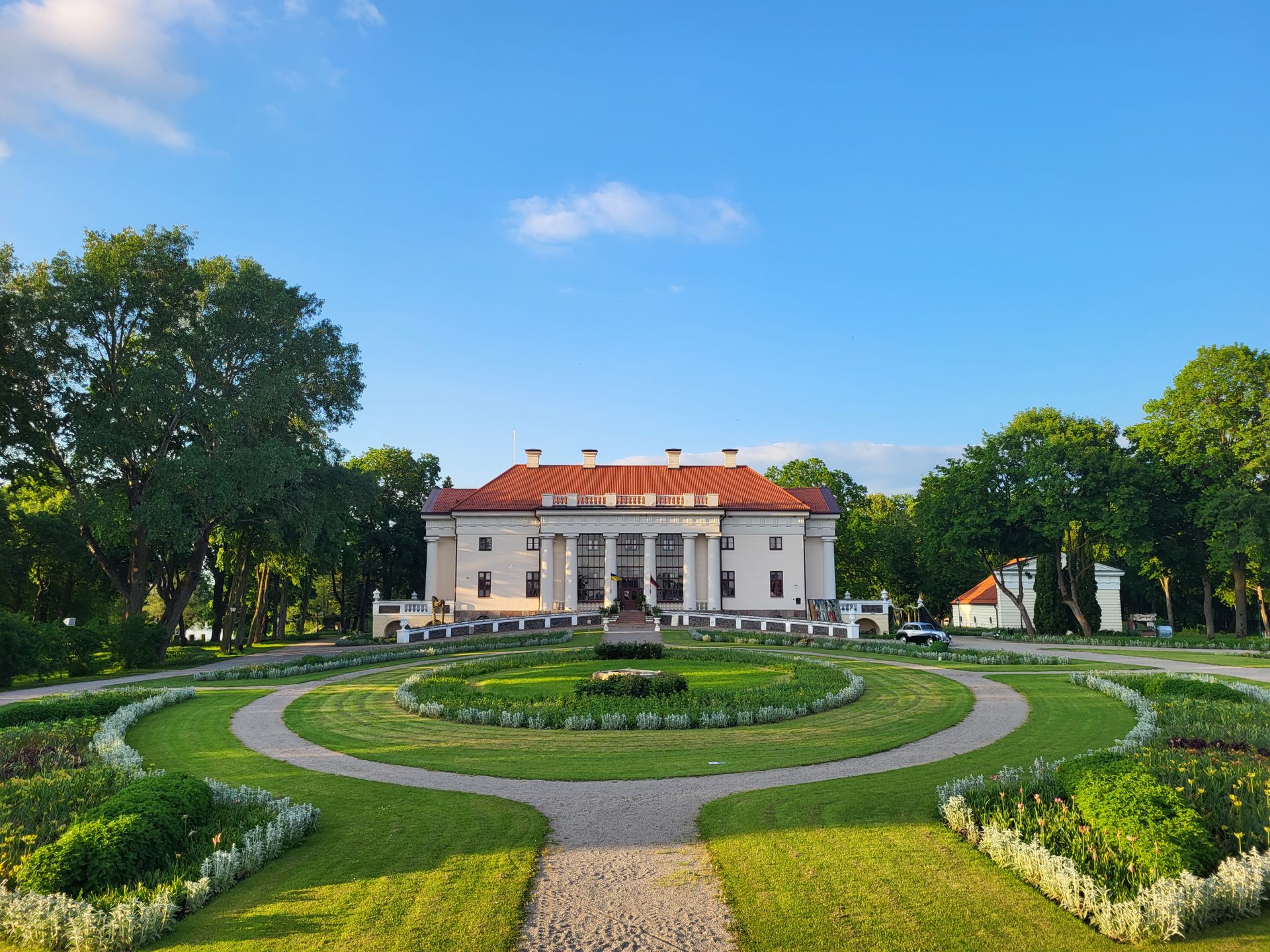
After visiting medieval castles and historic towns elsewhere in Latvia, walking up to this enormous 18th-century Baroque palace felt like I'd suddenly been transported somewhere completely different.
It was designed by Bartolomeo Rastrelli, the architect behind St. Petersburg's Winter Palace, and that sense of extravagance was immediately obvious.
Inside, I walked through beautifully restored state rooms filled with gilded details, elaborate plasterwork, painted ceilings, and period furnishings.
The Gold Hall was particularly impressive, but I found myself looking upward almost constantly because there was so much detail in the ceilings.
The gardens were just as much a part of the experience for me. They're laid out in a formal French style, with carefully arranged pathways, hedges, fountains, and an enormous rose garden.
If you can, I'd time your visit for June or July when the roses are at their best. Seeing the palace framed by gardens in full bloom made the whole place even more impressive.
Rundāle was an easy escape from Riga, but visually it felt a very long way from the capital.
How Rundāle Palace fits into your Latvia itinerary
Rundāle Palace is an easy day trip from Riga and pairs naturally with nearby Bauska, making it simple to experience both without adding another overnight stop.
Kuldīga
(pronounced: kool-DEE-ga)
Kuldīga at a glance
Kurzeme region, western Latvia
Historic architecture, waterfalls, and relaxed exploring
1 night
Couples, photographers, and road trippers
Romantic, historic, peaceful, and picturesque
April to September
Kuldīga is often described as one of Latvia's prettiest towns, and after spending some time here, I could understand why.
The historic center was wonderfully easy to explore on foot, with cobbled streets, old wooden buildings, and the Venta River running right through the town. I particularly liked that Kuldīga felt beautiful without feeling overly polished or created for tourists.
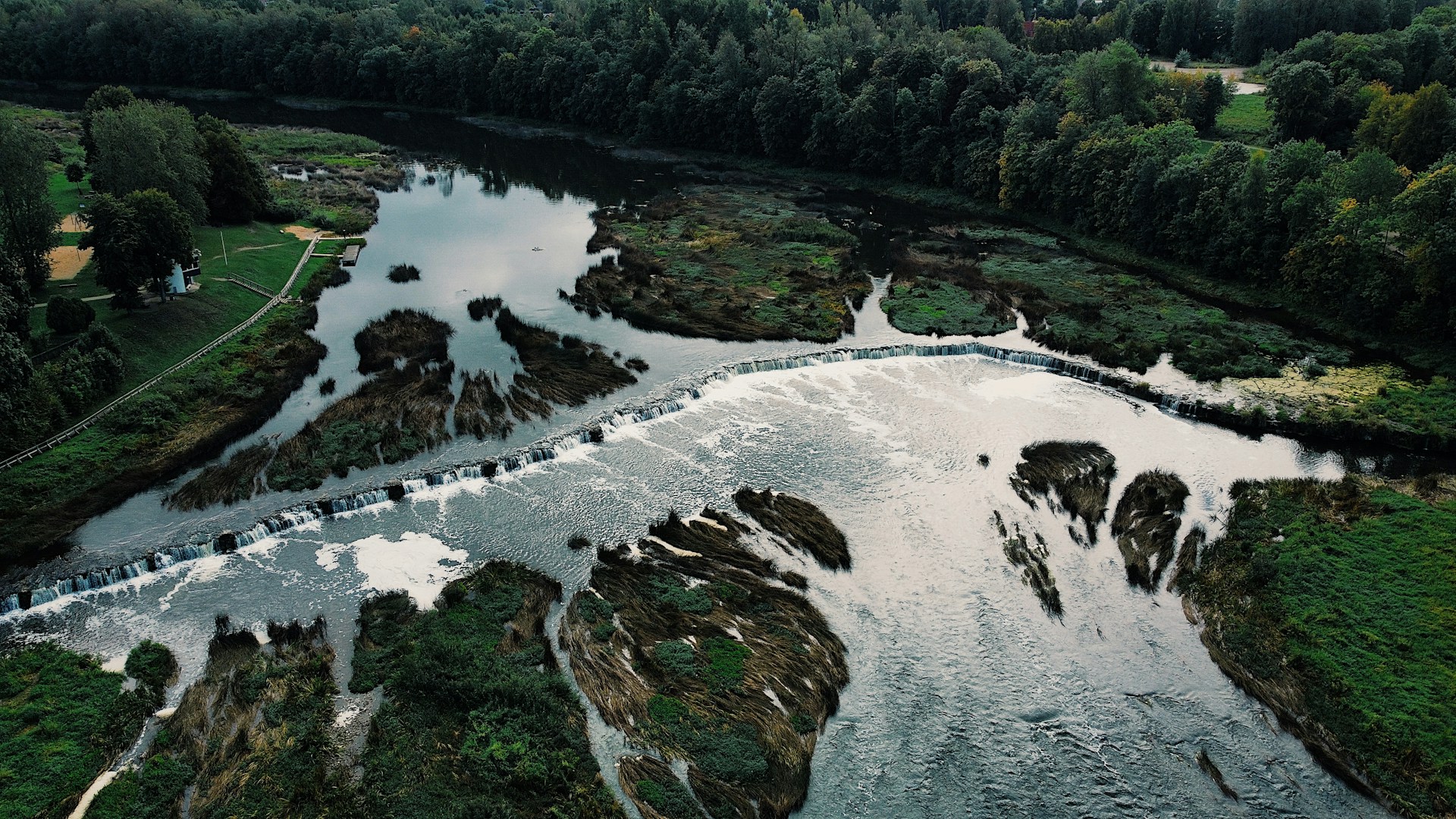
The main attraction is Ventas Rumba, which stretches across the Venta and is considered Europe's widest natural waterfall.
It isn't particularly tall, so don't arrive expecting a thundering wall of water. What impressed me was its sheer width and how naturally it fitted into the town around it.
Nearby, the long brick bridge across the Venta gave me another beautiful view over the river and waterfall. In spring, there's also the unusual spectacle of fish attempting to leap over the falls as they migrate upstream.
I'd also recommend heading just outside town to explore the Kuldīga Sand Caves. The man-made underground passages were something completely different from the old town and waterfall and made an interesting addition to my visit.
Kuldīga was somewhere I enjoyed simply wandering without much of a plan, and I think that's a big part of its appeal.
How Kuldīga fits into your Latvia itinerary
Kuldīga is a natural stop on a western Latvia road trip and pairs particularly well with Liepāja, Ventspils, or Cape Kolka.
Cēsis
(pronounced: TSAY-sis)
Cēsis at a glance
Vidzeme region, northern Latvia
Medieval history, hiking, architecture, and autumn scenery
1-2 nights
History lovers, hikers, and couples
Medieval, charming, peaceful, and outdoorsy
May to October
Cēsis gave me one of my favorite combinations in Latvia: a beautiful historic town and some of the country's best natural scenery right on its doorstep.
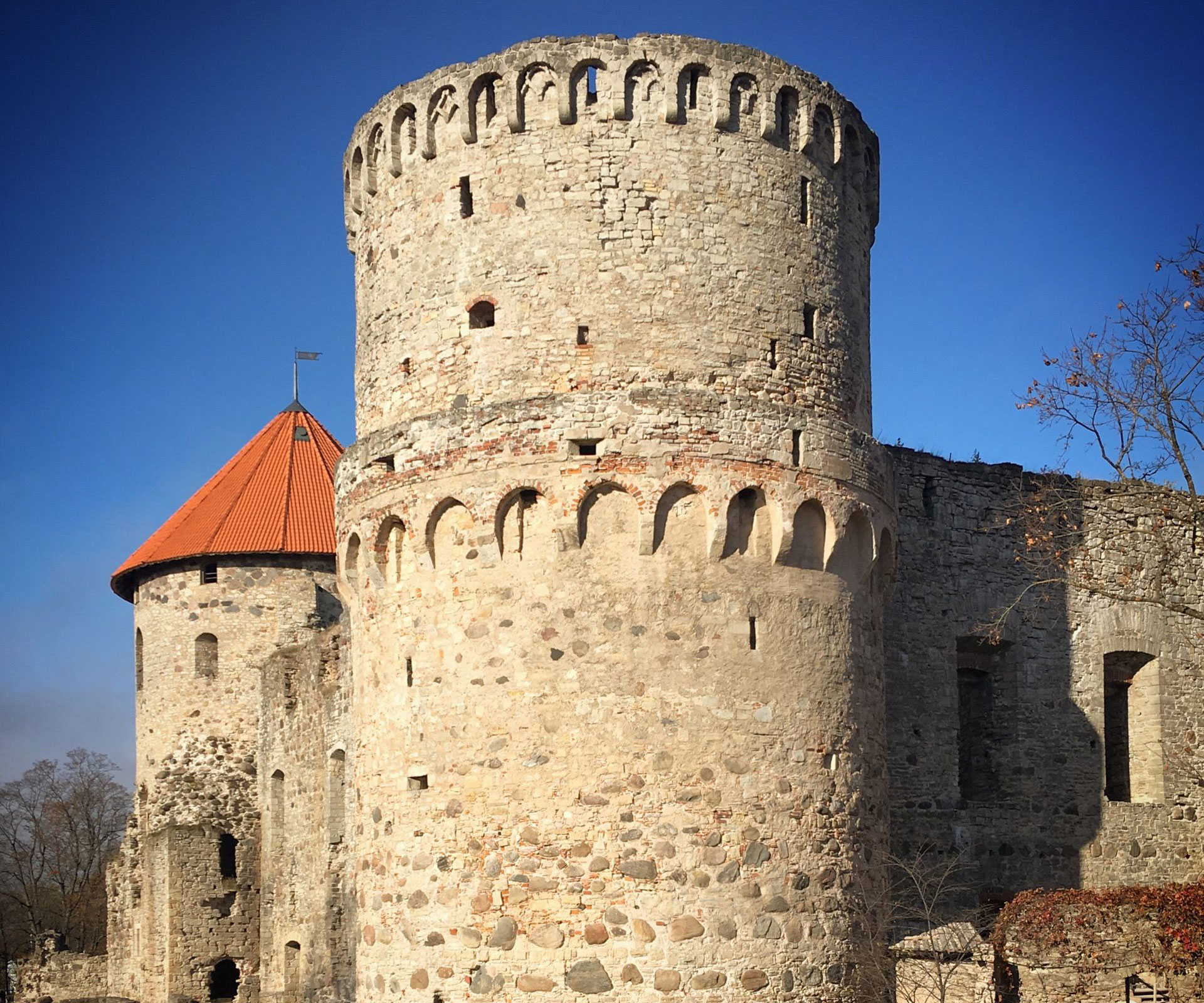
The old town was compact enough that I could wander without much of a plan, following cobblestone streets past colorful buildings, little cafés, and quiet squares. But the highlight was Cēsis Castle.
The medieval ruins are some of the most impressive I saw in the Baltics. I loved exploring the old towers and walls, and climbing higher gave me beautiful views across the town and toward the surrounding Gauja Valley.
That landscape was a big part of why Cēsis stood out for me. Gauja National Park surrounds the area with pine forest, sandstone cliffs, river valleys, and miles of walking trails, so it was incredibly easy to combine sightseeing with time outdoors.
If you can choose when to visit, I'd seriously consider autumn.
Once the forests around the Gauja Valley begin changing color, the combination of medieval ruins, old-town streets, and fall foliage makes Cēsis particularly beautiful.
I could have visited from Riga for the day, but I preferred having enough time to enjoy the town at a slower pace and get out into the surrounding countryside.
How Cēsis fits into your Latvia itinerary
Cēsis is an easy trip from Riga and works particularly well as part of a Gauja National Park itinerary, where I'd combine it with nearby Sigulda.
Gauja National Park
(pronounced: GOW-ya)
Gauja National Park at a glance
Vidzeme region, northern Latvia
Hiking, kayaking, castles, forests, and outdoor adventures
2-3 nights
Families, nature lovers, and adventure travelers
Forested, adventurous, peaceful, and surprisingly dramatic
May to October
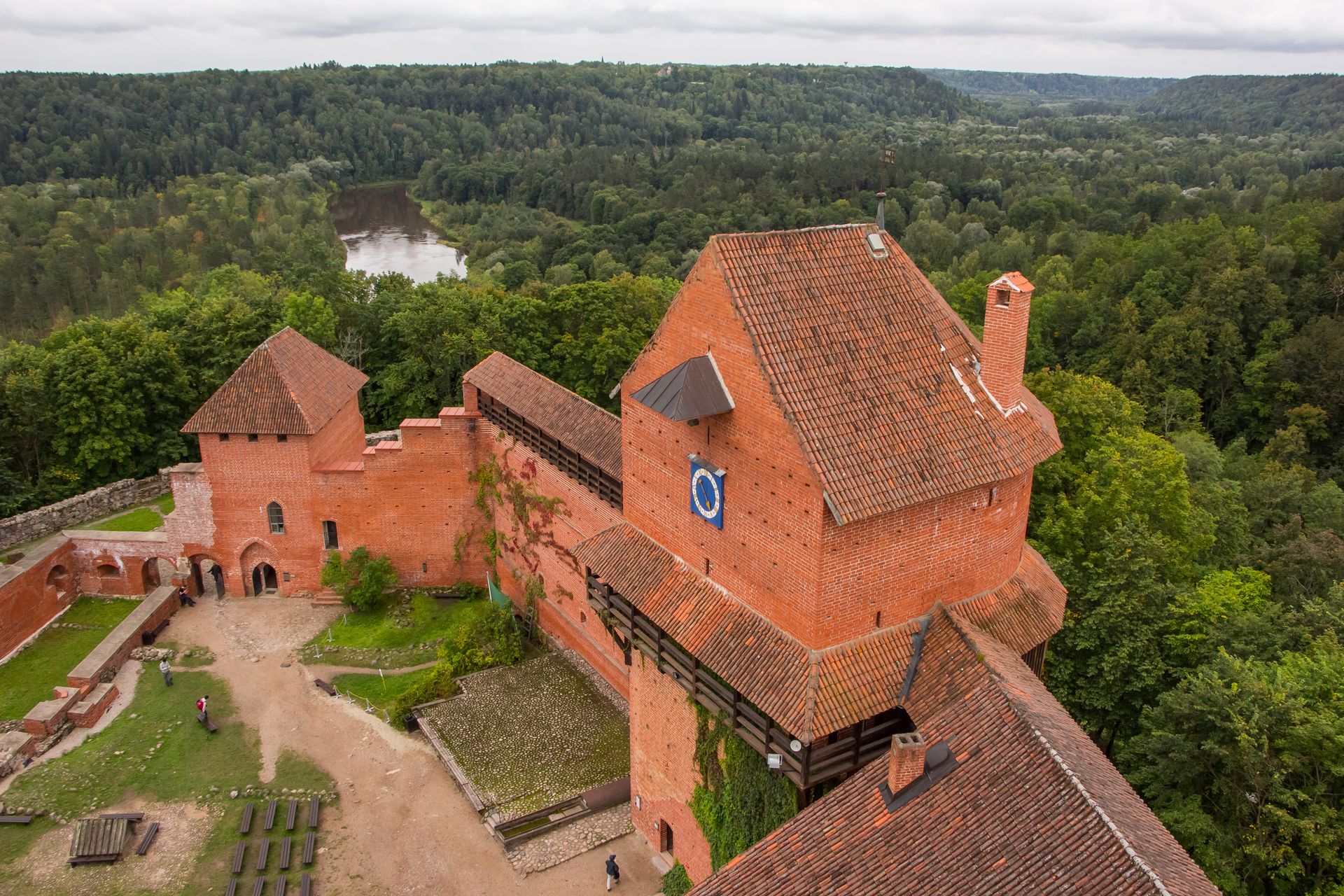
Gauja National Park completely changed my perception of Latvia's landscape. I'd expected much of the country to be relatively flat, but here I found a proper river valley surrounded by forest, sandstone cliffs, and some fantastic hiking trails.
We particularly loved renting kayaks and exploring the Gauja River from the water.
It gave us a completely different perspective on the park, floating beneath the sandstone cliffs with forest rising on either side. It was peaceful, incredibly scenic, and easily one of my favorite outdoor experiences in Latvia.
Sigulda makes a great base for exploring the park. I could hike through the valley, ride the cable car above it, visit medieval castle ruins, and even see the city's famous bobsled track.
Nearby Turaida Castle was another highlight. Its distinctive red-brick tower rises above the forest, and the views from the castle grounds really showed me just how green this part of Latvia is.
I also loved how much the park offered beyond one or two headline attractions. There are trails connecting Sigulda and Cēsis, caves and sandstone formations along the river, castles hidden among the trees, and plenty of opportunities to simply get outdoors.
I'd happily spend a couple of days here rather than treating Sigulda as a quick excursion from Riga.
How Gauja National Park fits into your Latvia itinerary
Gauja National Park is an easy addition after Riga, with Sigulda making a convenient first base before continuing through the park to Cēsis.
Jūrmala
(pronounced: YOOR-ma-la)
Jūrmala at a glance
Gulf of Riga, about 25 km west of Riga
Beaches, cycling, cafes, and a relaxing escape
Half-day trip to 1 night
Beachgoers, architecture lovers, and slow travelers
Elegant, relaxed, and nostalgic
June to August
Jūrmala was one of the easiest places I visited from Riga, but within half an hour I felt like I'd left the city much farther behind.
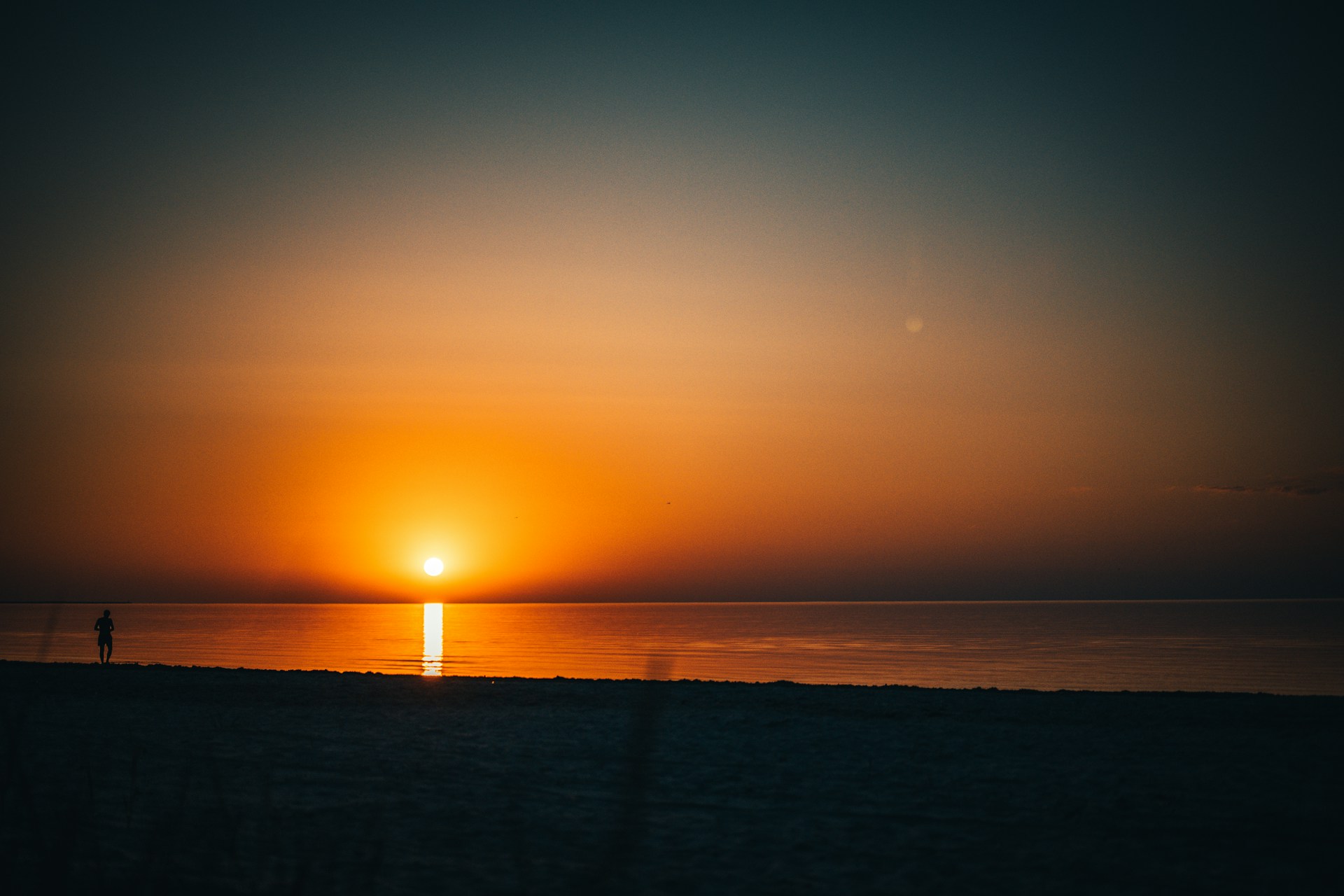
The beach is the obvious attraction. It's incredibly wide, sandy, and backed by pine forest, and I loved how much space there was to simply walk along the water or find a quieter stretch away from the busiest areas.
What I hadn't expected to enjoy quite as much was Jūrmala's architecture.
Walking around the residential streets, I found beautiful wooden villas with carved facades, elaborate verandas, little towers, and an interesting mixture of beautifully restored homes and buildings showing their age.
They gave Jūrmala far more character than I'd expected from a beach resort.
There's also an interesting Soviet layer to the town's history. Jūrmala became one of the most fashionable resorts in the Soviet Baltics, and I found traces of that era sitting alongside the much older wooden villas.
Majori is the liveliest area, particularly around pedestrianized Jomas Street, where I found plenty of cafés and restaurants for an easy afternoon or evening.
Jūrmala could easily have been just a beach day, but the architecture and history made it much more interesting for me.
How Jūrmala fits into your Latvia itinerary
Jūrmala is one of the easiest day trips from Riga, with frequent trains making it simple to add some Baltic coastline to a city-focused Latvia itinerary.
Riga
(pronounced: REE-ga)
Riga at a glance
Central Latvia, on the Daugava River near the Gulf of Riga
Art Nouveau architecture, history, food, markets, and culture
3 nights
Architecture lovers, foodies, history lovers, and city-break travelers
Historic, creative, elegant, and lively
May to September
Riga was my favorite place in Latvia. It's where I found the best mix of the country's history, architecture, food, and everyday city life, and I loved being able to experience so much of it on foot.
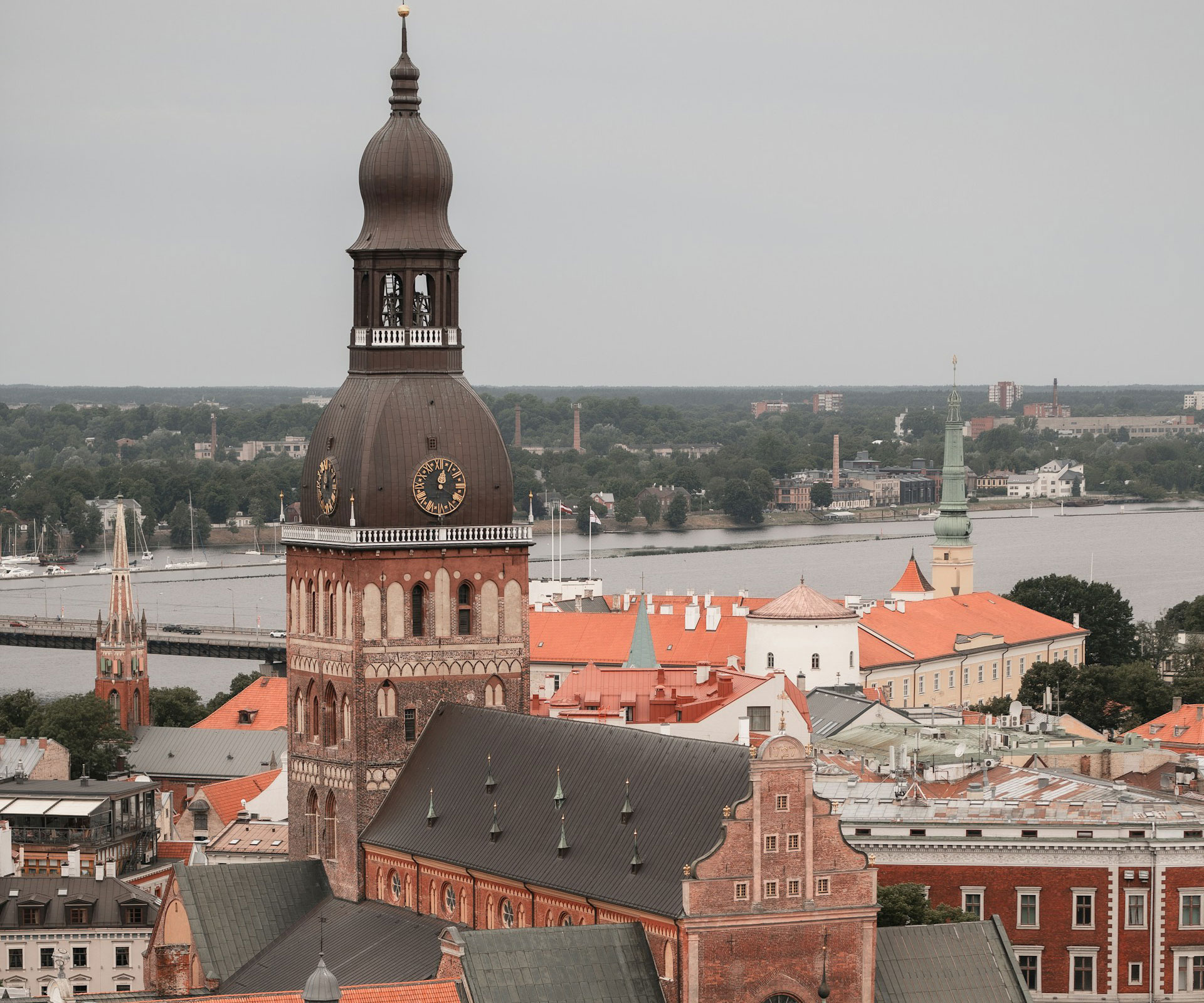
I started with Vecrīga, Riga's old town, where cobblestone streets wind between medieval guild houses, churches, and colorful historic buildings.
The view from St. Peter's Church was one of my favorites, giving me a completely different perspective over the city's rooftops.
But Riga's Art Nouveau architecture was what really blew me away. The concentration of elaborate facades around Alberta Street is extraordinary.
I found myself constantly looking upward at sculpted faces, mythological figures, curving details, and buildings where seemingly every available surface had been decorated.
I also loved exploring Riga through its food. The Central Market is enormous, filling former Zeppelin hangars with stalls selling fish, meat, cheeses, breads, pickles, produce, and plenty of Latvian specialties. It was one of my favorite places to wander in the morning.
What I appreciated most was that Riga rewarded me for slowing down. Once I'd seen the major landmarks, I still had neighborhoods, markets, cafés, and the Daugava riverfront to explore.
How Riga fits into your Latvia itinerary
Riga is the natural starting point for a Latvia itinerary and an excellent base for easy trips to Jūrmala, Gauja National Park, and Rundāle Palace before traveling farther around the country.
Latvia Itinerary Ideas
Latvia is compact enough that you can see a surprising amount without spending half your trip in transit.
For a first visit, I think 7 days is ideal. It gives you enough time to properly explore Riga, experience the Baltic coast, and spend some time among the castles, forests, and river valleys outside the capital.
Latvia Itinerary: 7 Days
Route: Riga → Jūrmala → Sigulda & Gauja National Park → Cēsis → Rundāle Palace → Kuldīga → Liepāja
| Days 1-2 | Day 3 | Days 4 | Days 5 | Days 6 | Days 7 |
|---|---|---|---|---|---|---|
Destination | Riga | Jūrmala | Sigulda & Gauja National Park | Cēsis | Rundāle Palace & Kuldīga | Liepāja |
Overnight | Riga | Riga | Sigulda | Cēsis | Kuldīga | Liepāja |
Why this route? For a Latvia itinerary in 7 days, I think this gives you a fantastic introduction without trying to squeeze in every destination from this list.
You'll experience Riga's architecture and food, relax on the Baltic coast in Jūrmala, explore the forests and castles of Gauja National Park and Cēsis, visit grand Rundāle Palace, and finish with two of my favorite stops in western Latvia, Kuldīga and Liepāja.
*I'd rent a car after leaving Riga. Latvia is compact, and having one made it much easier to move between Gauja National Park, Cēsis, Rundāle Palace, Kuldīga, and Liepāja while giving me the freedom to stop in smaller towns or anywhere else that caught my attention along the way.
Why Latvia shouldn't be overlooked when traveling Northern Europe
Latvia is one of those countries that I think is far too easy to overlook when planning a trip through Northern Europe.
Riga alone was enough to win me over, but some of my favorite experiences happened beyond the capital, from kayaking through Gauja National Park and wandering medieval Cēsis to exploring Kuldīga and the quieter stretches of the Baltic coast.
I also loved how manageable Latvia felt. Distances are relatively short, crowds are rarely overwhelming, and I could experience historic cities, forests, castles, beaches, and small towns without spending entire days traveling between them.
If you're already considering the Baltics or Northern Europe, I wouldn't treat Latvia as somewhere to simply pass through. I'd give it a week and let it be a destination in its own right.
FAQs About Visiting Latvia
Latvia uses the euro (€), and credit and debit cards are widely accepted throughout the country.
Latvia is part of the Schengen Area, so many travelers, including citizens of the US, UK, Canada, and Australia, can visit visa-free for up to 90 days within any 180-day period.
Driving in Latvia is generally straightforward, and vehicles drive on the right-hand side of the road; renting a car is particularly useful for exploring smaller towns, national parks, and the Baltic coast.
Latvia is generally a safe destination for travelers, although normal precautions against petty theft are sensible in busy tourist areas and on public transportation.
Latvia uses Type C and Type F electrical plugs with a standard voltage of 230V and a frequency of 50Hz.
Latvian is the official language of Latvia, while Russian is also widely spoken, and English is commonly understood in Riga and several tourist areas.
Ready to explore Latvia? Optimise Travel is here to help
Latvia may be compact, but deciding how to divide your time between Riga, the Baltic coast, medieval towns, castles, and the forests and river valleys of Gauja National Park can still take some planning.
At Optimise Travel, we create personalized travel itineraries based on your interests, travel style, and budget.
Whether you're dreaming of exploring Riga's Art Nouveau streets, kayaking along the Gauja River, wandering medieval Cēsis, relaxing on Jūrmala's beaches, discovering Kuldīga, or road-tripping along Latvia's quieter coastline, we'll help you build an itinerary that makes the most of your time.
If you'd like help planning your trip to Latvia, click here to learn more about our concierge travel services.