

Brazil is so enormous that choosing where to go can feel like planning several countries at once.
I found that the Brazil I experienced changed dramatically from one region to the next, from energetic cities and seemingly endless beaches to colonial towns, wetlands, rainforest, and landscapes I couldn't have imagined before seeing them myself.
This guide covers 10 of the best places to visit in Brazil, including the famous stops I'd still recommend and the places that showed me just how much exists beyond them.
Have You Seen Our Travel Concierge Service?
Your trip, planned by local experts
We are not a travel agent - we design custom itineraries around your budget and style, without receiving commissions or booking fees.
Custom itinerary
Built around your dates, budget, and travel style.
Local expert knowledge
Recommendations from people on the ground, not review sites.
Travel smarter, spend less
We optimise for your budget to make your money go further.
São Paulo
(pronounced: sow POW-loh)
São Paulo at a glance
Southeastern Brazil
Food, art, nightlife, and culture
2-3 nights
Foodies, urban explorers, and nightlife seekers
Fast-paced, creative, multicultural, unapologetically urban
Year-round
São Paulo is enormous, and I quickly realized there was no point trying to understand the whole city in a couple of days.
Instead, I concentrated on a few neighborhoods and let food dictate quite a lot of my itinerary.
That turned out to be a very good strategy. São Paulo has one of the most diverse dining scenes in South America, shaped by generations of immigration from Italy, Japan, Lebanon, Portugal, and elsewhere.
I could go from Brazilian food to excellent Japanese cooking within a few blocks, and the city's markets were just as much fun as its restaurants.
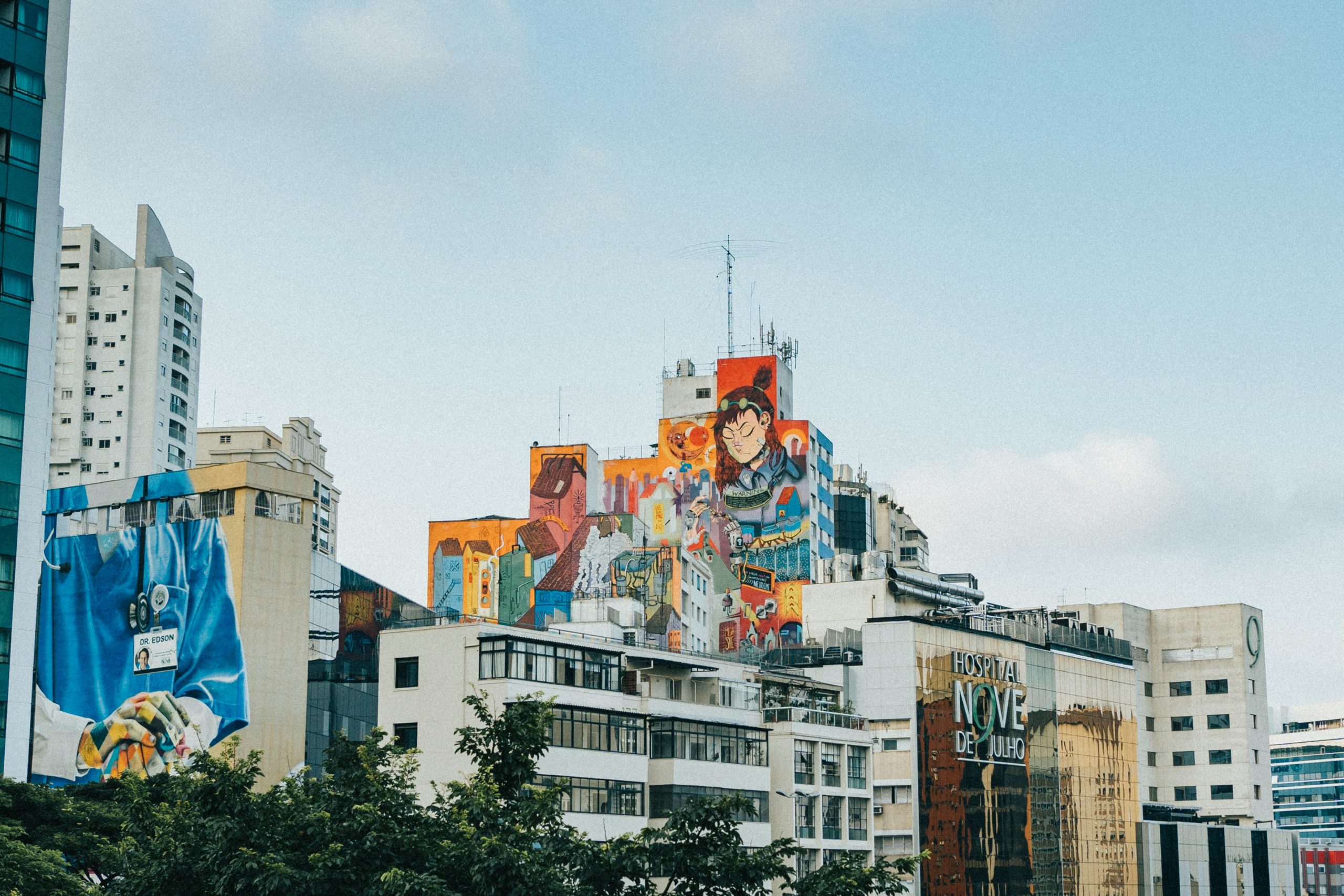
I also spent time around Vila Madalena, where street art covers walls, alleys, and entire building facades.
Beco do Batman is the famous spot, but I enjoyed wandering farther into the neighborhood rather than treating the murals as a single attraction to photograph and leave.
Avenida Paulista gave me another side of the city entirely. On Sundays, sections of this major avenue are closed to cars, turning what is normally a busy traffic corridor into a huge public space filled with walkers, cyclists, musicians, vendors, and families.
What I liked most about São Paulo was its complete lack of interest in behaving like a conventional tourist destination.
I wasn't there for a checklist of famous monuments. I was there to eat, wander through neighborhoods, look at art, and experience the energy of a city where more than 11 million people are getting on with their lives around you.
Two or three nights worked well for me, although anyone particularly interested in food, art, or nightlife could easily justify longer.
How São Paulo fits into your Brazil itinerary
São Paulo is one of Brazil's main international gateways, so it works well at either end of a longer trip. I'd spend two or three nights here before flying onward.
Don't underestimate São Paulo's size when choosing where to stay.
I'd pick accommodation close to the neighborhoods you most want to explore rather than assuming you can easily cross the city several times a day.
Traffic can turn a seemingly short journey into a significant chunk of your afternoon.
Paraty
(pronounced: pa-ra-CHEE)
Paraty at a glance
Costa Verde, between Rio de Janeiro and São Paulo
Colonial history, beaches, boat trips, and nature
2-3 nights
Couples, photographers, and nature lovers
Romantic, historic, and laid-back
May to September
Paraty felt like one of those rare places where the setting was every bit as important as the town itself.
The historic centre is beautiful, but then you look beyond those whitewashed buildings and realize you're surrounded by rainforest-covered mountains and a bay scattered with islands.
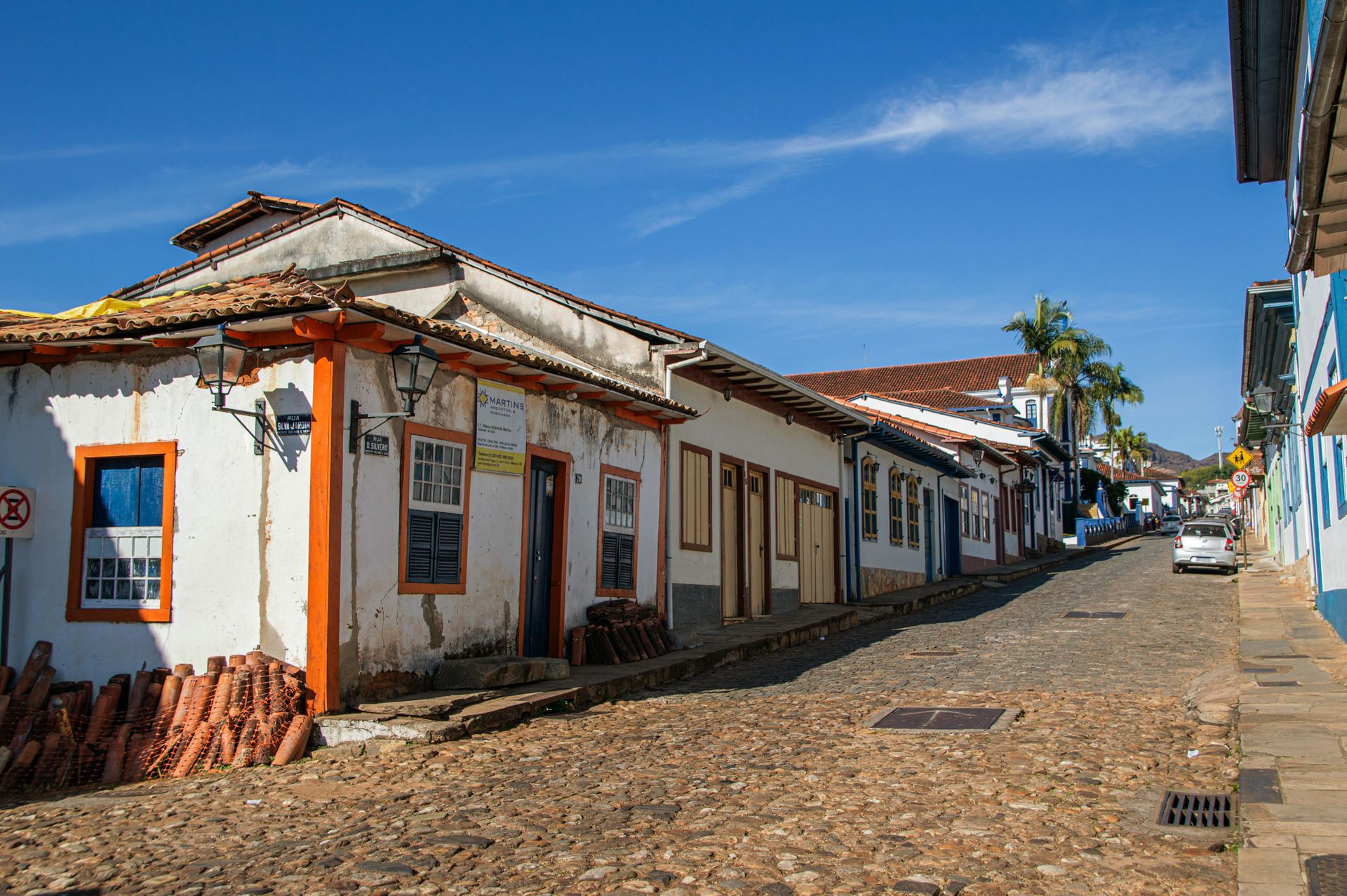
I loved wandering the old centre on foot. The streets are paved with huge, uneven stones, with colourful doors and window frames breaking up the rows of white colonial buildings.
Cars are largely kept out of the historic core, which made exploring it feel pleasantly removed from the modern town around it.
One of the quirks I enjoyed most was seeing what happened at high tide. Parts of the historic centre are regularly flooded by seawater, which flows into the low-lying streets and reflects the colonial buildings around it.
It sounds inconvenient, but it's actually part of a centuries-old drainage system and gives Paraty an atmosphere I haven't experienced in many other towns.
I wouldn't spend the whole visit on land, though. The bay is dotted with islands, coves, and small beaches, and taking a schooner or smaller boat out for the day was my favourite part of being here.
With densely forested mountains rising almost directly behind the water, the scenery alone made the trip worthwhile.
The surrounding hills add another layer.
Waterfalls and historic cachaça distilleries are scattered through the Atlantic Forest, so you can spend one day on turquoise water and the next swimming beneath a waterfall or learning how Brazil's famous sugarcane spirit is made.
How Paraty fits into your Brazil itinerary
Paraty fits naturally between Rio de Janeiro and São Paulo, making it an excellent two or three-night stop rather than another flight. I'd use it to break up the two big cities and add colonial history, rainforest, and a day on the water to the journey.
Wear shoes with decent grip when exploring the historic centre. Those beautiful old stones are extremely uneven and can become surprisingly slippery after rain or when the tide has been through.
Chapada Diamantina
(pronounced: sha-PA-da dee-a-man-CHEE-na)
Chapada Diamantina at a glance
Interior of Bahia, northeastern Brazil
Hiking, caves, waterfalls, swimming, and adventure
3-5 nights
Hikers, adventure travelers, and nature lovers
Rugged, expansive, and wild
April to October
Chapada Diamantina was where I wanted to get properly outdoors in Brazil.
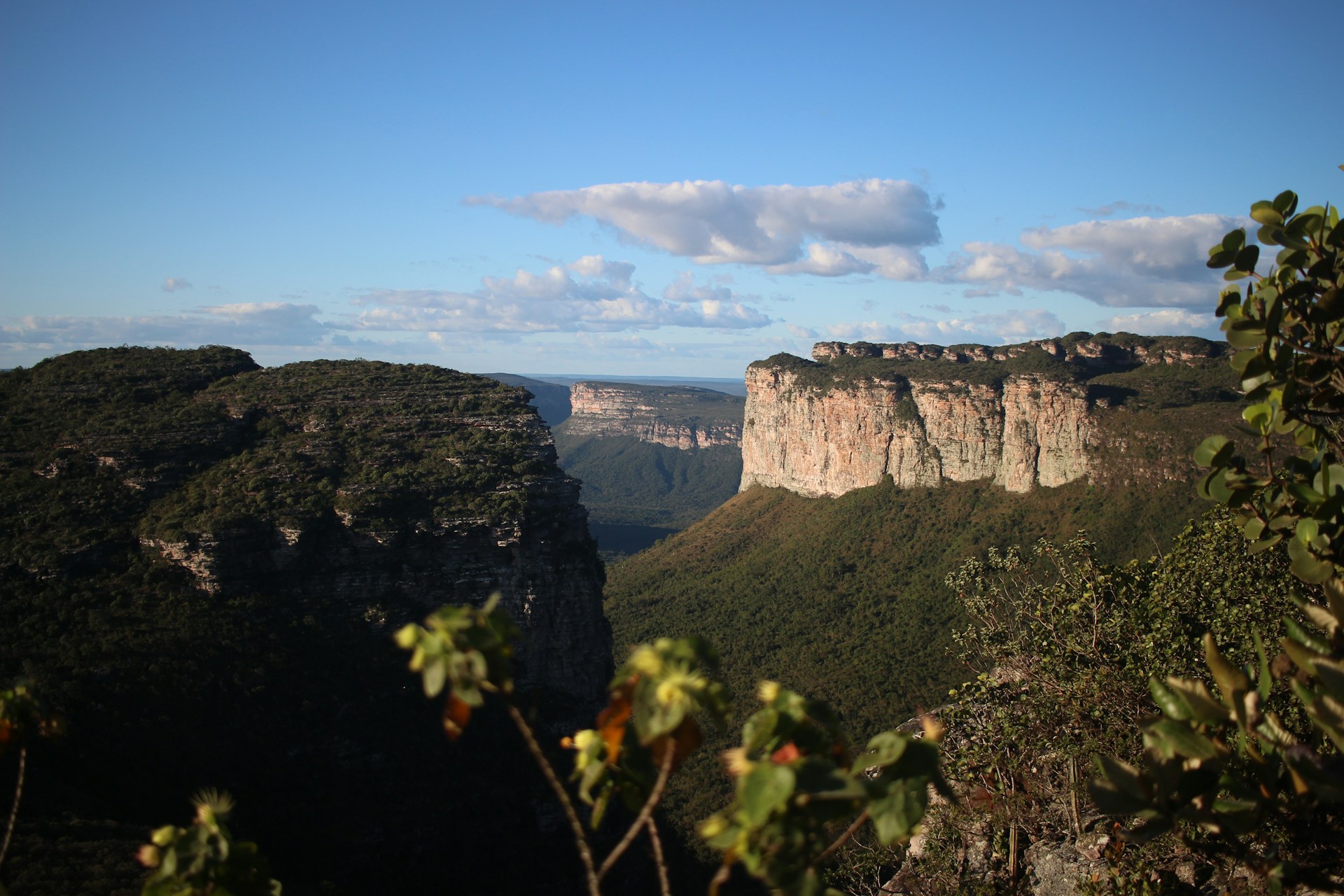
Based around the former diamond-mining town of Lençóis, the national park is a vast landscape of flat-topped mountains, deep valleys, caves, waterfalls, and trails that could easily fill a much longer trip.
Some of my strongest memories, though, were underground.
I'll never forget getting into one of the cave pools for the first time. Standing at the edge, the water looked almost unnaturally blue, and I remember hesitating because I couldn't properly judge how deep it was.
Once I slipped in, the water was cool and incredibly clear, and I could see shafts of sunlight cutting through the darkness around me.
For a few minutes, I just floated there.
Above the surface was rock and shadow, while beneath me the blue seemed to disappear into the cave. It was strangely peaceful, and I remember deliberately putting my camera away because trying to photograph it was distracting me from actually being there.
Of all the swimming spots I experienced in Brazil, this was one I knew I'd remember.
Back above ground, Chapada Diamantina felt enormous. I hiked through canyons, stopped at waterfalls and natural swimming holes, and reached viewpoints where the valleys seemed to continue all the way to the horizon.
The region's diamond-mining history was also still visible around Lençóis, which made a great base for heading out each morning.
How Chapada Diamantina fits into your Brazil itinerary
Chapada Diamantina makes the most sense as a three to five-night addition to a Bahia itinerary. I'd pair it with Salvador, giving you a great contrast between the capital's culture and coastline and several days of hiking and swimming in the interior.
Don't assume every cave or pool will have that famous electric-blue glow when you arrive.
The effect depends on sunlight entering at the right angle and can vary by season and time of day, so ask a local guide about timing before choosing your excursion.
Bonito
(pronounced: boo-NEE-toh)
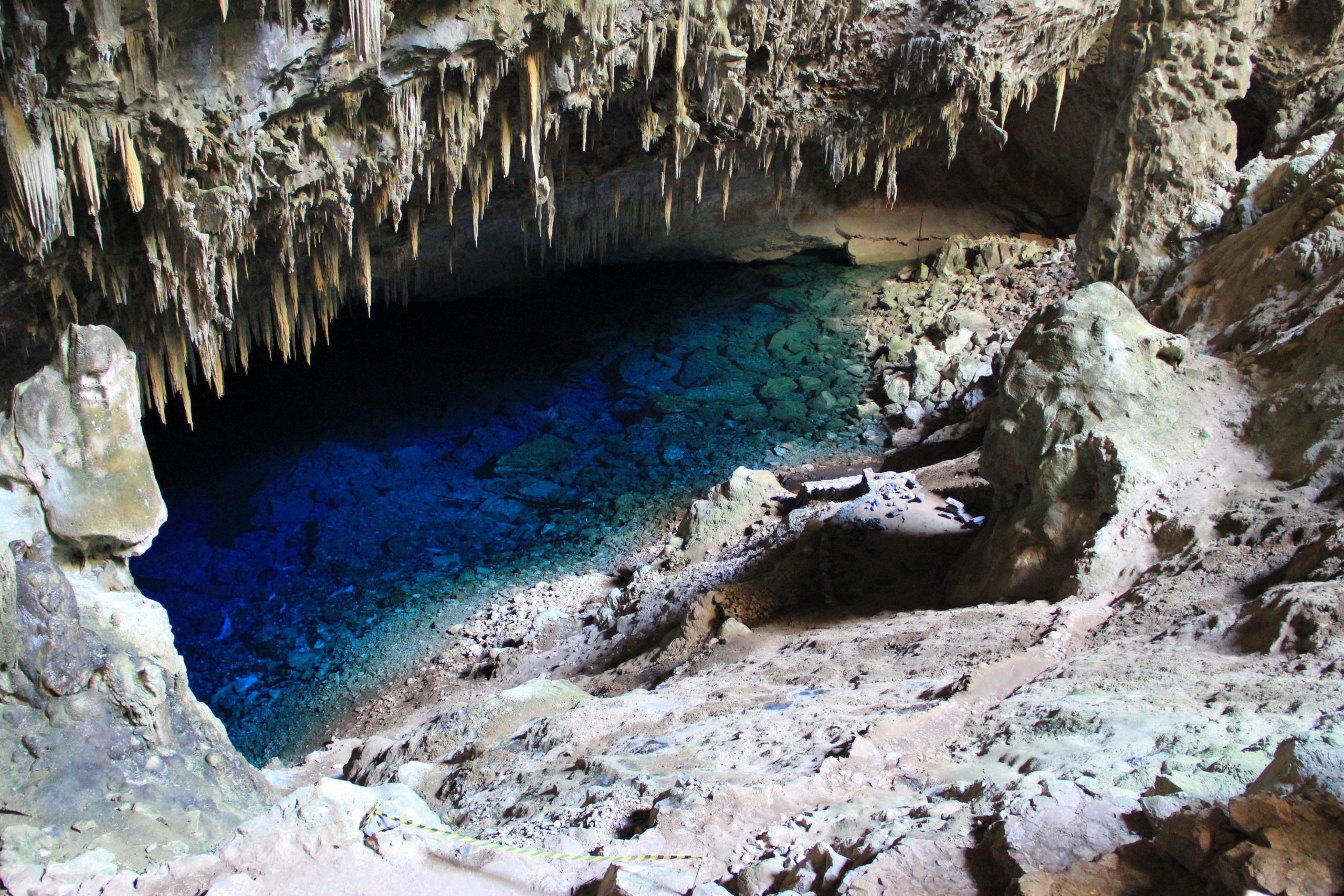
Bonito at a glance
Mato Grosso do Sul, central-western Brazil
Snorkelling, wildlife, caves, waterfalls, ecotourism
3 nights
Nature lovers, families, swimmers, adventure travellers
Outdoorsy, pristine, and peaceful
April to September
Bonito is one of Brazil's great destinations for getting into the water, although not in the way you might expect. There are no tropical beaches here. Instead, I spent my time swimming and snorkelling through some of the clearest freshwater I'd ever seen.
The region sits on limestone, which naturally filters the water flowing through its rivers and springs.
On my first river float, I remember putting my face underwater and immediately forgetting that I was in a river. The visibility was extraordinary.
Fish were swimming beneath and beside me, aquatic plants moved gently with the current, and at times the water was so transparent that I felt like I was suspended in mid-air rather than floating downstream.
I also loved how little effort was required once I was in. Rather than constantly swimming, I could let the current carry me along while I watched everything happening below. It was one of the most relaxing wildlife experiences I had in Brazil.
There's much more around Bonito than river snorkelling. The surrounding landscape contains waterfalls, caves and enormous sinkholes, including Buraco das Araras, where red-and-green macaws can often be seen flying around the vast opening.
I also appreciated how carefully they manage tourism here.
Many attractions limit visitor numbers and operate through scheduled tours, which helps protect the remarkably clear water and surrounding ecosystems. The downside is that Bonito isn't somewhere I'd arrive without a plan.
How Bonito fits into your Brazil itinerary
I'd give Bonito at least three nights, especially since tours run on set schedules and you don't want to cram several major excursions into one day.
It also pairs extremely well with the Pantanal, giving you clear-water adventures in Bonito followed by some of Brazil's best terrestrial wildlife viewing.
Bring a waterproof action camera if you have one, but check the rules for your specific excursion first. Some attractions restrict equipment, and you'll get much better underwater memories if you know beforehand what you're allowed to take.
The Pantanal
(pronounced: pan-ta-NOW)
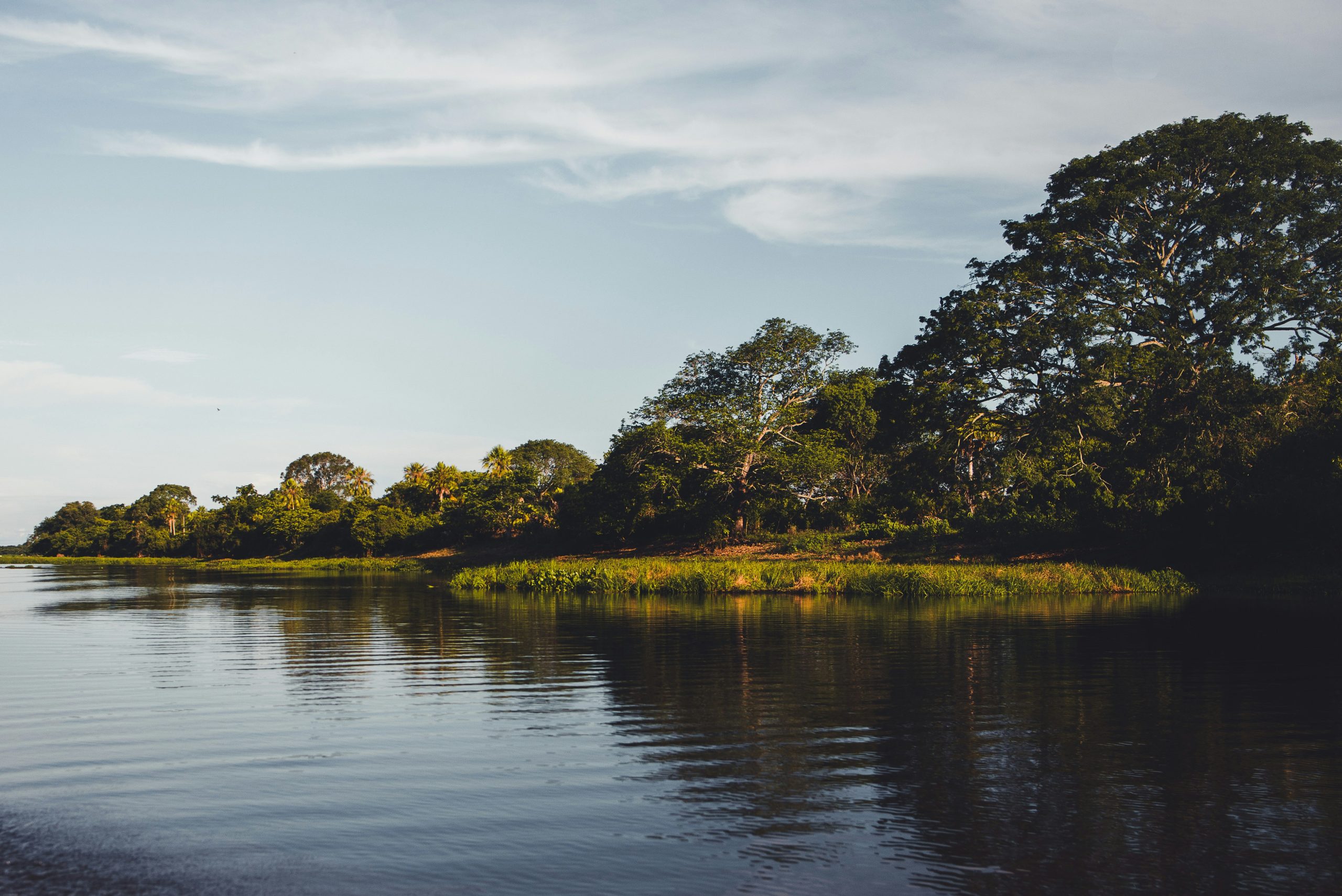
The Pantanal at a glance
Mato Grosso and Mato Grosso do Sul, central-western Brazil
Jaguars, wildlife watching, boat safaris, photography
3-5 nights
Wildlife lovers, birdwatchers, and adventure travellers
Wild, remote, wildlife-rich, and immersive
July to October
The Pantanal was where I went specifically for wildlife, and I quickly learned that the experience here is very different from exploring the Amazon.
Rather than searching through dense rainforest, much of the landscape is open wetland, grassland, rivers, and lagoons, which makes animals considerably easier to spot.
I loved the boat safaris most. Heading onto the river early in the morning, when mist was still hanging over the water, turned wildlife watching into something I could happily do for hours.
Capybaras grazed along the banks, caimans barely moved at the water's edge, giant otters occasionally appeared, and hyacinth macaws provided flashes of brilliant blue overhead.
But jaguars are the reason many people travel here.
The northern Pantanal, particularly around the Cuiabá River and Porto Jofre, is considered one of the best places in the world to see them in the wild.
There's something completely different about spotting a jaguar from a small boat rather than behind a fence or through a screen.
I remember how quickly everyone went silent when one appeared along the riverbank. For a few minutes, nobody seemed particularly interested in taking their eyes off it.
The Pantanal's ranching culture is another part of the experience. Traditional cattle ranches, known as fazendas, have been converted into wildlife lodges, and some offer horseback rides through the wetlands alongside boat and 4x4 safaris.
Staying out here meant wildlife wasn't limited to organized excursions either. Birds, capybaras, and other animals were simply part of the landscape around me.
How the Pantanal fits into your Brazil itinerary
I'd give the Pantanal three to five nights and combine it with nearby Bonito if you have the time. Together, they make an excellent central-western Brazil itinerary, with the Pantanal focused on wildlife safaris and Bonito adding clear-water rivers, caves, and snorkelling.
Pack lightweight long sleeves and trousers rather than relying entirely on insect repellent. They help with mosquitoes, but they're also useful protection from the intense sun when you're spending several hours exposed on a boat.
Lençóis Maranhenses
(pronounced: len-SOYS ma-ran-YEN-sis)
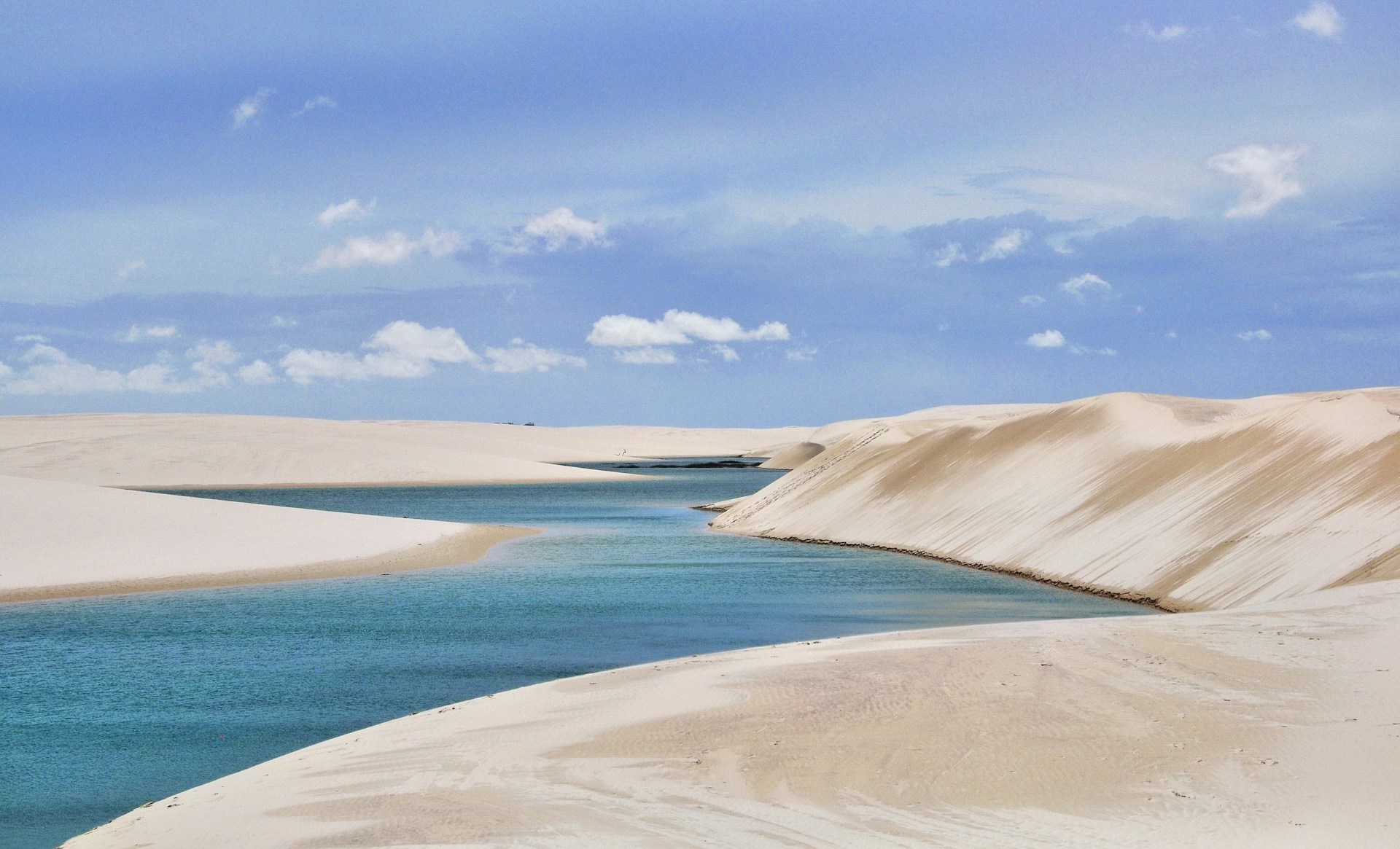
Lençóis Maranhenses at a glance
Maranhão, northeastern Brazil
Lagoons, dunes, swimming, photography
2-3 nights
Nature lovers, photographers, and adventure travellers
Remote, otherworldly, and adventurous
June to September
Lençóis Maranhenses is difficult to make sense of until you're standing in it.
I walked across enormous white dunes that looked almost desert-like, only to reach the top and find brilliant blue and green freshwater lagoons scattered through the sand below.
The lagoons are created by seasonal rainfall collecting between the dunes, and swimming in them was easily my favorite part. After walking across hot sand, I loved reaching the next pool and going straight into the cool freshwater.
Then I'd climb another dune and find another lagoon waiting on the other side.
The scale really hit me from the higher dunes. Sand and water seemed to repeat all the way to the horizon, and the landscape changed constantly as I walked through it.
Timing matters here more than at most places in Brazil. The lagoons generally reach their best levels between June and September, after the rainy season. I’d stay two or three nights and use Barreirinhas as a base.
How Lençóis Maranhenses fits into your Brazil itinerary
I'd dedicate two or three nights to Lençóis Maranhenses. It works particularly well as part of a longer northeastern Brazil route, but its remote location means I'd treat it as a destination rather than squeeze it between quick stops.
Take a guided excursion that stays in the park for sunset. Once the heat eases, walking the dunes becomes much more comfortable, and the low light completely changes the landscape.
Salvador
(pronounced: sal-va-DOR)
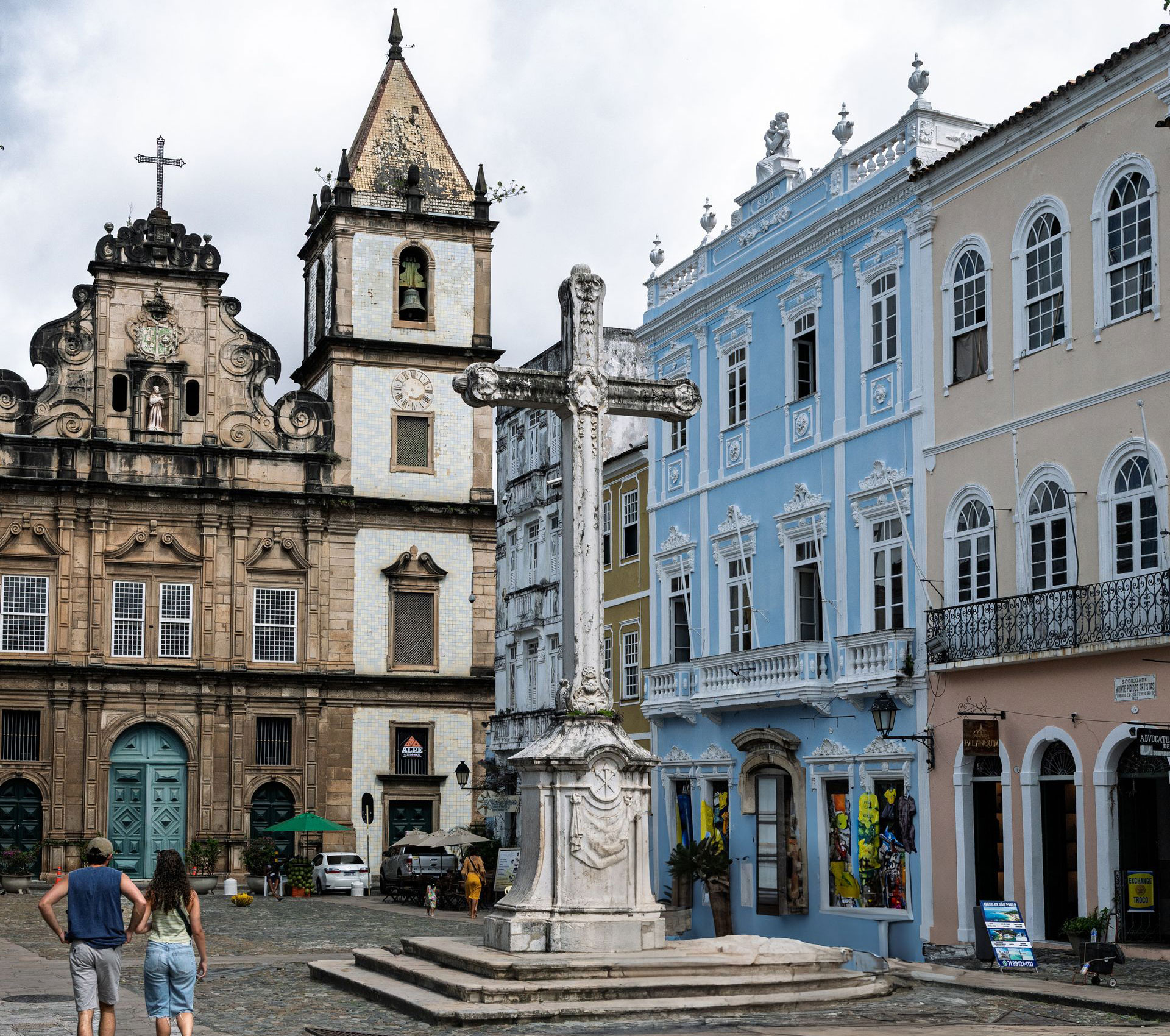
Salvador at a glance
Bahia, northeastern Brazil
Afro-Brazilian culture, food, music, and history
3 nights
Culture lovers, foodies, and music fans
Colorful, expressive, historic, and energetic
September to March
Salvador was a place I experienced as much through sound and food as sightseeing.
In Pelourinho, I wandered between brightly painted colonial buildings, elaborate baroque churches, and cobbled squares, but there always seemed to be something happening around me.
Music was particularly hard to escape. I heard drumming spilling into the streets, watched capoeira being performed in public squares, and loved how Salvador's Afro-Brazilian heritage felt woven into everyday life rather than confined to museums.
Food became another highlight of Salvador for me.
I tried acarajé from a street stall, a crisp fritter made from black-eyed peas, split open and typically filled with shrimp, vatapá, and other toppings. It was crunchy outside, soft inside, rich, spicy, and completely different from anything else I'd eaten in Brazil.
One of my favorite evenings involved no real plan at all. I followed the sound of drums through Pelourinho, stopped whenever something caught my attention, and eventually watched the sun disappear over the Bay of All Saints.
How Salvador fits into your Brazil itinerary
I'd give Salvador three nights, or longer if you're exploring Bahia. It pairs particularly well with Chapada Diamantina, combining several days of culture, history, and food with hiking and waterfalls in the interior.
Take the Elevador Lacerda between Salvador's upper and lower cities at least once rather than relying entirely on taxis. It's inexpensive, quick, and helps you understand how dramatically the city is divided by elevation.
The Amazon and Manaus
(pronounced: ma-NOWS)
The Amazon and Manaus at a glance
Amazonas, northern Brazil
Rainforest, wildlife, river adventures, and nature
4-5 nights
Wildlife enthusiasts and adventure travellers
Immersive, humid, remote, and immense
December to May for flooded forest, June to November for lower water
Manaus is the jumping-off point for exploring the Brazilian Amazon, but I wouldn't rush straight through it.
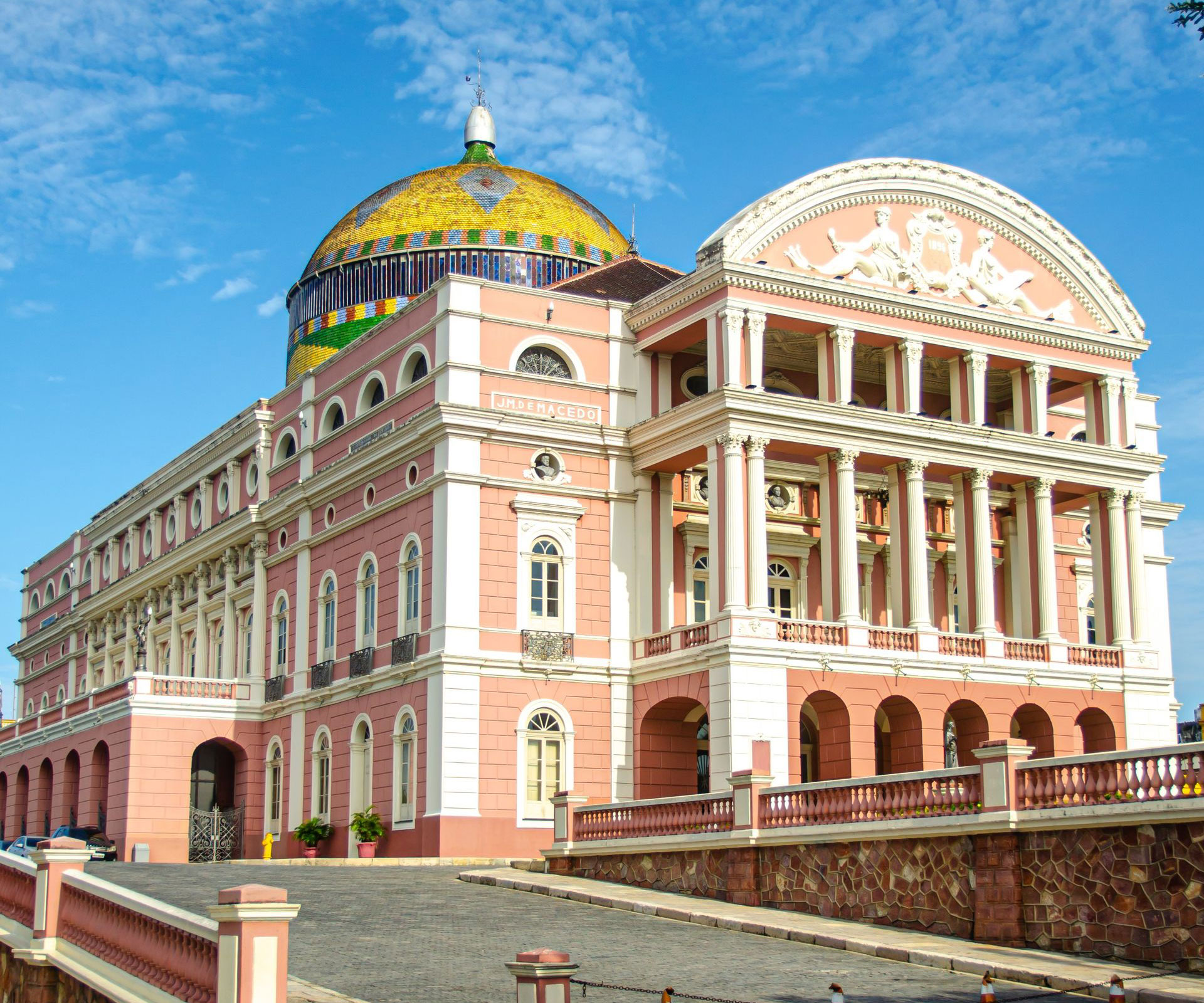
The city's grand Teatro Amazonas, built during the rubber boom, felt almost absurdly ornate for somewhere surrounded by thousands of kilometres of rainforest.
Nearby, I went out to see the Meeting of the Waters, where the dark Rio Negro and sandy-colored Solimões flow alongside each other without immediately mixing.
Seeing that sharp dividing line from a boat was fascinating, but it was once I traveled farther from Manaus that I really began to appreciate the Amazon's scale.
I stayed at a jungle lodge and spent my days traveling by small boat and canoe, watching for monkeys, caimans, birds, and pink river dolphins.
My favorite outings were early in the morning, when the river was still, and the forest seemed impossibly loud with insects and birds.
What stayed with me most was the water itself. At points, the river was so broad I couldn't see the opposite bank. It completely changed my understanding of what a river could look like.
I'd spend at least three or four nights at a jungle lodge rather than trying to experience the Amazon on a day trip from Manaus.
How the Amazon and Manaus fit into your Brazil itinerary
I'd allow at least four or five nights for Manaus and the Amazon combined. Because you'll normally fly in and out, it works best as a dedicated section of a longer Brazil itinerary rather than something squeezed between nearby destinations.
Choose your lodge based on how far it is from Manaus, not just the room photos. Traveling farther into the Amazon can mean more transfer time and expense, but it can also put you well beyond the busiest excursion routes.
Iguaçu Falls
(pronounced: ee-gwa-SOO)
Iguaçu Falls at a glance
Paraná, on Brazil's border with Argentina
Waterfalls, nature, and wildlife
2 nights
Photographers, families, and first-time visitors
Powerful, tropical, and exhilarating
Year-round (December to March for higher water levels)
I knew Iguaçu Falls was enormous before I arrived, but photographs hadn't prepared me for the noise.
Long before I reached some of the viewpoints, I could hear the water, and closer to the falls the sound became a constant roar.
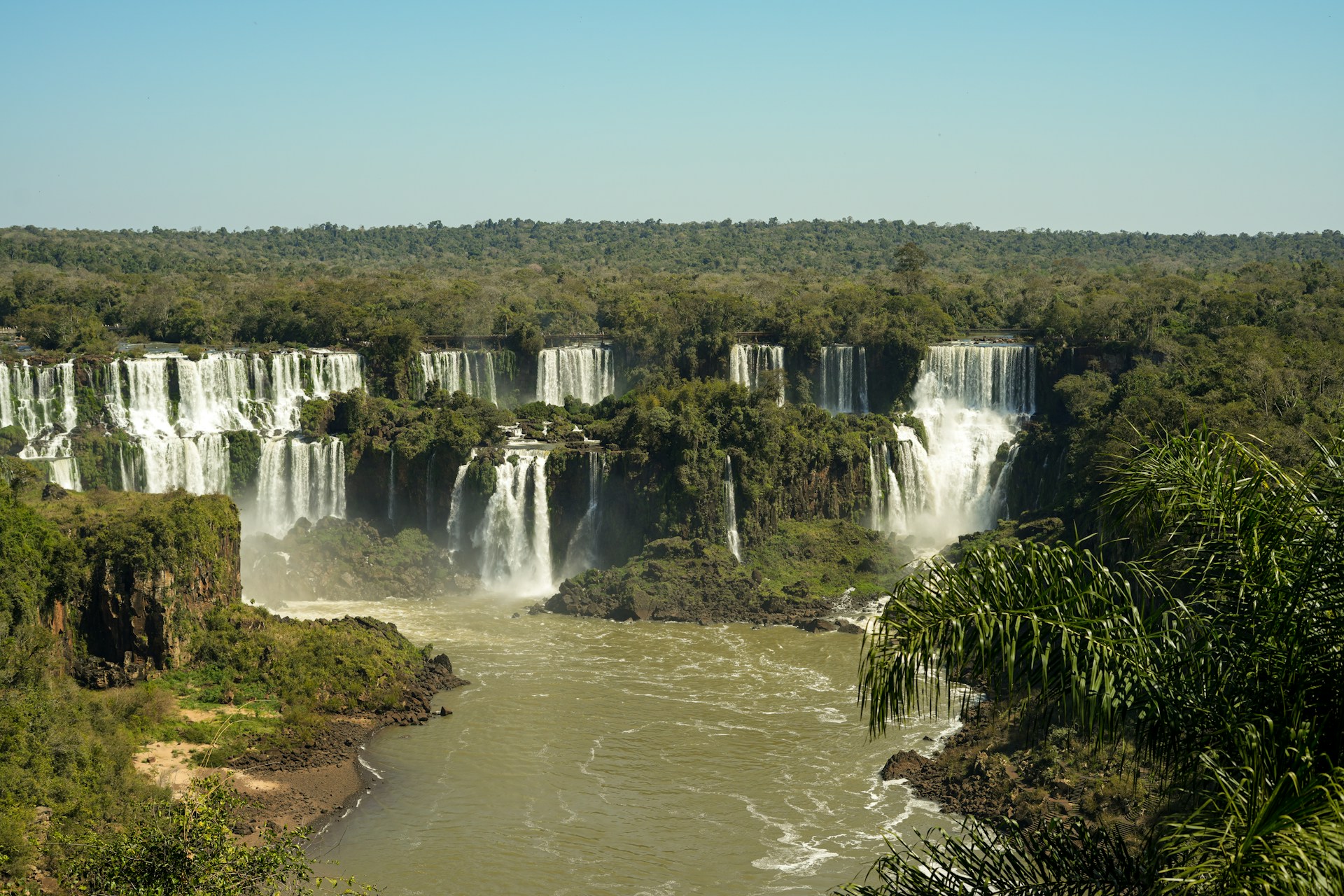
The Brazilian side was my favorite for understanding the sheer scale of the place. Instead of seeing one waterfall, I was looking across a vast system of cascades stretching through the rainforest, with mist hanging above them.
Then I reached the Devil's Throat. Walking out over the water toward that enormous U-shaped drop was easily the most exhilarating part of my visit.
The spray soaked me, the walkway seemed surrounded by rushing water, and eventually I stopped trying to keep anything dry and just enjoyed it.
I also loved how much wildlife there was around the park. Toucans and butterflies were a welcome bonus, while the extremely confident coatis were a reminder not to leave food unattended.
If you have time, I'd visit both countries. Brazil gives you the spectacular panorama, while the Argentine side brings you much closer to individual falls.
How Iguaçu Falls fits into your Brazil itinerary
I'd stay two nights in Foz do Iguaçu. That gives you a full day for the Brazilian side and enough flexibility to add the Argentine side without making your visit feel rushed.
Bring a waterproof phone pouch rather than relying on an umbrella. The spray around the major walkways can come from several directions, and you'll probably want your phone accessible for photos.
Rio de Janeiro
(pronounced: REE-oo deh zha-NAY-roo)
Rio de Janeiro at a glance
Southeastern Brazil
Beaches, landmarks, nightlife, scenery, and samba
4-5 nights
First-time visitors, beach lovers, culture and nightlife seekers
Energetic, outdoorsy, colorful and spectacular
May to October
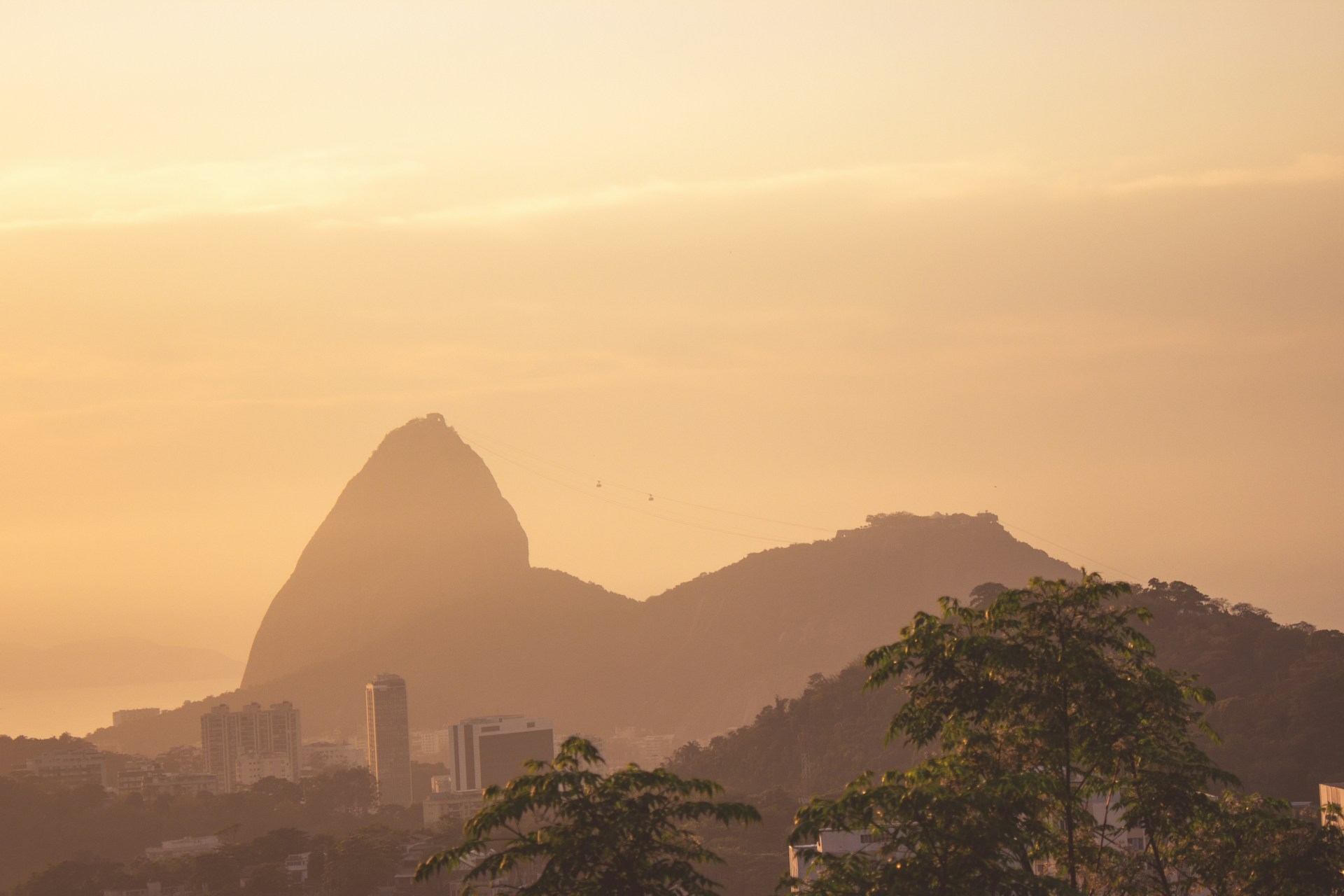
Rio de Janeiro has one of those skylines I could stare at for hours. Jungle-covered mountains rise almost vertically between neighborhoods and beaches, with the Atlantic wrapping around everything.
I understood immediately why this is the image of Brazil that travels around the world.
I loved the famous viewpoints, particularly taking the cable car up Sugarloaf and watching the city unfold below me.
Christ the Redeemer was inevitably busier, but standing beneath it and looking across Rio was still a moment I wouldn't have skipped.
Some of my best memories, though, happened at sea level. I spent time walking Copacabana and Ipanema, watching beach football, stopping for something cold to drink, and seeing how much everyday life happens outdoors here.
Rio's beaches felt less like attractions and more like enormous public living rooms.
After dark, I headed to Lapa for samba. Hearing the music in a crowded bar, rather than only associating it with Carnival, gave me a much better feel for how deeply it belongs to the city.
Four nights would be my minimum, although I'd happily stay longer.
How Rio de Janeiro fits into your Brazil itinerary
I'd give Rio four or five nights and make it an anchor for your Brazil itinerary. From here, Paraty is an easy next stop along the coast, while frequent flights connect Rio with destinations farther across this enormous country.
Don't try to visit Christ the Redeemer on a cloudy morning just because you've booked that day for sightseeing. Check the visibility before heading up Corcovado. Those famous views can disappear completely into the clouds.
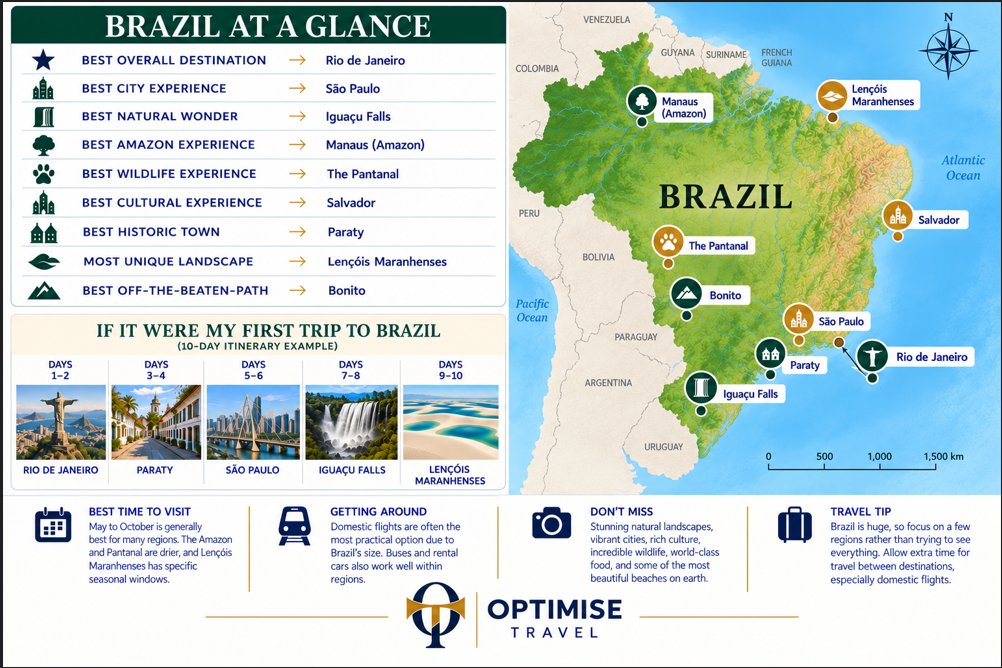
Brazil's size means itinerary planning is largely about choosing which regions to combine rather than trying to see everything.
With 10 days, I'd focus on a few major highlights. With 14 days, you have enough time to add the Amazon and experience a much broader cross-section of the country.
Brazil itinerary: 10 days
For a 10-day Brazil itinerary, I'd combine Rio de Janeiro, Iguaçu Falls, and São Paulo, with Paraty breaking up the journey between Brazil's two biggest cities.
Route: Rio de Janeiro → Paraty → São Paulo → Iguaçu Falls
| Days 1-4 | Day 5-6 | Day 7-8 | Days 9-10 |
|---|---|---|---|---|
Destination | Rio de Janeiro | Paraty | São Paulo | Iguaçu Falls |
Overnight | Rio de Janeiro | Paraty | São Paulo | Foz do Iguaçu or departure |
Why this route? It combines Brazil's most famous city with colonial history, beaches, food, nightlife, and one of the world's greatest natural attractions, while keeping travel relatively manageable.
Optional day trip: From Paraty, use one of your days for a boat trip around the islands and secluded beaches of the Costa Verde.
Brazil itinerary: 14 days
With two weeks, I'd go bigger. This 14-day Brazil itinerary brings together Rio and Iguaçu with Salvador and the Amazon, giving you four dramatically different parts of the country.
Route: Rio de Janeiro → Iguaçu Falls → Salvador → Manaus & the Amazon
Week 1 | Days 1-4 | Days 5-6 | Days 7-8 |
|---|---|---|---|
Destination | Rio de Janeiro | Iguaçu Falls | Salvador |
Overnight | Rio de Janeiro | Foz do Iguaçu | Salvador |
Week 2 | Days 9 | Days 10-13 | Days 14 |
|---|---|---|---|
Destination | Fly to Manaus | Amazon | Manaus |
Overnight | Manaus | Jungle lodge | Manaus or departure |
Why this route? This is the itinerary I'd choose for a first trip if you really want to appreciate Brazil's scale, combining Rio's beaches and city life, Iguaçu's waterfalls, Salvador's Afro-Brazilian culture, and several days deep in the Amazon.
Optional day trip: Use one of your days in Salvador to explore the beaches and coastal communities around the Bay of All Saints, or keep all three days in the city if food, music, and history are bigger priorities.
Why Brazil deserves a trip beyond Rio de Janeiro
Rio de Janeiro absolutely deserves its place on a Brazil itinerary, but some of my favorite experiences happened once I traveled beyond the country's most famous city.
I loved just how dramatically the scenery changed, from floating through crystal-clear rivers in Bonito and watching jaguars in the Pantanal to swimming between the dunes of Lençóis Maranhenses and experiencing the sheer scale of the Amazon.
The variety went far beyond nature. Salvador introduced me to a completely different side of Brazilian food, music, and Afro-Brazilian culture, while places like Paraty and São Paulo added colonial history, street art, and one of the best food scenes in South America.
If you're planning your first trip to Brazil, I wouldn't stop after Rio. Choose at least two other regions if you have the time, because that's when I really started to understand just how enormous and varied Brazil is.
FAQs about traveling to Brazil
The currency in Brazil is the Brazilian real (BRL). Cards are widely accepted in cities and tourist areas, but I'd still carry some cash for smaller businesses, markets, and more remote destinations.
Visa requirements depend on your nationality. Travelers should check Brazil's current entry requirements before booking, as visa rules can change and differ considerably depending on the passport you hold.
Millions of people travel safely through Brazil, but you do need to be more aware of your surroundings in some cities. I'd avoid displaying expensive belongings, use reputable transport at night, and ask your accommodation about any areas you should avoid locally.
Travel between major cities is relatively straightforward, but distances are huge, so domestic flights are often the most practical option. Within individual regions, buses, rental cars, boats, and organized transfers can all play a part.
Brazil primarily uses Type N electrical plugs, with two round pins or three round pins. The country uses 60Hz electricity, but voltage varies between 127V and 220V depending on the location, so check the voltage before plugging in your devices.
Portuguese is Brazil's official language. English isn't universally spoken, particularly outside major tourist areas, so I found knowing a few basic Portuguese phrases genuinely useful.
Ready to explore Brazil? Optimise Travel is here to help
Brazil is enormous and incredibly varied, and deciding how to divide your time between its cities, beaches, rainforest, wetlands, historic towns, and extraordinary natural landscapes can quickly become the hardest part of planning a trip.
At Optimise Travel, we create personalized travel itineraries based on your interests, travel style, and budget.
Whether you're dreaming of exploring Rio de Janeiro, venturing into the Amazon, seeing Iguaçu Falls, spotting jaguars in the Pantanal, swimming between the dunes of Lençóis Maranhenses, or experiencing the food and Afro-Brazilian culture of Salvador, we'll help you build an itinerary that makes the most of your time.
If you'd like help planning your trip to Brazil, click here to learn more about our concierge travel services.