

Ireland looks small enough that it is tempting to try to see the whole country in a week. My experience was the opposite: the more time I spent on the west coast, the less interested I became in treating Ireland like a checklist.
Some of my favourite memories came from the slower parts of the trip — taking coastal roads, hiking, spending time in smaller towns and stopping when a view or stretch of coastline caught my attention.
That experience is what shaped this seven-day route: two days in Dublin followed by Galway, Connemara, County Clare, Dingle and Killarney. Dublin provides the city experience at the beginning, while most of the week reflects the landscapes and road-trip pace I enjoyed most.
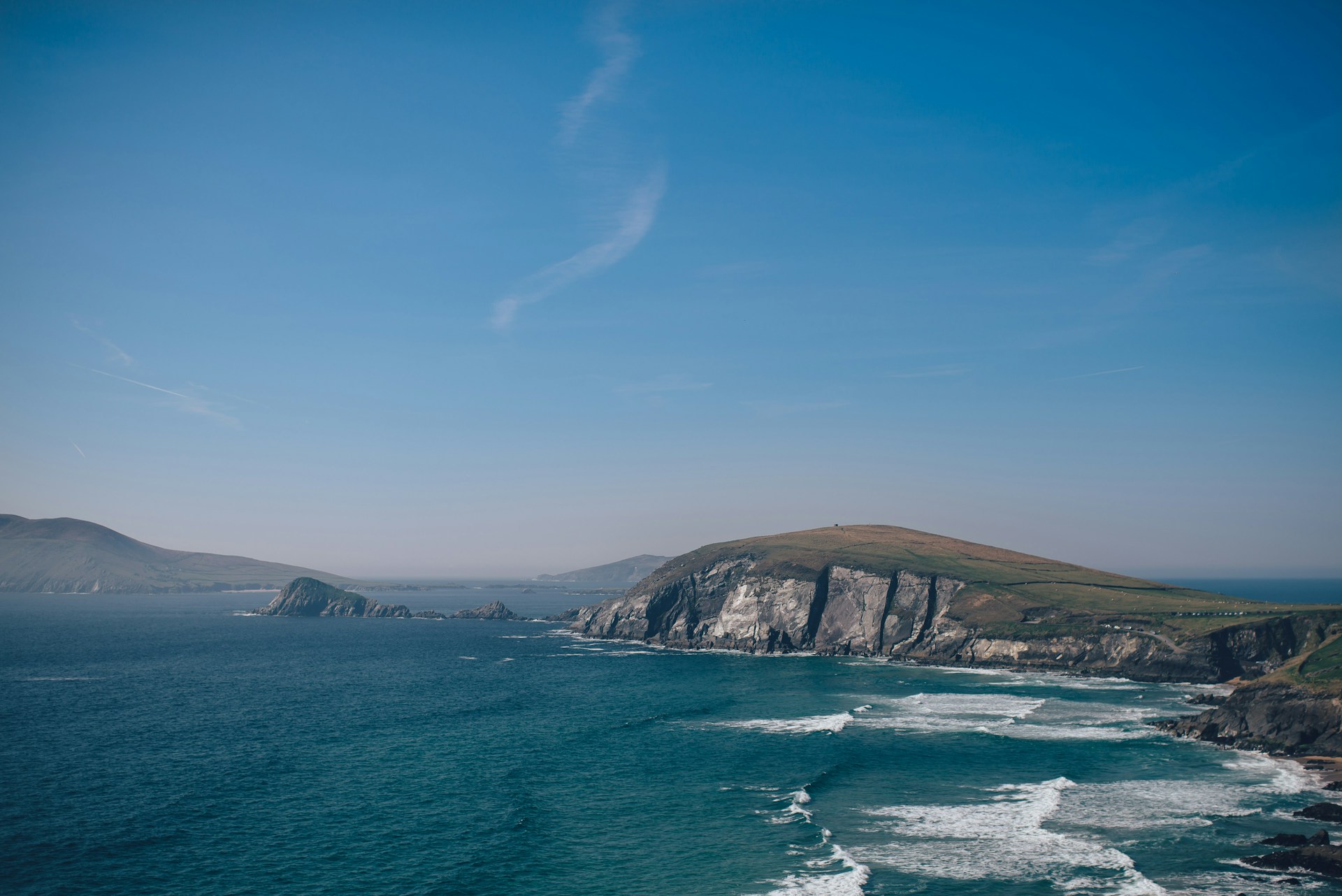
Panoramic view of Dingle cliff
My 7-Day Ireland Itinerary at a Glance
Route: Dublin → Galway → Connemara → The Burren → Cliffs of Moher → Dingle → Killarney & Ring of Kerry
Day | Route | Overnight |
|---|---|---|
1 | Dublin | Dublin |
2 | Dublin | Dublin |
3 | Dublin → Galway → Connemara | Galway |
4 | Galway → The Burren → Cliffs of Moher | County Clare |
5 | County Clare → Dingle | Dingle |
6 | Dingle Peninsula & Slea Head Drive | Dingle |
7 | Dingle → Killarney & Ring of Kerry | Killarney (or depart) |
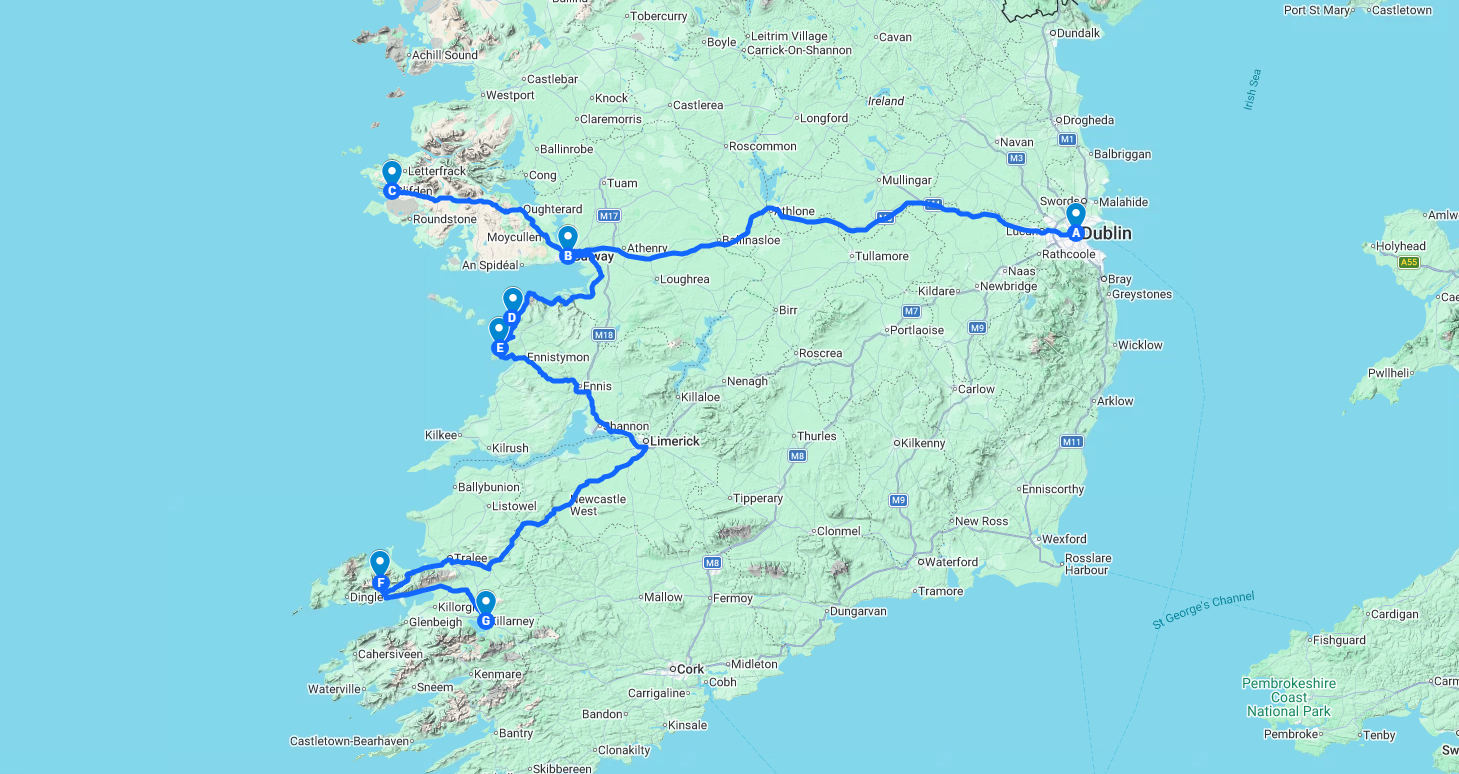
7-Day Ireland Itinerary Route
For me, the rental car only really became useful after Dublin.
Having a car changed the way I experienced the west. I could stop for a viewpoint, small village or stretch of coastline without building the whole day around a tour timetable.
That freedom ended up being one of the things I valued most about travelling through western Ireland.
The route reflects that experience. It leaves space for the places between the major attractions rather than trying to maximise how many sights fit into seven days.
Day 1: Dublin
Two days in Dublin felt like a good counterpoint to the rest of the trip. It gave me time to experience the capital without making it the dominant part of a week that, for me, became much more about western Ireland.
What I liked about starting here was the contrast. Dublin is compact, social and easy to explore on foot; a few days later the surroundings have changed completely to bog, mountains and exposed Atlantic coastline.
Much of central Dublin fits naturally into a day of walking. Trinity College, Dublin Castle, St Stephen’s Green and the streets around Temple Bar are all relatively close together, so the city never felt as though it needed an elaborate route.
The less structured time mattered as well. Walking without another timed attraction ahead and spending time in a pub gave Dublin more personality than simply moving through a list of landmarks.

Street scene at Temple Bar, Dublin showcasing local culture and architecture

The entrance of the historic Trinity College
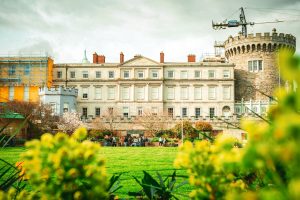
Dublin Castle surrounded by lush spring greenery and blossoms
What stood out on Day 1
Trying to combine those experiences with the Guinness Storehouse, Kilmainham Gaol and every major museum would have changed the pace completely. Having a second day meant Dublin felt like part of the trip rather than a stopover before the road trip began.
Stay: Dublin.
Day 2: A Full Day in Dublin
The second day gave me room to go a little deeper rather than simply continue collecting landmarks.
Dublin has enough variety that this day can look very different depending on what interests someone. Kilmainham Gaol adds much more historical context; the Guinness Storehouse represents another side of the city; museums, food and neighbourhoods can easily fill the time instead.
For me, the value of the second day was less about doubling the number of attractions and more about giving the city room to breathe.
The pub side of Dublin also made more sense once I stopped thinking of it as another attraction. Temple Bar is where many visitors naturally end up, but the atmosphere changes quickly beyond its busiest streets.
Stay: Dublin.
Day 3: Dublin to Galway and Connemara
This was where the trip started to resemble the Ireland I enjoyed most.
Once I had the rental car and was moving west, the journey became less about individual attractions and more about the landscape around them. Galway was enjoyable, but Connemara was what made this part of the trip memorable for me.
Galway
Galway worked well as a contrast to what came next.
The Latin Quarter, Quay Street and the area around the Spanish Arch are compact and easy to explore on foot. Spending some time there gave me a feel for the city before the surroundings changed dramatically farther west.
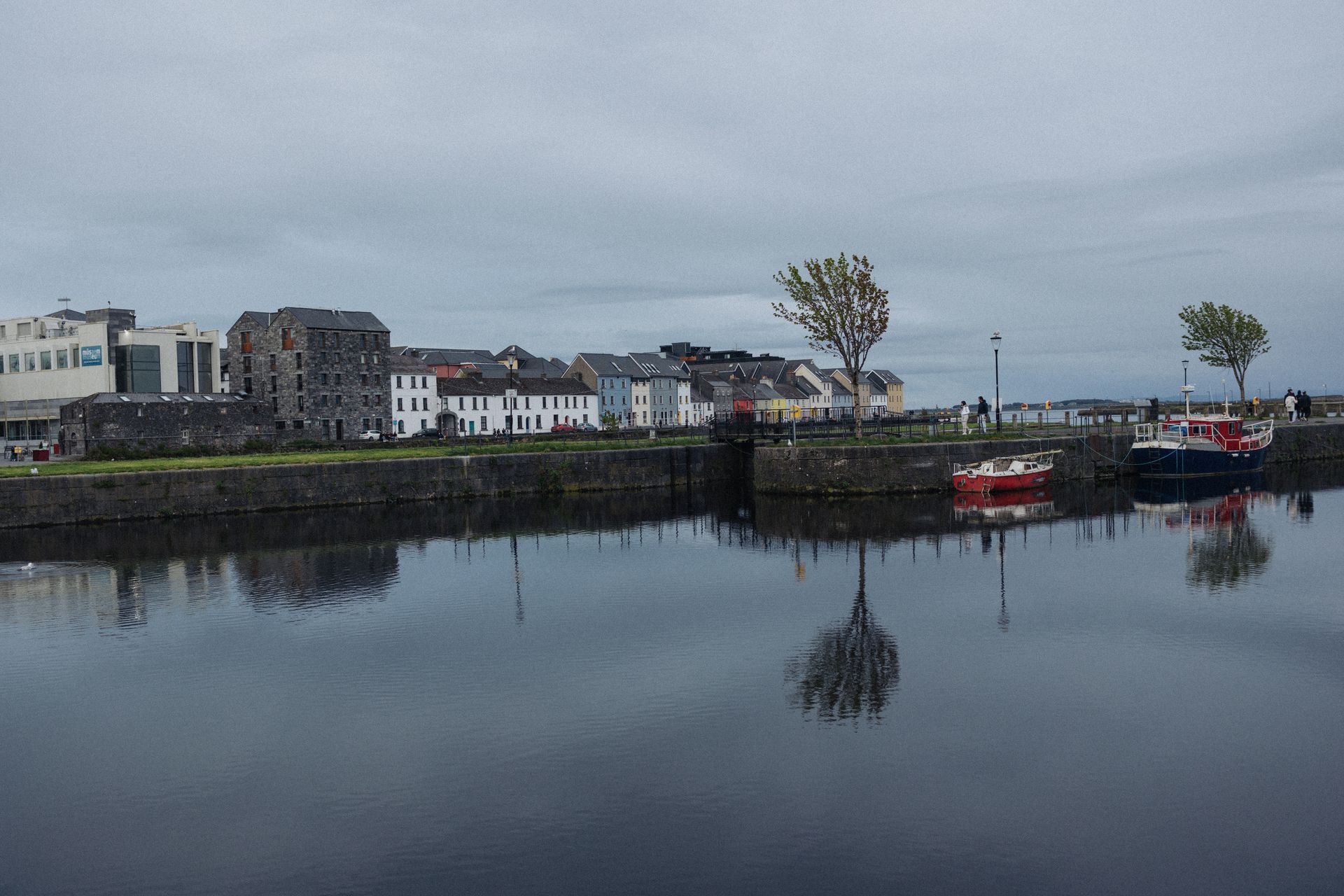
Harbor scene with colorful boats and historic buildings in Galway
Connemara
Connemara was one of the places that most influenced how I think about an Ireland road trip.
What stayed with me was not one specific attraction but the combination of mountains, bog, lakes and Atlantic coastline. It felt completely different from Dublin and Galway, and I was glad the landscape itself had room to become part of the day.
Diamond Hill is one way of experiencing that landscape on foot. Connemara National Park currently lists four marked trails, from a short woodland route to the Upper Diamond Hill trail. A full summit outing is roughly a 2.5-hour return from the visitor centre, depending on pace and conditions. (National Parks of Ireland)
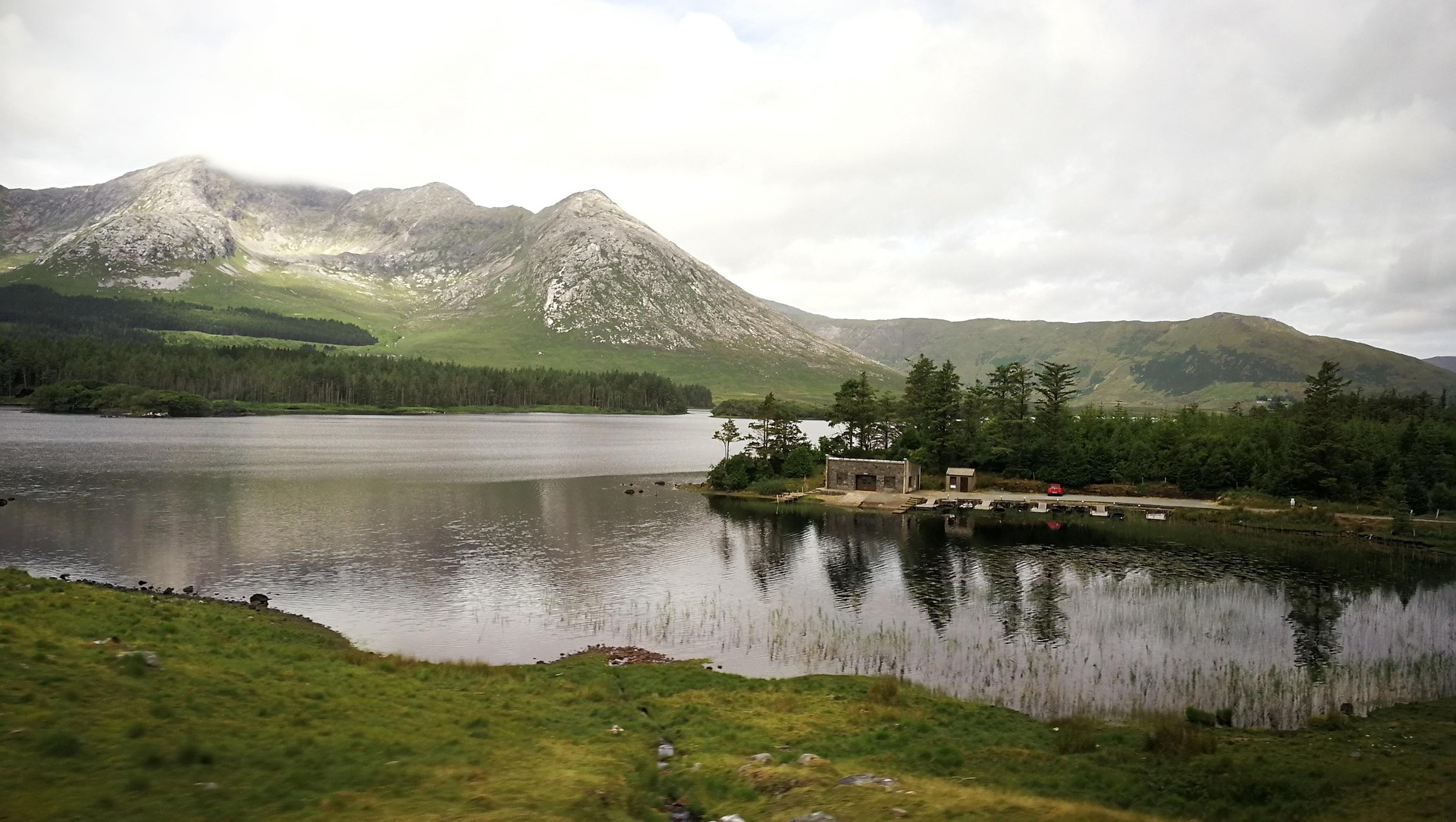
Tranquil lake with Connemara's green landscape and rocky mountains
The roads around Connemara were just as important to my impression of the region.
The Sky Road near Clifden is a 16km loop along the coast, with elevated views over Clifden Bay and the Atlantic. Roads like this are a big part of why having my own car added so much to the trip. (Discover Ireland)
Kylemore Abbey, Diamond Hill, Clifden and the Sky Road are all relatively close on a map, but experiencing the region changed my sense of how much needed to fit into one afternoon. Connemara was much more memorable when the landscape was allowed to be the main event rather than the space between stops.
Stay: Galway.
Day 4: The Burren and Cliffs of Moher
County Clare brought another noticeable change in scenery.
Before travelling in Ireland, I associated the country mainly with green fields and Atlantic coastline. The Burren challenged that image almost immediately: exposed limestone pavement, fissures, low vegetation and a much harsher-looking landscape.
That contrast was what made The Burren interesting to me. It did not feel like scenery to pass through on the way to the Cliffs of Moher; it felt like a distinct part of the west coast experience.
The Burren National Park and wider geopark have several walking options across the limestone landscape. Discover Ireland highlights routes such as the Lough Avalla Farm Loop and Carran Loop, while the region’s unusual flora adds another layer to a landscape that can initially look almost bare. (Discover Ireland)
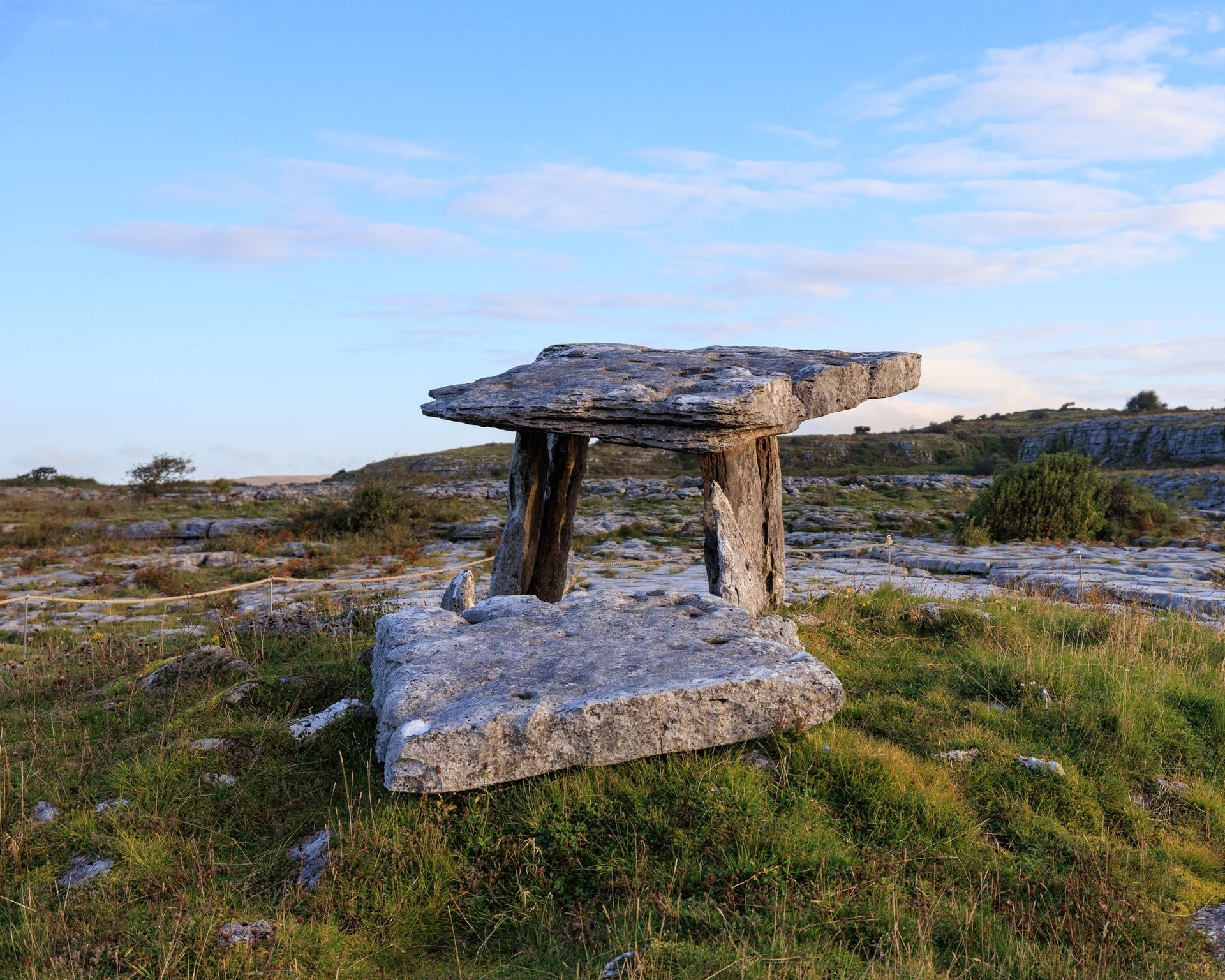
Poulnabrone Dolmen and limestone pavement in The Burren region
The Cliffs of Moher felt completely different again.
They are one of Ireland’s most famous sights, but their scale and exposure to the Atlantic made them feel much more substantial than a normal scenic viewpoint.
The experience is also unusually dependent on conditions. The official Cliffs of Moher guidance notes that weather can change rapidly, with fog, strong winds and closures all possible. It identifies 11am–4pm as the busiest period and recommends at least two hours for a normal visit. (Cliffs of Moher)
That unpredictability reinforced something I was already finding elsewhere on the west coast: flexibility mattered more to me than a tightly timed schedule.
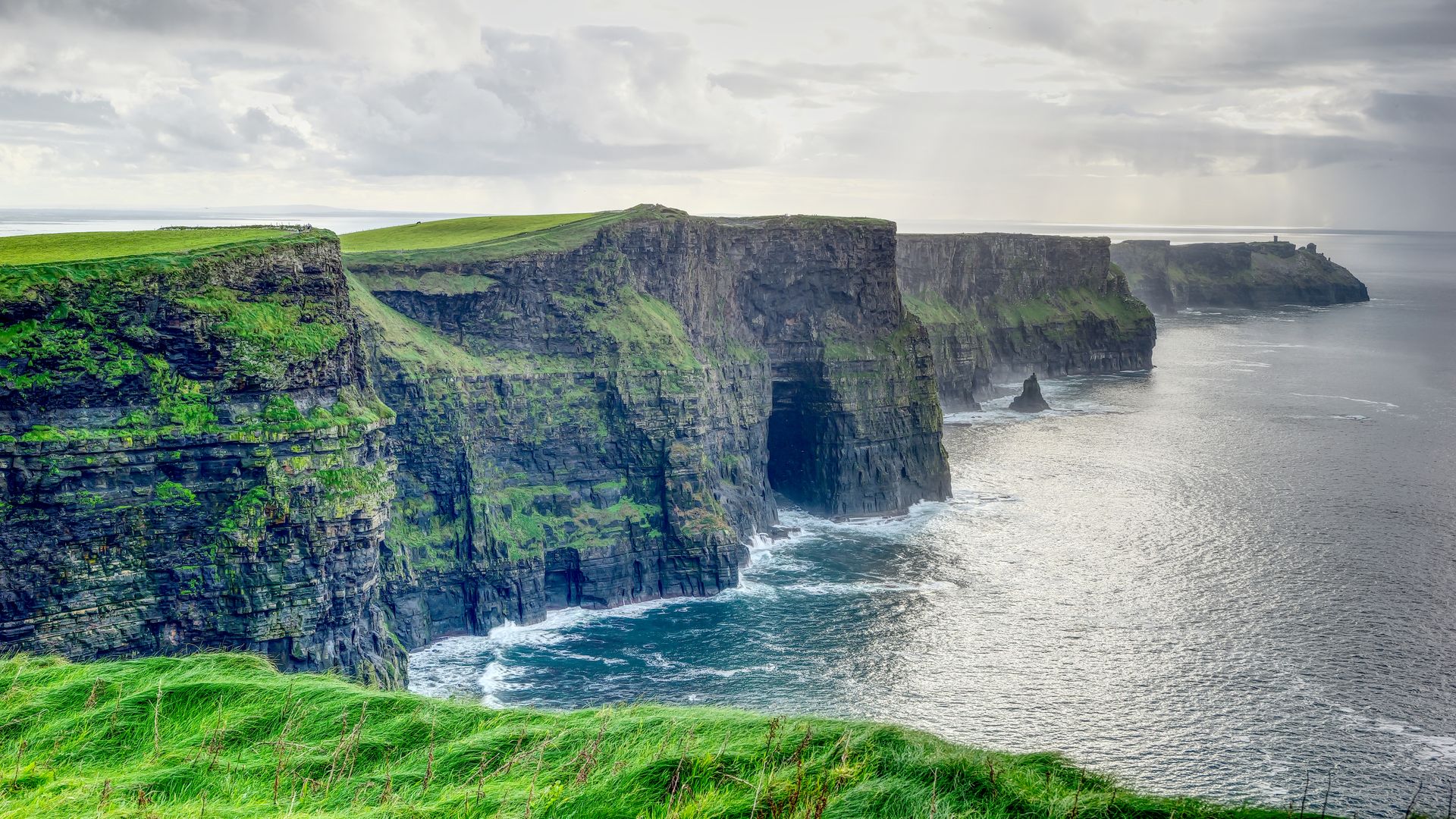
Panoramic view of the Cliffs of Moher
At the time of writing, sections of the wider Cliffs of Moher Coastal Walk remain closed for safety reasons. Anyone planning a longer walk beyond the official visitor paths will need to check the live status. (Cliffs of Moher)
After a day split between The Burren and the cliffs, County Clare made a natural overnight point rather than turning the evening into another long drive south.
Stay: County Clare.
Day 5: County Clare to Dingle
This ended up feeling much more like a road-trip day than a transfer day.
That distinction became increasingly important as I travelled through western Ireland.
The distances on the map can look modest, but driving here changed my perception of them. Once the roads narrowed and the coastline became more dramatic, the journey itself became part of the reason for travelling. Moving quickly from one named attraction to another felt less important.
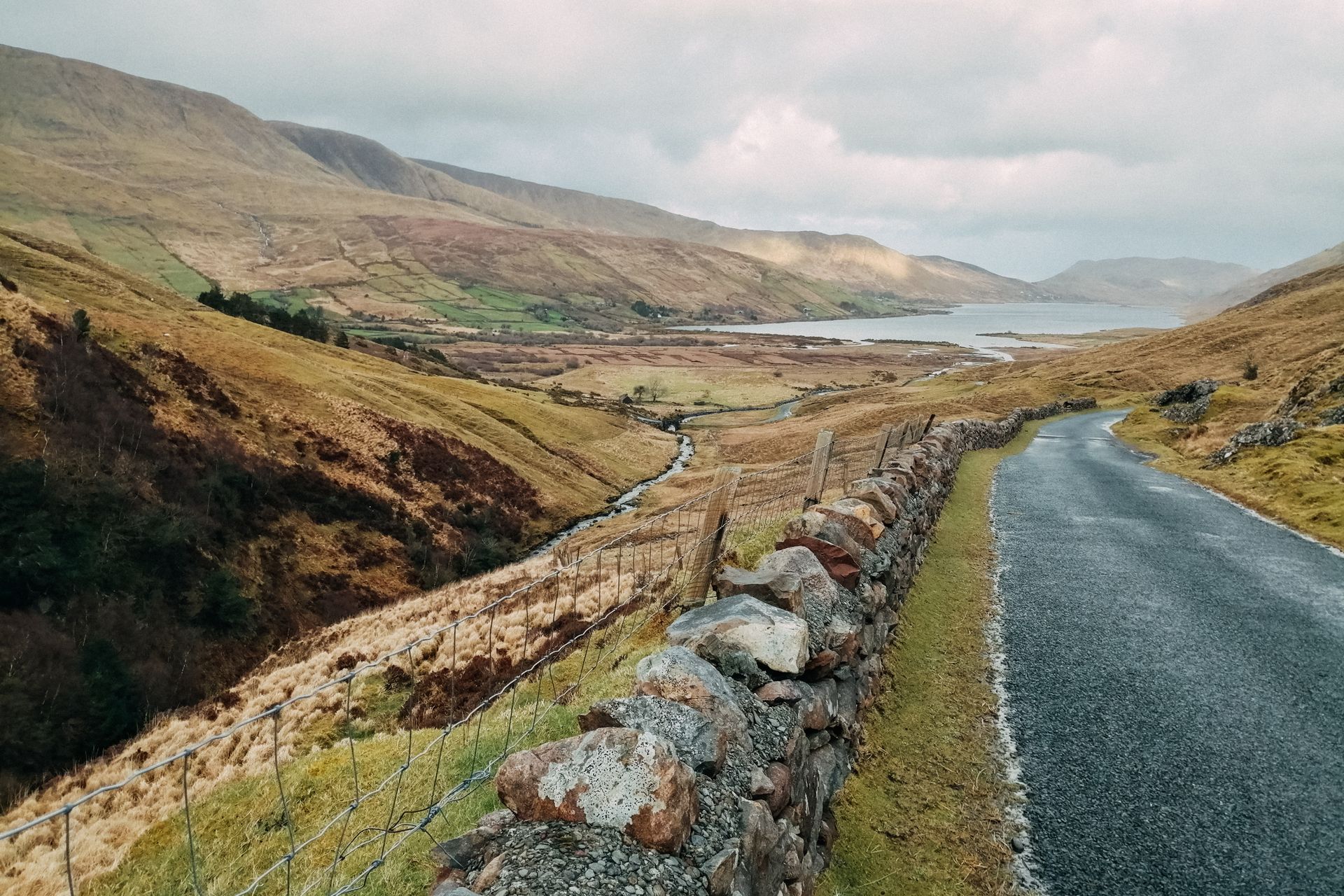
Winding road, stone fence, and expansive mountains in County Galway
Arriving in Dingle with some of the day still left also changed how I experienced the town.
Rather than treating Dingle simply as the starting point for the peninsula drive, having an evening there allowed the harbour, town, dinner and pub atmosphere to become part of the trip in their own right.
It was another example of why the overnight stops mattered as much as the headline sights.
Stay: Dingle.
Day 6: Dingle Peninsula and Slea Head Drive
The Dingle Peninsula probably best captures why I stopped thinking about Ireland in terms of how much ground I could cover.
Slea Head Drive is only about 48km, but that distance says very little about the experience.
Discover Ireland describes the road as a roughly 48km circuit around the western end of the Dingle Peninsula, passing beaches, historic sites, villages and Atlantic viewpoints. The road is narrow in places, and there are constant reasons to stop. (Discover Ireland)
That style of travelling — driving for a while, stopping, walking, then changing plans because something looked interesting — was exactly what I had come to enjoy elsewhere on the west coast.
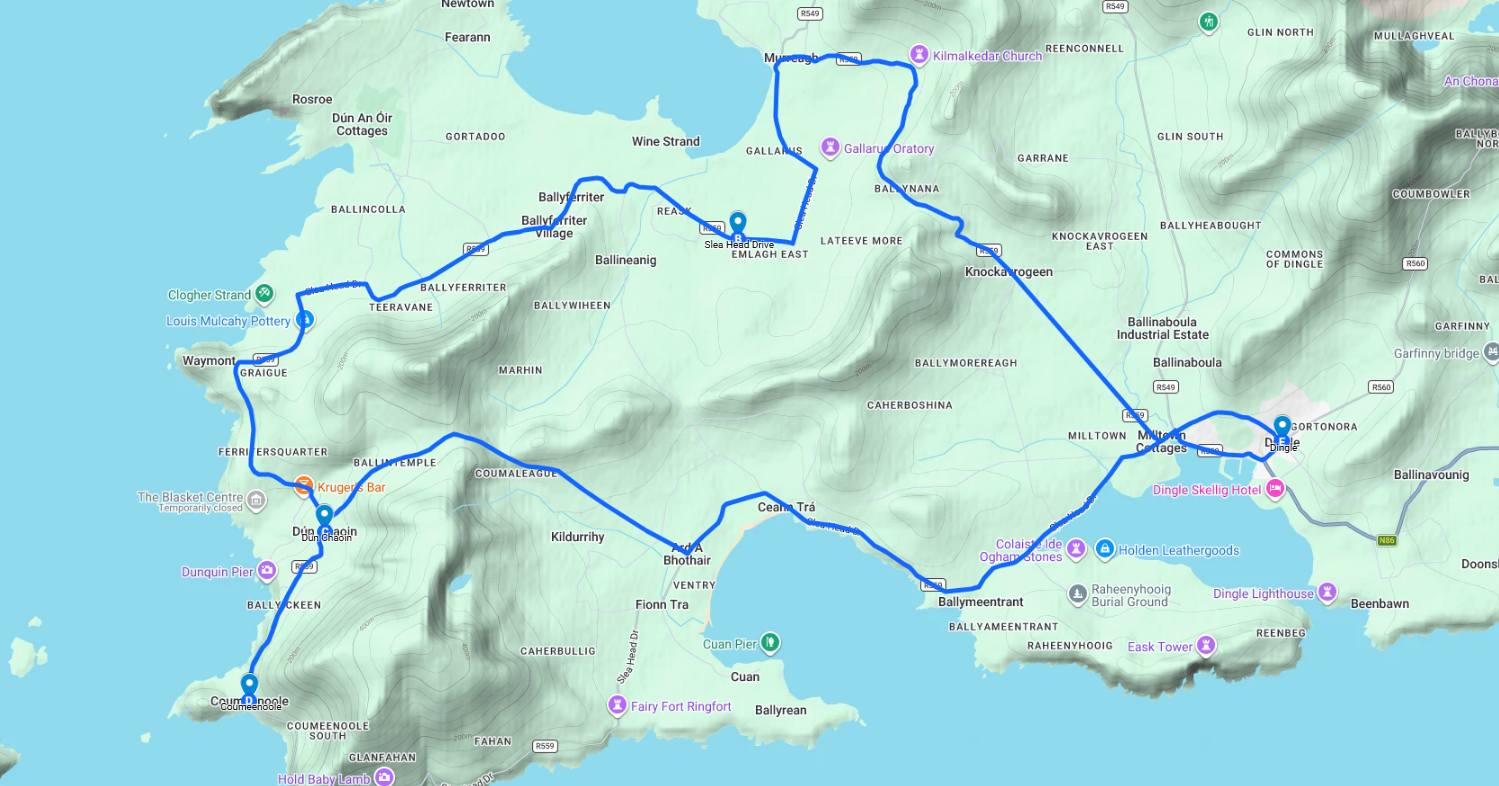
Map of Dingle Peninsula
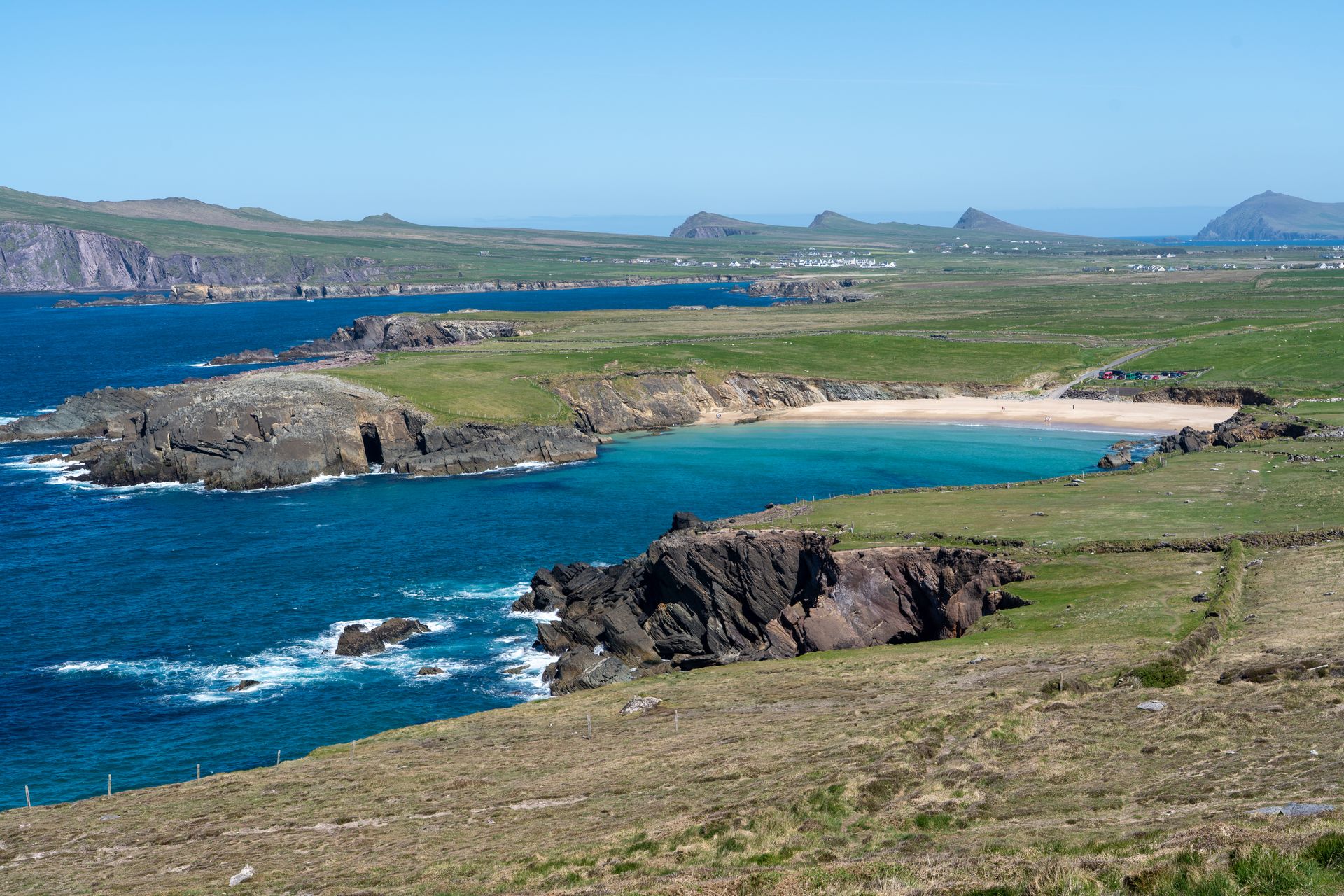
A viewpoint that looks ordinary on a map can easily become somewhere worth lingering. Weather can transform a dull-looking stretch of coast, and a short walk can suddenly become more appealing than whatever was supposed to come next.
That was one of the recurring lessons of travelling western Ireland for me: many of the moments I liked most were the ones I could not have scheduled particularly well in advance.
Returning to Dingle for a second night also meant the day did not end with another hotel change.
Stay: Dingle.
Day 7: Dingle to Killarney and the Ring of Kerry
By the final day, I was comfortable with the idea that part of Ireland would simply have to remain for another trip.
Killarney National Park alone contains lakes, mountains and woodland across roughly 10,000 hectares, while the Ring of Kerry continues around the Iveragh Peninsula. (Discover Ireland)
Seeing the scale of the region made it obvious why combining a complete Ring of Kerry circuit, meaningful time in Killarney and a same-day return to Dublin would change the character of the trip completely.
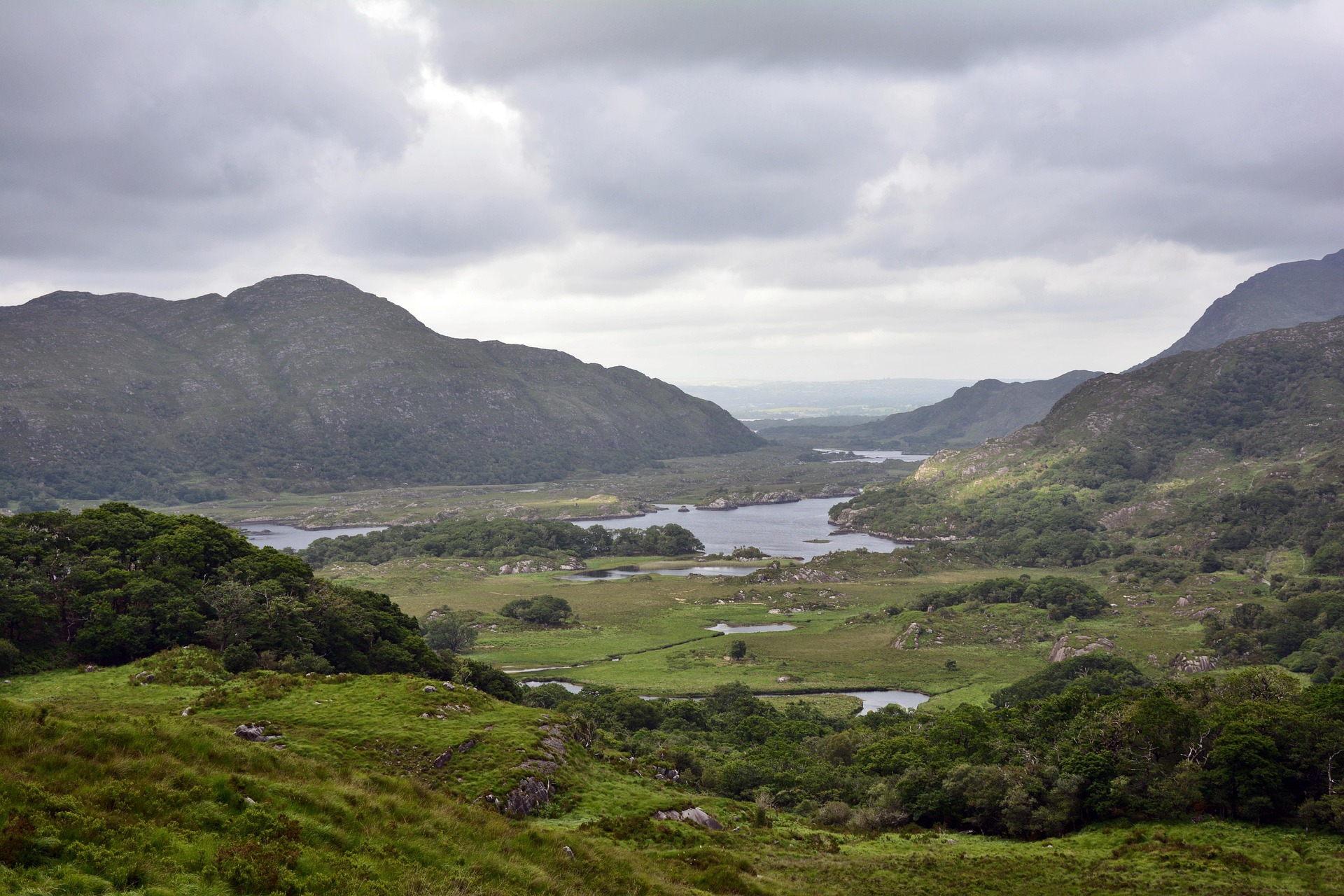
Panoramic view over Killarney National Park in Ireland with lakes and mountains
I came to see Killarney and the Ring of Kerry less as something that needed to be completed and more as the beginning of another region.
That is also why Dingle became the focus of the Kerry portion of this seven-day route. A full day of stops, changing weather and coastline gave me a much stronger sense of the peninsula than trying to claim both Dingle and the entire Ring of Kerry in the same short trip.
The practical ending depends on what comes after Day 7. An extra night leaves much more scope for Killarney and the Ring of Kerry; a flight from Dublin naturally makes the journey east part of the final day.
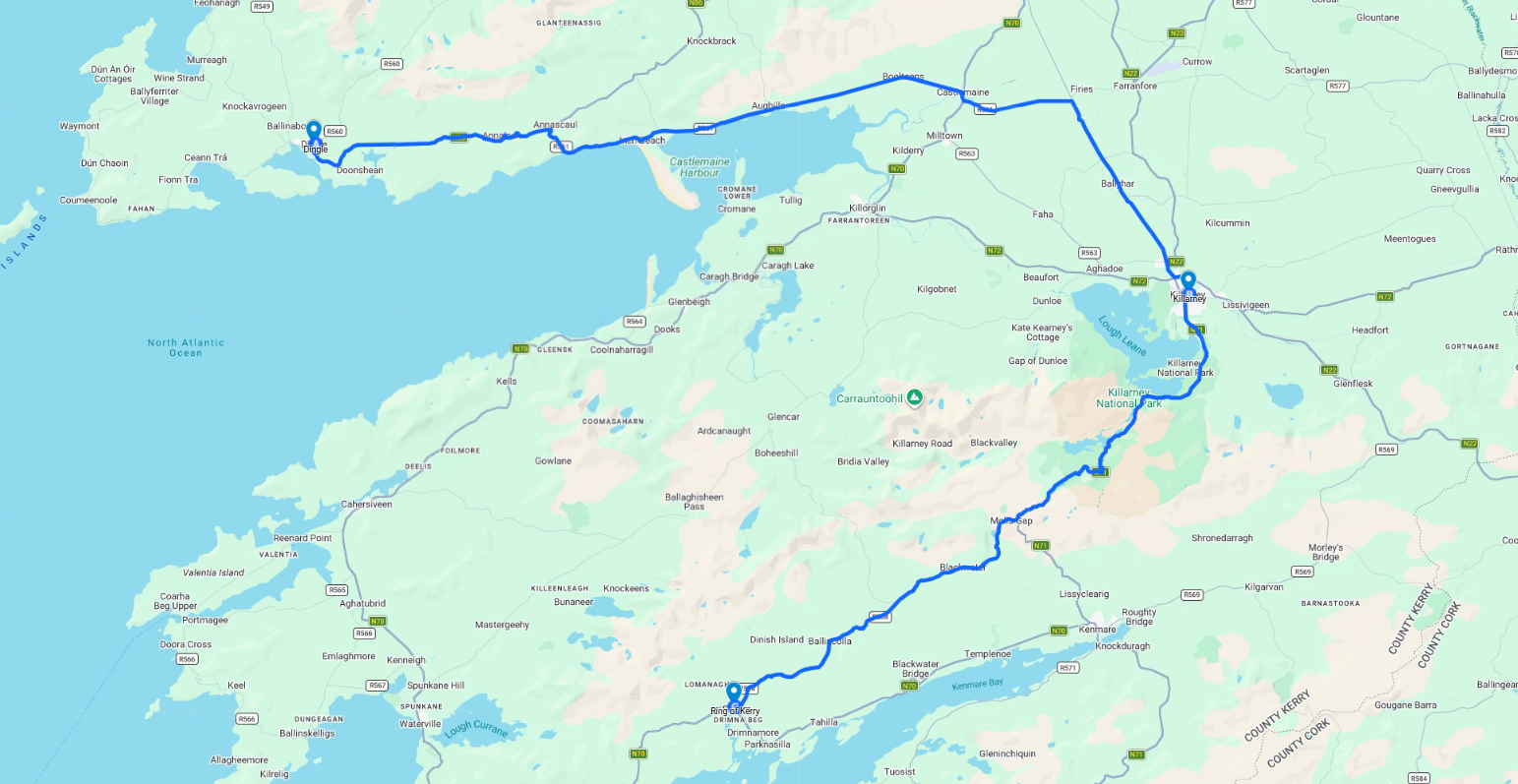
Small map of Dingle to Killarney and Ring of Kerry
Stay: Killarney, Dublin Airport area, or depart depending on your onward plans.
What Having a Car Changed for Me
Dublin was the part of the trip where I had little need for a car. Once I moved west, it became central to the experience.
The biggest difference was not simply reaching places that are awkward by public transport. It was having control over the pace of the day.
I could stop for a viewpoint, pull into a small town, take a slower coastal road or spend longer somewhere because the weather improved.
Connemara, The Burren and Dingle were all better suited to that kind of flexibility.
Rural driving also became part of my impression of Ireland. The country drives on the left, and many smaller roads are much narrower than the roads visitors from North America or continental Europe may be used to. On the peninsulas and coastal routes, the road often felt like part of the experience rather than dead time between attractions.
How Much Driving Felt Like Enough in 7 Days
The route I would happily repeat is Dublin → Galway → Connemara → Clare → Dingle → Killarney.
Looking at Ireland on a map makes it very easy to imagine adding Cork, Waterford or Belfast. Travelling through it made me feel differently.
The Ireland I enjoyed most did not come from covering distance quickly.
Those experiences are much harder to have when every night depends on reaching somewhere several hours farther down the road.
Have You Seen Our Travel Concierge Service?
Your trip, planned by local experts
We are not a travel agent - we design custom itineraries around your budget and style, without receiving commissions or booking fees.
Custom itinerary
Built around your dates, budget, and travel style.
Local expert knowledge
Recommendations from people on the ground, not review sites.
Travel smarter, spend less
We optimise for your budget to make your money go further.
What I Left Out of This 7-Day Ireland Itinerary
Quite a lot — and my experience of the west coast made me increasingly comfortable with that.
Northern Ireland, Cork and a complete Ring of Kerry circuit all make sense in other versions of an Ireland trip. They are absent here because adding them would change the pace that I enjoyed most.
Ireland worked for me because the places felt so different from one another.
Dublin did not need to compete with Connemara. Connemara did not need to compete with Dingle. The Burren did not need to become a photo stop between Galway and the Cliffs of Moher.
The country may be relatively small, but travelling through it made me appreciate how much better these places felt when I stopped treating that as an invitation to see all of them at once.
Who This Ireland Itinerary Reflects Best
This route reflects the parts of Ireland I valued most: the contrast between Dublin and the west, mountains and hiking, Atlantic coastline, smaller towns, scenic driving and the freedom to stop along the way.
It is much closer to a road trip than a sequence of city breaks.
Someone whose main interest is Irish cities could reasonably build a very different week. It is also physically possible to cover much more of the island in seven days.
My own experience simply left me with very little desire to do that. The slower parts of the trip were the parts I would most want to repeat.