

Over the years, I've been lucky enough to explore many corners of Portugal, from the colorful streets of Porto and Lisbon to quiet medieval towns, dramatic coastlines, and vineyard-covered valleys that most travelers never see.
This list brings together the 15 places that have left the biggest impression on me. Some are famous, others are easy to overlook, but every one of them offers something that makes Portugal such an unforgettable place to visit.
Have You Seen Our Travel Concierge Service?
Your trip, planned by local experts
We are not a travel agent - we design custom itineraries around your budget and style, without receiving commissions or booking fees.
Custom itinerary
Built around your dates, budget, and travel style.
Local expert knowledge
Recommendations from people on the ground, not review sites.
Travel smarter, spend less
We optimise for your budget to make your money go further.
Óbidos
(pronounced: OH-bee-doosh)
Óbidos at a glance
Central Portugal, approximately 1 hour north of Lisbon
History lovers, photographers, couples, day-trippers
Half day to 1 night
First-time Portugal visitors, culture enthusiasts
Medieval, romantic, and wonderfully preserved
Spring and fall for pleasant temperatures and fewer crowds
$$
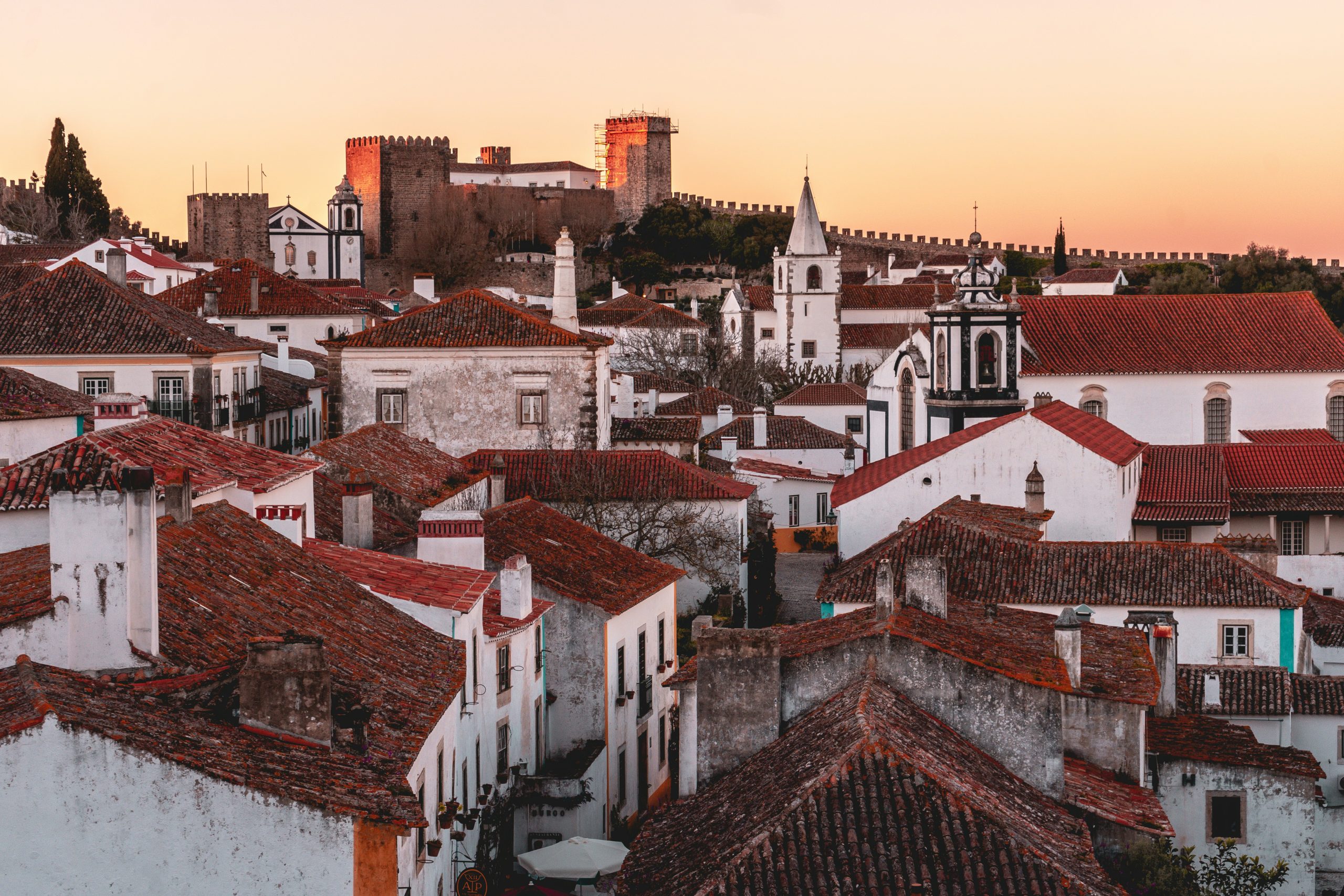
Óbidos is one of those places that immediately made me feel like I'd stepped back in time. Surrounded by medieval walls and crowned by a hilltop castle, this remarkably well-preserved town looks much the same as it did hundreds of years ago.
Located just an hour north of Lisbon, it's often visited as a day trip, but I think it's even better as an overnight stay.
Once the tour buses leave, the atmosphere changes completely. The narrow cobblestone streets become quieter, and it's much easier to appreciate the character of the town.
One of my favorite things to do here is walk the castle walls. From above, I loved looking out across the orange-tiled rooftops and the surrounding countryside.
Back at street level, I found myself constantly slowing down, wandering past whitewashed houses trimmed in bright blues and yellows, browsing small shops, and exploring flower-filled alleyways.
What I love most about Óbidos is that it's small. You can walk across the historic center in about 20 minutes, but that's exactly what makes it special. It isn't trying to compete with Lisbon or Porto.
Instead, it delivers one of the most authentic and atmospheric medieval experiences you'll find anywhere in Portugal.
How Óbidos fits into your Portugal itinerary
Óbidos works perfectly as a stop between Lisbon and Porto, or as part of a broader exploration of central Portugal.
If you're spending several days around Lisbon, I think Óbidos pairs especially well with nearby Nazaré, Peniche, or the fairy-tale palaces of Sintra.
Tavira
(pronounced: tah-VEE-rah)
Tavira at a glance
Eastern Algarve, near the Spanish border
Beach lovers, couples, culture seekers
2-3 nights
Travelers seeking a quieter Algarve experience
Relaxed, authentic, and charming
April-June and September-October
$$-$$$
If you want to experience the Algarve without the crowds of Lagos or Albufeira, I think Tavira is one of the best places to base yourself.
Located in the eastern Algarve near the Spanish border, it feels like a quieter, more traditional side of southern Portugal that many visitors completely overlook.
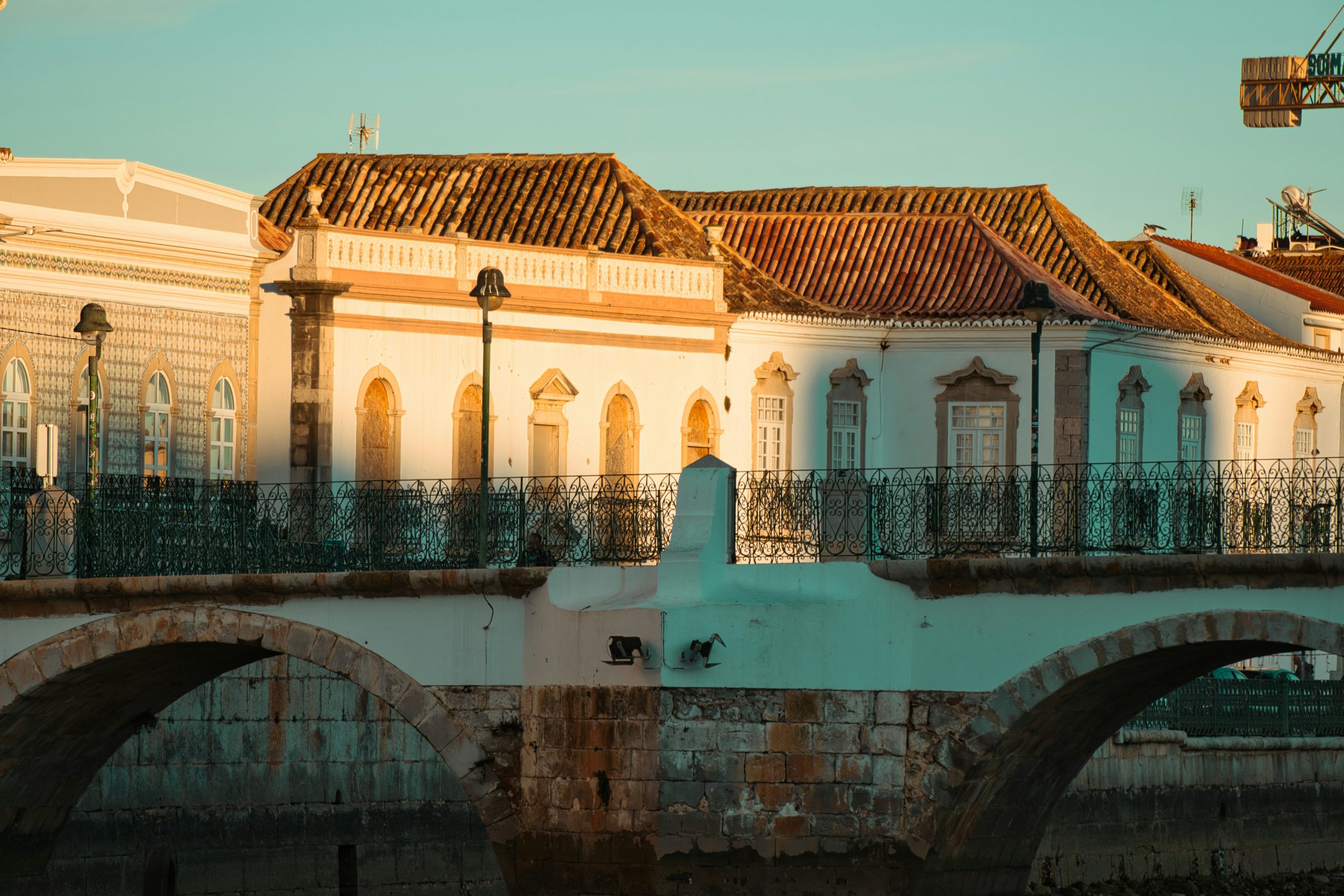
What struck me most about Tavira is how authentic it feels. The Gilão River flows through the center of town, crossed by the famous Roman Bridge, while whitewashed buildings, tiled facades, and narrow streets create a distinctly Portuguese atmosphere. It feels far removed from the large resorts and busy nightlife that define parts of the central Algarve.
One thing I love about Tavira is that it rewards slow exploration. As I wandered through town, I kept noticing church towers rising above the rooftops. There are more than 30 churches here, and while you certainly don't need to visit them all, they give Tavira one of the most distinctive skylines in the Algarve.
The beaches are another reason I think Tavira stands out. A short ferry ride takes you to Tavira Island, where you'll find long stretches of golden sand, calm Atlantic waters, and noticeably fewer crowds than many of the Algarve's more famous beach towns.
It's the kind of destination that combines history, culture, and beach time without ever feeling rushed.
How Tavira fits into your Portugal itinerary
Tavira works best as part of a broader Algarve itinerary. If you're exploring southern Portugal, I think it pairs particularly well with Faro, Olhão, and the beaches of the eastern Algarve before continuing west toward Lagos and Sagres.
Guimarães
(pronounced: ghee-mah-RAYNSH)
Guimarães at a glance
Northern Portugal, approximately 1 hour from Porto
History lovers, culture seekers, photographers
1-2 nights
Travelers interested in Portuguese history and heritage
Historic, authentic, and proudly Portuguese
Spring and fall
$$
When people call Guimarães the birthplace of Portugal, they're not exaggerating. Portugal's first king, Afonso I of Portugal, was born here in the 12th century, and as I wandered through the historic center, I couldn't shake the feeling that parts of the city hadn't changed much since.
Located about an hour from Porto, Guimarães is often visited as a day trip, but I think it deserves much more time than that.
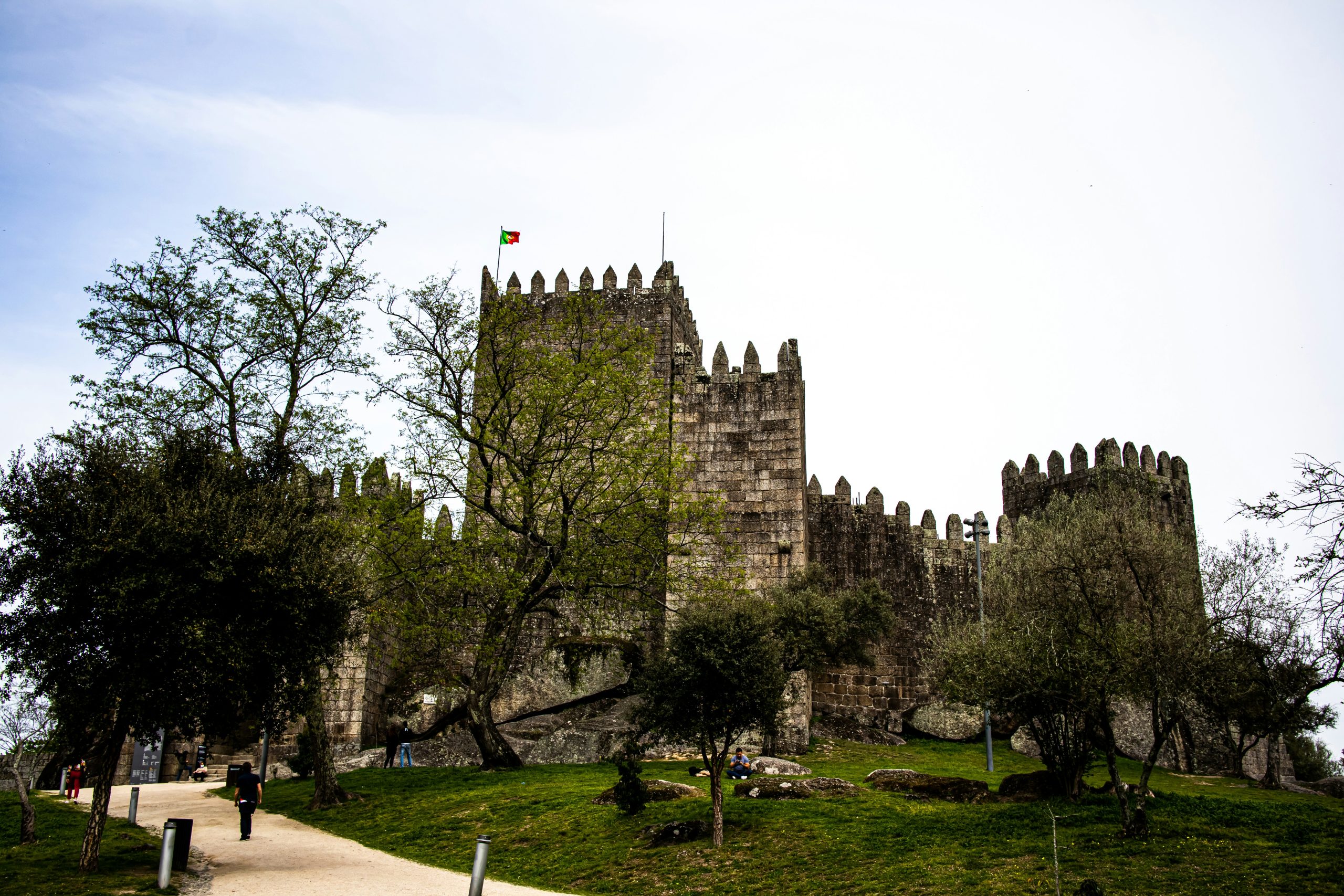
Between the medieval castle, the impressive palace, and the beautifully preserved old town, I could easily spend a couple of days exploring its streets and soaking up the atmosphere.
What I love most about Guimarães is how authentic it feels. The UNESCO-listed historic center is filled with stone streets, traditional Portuguese architecture, lively squares, and centuries of history around every corner.
Climbing up to the castle was a highlight for me, not only because of its historical significance, but also for the views across the city and surrounding countryside.
Compared to Porto or Lisbon, Guimarães feels quieter and less polished, but that's exactly its charm. It offers a glimpse into Portugal's past while still feeling like a living, working city rather than an open-air museum.
How Guimarães fits into your Portugal itinerary
Guimarães pairs perfectly with Porto and Portugal's northern regions. If you're spending several days in northern Portugal, I think it's one of the most rewarding side trips you can make, whether as a day trip or an overnight stop.
Comporta
(pronounced: kom-POR-tah)

Comporta at a glance
Alentejo Coast, approximately 1 hour south of Lisbon
Beach lovers, couples, luxury travelers
2-3 nights
Travelers seeking a quieter, upscale beach escape
Relaxed, stylish, and unspoiled
May-June and September-October
$$$
If I had to describe Comporta in one sentence, I'd call it Portugal's answer to the Hamptons.
It's upscale without feeling flashy, beautiful without trying too hard, and one of the most relaxing beach destinations I've come across in the country.
Located about an hour south of Lisbon, Comporta feels worlds away from the city. The beaches stretch for miles, backed by dunes, pine forests, and some of the softest white sand you'll find in Portugal.
The Atlantic here feels wild and untouched, and even during the busier months, it's often possible to find plenty of space to yourself.
What makes Comporta truly memorable for me, though, is the wildlife.
The first time I saw the region's famous wild horses wandering through the rice paddies and near the dunes, I was completely mesmerized. It's one of those unexpected travel moments that sticks with you long after the trip is over.
The town itself remains deliberately low-key. There are no towering resorts, crowded promenades, or flashy attractions. Instead, you'll find excellent seafood restaurants, boutique hotels, and a slower pace of life that feels increasingly rare in Europe.
How Comporta fits into your Portugal itinerary
Comporta works perfectly as a beach escape from Lisbon or as a relaxing stop before exploring the Alentejo region. If you're looking for a quieter alternative to the Algarve, I think Comporta is one of the best choices in Portugal.
Évora
(pronounced: EH-voh-rah)
Évora at a glance
Alentejo Region, approximately 90 minutes east of Lisbon
History lovers, foodies, wine enthusiasts
1-2 nights
Travelers seeking authentic inland Portugal
Historic, relaxed, and distinctly Portuguese
Spring and fall
$$
Évora is one of those places that made me slow down almost immediately.
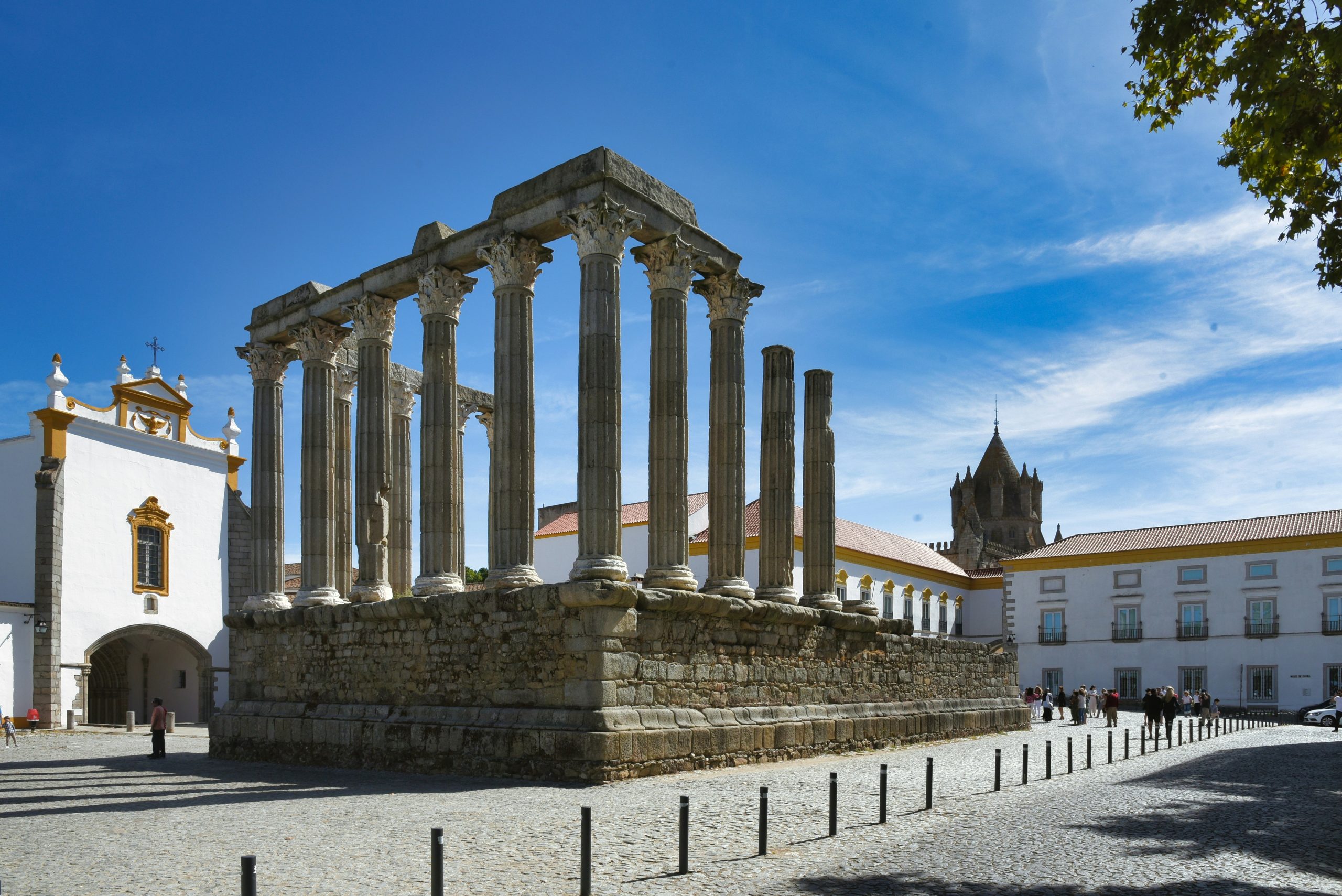
Located in the heart of the Alentejo region, about 90 minutes east of Lisbon, it's one of Portugal's best-preserved historic cities and a destination that feels completely different from the country's more famous coastal hotspots.
The city's biggest attraction is the remarkably preserved Roman Temple, which has stood here for nearly 2,000 years.
Seeing ancient Roman ruins rising above the town is one of those moments that reminds me just how much history Portugal has packed into a relatively small country.
Beyond the temple, what I love most about Évora is the atmosphere. The UNESCO-listed old town is filled with narrow streets, whitewashed buildings, small squares, and centuries-old churches.
I found myself constantly stopping to admire the architecture, then settling into a café with no real agenda other than soaking it all in.
The surrounding Alentejo countryside is equally appealing. Cork forests, vineyards, olive groves, and rolling hills stretch in every direction, creating a landscape that feels a world away from the busy beaches of the Algarve.
How Évora fits into your Portugal itinerary
If you're looking to experience Portugal beyond Lisbon, Porto, and the Algarve, I think Évora is one of the best places to do it. It works perfectly as an overnight trip from Lisbon or as part of a broader journey through the Alentejo region.
Nazaré
(pronounced: nah-zah-REH)
Nazaré at a glance
Central Portugal, approximately 90 minutes north of Lisbon
Beach lovers, surfers, photographers
1-2 nights
Travelers seeking a mix of coastal scenery and local culture
Dramatic, authentic, and energetic
Summer for beaches, winter for giant waves
$$
You've probably seen Nazaré online before, even if you didn't realize it at the time.
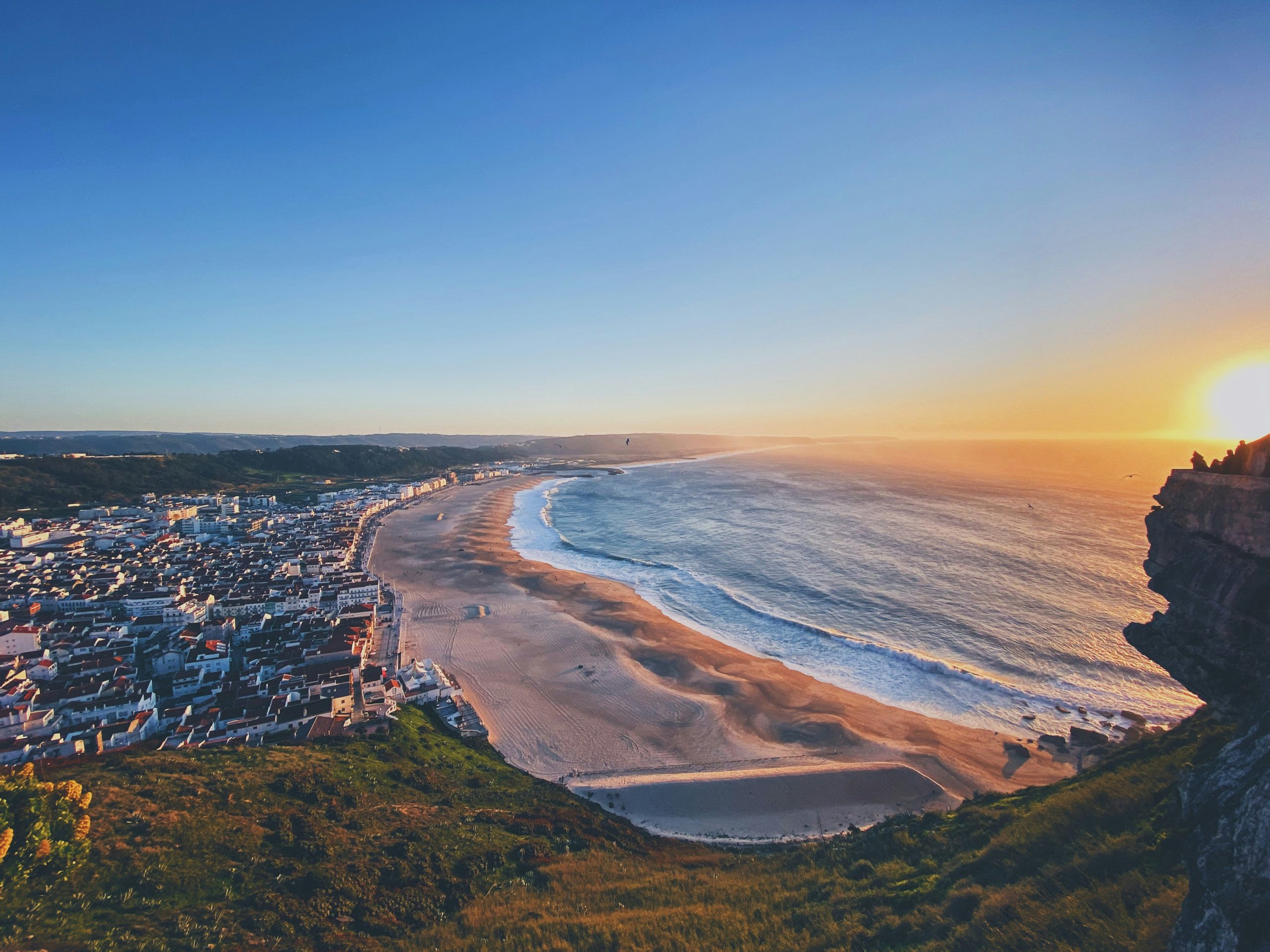
This coastal town has become famous for producing some of the biggest surfable waves on the planet, with professional surfers arriving every winter to take on waves that can tower higher than buildings.
What surprised me most, though, is that Nazaré is much more than a surfing destination.
Beneath the headlines and viral videos, it's still a traditional Portuguese fishing town with colorful boats pulled up on the sand, narrow streets, and a strong connection to the sea.
One of my favorite experiences here is taking the funicular up to Sítio, the clifftop district overlooking the town. The views across Nazaré Beach and the Atlantic Ocean are spectacular, and it's easy to see why this coastline has become world-famous.
If you visit during the summer, you'll find a wide sandy beach that's perfect for swimming, sunbathing, and long walks along the waterfront.
In winter, the giant waves become the main attraction. Even if you have no interest in surfing, watching enormous walls of water crash against the coastline is an unforgettable experience.
What I love about Nazaré is that it combines natural drama with genuine Portuguese character. It feels exciting without losing its authenticity.
How Nazaré fits into your Portugal itinerary
Nazaré works perfectly as a stop between Lisbon and Porto and pairs especially well with nearby Óbidos.
I think it's one of the most rewarding coastal destinations in central Portugal, whether you're interested in surfing, photography, or simply spending time by the ocean.
Aveiro
(pronounced: ah-VAY-roh)
Aveiro at a glance
Central Portugal, approximately 1 hour south of Porto
Couples, photographers, culture seekers
1-2 nights
Travelers looking for a quieter alternative to Portugal's larger cities
Colorful, relaxed, and seaside-inspired
Spring through early fall
$$
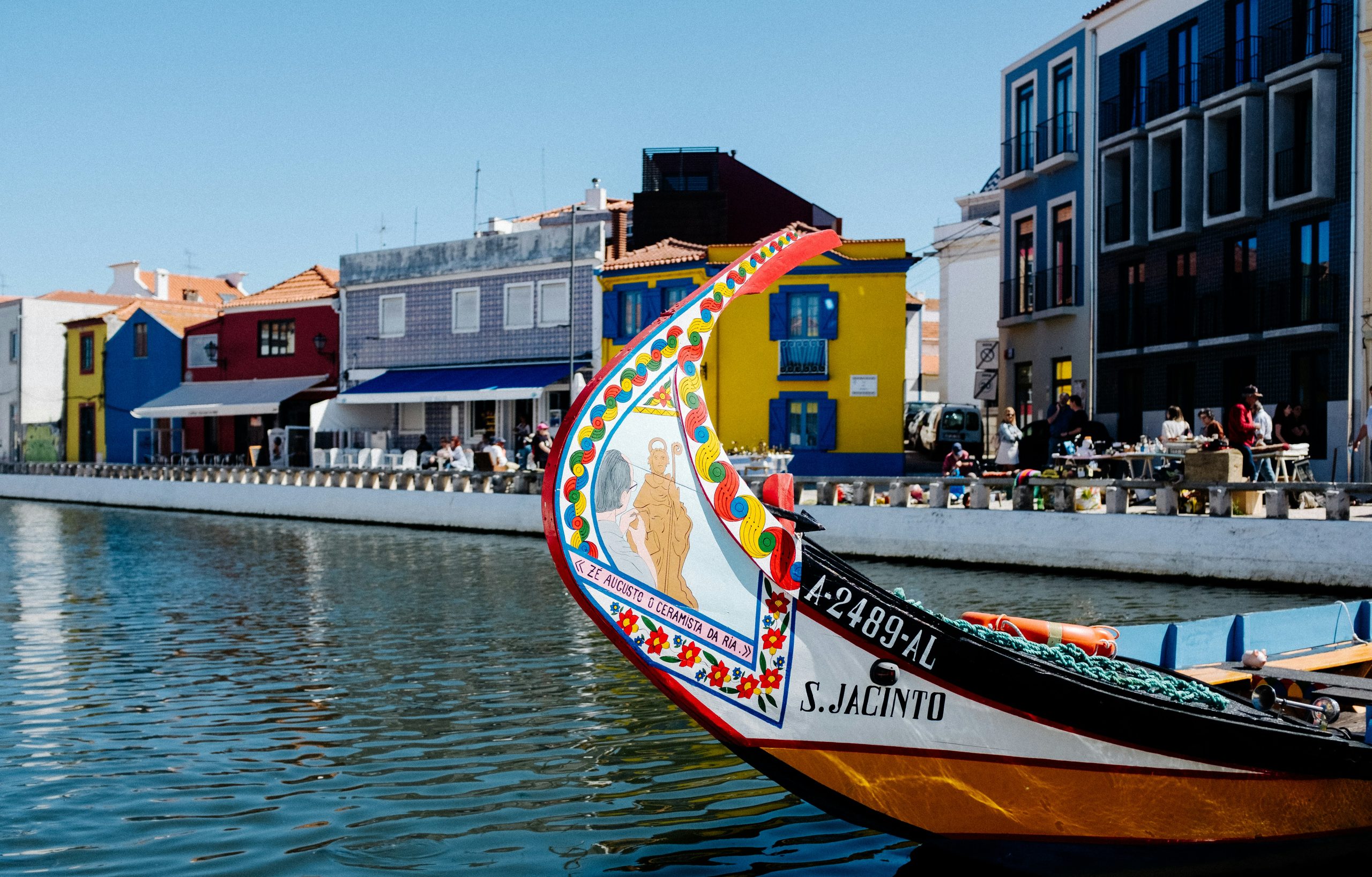
People often call Aveiro the "Venice of Portugal." While I think that comparison is a bit of a stretch, there's no denying that the canals give the city a unique character that's unlike anywhere else in the country.
Located about an hour south of Porto, Aveiro immediately feels different.
Colorful moliceiro boats glide through the waterways, Art Nouveau buildings line the canals, and the entire city has a relaxed atmosphere that makes it easy to slow down and enjoy your surroundings.
One of my favorite things about Aveiro is that it combines urban charm with easy access to the coast.
After exploring the historic center, I made the short trip to nearby Costa Nova, where I found some of Portugal's most photographed houses. The brightly painted striped cottages look almost too perfect to be real, yet somehow they're even more charming in person.
What I appreciate most about Aveiro is that it hasn't attracted the same level of tourism as Porto or Lisbon. You can still wander the canals, enjoy the cafés, and explore the city at your own pace without feeling overwhelmed by crowds.
How Aveiro fits into your Portugal itinerary
Aveiro makes an excellent stop between Porto and Coimbra and works well as either a day trip or an overnight stay. I think it's one of Portugal's most underrated destinations, especially for travelers who enjoy photography, architecture, and slower-paced cities.
Coimbra
(pronounced: koo-EEM-brah)
Coimbra at a glance
Central Portugal, between Lisbon and Porto
History lovers, students, culture seekers
1-2 nights
Travelers interested in history, architecture, and local culture
Historic, youthful, and intellectual
Spring and fall
$$
Coimbra is one of those cities that feels both ancient and surprisingly youthful at the same time.
Home to one of Europe's oldest universities, founded in 1290, the city has been shaped by student life for centuries, and that energy is still very much part of its identity today.
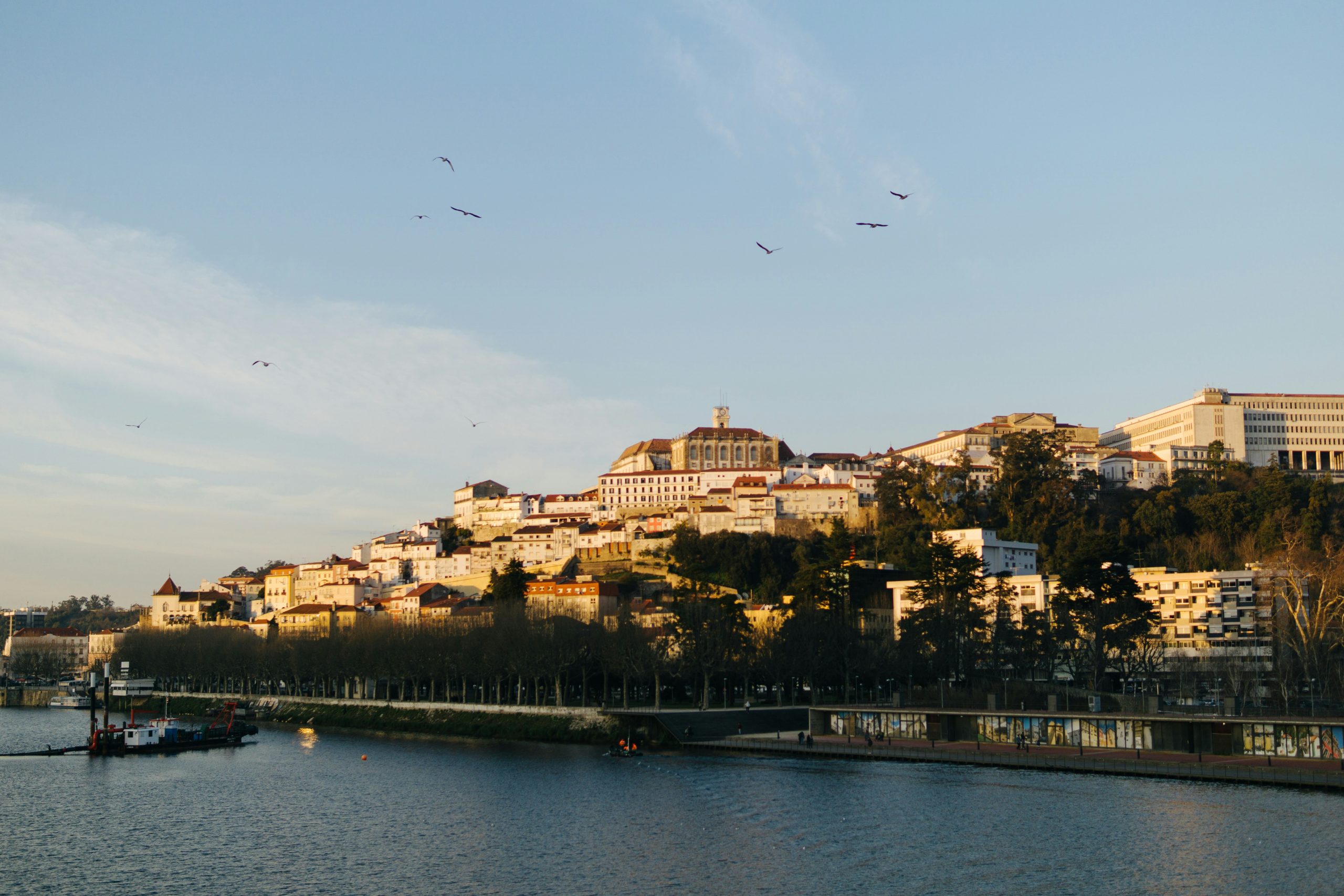
What I love most about Coimbra is its setting. The university sits high above the city on a hilltop overlooking the Mondego River, and the views alone are worth the climb.
From there, the old town spills down the hillside in a maze of narrow streets, historic buildings, hidden cafés, and small plazas that seem designed for wandering.
Unlike Lisbon or Porto, Coimbra doesn't feel overwhelmed by tourism. Instead, it strikes a balance between being a living university city and an important historical destination.
As I explored, I found that combination gave the city a unique atmosphere that felt both authentic and welcoming.
Its location is another reason I think Coimbra deserves a place on this list. Sitting almost exactly halfway between Lisbon and Porto, it makes an ideal stop on a classic Portugal road trip and offers a completely different experience from either of the country's two largest cities.
How Coimbra fits into your Portugal itinerary
Coimbra is one of the easiest destinations to incorporate into a Portugal itinerary. I think it works particularly well as an overnight stop between Lisbon and Porto, breaking up the journey while adding a fascinating mix of history, culture, and local character.
Lagos
(pronounced: LAH-goosh)
Lagos at a glance
Western Algarve, Southern Portugal
Beach lovers, couples, outdoor adventurers
3-4 nights
Travelers seeking Portugal's best beaches and coastal scenery
Relaxed, scenic, and lively
May-June and September-October
$$-$$$
If you're visiting Portugal for beaches, I genuinely think Lagos is one destination you shouldn't skip.
Located on the western Algarve coast, it combines some of Europe's most spectacular coastal scenery with a laid-back atmosphere that's easy to love.
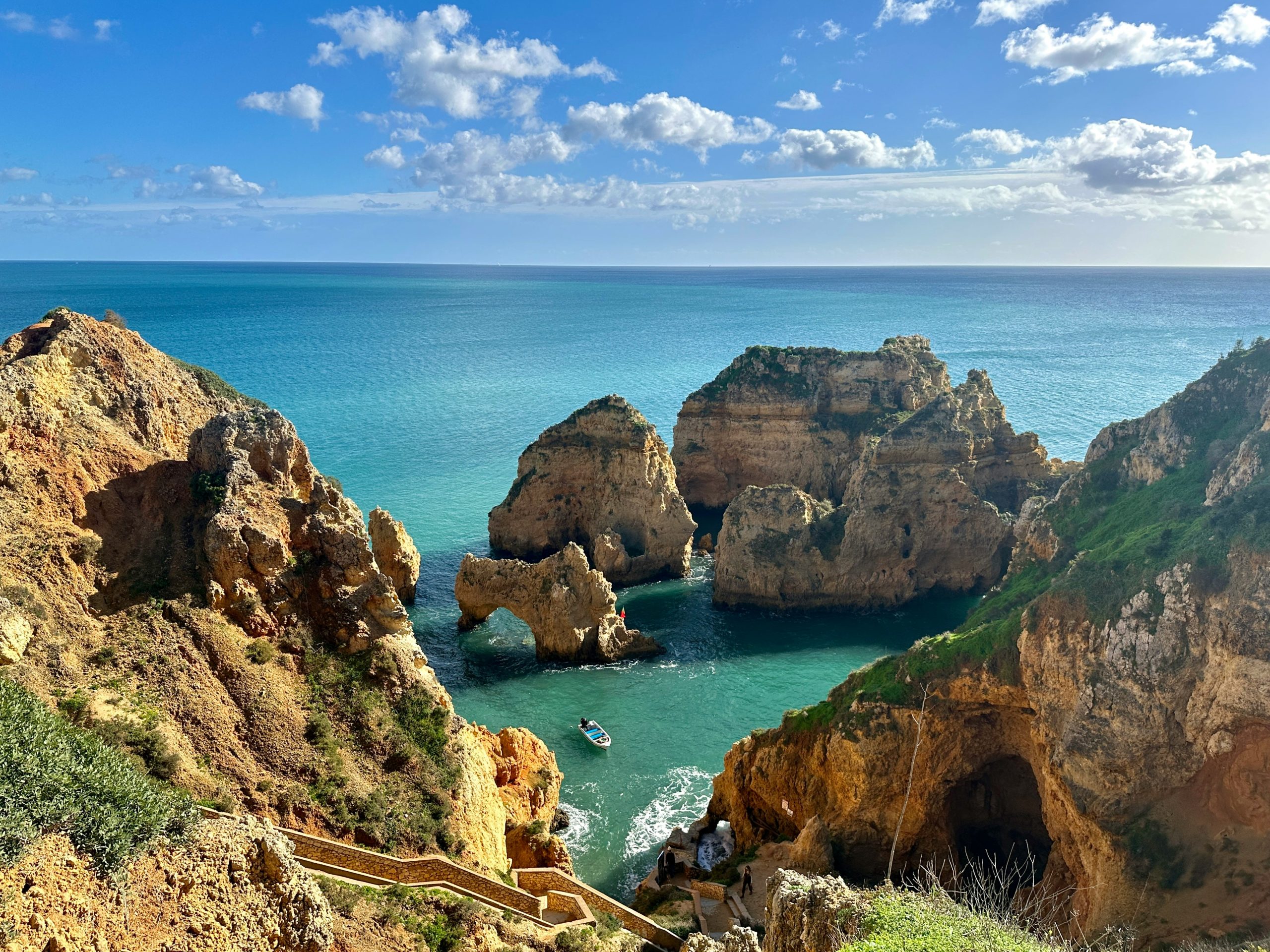
The highlight for me is Ponta da Piedade, a stretch of golden limestone cliffs sculpted by the Atlantic into arches, caves, sea stacks, and hidden grottos.
You can admire the views from the clifftops, explore the formations by boat, or kayak through the narrow passages between the rocks. If you have the time, I honestly recommend doing all three because each perspective feels completely different.
The beaches are every bit as impressive as the photos suggest. Praia Dona Ana, Praia do Camilo, and Meia Praia each offer something unique, from secluded coves framed by towering cliffs to long stretches of golden sand and crystal-clear water.
I found myself stopping constantly just to take in the views.
What I also appreciate about Lagos is that it offers more than just beaches. The historic old town is filled with cobblestone streets, traditional Portuguese restaurants, lively cafés, and enough activity to keep things interesting without feeling overwhelming.
Yes, Lagos gets busy during the summer months, but after spending time here, I completely understand why. Few places combine natural beauty, great beaches, and local character quite as well.
How Lagos fits into your Portugal itinerary
If you're exploring the Algarve, I think Lagos makes one of the best bases in the region.
It's perfectly positioned for beach hopping, coastal walks, boat excursions, and day trips to nearby Sagres and the dramatic cliffs at the southwestern tip of Portugal.
Benagil Cave and Praia da Marinha
(pronounced: beh-nah-ZHEEL | PRAH-yah dah mah-REE-nyah)
Benagil Cave and Praia da Marinha
Central Algarve Coast, between Albufeira and Lagos
Beach lovers, photographers, kayakers
Half day to 1 day
Travelers seeking iconic Algarve scenery
Dramatic, scenic, and unforgettable
May-June and September-October
$$
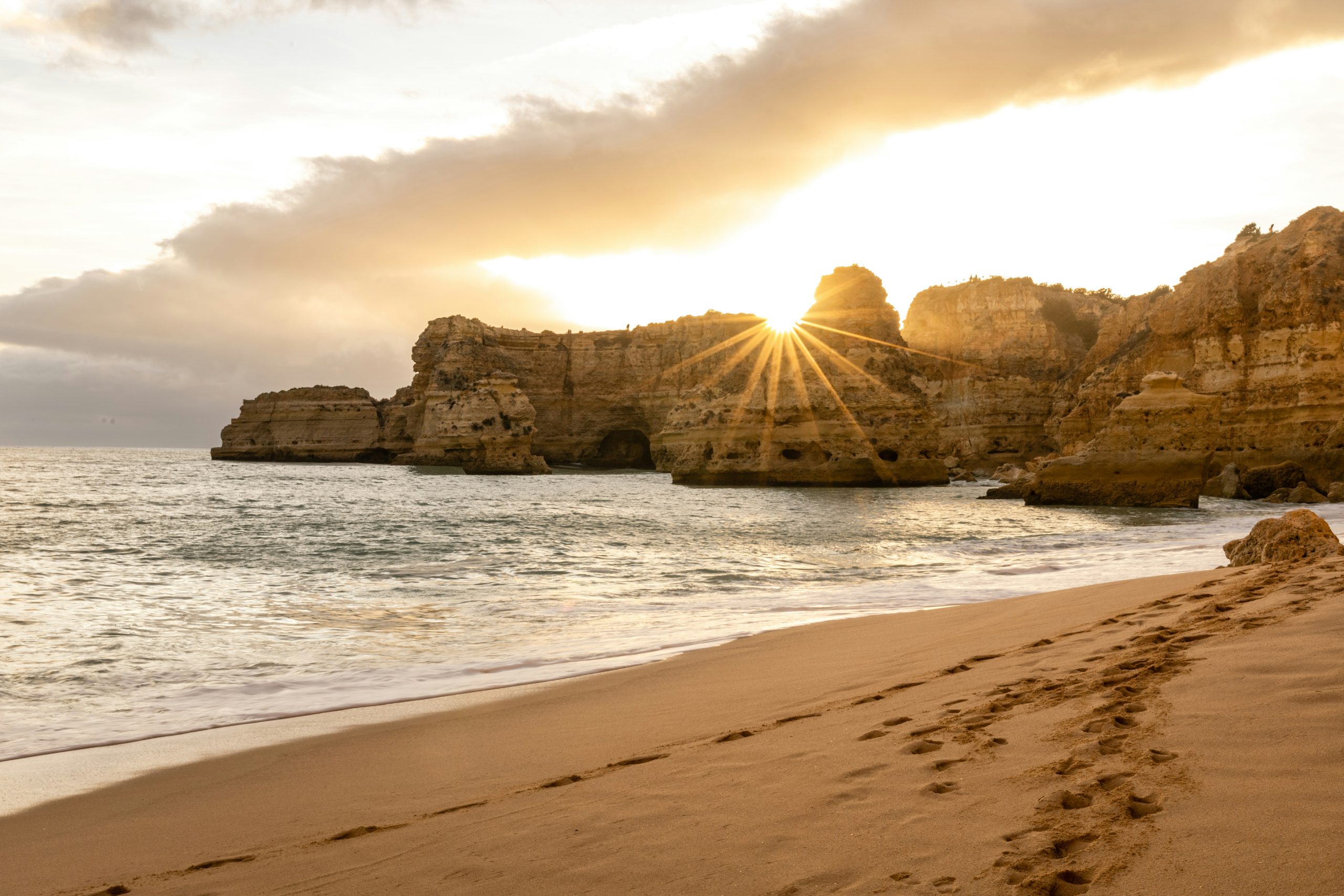
If someone asked me to picture the Algarve, this is exactly what comes to mind. The stretch of coastline around Benagil Cave and Praia da Marinha showcases the dramatic cliffs, turquoise waters, and golden beaches that have made southern Portugal famous worldwide.
The star attraction is Benagil Cave, a remarkable sea cave with a natural skylight created by a collapsed roof. When sunlight pours through the opening and reflects off the sand and water below, the entire cave seems to glow.
It's one of those places that genuinely lives up to the photos. Whether you arrive by kayak, paddleboard, or boat tour, it's an experience that's difficult to forget.
Just along the coast, Praia da Marinha is equally impressive. Consistently ranked among Europe's best beaches, it combines crystal-clear water with towering limestone cliffs and rock formations that look almost sculpted by hand.
I found myself stopping constantly along the clifftop trail simply to admire the views.
What I love most about this area is that the scenery changes around every corner. Hidden coves, sea arches, and dramatic viewpoints make even a simple walk along the coastline feel like an adventure.
How Benagil Cave & Praia da Marinha fit into your Portugal itinerary
I think this stretch of coastline is an essential stop on any Algarve itinerary. It pairs perfectly with Lagos, Carvoeiro, and Albufeira, offering some of the most iconic coastal scenery you'll find anywhere in Portugal.
Douro Valley
(pronounced: DOH-roh VAL-ee)
Douro Valley at a glance
Northern Portugal, east of Porto
Wine lovers, couples, scenic road trips
2-3 nights
Travelers seeking food, wine, and spectacular scenery
Relaxed, scenic, and sophisticated
September-October for harvest season and fall colors
$$$
The Douro Valley is one of those places that completely exceeded my expectations. Even if you have no interest in wine, the scenery alone is worth the trip.
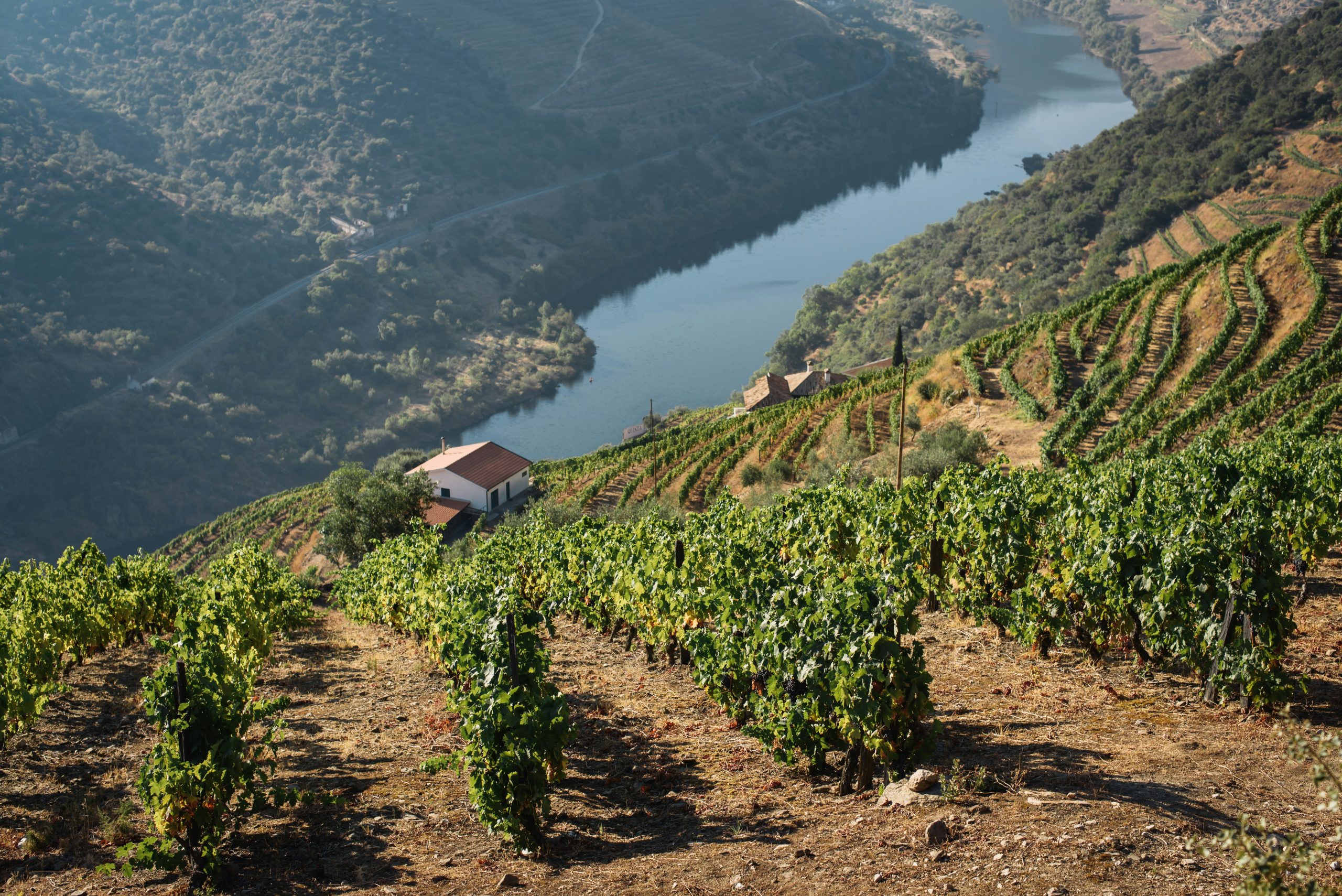
Terraced vineyards climb steep hillsides in every direction while the Douro River winds through the center of the valley, creating one of the most beautiful landscapes I've seen anywhere in Europe.
This is the birthplace of port wine and one of the world's oldest officially designated wine regions. The entire valley is a UNESCO World Heritage site, and it's easy to see why. Every bend in the river seems to reveal another postcard-worthy view.
While many travelers visit as a day trip from Porto, I think the Douro Valley is best experienced at a slower pace.
Staying overnight at a traditional quinta allows you to wake up surrounded by vineyards, enjoy long lunches overlooking the valley, and sample wines that rarely make it outside Portugal.
One of my favorite ways to experience the region is by train. The route from Porto to Pinhão follows the river through vineyards, small villages, and dramatic hillsides, making it one of the most scenic rail journeys in Europe.
River cruises offer another fantastic perspective and allow you to appreciate just how vast the valley really is.
How the Douro Valley fits into your Portugal itinerary
The Douro Valley pairs perfectly with Porto and is one of the easiest additions to a northern Portugal itinerary. I think it's an essential stop for travelers interested in wine, food, photography, or simply experiencing one of Portugal's most beautiful landscapes.
Cascais
(pronounced: kash-KAYSH)
Cascais at a glance
Lisbon Coast, approximately 30 minutes west of Lisbon
Beach lovers, couples, day-trippers
1-2 nights
Travelers wanting a coastal escape without leaving the Lisbon area
Elegant, relaxed, and upscale
May-October
$$-$$$
Cascais is one of those places that manages to feel both sophisticated and completely relaxed at the same time. Just 30 minutes from Lisbon by train, it's an easy day trip, but I think it's worth spending at least a night here if your schedule allows.
Originally a fishing village, Cascais became a royal retreat in the late 19th century, and you can still feel that influence today.
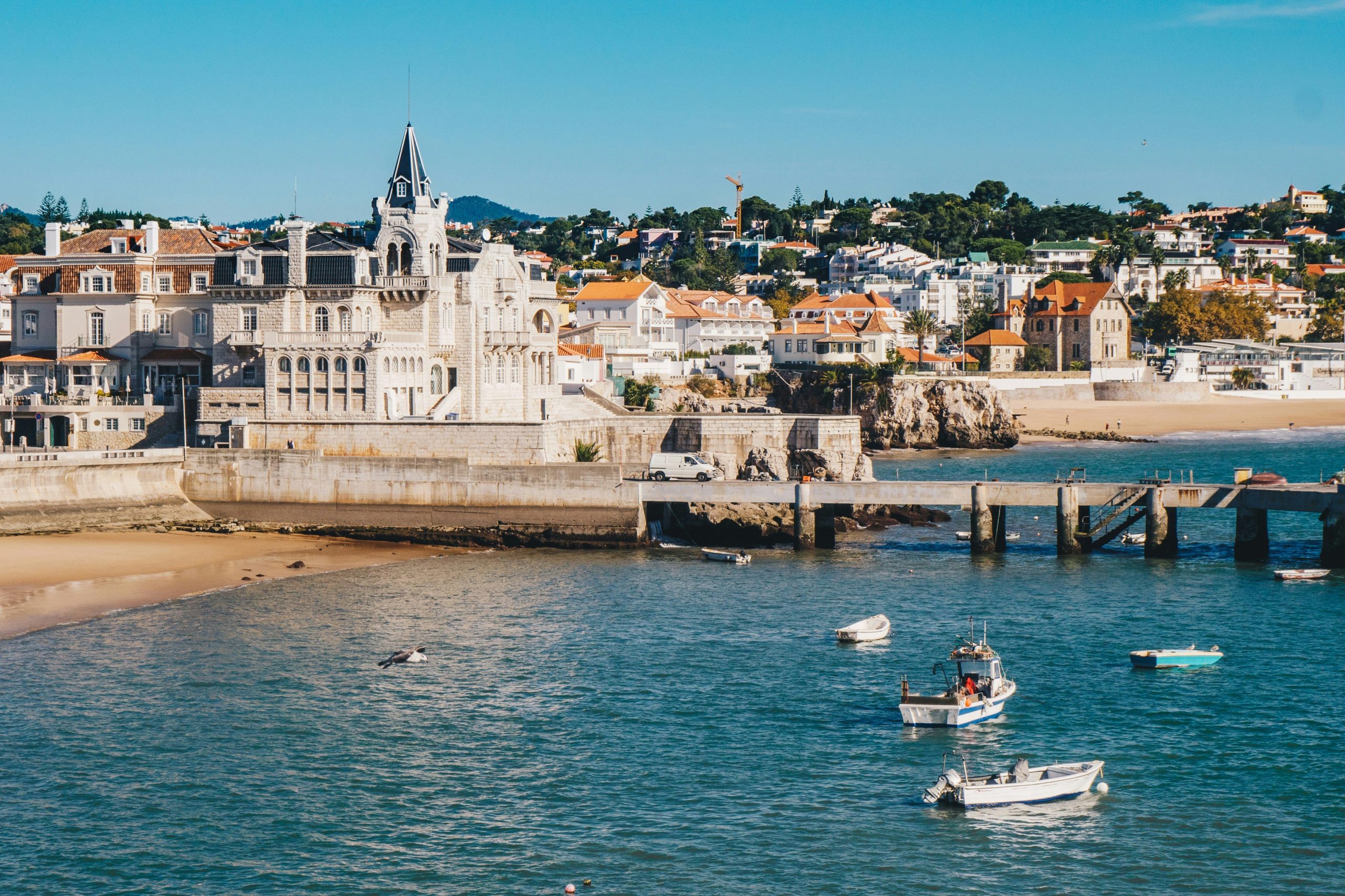
The old town is filled with cobblestone streets, outdoor cafés, elegant squares, and a marina lined with yachts. Despite its popularity, it never feels overly busy and I’ve never felt rushed.
What I love most about Cascais is how easy it is to explore on foot. One of my favorite walks follows the coastline west toward Boca do Inferno, a dramatic rocky chasm where Atlantic waves crash into the cliffs below.
The name translates to "Hell's Mouth," and after seeing the waves explode against the rocks, it's easy to understand why.
The route passes beaches, scenic viewpoints, and beautiful stretches of coastline that seem to go on forever. Continue a little farther, and you'll reach Guincho Beach, a wild, windswept stretch of sand that's famous for surfing and some of the most dramatic coastal scenery near Lisbon.
For me, Cascais offers the perfect balance of beaches, history, great food, and coastal views, all within easy reach of the capital.
How Cascais fits into your Portugal itinerary
Cascais pairs perfectly with Lisbon and nearby Sintra. If you're spending several days in the capital, I think it's one of the best day trips in Portugal, offering a completely different atmosphere without requiring much travel time.
Sintra
(pronounced: SEEN-trah)
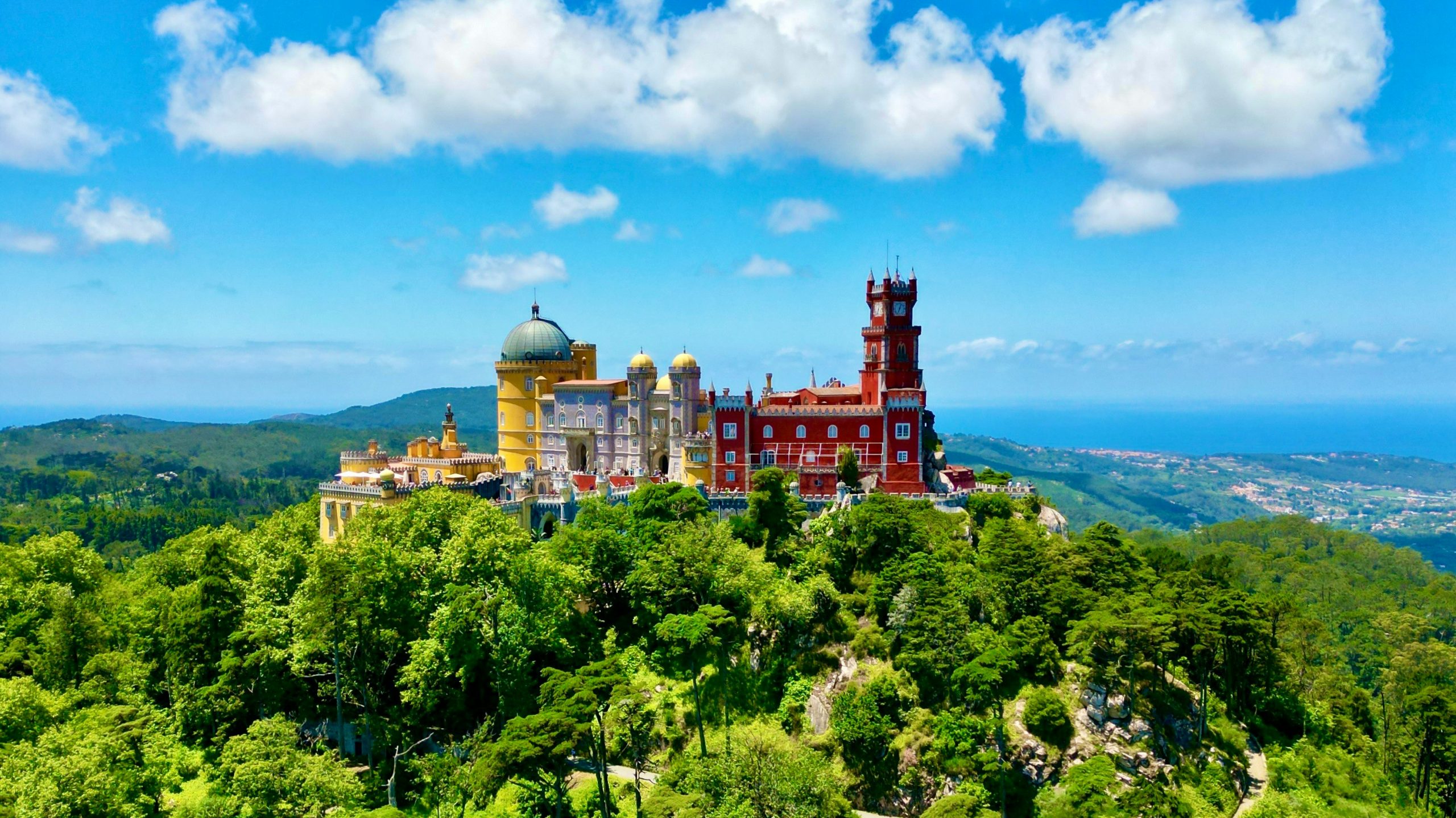
Sintra at a glance
Approximately 30 minutes northwest of Lisbon
History lovers, photographers, couples
1 full day to 2 nights
Travelers seeking Portugal's most iconic landmarks
Magical, romantic, and storybook-like
Spring and fall
$$-$$$
If you only take one day trip from Lisbon, I think Sintra should be at the top of your list.
Perched among forested hills just 30 minutes from the capital, it feels completely different from anywhere else in Portugal.
The first thing that caught my attention was Pena Palace. Sitting high above the surrounding hills, its bright yellow and red towers look like something straight out of a fairy tale.
It's one of Portugal's most photographed landmarks, and honestly, I found it even more impressive in person.
What I love most about Sintra, though, is that the palace is only the beginning.
The Moorish Castle offers sweeping views across the hills and out toward the Atlantic Ocean, while Quinta da Regaleira feels like a place built for adventure.
Hidden tunnels, mysterious grottoes, and the famous Initiation Well make it one of the most fascinating places I've explored in Portugal.
Back in town, you'll find narrow streets, traditional pastry shops, and a cooler, mistier climate that gives Sintra a completely different atmosphere from nearby Lisbon. It all adds to the feeling that you've stepped into another world.
How Sintra fits into your Portugal itinerary
Sintra pairs perfectly with Lisbon and nearby Cascais. While many visitors experience it as a day trip, I think spending a night here allows you to enjoy the town after the crowds leave and experience a quieter side of one of Portugal's most magical destinations.
Lisbon
(pronounced: LIZ-bon (Portuguese: leesh-BOH-ah))
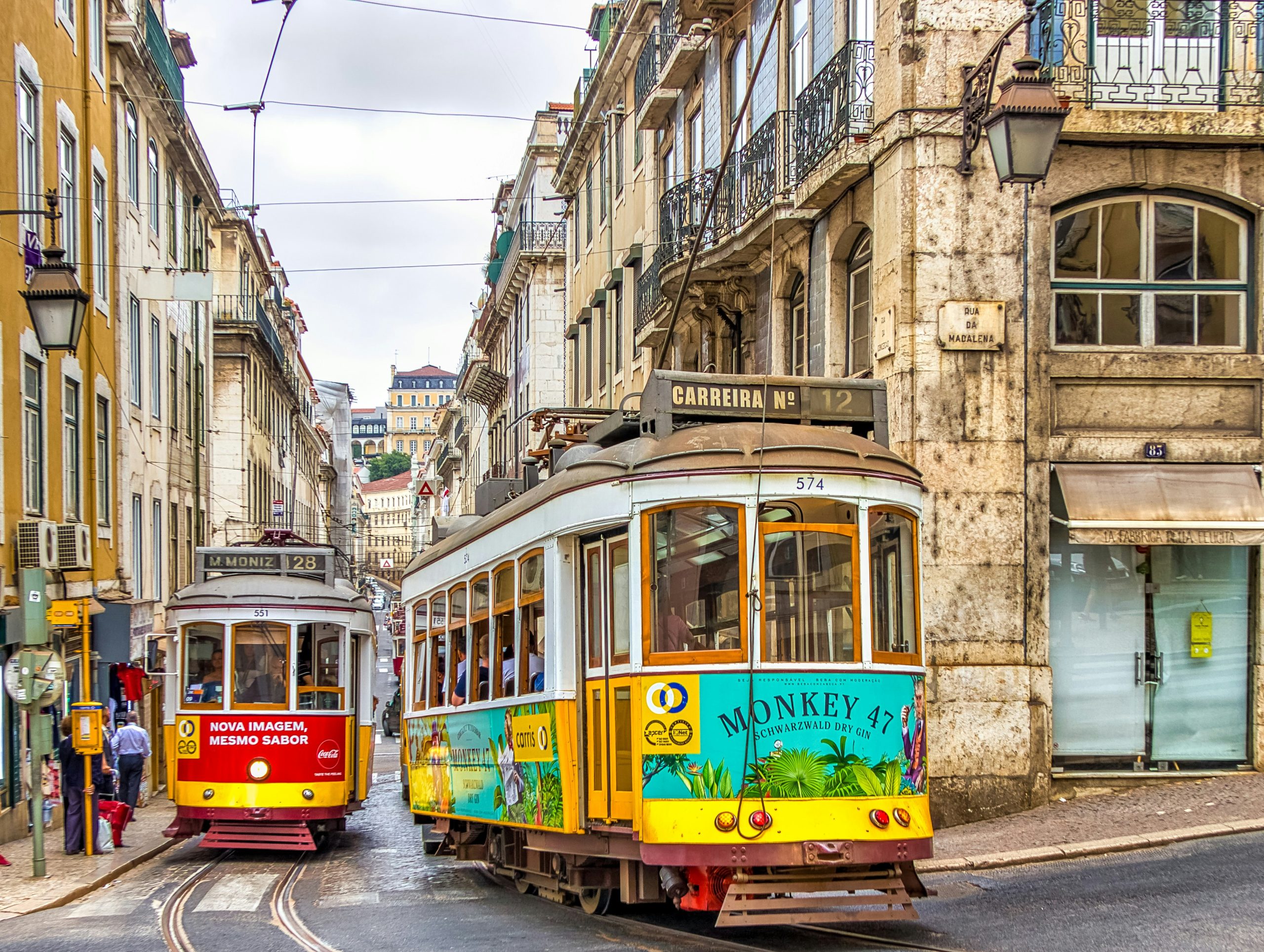
Lisbon at a glance
Central Portugal, on the Tagus River
First-time visitors, food lovers, culture seekers
3-5 nights
Travelers wanting a mix of history, food, nightlife, and culture
Historic, energetic, and endlessly walkable
Spring and fall
$$-$$$
For most travelers, Lisbon is their introduction to Portugal, and after spending time here, it's easy to understand why.
Built across seven hills overlooking the Tagus River, the city combines centuries of history with a creative energy that feels completely modern.
What I love most about Lisbon is that every neighborhood has its own personality.
Alfama, the city's oldest district, is a maze of narrow streets, colorful azulejo-covered buildings, and viewpoints that seem to appear around every corner. In the evenings, I love the traditional fado music drifting out from local restaurants, adding to the neighborhood's unique atmosphere.
Then there's Belém, home to some of Portugal's most famous landmarks, including Belém Tower and the Jerónimos Monastery.
It's also where you'll find the legendary bakery that has been serving pastéis de nata since 1837. I highly recommend trying one fresh from the oven.
Beyond the history, Lisbon is simply fun to explore. Tram 28 rattles through the city's steep streets, Time Out Market brings together some of Portugal's best food under one roof, and the LX Factory has transformed a former industrial complex into one of the city's most creative spaces.
The hills can be challenging, but I think the views make every climb worthwhile. Few cities reward wandering quite like Lisbon.
How Lisbon fits into your Portugal itinerary
Lisbon is the perfect starting point for exploring Portugal. From here, it's easy to visit Sintra, Cascais, Óbidos, and the Alentejo region, making it an ideal base for both short city breaks and longer journeys around the country.
Porto
(pronounced: POR-too)
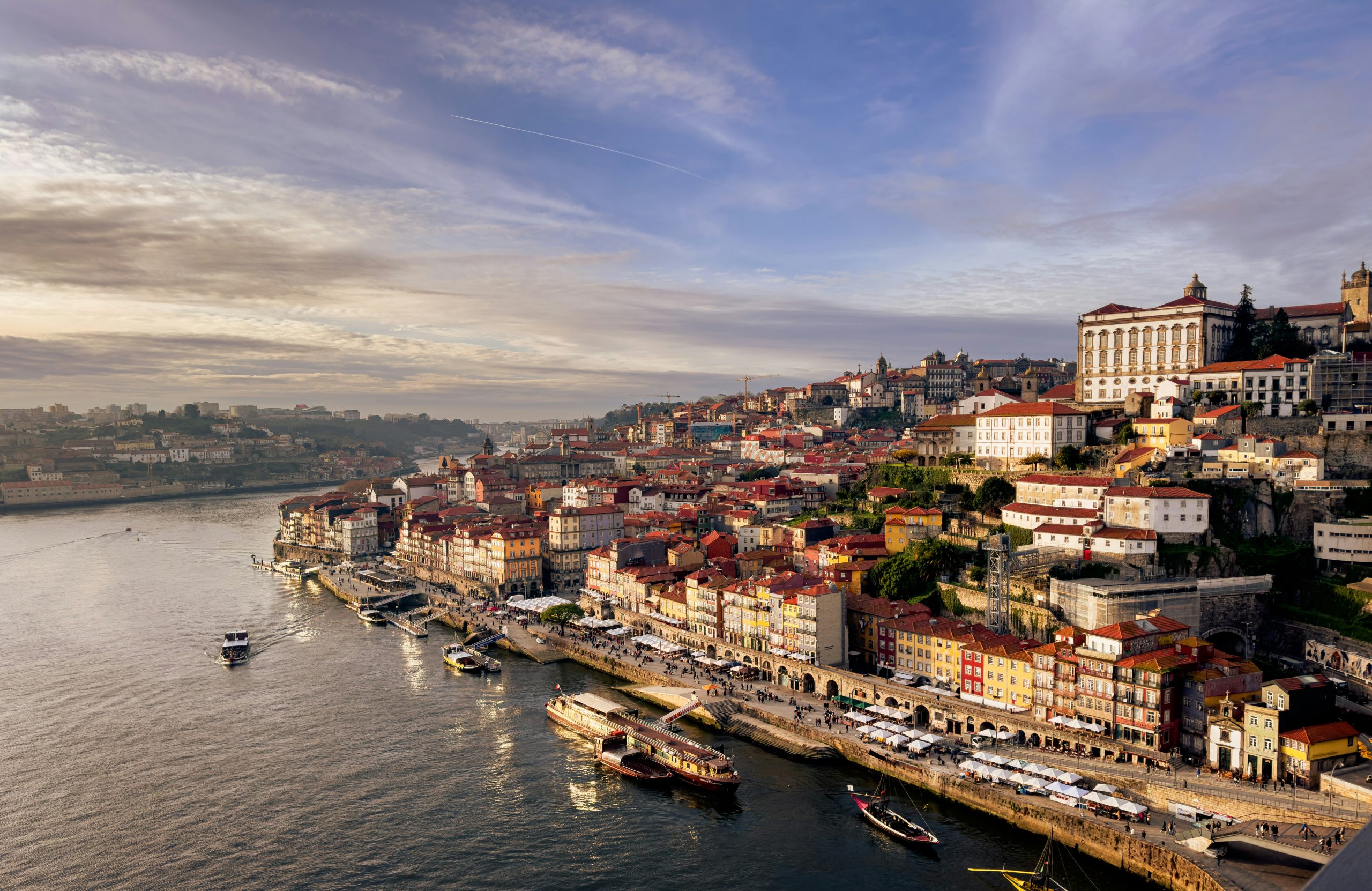
Porto at a glance
Northern Portugal, on the Douro River
First-time visitors, food lovers, wine enthusiasts
3-4 nights
Travelers seeking the best all-around Portugal experience
Historic, authentic, and effortlessly cool
April-June and September-October
$$-$$$
If I could only recommend one destination in Portugal, it would be Porto.
Set along the Douro River in northern Portugal, I think Porto somehow manages to combine everything that makes the country special into one highly walkable city.
It has history, incredible food, world-famous wine, beautiful architecture, and a personality that feels both authentic and welcoming.
What I love most about Porto is its atmosphere. The colorful buildings of Ribeira tumble down toward the river, rabelo boats drift across the water, and restaurant terraces spill onto cobblestone streets.
It's the kind of place where I found myself constantly stopping to admire the view, then staying longer than planned because I didn't want to leave.
Cross the iconic Dom Luís I Bridge and you'll arrive in Vila Nova de Gaia, home to the famous port wine cellars that have made the region known around the world.
Even if you're not a wine enthusiast, the river views alone make the crossing worthwhile.
Beyond the waterfront, Porto rewards anyone willing to explore. Livraria Lello is often described as one of the world's most beautiful bookstores, and I couldn’t agree more. São Bento Station is covered in stunning azulejo tile murals, and the city's food scene is one of the best in Portugal.
From fresh seafood to the famous francesinha sandwich, there's always something worth trying.
Compared to Lisbon, Porto feels slightly smaller, more intimate, and a little rough around the edges in the best possible way. For me, that's exactly what makes it memorable.
How Porto fits into your Portugal itinerary
Porto is an outstanding starting point for exploring northern Portugal and the nearby Douro Valley. Whether you're planning a week-long trip or a month-long adventure, I think Porto deserves a place on every Portugal itinerary.
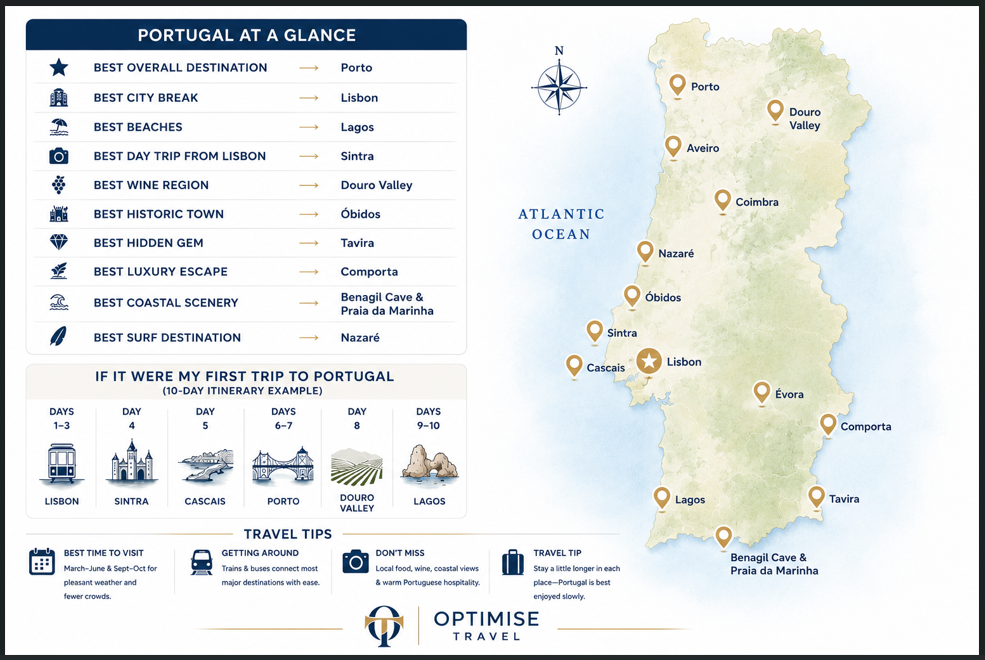
Not everyone has the same amount of time to explore Portugal, so here are the routes I'd personally recommend based on the length of your trip.
5-Day Portugal Itinerary
Route: Lisbon → Sintra → Cascais
Header | Days 1-3 | Day 4 | Day 5 |
|---|---|---|---|
Destination | Lisbon | Sintra | Cascais |
Overnight | Lisbon | Lisbon | Cascais (or departure) |
Why this route? This itinerary minimizes driving while combining Portugal's vibrant capital, spectacular palaces, and beautiful Atlantic coastline.
7-Day Portugal Itinerary
Route: Lisbon → Sintra → Óbidos → Nazaré → Porto
Header | Days 1-2 | Day 3 | Day 4 | Days 5-7 |
|---|---|---|---|---|
Destination | Lisbon | Sintra | Óbidos & Nazaré | Porto |
Overnight | Lisbon | Lisbon | Porto | Porto |
Why this route? This itinerary showcases Portugal's two most iconic cities while breaking up the journey with two unforgettable stops along the Atlantic coast. It offers a fantastic mix of history, culture, medieval charm, dramatic scenery, and outstanding food without feeling rushed.
10-Day Portugal Itinerary
Route: Lisbon → Sintra → Évora → Lagos → Porto → Douro Valley
Header | Days 1-3 | Day 4 | Days 5-6 | Days 7-8 | Days 9-10 |
|---|---|---|---|---|---|
Destination | Lisbon | Sintra | Évora | Lagos | Porto & Douro Valley |
Overnight | Lisbon | Lisbon | Évora | Lagos | Porto |
Why this route? If I had ten days for a first visit to Portugal, this is the itinerary I'd choose. It combines vibrant cities, UNESCO World Heritage sites, beautiful beaches, and one of Europe's most spectacular wine regions while keeping travel days manageable.
*Driving required for portions of this itinerary. Renting a car provides the most flexibility, particularly when visiting Évora, the Douro Valley, and parts of the Algarve.
Why I keep coming back to Portugal
Every trip to Portugal leaves me wanting to come back and explore more. That's one of the reasons I love this country so much.
I can spend my mornings wandering medieval streets, the afternoons relaxing on a beach, and my evenings enjoying incredible food and wine, all without traveling very far.
If it's your first visit, don't feel like you need to see all 15 destinations.
Some travelers will fall in love with Porto and the Douro Valley. Others will prefer the beaches of the Algarve or the fairytale atmosphere of Sintra.
The best Portugal itinerary is the one that matches your travel style, interests, and pace.
FAQs about traveling to Portugal
Portugal uses the Euro (€) as its official currency.
Portugal is part of the Schengen Area, so many travelers can visit visa-free for up to 90 days, depending on their nationality.
Yes, driving in Portugal is generally easy, with well-maintained roads, clear signage, and traffic driving on the right-hand side of the road.
Yes, Portugal is considered one of the safest countries in Europe, with low crime rates and a welcoming atmosphere for visitors.
Portugal uses Type C and Type F plugs with a standard voltage of 230V and a frequency of 50Hz.
Portuguese is the official language of Portugal, although English is widely spoken in tourist areas.
Ready to go to Portugal? Optimise Travel is here to help
From the colorful streets of Porto to the beaches of the Algarve, Portugal offers an incredible variety of experiences. But turning all of those possibilities into a well-planned itinerary can be challenging.
At Optimise Travel, we create personalized travel itineraries based on your interests, travel style, and budget.
If you'd like help planning your adventure in Portugal, click here to learn more about our concierge travel services.