

Estonia gave me much more variety than I expected from such a small country.
I found medieval streets and creative neighbourhoods in Tallinn, quiet Baltic beaches, forest-covered islands, colourful towns, and national parks filled with bogs, wetlands, and wildlife.
What I especially loved was how easy it was to leave the capital behind and experience a completely different side of the country.
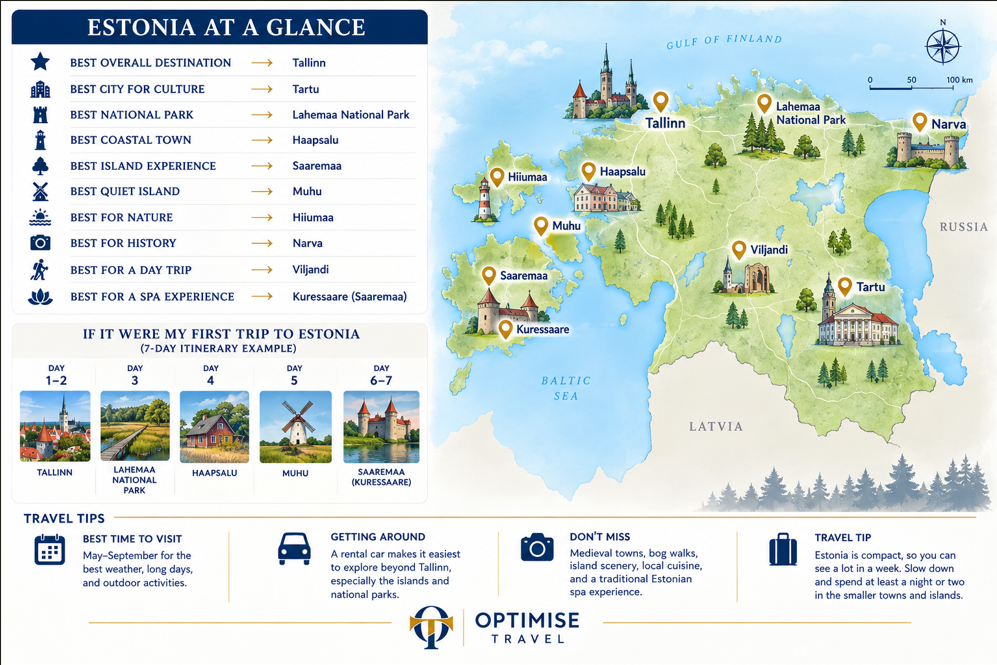
If you're planning your first trip, these are the 10 places in Estonia I'd make room for on your itinerary.
Have You Seen Our Travel Concierge Service?
Your trip, planned by local experts
We are not a travel agent - we design custom itineraries around your budget and style, without receiving commissions or booking fees.
Custom itinerary
Built around your dates, budget, and travel style.
Local expert knowledge
Recommendations from people on the ground, not review sites.
Travel smarter, spend less
We optimise for your budget to make your money go further.
Muhu Island
(pronounced: MOO-hoo)
Muhu Island at a glance
Western Estonia, between the mainland and Saaremaa
Traditional villages, horseback riding, paddleboarding, and coastal scenery
1-2 nights
Nature lovers, couples, and families
Rural, peaceful, traditional, and outdoorsy
June to August
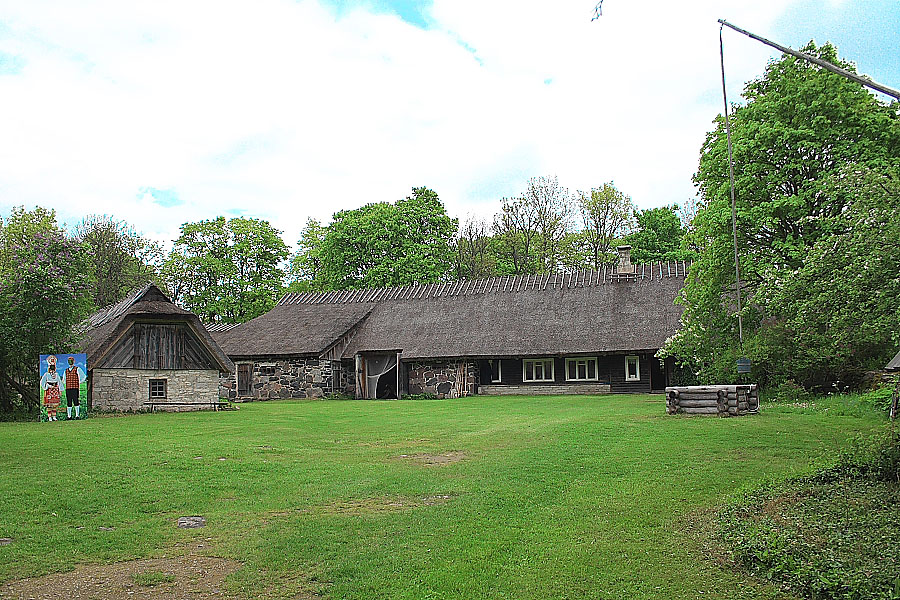
Muhu was exactly the kind of place that made me want to slow down and enjoy rural Estonia rather than simply pass through on the way to Saaremaa.
I loved Koguva, where thatched farmhouses, old stone walls and traditional buildings gave me a glimpse of what Estonian island life once looked like. But some of my favourite memories came from exploring the countryside itself.
Horseback riding around Muhu was a real highlight for me. Riding past open meadows, stone-walled fields and quiet stretches of countryside felt perfectly suited to the island's relaxed pace.
If you're not comfortable on horseback, there are also horse-drawn carriage experiences available, so you can still explore this side of Muhu without getting in the saddle.
I also loved getting out onto the water. Muhu's shallow coastal waters made stand-up paddleboarding surprisingly approachable, and boards can be rented locally during the warmer months.
With wildflower-filled meadows and summer evenings when the light seemed to linger forever, Muhu felt like much more than somewhere to drive through on the way to Estonia's larger islands.
How Muhu Island fits into your Estonia itinerary
I'd visit Muhu on the journey between mainland Estonia and Saaremaa, but I'd give it at least one night rather than treating it purely as a transit stop. It pairs naturally with Saaremaa for a relaxed two-island section of an Estonia road trip.
Bring insect repellent if you're exploring Muhu's countryside in summer, particularly around dusk.
Narva
(pronounced: NAR-va)
Narva at a glance
Northeastern Estonia, on the Russian border
Narva castle, unusual cityscapes, and cultural contrasts
1 night
History lovers, curious travellers, and architecture enthusiasts
Historic, intriguing, multicultural, atmospheric
May to September
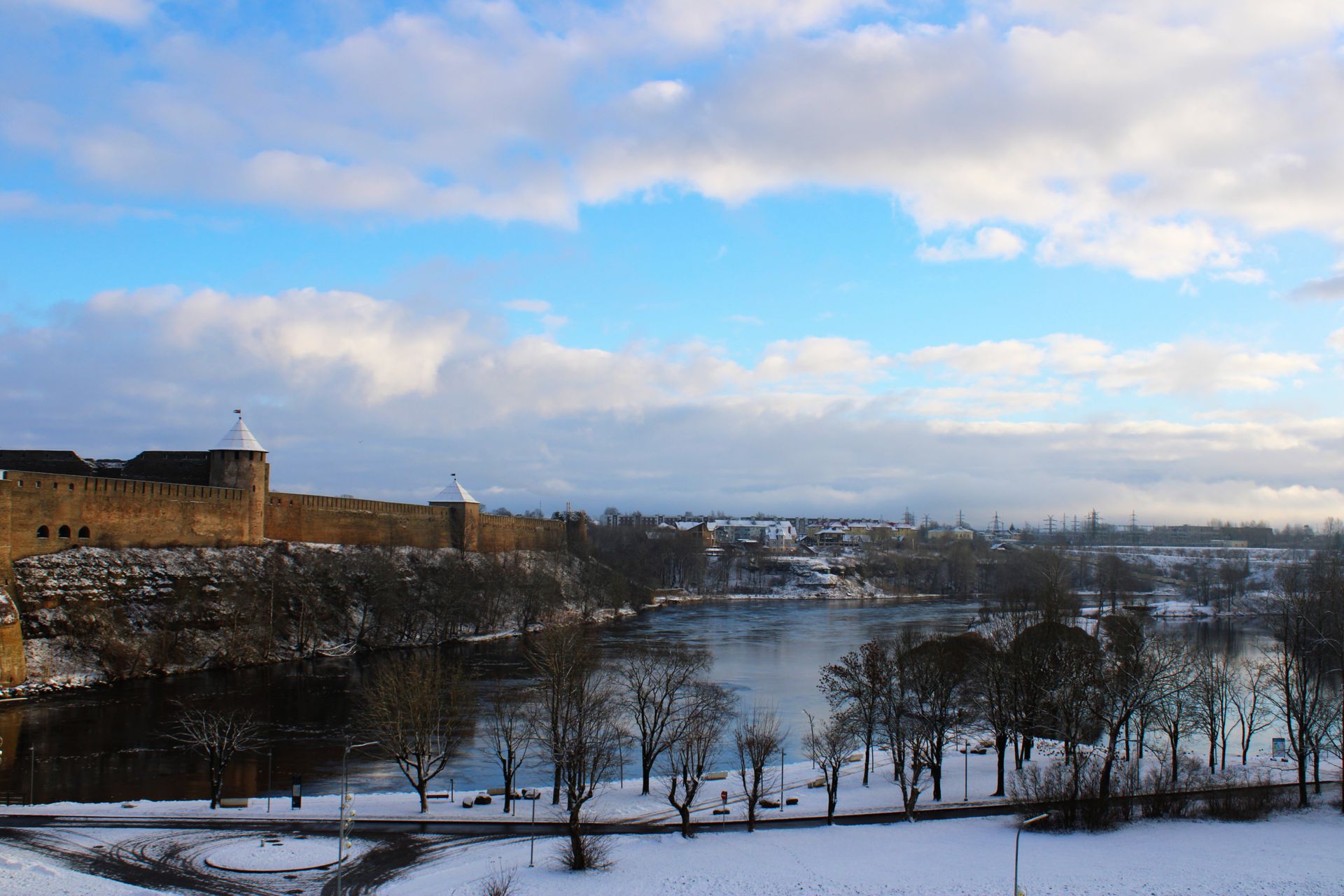
Narva felt completely different from the Estonia I'd experienced elsewhere. Sitting directly on the Russian border, it was one of those places where geography and history suddenly felt very tangible.
The sight I remember most was from Narva Castle. From the battlements, I looked across the Narva River to Ivangorod Fortress in Russia, with two enormous medieval strongholds staring directly at each other from opposite countries.
The river between them isn't particularly wide, which made the international border feel remarkably close.
Narva itself added another layer to the experience. Russian is widely spoken here, and the city's architecture and atmosphere felt noticeably different from Tallinn and western Estonia.
Much of historic Narva was destroyed during the Second World War, so the city I explored was an unusual mixture of medieval remains, Soviet-era architecture and more recent development.
I also liked that Narva didn't feel overwhelmed by tourism. Once I'd moved beyond the castle and riverfront, it felt much more like an everyday city than a carefully polished visitor destination.
For me, that contrast was exactly what made travelling this far east worthwhile.
How Narva fits into your Estonia itinerary
Narva is around 2–3 hours from Tallinn by train, making a day trip possible, but I'd stay overnight if your itinerary allows. I'd also consider combining it with Estonia's northeastern coast rather than travelling all the way there solely for a few hours.
Take your passport with you. You'll be visiting an international border area, even if you have no intention of crossing into Russia.
Viljandi
(pronounced: VIL-yan-dee)
Viljandi at a glance
South-central Estonia
Castle ruins, folk music, and lake views
1-2 nights
Music lovers, couples, culture seekers, and slow travellers
Leafy, creative, relaxed, and youthful
June to August
Viljandi was one of those smaller Estonian towns where I didn't feel much need for an itinerary. I was happiest simply walking and seeing where I ended up.
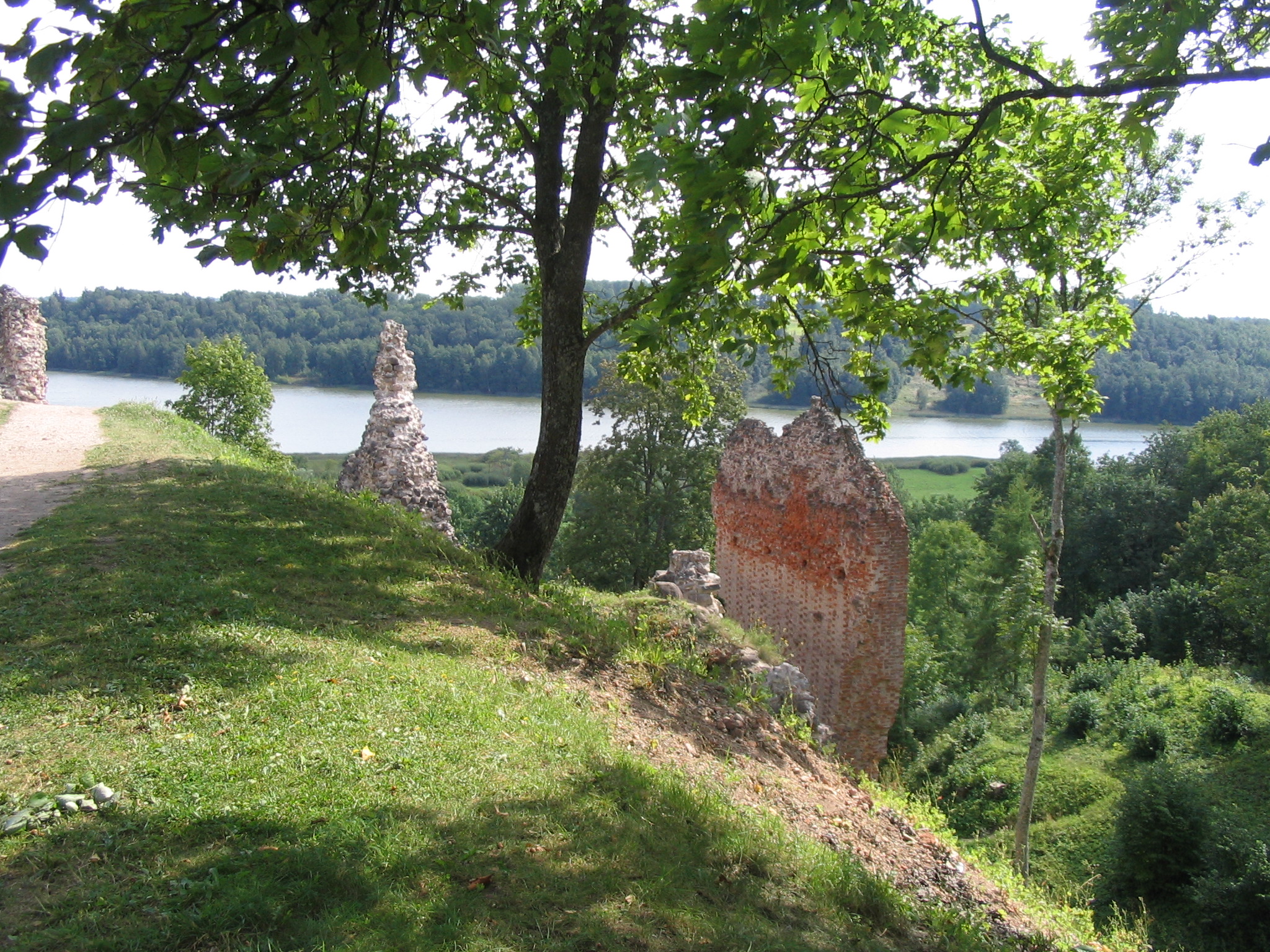
The medieval castle ruins were my favourite place to explore. They sit high above a forested valley, with paths leading around the remains and views towards Lake Viljandi below.
There isn't a huge intact castle to tour, which I actually liked. I could wander through the ruins, cross the suspension bridge and enjoy the surrounding parkland without feeling like I was ticking off another attraction.
The old town had a similarly relaxed feel, with colourful wooden houses, quiet streets and cafés that made it easy to linger.
Viljandi's personality changes dramatically in July, when the annual Folk Music Festival fills the town with performers and music.
I loved how naturally the festival fitted its surroundings, with stages and performances scattered around the castle hills and town rather than confined to one conventional festival site.
Outside festival time, Viljandi was much quieter, but I didn't see that as a drawback. The slower pace was a big part of why I enjoyed it.
How Viljandi fits into your Estonia itinerary
I'd include Viljandi while travelling through southern Estonia, particularly between Tallinn and Tartu. It works as a day trip, but I'd stay overnight to enjoy the town once you're no longer thinking about the return journey.
If you're visiting for the Folk Music Festival, book accommodation well ahead. Viljandi is small, and rooms become much harder to find during festival weekend.
Haapsalu
(pronounced: HAAP-sa-loo)
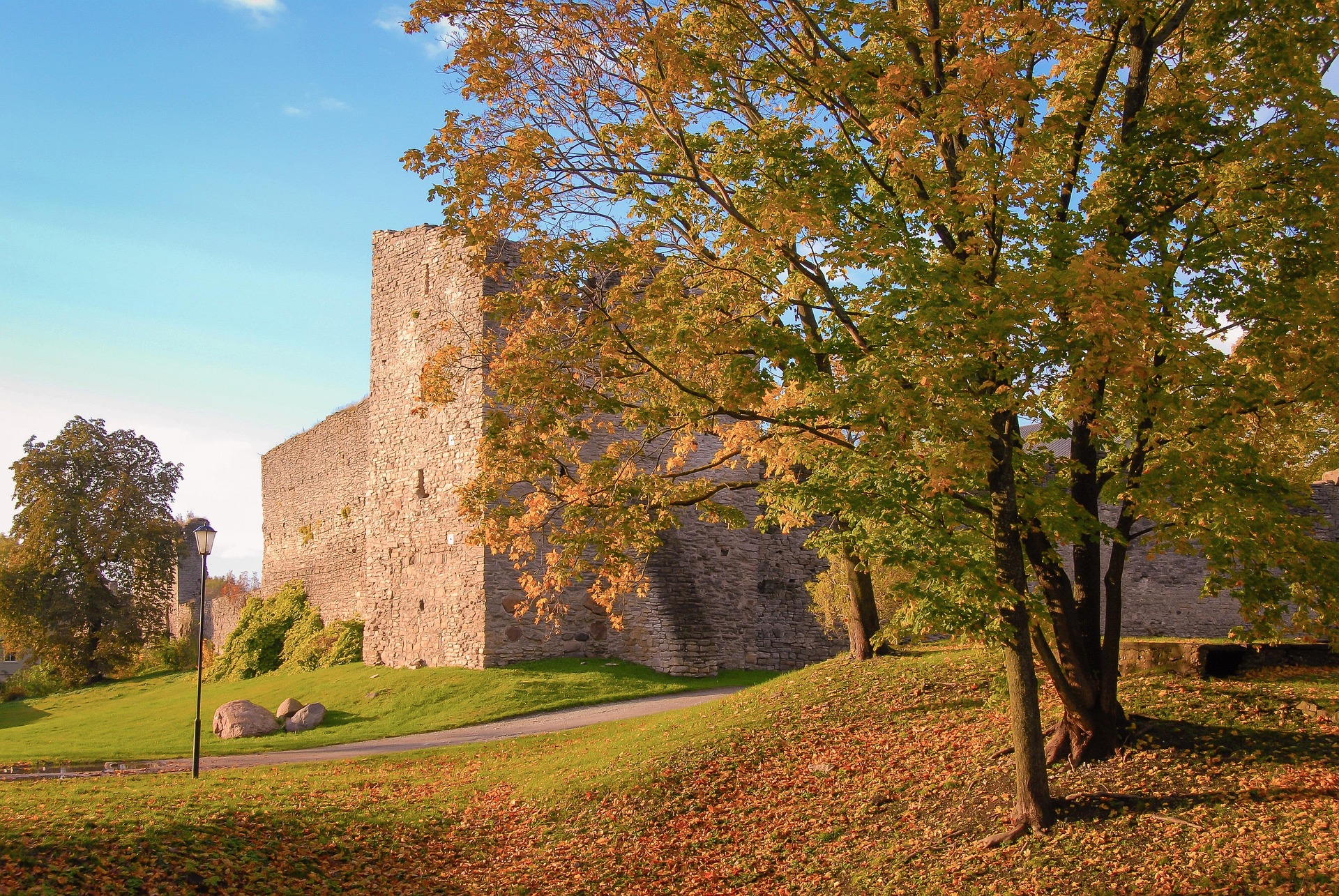
Haapsalu at a glance
Western Estonia, on the Baltic coast
Cycling, seaside walks, and historic architecture
1 night
Cyclists, couples, history lovers, and slow travellers
Peaceful, nostalgic, coastal, and laid-back
June to August
Haapsalu was one of my favourite places in Estonia for simply slowing everything down.
This little seaside town once attracted visitors to its 19th-century spas, and I could still see traces of that resort-town elegance in its wooden villas, waterfront promenade and quiet streets.
I loved exploring the ruins of Haapsalu Castle, but renting a bicycle ended up being the highlight for me. The town itself was easy to cycle around, and once I headed beyond it, I could take my time on quiet trails through reed beds and small coastal villages.
There was no real rush or particular destination I needed to reach, which was exactly what I enjoyed about it.
The relatively flat landscape made cycling feel leisurely rather than like a workout, and stopping whenever something caught my attention became part of the experience.
Back in town, I spent the evening along the promenade beside the shallow bay. The water seemed almost perfectly still as the light softened, and watching the sunset there was a lovely way to finish the day.
Haapsalu wasn't about one major sight for me. I enjoyed it most for the freedom to explore at my own pace.
How Haapsalu fits into your Estonia itinerary
Haapsalu is close enough to Tallinn for a day trip, but I'd stay overnight for the quieter evening atmosphere and sunset. It also fits naturally into a western Estonia itinerary before continuing towards Muhu and Saaremaa.
Rent your bicycle earlier in the day so you have enough time to explore beyond the centre. I'd ask the rental shop about current trail conditions and a suitable route for the distance you want to cover.
Hiiumaa
(pronounced: HEE-oo-maa)
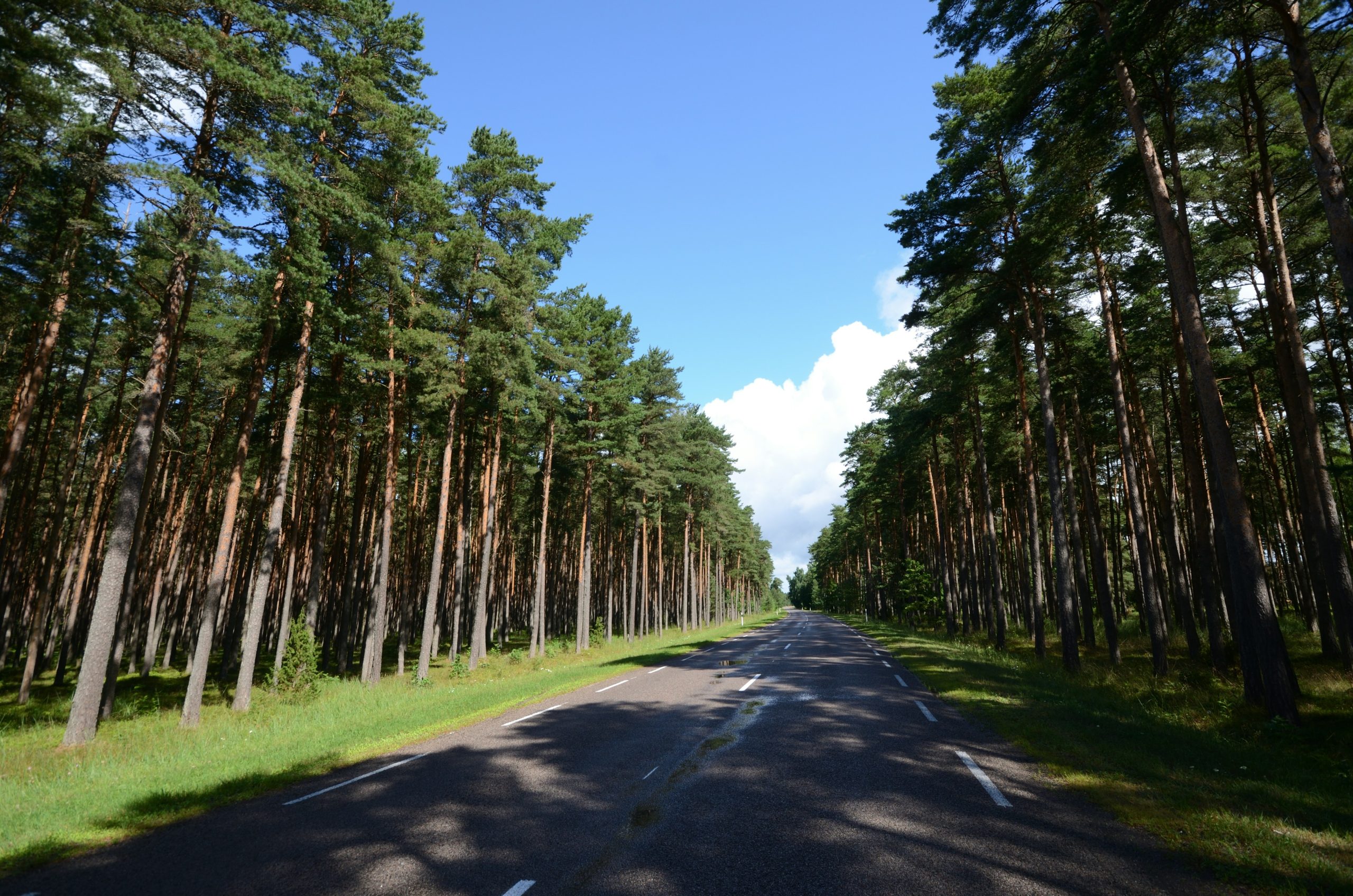
Hiiumaa at a glance
Western Estonia, in the West Estonian archipelago
Cycling, lighthouses, quiet beaches, forests, and Baltic scenery
2 nights
Cyclists, nature lovers, and slow travellers
Remote, peaceful, wild, and unhurried
June to August
Hiiumaa gave me the kind of quiet I rarely find when travelling. Estonia's second-largest island felt noticeably emptier than Saaremaa, with pine forests, open farmland and long coastal roads where I could go surprisingly long stretches without seeing much traffic.
I loved exploring the island slowly, particularly by bicycle, but one of my favourite moments required setting the alarm early.
I woke up to watch the sunrise over the Baltic, and seeing the first light spread across the water while most of the island still seemed asleep was absolutely worth losing a little sleep for.
I wouldn't overlook Hiiumaa's historic lighthouses either. Kõpu Lighthouse was the standout for me.
Dating back centuries, it rises above the surrounding forest, and climbing to the top rewarded me with an incredible 360-degree view across the trees and towards the Baltic horizon.
That combination of cycling, empty landscapes and coastal views was what I enjoyed most about Hiiumaa. Nothing felt particularly hurried or crowded, and I quickly realised that trying to race between sights would miss much of the point.
For me, this was an island best experienced slowly.
How Hiiumaa fits into your Estonia itinerary
I'd give Hiiumaa at least two nights and make it part of a wider western Estonia island trip. It combines particularly well with Haapsalu and Saaremaa if you have enough time to explore beyond Tallinn.
Check lighthouse opening times before setting out, particularly outside peak summer. They're spread around the island, so I'd plan a cycling or driving route that connects several rather than visiting only Kõpu.
Pärnu
(pronounced: PAIR-noo)
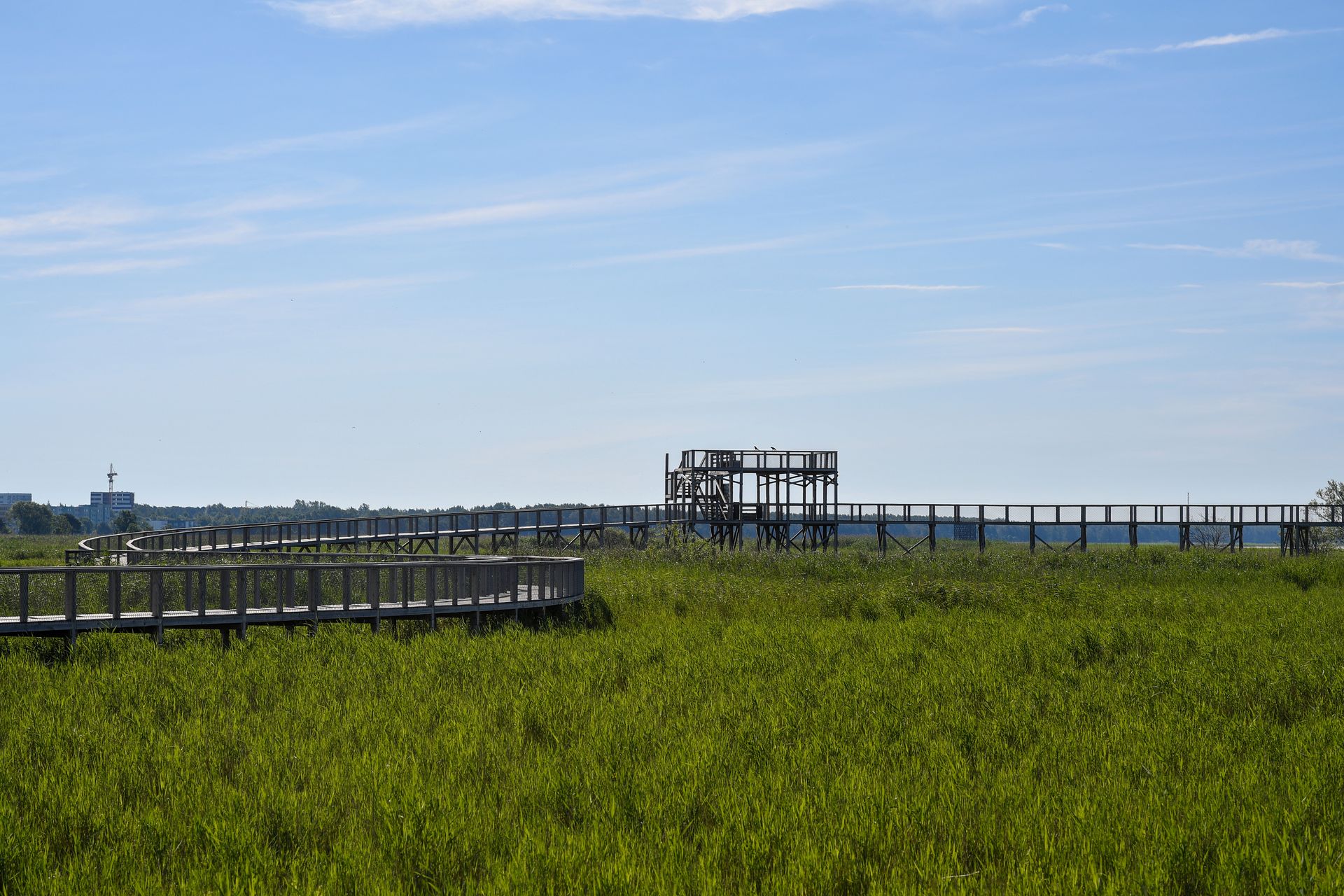
Pärnu at a glance
Southwestern Estonia, on the Gulf of the Riga
Sandy beaches, seaside cycling, and summer atmosphere
1-2 nights
Beach lovers, couples, families, and cyclists
Colourful, summery, lively, and laid-back
June to August
Pärnu felt like a proper beach town from the moment I arrived.
After some of Estonia's quieter destinations, I loved how bright and lively everything felt here, with colourful buildings, Art Nouveau villas, busy outdoor cafés and people making the most of the short Baltic summer.
The beach was the obvious attraction. It's long and sandy, with shallow water that can become surprisingly pleasant during July and August.
I particularly liked the wooden boardwalk that stretches across the coastal meadows and towards the beach.
Walking along it took me over grasses and wetlands rather than straight through the dunes, with wide-open views towards the sea. It was especially nice later in the day when the light became softer and the beachfront started to quieten down.
Behind the coast, I enjoyed wandering through Pärnu's pedestrian streets and seeing another side of the town. There was colour everywhere, from pastel wooden houses to decorative villas and flower-filled public spaces.
What stood out most was the energy. Pärnu didn't have the hushed feel I'd found elsewhere in Estonia. In summer, it was cheerful, social, and unapologetically seaside-focused, which made it a fun contrast to the rest of my trip.
How Pärnu fits into your Estonia itinerary
I'd include Pärnu while travelling between Tallinn and southern Estonia, especially if you're continuing towards Viljandi or Tartu. A day trip works, but I'd stay overnight in summer so you can enjoy the beach and town after the daytime crowds begin to thin out.
I'd plan Pärnu around the weather if your schedule is flexible. So much of what I enjoyed here was outdoors, and a warm, sunny day completely changes the experience.
Tartu
(pronounced: TAR-too)
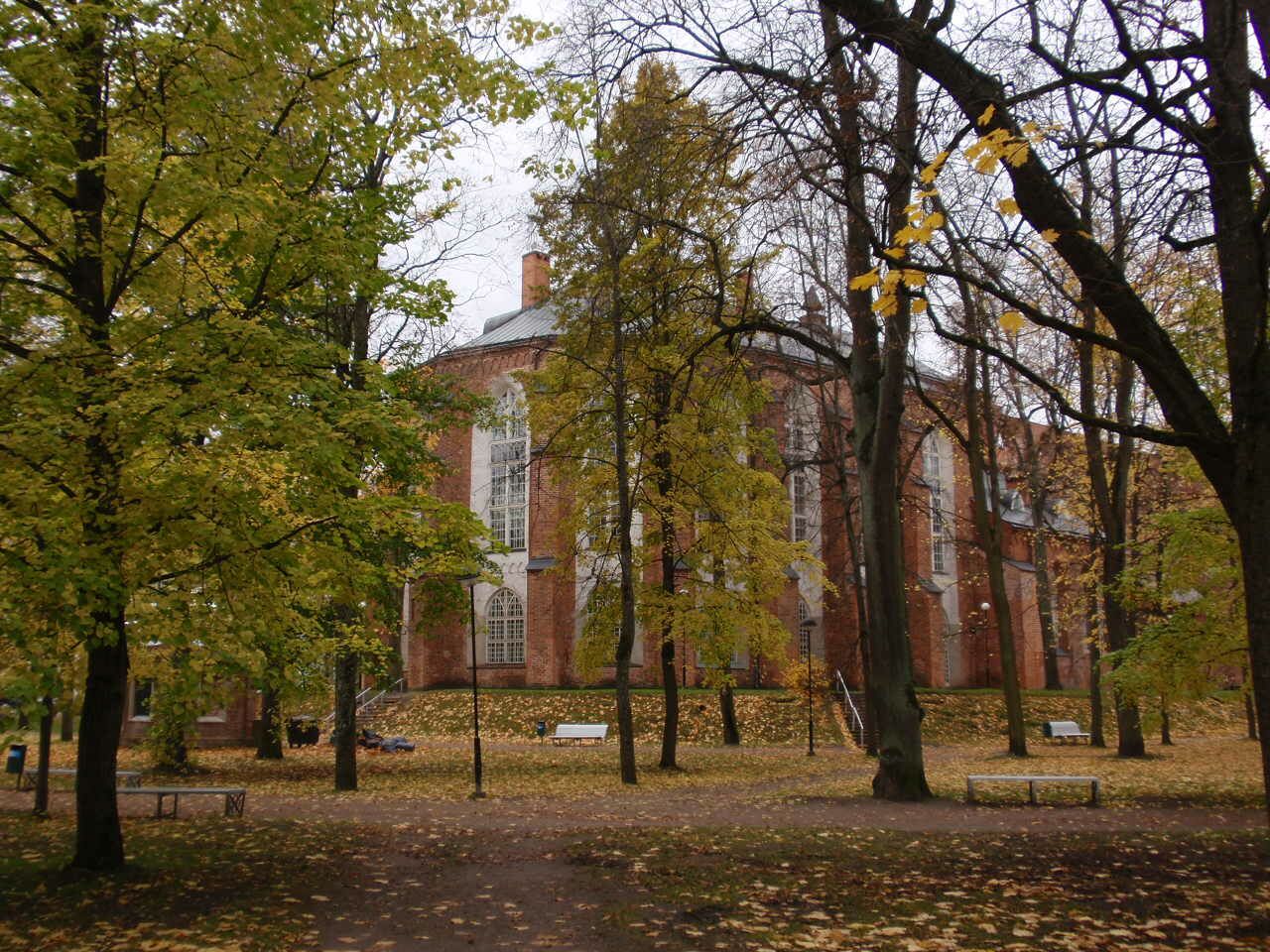
Tartu at a glance
Southern Estonia
University culture, museums, historic streets, and riverside walks
2 nights
Culture lovers, couples, and curious travellers
Intellectual, youthful, creative, and welcoming
Year-round, especially May to September
Tartu had a completely different energy from Estonia's smaller towns. As home to the country's oldest and largest university, it felt young and lively, but I also noticed a sense of history and intellectual curiosity almost immediately.
I loved wandering around the old town without much of a plan. Colourful façades lined the streets around the university, while cafés, bookshops and students gave the centre a relaxed, lived-in atmosphere.
It felt like a city designed for lingering rather than rushing between attractions.
From there, I walked up Toome Hill, where the ruins of Tartu Cathedral became one of my favourite sights in the city.
The enormous brick arches and partially preserved structure were particularly striking surrounded by greenery, and the hill itself was a lovely place to escape the busier streets below.
I also enjoyed spending time beside the Emajõgi River. In summer, the waterfront became another social space, with people walking, cycling, and getting out onto the water.
What stayed with me most was Tartu's personality. It was historic without feeling stuck in the past, and its university gave the city a creative energy I hadn't experienced elsewhere in Estonia.
How Tartu fits into your Estonia itinerary
I'd make Tartu the main base for the southern part of an Estonia itinerary and give it two nights. It pairs naturally with Viljandi, and from here you can continue towards Latvia by train.
Give yourself time for the Estonian National Museum. It's slightly outside the historic centre, so I'd allow several hours rather than trying to squeeze it between old-town sights.
Saaremaa
(pronounced: SAA-reh-maa)
Saaremaa at a glance
Western Estonia, in the Baltic Sea
Spa retreats, medieval history, coastal scenery, and cycling
3 nights
Couples, wellness travellers, and nature lovers
Restorative, peaceful, coastal, and unhurried
June to August or early autumn
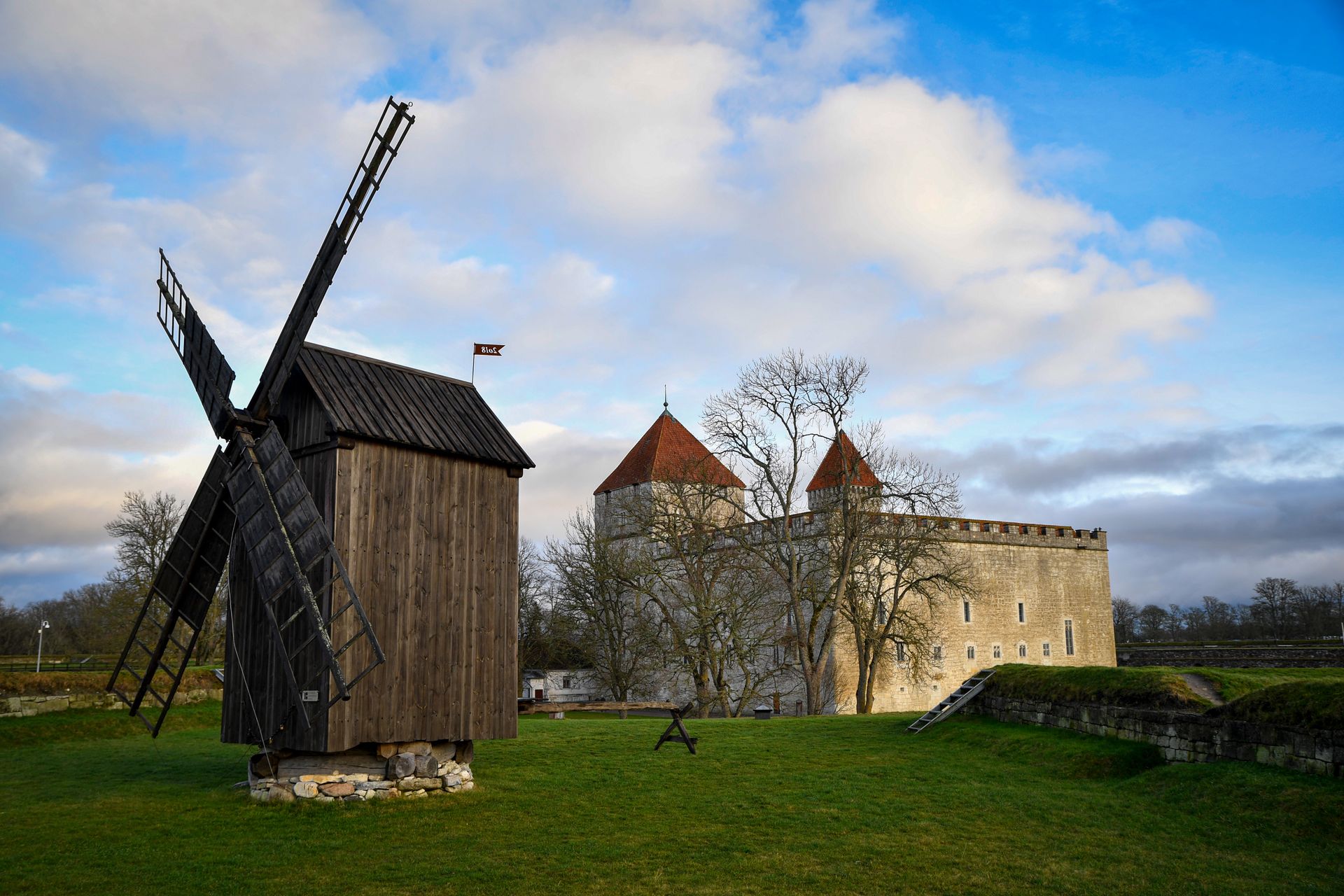
Saaremaa was where I properly switched off. Estonia's largest island had plenty to explore, from Kuressaare Castle and the Kaali meteor crater to windmills, juniper-covered countryside and seemingly endless coastline, but my favourite experience was much less energetic.
I treated myself to some proper spa time in Kuressaare, and it ended up being one of the most relaxing parts of my Estonia trip.
Spa culture isn't an afterthought here. Saaremaa has been known for its therapeutic mud since the 19th century, and Kuressaare developed into a popular resort town around it.
I loved having an afternoon when there was absolutely nowhere I needed to be.
I tried one of the traditional mud treatments, spent time warming up in the sauna and then relaxed by the water rather than immediately heading back out sightseeing. After several days of walking, cycling and exploring, my body was very happy with that decision.
It also helped me understand Saaremaa's appeal a little better. This wasn't an island where I felt pressure to fill every hour. Exploring Kuressaare Castle one day and dedicating part of another to doing almost nothing felt completely appropriate.
How Saaremaa fits into your Estonia itinerary
I'd give Saaremaa three nights and combine it with Muhu on a western Estonia road trip. If you have longer, Haapsalu and Hiiumaa can turn this part of the journey into a fantastic island-and-coast section of your itinerary.
Book any spa treatments you particularly want before arriving, especially during summer weekends. I'd leave a few hours free afterwards too rather than scheduling another attraction immediately.
Lahemaa National Park
(pronounced: LAH-heh-maa)
Lahemaa National Park at a glance
Northern Estonia, around 70 km east of Tallinn
Bog walks, forests, coastal villages, and hiking
2 days
Hikers, nature lovers, photographers, and road trippers
Wild, peaceful, historic, and atmospheric
May to September
Lahemaa was where Estonia's love of forests, bogs and quiet coastline really came together for me. I could have easily visited for a few hours from Tallinn, but spending longer here gave me a much better sense of how varied the park actually was.
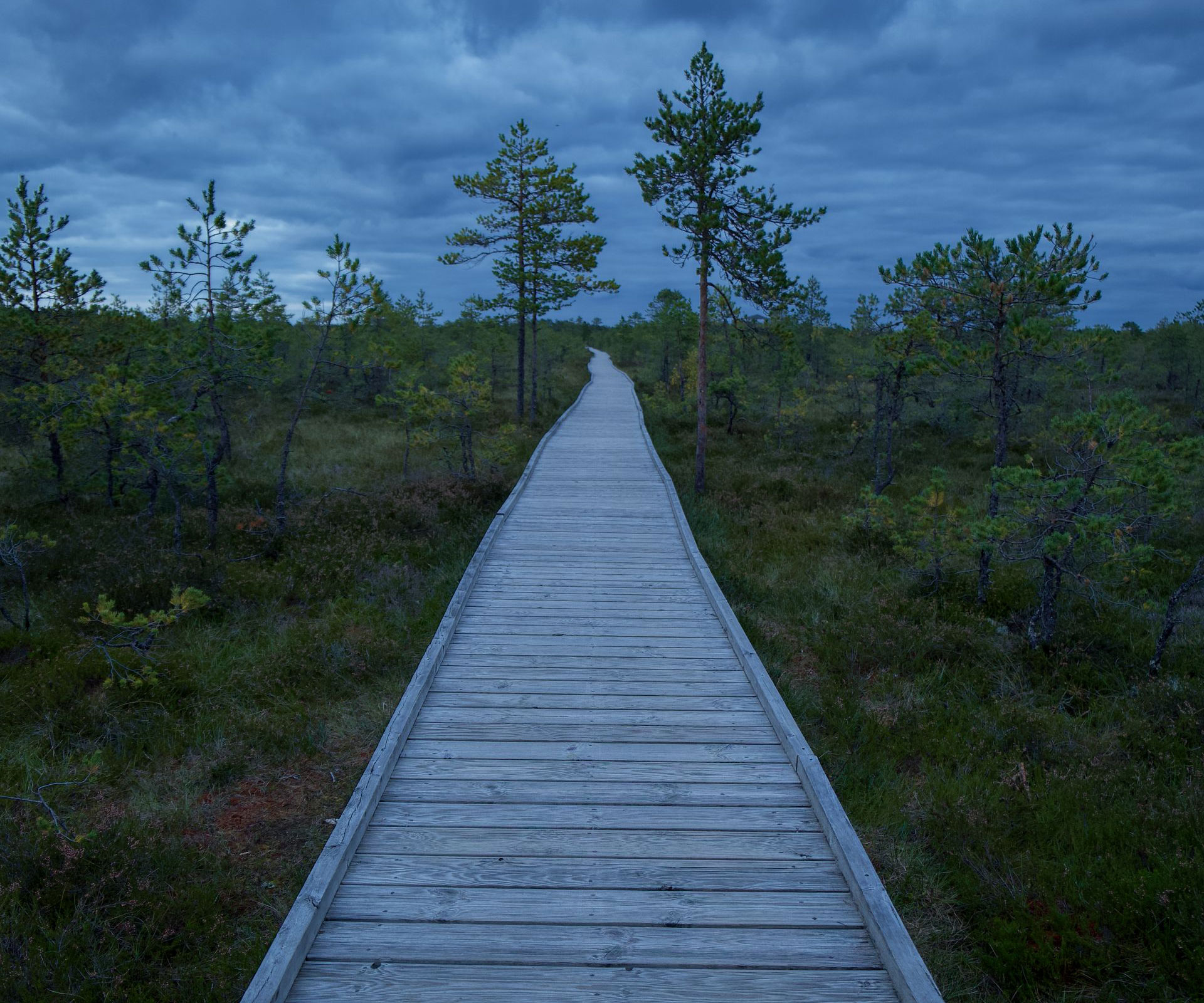
My favourite walk was through Viru Bog. A narrow wooden boardwalk carried me right across the open peatland, with dark pools of water, low vegetation and huge skies reflected almost perfectly in the still water.
At times, the boardwalk seemed to disappear straight towards the horizon. It was such a simple trail, but the openness and silence made it one of the landscapes I remembered most clearly.
I hadn't expected the manor houses to be such a highlight either. Palmse and Sagadi brought an entirely different feel to the day, with grand historic buildings and carefully maintained parkland surrounded by wilderness.
You can stay overnight at a couple of the manor houses, and there are other accommodations available throughout the part, too.
Later, I headed towards the coast and Altja, where traditional wooden buildings and the rocky Baltic shoreline felt wonderfully removed from Tallinn.
That variety was what I loved about Lahemaa. In a single day I could walk across a bog, explore an old manor estate, hike through pine forest and finish beside the sea.
How Lahemaa National Park fits into your Estonia itinerary
Lahemaa is an easy addition immediately before or after Tallinn, and I'd give it two days rather than squeezing it into a quick day trip.
It's also perfectly positioned if you're continuing east towards Narva, making Tallinn → Lahemaa → Narva a natural route through northern Estonia.
I'd visit Viru Bog as early as possible. The boardwalk is particularly peaceful in the morning, and the low light and reflections across the bog are beautiful before more day-trippers arrive.
Tallinn
(pronounced: TAL-in)
Tallinn at a glance
Northern Estonia, on the Gulf of Finland
Medieval history, food, creative neighbourhoods, and city breaks
3 nights
History lovers, foodies, couples, and culture seekers
Medieval, creative, colourful, and cosmopolitan
May to September, or December for the Christmas markets
Tallinn was the place where Estonia's past and present came together most clearly for me. I expected to love the medieval Old Town, but I hadn't realised how much I'd enjoy the neighbourhoods beyond its walls too.
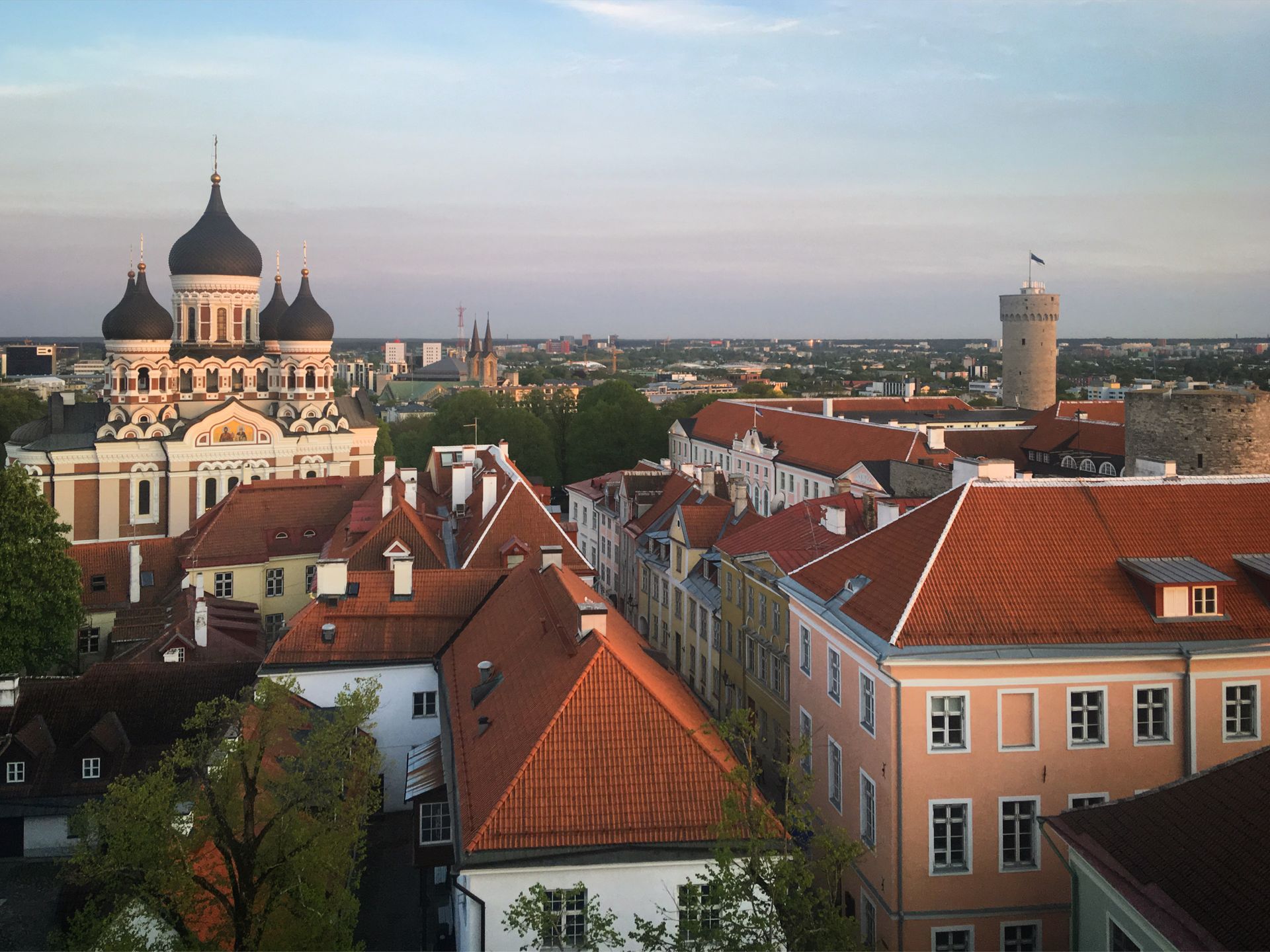
I spent hours exploring the cobblestone lanes of the lower town before climbing towards Toompea. Looking across the red rooftops, church spires and defensive towers towards the Baltic was one of those views I kept stopping to photograph.
Alexander Nevsky Cathedral added another dramatic landmark, while sections of the medieval walls made it remarkably easy to imagine Tallinn centuries ago.
But I wouldn't spend the entire visit inside the Old Town. I loved walking into Kalamaja, where colourful wooden houses immediately changed the feel of the city.
From there, Telliskivi was another favourite, with converted industrial buildings filled with cafés, restaurants, studios and street art.
That contrast fascinated me. Tallinn could feel deeply medieval one moment and young, creative and technologically ambitious the next, without either side seeming out of place.
I also liked that three days gave me permission to slow down. Tallinn was compact enough to explore on foot, so I never felt like I had to race between sights.
How Tallinn fits into your Estonia itinerary
I'd start an Estonia itinerary with three nights in Tallinn before heading east to Lahemaa and Narva or west towards Haapsalu and the islands.
If you're combining Estonia with Finland, the direct ferry connection with Helsinki also makes Tallinn an easy starting or finishing point.
Explore the Old Town early in the morning. I found its cobbled lanes much more atmospheric before the busiest sightseeing hours began.
Estonia is compact enough that a week can cover several very different parts of the country without spending half the trip in transit.
Travelling to Estonia also pairs nicely with a visit to Sweden, Finland, or Latvia.
Estonia itinerary: 7 days
Route: Tallinn → Lahemaa National Park → Haapsalu → Muhu → Saaremaa
| Days 1-2 | Day 3 | Day 4 | Days 5-7 |
|---|---|---|---|---|
Destination | Tallinn | Lahemaa National Park | Haapsalu | Muhu & Saaremaa |
Overnight | Tallinn | Lehemaa area | Haapsalu | Saaremaa |
Why this route? For an Estonia itinerary of 7 days, I'd rather explore one side of the country properly than try to squeeze all 10 places into a week.
I especially like ending in Saaremaa because a spa afternoon in Kuressaare makes for a wonderfully relaxed final day.
*I'd rent a car when leaving Tallinn for this itinerary. Estonia does have buses and other public transport options, but having your own car makes Lahemaa and the western islands much easier to explore at your own pace. I'd save Tartu, Viljandi, Pärnu, Hiiumaa and Narva for another trip rather than turning seven days into a race around the country.
Why Estonia deserves a trip beyond Tallinn
Tallinn absolutely deserves its popularity, but some of my favourite experiences in Estonia happened once I travelled beyond the capital.
I loved how quickly the country changed, from walking the wooden boardwalk through Viru Bog in Lahemaa to cycling around Haapsalu, horseback riding on Muhu, relaxing at a spa on Saaremaa, and waking early to watch the sunrise on Hiiumaa.
Estonia's quiet landscapes were a huge part of what made the country so memorable to me. Forests, bogs, islands, beaches, and tiny coastal villages often felt surprisingly remote despite never being particularly far apart.
If you're planning a trip to Estonia, I wouldn't stop after Tallinn. Give yourself time to explore at least one national park, island or smaller town, because that's where I really started to appreciate how much this small country has to offer.
FAQs about travelling to Estonia
The currency in Estonia is the euro (€). Credit and debit cards are widely accepted, and Estonia is very card-friendly, although I'd still carry a small amount of cash when visiting rural areas, markets, or smaller businesses.
Visa requirements depend on your nationality. Estonia is part of the Schengen Area, so many travellers can visit visa-free for up to 90 days within a 180-day period, while others need a Schengen visa.
I found driving one of the easiest ways to explore Estonia, particularly for Lahemaa National Park and the western islands. Traffic drives on the right, roads are generally good, and travelling by car gives you much more freedom once you leave the larger towns and cities.
Estonia is generally considered a safe destination for travellers, although normal precautions still apply. I'd keep an eye on valuables in busy areas and check current travel advice before visiting areas close to the Russian border.
Estonia uses European-style Type C and Type F plugs, with a 230V, 50Hz electricity supply. Travellers from countries using different sockets will need a suitable travel adapter, and you should check that your devices support 230V.
Estonian is the official language and is spoken throughout the country. English is widely understood in many tourist settings, particularly among younger Estonians, while Russian is also commonly spoken in some areas, especially in northeastern Estonia and Narva.
Ready to explore Estonia? Optimise Travel is here to help
Estonia may be a small country, but deciding how to divide your time between Tallinn, its Baltic islands, national parks, coastal towns, and quieter inland destinations can still make planning a trip surprisingly tricky.
At Optimise Travel, we create personalized travel itineraries based on your interests, travel style, and budget.
Whether you're dreaming of wandering Tallinn's medieval streets, walking across the bogs of Lahemaa, cycling around Haapsalu, relaxing at a spa on Saaremaa, exploring Tartu, or escaping to the quiet landscapes of Hiiumaa, we'll help you build an itinerary that makes the most of your time.
If you'd like help planning your trip to Estonia, click here to learn more about our concierge travel services.