


I've travelled to enough countries, and changed enough currencies, to say this honestly: almost every time, I walked away feeling like I'd been quietly ripped off somewhere along the way.
Most travel money advice doesn't help with that. It's either sponsored by whatever card it's pushing, or stuck comparing the same three options that were current a decade ago.
The real picture has genuinely changed since then, and pretending otherwise costs you money.
Here's an honest, current comparison of exchanging travel money, and what I'd actually use myself.
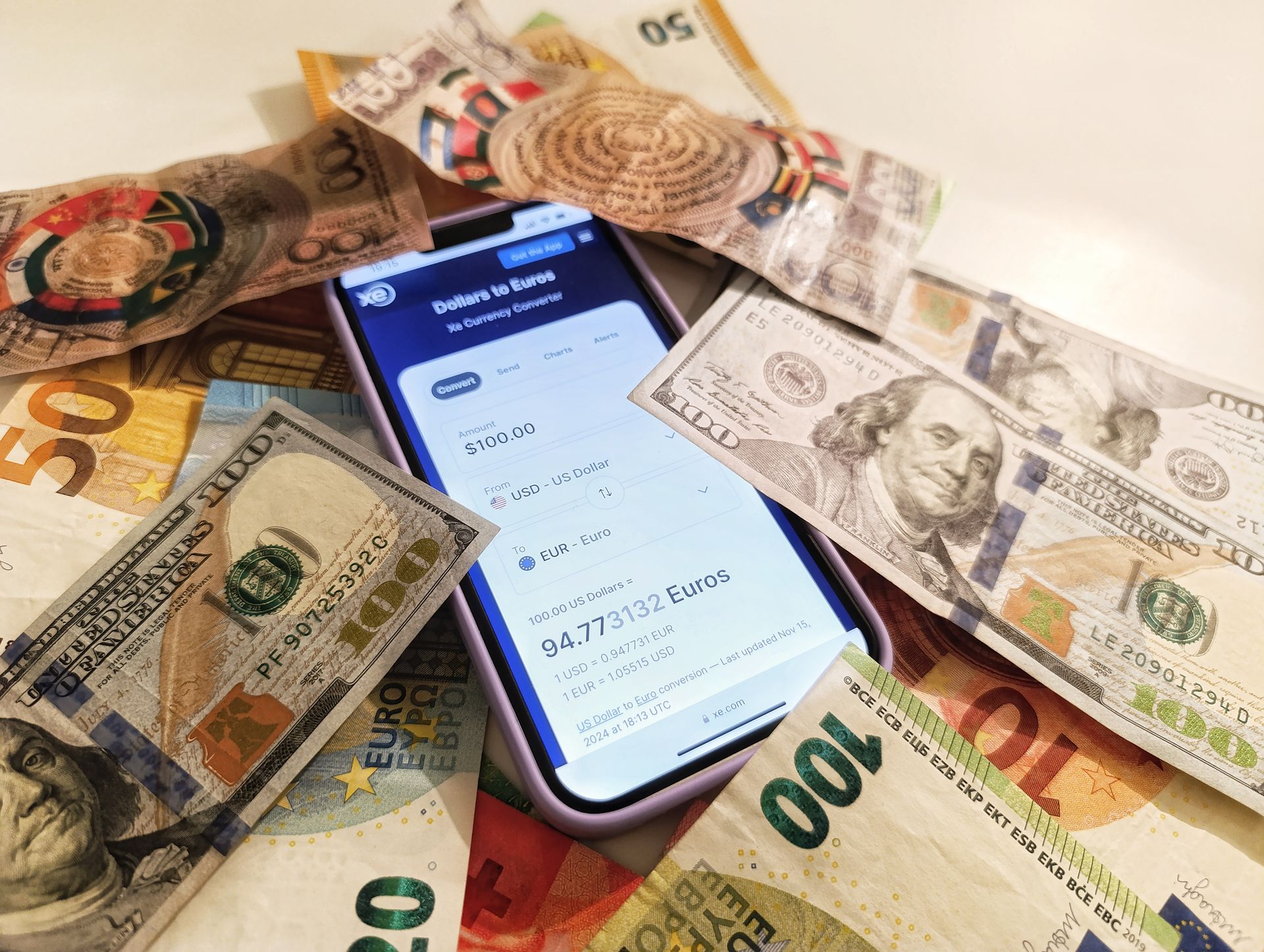
Credit cards
A standard credit card is probably the easiest option because you're already carrying one. The problem is that the card you use every day at home may not be the best one to take overseas.
Foreign transaction fees are the big one to watch. Even a small percentage added to every purchase can add up quickly over two weeks of hotels, meals, transport, and sightseeing.
Check these three things before you fly
I've been caught out by this myself. I once travelled with a card I thought was fee-free, only to discover a smaller charge buried in the terms that I'd never noticed on my domestic statements.
I check the actual fee schedule before travelling rather than assuming the card that's good at home will also be good overseas.
Bank travel money cards
Bank travel money cards let you load foreign currency before you leave, usually locking in the exchange rate at the time you convert.
They were once one of the obvious alternatives to travelling with cash, but newer multi-currency cards have made the choice less straightforward.
Where they still work well
What I'd check first
Modern multi-currency cards
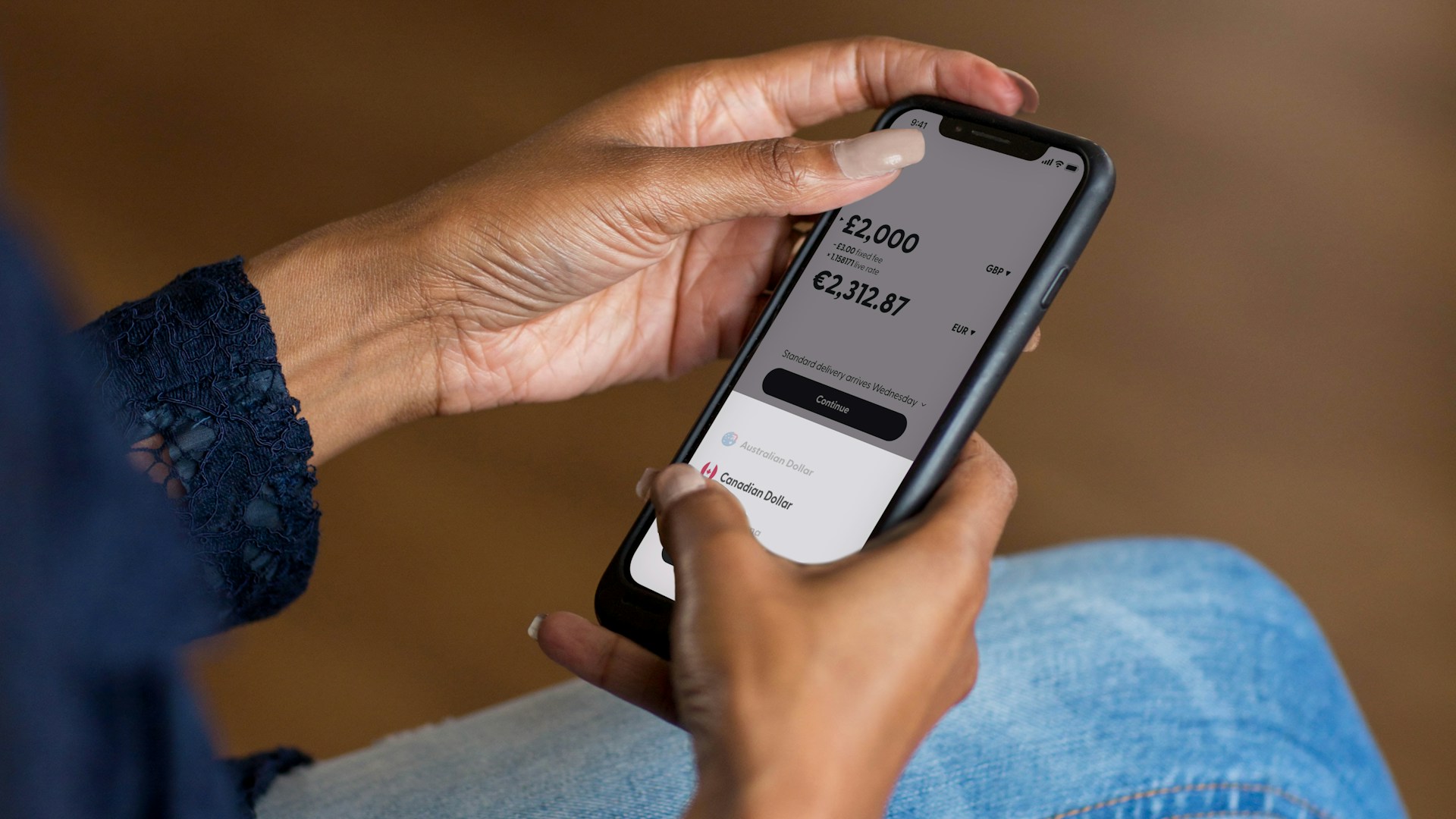
Multi-currency cards are the biggest change I've seen in travel money since I first started writing about this topic.
Providers such as Wise and Revolut allow you to manage multiple currencies through one account and spend overseas using a linked card. For most travellers, this is now one of the first options I'd compare before reaching for a traditional travel money card.
How they work
The basic process is simple:
- 1Add money to your account in your country’s format.
- 2Convert it into another currency through the app, or let the provider handle the conversion when you spend, depending on the service and your setup.
- 3See the rate and applicable fees before confirming a conversion.
- 4Spend with the linked card anywhere that supports the card network you're using.
That transparency is the part I find most useful. Instead of looking only at a headline like "no transaction fees," you can see what your dollars are actually converting into and compare your options.
Why I'd consider one for travel
The catch: check the ATM rules
Don't assume every transaction will be cheap simply because you're using a multi-currency card. ATM withdrawal allowances, conversion fees, weekend pricing, and other charges can vary by provider, account type, currency, and how you use the card.
Set everything up before you leave and make a small test transaction at home. I'd much rather discover a card, PIN, or app isn't working while I'm still at home than when I'm standing at an ATM overseas.
Cash
I still take cash on almost every trip, but these days I treat it as a backup rather than my main way of paying.
Plenty of situations still make life easier with local currency, especially once you get away from major hotels, restaurants, and tourist attractions.
When I still reach for cash
If I need to exchange money, I check the current rate on my phone first, so I have a rough idea of what I should be getting.
In Australia, I'll compare several exchange providers rather than automatically using the most convenient one. Overseas, I stick to established, licensed exchange counters and avoid anywhere advertising a rate that looks suspiciously good.
I carry enough local currency to get me through a few basic expenses, but not enough that losing my wallet would derail the trip.
Cash hasn't disappeared from my travel routine. I just find myself needing much less of it than I used to.
Bringing money home
One tip that's genuinely served me well over the years: if you land home with leftover foreign cash, don't lose money converting it back at an airport kiosk. The rates there are consistently poor.
Instead, if you know someone heading to that country soon, trade it directly with them at a fair mid-market rate. Everyone comes out ahead compared to what either of you would get exchanging through a kiosk.
It's a small thing, but it's saved me more money over the years than most of the bigger decisions on this list. Worth remembering the next time you land home with a pocket full of coins and notes you're not sure what to do with.
What about travellers cheques?
Travellers cheques are essentially obsolete for the vast majority of travellers now. Most banks have stopped issuing them, and few places still accept them. Unless you have a specific reason to use them, they're not worth factoring into a modern travel money plan.
Save money on more than just the exchange rate
The right method genuinely depends on the trip and the traveller, a mix of a fee-free card, a multi-currency account, and a modest amount of cash covers most situations well.
None of this needs to be complicated, and it doesn't need a specific product pushed on you to get right. It just needs a few minutes of setup before you leave, rather than sorting it out at the airport with whatever's already in your wallet.
Avoiding unnecessary fees really comes down to a bit of planning before you leave, rather than sorting it out at the airport on the way out.
If working out the right setup for your specific trip feels like one more thing to research, that's exactly the kind of avoidable cost our personalised travel planning service helps you sidestep.
We fold this into the planning conversation rather than leaving you to figure it out at the last minute.
Frequently asked questions
Generally after you arrive or via a multi-currency card, since exchange counters at your home airport typically offer the worst rates available.
You should carry enough to cover a day or two as a backup, rather than your full trip budget. Most spending is safer and more convenient on a card these days.
Mostly, though not universally. They work anywhere card payments are accepted, but very cash-reliant destinations or situations still benefit from carrying some local currency.
No, it's generally best avoided. Carrying only what you need for a day or two reduces the impact if cash is lost or stolen.
Technically in some places, though it's increasingly difficult. Most banks have stopped issuing them and few merchants still accept them, so they're not a practical option for most trips.