Visit Turkey: Why Australians Would Enjoy This Rich Culture

Turkey

Optimise Travel Test – Turkey

Turkey has been a part of Australia’s history, dating back to the ill-fated Gallipoli campaign in World War 1. Paying your respects to our fallen soldiers at Anzac Cove is an emotional rite-of-passage for many Australians, and is well worth the trip alone. However, Turkey also offers plenty of other options for holiday-makers, including its culture, World Heritage Sites and the architecture of numerous historical buildings.

We’ve put the country through our Optimise Travel holiday destination test, and it certainly passes.

  • Is now a good financial time to go? 

  • Is there a wide variety of interesting things to see and do? 

  • Is there a good time of year to go? 

  • How hard is it to get to and get around when you’re there? 

We’ll look at each one of these criteria in more detail in this article, offering you some practical tips and advice along the way.

A good financial time to go √

Current exchange rates between the Australian dollar and the Turkish lira make Turkey a great value for money destination for Australian tourists, which is a bonus.

As the graph below shows, this has been the case for the last few years in particular. The Australian dollar (AUD) will currently buy you approximately 2.04 Turkish liras (TRY), about double the figure of a decade ago when it hovered around the 1 lira mark. Even 5 years ago, an Australian dollar would only get you about 1.5 Turkish liras. So now is a good time to go.

Exchange Rate - Turkey

Image: xe.com

A variety of interesting things to see and do √

Before we get into those, you need to get your head around the geographic layout of the country, and in particular, appreciate two of its bordering countries. The capital city of Turkey is Ankara, and as you can see from the map below, the country is bordered by Syria and Iraq in the south, two countries that are currently in conflict. It is best to avoid Turkish regions that border those two countries accordingly.

In addition, you need to appreciate that there will be an English language barrier to some extent in Turkey. Turkish is the official language, and while young people in Turkey may know some basic English, older people are less likely to know any.

Turkey Map

Image http://guidemap.tk

ANZAC Cove, Gallipoli peninsula

ANZAC Cove is a small, 600-meter long cove on the Gallipoli peninsula, about 200 kilometres south-west of Istanbul. It is where the ANZAC soldiers landed at dawn on April 25, 2015 (a date commemorated each year via the Anzac day public holiday in both Australia and New Zealand).

8709 Australians lost their lives in the ill-fated, 8-and-a-half month Gallipoli campaign of World War 1, and a further 19, 441 were wounded. Each year thousands of Australians and New Zealanders trek to Gallipoli to pay their respects, firstly at the ANZAC Day dawn service, followed by visiting the grave sites of fallen soldiers. It is a truly moving and humbling experience.

Operation Gallipoli 2013, NZDF Contingent Support to ANZAC Day Commemorations in Turkey. NZDF Hats at ACS and on ANZAC Cove.

                                                           Image:http://www.syne.com

Hagia Sophia, Istanbul

The Hagia Sophia was built in the 6th century and is remarkably well preserved. Formerly a mosque and before that a church, it is now a museum. Its distinctive architecture is a landmark in Turkey, and its inner walls feature a variety of striking religious mosaics.

Hagia Sophia, Instanbul Turkey

Image: www.wikipedia.com

Topkapi Palace, Istanbul

Topkapi Palace was a royal residence that also served as the administrative centre of Turkey from 1465-1856. It is now a museum containing artefacts from that era, holy relics and jewellery.

topkapi-palace-istanbul Turkey

Image: http://ephesus-tour.com

Pamukkale

Meaning “cotton castle” in Turkish, Pamukkale is a distinctive travertine (white limestone) terraced hot spring landscape in the south-west of the country. People have bathed in its pools for thousands of years, and it is a World Heritage Site.

pamukkale Turkey

Image: http://www.sademdis.com

Ephesus

Ephesus is a city from the Roman empire in south-west Turkey that still has many of its monuments largely intact, as well as its marble-columned roads from that era. It is another World Heritage Site.

Ephesus Turkey

Image: http://www.wanderlustturkey.com

Bodrum Castle

Built in the 15th century, Bodrum Castle in south-west Turkey has a fascinating history. It has been used variously over the years as a chapel, mosque, military base and prison. It is now an underwater archaeology museum, containing ancient shipwrecks extracted from the Aegean Sea.

bodrum castle, Turkey

Image: https://evapartments.files.wordpress.com

Relax by the beach or paraglide at Ölüdeniz

Ölüdeniz is a small secluded beach resort in Turkey’s south-west. Its turquoise coloured water makes it one of the most photogenic beach location in the world. Tandem paragliding is a popular option available to take in its panoramic views.

Hang gliding in Turkey

Image: http://www.otelseden.com

Cruise the Mediterannean, off Bodrum

Hundreds of tiny islands are scattered off the coast of Bodrum in the south-west, and these can be explored on a relaxing yacht cruise.

Take a cruise in Turkey

Image: http://www.turkeytraveller.com

Hike or go hot air ballooning in Cappadocia

Cappadocia is a historical region located in the provinces of Nevşehir, Kayseri, Aksaray and Niğde in central Turkey. Its World Heritage listed rock formations and underground cities built hundreds of years ago provide lots of exploring opportunities for hikers. You can also take in the breathtaking views via hot air ballooning.

Hot air balloon in Turkey

Image: http://www.asherworldturns.com

A good time of year to go √

Being located in the northern hemisphere, Turkey’s seasons occur at the opposite time to Australia’s. Coastal areas of Turkey tend to have hot, dry summers and cool to cold, wet winters. Winters in the interior of the country are more severe, with significant snowfall.

Turkey’s major summer school holidays occur each year predominantly between mid-June and mid-September. A shorter 2 week winter school holiday period occurs during the last week of January and the first week of February each year. You can expect holiday destinations and accommodation within Turkey to be more crowded and expensive accordingly during these times, especially in summer.

Islam is the major religion in Turkey, and in 2016 the Ramadan month of fasting will begin in early June. It is recommended that tourists respect the locals by not eating, drinking or smoking in public during this time, nor in the presence of people who are fasting.

Getting there and getting around while you’re there √

There are regular flights to Ankara and Istanbul (the two largest cities in Turkey) from most capital cities in Australia. It’s a long flight, taking between 16 and 19 hours from the east coast of Australia, based on one quick stopover at a connecting flight destination along the way (such as in Singapore or Dubai). Connecting flights are common for such a long journey. Your total travel time will obviously be affected by the length of any stopovers, so you should plan accordingly.

Within Turkey, there are airports in each of its major cities. Flights between cities are relatively short by Australian standards. For example, a flight between Ankara and Istanbul only takes about 30 minutes. An example of a long flight within the country would be between Istanbul in the north-west to Erzurum in the east, which takes about 2 hours.

Is it safe?

The Australian government’s official advice from the Department of Foreign Affairs and Trade is that Australians should exercise a high degree of caution when travelling in Turkey. This is because there is a relatively high threat of terrorist attacks and kidnapping in the country, especially in regions near Syria, due to the on-going conflict in Iraq and Syria.

In addition, as you should in any international country, pay close attention to your personal security and belongings in Turkey. You should also talk to your doctor about appropriate vaccines and preventative medicines before you go. In addition to the routine vaccines, for Turkey, you should prevent your chances of contracting any of the following diseases –hepatitis A/B, typhoid, rabies and malaria.

Please Share your travel tips, tricks and stories about Turkey in the comments section so that others can benefit on their travels!

*We aim to provide up to date content and information. If any information provided is no longer correct then please email us at optimisetravelaustralia@gmail.com or post in the comments section

Why Australians should travel to South America this year

Carnival Time

South America has always felt like the trip Australians talk about more than they actually book. It's a long way, and it's easy to assume it's out of reach.

The honest answer depends heavily on which country you're actually asking about.

I've dug into what's genuinely happening with costs across the region right now, country by country, rather than treating it as one story.

Here's why South America is worth it, and exactly which parts I recommend.

  • My Travel Tip: South America isn't one value story

Brazil's affordability is a durable cost-of-living story. Prices stay low regardless of what any currency is doing.


Argentina is a dramatic but genuinely improving currency and inflation story, with a real caveat attached. Colombia is steady, comparatively mild value that doesn't swing much either way.


Peru sits closer to fair value than people assume. Knowing which kind of value you're getting helps you plan realistically instead of assuming the whole continent behaves the same way.

South America colourful street scene

Brazil

Brazil's value is the durable kind. The real has held at a level that keeps everyday costs genuinely low, and that's less about a currency swing working in your favour right now and more about the cost of living simply staying low year after year.

A per-kilo lunch, the classic Brazilian self-serve buffet priced by weight, remains excellent value, and hostel dorms are cheap enough that a longer stay barely dents the budget.

I think that's the real appeal here: you can travel slowly and thoroughly without watching every dollar.

Christ the Redeemer Rio golden hour

Where I'd spend my time in Brazil

There's far more to Brazil than Rio, and each stop offers something quite different:

  • Rio de Janeiro: Christ the Redeemer and the beaches are the obvious highlights, while Carnival is genuinely worth timing a trip around if you don't mind the crowds.
  • Salvador: Colonial architecture, Afro-Brazilian culture, great food, and a completely different atmosphere from Brazil's southern cities.
  • Manaus: The main jumping-off point for river and rainforest trips into the Amazon, and somewhere most first-time visitors don't consider.
  • São Paulo: A genuinely serious food and nightlife city without the same tourist focus as Rio. Honestly, the food scene alone rivals anywhere I've come across in South America.
  • My Travel Tip: 

Prices spike hard around Carnival and New Year's, sometimes tripling overnight.


Carnival typically falls in February or March, just before Lent, so check the dates for your travel year. Travelling outside these peak periods is where Brazil's value really shows up.


Brazil is also a country where I'd resist trying to squeeze everything into a short itinerary. The distances are enormous, but everyday affordability makes spending longer in two or three regions much more realistic.


Argentina

Argentina's story is genuinely more dramatic, and it's worth understanding rather than just taking on faith.

The government liberalised currency controls back in 2025, and inflation has fallen a long way from its recent peak, a real, durable improvement rather than a fleeting exchange rate quirk.

The caveat matters, though. Local inflation is still high enough that prices can creep up noticeably through a longer trip, so what feels like a bargain in week one may feel less generous by week three.

It's still good value, especially compared with Western Europe, but it's worth remembering that it's a moving target.

Lush vineyard rows in Tunuyán, Mendoza

What I'd build an Argentina trip around

Argentina is enormous, and the experiences change dramatically depending on where you go:

  • Buenos Aires: Tango, football at a genuinely electric stadium, and a late-night restaurant culture that rewards slowing down. The capital alone can justify the trip.
  • Mendoza: One of the best-value wine regions I've come across, with a few days of wineries and good food fitting naturally into a longer itinerary.
  • Patagonia: Glaciers, mountains, and some of the continent's best hiking. It's a completely different Argentina from what you'll experience in Buenos Aires or Mendoza.

I think Argentina rewards a slower, more deliberate trip more than almost anywhere else on this list.

Mendoza pairs naturally with Buenos Aires, while travellers with more time can continue south into Patagonia rather than trying to cram the country's enormous distances into a short visit.

  • My Travel Tip:

How you pay can make a difference in Argentina. Paying cash in dollars at an authorised exchange house can get you more pesos than paying by card, so it's worth checking the current rates and payment options before you travel.


Colombia

Colombia is the steady option on my list, and I mean that as a genuine compliment. The peso has stayed weak on a longer view, which keeps day-to-day costs comparatively low without the dramatic swings Argentina goes through.

What I like about Colombia is how much the experience changes as you move around the country.

You can go from Caribbean heat to cooler mountain cities and green coffee country without crossing a border.

Las Lajas Sanctuary Colombia cliff

Three very different sides of Colombia

  • Caribbean coast: Cartagena's walled old city brings colourful colonial streets, warm evenings, and a completely different pace from the cities further inland.
  • Mountain cities: Medellín has transformed into a major long-term traveller hub and makes a useful base for exploring more of the surrounding region.
  • Coffee country: Around Salento, rolling green hills, working coffee farms, and a noticeably slower pace make it an easy detour if you're already travelling between Medellín and the coast.

Then there's Las Lajas Sanctuary, a neo-Gothic basilica built directly into a river gorge near the Ecuadorian border. It remains one of the most striking pieces of architecture I've seen described anywhere in South America, and it rarely gets the attention it deserves.

  • Why I'd consider Colombia for a single-country trip:

You don't necessarily need to combine it with somewhere else to get variety. Cartagena, Medellín, and the coffee region already give you three very different experiences, while generally keeping day-to-day costs reasonable.


Peru and Bolivia

Peru is the one worth a genuine caveat. Its currency has actually held up reasonably well against the AUD recently, which cuts against the old assumption that Peru is automatically a bargain.

It's still worth visiting, just don't assume it's the cheapest option on the continent without checking.

For me, the value here is less about getting a favourable exchange rate and more about what you're getting for the trip. Few places anywhere have the cultural and natural drawcards that Peru and Bolivia can combine.

Wide view of the citadel, Huayna Picchu, terraces, and surrounding Andes

What makes the journey worthwhile

  • Cusco and Machu Picchu: Cusco and the wider Incan heritage sites remain Peru's biggest drawcard, and Machu Picchu still earns every bit of its reputation despite how often it's photographed.
  • Salar de Uyuni: Bolivia's enormous salt flat becomes a vast natural mirror during the wet season. It's the kind of landscape that doesn't really translate through photos.
  • Lake Titicaca: Straddling the Peru-Bolivia border, the lake rarely gets the attention Cusco does despite being just as striking. I'd genuinely recommend building in the extra days if your itinerary allows it.

Both countries reward travellers willing to go a little higher and a little further off the main route.

If you've already made the long journey from Australia, I think combining Peru and Bolivia makes much more sense than rushing through the headline attractions and flying straight back out.

  • Don't underestimate the altitude:

Cusco and La Paz both sit well above 3,000 metres.


Rather than landing and immediately launching into hiking or a packed sightseeing schedule, give yourself a day or two to adjust. 


It can make a genuine difference to how much you enjoy the rest of the trip.


Getting there and getting around

The honest trade-off with South America is the flight. It's a genuine long-haul commitment from Australia, typically routed through the US or occasionally through Auckland or Santiago, and that time investment is worth factoring in alongside the value on the ground.

I won't pretend this is a quick getaway. It's closer in spirit to a once-a-year or once-every-few-years trip, the kind worth building properly rather than squeezing into a short break. That's part of why sequencing matters so much. 

Once you're there, you want to make the most of having come this far.

Within South American, the distances between countries are smaller than the flight from home might suggest.

Iguazu Falls sits conveniently right on the Brazil-Argentina border, which makes it a natural stop for anyone combining the two countries on one trip rather than treating them as separate visits.

A few things make the long flight genuinely worth it once you're there:

  • Regional flights are affordable. Hopping between Buenos Aires, Rio, and Lima costs a fraction of what the equivalent distance would in Australia.
  • Cross-border combinations are easy. Iguazu Falls, Lake Titicaca, and several other highlights sit right on shared borders, built for multi-country trips.
  • A longer trip makes more sense than a short one. Given the flight commitment, three to four weeks lets you properly justify the trip over a rushed ten-day version.

Is South America worth it for Australians right now?

The honest answer depends on which country you're asking about, and that's really the point. Brazil's value holds steady regardless of timing, Argentina rewards travellers who understand the trade-off, and Colombia sits comfortably in between.

The flight is real, and I won't pretend otherwise. But once you weigh that against the depth of what you actually get on the ground, from Rio to Patagonia to the Salar de Uyuni, it's a genuinely different kind of trip to anything closer to home.

If you'd rather not work out the sequencing yourself, that's exactly what our personalised travel planning service is built for. 

Tell us which countries you're drawn to and we'll turn it into a properly sequenced multi-country itinerary. It pairs naturally with our guide to the best value destinations for Australians if you're still weighing South America against closer options.


Frequently asked questions

Is South America expensive to get to from Australia?

The flight itself is the main cost, typically routed through the US, Auckland, or Santiago. Once you're there, costs across most of the continent are genuinely reasonable.

What is the cheapest country to visit in South America for Australians?

Brazil and Colombia both offer strong, steady value for day-to-day costs. The right pick depends more on what you want to see than which country is marginally cheaper.

Is Argentina still good value despite high inflation?

Yes, generally, though it's worth knowing prices can creep up noticeably through a longer trip. Paying in cash at an authorised exchange house helps offset that.

Can you visit multiple South American countries in one trip?

Yes, and it's genuinely worth doing. Brazil and Argentina pair naturally around Iguazu Falls, which sits right on the shared border.

How far in advance should Australians plan a South America trip?

Six to nine months ahead gives you the best access to flights and accommodation, especially if your trip includes Carnival season or Incan trail permits.

How To Find Best Travel Money Card For Australian Travellers

Travel Money Cards have recently become the preferred means of carrying money by travellers all over the world. The technology has made carrying money electronically extremely easy, safe and convenient.

Australians have many choices when it comes to purchasing a Travel Money Card with each bank or institution offering different terms, conditions, fees and charges. It is, therefore, important that Australians compare and review travel money cards available on the market.

We have done this work for you by comparing Eight of the Best Travel Money Cards available in Australia. The two tables below give a clear summary of the different cards available and show how you can save on fees and charges.

Travel Money Card – Table 1

TRAVEL CARDS/ INFORMATION
Westpac Global Currency Card

westpac global Travel Money Cards

ANZ Bank Travel Card

anz Travel Money Cards


Load & Go (Australia Post)

australia post load and go Travel Money Cards

Cash Passport

travelex cash Travel Money Cards

FEES,
CHARGES , & CONVERSION RATES
-Reload fee is $10
-Conversion rate is 3%
-No initial card fee and monthly inactive fee.
-No secondary fee
-No cap on reload fee
-Conversation rate is 3%
-Initial card fee is $11
-No monthly inactive fee
-No secondary fee
-No reload fee
-conversation rate is 3%
-No initial card fee
-No monthly inactive fee
-No secondary fee
-No reload fee
-Conversation rates change from time to time
-Charges on ATM
withdrawal is 2.95%
-Monthly inactive fee is AU$4
CURRENCIES AVAILABLE
-Multiple currency
-Max currencies loadable in the card at a point is 5
-Australian dollar, SA Rand, US dollar, Euros, British pounds, Canadian dollar, Singapore dollar, Hong Kong dollar, Japanese yen, Thai Bhatt, New Zealand dollar
-Multi currency
-Max currencies loadable at a point is 10
-Australian dollar, US dollar, Euros, British pounds, Canadian Dollar, Singapore dollar, Hong Kong dollar, Japanese yen, Thai Bhatt, New Zealand dollar
-Multiple currency
-Max currencies loadable at a point is 5
-Australian dollar, Euros, US dollar, British pound, New Zealand dollar.
-multiple currency
-Max currencies loadable at a point is 10
-USD, THB,CAD,HKD,JPY,SGD , and AUD
-Single currency card
LIMITS
-maximum ATM withdrawal within 24 hrs. is $2000
-Min amount loaded is $100
-Max amount of transactions within 24hrs is $8000
-Max daily bill pay reload is $6000
-Max ATM withdrawals within 24 hrs. is $2500
-Min amount loaded is $200
-Max amount of transactions within 24hrs is $5000
-Max daily bill pay reloaded is $9000
-Max ATM withdrawals within 24hrs is $2500
-Min amount loaded is $100
-No max amount of transactions within 24hrs
-No max daily bill pay reloaded
-Max ATM withdrawals within 24hrs is AUS$3000
-Min amount loaded is AU$ 100
-Max amount of transaction within 24hrs is AU$15000
-Max daily bill pay reloaded is AU$ 25,000
-Limit of Cash over the counter is AU$350
CHANNEL OF DISTRIBUTION
-can be purchased online
-can be purchased in a branch
-Can be purchased online
-Can be purchased in a branch
-Can only be purchased in a branch
– Can be purchased online
SECURITY INFORMATION
-No bank account linkage
-chip and pin protection
-ability to lock card
-ability to change pin
– No bank account linkage
– chip and pin protection
-Ability to lock card
-Ability to change pin
-No bank account linkage
-Ability to lock card
-Ability to change pin
– Bank account linkage
-Ability to lock card
-Ability to change pin
ACCESS CHANNELS
-Online purchase
-ATM use
-Online purchase
-ATM Use
-Online purchase
-ATM Use
-Online purchase
-ATM Use
-Over the counter use
TERMS AND CONDITIONS
-Emergency assistance globally and card replacement 24/7
-Lock in exchange rate before travel
-Funds in different currencies
 
-Emergency assistance globally and card replacement 24/7
-Lock in exchange
-Funds in deferent currencies
-Emergency card replacement
-Lock in exchange
-Funds in different currencies
-Lock in exchange
-Emergency assistance globally and card replacement 24/7
-Funds in different currencies
 
RELOAD
 
-Same day card reloading
-Emergency fund transfer
– Same day card reloading
-No same day card reloading
-25% load bonus
-Same day reloading
-Emergency fund transfer
MOBILE & PHONE
-Available Apps
-Change of pin through mobile
-24 hrs. customer service
-24 hrs. customer service.
-SMS alerts
-Available Apps
-SMS Alerts
-24 hrs. customer service
 
ACCOUNT FACILITY
-Online account access
-Online change of pin
-Funds allocated online
-Online account access
-Online change of pins
-Online allocation of funds
-Online account access
-Online allocation of funds
-Online account access
-Online change of pin
-Online allocation of funds

Travel Money Card –  Table 2

TRAVEL CARDS/
INFORMATION
Commonwealth Travel Money Card

commonwealth bank travel money card

Virgin Velocity Global Wallet

Virgin Velocity Global Wallet Travel Money Card


NAB Travel Money Card

nab traveler Travel Money Card

Qantas Cash MasterCard

qantas Travel Money Card

FEES, CHARGES , & CONVERSION RATES
-Initial card fee is $15
-No monthly inactive fee
-No currency conversion fee
-No secondary card fee
-No reload fee
-No initial card fee
-Monthly inactive fee is $1
-Emergency cash transfer fee is $ 15
-Currency exchange rate is 3%
-No reload fee
– No initial card fee
-No cap on reload fee
-No secondary card fee
-Monthly inactive fee is $4
-Currency conversion rate is 4%
– No initial card fee
-No monthly inactive fee
-No currency conversion fee
-No reload fee
CURRENCIES AVAILABLE
-Multiple currency
-Max no of currency loaded at a point is 13
-Single currency card
-USD, Euros, New Zealand dollars, SA Rand, AUSD, Japanese yen, Chinese Renminbi, Vietnamese Dong, Emirati Dirham, Thai Baht, SD, HKD, CAD, British pound.
– Multiple currency
-Max no of currency loaded at a point is 11
-Euro, AUSD, CAD, Japanese Yen, USD, Thai Baht, SA Rand, Sterling pound, Singapore dollar,   New Zealand dollar, HKD
-Multiple currency
-Single currency
-Max no. of currency loaded at a point is 10
-USD,CAD, Euros, Thai Baht, Singapore dollar, New Zealand dollar, British pound, HKD, Japanese yen
-Multiple currency
-Single currency
Max no of currency loaded at a point is 11
-USD, CAD, Euros, Thai Baht, Singapore dollar, New Zealand dollar, British pound, HKD, Japanese Yen, Emirati Dirham
LIMITS
-Min amount loadable $1
-Max ATM withdrawal is $2,500
-Max transaction amount is $7,500
-Max bill pay reload is $100,000
-Max ATM withdrawal is $2500
-Min loadable fee is $100
 
-Min amount loadable is $50
-Max ATM withdrawal is $3000
-max transaction value is $7000
-max bill pay reload is $25,000
Min. amount loadable is $1
-Max ATM withdrawal is $3000
-Max transaction amount is $15,000
-Max bill pay reload is $ 20.000
CHANNEL OF DISTRIBUTION
-Can be purchased online
-Can be purchased in a branch
-Can be purchased online
-Can be purchase
-Can be purchased in a branch
-Can be purchased online
SECURITY INFORMATION
-Chip and Pin protection
-No bank account linkage
-Ability to lock card
-Ability to change pin
-No bank account linkage
-Ability to lock card
-Ability to change pin
-Chip and pin protection
-No bank account linkage
-Ability to lock card
-Chip and pin protection
-No bank account linkage
-Ability to lock card
ACCESS CHANNELS
-Online purchase
-ATM use
-Online purchase
-ATM use
 
-Online purchase
-ATM use
-Online purchase
-ATM use
TERMS AND CONDITIONS
-Lock in exchange
-Different currencies
-Emergency assistance and card replacement 24/7
-Emergency fund transfer
-Lock in exchange
-Different currencies
-Emergency assistance and card replacement 24/7
-Emergency fund transfer
-Lock in exchange
-Different currencies
-Emergencies assistance and replacement 24/7
-Emergency fund transfer
 
-Lock in exchange
-Different currencies
-Emergency assistance and replacement 24/7
-Emergency fund transfer
RELOAD
 
-Same day reload
 
-Same day reload
-No same day reload
MOBILE & PHONE
-24hr Customer service
-SMS alert
-24 hrs. customer service
-Available app
-24HR Customer service
-Available app
-24hr customer service
ACCOUNT FACILITY
-Online account access
-Online change of pin
-Online access to funds
-Online account access
-Online access of funds
-Online account access
-Online change pin
-Online access of funds
-Online account access
-Online change of pin
-Online access of funds

Westpac global Currency Card – It charges $10 for reloading card and its conversation rates stands at 3%. One can load five different currencies at ago and the maximum ATM withdrawal is $2,500.

Global Wallet (Velocity Frequent Flyer)It does not charge any fee for purchasing initial card but charges monthly inactive fee of $1 after 12 dormant months. It also charges $15 for emergency transfer and the conversation rate is 3%.

ANZ Travel Card The fee for acquiring initial card is $11 and the conversation rate is 3%. There is no monthly inactive fee and maximum number currencies loaded at ago are 10.

Load & Go (AUSTRALIA POST)The conversation rate is at 3% and maximum currencies loaded at a point are 5. It does not charge fee for acquiring initial card.

Cash Passport – Monthly inactive fee of $4.00. There is 25% load balance and 24 hours customer service.

Nab Travel CardConversation rate is 4% and no charge for acquiring initial card. One can change pin and access funds online.

Commonwealth Bank Travel Money Card – Fee for acquiring initial is $15 and the number of currencies available is 13. There is same day reloading and 24 hours customer service.

Cash MasterCard (Qantas Cash) – There is no linkage with bank account and one can lock the card in case of lose. There is 24 hours customer service and online account access.

Please Share your tips, tricks and stories regarding Travel Money Cards in the comments section so that others can benefit on their travels!

*We aim to provide up to date content and information but care should always be taken when purchasing products from retailers. If any information provided is no longer correct then please email us at optimisetravelaustralia@gmail.com or post in the comments section

 

Getting the most value from your European holiday (for Australians)

I used to assume a European holiday meant picking between Paris and everywhere else, and quietly accepting whichever price tag came with it.

Then I started actually checking the exchange rate before each trip, rather than after, and the picture got a lot more interesting.

Some places genuinely aren't pricier than they were a few years ago. Others have become dramatically cheaper, and it's rarely the country you'd expect.

Here's where your Australian dollar is actually working hardest in Europe right now, and why.

  • My Travel Tip: Why looking beyond the big five still pays off

It's tempting to assume the euro and the pound have both gotten more expensive for us. Checking my own currency conversions over the past few trips, that's not really true, the AUD to euro and pound rates have barely moved. 


What's changed dramatically is the alternative side of the comparison, destinations like Turkey have become so much cheaper that stepping outside the obvious five countries now delivers a genuinely bigger gap than it used to.


I only really noticed this by paying attention trip after trip, rather than assuming the picture was the same as it was a few years ago.

Central and Eastern Europe

Prague Charles Bridge dusk

Central and Eastern Europe has been quietly good value for years, and my own experience comparing prices here against Western Europe on the same trip keeps confirming it.

What I like most isn't just the savings. Nothing about the experience feels reduced because of them. The architecture, food, and history can easily compete with cities charging considerably more.

Three places I'd consider first

  • What stays with me is how easily you can have a good night without thinking too much about the budget. A proper sit-down dinner, a couple of drinks, and a taxi back to your accommodation can still come in below what I'd expect to spend on a fairly ordinary evening in many Western European capitals.
  • Krakow: I remember walking away from a proper sit-down dinner here having spent noticeably less than a casual lunch cost me in Munich the week before. The free walking tours are excellent too, and they're a good way to get your bearings before deciding what you want to explore properly.

    Krakow's Old Town is also one of my favourite places in this part of Europe to simply grab a coffee and watch the day go by. You get that classic European square experience without paying the prices you'd expect somewhere further west.
  • The value almost becomes secondary once you're there. Accommodation goes particularly far, and I've found genuinely comfortable places to stay for less than I'd expect to pay for a budget option in much of Western Europe.
  • The bigger takeaway:

I'd choose these places because they're worth visiting, not simply because they're cheaper.


The lower daily costs just mean you can afford better accommodation, eat out more often, stay longer, or add another stop without watching the budget quite so closely.


Turkey

hot air balloons over Cappadocia at sunrise

Turkey is where the value story gets particularly interesting. The lira has weakened enormously over the past decade, and I remember being genuinely surprised the first time I did the maths properly on a Turkey trip. 

I'd expected my budget to land somewhere similar to Greece, and it went considerably further.

Istanbul alone justifies the trip, but what surprised me was how many different parts of the holiday benefited from that extra spending power.

Where you'll notice your money going further

  • Everyday spending: Meals, taxis, coffee, and markets can all feel noticeably easier on the budget than in much of Western Europe.
  • Coastal stays: Around Antalya, resorts and all-inclusive packages can offer particularly strong value if you want to add a few relaxing days to a longer trip.
  • Big experiences: Cappadocia's hot air balloon rides aren't exactly cheap, but experiences like this can be much easier to fit into the budget than you'd expect.
  • Shopping and markets: Istanbul's Grand Bazaar rewards an afternoon rather than a quick photo stop. Wandering, haggling, and getting thoroughly lost in it is half the experience.

That's what stood out to me most. Turkey didn't necessarily make me want to spend as little as possible. It gave me room to spend a little more freely without constantly feeling like the numbers were adding up against me.

  • If value is your priority:

Turkey would be one of my first choices on this list.


You can combine a major city, Mediterranean coastline, incredible food, and a bucket-list experience like Cappadocia without needing the kind of budget that combination might demand elsewhere in Europe.


Serbia and North Macedonia

Ottoman Old Bazaar at sunset

Serbia and North Macedonia are good options if you want the lower costs of the Balkans without building your whole trip around the best-known destinations.

I'll be honest, I didn't expect much from either before visiting, and both quietly outperformed that low bar.

They're the kind of places I'd add to a longer European itinerary when I wanted a few days somewhere different, affordable, and considerably less crowded.

What I'd go for

  • Belgrade: Come for the nightlife, which is far more serious than I expected, but give yourself time to explore the city during the day too. Food is hearty, portions are generous, and eating out doesn't need to become a major part of your daily budget.
  • Skopje: The combination of its Ottoman old town and slightly eccentric modern architecture makes it unlike almost anywhere else on a typical European itinerary. It's compact enough to explore without needing a huge amount of time or money.

Neither city needs to be the headline act of your trip. I actually think they work better as affordable additions to a longer Balkans route, particularly if you're travelling between Central Europe and Greece.

  • Who I'd recommend them to:

Travellers who enjoy discovering places before they've ticked off every famous European capital.


I've recommended both to friends who assumed there wasn't much worth stopping for between Vienna and Athens, and they've come back pleasantly surprised.


What about the big five?

None of this means I'd skip France, Italy, Spain, the UK, or Germany just because my money goes further elsewhere. I still go back to Italy most years, and I don't see that changing anytime soon.

Instead, I've changed how I build the budget around those trips.

My approach: Spend, then balance

If Rome or Paris is one of the reasons I'm going to Europe, I'll spend the money to enjoy it properly.

I'd rather book a good hotel in a location I actually want, eat the food I came for, and pay to see the things that matter to me than spend the whole time trying to make an expensive city cheap.

Then I'll balance those days with somewhere my budget naturally stretches further.

That might mean combining Vienna with Prague, Germany with Poland, or Italy with a few days further east. Suddenly, I don't need every day of a three-week holiday to operate on the same expensive daily budget.

  • The goal isn't the cheapest European holiday:

It's spending more where it genuinely improves your trip and saving money where you can do so without feeling like you're missing anything.


For me, that creates a much better holiday than choosing destinations purely by price or spending two weeks in somewhere I've always wanted to visit while worrying about every restaurant bill.


A few things that actually make a difference

A handful of small habits consistently stretch my European budget further, often more than obsessing over which country is technically the cheapest.

  • Skip the airport currency exchange. Withdraw cash once you're in the country instead, and always check the fees your bank charges before you leave.
  • Stay just outside the tourist centre. Even moving a few streets away from the busiest area can bring accommodation prices down without making sightseeing inconvenient.
  • Eat a little further from the main square. I've rarely regretted walking five or ten minutes away from the obvious tourist restaurants. Prices tend to improve, and the food often does too.
  • Check whether you actually need a transport pass. Sometimes unlimited passes are great value; other times I've realised I could have walked almost everywhere.
  • Book the expensive things early. Trains, popular attractions, and accommodation are where leaving everything until the last minute can really hurt the budget.
  • Pay in the local currency. If a card terminal offers to convert the transaction into AUD, I usually decline and let my bank handle the conversion instead.

None of these will transform an expensive trip into a cheap one, but together they leave more of the budget for the things I actually travelled to Europe to experience.

a European train platform

Get more from your European holiday

Real value in Europe right now comes from mixing it up, not necessarily avoiding the obvious names, but not stopping at them either.

The trips that have felt most generous to me weren't the ones where I chased the absolute cheapest country available.

They were the ones where I paired something classic with something that stretched the budget further, and let each part of the trip do what it does best.

If working out how to combine a big-five stop with somewhere that stretches the budget further sounds like the hard part, that's exactly what our personalised travel planning service is built for. 

Tell us what you want to see and we'll build the itinerary around it.


Frequently asked questions

Which European countries don't use the euro?

Several EU countries still use their own currency, including the Czech Republic, Poland, Hungary, Romania, Denmark, and Sweden. Always confirm the current currency before you travel, since this can change.

Is Turkey part of Europe for travel purposes?

Yes, Istanbul in particular straddles both Europe and Asia, and Turkey is commonly included in a European itinerary. It's also one of the strongest value destinations on the continent right now.

Can you combine Western and Eastern Europe in one trip?

Yes, and it's a great way to balance the trip. Pairing a few days in a big-five destination with a stretch through Central or Eastern Europe keeps the overall cost down without giving up the classic stops.

What's the best time of year to visit Europe for value?

Shoulder season, generally spring and autumn, tends to offer the best combination of lower prices and manageable crowds across most of Europe.

Is it better to use cash or card when travelling in Europe?

Cards are widely accepted across most of Europe, but carrying some local currency is still useful for markets, small businesses, tips, and places with minimum card payments. When paying by card or withdrawing cash, choose the local currency rather than AUD to avoid potentially poor conversion rates.

Why Croatia Is a Must See Destination for Australian Travellers

Croatia

Optimise Travel Test – Croatia

Croatia offers plenty of options for holiday-makers, including its culture, historical buildings and national parks, as well as beautiful coastal and inland mountain resorts.

We’ve put the country through our Optimise Travel holiday destination test, and it comes up trumps.

  • Is now a good financial time to go? 

  • Is there a wide variety of interesting things to see and do? 

  • Is there a good time of year to go? 

  • How hard is it to get to and get around when you’re there? 


We’ll look at each one of these criteria in more detail in this article, offering you some practical tips and advice along the way.

A good financial time to go √

Current exchange rates between the Australian dollar and the Croatian kuna make Croatia a good value for money destination for Australian tourists.

As the graph below shows, the Australian dollar (AUD) will currently buy you approximately 5.17 Croatian kunas (HRK). Although you would have been able to get more than 6 kunas to the dollar 2 or 3 years ago, the Australian dollar has held up better against the kuna in recent years than against currencies like the United States dollar (USD) and the Euro (EUR).

AUD vs Croatian Kuna

Image: xe.com

A variety of interesting things to see and do √

Before we get into those, you need to get your head around the geographic layout of the country. The capital city of Croatia is Zagreb, and the country is bordered by Slovenia, Hungary, Serbia, Bosnia and Herzegovina, and Montenegro. Croatian is the official language in the country, but most people speak at least a little English, so the language barrier won’t be as acute as in some other countries.

Map of Croatia

Image: http://reliefweb.int

Pula Arena

This amphitheatre was built in the first century, and is the 6th largest surviving arena from the Roman Empire. It is also the best preserved historical building in Croatia, and hosts a variety of festivals and concert performances over the summer months.

Pula Arena in Croatia

http://www.houseofcoco.net/park-plaza-arena-hotel-pula-croatia/

Plitvice Lakes

Plitvice Lakes is a World Heritage-listed national park located near Croatia’s border with Bosnia and Herzegovina. It is particularly famous for its series of cascading lakes and their green, blue and azure watercolours. Its dense forests are home to unique flora and fauna species, including the European brown bear, eagles, owls, wolves and wild cats.

Plitvice Lakes In Croatia

Image: https://acoupledetours.files.wordpress.com

Hvar

   Hvar is a Croatian island town located in the Adriatic Sea, off the Dalmatian coast near the city of Split. It is home to some of Croatia’s more upmarket resorts, and is known for its sunny weather, beaches and harbour.

Hvar in Croatia

Image: http://www.suncanihvar.com

Zlatni Rat Beach

This much-photographed and popular beach, also off the coast of the city of Split, is surrounded by pine trees and is typically lined in summer with sunbeds. It is ideal for water sports activities such as wind-surfing and kayaking.

Zlatni Rat Beach in Croatia

Image: http://stuffpoint.com

Korčula

Korčula is also an island town located off the coast of Split. There you can stroll and explore its centuries-old stone buildings, medieval walls and towers on car-free stone alleys. You can also visit Marco Polo House, the birthplace of the famous 13th-century explorer.

korcula Sunset In Croatia

Image: http://i.uniline.hr

Dubrovnik

Nicknamed “the pearl of the Atlantic”, the city of Dubrovnik in the south is one of Croatia’s most prominent tourist attractions. It is a walled city, and the stunning architecture of its churches, monasteries and museums are its most striking feature. Besides walking the streets to take its history in, a great way to view the city as a whole and its neighbouring islands in the Adriatic Sea is via aerial cable car. In addition, the ‘old city’ was used in filming the HBO TV series Game of Thrones.

  Old town, dubrovnik, Croatia

Image: http://www.valamar.com


A good time of year to go √

Being located in the northern hemisphere, Croatia’s seasons occur at the opposite time to Australia’s. Its weather is much cooler than in Australia, with average summer temperatures of 18°C and -3°C in winter. Coastal areas are warmer than inland areas.

You can expect holiday destinations and accommodation within Croatia to be more crowded and expensive during school holiday times. Approximate Croatian school holiday dates are as follows:

Christmas: 24 December 2015 to 8 January 

Spring:       21 March 2016 to 28 March 2016

Summer:   13 June 2016 to 31 August 2016

Autumn:     5 September 2016 to 9 September 2016


Getting there and getting around while you’re there √

There are regular flights to Zagreb (the capital and largest city in Croatia) from most capital cities in Australia. It’s a long flight, taking approximately 24 hours from the east coast of Australia, based on one quick stopover at a connecting flight destination along the way (such as in Abu Dhabi, Bangkok or Dubai). Connecting flights are common for such a long journey. Your total travel time will obviously be affected by the length of any stopovers, so you should plan accordingly.

Within Croatia, there are airports in each of its major cities. Flights between cities are relatively short by Australian standards. For example, a flight between Zagreb in the north of the country and Dubrovnik (popular tourist destination in the far south) only takes about an hour.


Is it safe?

The Australian government’s official advice from the Department of Foreign Affairs and Trade is that Australians should exercise normal safety precautions when travelling in Croatia. As you should in any international country, pay close attention to your personal security and belongings.

You should also talk to your doctor about appropriate vaccines and preventative medicines before you go. In addition to the routine vaccines, for Croatia, you should prevent your chances of contracting any of the following diseases –hepatitis A/B and rabies.


Please Share your Croatian tips, tricks and stories in the comments section so that others can benefit on their travels!

*We aim to provide up to date content and information. If any information provided is no longer correct then please email us at optimisetravelaustralia@gmail.com or post in the comments section

Mobile Phone Options for Travelling Abroad

Mobile Phone

Travelling Abroad requires a lot of planning. Making smart and informed choices regarding your mobile phone is essential. Buying a prepaid sim card for overseas use will definitely save you money while making your daily communication easier with friends, loved ones, and business associates. There are many options available and we have researched and outlined the most popular choices of prepaid sim cards in Australia. Click on the Brands below to visit their website.

It is also important to note that at times it may be easier to simply purchase a prepaid sim card from one of the local mobile carriers in the country that you are visiting. This will likely cut down on costs.

However, if you do not want to lose the practical advantages of having your Australian Prepaid Sim Card with you, then our list below showcases the top mobile carriers and what they have to offer. It is also wise to remember that if your Smartphone is locked to one network it is likely that it will need to be unlocked to use most of these prepaid sims.

Mobile Phone Options for Travelling Abroad – Prepaid Sims

1) Vodafone

5 AUD daily plan For people headed overseas, there is little that could beat the amazing 5 dollars a day roaming plan that Vodafone has. This deal is available on all postpaid plans, including the month to month deals that it offers in Australia. This plan will let you use your plan’s data, voice and text allowance for a flat 5 dollars every day in close to 46 countries all over the world. Examples of countries covered include: New Zealand, The United States, The United Kingdom and other countries in Europe and Asia.

You will also get access to unlimited standard calls to the motherland as well as in the country that you are currently visiting. You will also enjoy free text messages.

For countries that are not in the 5 dollars a day flat rate, you will be charged a flat rate of 1$ per minute for all calls made and 1$ for every megabyte used on the internet. These plans are great for short trips up to 2 weeks. Travelling for long periods can get expensive on these plans if overused.

Vodafone travel sim

2) The Optus 10$ per day Travel Packs

Optus also has great travel packs that will make international roaming hassle free. For example, you will have access to unlimited standard calls and international calls and texts together with 50 MB of data for a flat rate of 10$ every day when in the following areas: New Zealand, The UK, The US, Canada, Asia and Europe.

When your travel pack runs out, charges will be as follows: 1$ per minute for calls, 50 cents for each SMS sent and 50 cents for data. These plans are great for short trips up to 2 weeks. Travelling for long periods can get expensive on these plans if overused.

Optus travel sim

3) Telstra Data Packs

Telstra has the reputation for having the greatest coverage and least black holes in Australia.However, its international roaming rates are not particularly good. For example, Telstra offers 100MB of data at 29$, 85$ for 300 MB and 600 MB for 160$ before topping out at 1GB for 350$. Each data pack is valid for 30 days from the day of activation and can be used in about 50 countries from New Zealand to Canada, Europe, Asia and The US. These plans are designed for longer term travel. When travelling for a minumum of 2-4 weeks these bundle packs become moreappealing and better value as they last for 30 days.

Telstra Prepaid Travel Sim Card

4) Truphone: Local Anywhere

Truphone adds a spanner to the works by allowing an Aussie traveler to view most of the world as a single roaming zone, all while using their local phone numbers. The Truphone World ‘300, plan features 300 voice minutes, 300 SMS and 300MB for 55$ every month. There are similar plans such as 500 plan, 1000 and 2000 plans that are priced at 71.50$, 104.50$ and 159.50$ per month respectively. Truphone is excellent for people who tend to travel to many countries all year round and especially business travelers as it offers local rates and phone numbers to users all on the one sim.

TruPhone Travel Sim Card

5) Woolworth’s Global Roaming Sim Card

For only 29$, you can get the Woolworth global roaming sim card, together with 10$ credit for making phone calls and purchasing data. The sim card is active in over 180 countries, and the fact that you can recharge online is a huge plus for weary travelers who would not want to start looking for scratch cards in the middle of the night. The company also has a page dedicated to comparing rates among all the major sim card companies offering global roaming sim card. As such, you can exercise your judgment in choosing the best card for your purposes. The global data only bundles are also competitive, with 250 MB going for 40$ with a 7-day expiry date, 500 MB for 60$ and 1GB for 90$ both with a 30-day expiry date. Despite being a well recognised brand in Australia and offering good rates there are many stories of the Woolies Sim card not working or being extremely difficult for travelers. Please post your experiences with all Sim cards in the comments below.

Woolworths Global Travel Sim Card

6) Gosim International Sim Card

Get the Gosim international sim card at only 19$ to have access to the following benefits:

a) Calls from 15 cents per minute

b) Have access to more than 195 countries worldwide

c) 10$ credit included, further reducing the cost of acquiring a sim card

d) Enjoy having no connection fees

e) Send text messages at 15 cents per text message

Data rates are competitively priced, starting from 35 cents per MB depending on the country that you are visiting. The company also offers bonus data depending on the type of bundle that you subscribe to. For example, the lite data bundle costing 49$ will give you 65$ value, while the medium data bundle going for 69$ gives you 140$ value and the heavy data bundle pack for 119$ unlocks 360$ worth of data bundles. This represents a credit bonus of 30%, 100% and 200% respectively.

GoSim Mobile Phone Options for Travelling Abroad

7) Australia Post Prepaid Travel Sim

For 24.95$, the Australia Post Prepaid Travel sim will unlock the following for you:

a) One contact number to use in over 190 countries

b) No contract, no minimum spend requirements and no hidden charges

c) Unlimited free web-based SMS to your travel sim

d) 5$ call credit when you buy your travel sim

e) 0.50$ per MB while in Europe

f) 24/7 personal assistant services when you encounter difficulties

g) Loyalty program for airlines and hotels that rewards you with 1 mile for every minute

called.

My girlfriend and I used the option when travelling to America previously. It was easy to reload and reliable to use but the rates for calls, texts and data were not as competitive as other options.

Australia Post Mobile Phone Options for Travelling Abroad

8) TravelSIM

TravelSIM is a roaming service that will give you access to over 190 countries. It is interesting to note that with this sim card, your friends and family will be able to call you toll-free and also send you web-based SMSs. There are no hidden charges, connection charges and flag falls with the TravelSIM. The sim card is prepaid, meaning that you will not see any surprise bills at your front door at the end of the month.

There is a personal assistant service on standby 24/7 that you can call when you experience difficulties. The official website for TravelSIM has a page for frequent travelers to calculate and compare rates while using the prepaid sim card for overseas travel.

The TravelSIM starter pack goes for 49.95$, though it includes a 20$ call credit, which means that its true cost is about 29.95$.

Travel Sim Mobile Phone Options for Travelling Abroad

9) Aussie Sim

The Aussie sim is for travelers visiting popular hotspots such as the UK, Europe, Indonesia, Thailand and Malaysia. The company also claims to have rates that are 95% cheaper than using your Australian mobile phone. It will cost you approximately 24.95$-39.95$ to purchase an Aussie sim card for global travel. This offer comes with free shipping. Being primarily focused on South East Asian countries and Europe this option is aimed at backpackers

The sim card will give you coverage in over 175 countries. The company has an interactive web page where you can calculate call, text and data rates in the country of your choice.

Aussie Sim Mobile Phone Options for Travelling Abroad

Please Share your tips, tricks, and stories in the comments section so that others can benefit on their travels!

*We aim to provide up to date content and information but care should always be taken when purchasing products from retailers. If any information provided is no longer correct then please email us at optimisetravelaustralia@gmail.com or post in the comments section

How to save money with currency exchange (my tips and tricks)

Tips for Currency Exchange

I've travelled to enough countries, and changed enough currencies, to say this honestly: almost every time, I walked away feeling like I'd been quietly ripped off somewhere along the way.

Most travel money advice doesn't help with that. It's either sponsored by whatever card it's pushing, or stuck comparing the same three options that were current a decade ago.

The real picture has genuinely changed since then, and pretending otherwise costs you money.

Here's an honest, current comparison of exchanging travel money, and what I'd actually use myself.

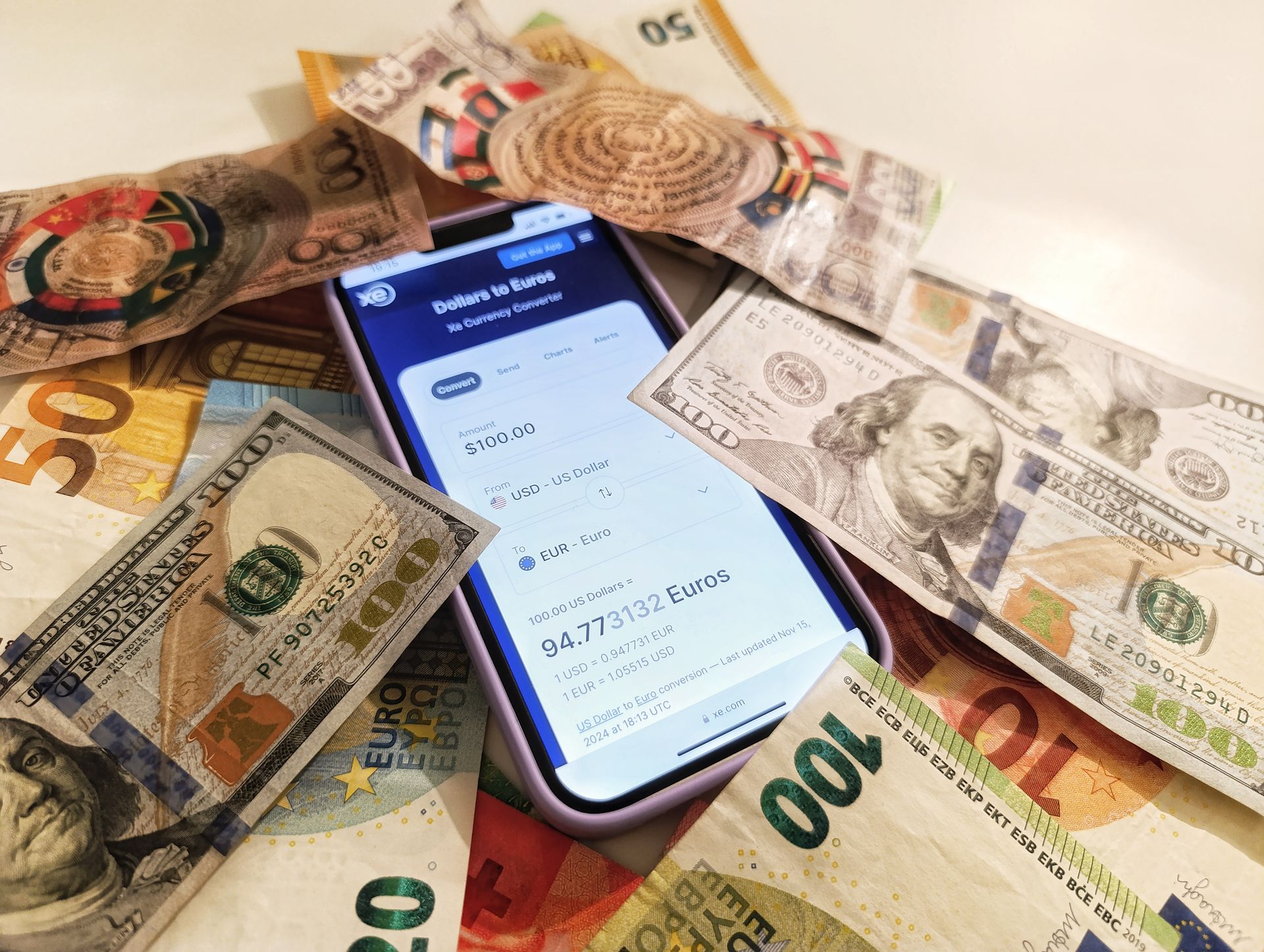
a mix of foreign currency notes and a phone showing a banking app

Credit cards

A standard credit card is probably the easiest option because you're already carrying one. The problem is that the card you use every day at home may not be the best one to take overseas.

Foreign transaction fees are the big one to watch. Even a small percentage added to every purchase can add up quickly over two weeks of hotels, meals, transport, and sightseeing.

Check these three things before you fly

  • Foreign transaction fees: Some credit cards charge a percentage every time you make a purchase in another currency. Look for a card with no foreign transaction fee if you plan to use it regularly overseas.
  • ATM and cash advance fees: Withdrawing cash using a credit card can trigger additional fees and interest, so check the terms before using one at an overseas ATM.
  • Points and rewards: If your card earns frequent flyer points or other rewards on overseas purchases, factor that into the comparison too. Just don't let the points distract you from higher fees.

I've been caught out by this myself. I once travelled with a card I thought was fee-free, only to discover a smaller charge buried in the terms that I'd never noticed on my domestic statements.

  • My rule now:

I check the actual fee schedule before travelling rather than assuming the card that's good at home will also be good overseas.


Bank travel money cards

Bank travel money cards let you load foreign currency before you leave, usually locking in the exchange rate at the time you convert.

They were once one of the obvious alternatives to travelling with cash, but newer multi-currency cards have made the choice less straightforward.

Where they still work well

  • You can lock in your exchange rate. If you're happy with the current rate, you know exactly how much foreign currency you have available before you travel.
  • They're separate from your everyday bank account. I like the added separation when travelling, particularly if a card is lost or compromised.
  • Spending is easy to track. Preloading a set amount can also help if you're trying to stick to a travel budget.

What I'd check first

  • The exchange rate margin. A card can advertise low or no transaction fees while giving you a less competitive exchange rate.
  • Loading and withdrawal fees. Check what it costs to add money, withdraw cash, or use currencies you haven't preloaded.
  • How it compares with newer alternatives. This is the big one for me. Traditional bank travel cards made much more sense before modern multi-currency accounts became widely available.

Modern multi-currency cards

Multi-currency cards are the biggest change I've seen in travel money since I first started writing about this topic.

Providers such as Wise and Revolut allow you to manage multiple currencies through one account and spend overseas using a linked card. For most travellers, this is now one of the first options I'd compare before reaching for a traditional travel money card.

How they work

The basic process is simple:

  1. 1
    Add money to your account in your country’s format.
  2. 2
    Convert it into another currency through the app, or let the provider handle the conversion when you spend, depending on the service and your setup.
  3. 3
    See the rate and applicable fees before confirming a conversion.
  4. 4
    Spend with the linked card anywhere that supports the card network you're using.

That transparency is the part I find most useful. Instead of looking only at a headline like "no transaction fees," you can see what your dollars are actually converting into and compare your options.

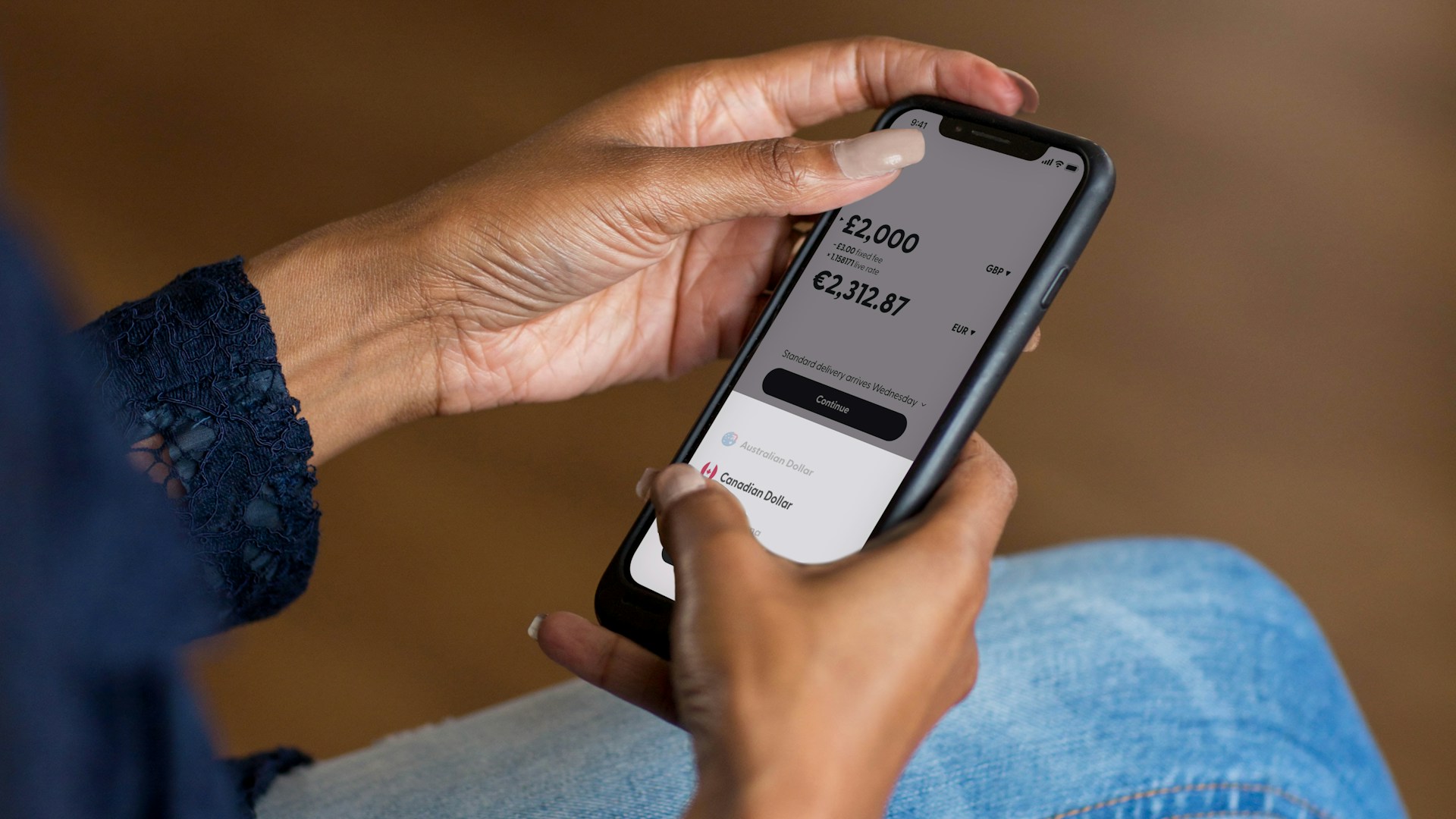
a phone showing a multi-currency banking app with several currency balances

Why I'd consider one for travel

  • Multiple currencies live in one place. That's particularly useful if you're visiting several countries on the same trip.
  • You can convert money from your phone. There's no need to visit an exchange counter every time you need another currency.
  • Fees and rates are easier to compare. You can see the details of a conversion before committing rather than judging an option by its advertised fees alone.
  • You don't have to carry your entire travel budget in cash. I still take some local currency, but I no longer want a wallet full of it.

The catch: check the ATM rules

Don't assume every transaction will be cheap simply because you're using a multi-currency card. ATM withdrawal allowances, conversion fees, weekend pricing, and other charges can vary by provider, account type, currency, and how you use the card.

  • My Travel Tip:

Set everything up before you leave and make a small test transaction at home. I'd much rather discover a card, PIN, or app isn't working while I'm still at home than when I'm standing at an ATM overseas.


Cash

I still take cash on almost every trip, but these days I treat it as a backup rather than my main way of paying.

Plenty of situations still make life easier with local currency, especially once you get away from major hotels, restaurants, and tourist attractions.

When I still reach for cash

  • Markets and street food: Small vendors don't always accept cards, and even when they do, cash can be quicker and simpler.
  • Local transport: Taxis, buses, ticket machines, and other forms of transport can still require cash in some destinations.
  • Smaller towns and rural areas: Card acceptance can become less reliable once you move away from major cities.
  • Emergencies: A payment terminal goes down, your bank blocks a transaction, or your phone dies. A small amount of cash gives you another way to pay when technology doesn't cooperate.

If I need to exchange money, I check the current rate on my phone first, so I have a rough idea of what I should be getting.

In Australia, I'll compare several exchange providers rather than automatically using the most convenient one. Overseas, I stick to established, licensed exchange counters and avoid anywhere advertising a rate that looks suspiciously good.

  • My approach:

I carry enough local currency to get me through a few basic expenses, but not enough that losing my wallet would derail the trip.


Cash hasn't disappeared from my travel routine. I just find myself needing much less of it than I used to.


Bringing money home

One tip that's genuinely served me well over the years: if you land home with leftover foreign cash, don't lose money converting it back at an airport kiosk. The rates there are consistently poor.

Instead, if you know someone heading to that country soon, trade it directly with them at a fair mid-market rate. Everyone comes out ahead compared to what either of you would get exchanging through a kiosk.

It's a small thing, but it's saved me more money over the years than most of the bigger decisions on this list. Worth remembering the next time you land home with a pocket full of coins and notes you're not sure what to do with.


What about travellers cheques?

Travellers cheques are essentially obsolete for the vast majority of travellers now. Most banks have stopped issuing them, and few places still accept them. Unless you have a specific reason to use them, they're not worth factoring into a modern travel money plan.


Save money on more than just the exchange rate

The right method genuinely depends on the trip and the traveller, a mix of a fee-free card, a multi-currency account, and a modest amount of cash covers most situations well.

None of this needs to be complicated, and it doesn't need a specific product pushed on you to get right. It just needs a few minutes of setup before you leave, rather than sorting it out at the airport with whatever's already in your wallet.

Avoiding unnecessary fees really comes down to a bit of planning before you leave, rather than sorting it out at the airport on the way out.

If working out the right setup for your specific trip feels like one more thing to research, that's exactly the kind of avoidable cost our personalised travel planning service helps you sidestep.

We fold this into the planning conversation rather than leaving you to figure it out at the last minute.


Frequently asked questions

Is it better to exchange money before you travel or after you arrive?

Generally after you arrive or via a multi-currency card, since exchange counters at your home airport typically offer the worst rates available.

How much cash should you carry when travelling overseas?

You should carry enough to cover a day or two as a backup, rather than your full trip budget. Most spending is safer and more convenient on a card these days.

Do multi-currency cards work everywhere?

Mostly, though not universally. They work anywhere card payments are accepted, but very cash-reliant destinations or situations still benefit from carrying some local currency.

Is it safe to carry large amounts of cash while travelling?

No, it's generally best avoided. Carrying only what you need for a day or two reduces the impact if cash is lost or stolen.

Can you still use traveller's cheques?

Technically in some places, though it's increasingly difficult. Most banks have stopped issuing them and few merchants still accept them, so they're not a practical option for most trips.