How To Find Best Travel Money Card For Australian Travellers

Travel Money Cards have recently become the preferred means of carrying money by travellers all over the world. The technology has made carrying money electronically extremely easy, safe and convenient.

Australians have many choices when it comes to purchasing a Travel Money Card with each bank or institution offering different terms, conditions, fees and charges. It is, therefore, important that Australians compare and review travel money cards available on the market.

We have done this work for you by comparing Eight of the Best Travel Money Cards available in Australia. The two tables below give a clear summary of the different cards available and show how you can save on fees and charges.

Travel Money Card – Table 1

TRAVEL CARDS/ INFORMATION
Westpac Global Currency Card

westpac global Travel Money Cards

ANZ Bank Travel Card

anz Travel Money Cards


Load & Go (Australia Post)

australia post load and go Travel Money Cards

Cash Passport

travelex cash Travel Money Cards

FEES,
CHARGES , & CONVERSION RATES
-Reload fee is $10
-Conversion rate is 3%
-No initial card fee and monthly inactive fee.
-No secondary fee
-No cap on reload fee
-Conversation rate is 3%
-Initial card fee is $11
-No monthly inactive fee
-No secondary fee
-No reload fee
-conversation rate is 3%
-No initial card fee
-No monthly inactive fee
-No secondary fee
-No reload fee
-Conversation rates change from time to time
-Charges on ATM
withdrawal is 2.95%
-Monthly inactive fee is AU$4
CURRENCIES AVAILABLE
-Multiple currency
-Max currencies loadable in the card at a point is 5
-Australian dollar, SA Rand, US dollar, Euros, British pounds, Canadian dollar, Singapore dollar, Hong Kong dollar, Japanese yen, Thai Bhatt, New Zealand dollar
-Multi currency
-Max currencies loadable at a point is 10
-Australian dollar, US dollar, Euros, British pounds, Canadian Dollar, Singapore dollar, Hong Kong dollar, Japanese yen, Thai Bhatt, New Zealand dollar
-Multiple currency
-Max currencies loadable at a point is 5
-Australian dollar, Euros, US dollar, British pound, New Zealand dollar.
-multiple currency
-Max currencies loadable at a point is 10
-USD, THB,CAD,HKD,JPY,SGD , and AUD
-Single currency card
LIMITS
-maximum ATM withdrawal within 24 hrs. is $2000
-Min amount loaded is $100
-Max amount of transactions within 24hrs is $8000
-Max daily bill pay reload is $6000
-Max ATM withdrawals within 24 hrs. is $2500
-Min amount loaded is $200
-Max amount of transactions within 24hrs is $5000
-Max daily bill pay reloaded is $9000
-Max ATM withdrawals within 24hrs is $2500
-Min amount loaded is $100
-No max amount of transactions within 24hrs
-No max daily bill pay reloaded
-Max ATM withdrawals within 24hrs is AUS$3000
-Min amount loaded is AU$ 100
-Max amount of transaction within 24hrs is AU$15000
-Max daily bill pay reloaded is AU$ 25,000
-Limit of Cash over the counter is AU$350
CHANNEL OF DISTRIBUTION
-can be purchased online
-can be purchased in a branch
-Can be purchased online
-Can be purchased in a branch
-Can only be purchased in a branch
– Can be purchased online
SECURITY INFORMATION
-No bank account linkage
-chip and pin protection
-ability to lock card
-ability to change pin
– No bank account linkage
– chip and pin protection
-Ability to lock card
-Ability to change pin
-No bank account linkage
-Ability to lock card
-Ability to change pin
– Bank account linkage
-Ability to lock card
-Ability to change pin
ACCESS CHANNELS
-Online purchase
-ATM use
-Online purchase
-ATM Use
-Online purchase
-ATM Use
-Online purchase
-ATM Use
-Over the counter use
TERMS AND CONDITIONS
-Emergency assistance globally and card replacement 24/7
-Lock in exchange rate before travel
-Funds in different currencies
 
-Emergency assistance globally and card replacement 24/7
-Lock in exchange
-Funds in deferent currencies
-Emergency card replacement
-Lock in exchange
-Funds in different currencies
-Lock in exchange
-Emergency assistance globally and card replacement 24/7
-Funds in different currencies
 
RELOAD
 
-Same day card reloading
-Emergency fund transfer
– Same day card reloading
-No same day card reloading
-25% load bonus
-Same day reloading
-Emergency fund transfer
MOBILE & PHONE
-Available Apps
-Change of pin through mobile
-24 hrs. customer service
-24 hrs. customer service.
-SMS alerts
-Available Apps
-SMS Alerts
-24 hrs. customer service
 
ACCOUNT FACILITY
-Online account access
-Online change of pin
-Funds allocated online
-Online account access
-Online change of pins
-Online allocation of funds
-Online account access
-Online allocation of funds
-Online account access
-Online change of pin
-Online allocation of funds

Travel Money Card –  Table 2

TRAVEL CARDS/
INFORMATION
Commonwealth Travel Money Card

commonwealth bank travel money card

Virgin Velocity Global Wallet

Virgin Velocity Global Wallet Travel Money Card


NAB Travel Money Card

nab traveler Travel Money Card

Qantas Cash MasterCard

qantas Travel Money Card

FEES, CHARGES , & CONVERSION RATES
-Initial card fee is $15
-No monthly inactive fee
-No currency conversion fee
-No secondary card fee
-No reload fee
-No initial card fee
-Monthly inactive fee is $1
-Emergency cash transfer fee is $ 15
-Currency exchange rate is 3%
-No reload fee
– No initial card fee
-No cap on reload fee
-No secondary card fee
-Monthly inactive fee is $4
-Currency conversion rate is 4%
– No initial card fee
-No monthly inactive fee
-No currency conversion fee
-No reload fee
CURRENCIES AVAILABLE
-Multiple currency
-Max no of currency loaded at a point is 13
-Single currency card
-USD, Euros, New Zealand dollars, SA Rand, AUSD, Japanese yen, Chinese Renminbi, Vietnamese Dong, Emirati Dirham, Thai Baht, SD, HKD, CAD, British pound.
– Multiple currency
-Max no of currency loaded at a point is 11
-Euro, AUSD, CAD, Japanese Yen, USD, Thai Baht, SA Rand, Sterling pound, Singapore dollar,   New Zealand dollar, HKD
-Multiple currency
-Single currency
-Max no. of currency loaded at a point is 10
-USD,CAD, Euros, Thai Baht, Singapore dollar, New Zealand dollar, British pound, HKD, Japanese yen
-Multiple currency
-Single currency
Max no of currency loaded at a point is 11
-USD, CAD, Euros, Thai Baht, Singapore dollar, New Zealand dollar, British pound, HKD, Japanese Yen, Emirati Dirham
LIMITS
-Min amount loadable $1
-Max ATM withdrawal is $2,500
-Max transaction amount is $7,500
-Max bill pay reload is $100,000
-Max ATM withdrawal is $2500
-Min loadable fee is $100
 
-Min amount loadable is $50
-Max ATM withdrawal is $3000
-max transaction value is $7000
-max bill pay reload is $25,000
Min. amount loadable is $1
-Max ATM withdrawal is $3000
-Max transaction amount is $15,000
-Max bill pay reload is $ 20.000
CHANNEL OF DISTRIBUTION
-Can be purchased online
-Can be purchased in a branch
-Can be purchased online
-Can be purchase
-Can be purchased in a branch
-Can be purchased online
SECURITY INFORMATION
-Chip and Pin protection
-No bank account linkage
-Ability to lock card
-Ability to change pin
-No bank account linkage
-Ability to lock card
-Ability to change pin
-Chip and pin protection
-No bank account linkage
-Ability to lock card
-Chip and pin protection
-No bank account linkage
-Ability to lock card
ACCESS CHANNELS
-Online purchase
-ATM use
-Online purchase
-ATM use
 
-Online purchase
-ATM use
-Online purchase
-ATM use
TERMS AND CONDITIONS
-Lock in exchange
-Different currencies
-Emergency assistance and card replacement 24/7
-Emergency fund transfer
-Lock in exchange
-Different currencies
-Emergency assistance and card replacement 24/7
-Emergency fund transfer
-Lock in exchange
-Different currencies
-Emergencies assistance and replacement 24/7
-Emergency fund transfer
 
-Lock in exchange
-Different currencies
-Emergency assistance and replacement 24/7
-Emergency fund transfer
RELOAD
 
-Same day reload
 
-Same day reload
-No same day reload
MOBILE & PHONE
-24hr Customer service
-SMS alert
-24 hrs. customer service
-Available app
-24HR Customer service
-Available app
-24hr customer service
ACCOUNT FACILITY
-Online account access
-Online change of pin
-Online access to funds
-Online account access
-Online access of funds
-Online account access
-Online change pin
-Online access of funds
-Online account access
-Online change of pin
-Online access of funds

Westpac global Currency Card – It charges $10 for reloading card and its conversation rates stands at 3%. One can load five different currencies at ago and the maximum ATM withdrawal is $2,500.

Global Wallet (Velocity Frequent Flyer)It does not charge any fee for purchasing initial card but charges monthly inactive fee of $1 after 12 dormant months. It also charges $15 for emergency transfer and the conversation rate is 3%.

ANZ Travel Card The fee for acquiring initial card is $11 and the conversation rate is 3%. There is no monthly inactive fee and maximum number currencies loaded at ago are 10.

Load & Go (AUSTRALIA POST)The conversation rate is at 3% and maximum currencies loaded at a point are 5. It does not charge fee for acquiring initial card.

Cash Passport – Monthly inactive fee of $4.00. There is 25% load balance and 24 hours customer service.

Nab Travel CardConversation rate is 4% and no charge for acquiring initial card. One can change pin and access funds online.

Commonwealth Bank Travel Money Card – Fee for acquiring initial is $15 and the number of currencies available is 13. There is same day reloading and 24 hours customer service.

Cash MasterCard (Qantas Cash) – There is no linkage with bank account and one can lock the card in case of lose. There is 24 hours customer service and online account access.

Please Share your tips, tricks and stories regarding Travel Money Cards in the comments section so that others can benefit on their travels!

*We aim to provide up to date content and information but care should always be taken when purchasing products from retailers. If any information provided is no longer correct then please email us at optimisetravelaustralia@gmail.com or post in the comments section

 

How to save money with currency exchange (my tips and tricks)

Tips for Currency Exchange

I've travelled to enough countries, and changed enough currencies, to say this honestly: almost every time, I walked away feeling like I'd been quietly ripped off somewhere along the way.

Most travel money advice doesn't help with that. It's either sponsored by whatever card it's pushing, or stuck comparing the same three options that were current a decade ago.

The real picture has genuinely changed since then, and pretending otherwise costs you money.

Here's an honest, current comparison of exchanging travel money, and what I'd actually use myself.

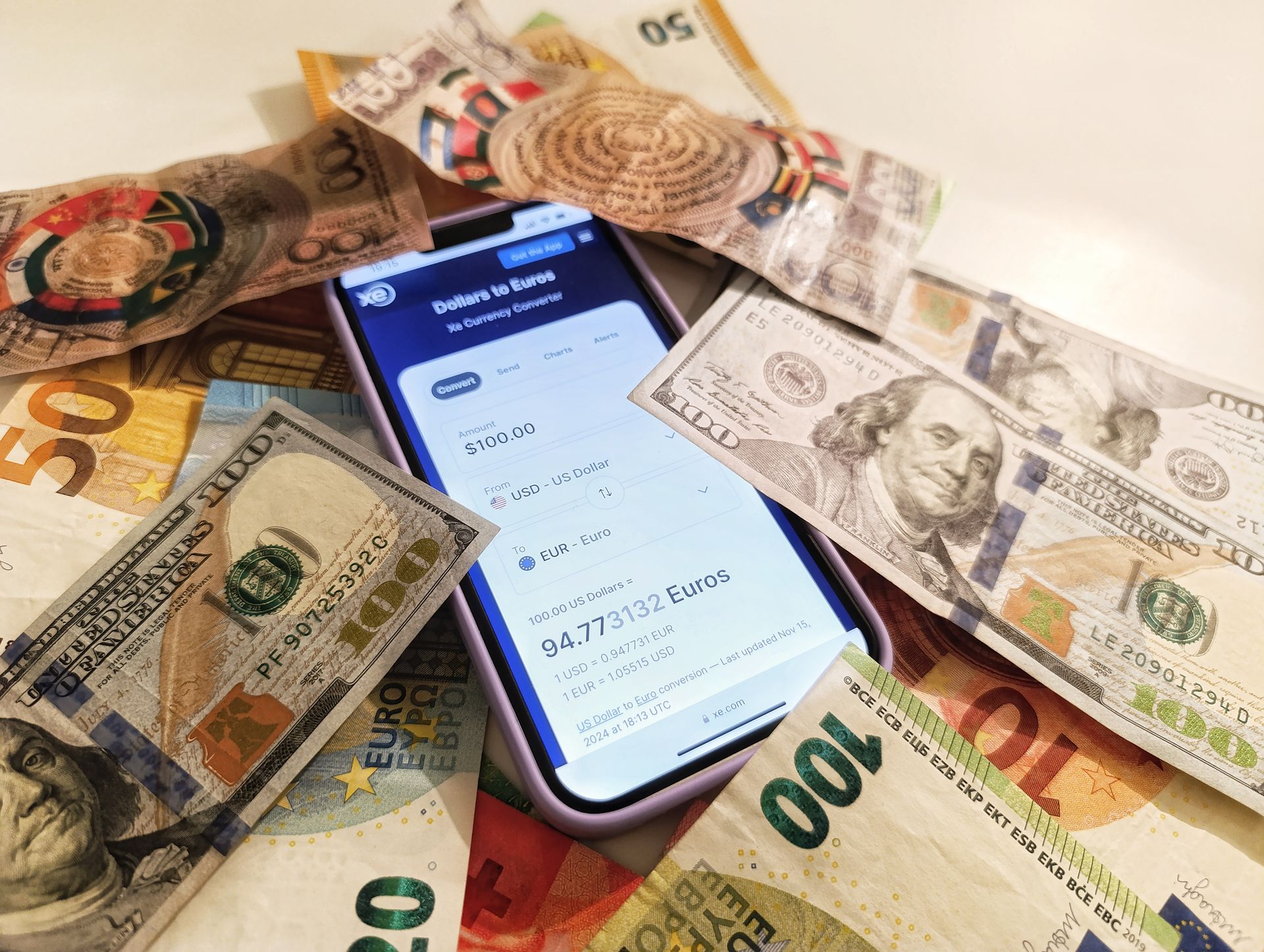
a mix of foreign currency notes and a phone showing a banking app

Credit cards

A standard credit card is probably the easiest option because you're already carrying one. The problem is that the card you use every day at home may not be the best one to take overseas.

Foreign transaction fees are the big one to watch. Even a small percentage added to every purchase can add up quickly over two weeks of hotels, meals, transport, and sightseeing.

Check these three things before you fly

  • Foreign transaction fees: Some credit cards charge a percentage every time you make a purchase in another currency. Look for a card with no foreign transaction fee if you plan to use it regularly overseas.
  • ATM and cash advance fees: Withdrawing cash using a credit card can trigger additional fees and interest, so check the terms before using one at an overseas ATM.
  • Points and rewards: If your card earns frequent flyer points or other rewards on overseas purchases, factor that into the comparison too. Just don't let the points distract you from higher fees.

I've been caught out by this myself. I once travelled with a card I thought was fee-free, only to discover a smaller charge buried in the terms that I'd never noticed on my domestic statements.

  • My rule now:

I check the actual fee schedule before travelling rather than assuming the card that's good at home will also be good overseas.


Bank travel money cards

Bank travel money cards let you load foreign currency before you leave, usually locking in the exchange rate at the time you convert.

They were once one of the obvious alternatives to travelling with cash, but newer multi-currency cards have made the choice less straightforward.

Where they still work well

  • You can lock in your exchange rate. If you're happy with the current rate, you know exactly how much foreign currency you have available before you travel.
  • They're separate from your everyday bank account. I like the added separation when travelling, particularly if a card is lost or compromised.
  • Spending is easy to track. Preloading a set amount can also help if you're trying to stick to a travel budget.

What I'd check first

  • The exchange rate margin. A card can advertise low or no transaction fees while giving you a less competitive exchange rate.
  • Loading and withdrawal fees. Check what it costs to add money, withdraw cash, or use currencies you haven't preloaded.
  • How it compares with newer alternatives. This is the big one for me. Traditional bank travel cards made much more sense before modern multi-currency accounts became widely available.

Modern multi-currency cards

Multi-currency cards are the biggest change I've seen in travel money since I first started writing about this topic.

Providers such as Wise and Revolut allow you to manage multiple currencies through one account and spend overseas using a linked card. For most travellers, this is now one of the first options I'd compare before reaching for a traditional travel money card.

How they work

The basic process is simple:

  1. 1
    Add money to your account in your country’s format.
  2. 2
    Convert it into another currency through the app, or let the provider handle the conversion when you spend, depending on the service and your setup.
  3. 3
    See the rate and applicable fees before confirming a conversion.
  4. 4
    Spend with the linked card anywhere that supports the card network you're using.

That transparency is the part I find most useful. Instead of looking only at a headline like "no transaction fees," you can see what your dollars are actually converting into and compare your options.

a phone showing a multi-currency banking app with several currency balances

Why I'd consider one for travel

  • Multiple currencies live in one place. That's particularly useful if you're visiting several countries on the same trip.
  • You can convert money from your phone. There's no need to visit an exchange counter every time you need another currency.
  • Fees and rates are easier to compare. You can see the details of a conversion before committing rather than judging an option by its advertised fees alone.
  • You don't have to carry your entire travel budget in cash. I still take some local currency, but I no longer want a wallet full of it.

The catch: check the ATM rules

Don't assume every transaction will be cheap simply because you're using a multi-currency card. ATM withdrawal allowances, conversion fees, weekend pricing, and other charges can vary by provider, account type, currency, and how you use the card.

  • My Travel Tip:

Set everything up before you leave and make a small test transaction at home. I'd much rather discover a card, PIN, or app isn't working while I'm still at home than when I'm standing at an ATM overseas.


Cash

I still take cash on almost every trip, but these days I treat it as a backup rather than my main way of paying.

Plenty of situations still make life easier with local currency, especially once you get away from major hotels, restaurants, and tourist attractions.

When I still reach for cash

  • Markets and street food: Small vendors don't always accept cards, and even when they do, cash can be quicker and simpler.
  • Local transport: Taxis, buses, ticket machines, and other forms of transport can still require cash in some destinations.
  • Smaller towns and rural areas: Card acceptance can become less reliable once you move away from major cities.
  • Emergencies: A payment terminal goes down, your bank blocks a transaction, or your phone dies. A small amount of cash gives you another way to pay when technology doesn't cooperate.

If I need to exchange money, I check the current rate on my phone first, so I have a rough idea of what I should be getting.

In Australia, I'll compare several exchange providers rather than automatically using the most convenient one. Overseas, I stick to established, licensed exchange counters and avoid anywhere advertising a rate that looks suspiciously good.

  • My approach:

I carry enough local currency to get me through a few basic expenses, but not enough that losing my wallet would derail the trip.


Cash hasn't disappeared from my travel routine. I just find myself needing much less of it than I used to.


Bringing money home

One tip that's genuinely served me well over the years: if you land home with leftover foreign cash, don't lose money converting it back at an airport kiosk. The rates there are consistently poor.

Instead, if you know someone heading to that country soon, trade it directly with them at a fair mid-market rate. Everyone comes out ahead compared to what either of you would get exchanging through a kiosk.

It's a small thing, but it's saved me more money over the years than most of the bigger decisions on this list. Worth remembering the next time you land home with a pocket full of coins and notes you're not sure what to do with.


What about travellers cheques?

Travellers cheques are essentially obsolete for the vast majority of travellers now. Most banks have stopped issuing them, and few places still accept them. Unless you have a specific reason to use them, they're not worth factoring into a modern travel money plan.


Save money on more than just the exchange rate

The right method genuinely depends on the trip and the traveller, a mix of a fee-free card, a multi-currency account, and a modest amount of cash covers most situations well.

None of this needs to be complicated, and it doesn't need a specific product pushed on you to get right. It just needs a few minutes of setup before you leave, rather than sorting it out at the airport with whatever's already in your wallet.

Avoiding unnecessary fees really comes down to a bit of planning before you leave, rather than sorting it out at the airport on the way out.

If working out the right setup for your specific trip feels like one more thing to research, that's exactly the kind of avoidable cost our personalised travel planning service helps you sidestep.

We fold this into the planning conversation rather than leaving you to figure it out at the last minute.


Frequently asked questions

Is it better to exchange money before you travel or after you arrive?

Generally after you arrive or via a multi-currency card, since exchange counters at your home airport typically offer the worst rates available.

How much cash should you carry when travelling overseas?

You should carry enough to cover a day or two as a backup, rather than your full trip budget. Most spending is safer and more convenient on a card these days.

Do multi-currency cards work everywhere?

Mostly, though not universally. They work anywhere card payments are accepted, but very cash-reliant destinations or situations still benefit from carrying some local currency.

Is it safe to carry large amounts of cash while travelling?

No, it's generally best avoided. Carrying only what you need for a day or two reduces the impact if cash is lost or stolen.

Can you still use traveller's cheques?

Technically in some places, though it's increasingly difficult. Most banks have stopped issuing them and few merchants still accept them, so they're not a practical option for most trips.