

Chile is one of the easiest countries in the world to underestimate on a map.
It is long, narrow and visually simple, but the places most travellers want to see are often thousands of kilometres apart.
The contrast I remember most came from Santiago, the high desert around San Pedro de Atacama and the mountains of Torres del Paine. Two weeks made it possible to experience all three without reducing every region to a brief stop.
That gives you city life, Chilean wine, high desert, stargazing, glaciers and Patagonia without trying to force in Valparaíso, the Lake District, Chiloé or Easter Island as well.
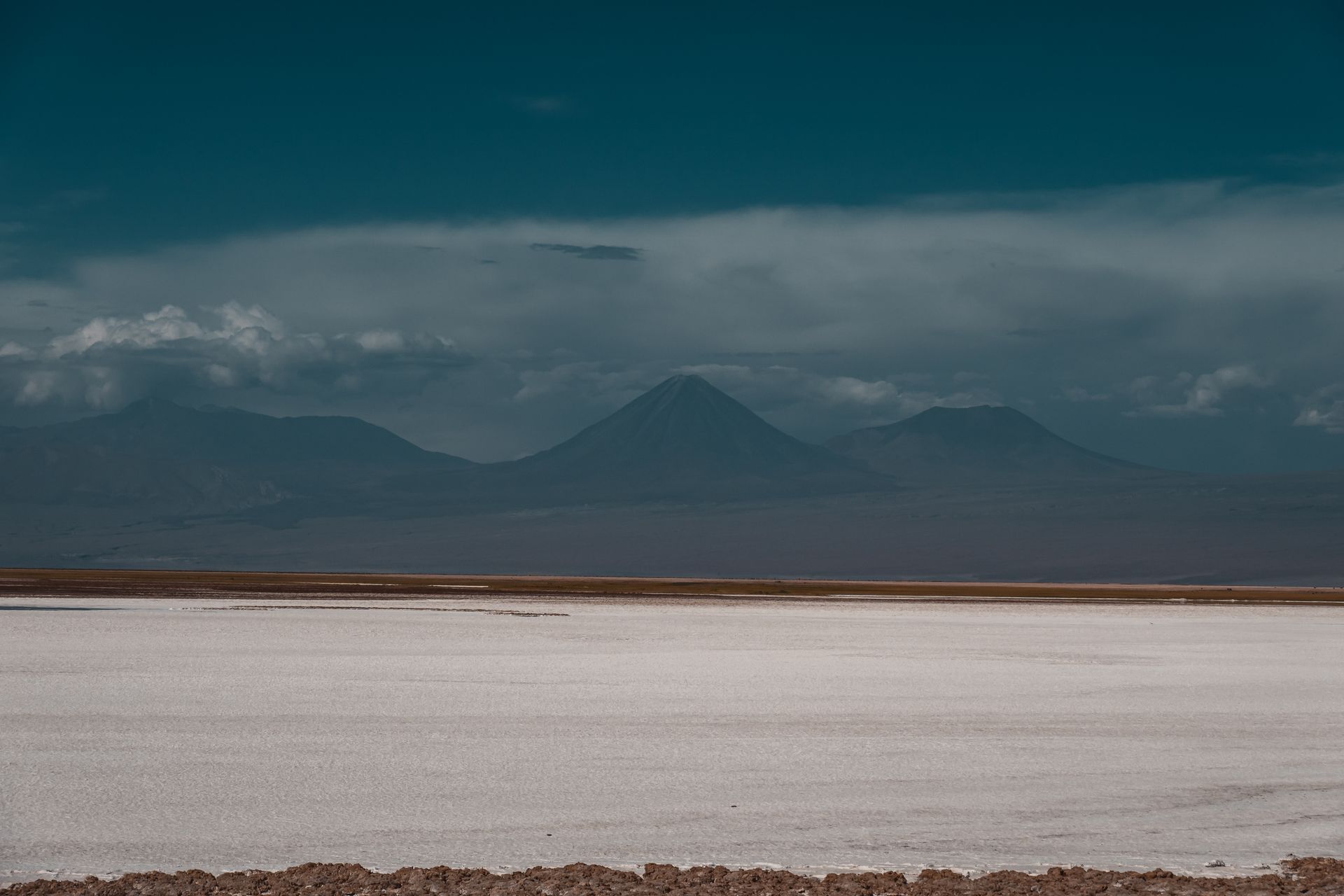
Atacama Desert with Andes Mountains in the background
My 14-day Chile itinerary at a glance
Overview
Day | Route | Overnight |
|---|---|---|
1 | Santiago | Santiago |
2 | Wine country day trip | Santiago |
3 | Fly Santiago → Calama → San Pedro de Atacama | San Pedro |
4 | San Pedro / Valle de la Luna | San Pedro |
5 | Altiplanic lagoons / salt flats | San Pedro |
6 | El Tatio + stargazing | San Pedro |
7 | Fly Calama → Santiago | Santiago |
8 | Fly Santiago → Puerto Natales | Puerto Natales |
9 | Torres del Paine | in/near the park |
10 | Torres del Paine | in/near the park |
11 | Torres del Paine | in/near the park |
12 | Torres del Paine | in/near the park or Puerto Natales |
13 | Puerto Natales / weather buffer | Puerto Natales |
14 | Fly toward Santiago | Departure |
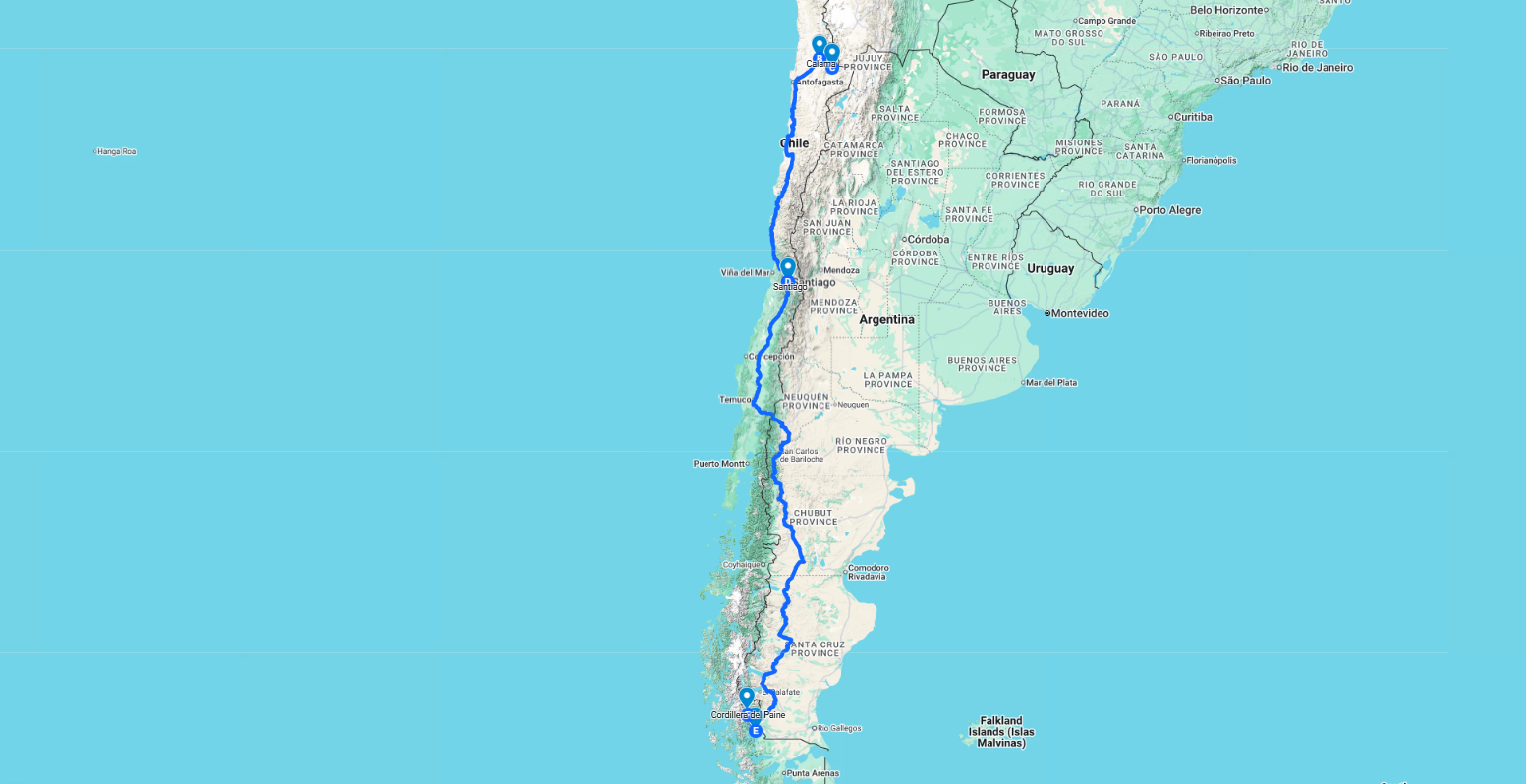
14-day Chile itinerary route
Why this route works
Chile is more than 4,000 km long, so the mistake is thinking of this as one continuous overland journey.
It is really three different trips connected by flights:
Santiago became the natural connection between north and south. An overnight there between Atacama and Patagonia gave the long journey some breathing room instead of depending on a fragile chain of flights.
The route is still active, but the time inside each region is protected.
Days 1–2: Santiago and wine country
Two days in central Chile brought together two very different sides of the country: Santiago beneath the Andes and the vineyards outside the city.
Day 1: Santiago
The historic centre, Lastarria and Bellavista each revealed a different side of Santiago as I moved through the city.
Santiago was my introduction to Chile, and one of the first things that struck me was the setting. On a clear day the Andes seem to rise almost directly behind the city, which gives even a normal walk a very different backdrop.
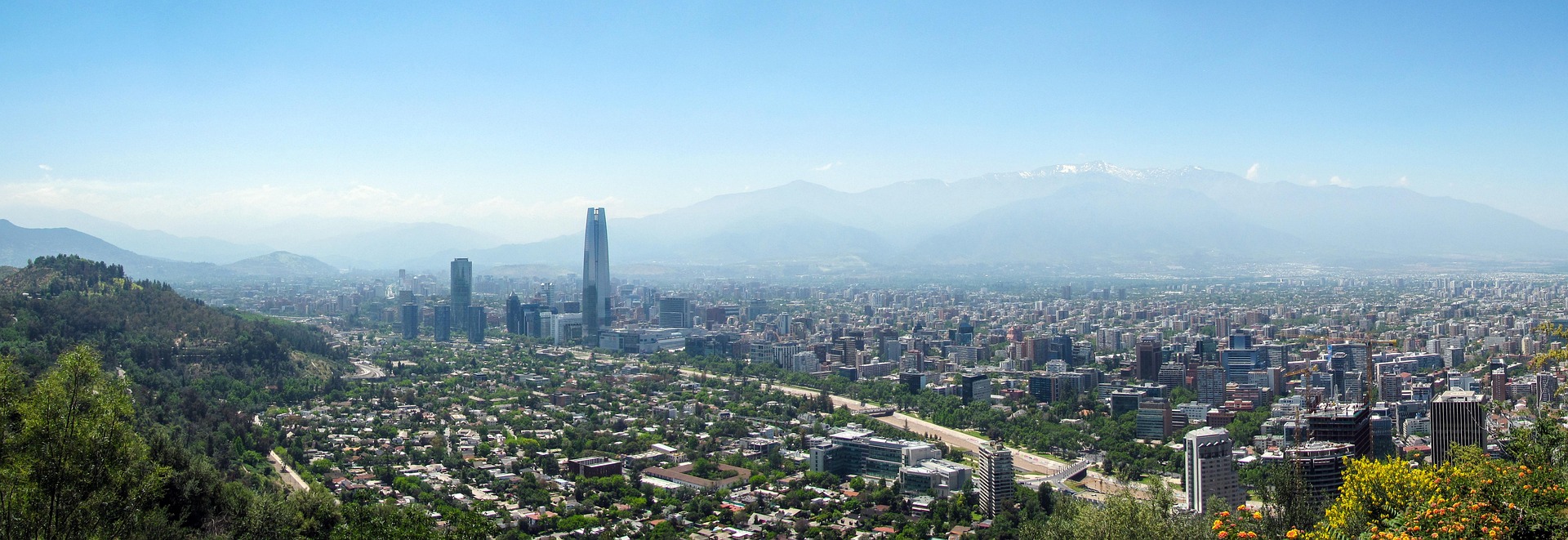
Panoramic view of the Santiago skyline with the Andes in Chile
One of my favourite things we did here was rent bicycles. We could cover more ground than we would on foot, but still stop whenever a neighbourhood, park, café or interesting building caught our attention.
Cerro San Cristóbal was most memorable when visibility opened up the Andes behind the city.
Haze could flatten the whole view; after rain or on a clear day, the mountains looked dramatically closer.
Stay: Santiago.
Day 2: Choose a proper wine experience
Wine country gave this route a different emphasis from itineraries that move straight from Santiago to the coast.
Valparaíso and Viña del Mar remained outside this particular two-week route.
A vineyard day introduced another side of central Chile without adding a hotel move.
Concha y Toro, Undurraga and Santa Rita are all practical options from Santiago and offer structured visitor experiences.
Concha y Toro's wine centre in Pirque is one of the easiest choices for a first-timer. It is around 20 km from central Santiago and offers guided experiences through the historic estate, cellars and tasting areas.
Undurraga is another strong option if you want a more traditional winery tour. Its current visitor programme includes vineyard and cellar visits followed by tastings, with English-language tours available.
Santa Rita is also easy to combine with Santiago. It is roughly 45 minutes from the city and adds more historical context through the estate and Museo Andino.
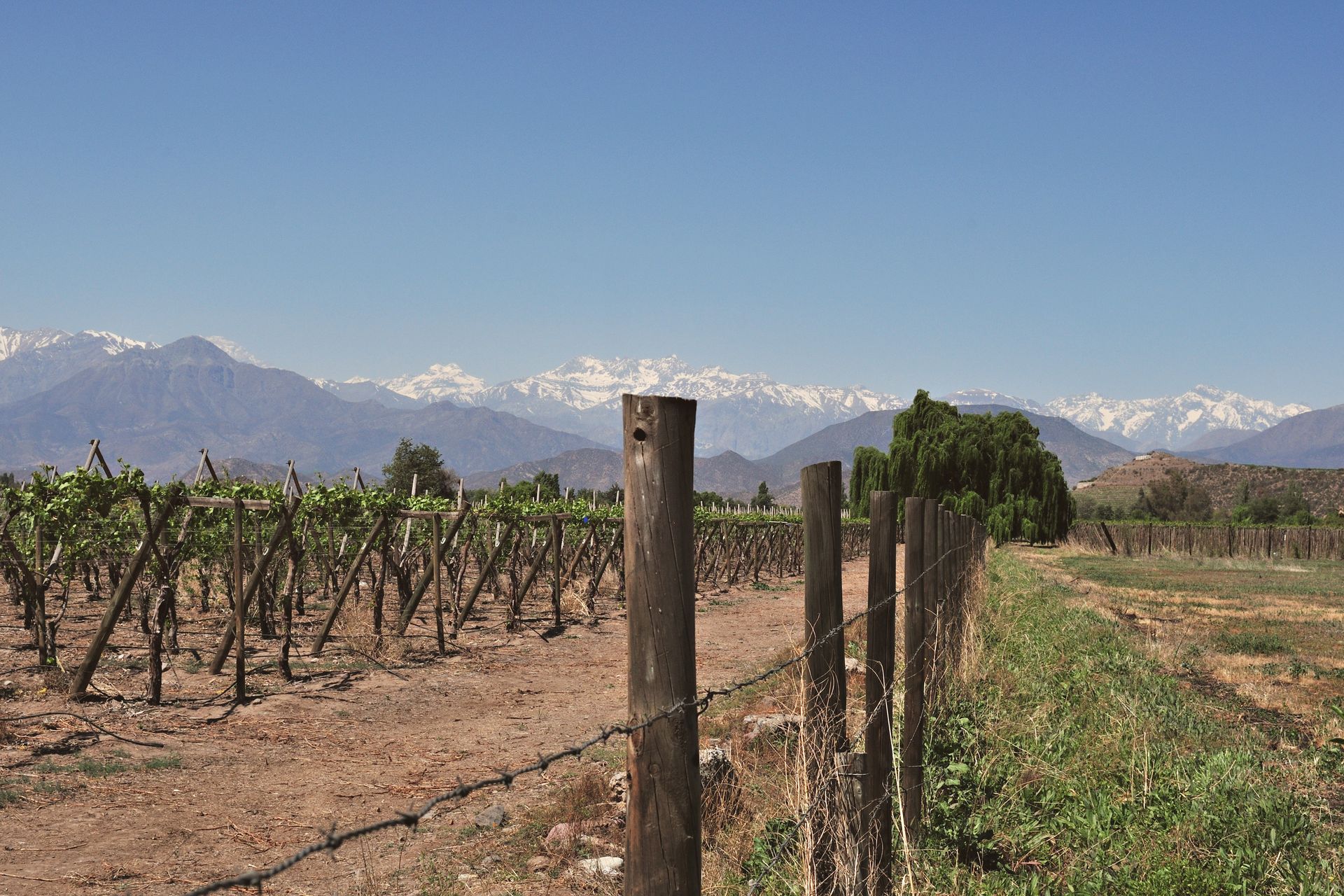
Chilean vineyard landscape in Santiago, Chile with Andes Mountains backdrop
VIK in the Millahue Valley represents a more immersive, higher-end alternative.
VIK is far enough from Santiago that a rushed half-day visit would miss much of its appeal. It sits farther from Santiago and works much better as a full-day experience or overnight luxury stay. The estate combines the winery with design-led accommodation, private tastings, gastronomy and activities such as horseback riding and hiking through the property.
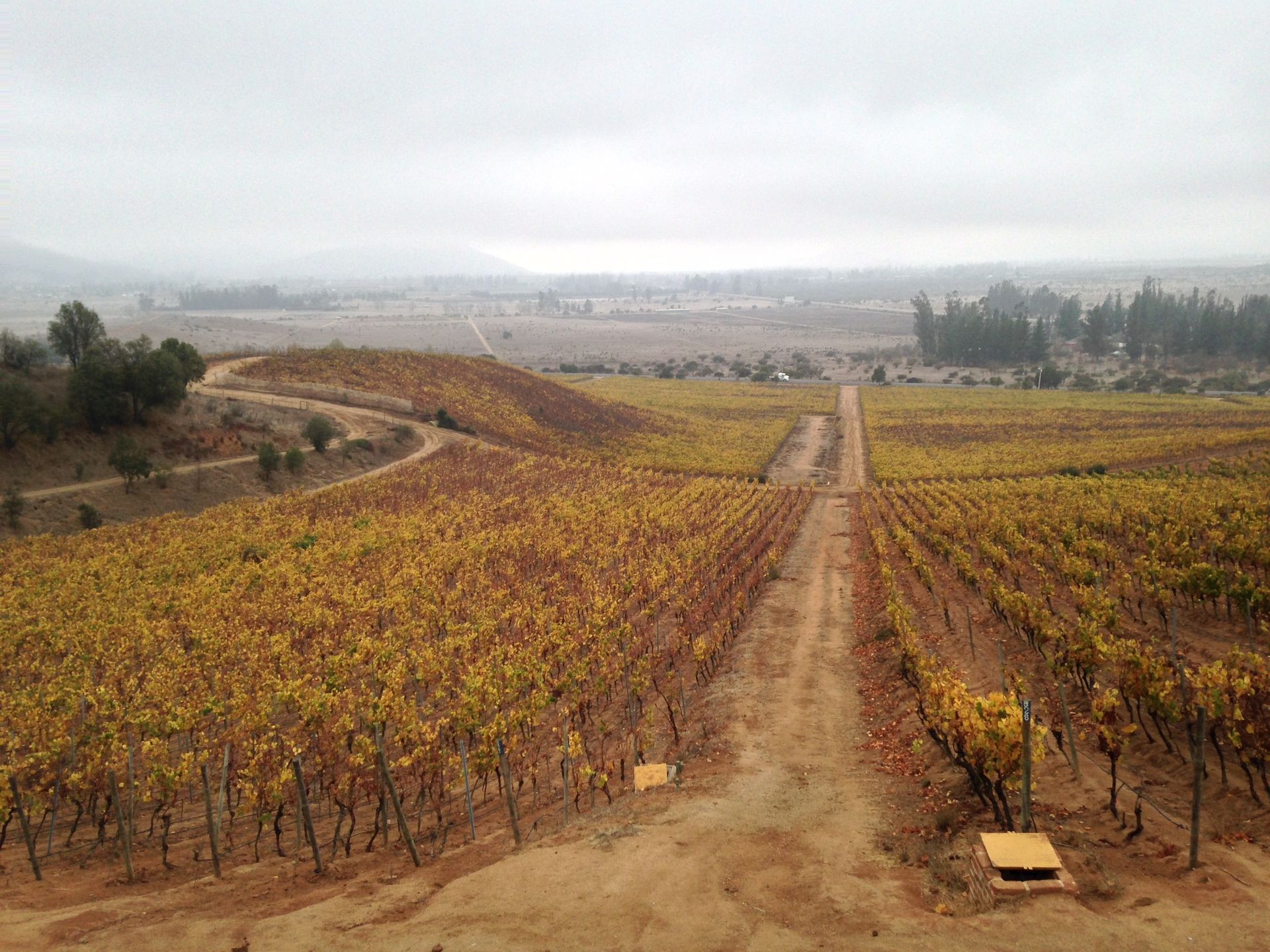
Vineyard and hills in Casablanca, Chile
The choices differ mainly in how much of the day revolves around wine:
Standard itinerary: one Maipo/Talagante winery such as Concha y Toro, Undurraga or Santa Rita.
Wine-focused trip: a longer day with a premium tasting or two carefully chosen estates.
Luxury trip: VIK as a destination rather than a quick stop.
A long tasting and time on one estate offer a very different experience from moving rapidly between several wineries.
Stay: Santiago.
Days 3–6: San Pedro de Atacama
Day 3: Fly Santiago to Calama
The flight north to Calama and the roughly 100 km road transfer to San Pedro marked a striking change from Santiago.
Covering this distance overland would consume a disproportionate share of the two weeks.
San Pedro sits at around 2,400 metres above sea level, and the first afternoon felt better without a demanding excursion.
The village itself is small, with dusty adobe streets and low buildings, but what surrounds it is enormous.
When I arrived, it genuinely felt like stepping onto another planet.
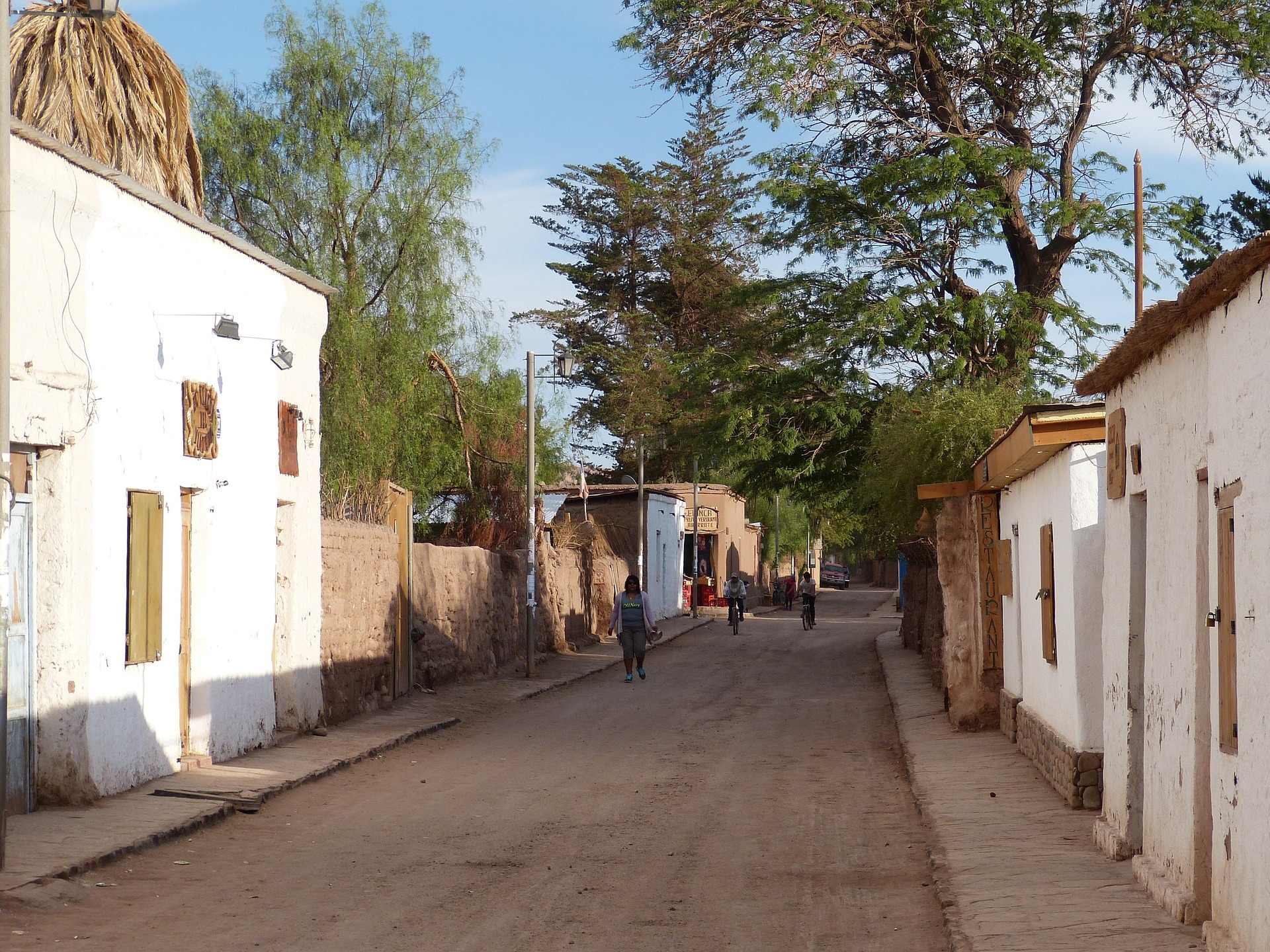
San Pedro de Atacama dirt street with adobe houses in Chile
The adobe streets and quiet first evening made a gentler introduction than immediately heading into the high-altitude landscape.
Stay: San Pedro de Atacama.
Day 4: Valle de la Luna and a slower first day
The first full day brought the lower-altitude desert landscapes around Valle de la Luna into focus.
Valle de la Luna was one of my favourite introductions to Atacama. I walked among salt-crusted ridges, dunes and rock formations, then watched the desert shift from gold to orange and violet as the light disappeared.
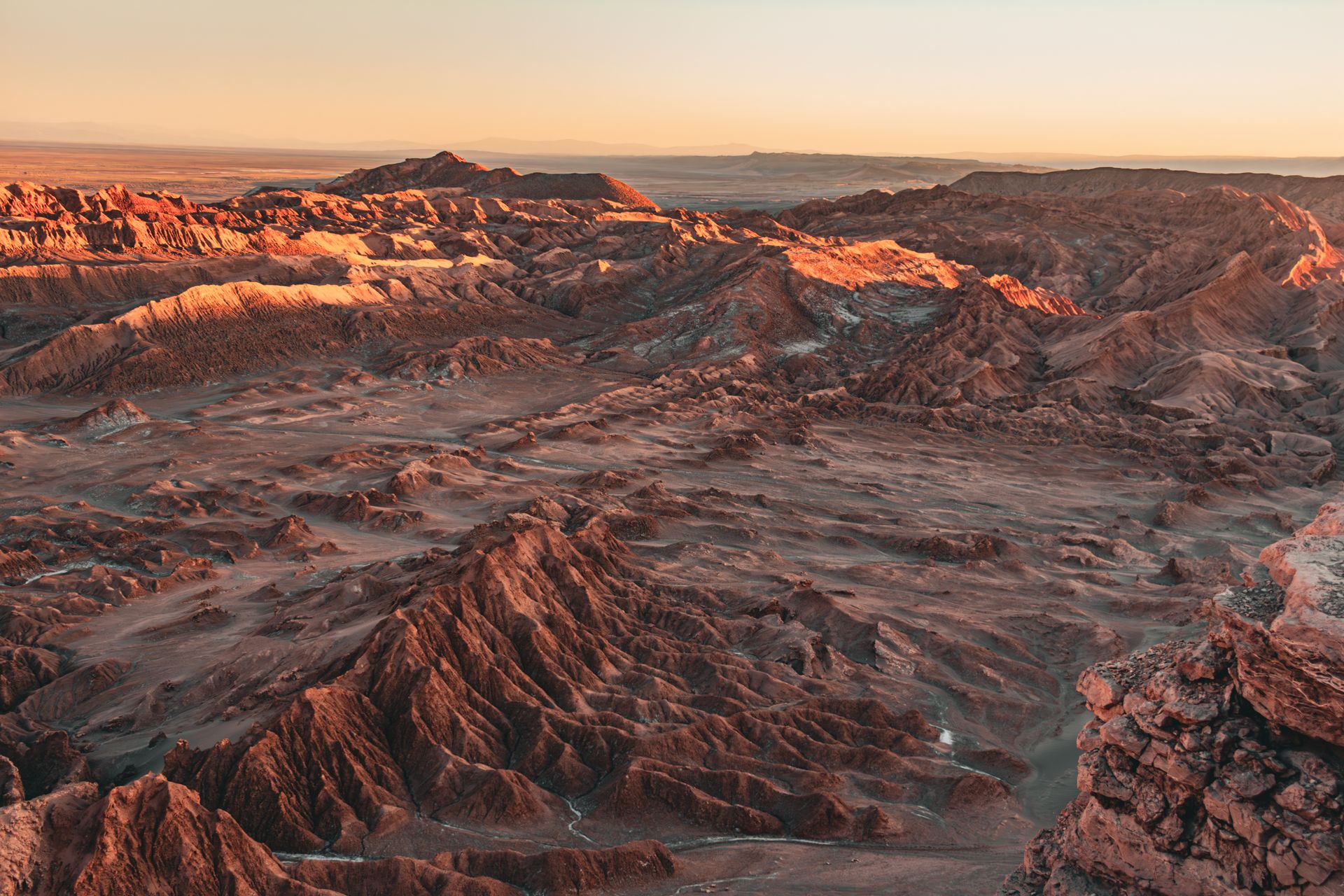
Arid landscape in Valle de la Luna at sunset, Atacama Desert
The lower elevation made that first desert day feel more manageable before the excursions above 4,000 metres.
An astronomy tour could fit into this evening or a later night, depending on energy and sky conditions.
Stay: San Pedro de Atacama.
Day 5: Salt flats, flamingos and high-altitude lagoons
Today is where Atacama becomes much more varied than the stereotypical image of an empty desert.
Depending on the route you choose, this can include salt flats, high-altitude lagoons, volcanic scenery and flamingos.
I remember being surprised by how quickly the landscape changed with elevation. One hour could be dry desert and salt, then suddenly brilliant blue lagoons appeared beneath volcanoes.
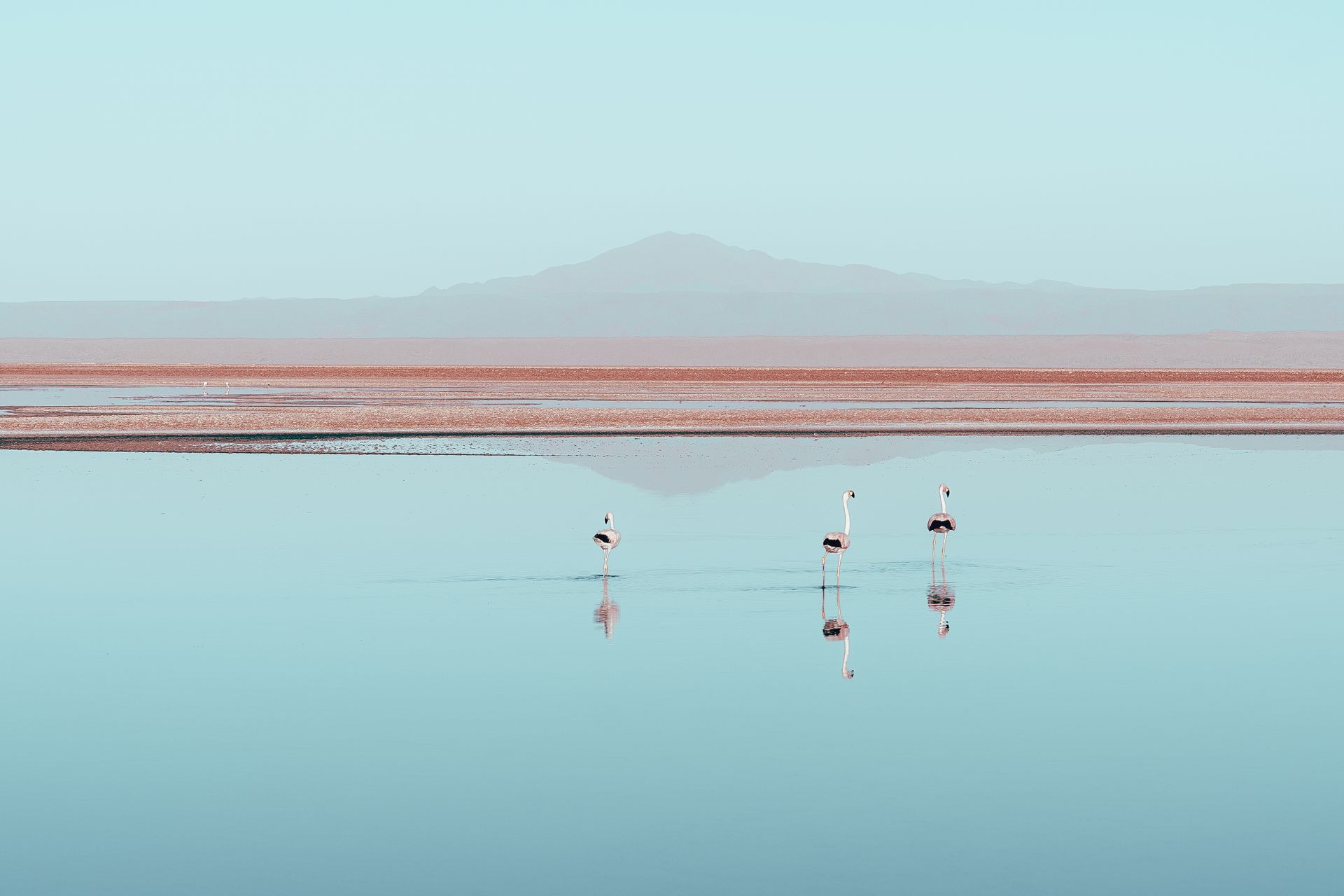
Flamingos in the serene waters of Chaxa Lagoon in Chile's Atacama Desert
The contrast in temperature was striking: San Pedro could feel comfortable while the higher elevations were cold and windy.
Stay: San Pedro de Atacama.
Day 6: El Tatio and stargazing
El Tatio requires an early start.
The geyser field sits above 4,000 metres, and getting up before dawn in freezing temperatures did not feel appealing when my alarm went off.
It was worth it.
Seeing the steam columns become visible as the first light reached the plateau was one of those experiences where the uncomfortable start made sense once I was there.
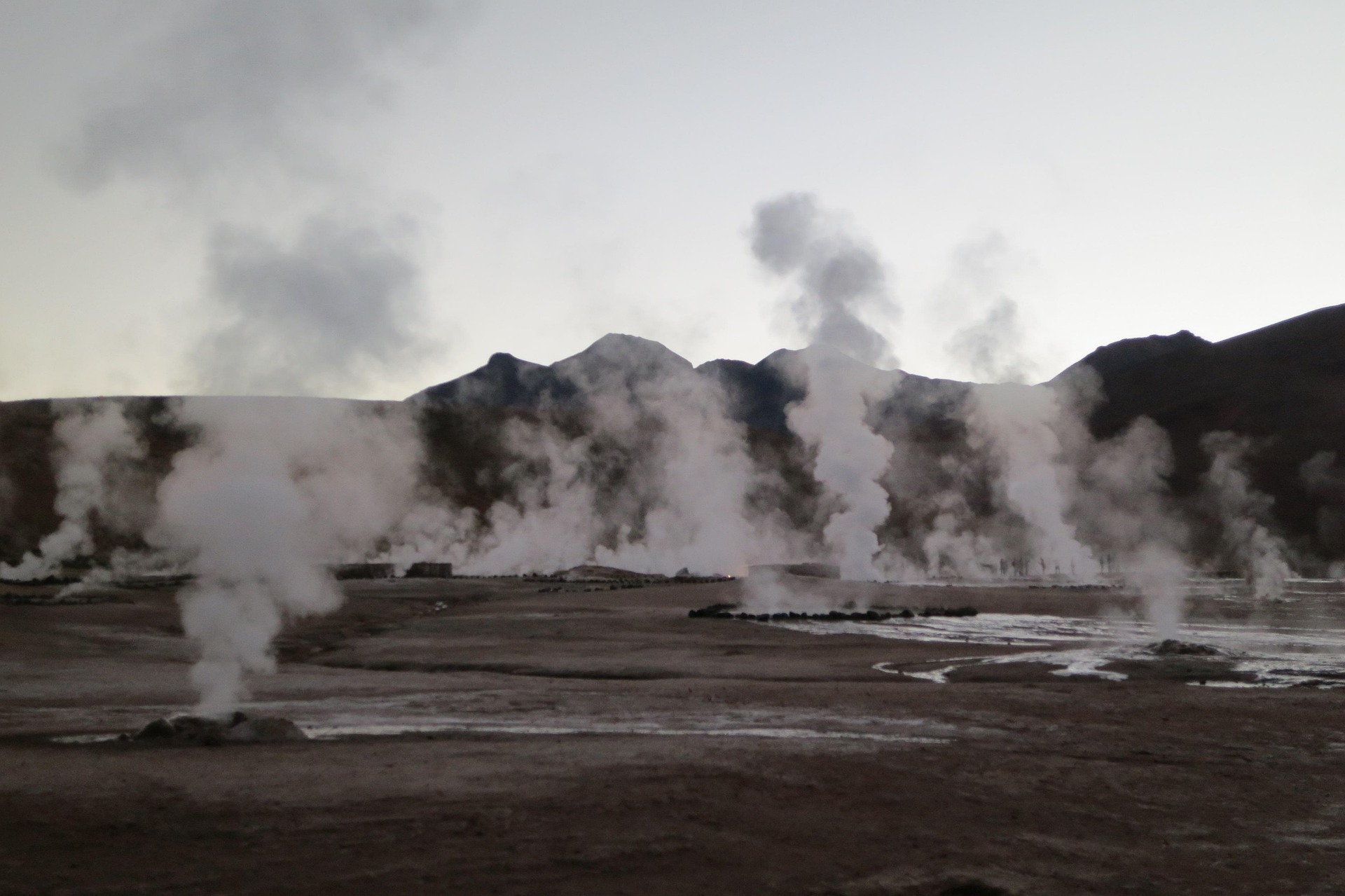
Steam from the El Tatio geysers in Chile, with Andean mountains at sunrise
El Tatio's elevation made it a very different experience from the lower desert around San Pedro, particularly early in the morning.
An astronomy tour was another defining part of my time in Atacama.
Atacama has exceptionally dry air and dark skies. Once my eyes adjusted, the stars looked almost absurdly bright. Having someone point out planets, constellations and deep-sky objects through telescopes made the night much more interesting than simply standing outside the hotel and looking up.
Stay: San Pedro de Atacama.
Day 7: Fly back to Santiago
Transfer to Calama and fly back to Santiago.
Continuing immediately toward Patagonia might look efficient on a flight-search screen.
In practice, the additional Santiago night created valuable margin.
Calama and Puerto Natales do not form a simple direct travel pair, so most practical routes send you back through Santiago anyway. Building in one night here protects the second half of the trip from a missed connection.
The evening in Santiago became a pause between two very different landscapes rather than another sightseeing programme.
Stay: Santiago.
Day 8: Fly south to Puerto Natales
The cleanest option is a direct Santiago → Puerto Natales flight when seasonal schedules operate.
Direct services operate in parts of the Patagonia season, but frequencies change by date and can determine how the southern section fits together.
Punta Arenas provides an alternative arrival point, followed by roughly 250 km or three hours by road to Puerto Natales.
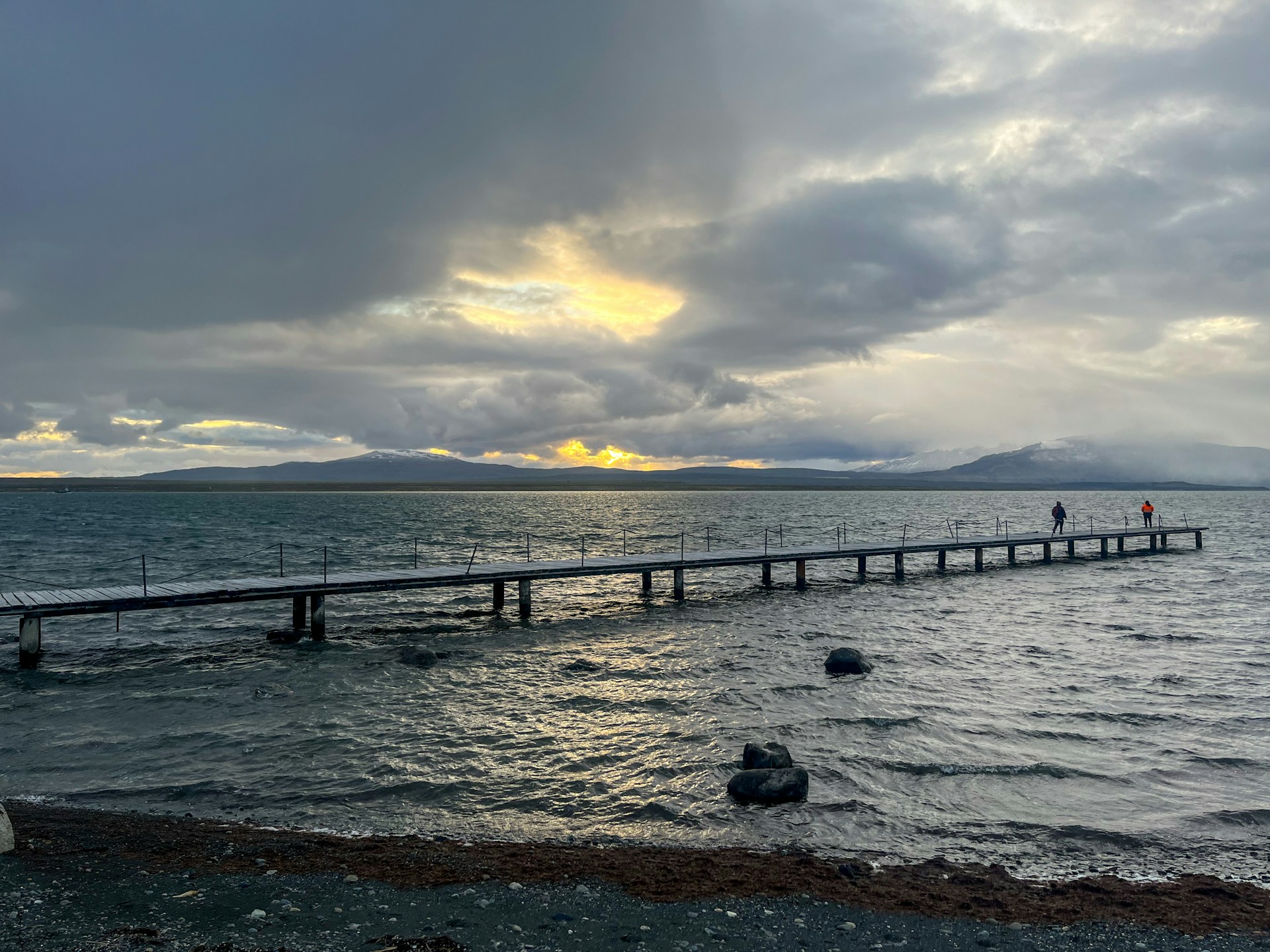
Puerto Natales waterfront with mountains in the distance
Puerto Natales is the practical gateway to Torres del Paine.
After the journey south, the evening naturally became time for checking weather, sorting transport and preparing for the park rather than a major hike.
Stay: Puerto Natales.
Days 9–12: Torres del Paine
Four full days in or around the park is where the 14-day itinerary becomes much stronger than the 7-day version.
Four days made the weather less likely to determine the entire experience of the park.
Day 9: Enter the park and stay flexible
A flexible first park day made sense once I experienced how quickly conditions could change.
Torres del Paine taught me very quickly that Patagonia makes its own schedule.
I experienced sun, cloud, rain and strong wind remarkably close together. Proper layers were not optional.
Viewpoints, shorter trails and wildlife encounters gave me a sense of the park beyond its most famous hike.
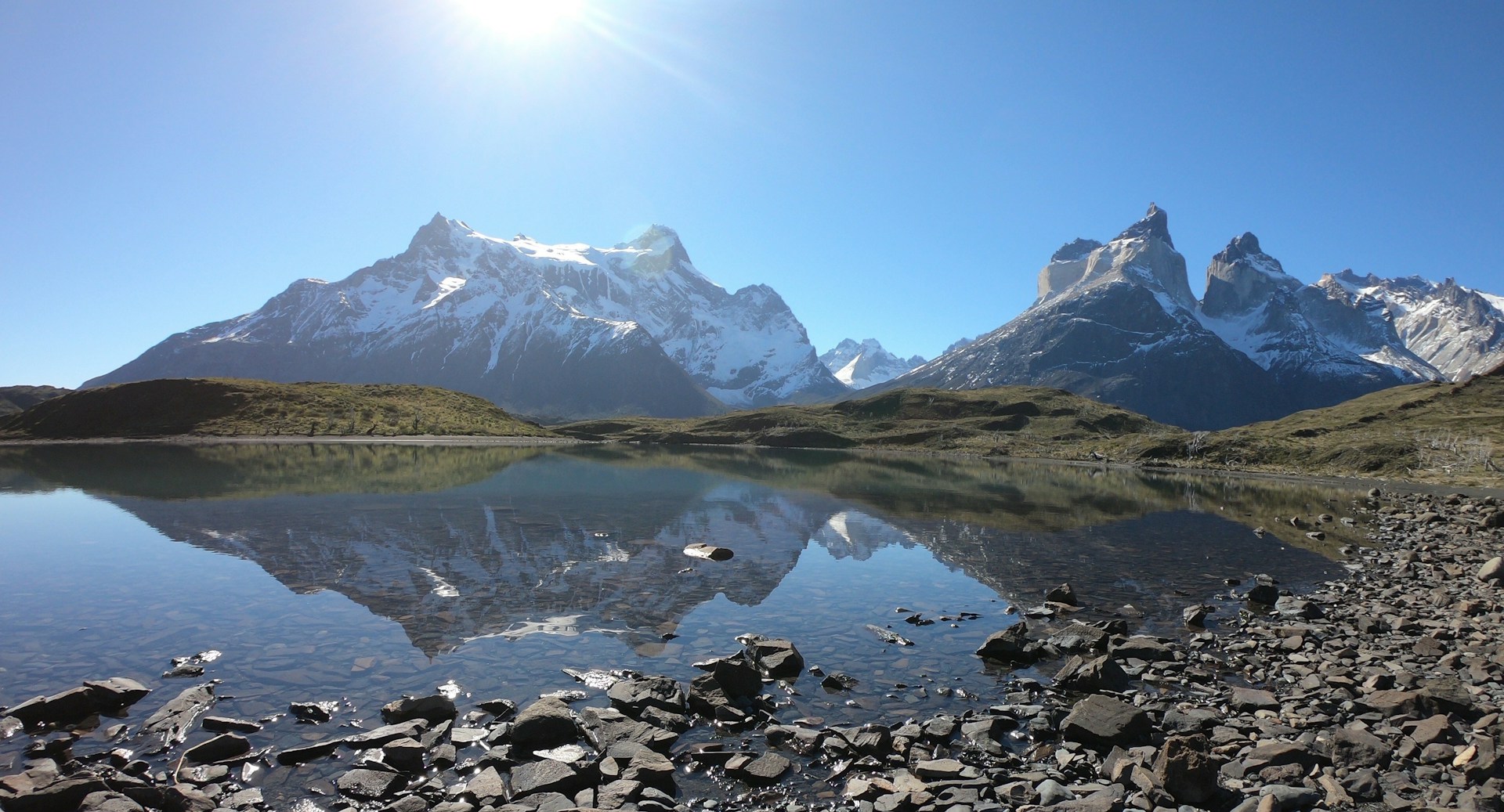
Torres del Paine National Park. Los Cuernos
Guanacos crossing the steppe were one of the details that made the park feel so wild to me. Condors were another reminder to look away from the famous mountain views occasionally.
Stay: Torres del Paine area.
Day 10: Base Torres
Base Torres was the major hike around which weather conditions mattered most.
This is the classic climb through the Ascencio Valley to the turquoise lake below the three granite towers.
It is a serious full-day hike, not a casual viewpoint walk.
The final section is steep and rocky, and the weather can change fast.
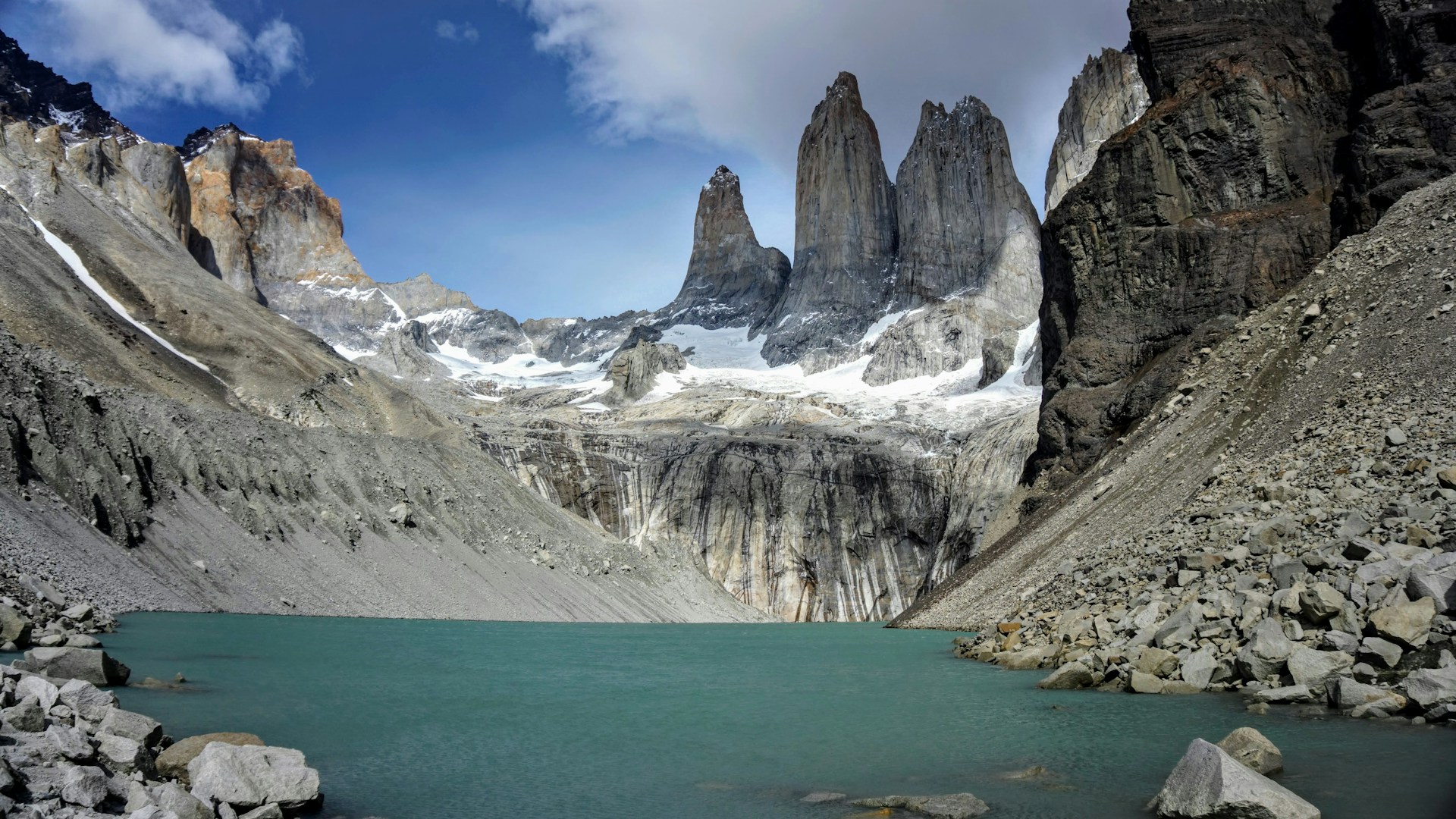
Mirador Base Las Torres, Torres de Paine, Chili
The view is famous for a reason. Photographs show the towers clearly enough, but they never fully communicated the scale of the surrounding valley and the way the granite rises almost vertically above the water.
Current access rules can change with the season. CONAF required authorised guides for Base Torres during the 2026 winter period, then lifted that requirement from 16 September as conditions improved, while continuing to recommend or require equipment such as microcrampons and poles when trail conditions justified it.
The changing rules made current CONAF notices more useful than fixed advice from an older itinerary.
Stay: Torres del Paine area.
Day 11: Grey Glacier
The western side of the park offered a different landscape from Base Torres.
Grey Glacier gives you a completely different experience from Base Torres.
Lago Grey viewpoints, walks and boat experiences each show the glacier landscape from a different perspective.
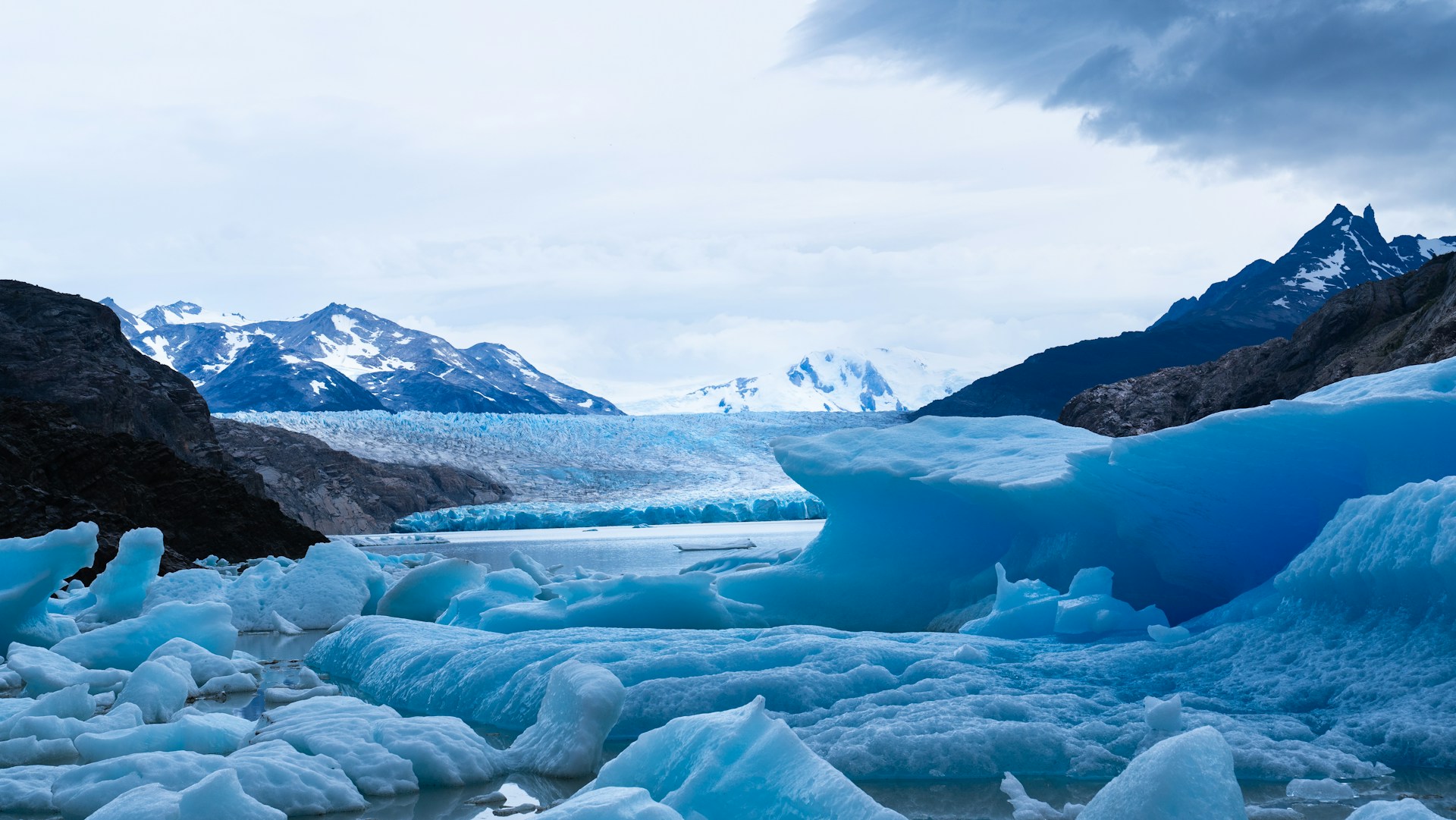
Grey Glacier from lake level
The distances between park sectors were substantial enough that a hurried circuit would have swallowed much of the day. Torres del Paine is large, and transfers inside the park can take longer than the map suggests.
Stay: Torres del Paine area.
Day 12: French Valley area or weather-buffer day
This is the day that justifies the longer itinerary.
When earlier weather cooperated, this day opened up another trail or sector of the park.
The French Valley area is an obvious option if your accommodation, ferry connections and fitness make it practical.
When wind or cloud interrupted an earlier plan, the extra day provided another chance.
After experiencing Patagonia's weather, an apparently spare day felt far more valuable than a tightly packed schedule.
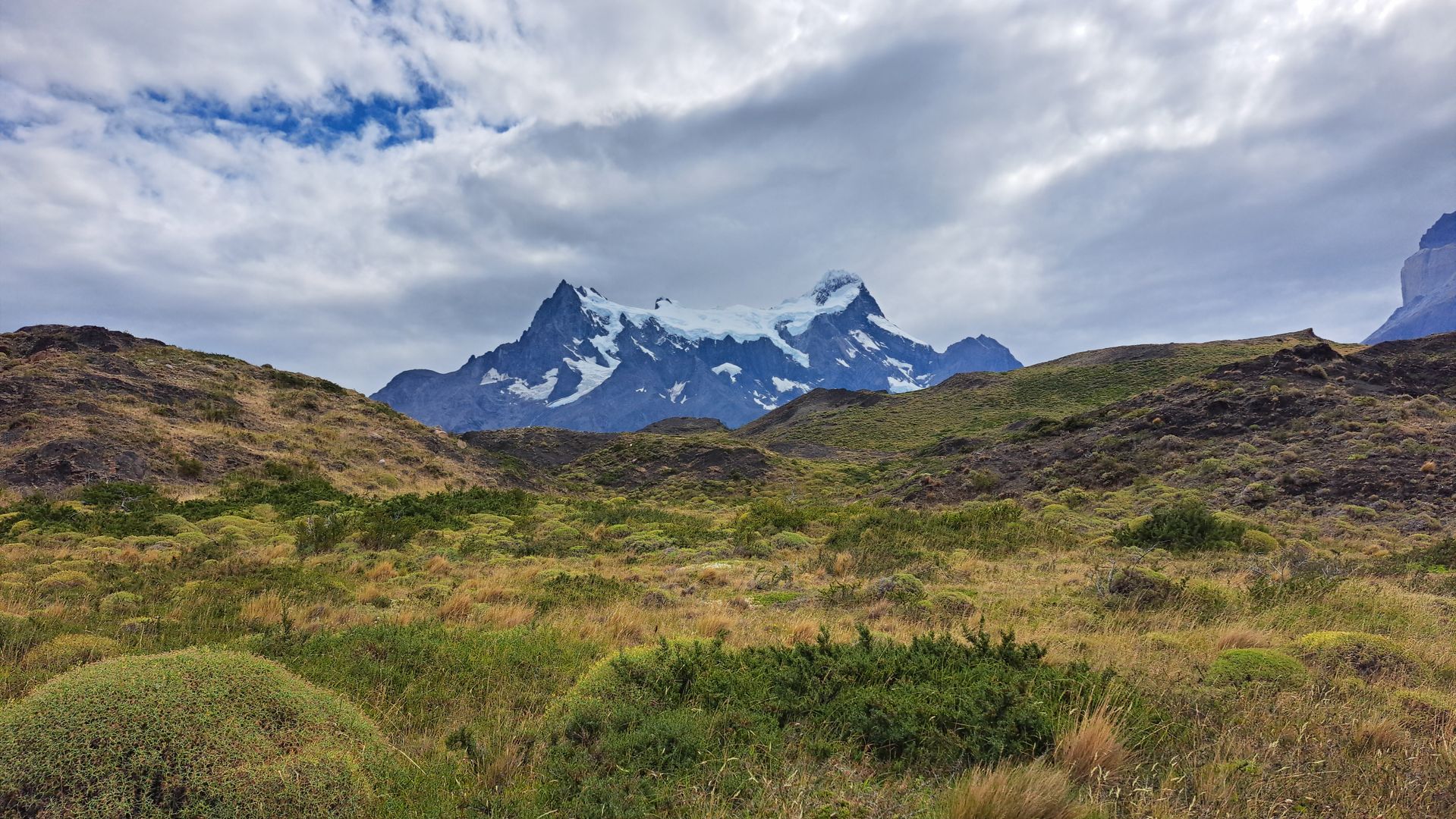
Snow-capped mountains and lush greenery in Torres del Paine, Chile
Stay: Torres del Paine area or Puerto Natales.
Day 13: Return to Puerto Natales and slow down
The journey back to Puerto Natales marked the transition out of the park.
After several days of hiking, a quieter day felt like part of the experience rather than wasted time.
Patagonia is physically demanding if you have been hiking, and a buffer before the final flight is useful.
Puerto Natales' waterfront and restaurants offered a slower ending without another excursion.
Stay: Puerto Natales.
Day 14: Fly toward Santiago or depart
The return flight toward Santiago depended on the international connection and seasonal schedules.
A tight Puerto Natales → Santiago → international connection felt particularly exposed to weather and transport disruption.
Weather and seasonal schedules make Patagonia a poor place for optimistic connection times.
An additional Santiago night is one way to create more margin before a long-haul flight.
What transport changed between regions
The different regions made different transport arrangements practical.
Santiago does not need one.
Atacama is easy to do with organised excursions, and many travellers will actually find that simpler because the long days involve altitude, early starts and remote roads.
Torres del Paine is where a car becomes more useful.
It gives you freedom around viewpoints and park sectors, particularly if you are staying outside the main bus routes.
But it is still possible to do the park with buses, transfers and organised day hikes.
The transport pattern for this route is:
How much travel is involved?
Those journeys explain why two weeks did not feel like unlimited time.
When this Chile route works best
For the full Atacama + Torres del Paine combination, roughly November to March is the easiest overall window.
Atacama works year-round, although nights and high-altitude excursions can be cold in any season.
Patagonia is the limiting factor. Longer daylight, fuller transport schedules and open hiking infrastructure make the southern summer easier for a first trip.
It is also the busiest period, so Torres del Paine accommodation, campsites, refugios, park transfers and flights should be booked early.
Winter changes the Patagonia section substantially. The W circuit can close in parts of winter, Base Torres rules become stricter and specialist equipment or guides may be required.
Current CONAF guidance matters because winter conditions can change trail access substantially.
Why Valparaíso and Viña del Mar stayed out
They are easy enough from Santiago.
That does not mean they belong in this particular route.
I enjoyed Valparaíso's street art and hillside neighbourhoods, but including it here would have meant less time in wine country, Atacama or Patagonia. Its proximity to Santiago did not make that trade worthwhile for this route.
Santiago and wine country gave central Chile a clear place in this particular journey.
Why Chiloé, the Lake District and Easter Island stayed out
The same logic applies.
Chiloé deserves several days, especially if you want to go beyond Castro.
The Carretera Austral deserves at least 10 days on its own.
Rapa Nui's remoteness makes it more substantial than a brief add-on; a separate trip or an extension of four or five nights leaves more room for the island.
Chile rewards choosing regions rather than trying to collect them.
Have You Seen Our Travel Concierge Service?
Your trip, planned by local experts
We are not a travel agent - we design custom itineraries around your budget and style, without receiving commissions or booking fees.
Custom itinerary
Built around your dates, budget, and travel style.
Local expert knowledge
Recommendations from people on the ground, not review sites.
Travel smarter, spend less
We optimise for your budget to make your money go further.
Is 14 days enough for Chile?
It is enough for an excellent first trip.
It is not enough for Chile as a whole.
That is the important distinction.
Some of my favourite experiences here were separated by thousands of kilometres: cycling through Santiago, looking up at the Atacama night sky, driving through remote Patagonia and hiking beneath the granite towers of Torres del Paine.
Two weeks finally gives you enough time to connect several of those experiences without making every day a travel day.
Santiago and wine country, Atacama and Torres del Paine gave the journey three contrasting experiences without making every day a transfer.