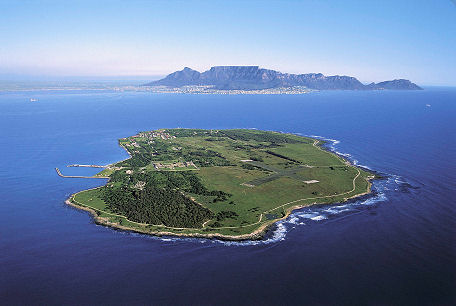
Why South Africa offers the best value travel for Australians

Every time South Africa comes up as a value destination, the same question follows almost immediately: is it actually worth a flight that long?It’s a fair question, and most value guides skip straight past it to the exciting numbers.I’ve dug into what’s genuinely happening with the exchange rate and the cost of a trip right … Read more

Visit Turkey: Why Australians Would Enjoy This Rich Culture

Turkey

Optimise Travel Test – Turkey

Turkey has been a part of Australia’s history, dating back to the ill-fated Gallipoli campaign in World War 1. Paying your respects to our fallen soldiers at Anzac Cove is an emotional rite-of-passage for many Australians, and is well worth the trip alone. However, Turkey also offers plenty of other options for holiday-makers, including its culture, World Heritage Sites and the architecture of numerous historical buildings.

We’ve put the country through our Optimise Travel holiday destination test, and it certainly passes.

  • Is now a good financial time to go? 

  • Is there a wide variety of interesting things to see and do? 

  • Is there a good time of year to go? 

  • How hard is it to get to and get around when you’re there? 

We’ll look at each one of these criteria in more detail in this article, offering you some practical tips and advice along the way.

A good financial time to go √

Current exchange rates between the Australian dollar and the Turkish lira make Turkey a great value for money destination for Australian tourists, which is a bonus.

As the graph below shows, this has been the case for the last few years in particular. The Australian dollar (AUD) will currently buy you approximately 2.04 Turkish liras (TRY), about double the figure of a decade ago when it hovered around the 1 lira mark. Even 5 years ago, an Australian dollar would only get you about 1.5 Turkish liras. So now is a good time to go.

Exchange Rate - Turkey

Image: xe.com

A variety of interesting things to see and do √

Before we get into those, you need to get your head around the geographic layout of the country, and in particular, appreciate two of its bordering countries. The capital city of Turkey is Ankara, and as you can see from the map below, the country is bordered by Syria and Iraq in the south, two countries that are currently in conflict. It is best to avoid Turkish regions that border those two countries accordingly.

In addition, you need to appreciate that there will be an English language barrier to some extent in Turkey. Turkish is the official language, and while young people in Turkey may know some basic English, older people are less likely to know any.

Turkey Map

Image http://guidemap.tk

ANZAC Cove, Gallipoli peninsula

ANZAC Cove is a small, 600-meter long cove on the Gallipoli peninsula, about 200 kilometres south-west of Istanbul. It is where the ANZAC soldiers landed at dawn on April 25, 2015 (a date commemorated each year via the Anzac day public holiday in both Australia and New Zealand).

8709 Australians lost their lives in the ill-fated, 8-and-a-half month Gallipoli campaign of World War 1, and a further 19, 441 were wounded. Each year thousands of Australians and New Zealanders trek to Gallipoli to pay their respects, firstly at the ANZAC Day dawn service, followed by visiting the grave sites of fallen soldiers. It is a truly moving and humbling experience.

Operation Gallipoli 2013, NZDF Contingent Support to ANZAC Day Commemorations in Turkey. NZDF Hats at ACS and on ANZAC Cove.

                                                           Image:http://www.syne.com

Hagia Sophia, Istanbul

The Hagia Sophia was built in the 6th century and is remarkably well preserved. Formerly a mosque and before that a church, it is now a museum. Its distinctive architecture is a landmark in Turkey, and its inner walls feature a variety of striking religious mosaics.

Hagia Sophia, Instanbul Turkey

Image: www.wikipedia.com

Topkapi Palace, Istanbul

Topkapi Palace was a royal residence that also served as the administrative centre of Turkey from 1465-1856. It is now a museum containing artefacts from that era, holy relics and jewellery.

topkapi-palace-istanbul Turkey

Image: http://ephesus-tour.com

Pamukkale

Meaning “cotton castle” in Turkish, Pamukkale is a distinctive travertine (white limestone) terraced hot spring landscape in the south-west of the country. People have bathed in its pools for thousands of years, and it is a World Heritage Site.

pamukkale Turkey

Image: http://www.sademdis.com

Ephesus

Ephesus is a city from the Roman empire in south-west Turkey that still has many of its monuments largely intact, as well as its marble-columned roads from that era. It is another World Heritage Site.

Ephesus Turkey

Image: http://www.wanderlustturkey.com

Bodrum Castle

Built in the 15th century, Bodrum Castle in south-west Turkey has a fascinating history. It has been used variously over the years as a chapel, mosque, military base and prison. It is now an underwater archaeology museum, containing ancient shipwrecks extracted from the Aegean Sea.

bodrum castle, Turkey

Image: https://evapartments.files.wordpress.com

Relax by the beach or paraglide at Ölüdeniz

Ölüdeniz is a small secluded beach resort in Turkey’s south-west. Its turquoise coloured water makes it one of the most photogenic beach location in the world. Tandem paragliding is a popular option available to take in its panoramic views.

Hang gliding in Turkey

Image: http://www.otelseden.com

Cruise the Mediterannean, off Bodrum

Hundreds of tiny islands are scattered off the coast of Bodrum in the south-west, and these can be explored on a relaxing yacht cruise.

Take a cruise in Turkey

Image: http://www.turkeytraveller.com

Hike or go hot air ballooning in Cappadocia

Cappadocia is a historical region located in the provinces of Nevşehir, Kayseri, Aksaray and Niğde in central Turkey. Its World Heritage listed rock formations and underground cities built hundreds of years ago provide lots of exploring opportunities for hikers. You can also take in the breathtaking views via hot air ballooning.

Hot air balloon in Turkey

Image: http://www.asherworldturns.com

A good time of year to go √

Being located in the northern hemisphere, Turkey’s seasons occur at the opposite time to Australia’s. Coastal areas of Turkey tend to have hot, dry summers and cool to cold, wet winters. Winters in the interior of the country are more severe, with significant snowfall.

Turkey’s major summer school holidays occur each year predominantly between mid-June and mid-September. A shorter 2 week winter school holiday period occurs during the last week of January and the first week of February each year. You can expect holiday destinations and accommodation within Turkey to be more crowded and expensive accordingly during these times, especially in summer.

Islam is the major religion in Turkey, and in 2016 the Ramadan month of fasting will begin in early June. It is recommended that tourists respect the locals by not eating, drinking or smoking in public during this time, nor in the presence of people who are fasting.

Getting there and getting around while you’re there √

There are regular flights to Ankara and Istanbul (the two largest cities in Turkey) from most capital cities in Australia. It’s a long flight, taking between 16 and 19 hours from the east coast of Australia, based on one quick stopover at a connecting flight destination along the way (such as in Singapore or Dubai). Connecting flights are common for such a long journey. Your total travel time will obviously be affected by the length of any stopovers, so you should plan accordingly.

Within Turkey, there are airports in each of its major cities. Flights between cities are relatively short by Australian standards. For example, a flight between Ankara and Istanbul only takes about 30 minutes. An example of a long flight within the country would be between Istanbul in the north-west to Erzurum in the east, which takes about 2 hours.

Is it safe?

The Australian government’s official advice from the Department of Foreign Affairs and Trade is that Australians should exercise a high degree of caution when travelling in Turkey. This is because there is a relatively high threat of terrorist attacks and kidnapping in the country, especially in regions near Syria, due to the on-going conflict in Iraq and Syria.

In addition, as you should in any international country, pay close attention to your personal security and belongings in Turkey. You should also talk to your doctor about appropriate vaccines and preventative medicines before you go. In addition to the routine vaccines, for Turkey, you should prevent your chances of contracting any of the following diseases –hepatitis A/B, typhoid, rabies and malaria.

Please Share your travel tips, tricks and stories about Turkey in the comments section so that others can benefit on their travels!

*We aim to provide up to date content and information. If any information provided is no longer correct then please email us at optimisetravelaustralia@gmail.com or post in the comments section
Is it the Year to Travel to South Africa ?

South Africa

Optimise Travel Test – Travel to South Africa 

If you’re looking for a destination that offers you plenty of options for cultural, historical, scenic, and adventure experiences, then South Africa should rank highly on your ‘possible next overseas holiday’ list!

We’ve put South Africa through our Optimise Travel holiday destination test, and it certainly passes all of our key criteria with flying colours:

  • A variety of interesting things to see and do? 

  • Is there a good time of year to go? 

  • Is now a good financial time to go? 

  • How hard is it to get to and get around when you’re there? 

We’ll look at each one of these criteria in more detail in this article, offering you some practical tips and advice along the way.

But first, you’ll need to get your head around the geographic layout of the country. South Africa is made up of 9 provinces. Each is colour-coded in the map below. It is bordered by 6 countries – Namibia, Botswana, Zimbabwe, Mozambique, Swaziland, and Lesotho.

Map of South Africa

Image: http://www.worldofmaps.net/en/africa/map-south-africa/map-regions-south-africa.htm

A variety of interesting things to see and do √


Kruger National Park in the provinces of Limpopo and Mpumalanga 

South Africa is known for its wildlife safaris, and Kruger National Park is the oldest national park in South Africa. It is also one of the largest game reserves in the country. Various guided safari drive tours are available in the early morning, late afternoon or evening, as well as self-drive tours. You will be able to see wild animals including lions, leopards, buffalos, rhinoceroses and elephants in their natural habitat, a truly unique experience!

Naturally, if you take the self-drive option, it is very important that you keep a safe distance between your vehicle and the animals, and are aware of escape routes if necessary.

Accommodation options at Kruger National Park range from basic campsites for tents and caravans, right through to luxury lodges, depending on your preferences and budget.

Masthulele

Image: http://corridorgazette.co.za


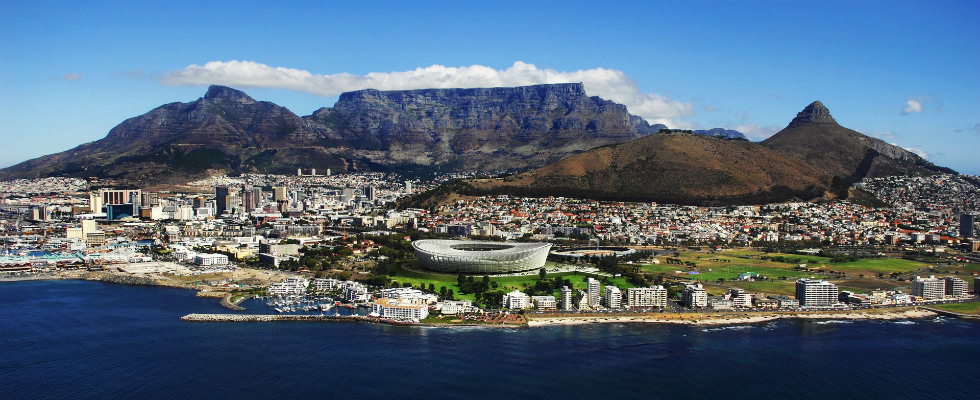
Table Mountain Aerial Cableway in Cape Town

Table Mountain forms part of the Table Mountain National Park, and overlooks Cape Town. Its summit is more than a kilometre above sea level. Besides riding the Cableway to take in the breathtaking views, tourists can hike the mountain (it takes about 2-3 hours), or go mountain biking, caving or rock climbing on its surface.

CBL CAR 001

Image: http://www.splashpr.co.za

Nelson Mandela’s prison cell on Robben Island

Robben Island, just off the coast of Cape Town, is where the iconic Nelson Mandela spent 18 of his 27 years in prison. Tours are conducted by former prisoners, and you’ll see where Mandela spent his time breaking rocks into gravel, before ultimately triumphing to become President of South Africa in the late 20th century.

Robben_Island

http://studentenwohnungenkapstadt.co.za/robben-island-boat-trip/

Watch a live sporting event

Rugby, cricket, and soccer (football) are three popular sports in South Africa, just as they are in Australia. The Super Rugby competition runs from late February through to early August each year, and in 2016 there will be an Australian Super Rugby team playing a South African team in South Africa in the months of March, April, and July. 

The Australian cricket team will also tour South Africa regularly and play different international matches. The South African Premier Soccer League (PSL) season runs from August through to May, with 16 teams from all over the country competing.

Rugby Match South Africa

Image: http://www.independent.co.uk

Cango Caves in the Western Cape province

Two types of guided tours of these wonders of mother nature are available. A standard walking tour takes about an hour, and the adventure tour lasts approximately an hour and a half, where you will crawl through dark narrow passages, as well as climb some steep rock formations.

Cango caves South africa

Image: http://africageographic.com

Cape Winelands

For wine lovers, most of the vineyards in South Africa are in the Western Cape. Cape Winelands is a region that is particularly well-known and includes wine routes such as Constantia and Stellenbosch.

Cape Winelands South Africa

Image: http://www.blacktomato.com/?attachment_id=27640

Whale watching in Hermanus

Hermanus in the Western Cape is known for its whale watching tours, with the best time for sightings typically from September to November each year.

Travel to South Africa

Image: http://www.ushoponline.co.za/whale-watching-route/

Beaches and surfing

The South African coastline is dotted with pristine beaches, meaning you can’t go too far wrong wherever you are. For two potentially memorable experiences, try swimming with the penguins at Boulders Beach, which is about a 50-minute drive south from Cape Town, or surfing at Elands Bay, which is about a 2 and a half hour drive north.

Travel to South Africa

Image: http://www.tentree.com/

Apartheid Museum in Johannesburg

To understand a country, you need to appreciate its history. This museum illustrates the 1948-1994 era of racial segregation in South Africa and is as educational as it is haunting.

Apartheid-Museum-Johannesburg- Travel to South Africa

Image: http://www.financialgazette.co.zw

Visit a township

Townships were segregated urban living areas during the Apartheid era. Soweto in Johannesburg is the largest historical township in South Africa. If you want a genuine cultural experience of the daily living of many South Africans, take a professionally guided tour of a township like Soweto.

Soweto Township South africa

Image: https://asktam.wordpress.com/tag/south-africa/

A good time of year to go 

Like holidaying in Australia, if you want to avoid the maximum crowds and the most expensive accommodation dates, it’s best not to go to South Africa when the local school holidays are on. Below is a list of the 2016 South African school holiday dates, which are the same across all 9 provinces.

2016 South African school holiday dates (all 9 provinces)

South Africa School Terms 2016

http://www.schoolterms.co.za/2016.html

In terms of seasons, South Africa’s occur at the same time as Australia’s, since both countries are in the southern hemisphere. Its climate is similar to Australia’s, with various areas ranging from desert to sub-tropical, and temperatures varying across the country. South Africa gets most of its annual rainfall between October and April, and particularly during the summer months.

For visiting game reserves like Kruger National Park, this is best done in the dry season (May to September). There are a number of reasons for this – temperatures are milder, there is less vegetation to block your view of wildlife, animals will come to waterholes to drink more often, and there is less chance of you contracting malaria. Travelling withing South Africa is easy and we recommend using this travel site for flight bookings.

 A good financial time to go √

 Current exchange rates between the Australian dollar and the South African rand make South Africa a great value for money destination for Australian tourists, which is a bonus.

As the graph below shows, this has been the case for several years now. The Australian dollar (AUD) will buy you approximately 10 South African rand (ZAR), a far cry from a decade ago when it hovered around the 4-5 rand mark.

South Africa Exchange rate

Image: xe.com

Getting there and getting around while you’re there 

There are regular, direct flights to Johannesburg (the largest city in South Africa) from both Sydney and Perth, which take approximately 13 and 8 hours respectively. This is a long distance but well worth the experience.

Within South Africa, there are airports in the major cities of each of its 9 provinces (Eastern Cape, Free State, Gauteng, KwaZulu-Natal, Limpopo, Mpumalanga, North West, Northern Cape, Western Cape).

Flights between provinces are relatively short by Australian standards. A “long” flight, for example, would be from Cape Town in the Western Cape to Kruger International Airport in Mpumalanga in eastern South Africa, which takes approximately 2 and a half hours.

Is it safe?

The Australian government’s official advice from the Department of Foreign Affairs and Trade is that Australians should exercise a high degree of caution if they travel to South Africa. This is because there is a relatively high level of serious crime in the country.

This means you should take sensible precautions, like paying close attention to your personal security and belongings at all times. You should also be aware that there is a relatively high level of HIV/AIDS within South Africa, and you should take precautions if engaging in any activities that will expose you to the risk of infection.

As with travelling to any destination, you should talk to your doctor about appropriate vaccines and preventative medicines before you go. In addition to the routine vaccines, for South Africa, you should prevent your chances of contracting any of the following diseases – hepatitis A/B, typhoid, malaria, and rabies.

 In addition, if you are travelling with children under 18, you must carry both a passport and full valid birth certificate for each child, to be produced on request by local authorities.

Please Share your tips, tricks and stories about Travel to South Africa in the comments section so that others can benefit on their travels!

*We aim to provide up to date content and information. If any information provided is no longer correct then please email us at optimisetravelaustralia@gmail.com or post in the comments section

Roam Romania – Why This Eastern European Country Is a Hidden Gem

Optimise Travel Test – Romania  Romania offers plenty of options for holiday-makers, including both inland snow and coastal Black Sea resorts, as well as culture, historical medieval buildings, and national parks. We’ve put the country through our Optimise Travel holiday destination test, and it comes up trumps.   Is now a good financial time to … Read more

How to get upgraded to business class (tips from a flight attendant)

Flight Upgrade Tips

Everyone wants to know the secret to a free upgrade, and most of what's written about it online is a guess dressed up as advice.

I sat down with Maria Holmqvist, a former Etihad flight attendant with five years' experience based in Abu Dhabi, and asked her directly what actually decides who gets upgraded.

Her answer wasn't luck, or a trick. It came down to a handful of specific, controllable things.

Here's how to get upgraded to business class, according to someone who used to make the call.

Why airlines actually hand out upgrades

Maria's first point cuts against a lot of assumptions: it's ground staff, not flight attendants, who make the upgrade call, usually well before boarding. Flight attendants find out who's been upgraded the same way everyone else does, from the manifest.

Upgrades often happen when a group cancels at the last minute, and the extra catering is already loaded.

Rather than let it go to waste, ground staff will look for a reason to move a passenger up, which is a genuinely different story to the idea that upgrades are handed out at random.

Airlines also can't upgrade everyone who'd like one, and Maria was clear that doing so too freely is unfair to passengers who've paid full fare for business class.

Understanding that constraint is what makes the rest of her advice make sense, rather than reading as arbitrary tips.

I asked her how often this actually happens on a typical flight, and her answer was refreshingly honest: it varies enormously by route, airline, and even the specific day.

There's no reliable formula a passenger can game, which is exactly why the factors below matter more than any single trick.


Loyalty status is rule number one

When I asked Maria what mattered most, she didn't hesitate. Loyalty status, she said, is rule number one, absolutely, a hundred percent.

Frequent flyers are the passengers airlines most want to keep happy, and an unexpected upgrade is one of the cheapest ways to do that.

If you fly a particular airline regularly, joining its loyalty program before your next trip is genuinely the single highest-leverage thing you can do.

It's worth saying plainly: status won't guarantee anything.

But according to someone who used to help decide these calls, it's the first thing ground staff look at, and it's also the one factor on this list that's entirely within your control before you've even booked the flight.

I think most people underestimate this detail. Signing up costs nothing, and even a mid-tier status earned through everyday spending on a linked credit card can shift you up the list without ever needing to fly business class to earn it.


How you present yourself still matters

a traveller checking in at an airport counter, smart casual dress

Maria was equally direct about this one: how you present yourself at check-in and the gate genuinely factors in. Dressing reasonably, not black tie, just presentable, makes a real difference to how staff perceive you.

Being polite rather than confrontational matters more than most people think. Ground staff remember who was pleasant to deal with during a stressful delay, and who wasn't, and that impression can follow you to the upgrade decision.

One detail that surprised me: travelling alone, or without children, genuinely improves your odds, simply because a single seat is easier to reallocate than a full row.

It's not something you can always control, but it's worth knowing why a solo business trip sometimes gets lucky when a family holiday doesn't.

Maria also mentioned something worth remembering when things go wrong at the counter: how you handle a delay or a problem gets noticed just as much as how you look.

A passenger who stays calm and reasonable when a flight's been changed at the last minute stands out, for the right reasons, to staff who deal with frustration all day.


When and how to ask

Timing matters more than people assume. Maria's advice was specific: don't rush to be first in the check-in queue. Ground staff are still finalising the manifest early on, and upgrade decisions tend to firm up a little later.

It's genuinely fine to ask politely, even once you're already on board, if a seat still looks empty. The key word is politely. A confident, friendly request costs nothing and occasionally works.

What doesn't work, and Maria was firm on this, is seating yourself in business class uninvited and hoping nobody notices. That's the fastest way to guarantee you don't get asked back.

Honestly, I think the politeness point deserves more weight than it usually gets. 

Maria described watching colleagues quietly pass over passengers who'd been rude earlier in the process, even when they technically qualified on paper.

The upgrade decision isn't purely mechanical, and a good attitude is one of the few things a passenger can control completely.

a business class cabin seat, empty and inviting, soft cabin lighting

Upgrade bidding programs: the modern option

Everything Maria described is about improving your chances of a free, discretionary upgrade. But another route now gives you more control: bidding for one.

Systems like Plusgrade, which are used by many major airlines, allow eligible passengers to make an offer for an upgrade before departure. If the airline accepts your bid, you pay the amount offered and move into the higher cabin.

How upgrade bidding usually works

  1. 1
    You receive an invitation. This may appear after booking, by email, or when managing your flight online.
  2. 2
    You choose your bid. The airline will usually set a minimum amount, and you decide how much you're willing to offer.
  3. 3
    The airline reviews the bids. Whether yours succeeds depends on factors such as availability and the airline's own criteria.
  4. 4
    You find out before departure. If your bid is accepted, you're charged, and your booking is upgraded.
  • My approach:

Decide what business class is actually worth to you before placing a bid. It's easy to get caught up in trying to "win," but an upgrade isn't a bargain if you've offered more than you wanted to spend.

I wouldn't see bidding as a replacement for Maria's advice. Loyalty status and how you deal with airline staff can still matter when discretionary upgrades are available.

Bidding simply gives you another option when you'd rather put a price on the upgrade than rely entirely on luck.

Not every airline or ticket is eligible, so check the upgrade options attached to your booking rather than assuming you'll be able to bid.


A quick checklist before your next flight

A distilled version of everything above, worth glancing at before you fly:

  • Join the airline's loyalty program before you book, not after
  • Dress reasonably for check-in and the gate
  • Stay genuinely polite, especially during delays or disruptions
  • Don't rush to be first in the check-in queue
  • Ask politely if a seat looks empty, rather than assuming or self-upgrading
  • Check whether your airline runs a bidding program and register your interest

Get more from every flight, not just the upgrade

An upgrade ultimately comes down to a handful of controllable factors and genuine luck, and Maria's insight makes that distinction a lot clearer than most advice online manages. None of it is a guaranteed trick, but all of it genuinely shifts the odds in your favour.

The same thinking, understanding what an airline actually wants and booking with that in mind, applies well beyond the upgrade question. 

If working that out for an entire trip sounds like more than you want to manage yourself, that's exactly what our personalised travel planning service is built for. We bring the same kind of insider thinking to how a trip gets booked overall.


Frequently asked questions

Can you pay for a business class upgrade in advance?

Yes, many major airlines run bidding programs like Plusgrade that let you offer an amount for an upgrade before you fly.

Does checking in early improve your chances of an upgrade?

Not necessarily. Being first in the queue doesn't help much, since ground staff are often still finalising upgrade decisions early in the check-in window.

Are upgrades more common on international or domestic flights?

International flights generally offer more upgrade opportunities, since business class cabins are larger and more likely to have empty seats worth filling.

Do budget airlines offer business class upgrades?

Rarely, since most budget airlines don't operate a genuine business class cabin. Upgrades are far more relevant on full-service international carriers.

Is it worth asking for an upgrade if you're travelling with children?

It's still worth asking, though the odds are generally lower, since a single seat is easier for an airline to reallocate than several seats together.

My favorite beaches in Asia (without the crowds)

I've spent the better part of the last decade travelling across Asia, living for stretches in Thailand, Indonesia, Vietnam, and the Philippines, and using every gap between work and monsoon seasons to hunt down the beaches nobody talks about.

This is what that search turned up. Every beach here is one I've walked, swum at, and in most cases had almost entirely to myself.

No Maya Bay, no Boracay, no Kuta. Just the quiet ones.

Best Beaches In Asia

How I chose these

I didn't want this to be another list assembled from other people's photos. So the rule was simple. I had to have stood on the sand myself.

Beyond that, four things decided whether a beach made the cut.

  • I'd been there in person. Every single one. Where I went in a particular month and it changed the experience, I've said so.
  • It was genuinely quiet, at least at the right hour. Some are empty all day. Others only clear out after the day boats leave, and I've told you which is which.
  • It was beautiful enough to justify the journey. A quiet beach that offers nothing else didn't make it.
  • Getting there was worth it. I've turned around and left places that weren't. These are the ones that earned their place.

Have You Seen Our Travel Concierge Service?

Your trip, planned by local experts

We are not a travel agent - we design custom itineraries around your budget and style, without receiving commissions or booking fees.


Custom itinerary

Built around your dates, budget, and travel style.

Local expert knowledge

Recommendations from people on the ground, not review sites.

Travel smarter, spend less

We optimise for your budget to make your money go further.

The beaches

Ao Kwang Peeb, Koh Phayam, Thailand

map of Ao Kwang Peeb, Koh Phayam, Thailand

My experience:

I had this one entirely to myself for two hours on a Tuesday afternoon in November, which tells you most of what you need to know about Koh Phayam. 

I'd taken the slow ferry over from Ranong that morning half expecting the usual island scene.

Instead found a place with no roads to speak of, a ferry schedule that quietly discourages day trippers, and a long stretch of pale sand backed by casuarina trees where I could walk out fifty metres and still touch the bottom.

I stayed longer than I meant to. I usually did, on this island.

Why visit:

It reminded me of the Thai islands as they were twenty years ago, before the beach bars started competing on volume. Here the music stays at a conversational level and nobody tries to sell you anything.

Best time to visit:

November to March. The island largely shuts down during monsoon season.

How to get there:

Fly to Ranong, take the ferry to Koh Phayam, then a motorbike taxi from the pier. Around two hours in total from the airport.

My insider tip:

Base yourself on the north end rather than Ao Yai. I made the mistake of staying near the busier bay first, and Kwang Peeb, twenty quiet minutes away, was where I wished I'd been the whole time.

Ao Kwang Peeb, Koh Phayam, Thailand

Bang Bao Beach, Koh Kood, Thailand

map of Bang Bao Beach, Koh Kood, Thailand

My experience:

I swam here at seven in the morning with nobody else in sight, and the water was so clear I could count the fish around my feet.

Koh Kood is Thailand's fourth largest island and somehow gets a fraction of the visitors that the third does. 

I spent most of a week here and never once felt like I was sharing it. Bang Bao itself is a small crescent on the west coast with a handful of low key resorts and a gradual drop off that made those early morning swims the part of the day I looked forward to most.

Why visit:

It has the clearest water I found anywhere in the Gulf of Thailand, and the island interior is genuine jungle with waterfalls you can actually swim in.

Best time to visit:

November to April.

How to get there:

Bus or flight to Trat, then a speedboat to the island. Around five hours from Bangkok in total.

My insider tip:

Rent a motorbike and ride to Khlong Chao waterfall first thing in the morning. I got there before the resort groups arrived around eleven and had the pool at the base to myself.

Bang Bao Beach, Koh Kood, Thailand

Duli Beach, Palawan, Philippines

map of Duli Beach, Palawan, Philippines

My experience:

I stayed two nights in a bamboo hut here with no electricity after sunset, and it was one of the better decisions I made in the Philippines.

Duli sits about an hour north of El Nido on a road rough enough to put most people off, which is exactly why it stays empty.

I'd been worn down by how overwhelming El Nido had become, and arriving here to find surf breaking on a long empty beach with almost nobody around felt like exhaling.

Why visit:

El Nido has become genuinely crowded, and Duli is only forty minutes away yet feels like a different country entirely.

Best time to visit:

December to March for calm water, June to September if you want surf.

How to get there:

Take a tricycle or motorbike from El Nido. Around an hour on rough road.

My insider tip:

Go for sunset even if you are staying back in El Nido. The road is bad, but I've watched the light on that beach at six in the evening and it is the best on Palawan.

Duli Beach, Palawan, Philippines

Long Beach, San Vicente, Philippines

map of Long Beach, San Vicente, Philippines

My experience:

I walked about four kilometres along this beach one afternoon and passed exactly six people.

Long Beach runs for fourteen kilometres of continuous sand, which makes it the longest in the Philippines and one of the emptiest places I've ever put my feet.

There's a small airport nearby, built in anticipation of development that mostly hasn't arrived, which is part of why it stays as quiet as it does.

Why visit:

The sheer scale of it. You can walk for an hour and see nobody, which is a rare thing on any coast these days.

Best time to visit:

December to May.

How to get there:

A van from Puerto Princesa takes around four hours, or you can fly into San Vicente directly.

My insider tip:

Stay in the middle section rather than either end. I found the infrastructure thin at the edges, and the middle had the best balance of somewhere to eat and nobody around.

Long Beach, San Vicente, Philippines

Onok Island, Balabac, Philippines

map of Onok Island, Balabac, Philippines

My experience:

This is the hardest place I reached in all my time in Asia, and the one that still stops me when I think about it.

Balabac is the southernmost island group in Palawan, close enough to Malaysia that the maps feel uncertain, and Onok is a private island with a sandbar that runs out into water that changes colour four times between the shore and the drop off.

I'd travelled the better part of two days to get there. Standing on that sandbar, I'd have done it again on the spot.

Why visit:

It's the closest thing to a genuinely untouched tropical island I've come across anywhere in Asia.

Best time to visit:

March to May.

How to get there:

A van from Puerto Princesa to Rio Tuba takes around six hours, then a boat to Balabac for three hours, then a final boat to Onok. Book through a local operator.

My insider tip:

Go now, if you can. Of everywhere on this list, this is the one I'd bet on being unrecognisable in five years, and I'm glad I saw it when I did.

Onok Island, Balabac, Philippines

Paliton Beach, Siquijor, Philippines

map of Paliton Beach, Siquijor, Philippines

My experience:

I went to Paliton three evenings in a row and it never disappointed once.

Siquijor has a reputation across the Philippines for witchcraft and folk healing, and that reputation has quietly kept mass tourism away for decades, which suits me fine.

The beach itself is small and framed by palms that lean right out over the water, and it turned out to be the best place to watch the sun go down that I found in the whole country.

Why visit:

It manages the rare combination of being easy to reach, genuinely beautiful, and still quiet.

Best time to visit:

February to May.

How to get there:

A ferry from Dumaguete takes about an hour, then a motorbike from Siquijor port for twenty minutes.

My insider tip:

Get there for five, not six. I learned that the hour before sunset has better light and far fewer people than the sunset itself.

Paliton Beach, Siquijor, Philippines

Ngurbloat Beach, Kei Islands, Indonesia

map of Ngurbloat Beach, Kei Islands, Indonesia

My experience:

The sand here squeaks underfoot, and I spent a genuinely embarrassing amount of time just walking back and forth to hear it.

The Kei Islands sit out in Maluku, a long way from anywhere, and Ngurbloat has the finest sand I have ever walked on, three kilometres of it.

Across a full day I counted maybe fifteen other people. It took real effort to get there, and it was worth every hour.

Why visit:

The sand alone. Locals will tell you it's the finest in the world, and having felt it under my feet I don't have a counter argument.

Best time to visit:

October to April.

How to get there:

Fly to Langgur via Ambon, then a short drive to the beach. It's a commitment, and there's no pretending otherwise.

My insider tip:

Stay in a homestay in Ohoililir rather than a resort. The families there cooked better than any restaurant I found on the island, and it wasn't close.

Ngurbloat Beach

Tanjung Tinggi, Belitung, Indonesia

map of Tanjung Tinggi, Belitung, Indonesia

My experience:

I went on a Wednesday and had the eastern end of this beach completely alone, which felt absurd given what it looks like.

Enormous granite boulders sit in the shallow turquoise water, arranged as though someone composed them on purpose.

The beach had a brief brush with fame in Indonesia after a film was shot here, then settled back into the obscurity that most international travellers keep it in.

I climbed around those boulders for an afternoon and saw almost nobody.

Why visit:

The rock formations are unlike any other beach in Asia. I've not seen the like of them anywhere else on the continent.

Best time to visit:

April to October.

How to get there:

Fly to Tanjung Pandan from Jakarta, around an hour, then drive thirty minutes.

My insider tip:

Walk east past the main entrance for about ten minutes. That's where I found the boulder formations get better and the people disappear entirely.

Tanjung Tinggi, Belitung, Indonesia

Tanjung Gelam, Karimunjawa, Indonesia

map of Tanjung Gelam, Karimunjawa, Indonesia

My experience:

I swam here at dawn with nobody else on the sand, watching the light come up through coconut palms that grow out over the water at an angle.

Karimunjawa is a small archipelago north of Java that Indonesians know well and foreigners mostly don't, and Tanjung Gelam on the western tip is where I ended up every evening for the sunset and every morning for the swim.

It became a routine I was sad to break.

Why visit:

It's easy Indonesian island life without Bali prices or Bali crowds, which is a harder thing to find than it should be.

Best time to visit:

April to October.

How to get there:

A ferry from Jepara on the Java coast takes anywhere from two to four hours depending on the boat.

My insider tip:

Come on a weekday. I made the mistake of arriving on a weekend when domestic visitors fill the place, and it emptied completely by Monday morning.

Tanjung Gelam

Mali Beach, Alor, Indonesia

map of Mali Beach, Alor, Indonesia

My experience:

The best snorkelling I found in Indonesia outside Raja Ampat was directly off this beach, and I nearly didn't come at all.

Alor sits out in East Nusa Tenggara, well past Flores, and sees very few visitors. Mali Beach is close to the airport, white sand and clear water, and the first time I put my face in the water there I stayed out until my fingers wrinkled.

There is almost no dive tourism here, which is exactly the appeal.

Why visit:

World class diving with next to no dive tourism infrastructure around it, which won't last forever.

Best time to visit:

May to October.

How to get there:

Fly to Alor via Kupang, then twenty minutes from the airport.

My insider tip:

Ask a local boatman about the dugongs at Pantar. It isn't a formal tour, a fisherman took me out on a handshake, and it was the best thing I did on the island.

Mali Beach, Alor, Indonesia

Bai Xep, near Quy Nhon, Vietnam

map of Bai Xep, near Quy Nhon, Vietnam

My experience:

I booked three nights here and extended it to four, which is the clearest verdict I can give.

Bai Xep is a small fishing village beach twenty minutes south of Quy Nhon, a city almost no international visitors bother to include on a Vietnam trip. 

Round coracle boats sit pulled up on the sand, hills come down to the water on both sides, and there's a handful of guesthouses and not much else.

I slipped into the rhythm of the place faster than anywhere else on this list.

Why visit:

It's Vietnamese beach life without the noise of Da Nang or Nha Trang.

Best time to visit:

February to August.

How to get there:

Fly to Quy Nhon, or take the train from Da Nang, then a taxi twenty minutes south.

My insider tip:

Eat at the family run places in the village rather than the guesthouse restaurants. I paid half the price for better seafood, and got a nightly conversation thrown in.

Bai Xep beach

Dam Trau Beach, Con Dao, Vietnam

map of Dam Trau Beach, Con Dao, Vietnam

My experience:

Planes come in low directly over this beach, which sounds like it should ruin the place and instead became one of the things I remember most fondly about it.

Con Dao is an island group off southern Vietnam with a heavy history as a prison island under the French and the South Vietnamese, and that weight sits alongside the beauty in a way I found hard to shake.

Dam Trau is a crescent bay near the airport with forested headlands and very few people. I sat there for hours.

Why visit:

The island is a national park with nesting sea turtles, and the history gives the whole place a depth that most beach destinations simply don't have.

Best time to visit:

March to September.

How to get there:

Fly from Ho Chi Minh City, around forty-five minutes.

My insider tip:

Visit the prison museum before the beach, not after. I did it in that order almost by accident, and it changed how I saw the whole island for the better.

Dam Trau Beach

Juara Beach, Tioman Island, Malaysia

map of Juara Beach, Tioman Island, Malaysia

My experience:

I walked the jungle trail across the island to get here rather than taking the taxi, and arrived sweaty and grinning at a long quiet bay that had almost nobody on it.

Tioman's west coast has the resorts and the crowds. Juara, over on the east coast at the end of a road so steep the taxis crawl up it in low gear, has a surf break at one end, turtle nesting at the other, and not much in between. That emptiness is the entire point.

Why visit:

It's the most consistently empty beach I found on an island that isn't actually hard to reach.

Best time to visit:

March to October.

How to get there:

A ferry from Mersing, then a taxi across the island.

My insider tip:

Walk the jungle trail back to Tekek rather than taking the taxi. It took me two and a half hours through proper rainforest, with monitor lizards and hornbills along the way, and I'd do it again in a heartbeat.


Mira Beach, Perhentian Kecil, Malaysia

map of Mira Beach, Perhentian Kecil, Malaysia

My experience:

I swam with reef sharks a few metres off this beach one morning, which I was not remotely prepared for and won't forget.

The Perhentians are well known, but Mira sits on the northern tip of the smaller island and takes either a boat drop or a walk through the interior to reach, so it stays quiet.

The beach is tiny, maybe eighty metres, with reef starting almost as soon as you wade in.

Why visit:

It has the best snorkelling directly off a beach that I found anywhere in Malaysia.

Best time to visit:

March to October. The islands close entirely during monsoon.

How to get there:

A boat from Kuala Besut, then a water taxi around the island.

My insider tip:

Ask a water taxi to drop you at eight in the morning and collect you at eleven. I did exactly that and had the whole beach to myself for three hours.

Mira Beach, Perhentian Kecil, Malaysia

Lazy Beach, Koh Rong Samloem, Cambodia

map of Lazy Beach, Koh Rong Samloem, Cambodia

My experience:

I swam here after dark on a moonless night and watched the water light up around my arms with bioluminescence, which is one of those things that sounds like marketing until you're standing in it.

Lazy Beach sits on the west coast of Koh Rong Samloem, reached by a forty minute jungle walk from Saracen Bay, and that walk is the whole reason it stays quiet.

Wide bay, sunset facing, and the kind of dark at night that you need to leave a city far behind to find.

Why visit:

Cambodia's islands are the least developed in Southeast Asia, and this is the best of them.

Best time to visit:

November to April.

How to get there:

A ferry from Sihanoukville to Saracen Bay, then the walk across.

My insider tip:

Swim after dark on a night with no moon. The bioluminescence here was the best I've seen anywhere, and I've gone looking for it in a lot of places since.

Lazy Beach

Silent Beach, Tangalle, Sri Lanka

map of Silent Beach, Tangalle, Sri Lanka

My experience:

I stayed a full week near this beach and never once saw more than a dozen people on it at a time.

Tangalle sits along Sri Lanka's southern coast, past the point where most of the tourist infrastructure at Mirissa and Unawatuna gives out.

Silent Beach is a small cove backed by palms with a rocky headland at either end, and it earned its name every day I was there.

Why visit:

It's Sri Lanka's south coast without the whale watching crowds that have taken over further west.

Best time to visit:

December to April.

How to get there:

Around three hours from Colombo by car, or take the coastal train to Matara and continue by tuk-tuk.

My insider tip:

Take the rip currents seriously on this stretch. I always asked at my guesthouse where it was safe to swim on the day rather than assuming, and I'd tell you to do the same.

Silent Beach, Tangalle, Sri Lanka

Talalla Beach, Sri Lanka

map of Talalla Beach, Sri Lanka

My experience:

I walked the full length of this beach several times over a few days and it was consistently close to empty.

Talalla is two kilometres of curved sand between Matara and Dickwella, backed by coconut plantations, with a fishing operation at the eastern end and very little at the western one.

It turned out to be the best swimming beach I found on the south coast, and one of the quietest too.

Why visit:

It's the best swimming beach on Sri Lanka's south coast, and among the calmest.

Best time to visit:

November to April.

How to get there:

Twenty minutes from Matara by tuk-tuk.

My insider tip:

Get up for the fishermen bringing their boats in around six. I did it once and then every morning after, because it's the most photogenic hour and the catch goes straight to the local restaurants.

Talalla Beach

Lalaji Bay, Long Island, India

map of Lalaji Bay, Long Island, India

My experience:

I saw a wild elephant on the trail to this beach, which rather set the tone.

Lalaji Bay is out in the Andamans, on an island most visitors skip in favour of Havelock, and it's reached by a two hour jungle walk or a dinghy from the jetty.

I walked it, met the elephant, and arrived at a beach with three other people on it. It felt like a reward.

Why visit:

It's the Andamans as they were before Havelock developed into what it is now.

Best time to visit:

December to April.

How to get there:

A ferry from Port Blair to Long Island, then either the walk or a hired dinghy.

My insider tip:

Take the dinghy one way and walk the other. The jungle trail is worth doing once, but it's hard work in both directions, and I was glad I'd saved my legs for the return.

Lalaji Bay, Long Island, India

Radhanagar Beach, Havelock Island, India

map of Radhanagar Beach, Havelock Island, India

My experience:

I had two kilometres of one of the most famous beaches in Asia entirely to myself at half past six one morning, and that's the whole trick with Radhanagar.

It gets busy from ten to five, no question. But I set an alarm, walked out while the light was still coming through the mahua trees behind the sand, and understood immediately why it gets the reputation it does.

The crowds are real. So is the beach underneath them.

Why visit:

It genuinely is one of the most beautiful beaches in Asia. You simply have to be there early.

Best time to visit:

December to April.

How to get there:

A ferry from Port Blair to Havelock, then a twenty minute drive.

My insider tip:

Come at sunrise, not sunset. Everyone goes for sunset. I went for the sunrise and had better light and nobody in it, and I'd never do it the other way now.

Radhanagar Beach, Havelock Island, India

Shanshui Beach, Penghu, Taiwan

map of Shanshui Beach, Penghu, Taiwan

My experience:

I rented a scooter and circled this whole island, and Shanshui on the south coast was where I kept coming back.

Penghu is an archipelago out in the Taiwan Strait that Taiwanese travellers know and international ones almost never reach.

Golden sand, basalt formations, and a wind that blows most of the year and keeps the crowds thin. I had long stretches of it to myself, wind and all.

Why visit:

It's the least likely beach on this list and one of the most surprising. Nobody expects this from Taiwan.

Best time to visit:

April to October. The winter wind is genuinely fierce.

How to get there:

Fly from Taipei or Kaohsiung to Magong, around an hour, then twenty minutes by scooter.

My insider tip:

Rent a scooter for the whole stay and circle the island. I found the basalt columns at Daguoye twenty minutes away with almost nobody at them, and I'd have missed them otherwise.

Shanshui Beach, Penghu, Taiwan

Dong'ao Island, Zhuhai, China

map of Dong'ao Island, Zhuhai, China

My experience:

I went midweek in October and found maybe thirty people spread across a kilometre of beach, which is not what most people picture when they picture China.

Zhuhai's outer islands sit out in the Pearl River Delta and are almost unknown outside the country.

Nan Sha Wan on Dong'ao is a wide sandy bay with clear water and a few small guesthouses, and it quietly upended everything I thought I knew about where to find an empty beach.

Why visit:

Nobody expects China to have beaches like this, and that's exactly why they stay empty.

Best time to visit:

September to November. Avoid Chinese public holidays entirely.

How to get there:

A ferry from Xiangzhou Port in Zhuhai, around an hour.

My insider tip:

Come midweek, not on a weekend. I can't stress this enough. Weekends and national holidays transform the place completely, and the quiet I found on a Tuesday was gone the moment I looked at a Saturday.

Dong'ao Island

Yonaha Maehama Beach, Miyakojima, Japan

map of Yonaha Maehama Beach, Miyakojima, Japan

My experience:

I walked south along this beach away from the main access point and within fifteen minutes had it to myself, on what most rankings call the best beach in Japan.

Yonaha Maehama is seven kilometres of white sand on Miyakojima in the Okinawan islands, with water that shifts through three shades of blue before it reaches the horizon.

Most people outside Japan don't even know the country has beaches like this. I certainly didn't, until I stood on it.

Why visit:

It's the best beach in Japan, and most people outside Japan have no idea Japan has beaches at all.

Best time to visit:

April to June, or September to October. Typhoon season runs July to September.

How to get there:

Fly to Miyakojima from Naha or direct from Tokyo, then twenty minutes by car.

My insider tip:

Walk south along the sand, away from the main access point. That's where I found the crowd thins to nothing within a quarter of an hour.

Yonaha Maehama Beach, Miyakojima, Japan

Aharen Beach, Tokashiki Island, Japan

map of Aharen Beach, Tokashiki Island, Japan

My experience:

I swam here at six in the evening with the whole bay to myself, after the day trippers had caught the afternoon boat back to Naha. That's the secret to Tokashiki.

It's thirty-five minutes by fast ferry from the city, so most people come and go in a day, and Aharen empties out completely around four in the afternoon.

I stayed the night, and the difference was the entire point of the trip.

Why visit:

The water here is Kerama blue, a specific documented shade, and it lives up to every bit of the name.

Best time to visit:

April to October.

How to get there:

A fast ferry from Naha, thirty-five minutes.

My insider tip:

Stay one night. I can't say it plainly enough. The difference between day-trip Aharen and overnight Aharen was the whole reason the beach made this list.

Aharen Beach, Tokashiki Island, Japan

Fulhadhoo Beach, Maldives

map of Fulhadhoo Beach, Maldives

My experience:

I walked the sandbar here at low tide with nobody visible in any direction, on a Maldives budget of about a tenth of what I'd braced for.

Fulhadhoo is a local island in Baa Atoll with a sandbar running off one end and no resort on it.

Guesthouse accommodation instead of overwater villas, which is exactly why I could afford to linger. It's the Maldives most people assume is out of reach, and it isn't.

Why visit:

It's the Maldives without the resort economy wrapped around it.

Best time to visit:

November to April.

How to get there:

A domestic flight to Dharavandhoo and then a local boat, or a public ferry from Male.

My insider tip:

Remember that local island rules apply, so modest dress away from the designated bikini beach. It isn't restrictive once you know, and I was glad I'd read up before turning up.

Fulhadhoo Beach, Maldives

Fazayah Beach, Dhofar, Oman

map of Fazayah Beach, Dhofar, Oman

My experience:

I drove down a mountain pass to reach this beach and found white cliffs, empty sand, and camels wandering onto it, which is about as far from a Southeast Asian beach as you can get and still be by the sea.

Fazayah sits in southern Oman near Salalah, and it's one of the most striking coastlines I've seen anywhere on earth. There was almost nobody there. There rarely is.

Why visit:

It's a complete contrast to everything else on this list, and empty in a way that Asian beaches almost never manage.

Best time to visit:

October to April. The khareef monsoon in summer transforms the whole region.

How to get there:

Fly to Salalah, then hire a car for around an hour and a half.

My insider tip:

Bring everything you'll need. I learned there's no shade, no facilities, and no shop for a very long way, so I now treat a Fazayah day like a small expedition.

fazayah beach

Quick picks by trip type

If you want to skip straight to the beach that fits your trip, here's where I'd point you.

  • Couples. Onok Island, Balabac, if you can manage the journey to it.
  • Families. Yonaha Maehama on Miyakojima. Shallow, calm, safe, and the facilities actually work.
  • Snorkelling. Mira Beach on Perhentian Kecil, where I swam with reef sharks a few metres off the sand.
  • Sunsets. Paliton Beach on Siquijor. Three evenings running, and it never let me down.
  • Solo travellers. Bai Xep near Quy Nhon. Small, easy, and I fell into conversation there every night.
  • Best value. Fulhadhoo in the Maldives. The Maldives at guesthouse prices.
  • Most underrated. Shanshui Beach on Penghu. Nobody outside Taiwan has heard of it, and that's their loss.

The one I'd go back to tomorrow

If you made me pick a single beach off this whole list to return to, it would be Onok Island in Balabac.

It's the hardest to reach, the most expensive to organise, and the least sensible answer I could give you.

But I still think about the water there. Four distinct colours between the sand and the drop off, all visible at once from the sandbar, and I've not seen anything match it since.

I'd spend the two days getting back there without a second thought.


Frequently asked questions

Why do some of Asia's most beautiful beaches stay undiscovered?

Some of Asia's most beautiful beaches stay undiscovered mainly because they're genuinely hard to reach. Balabac and the Kei Islands take days of travel, which puts most people off. Others are popular with local travellers but invisible internationally, which is why places like Penghu stay quiet for foreign visitors.

What's the biggest mistake people make looking for a quiet beach in Asia?

The biggest mistake people make is going to the right place at the wrong time. Radhanagar at eleven in the morning is crowded. At half past six it's empty. Timing usually matters more than location.

Are quiet beaches in Asia getting harder to find?

Quiet beaches in Asia are getting harder to find, but more slowly than it feels. A few on this list are busier than when I first visited. But new ones open up as roads and ferries shift, so the quiet is moving rather than vanishing.

How do you enjoy hidden beaches responsibly?

You enjoy hidden beaches responsibly by staying in locally owned guesthouses, travelling midweek and off-season, and being careful about tagging the fragile places. A smaller footprint usually makes for a better experience anyway.

Which beach would you revisit first?

The beach I'd revisit first is Onok Island in Balabac. The water there does something I've not seen anywhere else, and no beach since has replaced that memory.


Before you book a resort

The famous beaches in Asia earned their fame, and most of them lost their quiet the moment they got it. What I've found, again and again, is that the alternative is usually close by. 

A different bay on the same island. A different hour of the same day. A ferry that runs less often, to somewhere nobody has heard of. 

The effort is almost always smaller than you expect, and the reward almost always larger. 

Go one island further than the guidebook suggests. That's the whole trick.

Why Australians should travel to South America this year

Carnival Time

South America has always felt like the trip Australians talk about more than they actually book. It's a long way, and it's easy to assume it's out of reach.

The honest answer depends heavily on which country you're actually asking about.

I've dug into what's genuinely happening with costs across the region right now, country by country, rather than treating it as one story.

Here's why South America is worth it, and exactly which parts I recommend.

  • My Travel Tip: South America isn't one value story

Brazil's affordability is a durable cost-of-living story. Prices stay low regardless of what any currency is doing.


Argentina is a dramatic but genuinely improving currency and inflation story, with a real caveat attached. Colombia is steady, comparatively mild value that doesn't swing much either way.


Peru sits closer to fair value than people assume. Knowing which kind of value you're getting helps you plan realistically instead of assuming the whole continent behaves the same way.

South America colourful street scene

Brazil

Brazil's value is the durable kind. The real has held at a level that keeps everyday costs genuinely low, and that's less about a currency swing working in your favour right now and more about the cost of living simply staying low year after year.

A per-kilo lunch, the classic Brazilian self-serve buffet priced by weight, remains excellent value, and hostel dorms are cheap enough that a longer stay barely dents the budget.

I think that's the real appeal here: you can travel slowly and thoroughly without watching every dollar.

Christ the Redeemer Rio golden hour

Where I'd spend my time in Brazil

There's far more to Brazil than Rio, and each stop offers something quite different:

  • Rio de Janeiro: Christ the Redeemer and the beaches are the obvious highlights, while Carnival is genuinely worth timing a trip around if you don't mind the crowds.
  • Salvador: Colonial architecture, Afro-Brazilian culture, great food, and a completely different atmosphere from Brazil's southern cities.
  • Manaus: The main jumping-off point for river and rainforest trips into the Amazon, and somewhere most first-time visitors don't consider.
  • São Paulo: A genuinely serious food and nightlife city without the same tourist focus as Rio. Honestly, the food scene alone rivals anywhere I've come across in South America.
  • My Travel Tip: 

Prices spike hard around Carnival and New Year's, sometimes tripling overnight.


Carnival typically falls in February or March, just before Lent, so check the dates for your travel year. Travelling outside these peak periods is where Brazil's value really shows up.


Brazil is also a country where I'd resist trying to squeeze everything into a short itinerary. The distances are enormous, but everyday affordability makes spending longer in two or three regions much more realistic.


Argentina

Argentina's story is genuinely more dramatic, and it's worth understanding rather than just taking on faith.

The government liberalised currency controls back in 2025, and inflation has fallen a long way from its recent peak, a real, durable improvement rather than a fleeting exchange rate quirk.

The caveat matters, though. Local inflation is still high enough that prices can creep up noticeably through a longer trip, so what feels like a bargain in week one may feel less generous by week three.

It's still good value, especially compared with Western Europe, but it's worth remembering that it's a moving target.

Lush vineyard rows in Tunuyán, Mendoza

What I'd build an Argentina trip around

Argentina is enormous, and the experiences change dramatically depending on where you go:

  • Buenos Aires: Tango, football at a genuinely electric stadium, and a late-night restaurant culture that rewards slowing down. The capital alone can justify the trip.
  • Mendoza: One of the best-value wine regions I've come across, with a few days of wineries and good food fitting naturally into a longer itinerary.
  • Patagonia: Glaciers, mountains, and some of the continent's best hiking. It's a completely different Argentina from what you'll experience in Buenos Aires or Mendoza.

I think Argentina rewards a slower, more deliberate trip more than almost anywhere else on this list.

Mendoza pairs naturally with Buenos Aires, while travellers with more time can continue south into Patagonia rather than trying to cram the country's enormous distances into a short visit.

  • My Travel Tip:

How you pay can make a difference in Argentina. Paying cash in dollars at an authorised exchange house can get you more pesos than paying by card, so it's worth checking the current rates and payment options before you travel.


Colombia

Colombia is the steady option on my list, and I mean that as a genuine compliment. The peso has stayed weak on a longer view, which keeps day-to-day costs comparatively low without the dramatic swings Argentina goes through.

What I like about Colombia is how much the experience changes as you move around the country.

You can go from Caribbean heat to cooler mountain cities and green coffee country without crossing a border.

Las Lajas Sanctuary Colombia cliff

Three very different sides of Colombia

  • Caribbean coast: Cartagena's walled old city brings colourful colonial streets, warm evenings, and a completely different pace from the cities further inland.
  • Mountain cities: Medellín has transformed into a major long-term traveller hub and makes a useful base for exploring more of the surrounding region.
  • Coffee country: Around Salento, rolling green hills, working coffee farms, and a noticeably slower pace make it an easy detour if you're already travelling between Medellín and the coast.

Then there's Las Lajas Sanctuary, a neo-Gothic basilica built directly into a river gorge near the Ecuadorian border. It remains one of the most striking pieces of architecture I've seen described anywhere in South America, and it rarely gets the attention it deserves.

  • Why I'd consider Colombia for a single-country trip:

You don't necessarily need to combine it with somewhere else to get variety. Cartagena, Medellín, and the coffee region already give you three very different experiences, while generally keeping day-to-day costs reasonable.


Peru and Bolivia

Peru is the one worth a genuine caveat. Its currency has actually held up reasonably well against the AUD recently, which cuts against the old assumption that Peru is automatically a bargain.

It's still worth visiting, just don't assume it's the cheapest option on the continent without checking.

For me, the value here is less about getting a favourable exchange rate and more about what you're getting for the trip. Few places anywhere have the cultural and natural drawcards that Peru and Bolivia can combine.

Wide view of the citadel, Huayna Picchu, terraces, and surrounding Andes

What makes the journey worthwhile

  • Cusco and Machu Picchu: Cusco and the wider Incan heritage sites remain Peru's biggest drawcard, and Machu Picchu still earns every bit of its reputation despite how often it's photographed.
  • Salar de Uyuni: Bolivia's enormous salt flat becomes a vast natural mirror during the wet season. It's the kind of landscape that doesn't really translate through photos.
  • Lake Titicaca: Straddling the Peru-Bolivia border, the lake rarely gets the attention Cusco does despite being just as striking. I'd genuinely recommend building in the extra days if your itinerary allows it.

Both countries reward travellers willing to go a little higher and a little further off the main route.

If you've already made the long journey from Australia, I think combining Peru and Bolivia makes much more sense than rushing through the headline attractions and flying straight back out.

  • Don't underestimate the altitude:

Cusco and La Paz both sit well above 3,000 metres.


Rather than landing and immediately launching into hiking or a packed sightseeing schedule, give yourself a day or two to adjust. 


It can make a genuine difference to how much you enjoy the rest of the trip.


Getting there and getting around

The honest trade-off with South America is the flight. It's a genuine long-haul commitment from Australia, typically routed through the US or occasionally through Auckland or Santiago, and that time investment is worth factoring in alongside the value on the ground.

I won't pretend this is a quick getaway. It's closer in spirit to a once-a-year or once-every-few-years trip, the kind worth building properly rather than squeezing into a short break. That's part of why sequencing matters so much. 

Once you're there, you want to make the most of having come this far.

Within South American, the distances between countries are smaller than the flight from home might suggest.

Iguazu Falls sits conveniently right on the Brazil-Argentina border, which makes it a natural stop for anyone combining the two countries on one trip rather than treating them as separate visits.

A few things make the long flight genuinely worth it once you're there:

  • Regional flights are affordable. Hopping between Buenos Aires, Rio, and Lima costs a fraction of what the equivalent distance would in Australia.
  • Cross-border combinations are easy. Iguazu Falls, Lake Titicaca, and several other highlights sit right on shared borders, built for multi-country trips.
  • A longer trip makes more sense than a short one. Given the flight commitment, three to four weeks lets you properly justify the trip over a rushed ten-day version.

Is South America worth it for Australians right now?

The honest answer depends on which country you're asking about, and that's really the point. Brazil's value holds steady regardless of timing, Argentina rewards travellers who understand the trade-off, and Colombia sits comfortably in between.

The flight is real, and I won't pretend otherwise. But once you weigh that against the depth of what you actually get on the ground, from Rio to Patagonia to the Salar de Uyuni, it's a genuinely different kind of trip to anything closer to home.

If you'd rather not work out the sequencing yourself, that's exactly what our personalised travel planning service is built for. 

Tell us which countries you're drawn to and we'll turn it into a properly sequenced multi-country itinerary. It pairs naturally with our guide to the best value destinations for Australians if you're still weighing South America against closer options.


Frequently asked questions

Is South America expensive to get to from Australia?

The flight itself is the main cost, typically routed through the US, Auckland, or Santiago. Once you're there, costs across most of the continent are genuinely reasonable.

What is the cheapest country to visit in South America for Australians?

Brazil and Colombia both offer strong, steady value for day-to-day costs. The right pick depends more on what you want to see than which country is marginally cheaper.

Is Argentina still good value despite high inflation?

Yes, generally, though it's worth knowing prices can creep up noticeably through a longer trip. Paying in cash at an authorised exchange house helps offset that.

Can you visit multiple South American countries in one trip?

Yes, and it's genuinely worth doing. Brazil and Argentina pair naturally around Iguazu Falls, which sits right on the shared border.

How far in advance should Australians plan a South America trip?

Six to nine months ahead gives you the best access to flights and accommodation, especially if your trip includes Carnival season or Incan trail permits.

Best destinations for solo travelers (my personal favorites)

There’s a particular kind of stuck that happens when you’re excited about travelling solo but have no idea where to actually go.Most best solo destinations lists don’t help much, they’re really just city guides with the word solo tacked onto the title.After planning trip after trip for people travelling completely alone, I’ve learned the destinations … Read more

Getting the most value from your European holiday (for Australians)

I used to assume a European holiday meant picking between Paris and everywhere else, and quietly accepting whichever price tag came with it.

Then I started actually checking the exchange rate before each trip, rather than after, and the picture got a lot more interesting.

Some places genuinely aren't pricier than they were a few years ago. Others have become dramatically cheaper, and it's rarely the country you'd expect.

Here's where your Australian dollar is actually working hardest in Europe right now, and why.

  • My Travel Tip: Why looking beyond the big five still pays off

It's tempting to assume the euro and the pound have both gotten more expensive for us. Checking my own currency conversions over the past few trips, that's not really true, the AUD to euro and pound rates have barely moved. 


What's changed dramatically is the alternative side of the comparison, destinations like Turkey have become so much cheaper that stepping outside the obvious five countries now delivers a genuinely bigger gap than it used to.


I only really noticed this by paying attention trip after trip, rather than assuming the picture was the same as it was a few years ago.

Central and Eastern Europe

Prague Charles Bridge dusk

Central and Eastern Europe has been quietly good value for years, and my own experience comparing prices here against Western Europe on the same trip keeps confirming it.

What I like most isn't just the savings. Nothing about the experience feels reduced because of them. The architecture, food, and history can easily compete with cities charging considerably more.

Three places I'd consider first

  • What stays with me is how easily you can have a good night without thinking too much about the budget. A proper sit-down dinner, a couple of drinks, and a taxi back to your accommodation can still come in below what I'd expect to spend on a fairly ordinary evening in many Western European capitals.
  • Krakow: I remember walking away from a proper sit-down dinner here having spent noticeably less than a casual lunch cost me in Munich the week before. The free walking tours are excellent too, and they're a good way to get your bearings before deciding what you want to explore properly.

    Krakow's Old Town is also one of my favourite places in this part of Europe to simply grab a coffee and watch the day go by. You get that classic European square experience without paying the prices you'd expect somewhere further west.
  • The value almost becomes secondary once you're there. Accommodation goes particularly far, and I've found genuinely comfortable places to stay for less than I'd expect to pay for a budget option in much of Western Europe.
  • The bigger takeaway:

I'd choose these places because they're worth visiting, not simply because they're cheaper.


The lower daily costs just mean you can afford better accommodation, eat out more often, stay longer, or add another stop without watching the budget quite so closely.


Turkey

hot air balloons over Cappadocia at sunrise

Turkey is where the value story gets particularly interesting. The lira has weakened enormously over the past decade, and I remember being genuinely surprised the first time I did the maths properly on a Turkey trip. 

I'd expected my budget to land somewhere similar to Greece, and it went considerably further.

Istanbul alone justifies the trip, but what surprised me was how many different parts of the holiday benefited from that extra spending power.

Where you'll notice your money going further

  • Everyday spending: Meals, taxis, coffee, and markets can all feel noticeably easier on the budget than in much of Western Europe.
  • Coastal stays: Around Antalya, resorts and all-inclusive packages can offer particularly strong value if you want to add a few relaxing days to a longer trip.
  • Big experiences: Cappadocia's hot air balloon rides aren't exactly cheap, but experiences like this can be much easier to fit into the budget than you'd expect.
  • Shopping and markets: Istanbul's Grand Bazaar rewards an afternoon rather than a quick photo stop. Wandering, haggling, and getting thoroughly lost in it is half the experience.

That's what stood out to me most. Turkey didn't necessarily make me want to spend as little as possible. It gave me room to spend a little more freely without constantly feeling like the numbers were adding up against me.

  • If value is your priority:

Turkey would be one of my first choices on this list.


You can combine a major city, Mediterranean coastline, incredible food, and a bucket-list experience like Cappadocia without needing the kind of budget that combination might demand elsewhere in Europe.


Serbia and North Macedonia

Ottoman Old Bazaar at sunset

Serbia and North Macedonia are good options if you want the lower costs of the Balkans without building your whole trip around the best-known destinations.

I'll be honest, I didn't expect much from either before visiting, and both quietly outperformed that low bar.

They're the kind of places I'd add to a longer European itinerary when I wanted a few days somewhere different, affordable, and considerably less crowded.

What I'd go for

  • Belgrade: Come for the nightlife, which is far more serious than I expected, but give yourself time to explore the city during the day too. Food is hearty, portions are generous, and eating out doesn't need to become a major part of your daily budget.
  • Skopje: The combination of its Ottoman old town and slightly eccentric modern architecture makes it unlike almost anywhere else on a typical European itinerary. It's compact enough to explore without needing a huge amount of time or money.

Neither city needs to be the headline act of your trip. I actually think they work better as affordable additions to a longer Balkans route, particularly if you're travelling between Central Europe and Greece.

  • Who I'd recommend them to:

Travellers who enjoy discovering places before they've ticked off every famous European capital.


I've recommended both to friends who assumed there wasn't much worth stopping for between Vienna and Athens, and they've come back pleasantly surprised.


What about the big five?

None of this means I'd skip France, Italy, Spain, the UK, or Germany just because my money goes further elsewhere. I still go back to Italy most years, and I don't see that changing anytime soon.

Instead, I've changed how I build the budget around those trips.

My approach: Spend, then balance

If Rome or Paris is one of the reasons I'm going to Europe, I'll spend the money to enjoy it properly.

I'd rather book a good hotel in a location I actually want, eat the food I came for, and pay to see the things that matter to me than spend the whole time trying to make an expensive city cheap.

Then I'll balance those days with somewhere my budget naturally stretches further.

That might mean combining Vienna with Prague, Germany with Poland, or Italy with a few days further east. Suddenly, I don't need every day of a three-week holiday to operate on the same expensive daily budget.

  • The goal isn't the cheapest European holiday:

It's spending more where it genuinely improves your trip and saving money where you can do so without feeling like you're missing anything.


For me, that creates a much better holiday than choosing destinations purely by price or spending two weeks in somewhere I've always wanted to visit while worrying about every restaurant bill.


A few things that actually make a difference

A handful of small habits consistently stretch my European budget further, often more than obsessing over which country is technically the cheapest.

  • Skip the airport currency exchange. Withdraw cash once you're in the country instead, and always check the fees your bank charges before you leave.
  • Stay just outside the tourist centre. Even moving a few streets away from the busiest area can bring accommodation prices down without making sightseeing inconvenient.
  • Eat a little further from the main square. I've rarely regretted walking five or ten minutes away from the obvious tourist restaurants. Prices tend to improve, and the food often does too.
  • Check whether you actually need a transport pass. Sometimes unlimited passes are great value; other times I've realised I could have walked almost everywhere.
  • Book the expensive things early. Trains, popular attractions, and accommodation are where leaving everything until the last minute can really hurt the budget.
  • Pay in the local currency. If a card terminal offers to convert the transaction into AUD, I usually decline and let my bank handle the conversion instead.

None of these will transform an expensive trip into a cheap one, but together they leave more of the budget for the things I actually travelled to Europe to experience.

a European train platform

Get more from your European holiday

Real value in Europe right now comes from mixing it up, not necessarily avoiding the obvious names, but not stopping at them either.

The trips that have felt most generous to me weren't the ones where I chased the absolute cheapest country available.

They were the ones where I paired something classic with something that stretched the budget further, and let each part of the trip do what it does best.

If working out how to combine a big-five stop with somewhere that stretches the budget further sounds like the hard part, that's exactly what our personalised travel planning service is built for. 

Tell us what you want to see and we'll build the itinerary around it.


Frequently asked questions

Which European countries don't use the euro?

Several EU countries still use their own currency, including the Czech Republic, Poland, Hungary, Romania, Denmark, and Sweden. Always confirm the current currency before you travel, since this can change.

Is Turkey part of Europe for travel purposes?

Yes, Istanbul in particular straddles both Europe and Asia, and Turkey is commonly included in a European itinerary. It's also one of the strongest value destinations on the continent right now.

Can you combine Western and Eastern Europe in one trip?

Yes, and it's a great way to balance the trip. Pairing a few days in a big-five destination with a stretch through Central or Eastern Europe keeps the overall cost down without giving up the classic stops.

What's the best time of year to visit Europe for value?

Shoulder season, generally spring and autumn, tends to offer the best combination of lower prices and manageable crowds across most of Europe.

Is it better to use cash or card when travelling in Europe?

Cards are widely accepted across most of Europe, but carrying some local currency is still useful for markets, small businesses, tips, and places with minimum card payments. When paying by card or withdrawing cash, choose the local currency rather than AUD to avoid potentially poor conversion rates.