Why Croatia Is a Must See Destination for Australian Travellers

Croatia

Optimise Travel Test – Croatia

Croatia offers plenty of options for holiday-makers, including its culture, historical buildings and national parks, as well as beautiful coastal and inland mountain resorts.

We’ve put the country through our Optimise Travel holiday destination test, and it comes up trumps.

  • Is now a good financial time to go? 

  • Is there a wide variety of interesting things to see and do? 

  • Is there a good time of year to go? 

  • How hard is it to get to and get around when you’re there? 


We’ll look at each one of these criteria in more detail in this article, offering you some practical tips and advice along the way.

A good financial time to go √

Current exchange rates between the Australian dollar and the Croatian kuna make Croatia a good value for money destination for Australian tourists.

As the graph below shows, the Australian dollar (AUD) will currently buy you approximately 5.17 Croatian kunas (HRK). Although you would have been able to get more than 6 kunas to the dollar 2 or 3 years ago, the Australian dollar has held up better against the kuna in recent years than against currencies like the United States dollar (USD) and the Euro (EUR).

AUD vs Croatian Kuna

Image: xe.com

A variety of interesting things to see and do √

Before we get into those, you need to get your head around the geographic layout of the country. The capital city of Croatia is Zagreb, and the country is bordered by Slovenia, Hungary, Serbia, Bosnia and Herzegovina, and Montenegro. Croatian is the official language in the country, but most people speak at least a little English, so the language barrier won’t be as acute as in some other countries.

Map of Croatia

Image: http://reliefweb.int

Pula Arena

This amphitheatre was built in the first century, and is the 6th largest surviving arena from the Roman Empire. It is also the best preserved historical building in Croatia, and hosts a variety of festivals and concert performances over the summer months.

Pula Arena in Croatia

http://www.houseofcoco.net/park-plaza-arena-hotel-pula-croatia/

Plitvice Lakes

Plitvice Lakes is a World Heritage-listed national park located near Croatia’s border with Bosnia and Herzegovina. It is particularly famous for its series of cascading lakes and their green, blue and azure watercolours. Its dense forests are home to unique flora and fauna species, including the European brown bear, eagles, owls, wolves and wild cats.

Plitvice Lakes In Croatia

Image: https://acoupledetours.files.wordpress.com

Hvar

   Hvar is a Croatian island town located in the Adriatic Sea, off the Dalmatian coast near the city of Split. It is home to some of Croatia’s more upmarket resorts, and is known for its sunny weather, beaches and harbour.

Hvar in Croatia

Image: http://www.suncanihvar.com

Zlatni Rat Beach

This much-photographed and popular beach, also off the coast of the city of Split, is surrounded by pine trees and is typically lined in summer with sunbeds. It is ideal for water sports activities such as wind-surfing and kayaking.

Zlatni Rat Beach in Croatia

Image: http://stuffpoint.com

Korčula

Korčula is also an island town located off the coast of Split. There you can stroll and explore its centuries-old stone buildings, medieval walls and towers on car-free stone alleys. You can also visit Marco Polo House, the birthplace of the famous 13th-century explorer.

korcula Sunset In Croatia

Image: http://i.uniline.hr

Dubrovnik

Nicknamed “the pearl of the Atlantic”, the city of Dubrovnik in the south is one of Croatia’s most prominent tourist attractions. It is a walled city, and the stunning architecture of its churches, monasteries and museums are its most striking feature. Besides walking the streets to take its history in, a great way to view the city as a whole and its neighbouring islands in the Adriatic Sea is via aerial cable car. In addition, the ‘old city’ was used in filming the HBO TV series Game of Thrones.

  Old town, dubrovnik, Croatia

Image: http://www.valamar.com


A good time of year to go √

Being located in the northern hemisphere, Croatia’s seasons occur at the opposite time to Australia’s. Its weather is much cooler than in Australia, with average summer temperatures of 18°C and -3°C in winter. Coastal areas are warmer than inland areas.

You can expect holiday destinations and accommodation within Croatia to be more crowded and expensive during school holiday times. Approximate Croatian school holiday dates are as follows:

Christmas: 24 December 2015 to 8 January 

Spring:       21 March 2016 to 28 March 2016

Summer:   13 June 2016 to 31 August 2016

Autumn:     5 September 2016 to 9 September 2016


Getting there and getting around while you’re there √

There are regular flights to Zagreb (the capital and largest city in Croatia) from most capital cities in Australia. It’s a long flight, taking approximately 24 hours from the east coast of Australia, based on one quick stopover at a connecting flight destination along the way (such as in Abu Dhabi, Bangkok or Dubai). Connecting flights are common for such a long journey. Your total travel time will obviously be affected by the length of any stopovers, so you should plan accordingly.

Within Croatia, there are airports in each of its major cities. Flights between cities are relatively short by Australian standards. For example, a flight between Zagreb in the north of the country and Dubrovnik (popular tourist destination in the far south) only takes about an hour.


Is it safe?

The Australian government’s official advice from the Department of Foreign Affairs and Trade is that Australians should exercise normal safety precautions when travelling in Croatia. As you should in any international country, pay close attention to your personal security and belongings.

You should also talk to your doctor about appropriate vaccines and preventative medicines before you go. In addition to the routine vaccines, for Croatia, you should prevent your chances of contracting any of the following diseases –hepatitis A/B and rabies.


Please Share your Croatian tips, tricks and stories in the comments section so that others can benefit on their travels!

*We aim to provide up to date content and information. If any information provided is no longer correct then please email us at optimisetravelaustralia@gmail.com or post in the comments section

 Must-See Australian Beaches: Great Aussie Destinations For Everyone

Exchange rates are a double-edged sword. The Australian dollar has taken a bit of a pounding in the last year or two on world currency markets, meaning you currently won’t get as much bang for your Australian buck in many overseas countries as you did not long ago. But there is always a silver lining.

Australian holidays in 2018 are great value for money by comparison with many overseas destinations. And let’s face it, Australia is a big country. Not many of us can say they have seen all it has to offer.

Let’s take a look at Thailand as a financial comparison. As the below graph shows, the Australian dollar has headed south against the Thai baht since the peak levels of four years ago, especially in the last two years. In 2018, the Australian dollar is worth 30% less against the baht than it was in 2012. Put simply, your money won’t go as far in Thailand as it did then. A holiday to beach destinations like Phuket, Ko Samui, Pattaya or Ko Phayam is now 30% more expensive. That’s money you could spend on an Australian holiday and if it’s beaches you’re looking for, we are blessed with some of the world’s best.

In this article, we’ll focus on some of the less obvious but must see Australian beaches. Destinations that are not packed with people and are as beautiful as anywhere on the planet.


must see Australian beaches
Image from www.xe.com March 2016

What Are The Must See Australian Beaches?


Queensland

When you think of must-see Australian beaches in Queensland, the Gold Coast, Noosa on the Sunshine Coast, and the islands of the Great Barrier Reef probably spring to mind. You may have already visited those popular destinations, or be looking for some different or less crowded.

If you are, the World Heritage-listed Fraser Island is well worth a visit. Fraser is the largest sand island in the world, with its 75 Mile Beach the highlight. It is well-known for its multi-coloured sands, ranging from standard white through to orange and darker tones. Numerous crystal clear freshwater lakes there will cool you down, including the Champagne Pools, a collection of recreational waters formed by volcanic rocks. The foam of the ocean crashing into the rocks bordering the pools creates a natural jacuzzi. Fraser Island is also a prime whale-watching destination between July and October each year.

How to get there:

The quickest way is to catch a flight to Sunshine Coast Airport. From there you can then catch a short chartered flight to Fraser Island.

must see Australian beaches, Fraser Island
Image: http://uexplore4x4.com.au

Heading further north, Mission Beach between Townsville and Cairns is another great alternative. The golden sands of the Mission Beach region stretch for 14 kilometres. It contains four beach villages nestled against lush tropical rainforests, each with its own charm and characteristics. You can choose to do very little but relax and take in the beautiful scenery, or do a wide variety of water and beach activities, it’s up to you. Numerous accommodation options are available, from basic campsites through to luxury resorts.

How to get there:

Catch a flight to Cairns. Mission Beach is about an hour and a half’s drive from there, with airport transfers, bus, rail and car options available.

must see Australian beaches, Mission beach
Image: http://www.alluxia.com

Heading further north still, if you do want to experience the most secluded Great Barrier Reef island, Lizard Island is for you. It’s very expensive but well worth it. When looking at the price, just think of the money you’re saving by not going to a destination like Thailand with the Australian dollar being so low. Lizard Island has 23 stunning and largely secluded white beaches, with spectacular diving and snorkelling spots to explore the wonders of the colourful reef and its fish species.

How to get there:

Fly to Cairns and then catch a 1-hour charter flight direct to Lizard Island.

must see Australian beaches lizard island
Image: http://www.lizardisland.com.au

New South Wales

The north, south and central coasts of New South Wales offer plenty of must-see Australian beaches. Despite being a popular getaway in the north, you can still find one or two secluded beach spots in the Byron Bay region, including Whites Beach at Broken Head. Part of its charm and the major reason for its seclusion is its relatively limited access. To get there, you need to drive on a dirt road through a rainforest, and then walk along a path to its shoreline. As its name suggests, there you will find beautiful white sand, accompanied by crystal clear water and numerous rock pools. You’ll also often sight dolphins swimming in its shores. It feels a world away from the million dollar Main Beach just 10 kilometres away, so if your holidaying at Byron Bay you can experience the best of both worlds.

How to get there:

If you’re not located within a few hours drive, catch a flight to Ballina Byron Gateway Airport. From there, you can arrange an airport shuttle bus transfer.

Whites Beach, must see Australian beaches
Image: https://www.kayak.com.au

The central coast of New South Wales is famous for its surf beaches at places like Avoca, Terrigal, and The Entrance. But the region isn’t just for experienced surfers. Beginners can learn to surf at one of the many accredited surf schools in the area. Fishing and boating are also popular activities there.

How to get there:

The central coast is an hour’s drive north of Sydney.

Terrigal

On the south coast, Jervis Bay is an idyllic location 200 kilometres south of Sydney, with white sands and crystal clear blue-green water. The area is also inhabited by penguins, a pretty rare sight in Australia. It is also a popular whale-watching region from May to November. Hyam’s Beach is a great spot in the Jervis Bay region, offering a range of accommodation options and activities such as snorkelling, diving, surfing, sailing, windsurfing, and kayaking.

How to get there:

Driving from Sydney is easy or catch a flight to Jervis Bay Airport and then use an airport transfer service.

JERVIS-BAY-must see Australian beaches
Image: http://www.australiantraveller.com

Victoria

If you’re holidaying along the 243 kilometre Great Ocean Road between Torquay and Allansford on the south-east coast of Victoria, you’ll be able to visit the iconic Bell’s Beach surfing venue, see the Twelve Apostles collection of limestone stacks off the coast of Torquay, as well as find plenty of secluded spots. A good option to consider is doing a stretch of the Great Ocean Walk in the Great Otway National Park. In that region, you’ll find four hidden places well worth a visit – the beaches at Milanesia, Rivernook, Station and Parker Inlet.

How to get there:

If you’re not within a few hours driving distance, catch a flight to Avalon Airport in Geelong and then hire a car or catch an airport shuttle bus.

Bells Beach. must see Australian beaches
Image: http://www.barryplant.com.au

Western Australia

Cable Beach near Broome in Western Australia is a stunning visual location. There the turquoise of the Indian Ocean meets the ochre of the Australian outback, with ideal swimming, sunbathing and beach conditions. Both sunrise and sunset camel rides operate daily along a section of the 22 kilometre white sand stretch and make for a memorable experience. For the more free-roaming spirits, the area also includes a nudist beach but this definitely an optional experience and not on everyone’s must see Australian beaches list.

How to get there:

Catch a flight to Broome and book an airport shuttle service.

must see Australian beaches, cable Beach
Image: http://www.markboyle.com.au

Turquoise Bay in Exmouth is also a stunning beach location in Western Australia that is well worth a visit. Its beautiful waters, colourful coral and fish make it an ideal swimming and snorkelling destination.

How to get there:

Catch a flight to Learmonth Airport and then catch an airport shuttle bus to Exmouth.

Exmouth, must see Australian beaches
Image: http://www.ournakedaustralia.com.au


In Perth, the iconic Cottesloe Beach is a picture postcard location, with dazzling white sand surrounded by Norfolk Pines. Watching the sunset over the Indian Ocean is a sight not to be missed for those from the east coast of Australia. And although Rottnest Island is just a short ferry ride from the mainland, when you get there it will feel a world away. Just one tip if you are looking for a quiet getaway. Make sure you avoid “schoolies” or “leavers” week in late November when thousands of high school students invade Rottnest to celebrate their graduation. At any other time of year, you’ll be able to peacefully enjoy its beautiful and tranquil surrounds. 

How to get there:

Catch a flight to Perth. Cottesloe Beach is only a 15-minute drive from the city centre. Getting to Rottnest Island will require an additional short ferry trip. Leaving from Fremantle just south of Perth is the quickest way.

must see Australian beaches
Image: http://natashaoakleyblog.com

Tasmania

Tasmania is better known for its green scenery than beaches, but one exception is its picturesque Wineglass Bay located in the Freycinet National Park. Its deep blue sea is offset by stark white sand, with various shades of pink granite cliff faces combining to form a rainbow of colour. Swimming, snorkelling, fishing, sailing, kayaking and rock climbing are popular pastimes here, along with simply relaxing and enjoying the stunning scenery. You can also take in the views of the entire Bay by hiking to an elevated lookout. You’ll be able to take postcard-like photographs with ease.

How to get there:

Catch a flight to Launceston then hire a car or catch a bus for a 2-hour drive.

Wineglass bay, must see Australian beaches
Image: https://deckee.com

South Australia

South Australia is not very well known for its beaches, but a pristine location you should make a point of visiting if you are ever in the State is Second Valley. The Rapid Bay caves can be explored with Kayak Tours.

How to get there:

Catch a flight to Adelaide. If you want to get to Second Valley hire a car for the 1 and a half hour drive south.

Image: https://oztravelleryoungandold.files.wordpress.com

Northern Territory

Beaches probably aren’t the first thing that springs to mind when you think of the Northern Territory. However, Mindil Beach is worth a visit if you are ever in Darwin. It is particularly well known for its markets that are held on its shores in the late afternoons and early evenings from Thursday to Sunday each week. Mindil Beach is just 3 kilometres from the Darwin CBD.

How to get there:

Catch a flight to Darwin.

Image: http://www.adventurouskate.com

So there you have it. Our Optimise Travel tips for must-see Australian beaches in each State and Territory. With the current value of the Australian dollar they are well worth considering as alternatives to an overseas beach destination.

We have some of the best beaches in the world, so why not leave your passport at home and tick one of these off your bucket list?

If you have any tips for must-see Australian beaches please share them in the comments section below so others can benefit from your experiences.

Why You Should Go & Holiday In Brazil

Brazil

 Optimise Travel Test – Brazil

Put simply, the eyes of the world were be on Brazil in 2016. If you are looking for excitement on your next holiday, it should definitely rank very highly on your “potential destinations list”. If you’ve always had ambitions to go there, now is a great time!

The Olympic and Paralympic Games were held in Brazil’s second largest city, Rio de Janeiro, in August and September respectively of 2016. As anyone who was lucky enough to be in Sydney in 2000 will agree, being in the host Olympic city while this global sporting extravaganza is taking place is an amazing experience, whether or not you actually attend any events.

Brazil also offers plenty of other options for holiday-makers, from carnivals and culture to adventure and ecotourism. We’ve put the country through our Optimise Travel holiday destination test.

  • Is now a good financial time to go? 

  • Is there a wide variety of interesting things to see and do? 

  • Is there a good time of year to go? 

  • How hard is it to get to and get around when you’re there? 

We’ll look at each one of these criteria in more detail in this article, offering you some practical tips and advice along the way.


A good financial time to go √

Current exchange rates between the Australian dollar and the Brazilian real make Brazil a great value for money destination for Australian tourists, which is a bonus.

As the graph below shows, this has been the case for the last few years in particular. The Australian dollar (AUD) will buy you approximately 2.64 Brazilian reals (BRL), a far cry from a decade ago when it hovered around the 1.5 real mark. Even just 12 – 18 months ago, an Australian dollar would only get you just over 2 Brazilian reals.

Screen Shot 2015-11-23 at 3.26.54 pm

Image: xe.com


A variety of interesting things to see and do √

Before we get into those, you need to get your head around the geographic layout of the country. Brazil is made up of 26 states, and 5 regions (Northern, Northeast, Central-West, Southeast and Southern). These regions are colour-coded in the map below. It is bordered by 10 countries – Uruguay, Argentina, Paraguay, Bolivia, Peru, Columbia, Venezuela, Guyana, Suriname and French Guyana.

While Portuguese is the official language of Brazil, learning a second language is compulsory in Brazilian primary and secondary schools, and English is a popular option. So while there will be a language barrier to some extent, it won’t be as severe as in some other parts of the world.

Map of Brazil and territories


Source: http://www.worldofmaps.net/en/south-america/map-brazil/map-of-brazil-regions.html (Creative Commons Attribution License)

Thumbnails below: (Creative Commons Attribution License)

The Rio CarnivalRio carnivale

This world famous 4-day festival is the largest of its kind in the world and is held before Lent each year. In 2019, it will be held from March 1st-9th. During this time, you can expect a party atmosphere with numerous street parades, floats and more than 2 million people a day flooding Rio’s streets, bars, cafes and other popular venues. The festival finishes with the spectacular Rio Samba Parade.

Copacabana Beach, Rio de JaneiroCopacabana Beach

The Copacabana beach stretches for more than 4 kilometres with its picturesque white sand and surf. The beach is bordered by a distinguishing promenade paved in a black and white mosaic style.

Corcavado Mountain, Rio de JaneiroCorcavado Mountain

The summit of this 710-metre high mountain offers unsurpassed panoramic views of the city. At the summit, you’ll also find the iconic 30 metre statue of Cristo Redentor (Christ the Redeemer). This statue is the second largest sculpture in the world and casts an imposing presence watching over the city. A train or taxi is the best way to reach the top of Corcavado.

Sugarloaf Cable Car, Rio de JaneiroSugarloaf Cable car

The Sugarloaf Cable Car is an alternative to Corcavado mountain in terms of gaining an aerial view of Rio de Janeiro. The cableway takes you to the summit of the 396-metre mountain.

The Amazon River and rainforest, AmazonasAmazon River

The Amazon River stretches for 6,400 kilometres and is the second longest in the world, accounting for about one-fifth of the world’s river flow. It is surrounded by half of the world’s remaining rainforest area. Boat tours are a great way to explore the unique Amazonian ecosystem, taking in the wonders of nature and providing the chance to see wildlife like monkeys, jaguars, anacondas, anteaters, otters, and toucans.

The Pantanal in Mato Grosso do SulPantanal

The Pantanal is the world’s largest tropical wetland area, supporting a diverse range of plant and animal species. It has one of the largest jaguar populations in the world.

Iguaza Falls in ParanáIquazu Falls

The Iguaza Falls are located near the border of Brazil and Argentina. There are over 275 waterfalls, the largest being Devil’s Throat, which is U-shaped and has a height of 82 metres. There is a long walkway along the canyon where tourists can take in the breathtaking views.

Jericoacoara in CearáJericoacoara

Also known as “the Brazilian Maldives”, at Jericoacoara you’ll be able to swim in the freshwater lagoons, with its deep blue and green water, and relax afterward in a hammock drinking a cold beverage. You can also watch the sunrise over the ocean, which is a magical experience at this beautiful location.

Dive at Fernando de NoronhaFernando de Noronha

If you’re looking for something a bit off the beaten track, Fernando de Noronha is a World Heritage listed collection of 21 islands, approximately 350 kilometres off the coast of Brazil. The only way you can get there is via a two-day cruise or by booking a seat on a chartered plane. When you arrive, you need to pay a small environmental preservation fee, and you’ll understand why when you get there. It is one of the best dive sites in the world, with incredible visibility in its clear waters.

A good time of year to go √

In August and September, Brazil can be slightly more expensive and crowded. Brazil successfully hosted the 2014 FIFA World Cup, and 2016 Olympics and will have learnt a lot from dealing with the massive influx of tourists from all over the world.

Local school holiday dates in Brazil aren’t as fixed as they are in many other countries, it is up to individual schools to decide. However, with Christianity being the dominant religion in the country, you can expect Easter  and Christmas periods to be school holiday times, with holiday destinations and accommodation within Brazil being more crowded and expensive accordingly.

In terms of seasons, Brazil’s occur at the same time as Australia’s, since both countries are in the southern hemisphere. Its climate is similar to Australia’s, with various areas ranging from desert to tropical, and temperatures varying across the country. In the southern regions of the country it gets cooler in winter, but in other parts of the country temperatures are more even throughout the year. Brazil only has moderate rainfall throughout the year, with most occurring in the summer months.

Getting there and getting around while you’re there √

There are regular flights to both Sao Paulo and Rio de Janeiro (the two largest cities in Brazil) from most capital cities in Australia. It’s a long flight, taking between 29 and 31 hours from the east coast of Australia, based on one quick stopover at a connecting flight destination along the way (such as in Singapore or Dubai). Connecting flights are common for such a long journey. Your total travel time will obviously be affected by the length of any stopovers, so you should plan accordingly.

Within Brazil, there are airports in the major cities of each of its 26 states. Flights between states are relatively short by Australian standards. For example, a flight between the two largest cities of Sao Paulo and Rio de Janeiro takes about 45 minutes. A long flight would be from Rio Grande do Sul in the deep south of the country to Roraima in the far north, which takes approximately 4 and a half hours.

Is it safe?

The Australian government’s official advice from the Department of Foreign Affairs and Trade is that Australians should exercise a high degree of caution when travelling in Brazil. This is because there is a relatively high level of serious crime in the major cities of the country.

This means you should take sensible precautions, like paying close attention to your personal security and belongings at all times. You should also be aware that there is a relatively high level of HIV/AIDS within Brazil, and you should take precautions if engaging in any activities that will expose you to the risk of infection.

In addition, Sao Paulo is currently experiencing a severe drought and has imposed water restrictions and rationing. The quality of available water has also been affected, with people in the city being advised to boil water for sanitation accordingly.

As with travelling to any destination, you should talk to your doctor about appropriate vaccines and preventative medicines before you go. In addition to the routine vaccines, for Brazil you should prevent your chances of contracting any of the following diseases –hepatitis A/B, typhoid, yellow fever and malaria.

Please Share your Brazilian tips, tricks and stories in the comments section so that others can benefit on their travels!

*We aim to provide up to date content and information. If any information provided is no longer correct then please email us at optimisetravelaustralia@gmail.com or post in the comments section

How to save money with currency exchange (my tips and tricks)

Tips for Currency Exchange

I've travelled to enough countries, and changed enough currencies, to say this honestly: almost every time, I walked away feeling like I'd been quietly ripped off somewhere along the way.

Most travel money advice doesn't help with that. It's either sponsored by whatever card it's pushing, or stuck comparing the same three options that were current a decade ago.

The real picture has genuinely changed since then, and pretending otherwise costs you money.

Here's an honest, current comparison of exchanging travel money, and what I'd actually use myself.

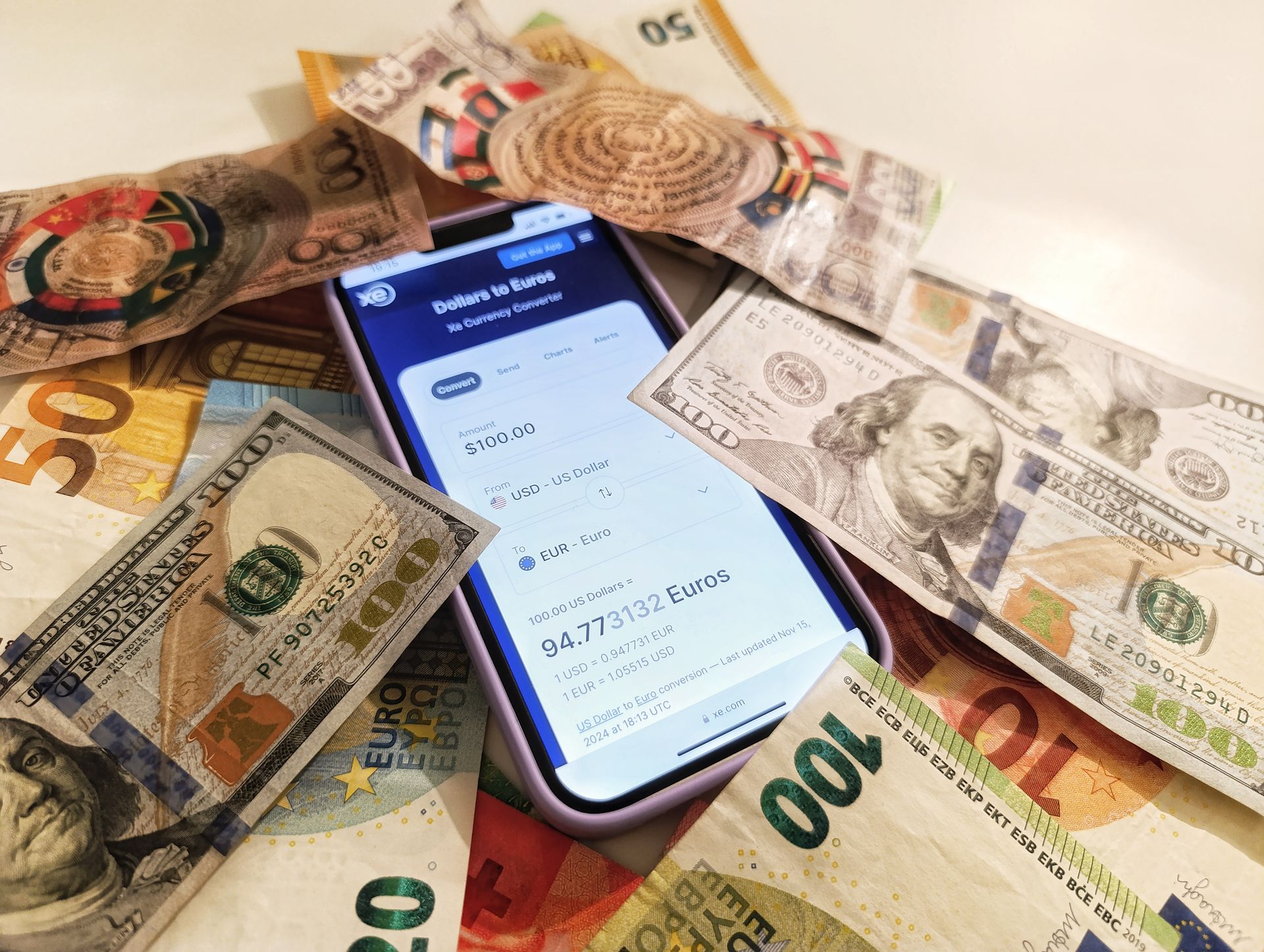
a mix of foreign currency notes and a phone showing a banking app

Credit cards

A standard credit card is probably the easiest option because you're already carrying one. The problem is that the card you use every day at home may not be the best one to take overseas.

Foreign transaction fees are the big one to watch. Even a small percentage added to every purchase can add up quickly over two weeks of hotels, meals, transport, and sightseeing.

Check these three things before you fly

  • Foreign transaction fees: Some credit cards charge a percentage every time you make a purchase in another currency. Look for a card with no foreign transaction fee if you plan to use it regularly overseas.
  • ATM and cash advance fees: Withdrawing cash using a credit card can trigger additional fees and interest, so check the terms before using one at an overseas ATM.
  • Points and rewards: If your card earns frequent flyer points or other rewards on overseas purchases, factor that into the comparison too. Just don't let the points distract you from higher fees.

I've been caught out by this myself. I once travelled with a card I thought was fee-free, only to discover a smaller charge buried in the terms that I'd never noticed on my domestic statements.

  • My rule now:

I check the actual fee schedule before travelling rather than assuming the card that's good at home will also be good overseas.


Bank travel money cards

Bank travel money cards let you load foreign currency before you leave, usually locking in the exchange rate at the time you convert.

They were once one of the obvious alternatives to travelling with cash, but newer multi-currency cards have made the choice less straightforward.

Where they still work well

  • You can lock in your exchange rate. If you're happy with the current rate, you know exactly how much foreign currency you have available before you travel.
  • They're separate from your everyday bank account. I like the added separation when travelling, particularly if a card is lost or compromised.
  • Spending is easy to track. Preloading a set amount can also help if you're trying to stick to a travel budget.

What I'd check first

  • The exchange rate margin. A card can advertise low or no transaction fees while giving you a less competitive exchange rate.
  • Loading and withdrawal fees. Check what it costs to add money, withdraw cash, or use currencies you haven't preloaded.
  • How it compares with newer alternatives. This is the big one for me. Traditional bank travel cards made much more sense before modern multi-currency accounts became widely available.

Modern multi-currency cards

Multi-currency cards are the biggest change I've seen in travel money since I first started writing about this topic.

Providers such as Wise and Revolut allow you to manage multiple currencies through one account and spend overseas using a linked card. For most travellers, this is now one of the first options I'd compare before reaching for a traditional travel money card.

How they work

The basic process is simple:

  1. 1
    Add money to your account in your country’s format.
  2. 2
    Convert it into another currency through the app, or let the provider handle the conversion when you spend, depending on the service and your setup.
  3. 3
    See the rate and applicable fees before confirming a conversion.
  4. 4
    Spend with the linked card anywhere that supports the card network you're using.

That transparency is the part I find most useful. Instead of looking only at a headline like "no transaction fees," you can see what your dollars are actually converting into and compare your options.

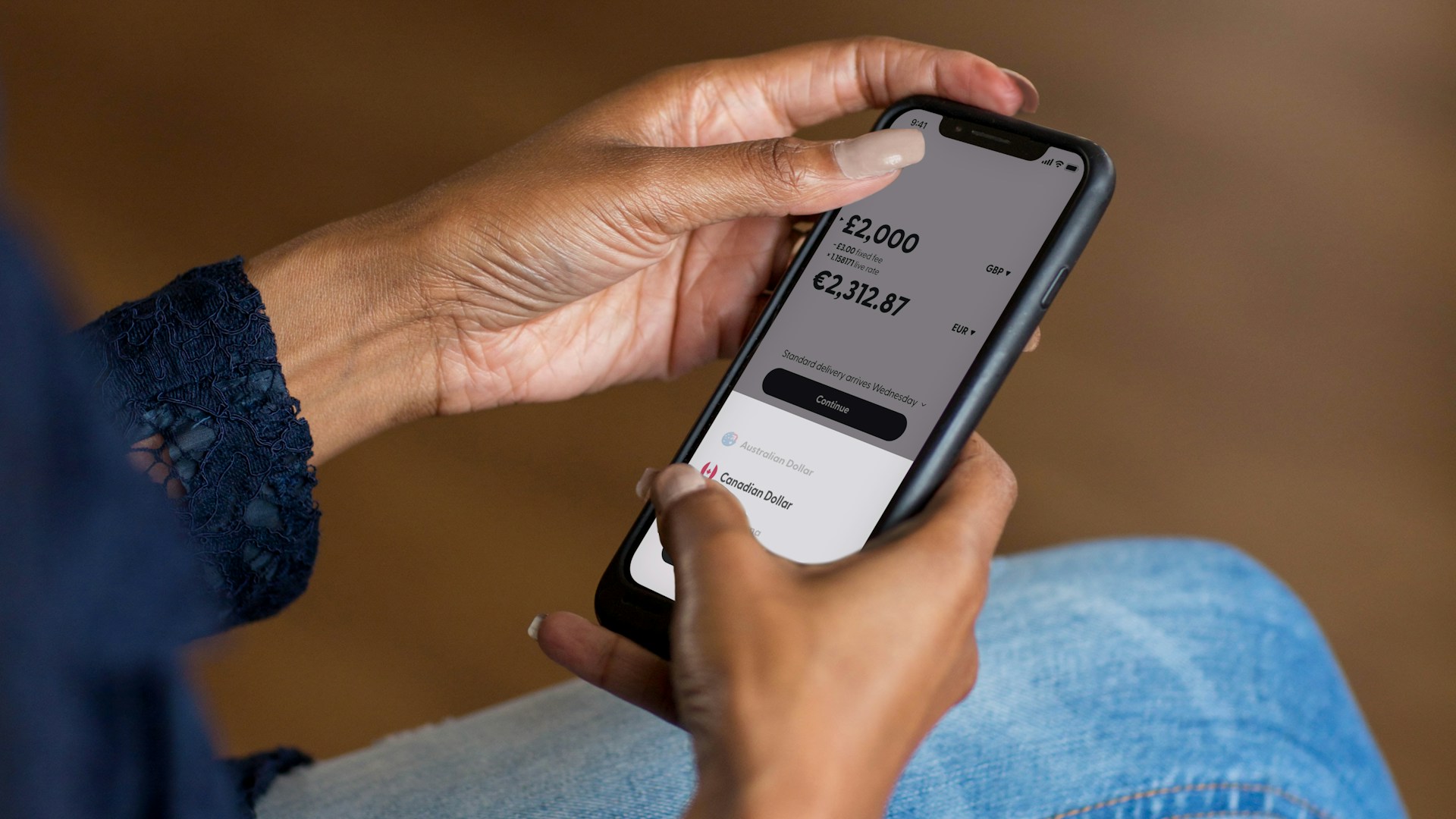
a phone showing a multi-currency banking app with several currency balances

Why I'd consider one for travel

  • Multiple currencies live in one place. That's particularly useful if you're visiting several countries on the same trip.
  • You can convert money from your phone. There's no need to visit an exchange counter every time you need another currency.
  • Fees and rates are easier to compare. You can see the details of a conversion before committing rather than judging an option by its advertised fees alone.
  • You don't have to carry your entire travel budget in cash. I still take some local currency, but I no longer want a wallet full of it.

The catch: check the ATM rules

Don't assume every transaction will be cheap simply because you're using a multi-currency card. ATM withdrawal allowances, conversion fees, weekend pricing, and other charges can vary by provider, account type, currency, and how you use the card.

  • My Travel Tip:

Set everything up before you leave and make a small test transaction at home. I'd much rather discover a card, PIN, or app isn't working while I'm still at home than when I'm standing at an ATM overseas.


Cash

I still take cash on almost every trip, but these days I treat it as a backup rather than my main way of paying.

Plenty of situations still make life easier with local currency, especially once you get away from major hotels, restaurants, and tourist attractions.

When I still reach for cash

  • Markets and street food: Small vendors don't always accept cards, and even when they do, cash can be quicker and simpler.
  • Local transport: Taxis, buses, ticket machines, and other forms of transport can still require cash in some destinations.
  • Smaller towns and rural areas: Card acceptance can become less reliable once you move away from major cities.
  • Emergencies: A payment terminal goes down, your bank blocks a transaction, or your phone dies. A small amount of cash gives you another way to pay when technology doesn't cooperate.

If I need to exchange money, I check the current rate on my phone first, so I have a rough idea of what I should be getting.

In Australia, I'll compare several exchange providers rather than automatically using the most convenient one. Overseas, I stick to established, licensed exchange counters and avoid anywhere advertising a rate that looks suspiciously good.

  • My approach:

I carry enough local currency to get me through a few basic expenses, but not enough that losing my wallet would derail the trip.


Cash hasn't disappeared from my travel routine. I just find myself needing much less of it than I used to.


Bringing money home

One tip that's genuinely served me well over the years: if you land home with leftover foreign cash, don't lose money converting it back at an airport kiosk. The rates there are consistently poor.

Instead, if you know someone heading to that country soon, trade it directly with them at a fair mid-market rate. Everyone comes out ahead compared to what either of you would get exchanging through a kiosk.

It's a small thing, but it's saved me more money over the years than most of the bigger decisions on this list. Worth remembering the next time you land home with a pocket full of coins and notes you're not sure what to do with.


What about travellers cheques?

Travellers cheques are essentially obsolete for the vast majority of travellers now. Most banks have stopped issuing them, and few places still accept them. Unless you have a specific reason to use them, they're not worth factoring into a modern travel money plan.


Save money on more than just the exchange rate

The right method genuinely depends on the trip and the traveller, a mix of a fee-free card, a multi-currency account, and a modest amount of cash covers most situations well.

None of this needs to be complicated, and it doesn't need a specific product pushed on you to get right. It just needs a few minutes of setup before you leave, rather than sorting it out at the airport with whatever's already in your wallet.

Avoiding unnecessary fees really comes down to a bit of planning before you leave, rather than sorting it out at the airport on the way out.

If working out the right setup for your specific trip feels like one more thing to research, that's exactly the kind of avoidable cost our personalised travel planning service helps you sidestep.

We fold this into the planning conversation rather than leaving you to figure it out at the last minute.


Frequently asked questions

Is it better to exchange money before you travel or after you arrive?

Generally after you arrive or via a multi-currency card, since exchange counters at your home airport typically offer the worst rates available.

How much cash should you carry when travelling overseas?

You should carry enough to cover a day or two as a backup, rather than your full trip budget. Most spending is safer and more convenient on a card these days.

Do multi-currency cards work everywhere?

Mostly, though not universally. They work anywhere card payments are accepted, but very cash-reliant destinations or situations still benefit from carrying some local currency.

Is it safe to carry large amounts of cash while travelling?

No, it's generally best avoided. Carrying only what you need for a day or two reduces the impact if cash is lost or stolen.

Can you still use traveller's cheques?

Technically in some places, though it's increasingly difficult. Most banks have stopped issuing them and few merchants still accept them, so they're not a practical option for most trips.